3D demo
Plank jump-in (groiner)
Stretching · Abs, Hip flexors, Shoulders
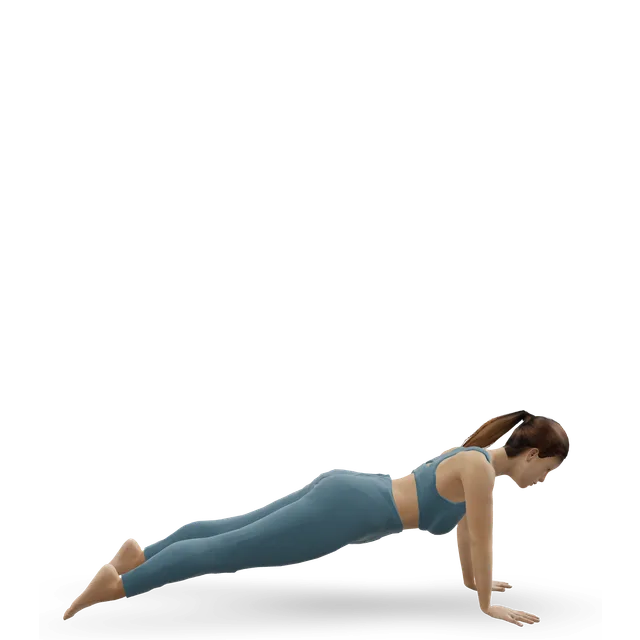
Loading the 3D figure…
The figure repeats the movement from its starting position. Drag to turn it; the arrows open the demos either side.
From a push-up position on straight arms, you jump both feet forward to land just behind your hands in a deep crouch, head up, then jump them back out. It is the floor half of the burpee, without standing up or jumping. NASM rates the full burpee advanced and suggests stepping back to the plank instead of jumping to make it easier.
Movement guide
Plank jump-in (groiner)
Make it easier or harder
Choose a version that fits your control and comfort.
Easier option
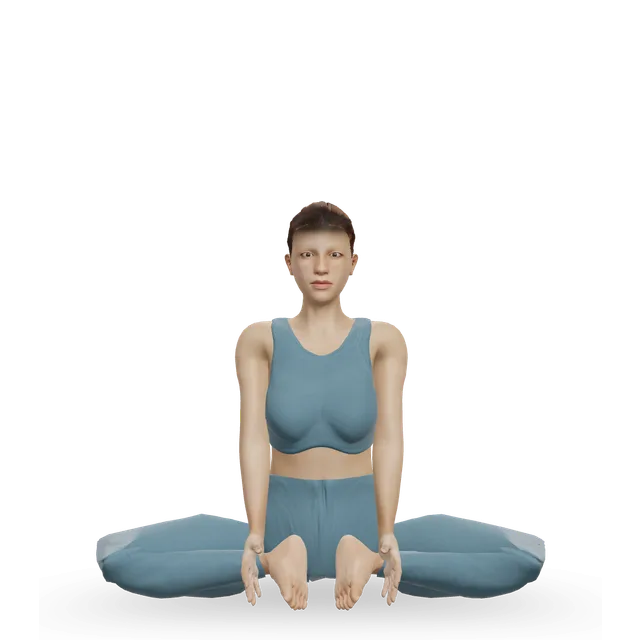 3D demoBound angle pose (Baddha Konasana)Beginner · No equipment
Similar move, beginner grade.
Harder option
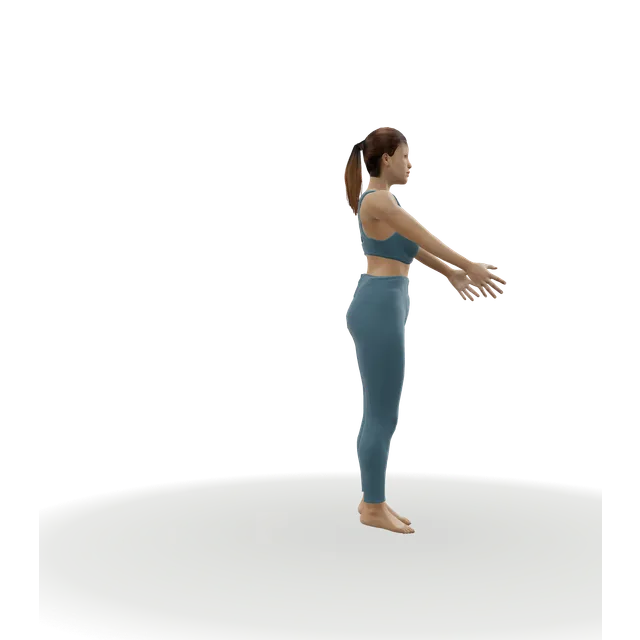 3D demoBurpeeAdvanced · No equipment
Suggested next step, advanced grade.
Source-researched guide.
Form cues
- Keep your shoulders over your hands.
- Land softly on the balls of your feet.
- Avoid: letting your low back sag in the plank.
Practice and cautions
2 to 3 sets of 10 to 20, stopping when your plank or landings get sloppy (our editorial starting point).
It puts your body weight through your wrists and is a jumping move: step the feet in and out instead if your wrists, knees or landings complain. In pregnancy, don't start new jumping or impact work; if you already do it, drop it when it causes leaking, heaviness or pelvic pain. This is movement education, not an assessment or treatment prescription. Stop for sharp or increasing pain, dizziness, numbness or tingling; seek individual guidance for symptoms, injury or restrictions.
Sources and review status
Sources support the educational description; they do not establish that this exercise is suitable for you.
- NASM · Squat thrust burpees (advanced; step back to the plank instead of jumping to make it easier) ↗
- NASM · Developing power with plyometrics (land and hold single jumps before repeated jumps; land softly, knees over the toes) ↗
- Free Exercise DB · community text ↗
Unlicense · Free Exercise DB contributors; derived from wrkout/exercises.json. Text import; no photographs or media. · Revision f00c92c7dcf1216a928a52c3706c7ce8e2f71ed5
No variation is labeled clinically validated.
What it works
Muscles
Main: Abs, Hip flexors. Also: Shoulders, Quads, Adductors.
Anatomy: Rectus abdominis, Obliques, Transversus abdominis, Iliopsoas, Rectus femoris, Pectineus.
Equipment
None: body weight and floor space.
Level
Intermediate. See the easier and harder options above.
Pain guides that use it
Part of a staged plan, with when to get help first.
Guides that use it
Similar moves
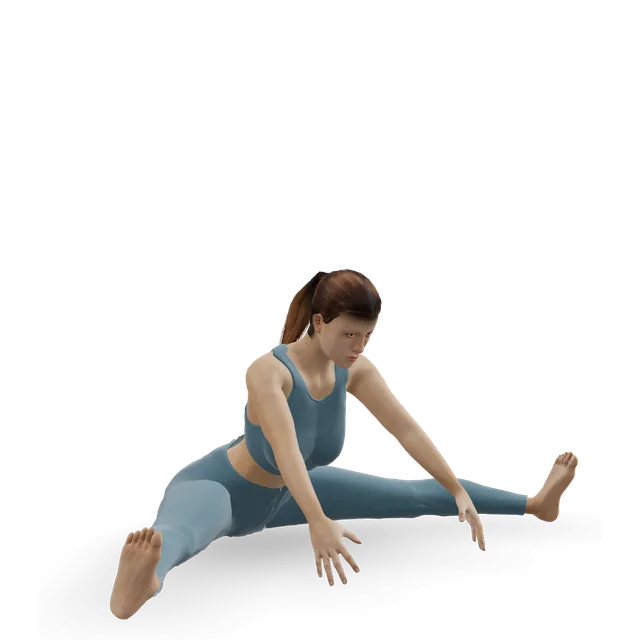 3D demoActive pancake lift-offAdvanced · No equipment
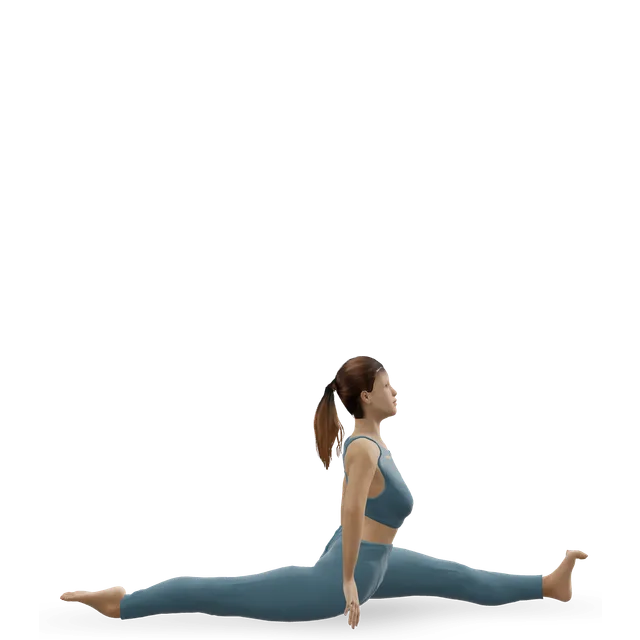 3D demoFront splits (Hanumanasana)Advanced · No equipment
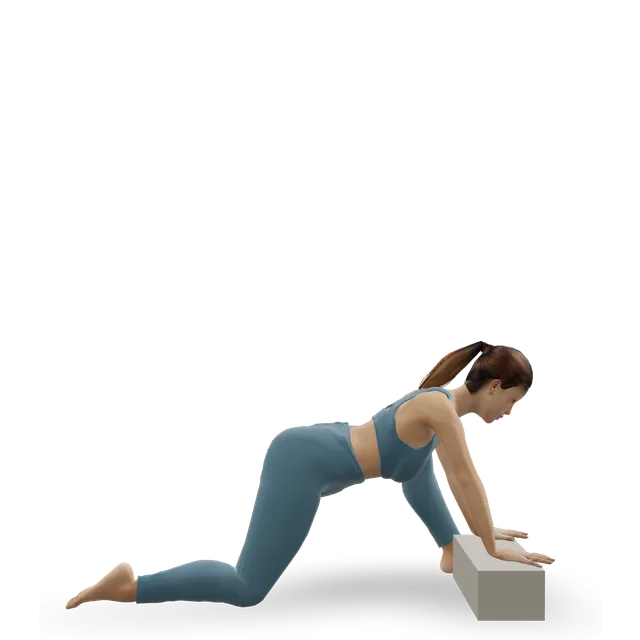 3D demoLizard pose (Utthan Pristhasana)Intermediate · No equipment
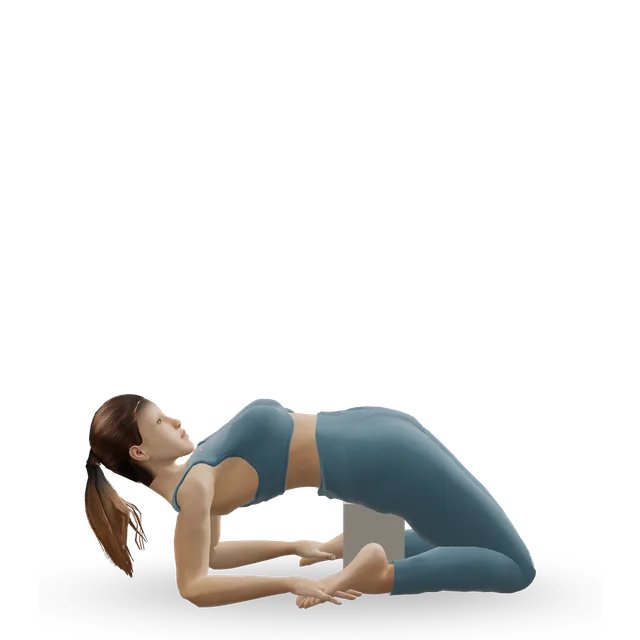 3D demoReclining hero pose (Supta Virasana)Advanced · Firm cushion
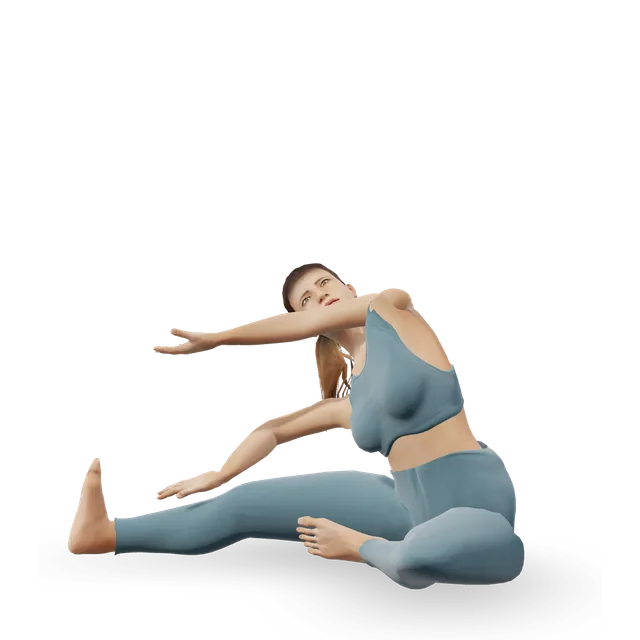 3D demoRevolved head-to-knee pose (Parivrtta Janu Sirsasana)Intermediate · No equipment
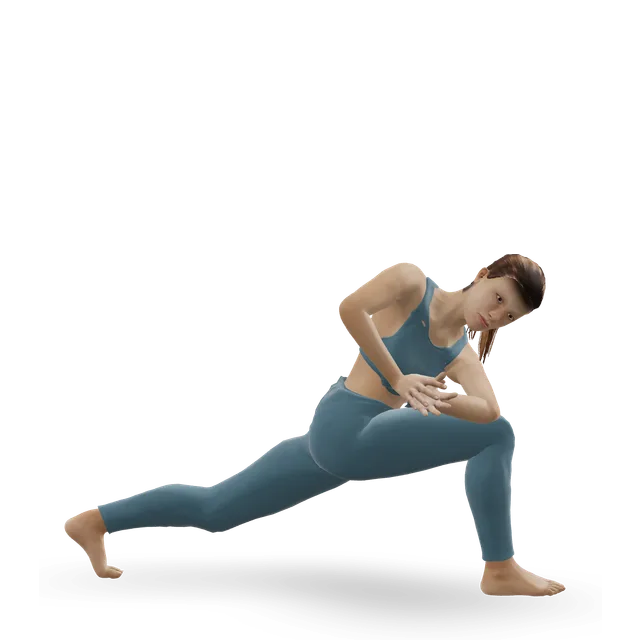 3D demoRevolved side angle (Parivrtta Parsvakonasana)Advanced · No equipment
Browse more
Questions people ask
What muscles does the Plank jump-in (groiner) work?
Mainly the abs and hip flexors, with help from the shoulders, quads and adductors.
What equipment do I need for the Plank jump-in (groiner)?
No equipment: your body weight and a little floor space.
Is the Plank jump-in (groiner) good for beginners?
It is graded intermediate. If it is too hard right now, start with the Bound angle pose (Baddha Konasana).
What is an easier alternative to the Plank jump-in (groiner)?
Try the Bound angle pose (Baddha Konasana) or the Low lunge (Anjaneyasana). It works similar muscles at a lower grade.
How do I make the Plank jump-in (groiner) harder?
Progress to the Burpee. Follow that guide’s technique and any stated timing.