Active pancake lift-off
Sitting in a wide straddle folded forward as far as you honestly go, hands resting on the floor in front, you lift both straight legs until the heels clear the floor, hold briefly and lower. Unlike a passive pancake fold, your own muscles work at your longest position. Pancake protocols are untested; in reviews of trials, loaded strength training gained about as much range as stretching (body weight alone did not), and lowering work under load improved flexibility.
Movement guide
Active pancake lift-off
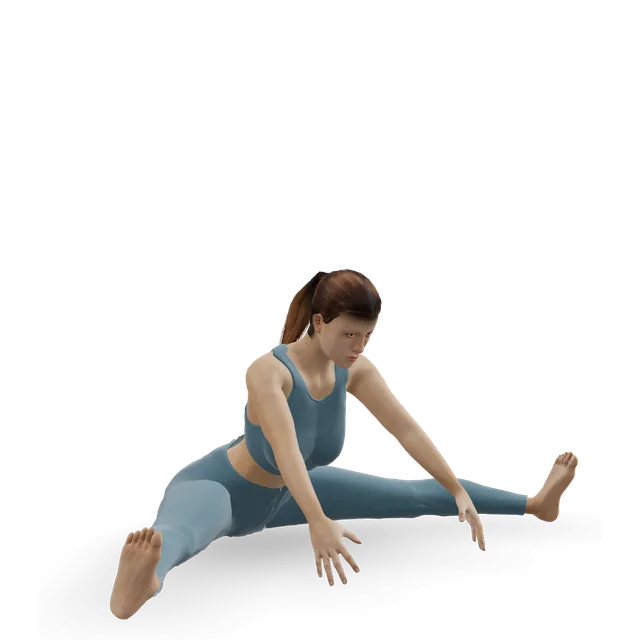
Loading the 3D figure…
Make it easier or harder
Choose a version that fits your control and comfort.
Easier option
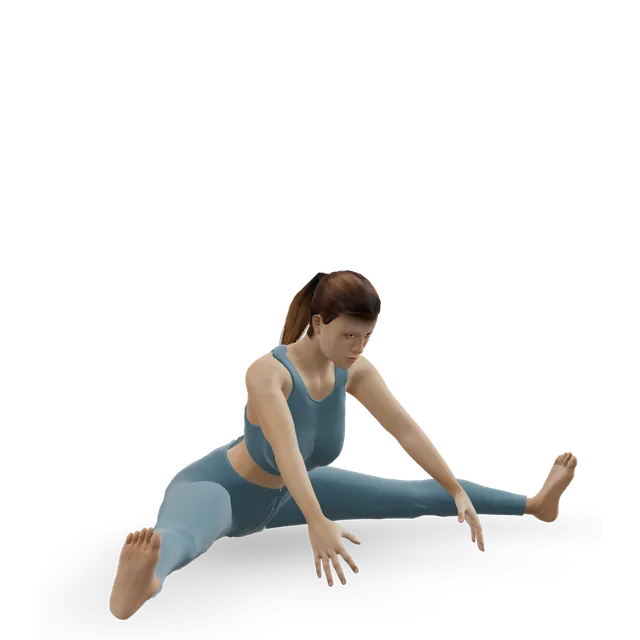 3D demoWide-angle seated forward fold (Upavistha Konasana)Intermediate · No equipment
Suggested next step, intermediate grade.
Harder option
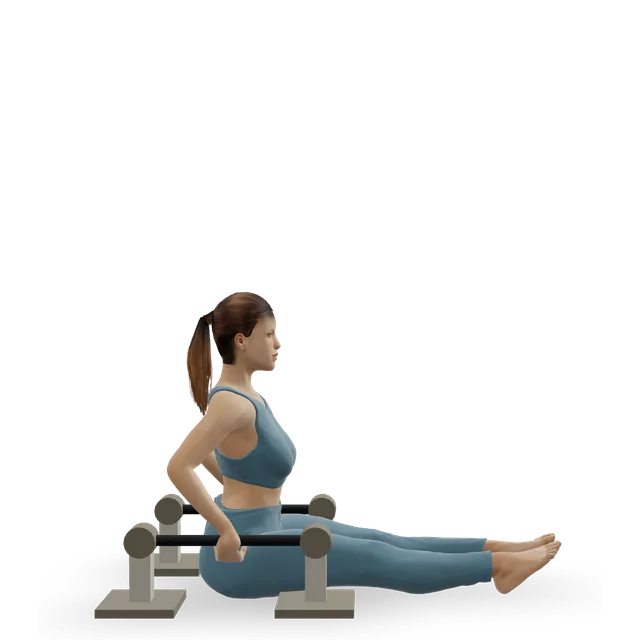 3D demoL-sitAdvanced · No equipment
Suggested next step, advanced grade.
Source-researched guide.
How to move
- Sit with your legs wide in a straddle, knees and toes pointing up, and fold forward from the hips as far as you honestly can, hands resting on the floor or a block in front of you.
- Keeping the knees straight and the fold steady, lift both legs until the heels just clear the floor.
- Hold for 3 to 5 seconds, then lower the heels slowly.
- Rest a breath and repeat. To finish, walk your hands back and sit up.
Form cues
- Lift by tightening the fronts of the thighs; the heels only need to clear the floor.
- Keep the hands light: they rest, they don't push.
- Avoid: rocking back or rounding up out of the fold to lift.
Practice and cautions
4 sets of 5 lifts, holding 3 to 5 seconds each (our editorial starting point).
Expect sharp inner thigh cramping early on. Build the hold time gradually rather than chasing height. This is movement education, not an assessment or treatment prescription. Stop for sharp or increasing pain, dizziness, numbness or tingling; seek individual guidance for symptoms, injury or restrictions.
Sources and review status
Sources support the educational description; they do not establish that this exercise is suitable for you.
- ACE · Seated straddle stretch (beginner; legs wide, a hinge forward from the hips, inner thighs and hamstrings stretched) ↗
- Afonso 2021 · Strength training and stretching gained about the same range of motion (meta-analysis of 11 randomised trials, Healthcare) ↗
- Alizadeh 2023 · Resistance training raised range of motion as much as stretching, though training with body weight alone did not (meta-analysis of 55 studies, Sports Medicine) ↗
- O'Sullivan 2012 · Eccentric (lowering) training improved lower-limb flexibility in all 6 trials (systematic review, BJSM) ↗
No variation is labeled clinically validated.
What it works
Muscles
Main: Hip flexors, Quads. Also: Adductors, Hamstrings.
Anatomy: Iliopsoas, Rectus femoris, Pectineus, Sartorius, Quadriceps, Vastus medialis.
Equipment
None: body weight and floor space.
Level
Advanced. See the easier and harder options above.
Guides that use it
Similar moves
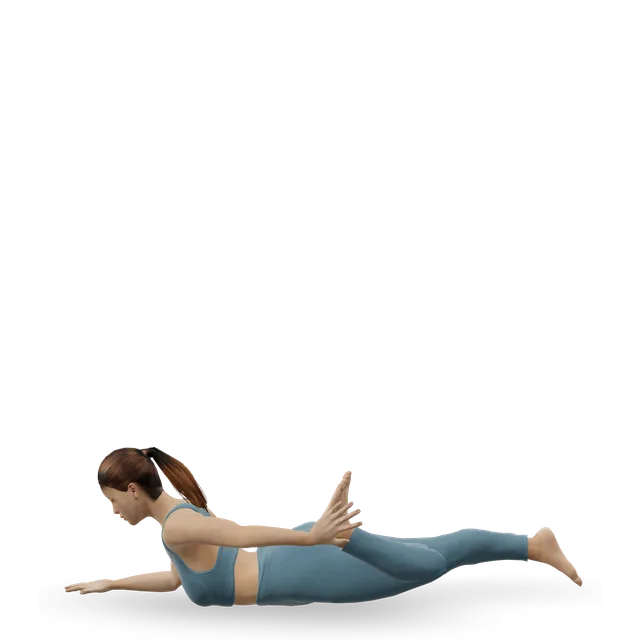 3D demoHalf frog pose (Ardha Bhekasana)Intermediate · No equipment
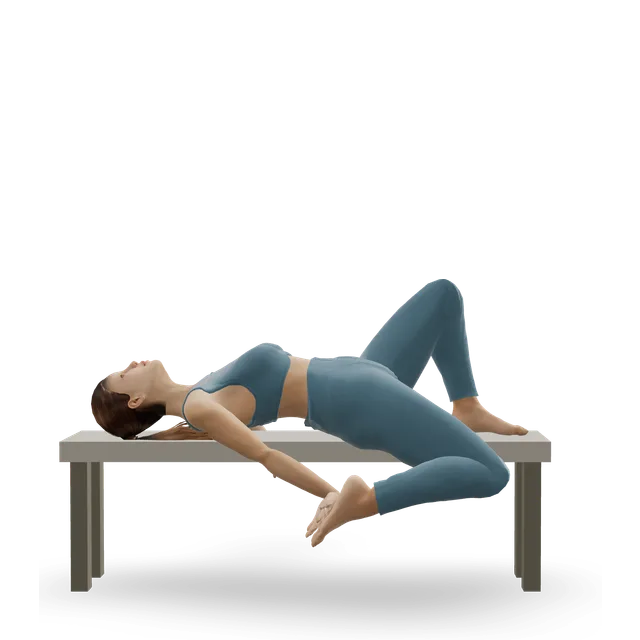 3D demoLying quad stretch off a benchBeginner · A bench or box
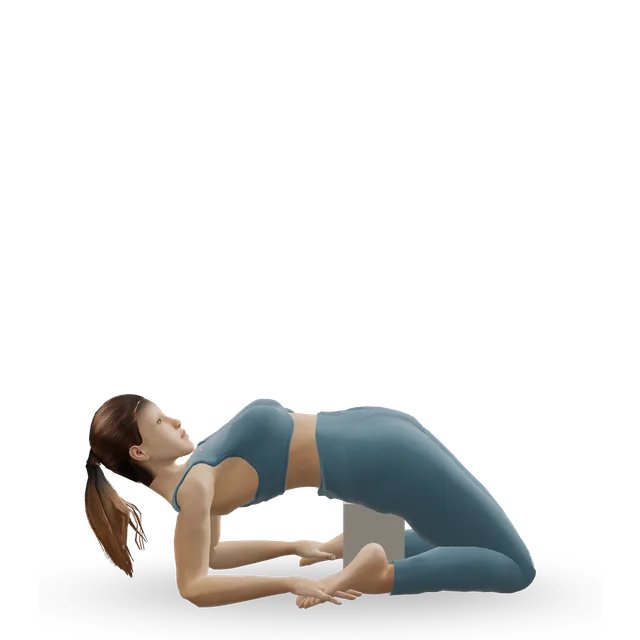 3D demoReclining hero pose (Supta Virasana)Advanced · Firm cushion
 Bretzel stretchIntermediate · No equipment
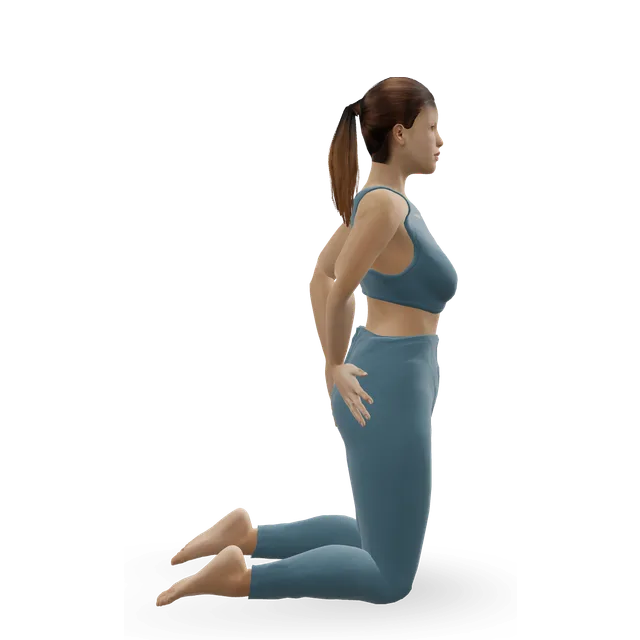 3D demoKneeling back bend (looking at the ceiling)Intermediate · No equipment
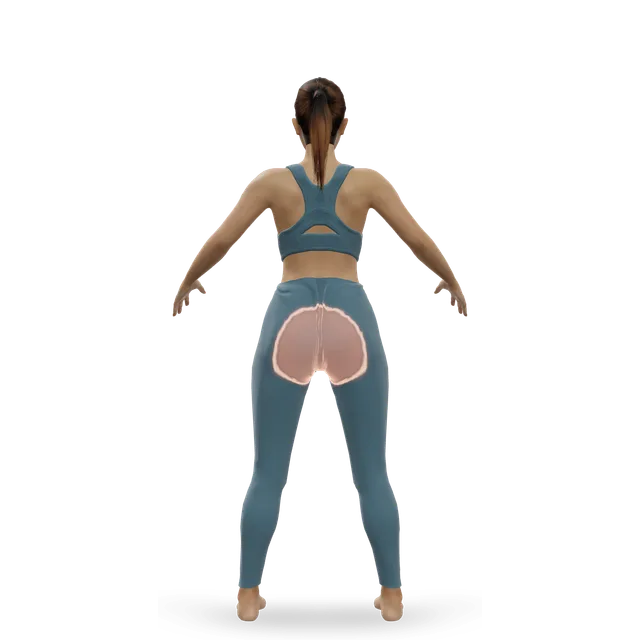 One-legged king pigeon (Eka Pada Rajakapotasana, full)Expert · No equipment
Browse more
Questions people ask
What muscles does the Active pancake lift-off work?
Mainly the hip flexors and quads, with help from the adductors and hamstrings.
What equipment do I need for the Active pancake lift-off?
No equipment: your body weight and a little floor space.
Is the Active pancake lift-off good for beginners?
It is an advanced move. Build up to it with the Wide-angle seated forward fold (Upavistha Konasana) first.
What is an easier alternative to the Active pancake lift-off?
Try the Wide-angle seated forward fold (Upavistha Konasana) or the 90/90 hip lift-off. It is the suggested step down from this move.
How do I make the Active pancake lift-off harder?
Progress to the L-sit. Follow that guide’s technique and any stated timing.