Also called rec fem, kicking muscle, front thigh muscle, two-joint quad
The rectus femoris is the quadriceps muscle that runs straight down the middle of the front of your thigh, from the front of the pelvis just above the hip socket to the kneecap. It is the only one of the four quads that crosses the hip as well as the knee.
That gives it two jobs: it straightens the knee and lifts the thigh, which is why it has been called the kicking muscle. It is also the quad most often strained, usually in a kick or a sprint, and the one that squats and leg presses train least.
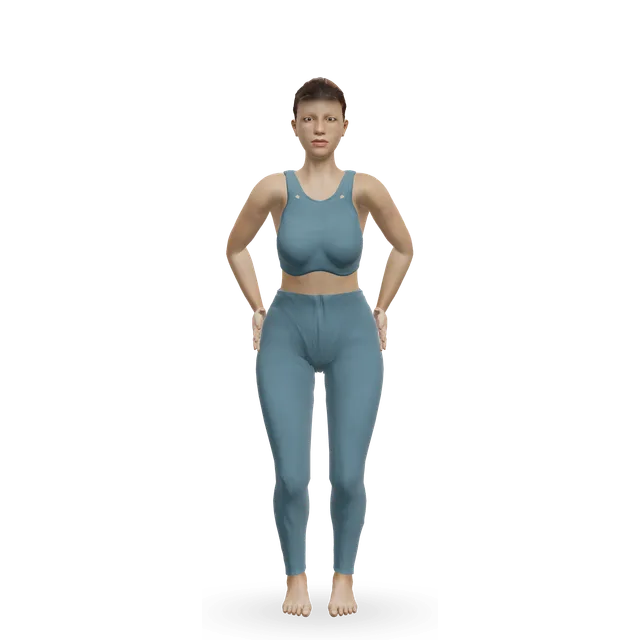
Shaded: the quads and hip flexors area. It marks the region, not the exact outline of the rectus femoris.
Starts at (origin)
Two heads: a bony point at the front of the pelvis, just below the one you can feel at the front of your hip, and the upper rim of the hip socket.Straight head from the anterior inferior iliac spine; reflected head from the superior acetabular ridge (one source adds a small tendon to the hip capsule)
Attaches to (insertion)
The top of the kneecap, then through the tendon below the kneecap to the bump at the top of the shin.Base of the patella via the quadriceps tendon; tibial tuberosity via the patellar ligament
What it does
Straightens the knee, as in kicking a ball or standing up.Knee extension
Lifts the thigh forward, as in the knee drive of a march or a sprint.Hip flexion
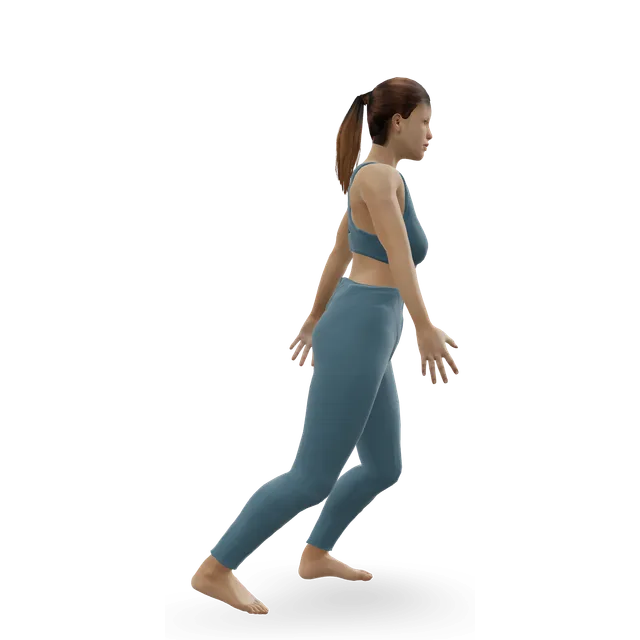
Because it crosses both joints, it is a weak knee-straightener when the hip is already bent, as in sitting, and at its longest with the knee bent and the hip taken behind you.Two-joint action: active insufficiency with the hip flexed; passive insufficiency with the knee flexed and the hip extended
Nerve supply
Femoral nerve, from the L2 to L4 nerve roots. One StatPearls chapter adds fibres from L1, and the rectus femoris chapter puts the main supply at L4, with help from L2 and L3. It usually gets two nerve branches (anywhere from one to four), and its nerve also supplies the hip joint.
A kick swings the thigh forward and straightens the knee in one movement, and in the backswing, with the hip back and the knee bent, its tendon is stretched to full length. A forceful kick or sprint is also where it gets hurt: of 16 rectus femoris injuries among 156 male athletes with sudden groin pain, 10 happened kicking and 4 sprinting, and 10 involved the tendon.
Why squats and leg presses leave it outEmerging evidence
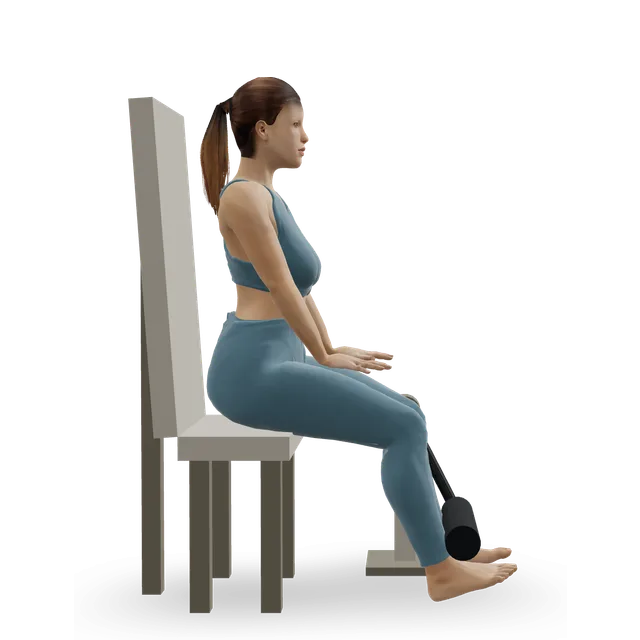
When the hip has to straighten at the same time as the knee, as in a squat or leg press, it is switched down. In recordings of muscle activity (electromyography, EMG), adding effort to straighten the hip lowered its activity, and on the leg press its activity at 80% of the heaviest weight people could lift matched a leg extension at 20%. The knee extension worked it more than the squat or leg press, which worked the other quads more.
Growth followed the same pattern. In a 12-week trial that trained one leg on the leg extension and the other on the leg press, the rectus femoris grew 13.2% against 1.1%, while the other three quads grew by similar amounts on either machine, about 4 to 7%. It did not grow at all after 10 weeks of squats in another trial, and an earlier leg extension study grew it more than the other quads.
Less hip bend in the leg extensionEmerging evidence
Reclining the seat may help. The evidence is one trial in untrained men and a 9-person magnetic resonance imaging (MRI) study, both read as abstracts. In the trial, leg extensions with the hip bent to 40 degrees grew it more than at 90 degrees; in the scans, its upper and middle parts were more active at 0 to 40 degrees than at 80.
Working it as it lengthens, and lifting the kneeEmerging evidence
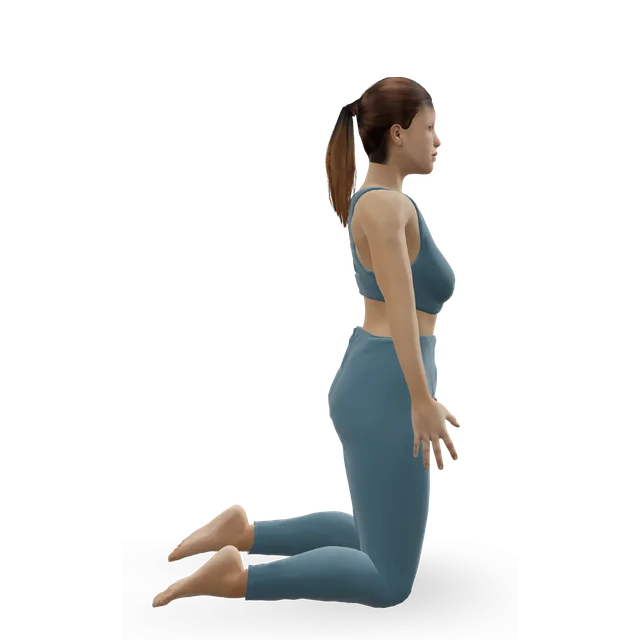
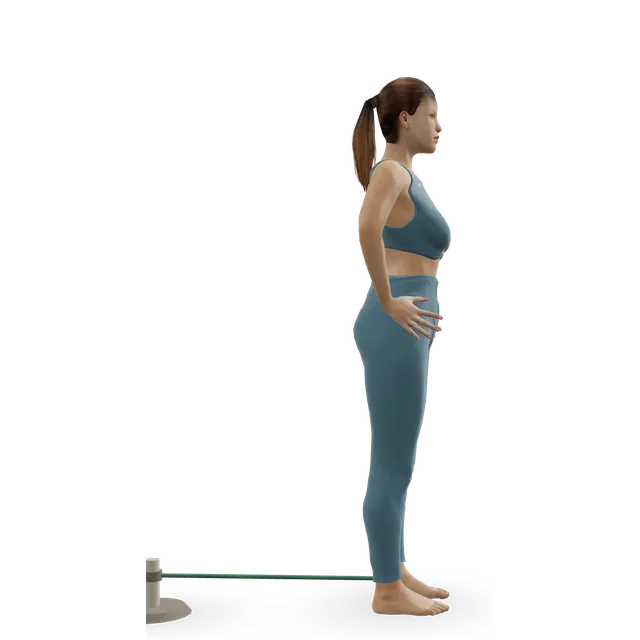
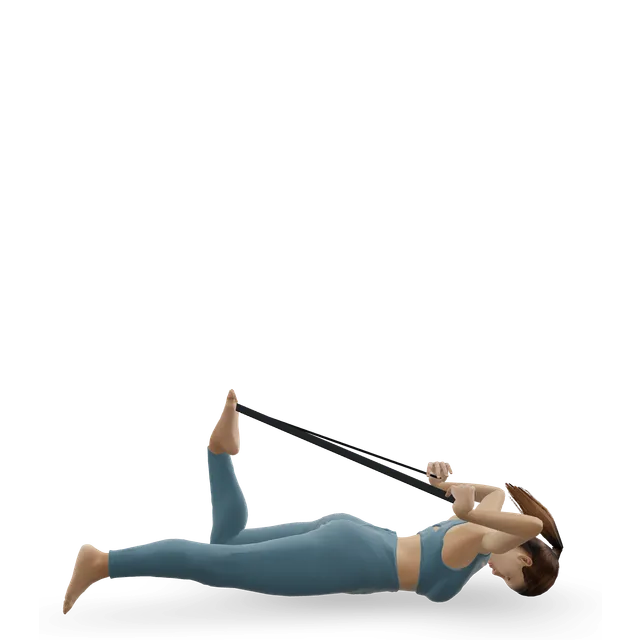
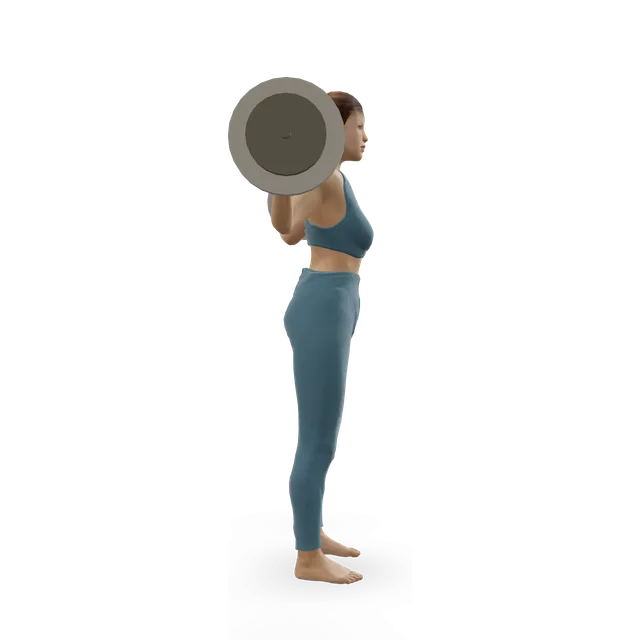
The reverse Nordic, kneeling tall and leaning back, worked it as hard as single-leg squats, Bulgarian split squats and lunges while it lengthened. Eight weeks of it lengthened its fibres and thickened it, changes that reversed after 4 weeks off, in a study without a separate control group. For its hip-flexing job, 6 weeks of band hip-flexor training raised hip-flexion strength by 17% in a trial, for the hip flexors as a group. In a straight-leg raise it switches on early, but the deep psoas, not the rectus femoris, keeps working harder toward the top.
The first two rest on measurements: in a 12-week trial the leg extension grew the rectus femoris by 13%, against 1% for the leg press, and in an EMG study the reverse Nordic worked it as hard as single-leg squats while it lengthened, which shows activity rather than growth. Reclining the seat may help. The rest follow from its actions, starting with the home version of the leg extension; the band hip lift raised hip-flexion strength in a trial, for the hip flexors as a group. Squats and leg presses build the other three quads well but barely this one. The growth trials were small and in untrained people, but they point the same way.
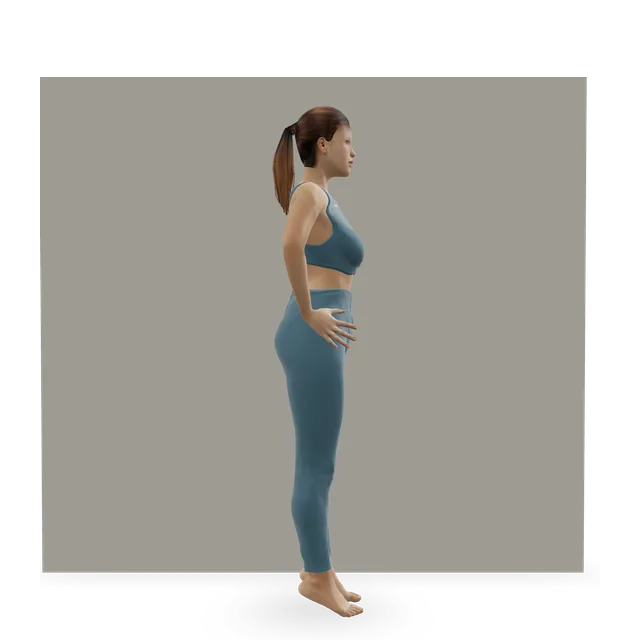
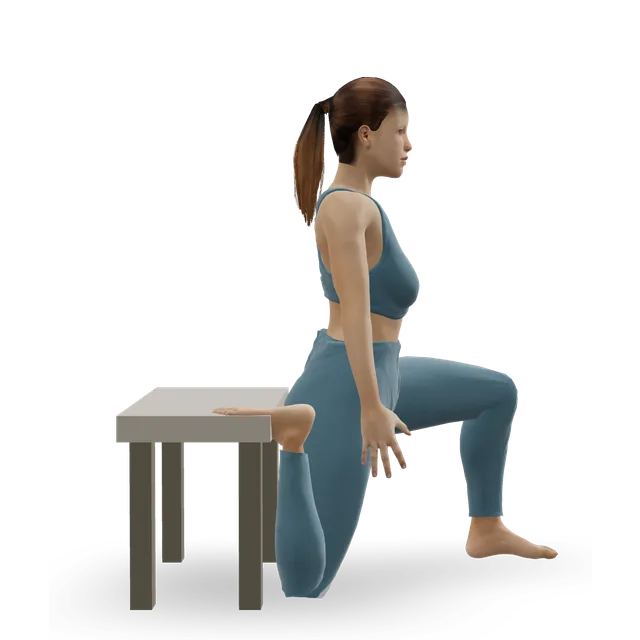
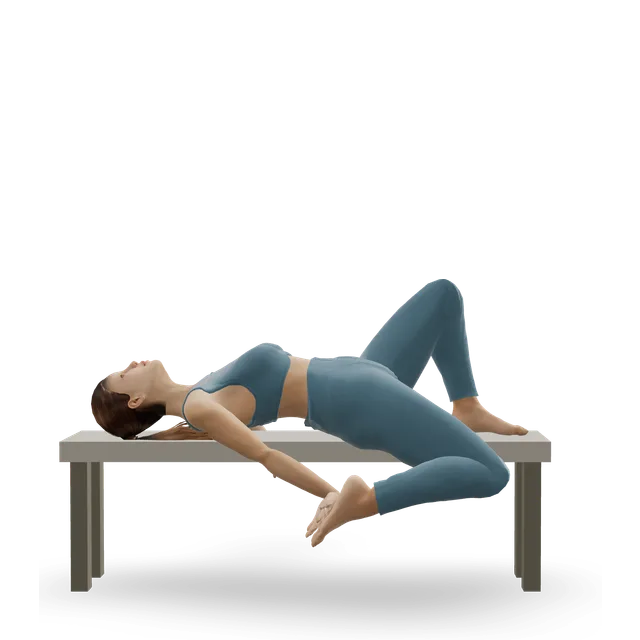
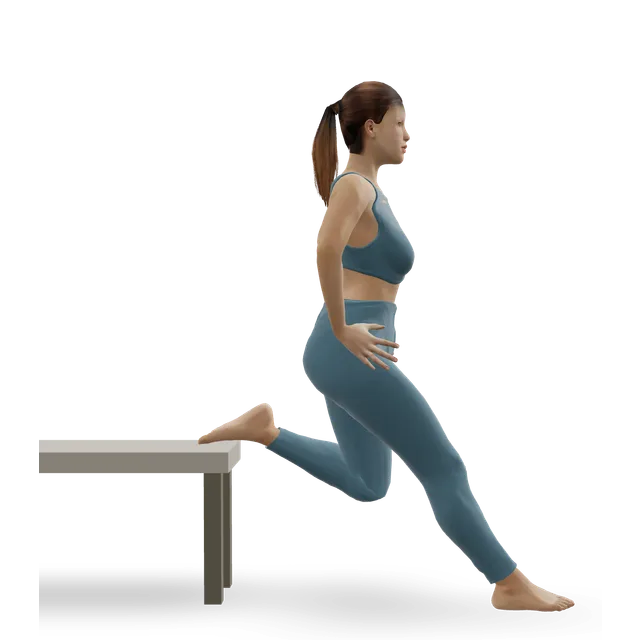
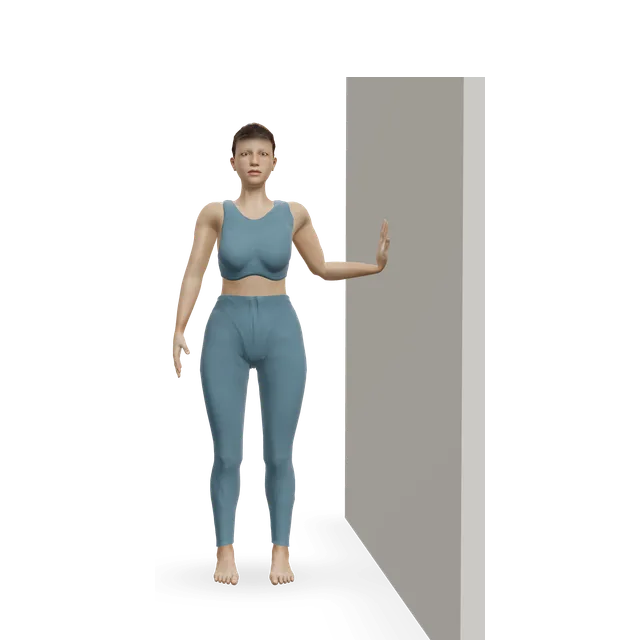
Bend the knee and take the hip behind you: that is the position in which it is longest, so these follow from its anatomy rather than from a study of each move. Bending the knee alone stretches mainly the other three quads, so in the standing stretch keep the thigh back and tuck your tailbone under. In a trial of 33 people with limited hip extension, active and passive hip-flexor stretching both gained range over 6 weeks. Stretch for range, not to prevent strains, and leave hard stretching until a fresh strain loads comfortably.
Rectus femoris strain (a pulled quad)Strong evidence
It is the most frequently injured quad. StatPearls puts this down to its position at the surface, and a review adds that it crosses two joints, has many fast-twitch fibres and has complex tendon architecture. A strain brings sudden pain at the front of the thigh or groin and weak knee straightening, and about 60% are high in the muscle.
In elite men's football, the quads accounted for 19% of muscle injuries, after the hamstrings (37%) and the inner thigh (23%). The UK's National Health Service (NHS) says most strains feel better after 2 weeks, that strenuous exercise such as running should wait up to 8 weeks, and that severe strains can take months.
Full-thickness tears high in the muscleEmerging evidence
Across 18 studies of 132 athletes, 70.5% played football and 15.2% rugby, and kicking was the commonest cause. Most (86%) had pulled the tendon off the bone and 80% had surgery; return to sport took about 12 weeks without surgery and about 22 with it. MRI is the preferred scan.
Teenagers: a pulled-off bone at the front of the hipEmerging evidence
Until the growth plates fuse, a hard kick or sprint can pull the bony point where its straight head starts away from the pelvis. It was the commonest pelvic avulsion in a review of young athletes (46% of cases; the patients averaged 14.5 years), and kicking was its commonest cause. Minimally displaced fractures are usually treated without surgery, and a sudden pop with pain at the front of the hip needs an X-ray.
A dead leg, and a hard lump afterwardsEmerging evidence
A heavy knock bruises the muscle rather than tearing it, and is the second commonest quad injury after strains. Bone forms in the bruised muscle (myositis ossificans) in 9 to 17% of these bruises, so a hard lump that appears or grows weeks after a knock needs checking. Most cases in the rectus femoris settle without surgery.
A tear low in the rectus femoris is usually part of a quadriceps tendon rupture. It mostly affects people over 40, stops you straightening the knee and usually needs surgery, so a pop above the kneecap with a knee you can't straighten needs checking promptly.
Squats and leg presses train all four quadsEmerging evidence
The rectus femoris barely grows with them: not at all after 10 weeks of squats, and 1% after 12 weeks of leg presses against 13% with leg extensions. Its activity stays low whenever the hip straightens at the same time as the knee. Squats and leg presses still build the other three quads well.
The rectus femoris is the biggest quadStrong evidence
It is the smallest by volume, about 14% of the quadriceps in scans of 17 adults. The vastus lateralis, on the outer thigh, is the largest and strongest.
A tight rectus femoris tilts your pelvis and causes back painMixed evidence
In 25 adults, how far the hip extended had nothing to do with how the pelvis tilted when standing. The modified Thomas test, often used to judge a tight rectus femoris, missed most real limits in hip extension unless the pelvis was held still, and its pass-or-fail scoring of the rectus femoris was unreliable between testers.
Stretching the front of the hip does gain range: in a trial, active and passive stretches both improved hip extension over 6 weeks. It is a range exercise, not a posture fix.
No prevention programme has been tested for quad strains. Across 25 trials in sport, stretching programmes did not lower injury rates, while strength training cut them to about a third.
It straightens the knee and lifts the thigh forward at the hip. It is the only one of the four quads that crosses the hip, which is why it has been called the kicking muscle.
Where is the rectus femoris?
It runs down the middle of the front of the thigh, from a bony point at the front of the pelvis just above the hip socket to the kneecap. It is the most superficial of the quads.
What are the best rectus femoris exercises?
The leg extension: in a 12-week trial it grew the rectus femoris by 13%, against 1% with the leg press. A reclined seat may help a little more, and the reverse Nordic works it as it lengthens.
Do squats work the rectus femoris?
Barely. It did not grow after 10 weeks of squats while the other quads did, probably because it is switched down when the hip straightens at the same time as the knee.
How do you stretch the rectus femoris?
Bend the knee and take the hip behind you, as in the couch stretch or a lying quad stretch. Hip-flexor stretching gained hip extension over 6 weeks in a trial. Don't stretch hard in the first days after a strain.
What does a rectus femoris strain feel like?
A sudden sharp pain at the front of the thigh, sometimes high near the groin, usually mid-kick or at the start of a sprint, with weak knee straightening. A bigger tear can leave a bulge or a dent. Our quad strain guide covers rehab.
How long does a rectus femoris tear take to heal?
The NHS says most strains feel better after 2 weeks, but strenuous exercise such as running should wait up to 8 weeks, and severe strains can take months. Full-thickness tears high in the muscle took about 12 weeks to return to sport without surgery and about 22 with it.
Why is there a lump in my thigh after a rectus femoris tear?
A torn muscle can bunch into a bulge or leave a dent. A hard lump that appears or grows weeks after a knock can be bone forming in a bruised muscle, which happens in 9 to 17% of thigh bruises, so get it checked.
Can a teenager pull the bone off at the hip?
Yes. Before the growth plates fuse, a hard kick or sprint can pull off the rectus femoris attachment at the front of the pelvis; it was the commonest pelvic avulsion in a review of young athletes, whose average age was 14.5. A sudden pop with pain at the front of the hip needs an X-ray.
Is it a quad strain or a hip flexor strain?
It can be both. The rectus femoris lifts the thigh as well as straightening the knee, so a strain high in it hurts at the front of the hip, and most rectus femoris injuries in athletes with groin pain came from kicking.
Anatomy and movement education, not a diagnosis or treatment plan. If you have pain that follows an injury, is severe or getting worse, or comes with numbness, weakness or swelling, get it assessed. Health disclaimer.