Also called outer quad, outer thigh muscle, quad sweep, lateral quad
The vastus lateralis is the large muscle on the outer side of the front of your thigh, the biggest and strongest of the four quadriceps. It runs from the top of the thigh bone, just below the hip, to the outer edge of the kneecap, partly under the iliotibial (IT) band.
It straightens the knee and takes much of the load when you land, walk downhill or go down stairs. Squats, leg presses and leg extensions all build it, and its size and easy reach make it the usual site for research biopsies and, in babies, injections.
Shaded: the quads area. It marks the region, not the exact outline of the vastus lateralis.
Starts at (origin)
The outer side of the thigh bone, from the bony knob at the hip down the ridge on its back.Intertrochanteric line, greater trochanter, gluteal tuberosity, lateral lip of the linea aspera and lateral intermuscular septum
Attaches to (insertion)
The outer top edge of the kneecap, then through the tendon below the kneecap to the top of the shin.Lateral base and border of the patella and the quadriceps tendon, forming the lateral patellar retinaculum; tibial tuberosity via the patellar tendon
What it does
Straightens the knee: the strongest quad, giving about 40% of quad strength.Knee extension
With the other quads, takes the shock as the heel lands and brakes the knee as you walk downhill or go down stairs.Eccentric control of knee flexion
With the vastus medialis, steadies the knee; its fibres help form the tissue that keeps the kneecap in its groove.Knee and patellar stabilisation
Nerve supply
Femoral nerve, from the L2 to L4 nerve roots, mainly L3. About 60% of people have a separate lower, more angled part, the vastus lateralis obliquus.
On scans of 17 adults it was the largest of the four quads, about 585 cubic centimetres against about 399 for the vastus medialis, 473 for the vastus intermedius and 233 for the rectus femoris. StatPearls credits it with about 40% of quad strength.
In a 12-week trial it grew about the same with the leg extension as with the leg press, and its activity, recorded with electromyography (EMG), was similar in both, about 37% of maximum. Ten weeks of full or half squats grew the quads by about 5%, though not the rectus femoris, and squats on a Smith machine grew the middle of the vastus lateralis.
In EMG studies, one-leg squats drew more of its activity than lunges, Bulgarian split squats, lateral step-ups or the reverse Nordic. EMG shows how hard a muscle works, not whether it grows.
It is the standard site for research muscle biopsies: 97.4% of 2,435 biopsies in one Brazilian series came from it. A cadaver study put the best site in its lower part, a half to three-quarters of the way from the bony knob at the hip to the outer knee, just in front of the IT band, where it found fewer nerves and vessels; it put reported complication rates at 0.1 to 4%.
StatPearls lists it as the intramuscular injection site for babies, it or the deltoid for children, and the ventrogluteal or deltoid site for adults, with the middle third of the outer thigh considered safe.
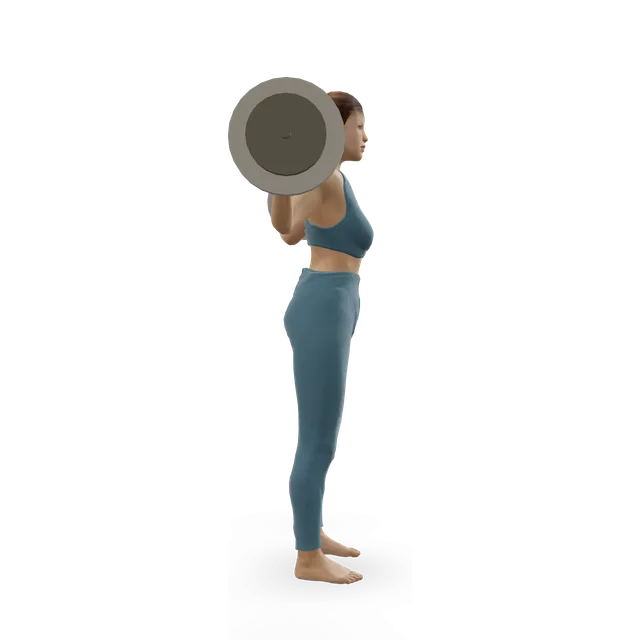
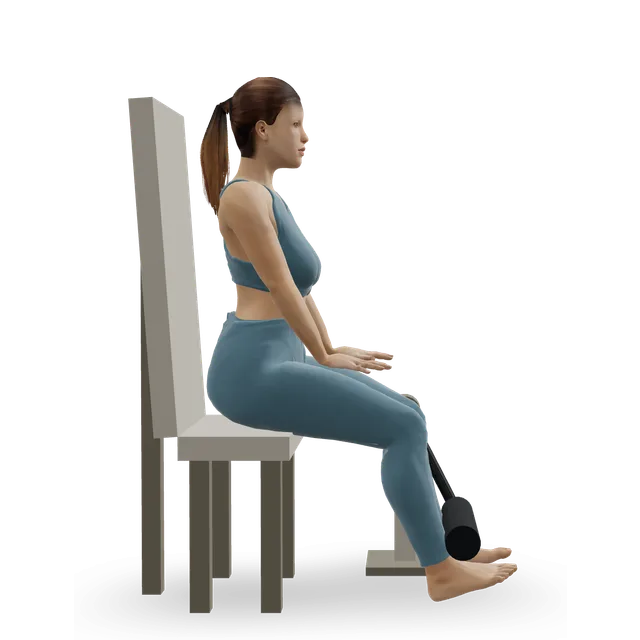
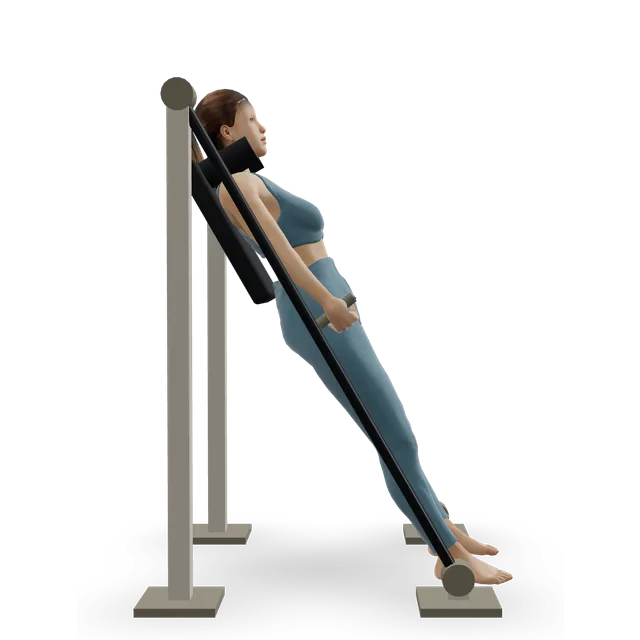
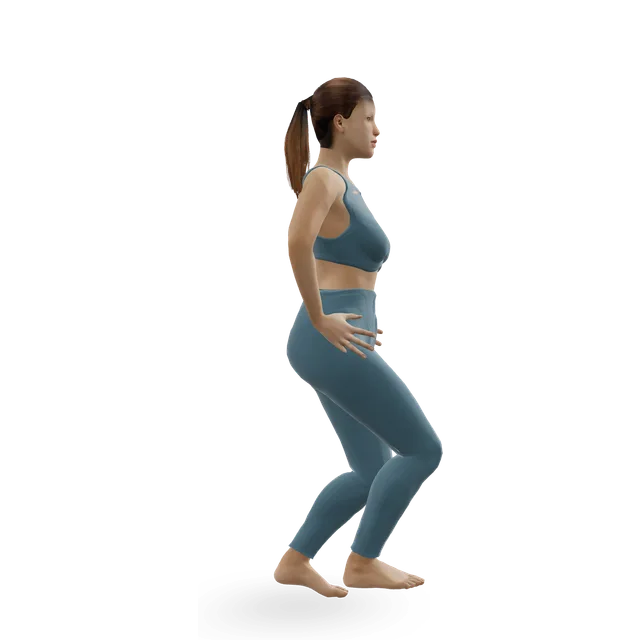
The first three rest on growth trials: leg presses, squats and leg extensions all grew it, by similar amounts where they were compared. The skater squat is the closest move on our figure to the one-leg squat that drew the most activity in EMG studies, which show activity, not growth. The split squat, hack squat and lunge follow from its knee-straightening action. Stance width and foot angle made no difference to its activity in most studies, so use the stance that suits your hips and knees.
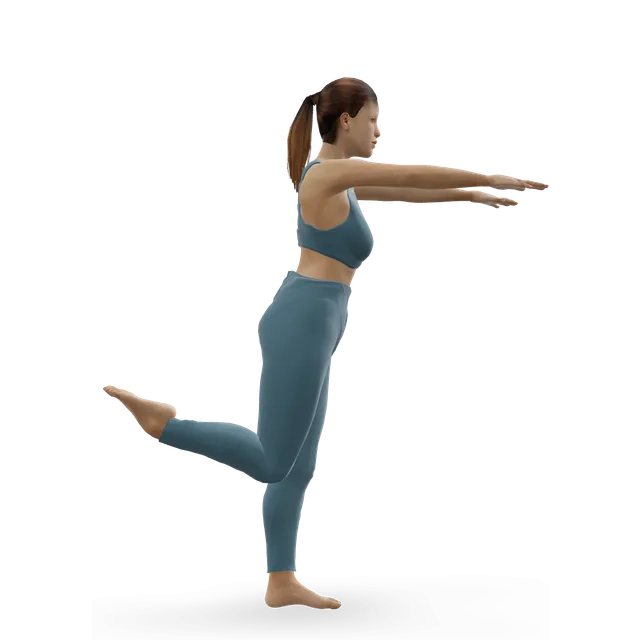
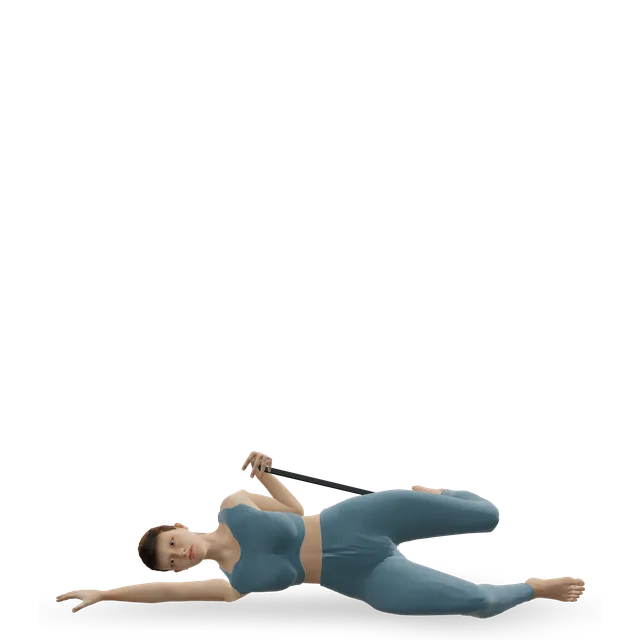
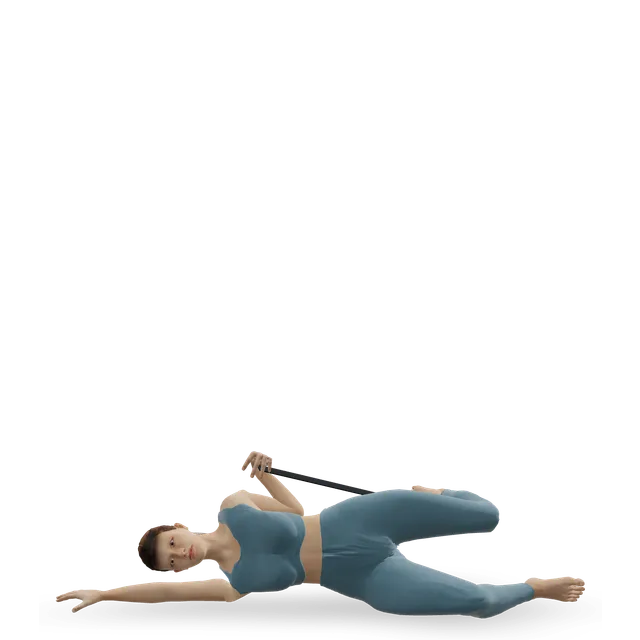
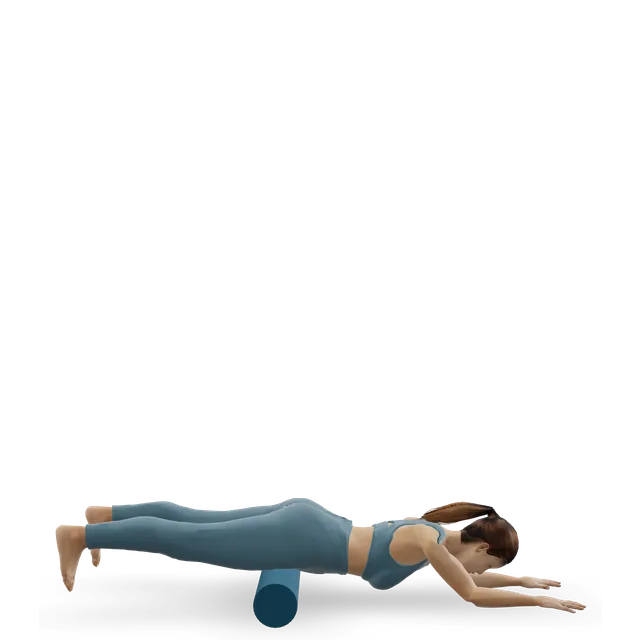
It crosses only the knee, so bending the knee fully stretches it; taking the hip back adds the rectus femoris, not this muscle. The stretches follow from its anatomy. In a trial of 11 men, two 1-minute bouts of foam rolling the front of the thigh raised knee bend by about 10 degrees, still 8 degrees 10 minutes later, without loss of force.
Of the three quads other than the rectus femoris, the vastus lateralis and the vastus intermedius beneath it are the most often bruised by a knock in sport, being the most exposed. Bone forms in the bruised muscle (myositis ossificans) in 9 to 17% of these bruises, so a hard lump that grows weeks later needs checking.
StatPearls says overdevelopment of the vastus lateralis has been blamed as a major cause of kneecap problems. The measurements don't back that up: people with kneecap pain showed no selective wasting of the inner quad, and studies of when the inner and outer quads switch on vary widely. Strengthening the hip and the whole thigh is what the 2019 American physiotherapy guideline recommends.
All four quads pull through the patellar tendon below the kneecap. Patellar tendinopathy is a degenerative problem, not an inflammation, and progressive loading, with holds, heavy slow lifting or lowering squats, is the treatment.
Pain on the outside of the knee in runnersEmerging evidence
That is usually the IT band, which runs over the outer side of this muscle. In a trial of 30 adults, one session of foam rolling or stretching did not change the band's stiffness.
Weak knee-straightening muscles went with a higher risk of developing painful knee osteoarthritis, and exercise aimed at the quadriceps eased pain more than general leg exercise in an analysis of 48 trials. The knee arthritis guide treats the thigh-focused point as unsettled.
A narrow stance, or toes in or out, targets the outer quadMixed evidence
Stance width did not shift work within the quads in two squat studies, and foot width and angle made no difference on the leg press. One study in 10 competitive bodybuilders did find more vastus lateralis activity with a wide sumo stance, and in the same study front squats raised the rectus femoris's activity, not the vastus lateralis's. Most of the evidence says stance changes little within the quads.
A strong vastus lateralis pulls the kneecap out of lineMixed evidence
An old explanation that StatPearls repeats, not supported by measured muscle sizes or firing times in kneecap pain. Strengthening the hip and the whole thigh is the treatment that works.
Foam rolling the outer thigh releases the IT bandEmerging evidence
In a trial of 30 adults, one session of foam rolling or stretching did not change IT band stiffness. Rolling the front of the thigh does add a little knee bend for at least 10 minutes, so use it for comfort and range, not to remodel the band.
It straightens the knee and is the biggest and strongest quad, providing about 40% of quad strength. It also takes much of the load when your heel lands and when you walk downhill or down stairs.
Where is the vastus lateralis?
On the outer side of the front of the thigh, from just below the hip to the outer edge of the kneecap. The iliotibial band, a long strap of tissue, runs over part of it.
What are the best vastus lateralis exercises?
Leg presses, squats and leg extensions grew it by similar amounts in trials, so choose the ones you can load and progress. One-leg squats drew more of its activity than lunges or Bulgarian split squats.
Can foot position target the outer quad?
Mostly not. Changing stance width or foot angle made no difference in three studies, though one study in bodybuilders found more activity with a wide sumo stance.
Why is the vastus lateralis used for injections?
It is large and easy to reach, and its middle third is considered a safe area. StatPearls lists it as the site for babies, it or the deltoid for children, and the deltoid or ventrogluteal site for adults.
Why do scientists take muscle biopsies from it?
It is big and easy to reach: 97% of 2,435 research biopsies in one series came from it. A cadaver study found fewer nerves and vessels in its lower part, just in front of the iliotibial band.
Is pain on the outside of my thigh the vastus lateralis or the IT band?
A painful, stiff thigh after a knock is usually a dead leg, and this muscle and the one beneath it are often the ones hit. Pain on the outside of the knee that builds during runs is usually the iliotibial band, and pain around the kneecap is runner's knee; each has its own guide.
How do you stretch the vastus lateralis?
Bend the knee fully, bringing the heel toward the buttock; the hip position doesn't matter for this muscle. Foam rolling the thigh added 8 to 10 degrees of knee bend, lasting at least 10 minutes, in a small trial.
Does a tight vastus lateralis pull the kneecap outwards?
That is an old explanation for kneecap pain that the evidence doesn't support: people with kneecap pain showed no selective wasting of the inner quad. Strengthening the whole thigh and hip is what helps.
Anatomy and movement education, not a diagnosis or treatment plan. If you have pain that follows an injury, is severe or getting worse, or comes with numbness, weakness or swelling, get it assessed. Health disclaimer.