Pain guide · Knee pain

Knee pain when doing burpees: the squat, the jump and landing, kneeling and the swaps that help

Knee pain when you do burpees usually comes from the kneecap, which is loaded as you squat all the way to the floor and land again and again while tired, or from the tendon just below the kneecap, which takes the jumps. No study has measured the knee in a burpee, so the map on this page comes from studies of squats, landings and kneeling. Where it hurts is the best clue: around or behind the kneecap is usually kneecap pain, one point just below it the tendon, a soft swelling on the front of the kneecap after kneeling bursitis, and catching or locking on the joint line after a twist the meniscus. Burpees aren't shown to harm healthy knees; stepping back instead of jumping, putting your hands on a bench, landing softly and fewer reps usually help.

This guide starts with the signs that need help, from accident and emergency (A&E) for a pop with fast swelling or a knee that changed shape, to advice from the National Health Service's 111 line (NHS 111) now for a knee you can't put weight on, that locks or gives way, or that is hot and swollen with a fever, and a same-day check for muscles far sorer than the session explains with dark pee. It then maps the causes by where it hurts, explains what the squat, landing and kneeling studies show, and don't, shows how to change your burpees today, and gives a three-stage plan with a 3D demo of every move, from step jacks and sit squats back to full burpees at your usual pace.

When to get help first

Exercise is for pain that has been checked or is clearly mild and settling.

Get urgent medical help if

  • Go to A&E if you've injured your knee and it has changed shape, it becomes very swollen very quickly, you felt a pop or snap, you can see bone sticking out, or it's bleeding heavily. Don't drive yourself: ask someone to take you, or call 999 if the pain means you can't move your leg to get there.
  • Get advice from NHS 111 now: you cannot move the knee or put any weight on it, or it is very painful, badly swollen or has changed shape.
  • Get advice from NHS 111 now: the knee locks, gives way or clicks painfully. Painless clicking is normal.
  • Get advice from NHS 111 now: after a twist, your knee won't go fully straight, or something blocks the last part of straightening, even if you can still walk on it. A torn piece of meniscus caught in the joint can do this, and it needs checking promptly.
  • Same day: a pop or tearing feeling at the front of the knee after a fall, stumble, jump or landing, then you can't straighten the knee or lift the straight leg off the bed, there's a dent above or below the kneecap, or the kneecap sits higher or lower than on the other side. Go to A&E or an urgent treatment centre, or get help from NHS 111. A torn quadriceps or patellar tendon does best when it's repaired soon.
  • A child or teenager: after a jump, landing or fall, a pop or sudden severe pain below the kneecap, and the knee will not straighten or take weight. Get it checked the same day: the bony bump below the kneecap can break away instead of the tendon tearing, or a sleeve of bone and cartilage can pull off the lower kneecap.
  • You hurt your knee and cannot take 4 steps, or you are 55 or over and have injured it: get it checked the same day for a broken bone.
  • Get advice from NHS 111 now: a hot, red or swollen knee with sudden severe pain, a very high temperature (although not everyone has one), or feeling hot, cold or shivery. This can be a joint infection.
  • Same day: the swelling over or below the kneecap becomes hot, red or more painful, the skin over it is broken, or you have a high temperature or feel shivery, sick or unwell. Ask for an urgent GP appointment or call NHS 111: it may be infected and need antibiotics.
  • Call 999 or go to A&E if your child gets sudden pain in their hip, knee or thigh (hip problems can sometimes be felt in the thigh or knee) or cannot put any weight on their leg. If your child is limping, ask for an urgent GP appointment or get help from NHS 111 the same day. This applies to teenagers too, and in some children knee pain is the only sign.
  • Same day (urgent GP appointment or NHS 111): throbbing pain in one leg (rarely both), usually the calf or thigh; swelling in one leg (rarely both); red, blue or darkened skin; or swollen veins; or sudden worse pain and swelling around a lump at the back of the knee (a possible clot or a burst Baker's cyst).
  • Call 999 or go to A&E if breathing suddenly becomes difficult, if pain in your chest or upper back comes on suddenly with breathlessness or a very fast heartbeat, or if someone passes out. Do not drive yourself. It can be a blood clot that has reached the lungs.
  • Call 999: shoulder or arm pain with chest pain that feels tight or squeezing, or chest pain that spreads to your arms, neck or jaw, especially with shortness of breath, sweating or feeling sick. It could be a heart attack.
  • Someone who faints while exercising, or who has fainted and can't be woken within a minute, has chest pain or a pounding, fluttering or irregular heartbeat, or hasn't fully recovered.
  • Same day (call NHS 111, or go to A&E if you feel very unwell): after a big or unusual session, such as hundreds of squats, sit-ups, back extensions or burpees, a challenge or a new class, muscle pain, swelling or weakness far worse than the session explains, and dark pee (red, brown, tea or cola coloured), sometimes starting hours or days later. Dark pee isn't always there, so muscles far sorer, more swollen or weaker than the session explains still need the same-day check. It can be rhabdomyolysis, a breakdown of muscle that can harm the kidneys.
  • Call 999 or go to A&E: back or leg symptoms with numbness around the genitals or bottom, new trouble controlling your bladder or bowels, or severe or worsening weakness or numbness in both legs.

See a doctor or physiotherapist if

  • Knee pain that has not improved within a few weeks of looking after it at home. Many areas offer NHS physiotherapy without a GP referral.
  • Pain building just below the kneecap with jumping or running: tendon pain weakens the tendon, so start our jumper's knee guide's plan early. Pain building just above it, worse with deep squats, jumping or kneeling, is quadriceps tendinopathy: start that guide's plan early.
  • Kneecap pain that hasn't improved within 6 weeks of changing your activities and doing the exercises, or that gets worse: talk to a GP or physiotherapist.
  • The knee gives way, the whole knee swells, or it catches or locks: that isn't typical of kneecap or tendon pain. Get it checked for a ligament or meniscus injury (our suggestion).
  • A knee that keeps giving way in daily life despite rehab: ask about surgery. Carrying on with an unstable knee risks further damage inside it.
  • Catching, locking or swelling at the joint line that hasn't settled after about 3 months of exercise and other non-surgical care: ask your GP or physiotherapist about a specialist review. A magnetic resonance imaging (MRI) scan may be considered then.
  • Tendon pain above or below the kneecap and you take steroid tablets or have steroid injections, use anabolic steroids, have kidney disease, gout, rheumatoid arthritis, lupus or diabetes, or have recently taken a fluoroquinolone antibiotic: tell your GP or physiotherapist and build up more gradually. These can weaken the tendon. If you're taking a fluoroquinolone now, stop taking it and contact your doctor straight away, as the UK medicines regulator advises.
  • Pain in one spot on the top of the shin bone, just below the knee, that you can point to with a fingertip, worse with impact and later present at rest or at night: a possible stress fracture. Stop running and jumping until it has been checked.
  • Bursitis that hasn't improved, or is getting worse, after 1 to 2 weeks of looking after it yourself, a knee you can't move, or very severe, sharp or shooting pains: see a GP.
  • A child or teenager with pain at a bump just below the kneecap or at its lower tip, worse with squats, jumps and kneeling: see our Osgood-Schlatter and Sinding-Larsen-Johansson guides, and get it checked if it is getting worse.
  • Contact your GP practice if your child's knee locks or gives way regularly; is hot, swollen or tender, especially if they can't recall an injury; they often limp after activities; they have knee pain that wakes them at night; they avoid activities because of increasing symptoms; or they have a lump in or around the knee that doesn't go away.
  • A child or teenager whose knee pain is there at rest or worse at night, or comes with a limp, swelling, a high temperature, unusual tiredness or weight loss: see a GP.
  • Swelling in several joints, or morning stiffness that lasts more than 30 minutes: see a GP. It can be an inflammatory arthritis such as rheumatoid arthritis rather than osteoarthritis.
  • Numbness, tingling or weakness that travels down the leg from the back. That points to a nerve (sciatica) rather than the knee.

Where does it hurt?

Location narrows the likely causes; it does not diagnose.

Around or behind the kneecap, hard to point to, worse squatting down, landing, on stairs and after sitting

Usually kneecap pain (patellofemoral pain), often called runner's knee: the commonest pattern in active people. Painless clicking is normal.

Read: Runner's knee →
One point at the lower tip of the kneecap, worse with the jumps and landings, built up over weeks

Usually patellar tendon pain (jumper's knee).

Read: Jumper's knee →
One point just above the kneecap, worse at the bottom of the squat and kneeling

Quadriceps tendon pain. A pop with a dent and a knee you can't straighten is a tear: see the warning signs.

Read: Quadriceps tendinopathy →
A soft swelling on the front of the kneecap, tender to kneel on, after burpees with a knee on the floor

Bursitis (housemaid's knee). Hot, red skin or a fever needs a same-day check.

Read: Knee bursitis →
Bruised, sore kneecaps from dropping onto the floor in chest-to-floor burpees

Usually pressure on the tendon and the bump just below the kneecap. A mat, or stepping a foot through, usually helps; our kneeling knee guide covers pads and a plan.

Read: Knee pain when kneeling →
The joint line, with catching, locking or swelling hours later, often after a twist as you jump in or stand up

Often a meniscus tear.

Read: Meniscus tear →
A pop on landing with swelling within hours, or a knee that gives way

Possibly an anterior cruciate ligament (ACL) tear, often with a meniscus tear: go to A&E, as the warning signs say.

Read: ACL injury →
A stiff ache in one or both knees from your mid-40s, with morning stiffness of 30 minutes or less

Often knee arthritis, which is diagnosed without an X-ray.

Read: Knee arthritis →
A tender bump just below the knee, or the lower tip of the kneecap, in an active 9 to 15 year old

Osgood-Schlatter disease or Sinding-Larsen-Johansson syndrome, growth-area problems that hurt with jumping and kneeling.

Read: Osgood-Schlatter →
Achy thighs just above the kneecap a day or two after a big burpee session, easing day by day

Usually muscle soreness. Muscles far sorer, more swollen or weaker than the session explains, with or without dark pee, need the warning signs.

Read: Knee pain after a workout →
Knee pain with jumping, skipping or box jumps in general

Our jumping knee guide covers landings and a plan from holds to springy jumps.

Read: Knee pain when jumping →
The lower back in burpees

Our burpee back guide covers the plank, the landing and the swaps.

Read: Back pain in burpees →
The wrists, as you land on your hands

Not the knee: our push-up wrist guide covers burpees, fists and handles.

Read: Wrist pain in push-ups and yoga →
A child or teenager with knee or thigh pain and a limp, the knee itself looking normal

It can come from the hip: get it checked the same day.

Read: SUFE (slipped hip growth plate) →
Pain, tingling or numbness travelling down from the back

Points to a nerve in the lower back rather than the knee: sciatica.

Read: Sciatica →

Understand it

What a burpee asks of the knee, and what no study has measuredEmerging evidence

A burpee is a squat down to put your hands on the floor, a jump or step back to a straight plank, a jump or step back in, and a stand or jump up with the arms overhead, often with a push-up and sometimes with the chest and thighs touching the floor. The knee bends deeply twice (squatting down and landing the feet back in under the chest), works hardest as you drive up and jump, brakes the landing, and in some versions meets the floor.

We found no lab study of knee angles, forces or loads in a burpee or squat thrust, and none comparing a jump-back with a step-back burpee or a burpee onto a raised surface. What is measured is how hard burpees are: in 10 young adults, they gave the highest heart rate, lactate and energy cost of seven bodyweight exercises, about 32 calories a minute over 30-second bouts against about 20 for squats. Fit students averaged about 57 (men) and 49 (women) burpees in a 3-minute test. So the knee meets the burpee tired, which is our reading of why pain shows up late in a set.

Sources 1, 2

The squat and the floor: depth and kneeling load the front of the kneeMixed evidence

In lab studies of healthy knees, the forces behind the kneecap rose as the knee bent, peaking around 90 degrees in 15 adults, and a squat from about 45 degrees to straight kept kneecap stress low in 10. A review suggests a range of 0 to 50 degrees for many people in knee rehabilitation, while another found deep squats with good technique didn't raise the risk of injury to the knee's passive tissues. Rising from a full squat or from kneeling put about 4,500 newtons through 16 healthy knees (several times body weight), within what the cartilage tolerated in that study, while a cadaver study found deep bending concentrated stress to the limits of cartilage. So the evidence on deep bending is mixed, and none of it comes from people doing burpees.

When you kneel, most of the pressure goes through the tendon and the bump just below the kneecap, and pads spread it but don't remove it, in two small lab studies of static kneeling. Pressure on the front of the knee can bring on a swollen bursa (housemaid's knee), and about a third of such cases are infected in a review; the NHS advises padding when kneeling.

Sources 3, 4, 5, 6, 7, 8, 13, 14, 15, 16

The landingEmerging evidence

In 8 female athletes dropping from 59 cm, soft landings bent the knee to 117 degrees and stiff landings to 77, and stiff landings gave bigger impact forces, while the knee and hip muscles absorbed more of the energy in soft ones. Telling adult women athletes to land softly lowered the peak landing force and bent the knee more straight away, and soft single-leg landings lowered modelled load on the anterior cruciate ligament (ACL).

In 10 filmed ACL injuries in handball and basketball, the knee was bent only 23 degrees at landing and caved inwards within about 40 milliseconds, at about 3 times body weight. So a soft landing shifts work onto the thigh and hip muscles rather than removing it (our reading), which is why the jump comes back last for a sore tendon.

Sources 9, 10, 11, 12

How common it is, and who gets itEmerging evidence

No study counts knee pain from burpees. In CrossFit surveys, knees were 13% to 16% of injuries (11 of 84 in 386 people, 10 of 62 in 191, and 15% of the injured among 3,049), behind the shoulder and the back, and people in their first year and training fewer than three times a week were injured more. Burpees weren't counted separately. A review of three cohort studies found CrossFit injury rates comparable to many other sports, with low certainty.

In 100 adults in 6-week trainer-led group strength-endurance classes, 18 were injured; the knees were the commonest injured region (7 injuries) and the back next (6), and burpees and squats were the commonest movements causing injury. We read that study's abstract only, which gives no count per movement. US emergency department data linked to exercises such as burpees rose as high-intensity interval training (HIIT) grew, mostly leg injuries, but with no count of people taking part, the risk per session is unknown. So knee pain with burpees is most likely in newcomers, after a break, in big or timed sets and in people with a sore kneecap or tendon already (our reading).

Sources 17, 18, 19, 20, 21, 22

How the causes are told apartStrong evidence

Kneecap pain (patellofemoral pain) is defined by pain around or behind the kneecap brought on by at least one activity that loads the bent knee, such as squatting, stairs, running, hopping or jumping, and a squat that brings on pain at the front of the knee is the best single test. A sore patellar tendon hurts at the lower tip of the kneecap and gets worse with activities that store and release energy in the tendon, such as jumping and landing; the NHS describes pain between the kneecap and shin from repeated running or jumping.

A meniscus tear can come from a minor twist, even standing up, the NHS says, and when catching or locking, pain at full straightening and full bending, tenderness on the joint line and a positive clinical test are all present, a consensus found it predicted a tear 92% of the time. From mid-life, a stiff ache is often arthritis, which the National Institute for Health and Care Excellence (NICE) diagnoses without imaging. In growing children, pain at the bump below the knee or the lower tip of the kneecap hurts with jumping and kneeling.

Sources 23, 24, 25, 26, 27, 28, 29, 30

When a scan or test mattersStrong evidence

Kneecap and tendon pain are diagnosed by examination, and NICE says don't routinely image knee arthritis. For a wear-and-tear meniscus tear, a European consensus says magnetic resonance imaging (MRI) is typically not needed first; for a tear after an injury, a scan matters mainly when keyhole surgery is being considered. After a fall or a bad landing, the Ottawa knee rule decides who needs an X-ray: across 6 studies of 4,249 adults it picked up 98.5% of fractures.

Tests that change things: an X-ray when the Ottawa rule says so, an MRI after a pop with fast swelling, locking or giving way, or catching that hasn't settled after about 3 months, and blood tests and joint fluid for a hot, swollen knee, which the NHS says needs checking straight away.

Sources 29, 31, 28, 32, 33

How it usually goesEmerging evidence

No study follows knee pain from burpees. In a kneecap pain trial of 40 young women, 85% were doing sport without pain at 12 months, but a consensus warns that kneecap pain can persist for years. NHS inform says to see a professional if knee pain hasn't improved within 6 weeks of its exercises. A meniscus tear can get better on its own, though it can take a while, the NHS says.

Jumper's knee is often slow: in the largest trial, 43% were back at their usual level of sport at 24 weeks with staged loading. In growing knees, some children need to stop the activity completely for 2 to 4 weeks, and most carry on with less running and jumping. No one can promise a date.

Sources 34, 23, 36, 27, 35, 30

What helps, and how strong the evidence is

Kneecap pain: hip and knee strength is the treatmentStrong evidence

An international consensus recommends exercise for kneecap pain, and hip and knee exercises together in preference to knee exercises alone. A Cochrane review of 31 trials (1,690 people) found consistent but very low quality evidence that exercise reduces kneecap pain by a clinically worthwhile amount, about 1.5 points out of 10 during activity against no exercise in the short term (5 trials, 375 people). NHS inform's knee exercises build from 2 or 3 repetitions to sets, up to 2 sets of 15, and say a gradual return to normal activities gives the best results.

None of these trials was in people with knee pain from burpees: the evidence is borrowed from kneecap pain in general.

Sources 37, 24, 36, 38

Patellar tendon pain: staged loading, with the jumps lastEmerging evidence

In 76 athletes with patellar tendon pain, a staged programme of daily holds, then slow heavy strength, then springy jumps such as jump squats and box jumps every third day, then sport, did better than painful decline squats at 24 weeks: 28 against 18 points on a 100-point tendon score, an adjusted difference of 9. Load was set by pain, kept at 3 out of 10 or less, and the jumping stage started at 3 sets of 10 on two legs. An expert review says treatment should build the tendon's tolerance to load step by step. That is the template for bringing the burpee's jump back.

Sources 35, 25

Changing the burpee: lab readings, untested against painEmerging evidence

No trial has tested a changed burpee for knee pain, and no study has measured the knee in one. Stepping back removes the landing; a bench or box at hand height means you squat less deeply, and kneecap stress was lowest above about 45 degrees of bend in lab studies, so that it eases kneecap pain is our reading, inferred from squat studies. A cue to land softly lowered landing forces straight away in women athletes, and kneeling on a mat spreads the pressure on the front of the knee.

A burpee without the jump is still a standard, hard exercise: the 3-minute burpee test uses a squat thrust that ends standing, with no jump.

Sources 4, 5, 6, 10, 13, 14, 2

Meniscus tears and arthritis: exercise before surgeryStrong evidence

In 140 middle-aged adults with a wear-and-tear meniscus tear, 12 weeks of supervised exercise did as well as keyhole surgery at 2 years. A European consensus says keyhole trimming shouldn't be the first treatment for such tears, a guideline makes a strong recommendation against keyhole surgery in nearly all degenerative knee disease, and NICE offers exercise to everyone with osteoarthritis, saying joint pain may rise a little at first.

Sources 39, 31, 40, 29

Some pain during exercise is fineEmerging evidence

In 7 trials of 385 people with long-lasting muscle and joint pain, exercise that allowed some pain gave a small short-term benefit over pain-free exercise and did no worse later. In 38 people with Achilles tendon pain, carrying on running and jumping under a pain-monitoring model did as well as resting. A kneecap pain trial built its programme around a pain-monitoring system. So staying active within a pain rule, rather than stopping, is the approach here.

Sources 42, 41, 34

How much pain is OK while you exercise?

0 to 2 is safe, up to 5 is acceptable, 3 or less for a sore tendonEmerging evidence

This guide uses the knee hub's rule. Rate your knee pain from 0 to 10 during and after exercise. In the pain-monitoring model used in knee trials, 0 to 2 counts as safe, up to 5 as acceptable and above 5 as too much. Aim for 0 to 3. Up to 5 is fine for joint pain (arthritis, kneecap pain) if it passes the next check. For a painful tendon (jumper's knee), keep it to 3, the limit the largest patellar tendon trial used.

By the next morning your knee should be back to its usual level. If it is not, drop back one step next time (fewer sets, a shallower range, a lower step), not to nothing. Over the weeks pain should hold steady or ease; that last check is our suggestion rather than a tested rule.

Some knee programmes say you should feel no pain at all. The trials allowed some, and a meta-analysis found exercising into some pain did no worse than pain-free exercise. NICE says joint pain may rise when you start exercising with arthritis, and that regular exercise still helps in the long run.

Sharp, catching or giving-way pain, or new swelling, is a reason to stop and get it checked.

For burpees (our suggestion, built on the same rule): judge each round by its last few reps and by the next morning. Choose the version (a squat thrust to a bench, a step-back burpee, the floor, the jump back, the jump at the top), the box height and the work and rest times where the knee stays at 5 out of 10 or less (3 or less for one point just below or above the kneecap), aiming for 0 to 3, and is back to its usual level by the next morning. End the round when your landings get loud or your knees start to cave in, whatever the clock says. If the knee isn't back to usual the next morning, go back one step (a higher box, no jump, fewer rounds), not to nothing. NHS inform's knee exercises use the same limit (0 to 5 out of 10).

For kneeling in burpees (our suggestion): kneel on a mat or step a foot through. Pressure on the front of the knee that goes within a few minutes is fine if the knee is no worse, and no more swollen, the next morning; a soft swelling on the kneecap means stop kneeling on it for now. A pop with fast swelling, a knee that locks, gives way or won't straighten, a hot or red knee, and muscles far sorer than the session explains or dark pee aren't pain-rule questions: see the warning signs.

Sources 34, 42, 35, 29, 36, 13

The exercise plan: 3 stages

Start at the first stage. Each move opens a full guide with a 3D demo.

Stage 1

Take out the jump, the depth and the floor

About weeks 0 to 2: keep your fitness with no-jump cardio, start the hip and knee strength recommended for kneecap pain, and start daily holds if the pain is at one point just below or above the kneecap. Strength 2 or 3 days a week, holds daily. No burpees or jumps for now if they hurt, and no challenges. With a diagnosed condition (a meniscus or ACL tear, a tendon tear, bursitis, Osgood-Schlatter or Sinding-Larsen-Johansson, knee arthritis, a knee replacement), that guide's plan, or your team's, comes first. Children aged 10 to 14 follow our jumping knee guide's growing-knee doses and its 2 out of 10 rule.

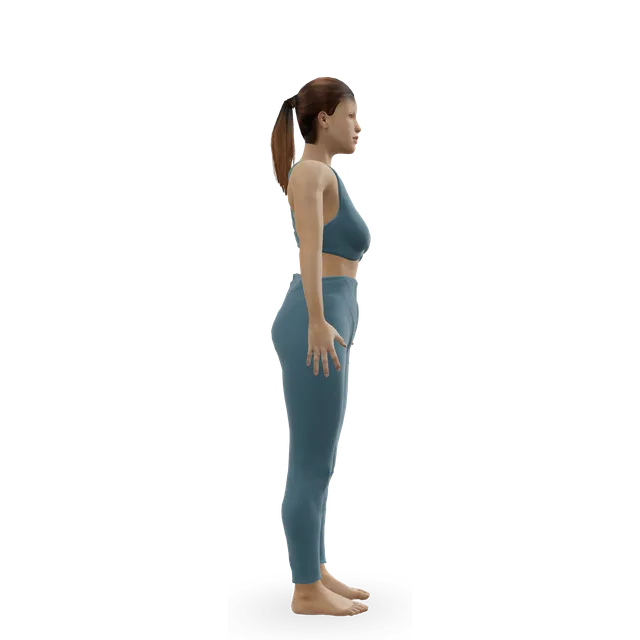
Step jack (low-impact jumping jack) demonstrated on the 3D figure3D demoStep jack (low-impact jumping jack)Beginner · No equipment

30 to 45 seconds within a circuit, 2 to 3 rounds: an editorial starting point. No trial has tested this move on its own. Any rhythmic activity at a talk-but-not-sing effort counts as moderate activity in NHS guidance, and short bouts count. · The move page's dose. Burpee-style cardio without the drop, the jump or the floor

Easier: Seated march · Harder: Jumping jack

Sit squat (partial squat) demonstrated on the 3D figure3D demoSit squat (partial squat)Beginner · No equipment

3 sets of 10, to about 45 degrees of knee bend (a high chair) · As in our runner's knee guide (editorial); about 45 degrees down kept kneecap stress low in a lab study

Harder: Bodyweight squat

Glute bridge demonstrated on the 3D figure3D demoGlute bridgeBeginner · No equipment

3 sets of 12 · As in our runner's knee guide (editorial); hip and knee exercises together are recommended for kneecap pain

Easier: Pelvic tilt into bridge · Harder: Single-leg glute bridge

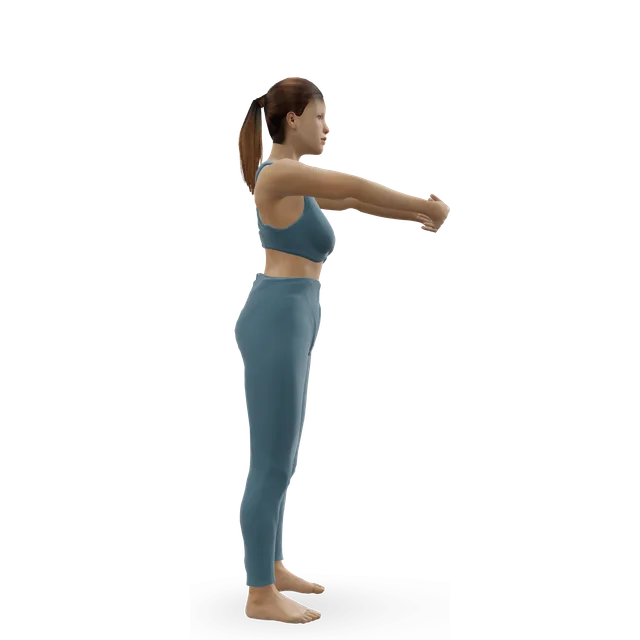
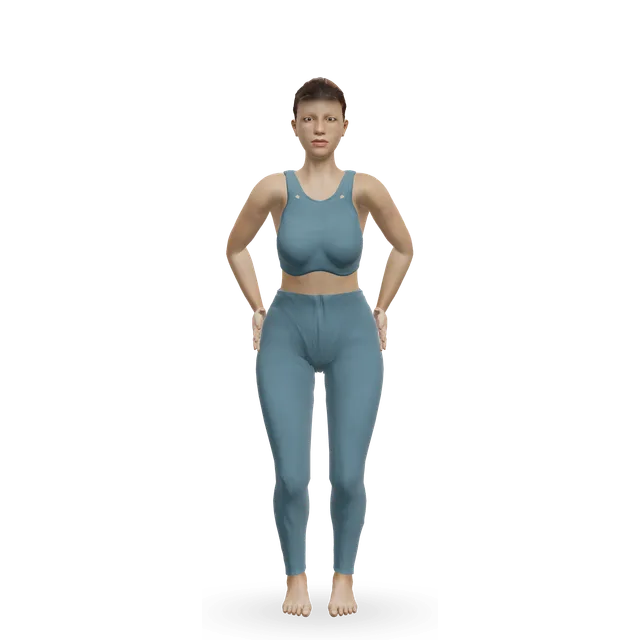
Standing wall-press hip abduction demonstrated on the 3D figure3D demoStanding wall-press hip abductionBeginner · A wall

3 to 5 holds of 5 to 15 seconds each side, twice a day: the standing hold in the LEAP trial programme. · The move page's dose. Hip strength for kneecap pain, as our jumping knee guide uses it

Easier: Supine isometric hip abduction (belt press) · Harder: Lateral band walk

Seated knee extension (chair) demonstrated on the 3D figure3D demoSeated knee extension (chair)Beginner · A bench or box + Something with weight

3 sets of 10 to 15 each leg, 2 to 3 days a week. An editorial starting point: this exact move has not been tested on its own, though quadriceps-focused programmes showed larger effects in knee arthritis trials. · The move page's dose. If the full range hurts the kneecap, work from 90 to about 45 degrees of bend, as the move page says

Easier: Quad set (static quads) · Harder: Leg extension

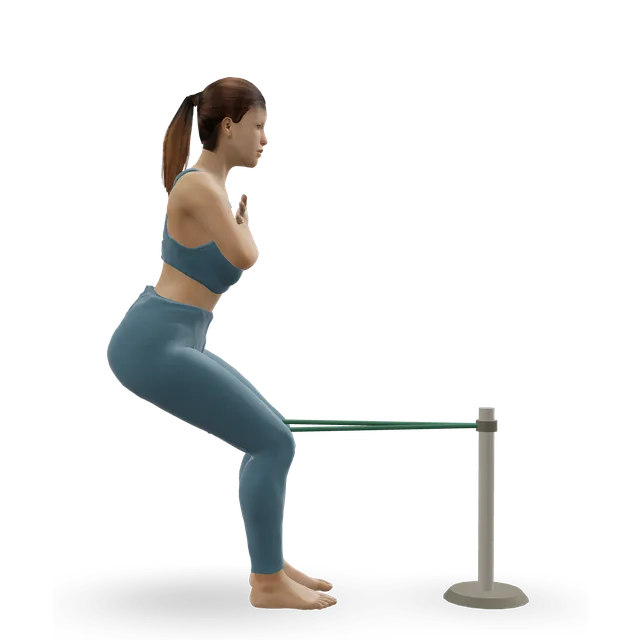
Spanish squat (band squat hold) demonstrated on the 3D figure3D demoSpanish squat (band squat hold)Intermediate · A band + An anchor point

Only for one point just below or above the kneecap: 4 to 5 holds of 30 to 45 s at a hard-but-OK effort, 1 to 2 minutes' rest, once a day, at 3 out of 10 or less · Adapted from the move page's dose, modelled on the tendon trial's holds. Check the anchor every time, as the move page says

Easier: Straight-leg raise · Harder: Pistol squat

Move on when: The step jacks and sit squats pass the pain rule, stairs are comfortable and the knee is back to usual by the next morning, for a week; with tendon pain, one single-leg squat hurts 3 out of 10 or less after at least a week (the tendon trial's test; the rest editorial).

Follow along: a timer, a cue and the next move, one step at a time.
Stage 2

Rebuild each part of the burpee, slowly

About weeks 2 to 6: the squat to the floor, single-leg strength, the step back to the plank and the step-back burpee to a bench, each within the pain rule, lowering the depth over the weeks. Strength 2 or 3 days a week, with no-jump cardio on other days. With tendon pain, keep the holds on the days between.

Bodyweight squat demonstrated on the 3D figure3D demoBodyweight squatBeginner · No equipment

3 sets of 8 to 10, chest up, as deep as stays comfortable, a little deeper each week · As in our burpee back guide (editorial): the squat down to the floor. Heels down, as the move page says

Easier: Sit squat (partial squat) · Harder: Dumbbell goblet squat

Step-up demonstrated on the 3D figure3D demoStep-upBeginner · A step

3 sets of 10 each leg, a low step, then a medium one · As in our runner's knee and front of knee guides (editorial). Lower yourself under control, as the move page says

Easier: Low step-up · Harder: Dumbbell step-up

Split squat demonstrated on the 3D figure3D demoSplit squatIntermediate · No equipment

3 sets of 8 to 10 each leg, short range first · As in our runner's knee guide (editorial). Pad the back knee, as the move page says

Easier: Bodyweight squat · Harder: Reverse lunge

Lateral band walk demonstrated on the 3D figure3D demoLateral band walkBeginner · A band

2 to 3 sets of 10 to 15 steps each way · As in our jumping knee guide (editorial): hip strength for kneecap pain

Easier: Hip abduction machine · Harder: Lateral band walk, band at the feet

Inchworm walkout demonstrated on the 3D figure3D demoInchworm walkoutIntermediate · No equipment

2 sets of 4 to 6, knees soft, walking out only as far as your hips stay level · As in our burpee back guide (editorial): the step back to the plank, slowly, with no knee on the floor

Easier: Forearm plank · Harder: Plank walk-up

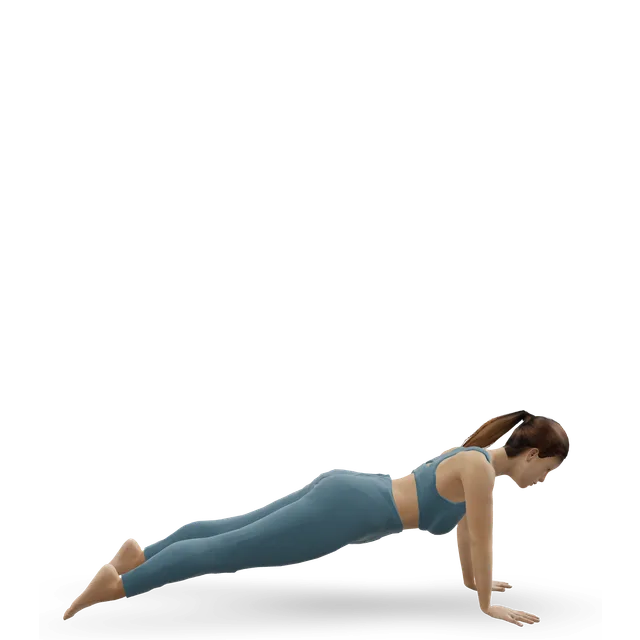
Burpee demonstrated on the 3D figure3D demoBurpeeAdvanced · No equipment

Step-back burpees to a bench: 2 to 3 sets of 5 to 8 slow reps, hands on a bench or box about knee height, stepping back and in one foot at a time, no push-up, no jump · Editorial, as in our burpee back guide, from our burpee technique guide's progression (practise the parts, then step-back burpees with your hands on a bench, before adding the jumps). The 3D demo shows the full burpee; this version is the written steps below

Easier: Mountain climbers

Move on when: 3 sets of 8 slow step-back burpees to a bench pass the pain rule and the knee is back to usual the next morning, for a week (as in our burpee back guide; editorial); with tendon pain, the single-leg squat test stays at 3 out of 10 or less after at least a week.

Follow along: a timer, a cue and the next move, one step at a time.
Stage 3

Lower hands, then landings, then the jump and the pace

From about week 6, often later: the full burpee back in your training, one change at a time: the box lowered to the floor, then landings on their own, then the jump back, the jump at the top, then the push-up and the pace. The jumping order follows the tendon trial (springy jumps on two legs, every third day, after slow strength); no trial has tested a return to burpees after knee pain, so the rest is editorial.

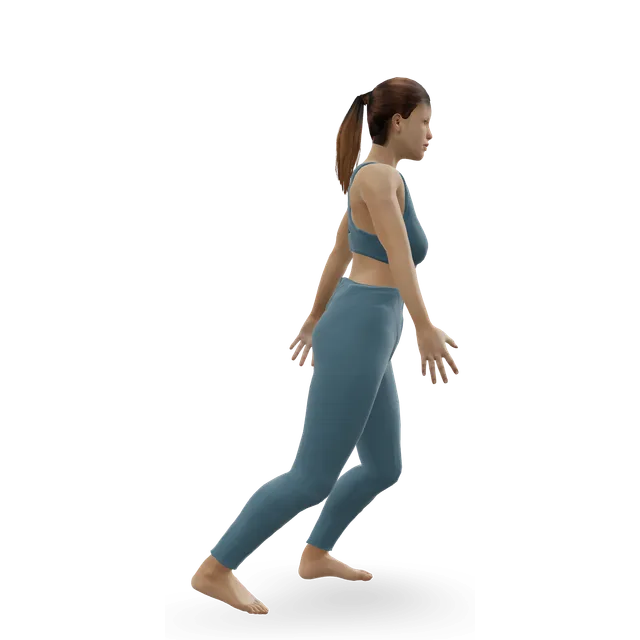
Snapdown to athletic landing demonstrated on the 3D figure3D demoSnapdown to athletic landingBeginner · No equipment

2 sets of 5, holding each landing for 2 s · As in our jumping knee guide (editorial): the landing on its own, quiet and with the knees over the toes

Harder: Box drop landing

Pogo hops demonstrated on the 3D figure3D demoPogo hopsIntermediate · No equipment

3 sets of 10 on two legs, every third day · The tendon trial's first jumping dose, as our jumping knee guide uses it

Easier: Ankle bounces (mini pogo) · Harder: Single-leg pogo hops

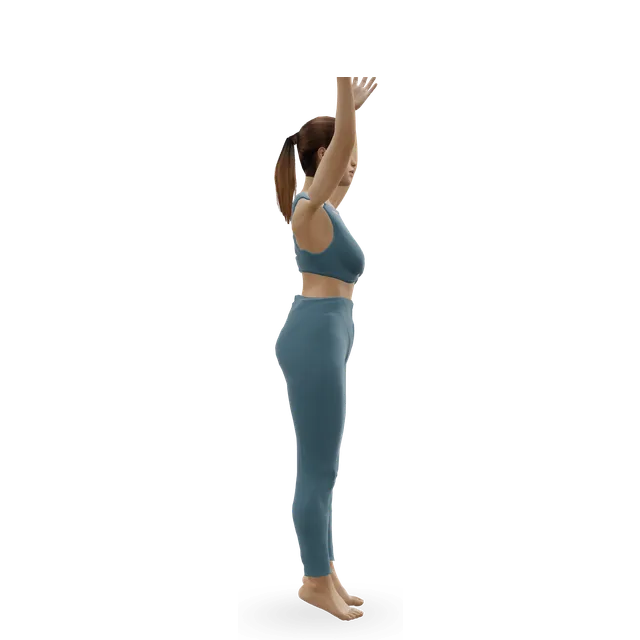
Jump squat demonstrated on the 3D figure3D demoJump squatIntermediate · No equipment

2 to 3 sets of 5, landing softly and resetting each rep · As in our burpee back guide (editorial): the jump at the top, on its own. The move page calls it the wrong starting point for irritable knees, so it comes after the landings

Easier: Bodyweight squat · Harder: Box jump

Plank jump-in (groiner) demonstrated on the 3D figure3D demoPlank jump-in (groiner)Intermediate · No equipment

2 to 3 sets of 10 to 20, stopping when your plank or landings get sloppy (our editorial starting point). · The move page's dose. The jump back in, on its own. Step the feet in and out instead if your knees or landings complain, as the move page says

Easier: Bound angle pose (Baddha Konasana) · Harder: Burpee

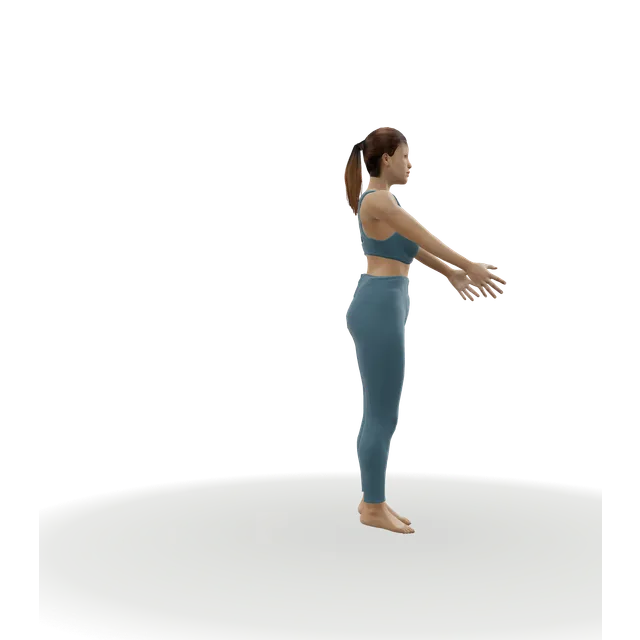
Burpee demonstrated on the 3D figure3D demoBurpeeAdvanced · No equipment

Step-back on the floor first, then jumping back, then the jump at the top, then the push-up; in intervals of 20 to 30 s with 30 to 40 s rest, 2 to 3 rounds, building to 40 s on and 20 s off · As in our burpee back guide (editorial); the 40 on and 20 off pattern is our HIIT workout at home's. The move page gives no dose

Easier: Mountain climbers

Leg press demonstrated on the 3D figure3D demoLeg pressBeginner · Strength machine

3 sets of 10 to 12, depth within the pain rule, twice a week · As in our runner's knee guide (editorial): strength kept up, because kneecap pain often comes back

Harder: Bodyweight squat

Move on when: Your usual burpee intervals pass the pain rule for 2 weeks; then add one change at a time. If a session flares it, go back a stage for a few days, not to nothing (editorial).

Follow along: a timer, a cue and the next move, one step at a time.

What to change for now

Your burpee for now (written steps)

Our 3D figure shows the full burpee, not the scaled versions, how far you step or jump, or the floor under you. These steps come from lab studies of squats, landings and kneeling, our burpee technique and HIIT guides and coaching practice; where a step is our suggestion or our reading, it says so. No trial has tested a change to the burpee for knee pain.

  • 1. Step, don't jump: step your feet back to the plank and back in, one at a time. Our burpee technique guide teaches the step-back version first, and removing the jump removes the landing, the part that loads the patellar tendon most.
  • 2. Hands on a bench or box: a sturdy bench, box or step about knee height means you squat less deeply to reach it. Kneecap stress peaks around 90 degrees of bend in lab studies, so that this eases kneecap pain is our reading, untested in burpees. Lower the box over the weeks.
  • 3. Squat down, don't fold or drop: only as deep as stays comfortable, with your heels down, as our squat move page says.
  • 4. Land softly, or leave the jump out: land quietly with your knees bent and pointing over your toes, not caving in, and drop the jump when you're tired, as our HIIT guide says.
  • 5. No knees on a hard floor: step a foot through to get up rather than dropping onto your knees, or kneel on a folded mat. Pads spread kneeling pressure but don't remove it, and the NHS advises padding when kneeling. Chest-to-floor burpees and burpee broad jumps wait until stage 3 (editorial).
  • 6. Fewer, slower reps with more rest: for example 20 to 30 seconds of work with 30 to 40 seconds of rest before 40 on and 20 off (editorial, as in our burpee back guide). No timed challenges, as many rounds as possible (AMRAP) or burpee penalties for now: newcomers and big, unaccustomed sessions go with more injury and with muscle breakdown.
  • 7. Low-impact cardio while it settles: step jacks, a bike, an elliptical or brisk walking keep the heart-rate part going (our HIIT guide's no-jump swaps; editorial).
  • 8. Tell the coach and scale: more trainer involvement went with fewer injuries in a CrossFit survey.

Sources 4, 5, 6, 10, 11, 13, 14, 16, 19, 43, 17

Back to classes, HYROX and sport (written steps)

No study has tested how burpees come back after knee pain, so these steps are our suggestion unless a source is named.

  • 1. Classes, boot camps and CrossFit: scale to your stage, tell the coach, and leave out burpee penalties, timed challenges and AMRAPs until stage 3 passes the pain rule.
  • 2. Chest-to-floor burpees and HYROX burpee broad jumps: last, after full burpees pass for 2 weeks, with a mat under your knees if you put one down.
  • 3. Coming back after a break: about half your old volume in the first session, adding a little each week. People in their first year and training fewer than three times a week were injured more in a large survey.
  • 4. Jumping sports: landings and springy jumps come back by our jumping knee guide's stages, which follow the tendon trial's order.
  • 5. Daily life: keep walking, use stairs within the pain rule, and kneel on a cushion for floor jobs.
  • 6. Keep two strength sessions a week with knee and hip work.

Sources 19, 43, 35

Positions to swap, and why

Habit or positionWhy it mattersInstead
Jumping back and in, and jumping up, while it hurtsThe landing loads the patellar tendon most, and stiff landings give bigger impact forces.Step back and in, no jump; step jacks for the cardio.Try: Step jack (low-impact jumping jack)
Squatting all the way to the floor with kneecap painKneecap stress peaks around 90 degrees of bend in lab studies.Hands on a bench or box at knee height, lowered over the weeks; sit squats meanwhile.Try: Sit squat (partial squat)
Loud, stiff-legged landings with the knees caving inA cue to land softly lowered landing force, and soft landings lowered modelled ACL load.Soft landings practised on their own.Try: Snapdown to athletic landing
Dropping onto your knees to get up, or chest-to-floor burpees on a hard floorKneeling loads the tendon and the bump below the kneecap, pads only spread it, and pressure on the front of the knee can bring on bursitis.Step a foot through, or a folded mat under the knees; chest-to-floor burpees last.Try: Inchworm walkout
Burpees for time, as many rounds as possible or as a penaltyForm slips with tiredness, and big, unaccustomed sessions are the setting for muscle breakdown, which is rare.Fixed reps with rest.Try: Step jack (low-impact jumping jack)
Going straight back to full classes after a breakPeople in their first year and training less often were injured more.About half your old volume, then build.
Twisting on a planted foot as you jump in or stand upA meniscus can tear with a twist, even standing up.Feet hip-width, knees over toes, step in.
Stopping all exercise until it stops hurtingExercise is the treatment for kneecap pain, and staying active under a pain rule did no harm in a tendon trial.The first-stage moves.Try: Glute bridge
Painful decline squats or more jumping to "toughen the tendon"Staged loading did better than painful decline squats in the largest tendon trial.Holds, then slow strength.Try: Spanish squat (band squat hold)
A knee sleeve or strap as the fixSmall, short-term effects no better than placebo tape, as our jumping knee guide sets out.The changes and the strength plan; wear one for comfort if you like.
Training on through a knee that locks, gives way or swelled fastThese need checking: see the warning signs.Stop and get it checked.
A teenager training on through a tender bump below the kneeOsgood-Schlatter settles with less running and jumping, NHS inform says.Our jumping knee guide's growing-knee plan, starting with wall sits.Try: Wall sit

Routines to follow

More moves for this area

Questions people ask

Why do my knees hurt when I do burpees?

Usually the kneecap, from squatting all the way down and landing many times while tired, or the tendon just below the kneecap, from the jumps. Where it hurts points to the cause: around the kneecap, one point below it, a swelling on the front from kneeling, or the joint line. No study has measured the knee in a burpee, so this is built from squat and landing studies.

Are burpees bad for your knees?

Not for healthy knees, as far as the evidence goes: deep squats with good technique weren't linked with knee injury, and knees were a minority of injuries in CrossFit surveys. In one study of group classes, burpees and squats were the commonest movements causing injury and the knees the commonest site, so scale burpees when your knee is sore.

Why do my knees hurt after burpees, not during?

Achy thighs just above the kneecap a day or two after a big session are usually muscle soreness that fades within a week. A knee that is sore the next morning after an ordinary session means the set was too deep, too long or too jumpy for now; a knee that swells, locks or gives way needs checking.

How do I do burpees with bad knees?

Put your hands on a bench or box, step back and in one foot at a time, leave out the jump, and stand up tall without dropping onto your knees. Lower the box over the weeks, and bring the jumps back last, landing softly.

Can you do burpees without jumping?

Yes: step back and in instead, and stand up without the jump. The standard 3-minute burpee test has no jump, and a step-back burpee is still hard work.

What can I do instead of burpees with knee pain?

Step jacks, squat thrusts or step-back burpees to a bench, a bike, an elliptical or brisk walking for the heart-rate part, plus the first-stage strength moves. Our plan brings the full burpee back in stages.

Why does the front of my knee hurt when I land?

One point at the lower tip of the kneecap that builds with jumping is usually jumper's knee, and pain around the kneecap is usually kneecap pain. Leave out the jump for now; for tendon pain, holds and slow strength come before springy jumps, keeping pain at 3 out of 10 or less.

My knees are bruised or swollen from burpees. What is it?

Putting a knee down on a hard floor loads the tendon and the bump below the kneecap, and a soft swelling on the front of the kneecap is bursitis. Use a mat, step a foot through instead of kneeling, and get a same-day check if it turns hot or red or you feel unwell.

Can burpees tear your meniscus?

A meniscus can tear with a twist, even standing up, so jumping in or standing up with a twist on a planted foot is the risk, not the burpee itself. Catching, locking or swelling hours later on the joint line needs checking; most wear-and-tear tears settle with exercise rather than surgery.

My teenager's knees hurt doing burpees. Is that a worry?

A tender bump just below the knee or pain at the lower tip of the kneecap in a growing child is usually Osgood-Schlatter or Sinding-Larsen-Johansson, which settle with less running and jumping. Knee pain with a limp, at night or with a fever needs a GP, and sudden pain or not taking weight is urgent.

Do I need a scan?

Usually not: kneecap and tendon pain are diagnosed by examination, and an MRI scan for a meniscus tear matters mainly if surgery is being considered. After a fall or a bad landing, the Ottawa knee rule decides who needs an X-ray.

When should I see a doctor?

Go to A&E for a pop with fast swelling or a knee that has changed shape; get advice from NHS 111 now for a knee you can't put weight on, that locks or gives way, or that is hot and swollen with a fever. See a GP or physiotherapist if it hasn't improved within a few weeks. In the US, call 911 where this page says 999.

Related exercise guides

Other pain guides

Sources

  1. Poulios 2024 · The energy cost of seven bodyweight exercises in 10 adults (crossover lab study, J Strength Cond Res)
  2. Podstawski 2019 · International norms for the 3-minute burpee test from 9,833 students (normative study, J Hum Kinet)
  3. Escamilla 2001 · Knee biomechanics of the dynamic squat (review, Med Sci Sports Exerc)
  4. Wallace 2002 · Kneecap joint forces in squats with and without a load in 15 adults (lab study, J Orthop Sports Phys Ther)
  5. Powers 2014 · Kneecap joint stress in squats and seated knee extensions in 10 healthy people (lab study, J Orthop Sports Phys Ther)
  6. Hartmann 2013 · Squat depth, load, the knee and the spine (review, Sports Med)
  7. Nagura 2006 · Knee joint force in deep knee bending: 16 healthy knees (lab study, J Appl Biomech)
  8. Thambyah 2005 · Contact stresses in the knee in deep bending, in 5 donated knees (cadaver study, Med Eng Phys)
  9. Devita 1992 · Stiff against soft landings and the leg joints in 8 female athletes (lab study, Med Sci Sports Exerc)
  10. Milner 2012 · Instructions to land softly or with the knees over the toes, and landing forces in female athletes (lab study, Knee)
  11. Laughlin 2011 · Soft against stiff single-leg landings and modelled ACL load (lab and modelling study, J Biomech)
  12. Koga 2010 · Knee movement in 10 ACL injuries on video in handball and basketball (video case series, Am J Sports Med)
  13. Porter 2010 · Pressure on the front of the knee when kneeling, with and without knee pads, in 10 people (lab study, Appl Ergon)
  14. Xu 2017 · Knee forces when kneeling to work with different kneepads, in 11 men (lab study, Appl Ergon)
  15. Baumbach 2014 · Knee and elbow bursitis: literature review and treatment algorithm (review, Arch Orthop Trauma Surg)
  16. NHS · Bursitis (past its review date: reviewed October 2023, review due October 2026)
  17. Weisenthal 2014 · Injury rate and patterns in 386 CrossFit athletes (survey, Orthop J Sports Med)
  18. Montalvo 2017 · Injuries and risk factors in 191 CrossFit athletes (survey, J Sports Sci Med)
  19. Feito 2018 · Injuries over 4 years in 3,049 CrossFit-trained participants (cross-sectional survey, Orthop J Sports Med)
  20. Batterson 2020 · Injuries in group strength-endurance classes, 100 adults over 6 weeks (prospective survey study, Mayo Clin Proc; abstract read)
  21. Klimek 2018 · Are injuries more common with CrossFit than with other exercise? (critically appraised topic, J Sport Rehabil)
  22. Rynecki 2019 · US emergency visits linked to HIIT-style exercises, 2007 to 2016 (surveillance study, J Sports Med Phys Fitness)
  23. Crossley 2016 · Patellofemoral pain consensus statement, part 1: terms, definitions, examination and natural history (consensus statement, Br J Sports Med)
  24. van der Heijden 2015 · Exercise for patellofemoral pain: 31 trials, 1,690 people (Cochrane review)
  25. Malliaras 2015 · Patellar tendinopathy: diagnosis, load management and difficult cases (expert review, J Orthop Sports Phys Ther)
  26. NHS · Knee pain
  27. NHS · Meniscus tear (knee cartilage damage)
  28. Kopf 2020 · Management of traumatic meniscus tears: the 2019 ESSKA meniscus consensus (Knee Surg Sports Traumatol Arthrosc)
  29. NICE NG226 · Osteoarthritis in over 16s: diagnosis and management (2022)
  30. NHS inform · Knee apophysitis (Osgood Schlatter's and Sinding-Larsen Johansson syndrome)
  31. Beaufils 2017 · Surgery for degenerative meniscus tears: the 2016 ESSKA consensus (consensus statement, Knee Surg Sports Traumatol Arthrosc)
  32. Bachmann 2004 · Accuracy of the Ottawa knee rule (systematic review, Ann Intern Med)
  33. NHS · Septic arthritis
  34. Thomeé 1997 · Treating patellofemoral pain in young women with a pain-monitoring model (Phys Ther)
  35. Breda 2021 · Progressive tendon loading against eccentric squats in 76 people with patellar tendinopathy (randomised trial, Br J Sports Med)
  36. NHS inform · Exercises for knee problems
  37. Crossley 2016 · Patellofemoral pain consensus statement, part 2: recommended physical interventions (consensus, Br J Sports Med)
  38. NHS inform · Exercises for patellofemoral knee pain
  39. Kise 2016 · Exercise against keyhole meniscus surgery in 140 middle-aged adults, 2-year follow-up (RCT, BMJ)
  40. Siemieniuk 2017 · Keyhole surgery for degenerative knee disease: a BMJ Rapid Recommendation (clinical practice guideline, BMJ)
  41. Silbernagel 2007 · Continued sports activity with a pain-monitoring model in Achilles tendinopathy (RCT, AJSM)
  42. Smith 2017 · Should exercises be painful in chronic musculoskeletal pain? (systematic review and meta-analysis, Br J Sports Med)
  43. Hopkins 2019 · Rhabdomyolysis in 11 of 523 people treated for CrossFit injuries at one hospital (case series, J Sci Med Sport)
  44. NHS · Chest pain (past its review date: reviewed August 2023, review due August 2026)
  45. NHS · Hip pain in children (irritable hip)

Exercise education, not a diagnosis or treatment plan. It is written from the guidelines and studies listed above; review by a clinician is pending. If your pain follows an injury, is severe, is getting worse, or comes with any warning sign listed on this page, get it assessed. Health disclaimer.