What jumping asks of the knee, and what no study has countedEmerging evidence
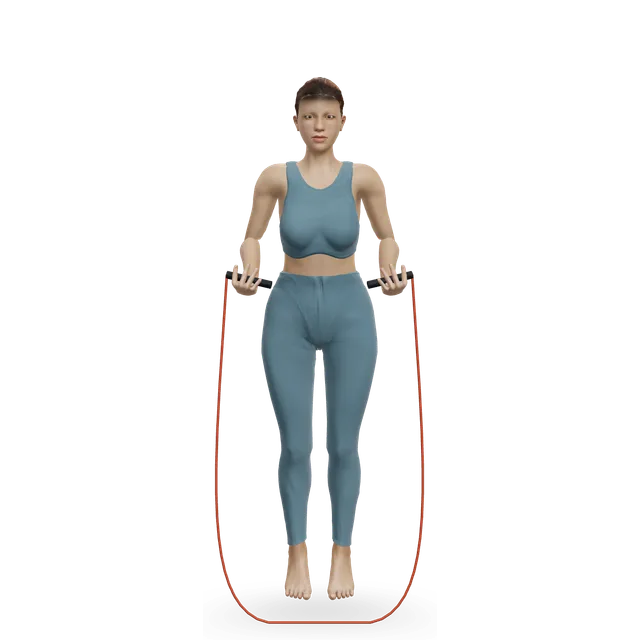
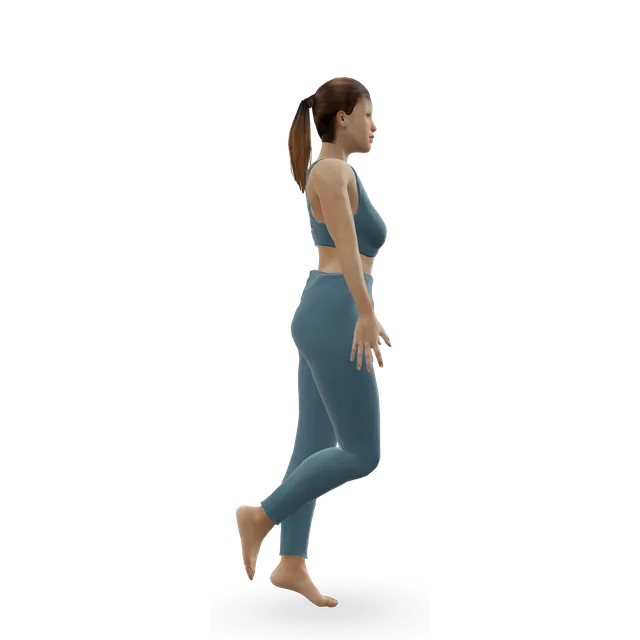
Jumping stores and releases energy in the tendon below the kneecap (the patellar tendon), and landing makes the thigh muscles brake the knee: an expert review describes patellar tendon pain as load-related and highest in activities that store and release energy in that tendon. Jumping also presses the kneecap into its groove, which is why kneecap pain is defined by pain with squatting, stairs, running and hopping or jumping.
No study counts the causes of knee pain when jumping, so this guide's map comes from condition studies in jumping sports, health-service pages and injury studies, and says so. Where it hurts, how old you are and whether it came on with one landing or built up over weeks are the clues. A single bad landing is a different story: most anterior cruciate ligament (ACL) tears happen without contact, as the foot lands with the knee nearly straight.
Sources 1, 2, 3, 4
Jumper's knee: one point below the kneecapStrong evidence
Pain at one point at the lower tip of the kneecap, built up over weeks of jumping, sore at the start of a session, easing as you warm up and worse afterwards, is the pattern of jumper's knee (patellar tendinopathy). It affected 14.2% of 613 Norwegian elite athletes (44.6% of volleyball and 31.9% of basketball players) and 8.5% of 891 Dutch non-elite athletes, and men get it about twice as often as women.
More jumping goes with more risk: in 141 young elite volleyball players, each extra hour of volleyball training a week raised the odds, each extra set of matches a week more so, and better jumpers were at higher risk. Players made from 11 to 666 jumps a week in training in one study. Even so, a review of 31 studies found no strong evidence for any one changeable risk factor, and no evidence that the playing surface matters. A stiff landing with little knee bend was linked with tendon pain in 4 small studies.
Sources 5, 6, 7, 8, 9, 10, 11, 12, 13
Kneecap pain, the tendon above the kneecap and the fat padEmerging evidence
Pain around or behind the kneecap, worse with squats, stairs, running, hopping and jumping and after sitting, is kneecap pain (patellofemoral pain). About 23% of people in the general population and 29% of teenagers report it in a year, across 23 studies, and a squat is the most useful test. Pain at one point just above the kneecap is the quadriceps tendon, about a quarter of jumper's knee cases in an old review. Burning or aching below the kneecap either side of the tendon, worst as the knee snaps straight on landing, can be the fat pad being pinched, which is usually considered once other causes have been ruled out, as our fat pad guide says.
Sources 14, 2, 15, 16, 17
Growing knees aren't growing painsStrong evidence
In an active child of about 10 to 15, a tender bump just below the knee, worse jumping, running and kneeling, is usually Osgood-Schlatter disease, and pain at the lower tip of the kneecap is usually Sinding-Larsen-Johansson syndrome. Both are growth-area problems where the tendon pulls on the bone, and both are managed the same way. Osgood-Schlatter affected 9.8% of 956 Brazilian 12 to 15 year olds, more often those in regular sport, and 21.2% of athletic Finnish teenagers against 4.5% of those who weren't. NHS inform says symptoms can last 12 to 24 months and come back with growth spurts, and that sport isn't likely to cause any permanent problems. Its page on children's knees lists when to contact a GP practice, such as a knee that locks or gives way regularly, pain that wakes your child at night, or a lump that doesn't go away.
Growing pains are different: the NHS describes aching or throbbing in both legs, in the muscles or joints, in the evening or at night and gone by the morning, in children aged 3 to 12. Pain in one leg or one joint, pain during activities or a limp is a reason to see a GP, so knee pain with jumping in a child isn't growing pains.
Sources 18, 19, 20, 66, 21
Pain after one landing: an injury, not overuseStrong evidence
Swelling within hours of a landing or a twist usually means bleeding into the joint. In 1,145 such knees scanned with magnetic resonance imaging (MRI), 52% had an ACL tear, 41% a meniscus tear and 17% a dislocated kneecap, and in under-16s a dislocated kneecap was the commonest. A pop was felt as often with a normal ACL in an older surgical series, so a pop alone doesn't tell you what tore. In 10 videos of ACL injuries, the knee was bent only 23 degrees and caving inwards about 40 milliseconds after landing.
The patellar tendon can tear when the knee is bent and the foot planted, as in landing from a jump: a tearing or popping feeling, then you can't straighten the knee, with a dent below the kneecap. Complete tears are almost always repaired, and repair does better soon after the injury. In children, a piece of the bump or of the lower kneecap can pull off instead. A toddler bouncing on a trampoline with an older or heavier child can crack the top of the shin bone, and in one Swiss study all such fractures were treated without surgery. A teenager with knee pain and a limp may have a hip problem (a slipped growth plate), and very rarely, bone pain at night or a swelling near the knee in a teenager is a bone tumour, for which the National Institute for Health and Care Excellence (NICE) asks for a very urgent X-ray. A hot, red, swollen knee with sudden severe pain or a fever can be a joint infection, though not everyone with one has a high temperature, the NHS says.
Sources 22, 23, 4, 24, 25, 26, 27, 28, 29, 64
What a scan shows, and what it doesn'tStrong evidence
Jumper's knee and kneecap pain are diagnosed by examination. Tendon changes on ultrasound are common in jumpers without pain, and were seen in 10% of non-sporting teenagers' tendons too. They raise the chance of later pain, but only about 27% of pain-free athletes with an abnormal patellar tendon scan went on to develop pain, and 11 years on, tendon structure didn't match symptoms in young volleyball players.
After an injury, the Ottawa knee rule decides who needs an X-ray: 55 or over, tenderness at the bony knob on the outside just below the knee or at the kneecap alone, can't bend the knee to 90 degrees, or can't take 4 steps. Across 6 studies of 4,249 adults it missed about 1.5% of fractures. An MRI matters after a pop with fast swelling, locking or giving way, though meniscus changes are common in athletes without pain (tears in 3.9% of knees and changes inside the meniscus in 27.2%).
Sources 1, 15, 30, 31, 32, 33, 34, 35, 36, 37
How it usually goesEmerging evidence
Jumper's knee is often long-lasting: symptoms had lasted 32 months on average in elite athletes and 19 in non-elite ones. Fifteen years on, 53% of 17 former athletes with it had quit their sport because of it, and 11 years on, 7 of 37 young volleyball players (19%) had retired from volleyball because of it. In the largest trial, 43% were back at their pre-injury level of sport at 24 weeks with staged loading.
Kneecap pain is often slow too: 57% of 60 adults reported an unfavourable recovery 5 to 8 years on, and 55.9% of teenagers with knee pain still had it 2 years later, though in 151 teenagers, changing activity with an activity ladder, then exercise, gave 86% success at 12 weeks. Osgood-Schlatter can last 12 to 24 months, and 60.5% of 43 people diagnosed at one hospital department still had knee pain about 4 years later, in a follow-up that only half of those asked answered. These figures come from selected groups, and starting the loading plan early is the part in your control. No one can promise a date.
Sources 5, 6, 38, 33, 39, 40, 41, 42, 18, 43