Jump on, step down
A box jump is a two-footed jump onto a sturdy box. Land softly with both feet on top, hips back and knees bent, stand up tall, then step down one foot at a time.
Training guide
A box jump is a jump onto a box, a soft landing and a step back down. Because you land on top of the box, near the top of your jump, the landing was about half as hard as a jump in place in one lab study, which makes box jumps a good early jump, as long as the box is low and stable.
A taller box doesn't train your take-off any harder; it mostly asks you to tuck your knees higher.
This guide covers choosing a box, the jump step by step, stepping down, the ladder from landings to depth jumps, how many and how often, and how to avoid the commonest injury, a scraped shin.
A box jump is a two-footed jump onto a sturdy box. Land softly with both feet on top, hips back and knees bent, stand up tall, then step down one foot at a time.
In 20 trained men, box jumps onto a 50 cm box had the same take-off as jumps in place but about half the peak landing force. A rehabilitation programme after anterior cruciate ligament (ACL) surgery puts jumps up onto a box in its lowest-intensity stage.
The American Council on Exercise (ACE) suggests learning on a 15 to 30 cm box, and the National Academy of Sports Medicine (NASM) gives 30 to 45 cm for beginners. A higher box didn't change the take-off in two studies; by our reading, it mostly asks you to tuck your knees higher.
NASM lists jumping down from the box as a common mistake that adds impact. Landing forces rise with the height you drop from, so stepping down avoids that drop: that's our inference, as no study has compared the two.
Across 26 studies, jump training raised the countermovement jump by about 9%. Twice a week, 48 to 72 hours apart, with about 80 to 100 landings a session for beginners, is the usual expert guidance.
In 308 CrossFit athletes, box jumps were behind 14% of injuries, including every lower-leg wound, which came from slipping; three people needed surgery for them. The authors suggest foam boxes.
Source 11
ACE suggests a box of 15 to 30 cm (6 to 12 inches) on a non-slip floor, never higher than your vertical jump, and learning squats and squat jumps first. NASM's beginner range is 30 to 45 cm (12 to 18 inches).
Our suggestion: learn on 15 to 30 cm, then move to 30 to 45 cm once your landings are quiet.
In 31 students, boxes from floor level up to 80% of each person's highest box gave the same take-off force, power and jump height when they jumped all out, apart from a higher peak force at the highest box in the women. In 10 elite handball players, low and high boxes gave the same take-off, and the highest box each player could reach wasn't significantly related to their countermovement jump. The authors said the added risk of a high box 'cannot be justified'.
Our suggestion: raise the box by 5 to 10 cm at a time, and only when every landing is quiet and no deeper than a half squat.
ACE puts the box on a non-slip surface, and in the CrossFit survey every lower-leg wound came from slipping during box jumps. A stable box, ideally a foam one, is kinder to your shins.
From ACE's and NASM's box jump guides. Treating a landing deeper than a half squat as a sign that the box is too high is our suggestion.
Loading the 3D figure…
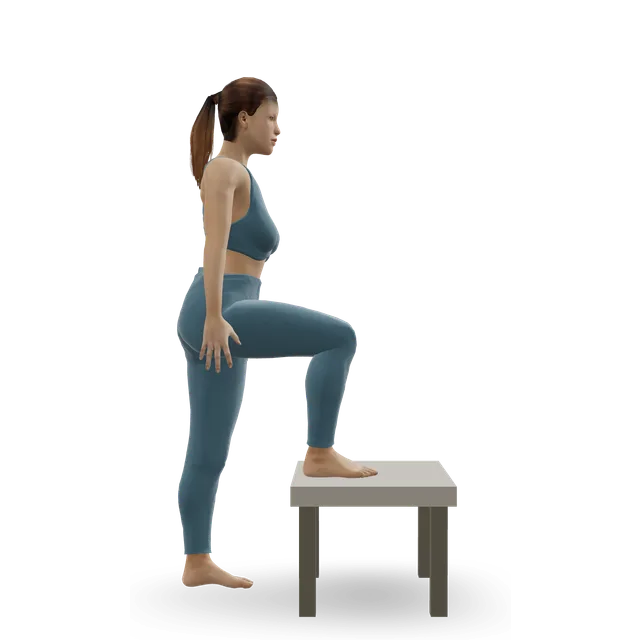
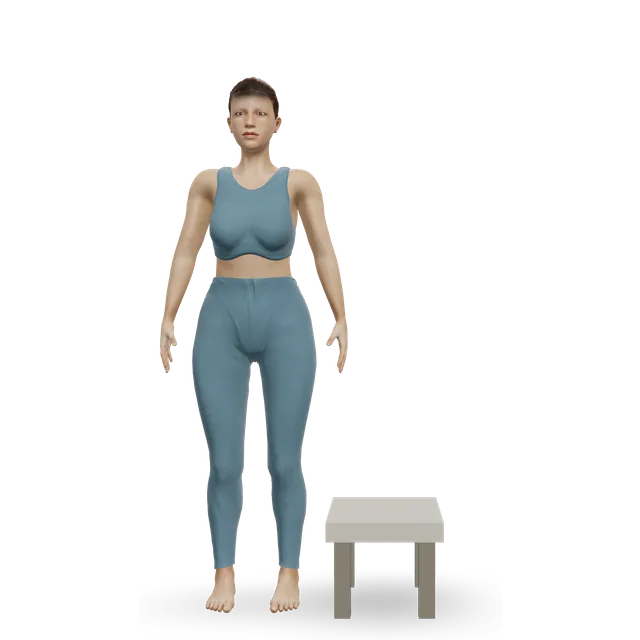
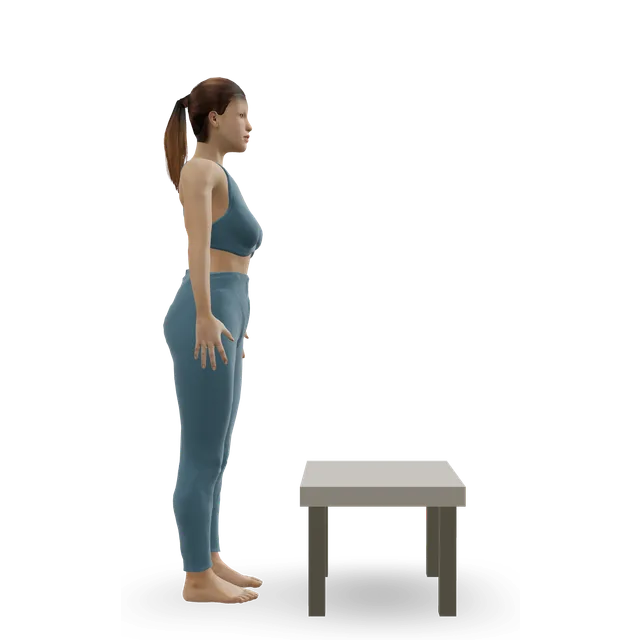
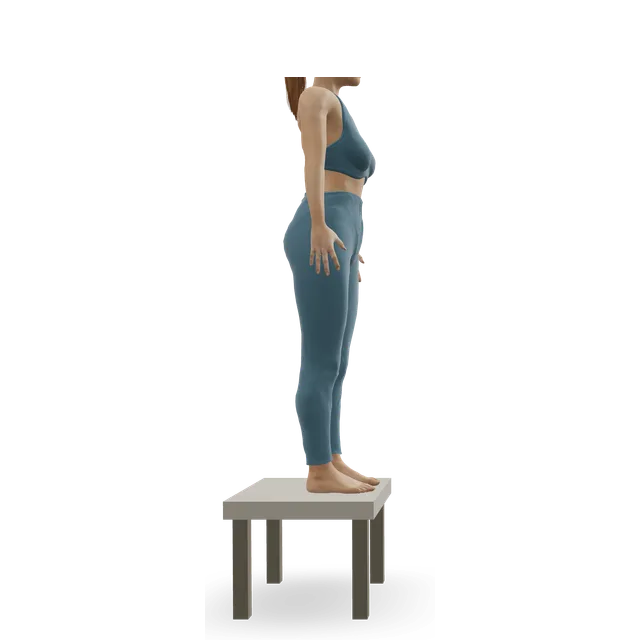
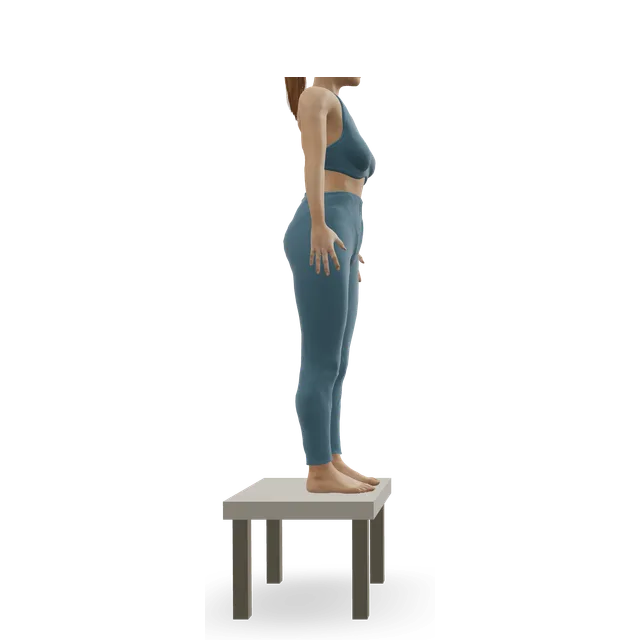
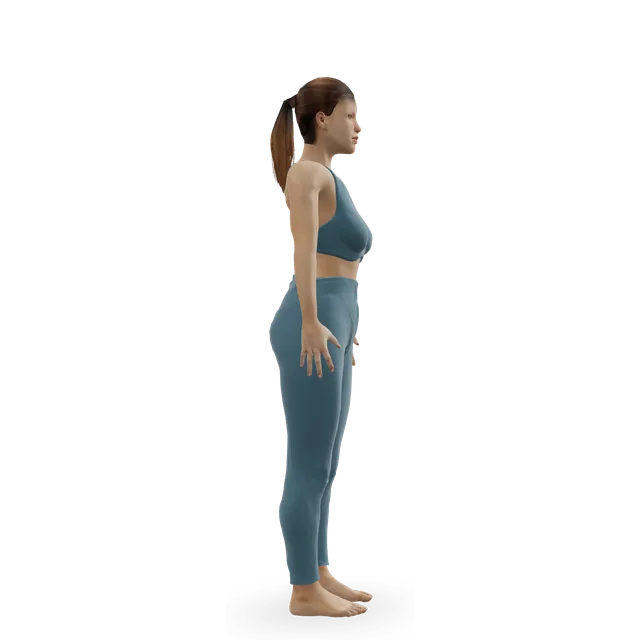
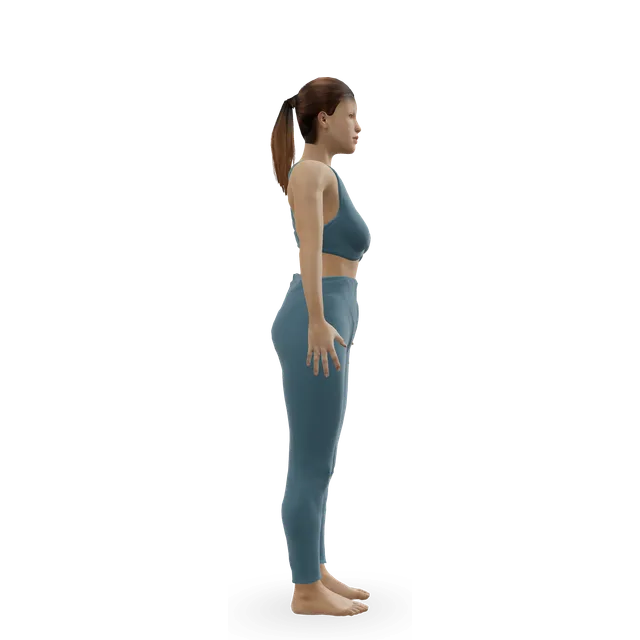
The movement on the figure: Box jump
NASM says to step down from the box carefully rather than jump down, to reduce impact stress, and lists jumping down among the common mistakes.
Source 2
In lab studies, landing forces at the knee rose with drop height: from 15 to 75 cm in 16 men, and from 30 to 45 cm in 20 men. A box jump lands near the top of the jump, avoiding most of the fall. No study has compared stepping down with jumping down, so the advice rests on our inference from these studies and on coaching practice.
Dropping off and springing straight back up is a depth jump, an advanced plyometric drill. Save it for later in the ladder, from a low box.
Source 10
Step-ups and landings first, then jump squats, then box jumps from a low box; the front box jump is the same jump from a short step back.
 3D demoLow step-upBeginner · A step
 3D demoStep-upBeginner · A step
 3D demoSnapdown to athletic landingBeginner · No equipment
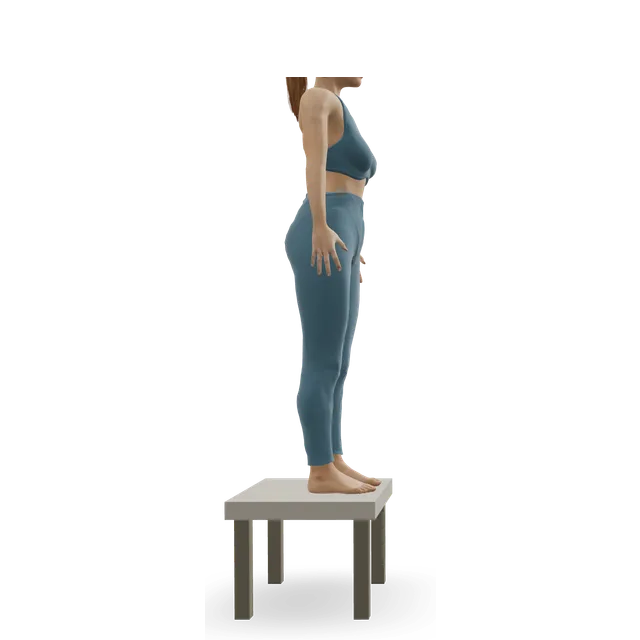 3D demoBox drop landingIntermediate · A step
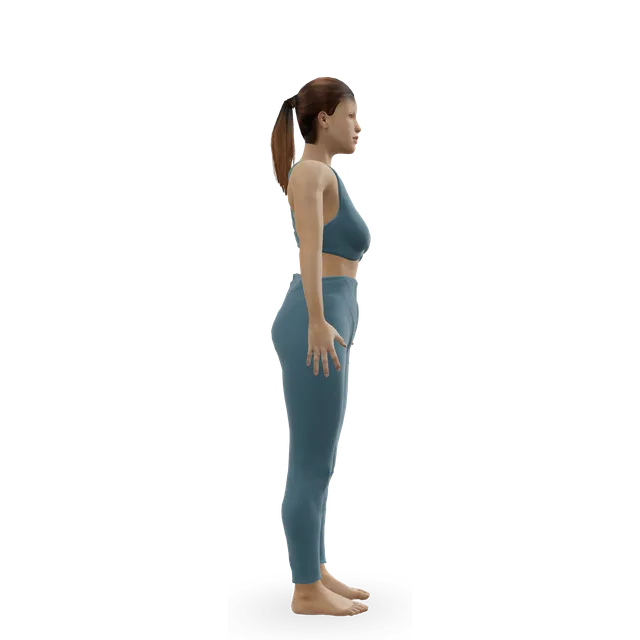 3D demoJump squatIntermediate · No equipment
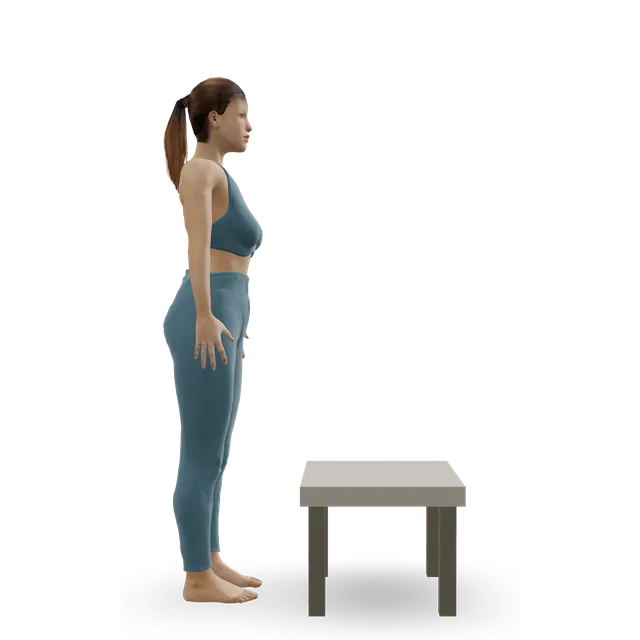 3D demoBox jumpIntermediate · A bench or box
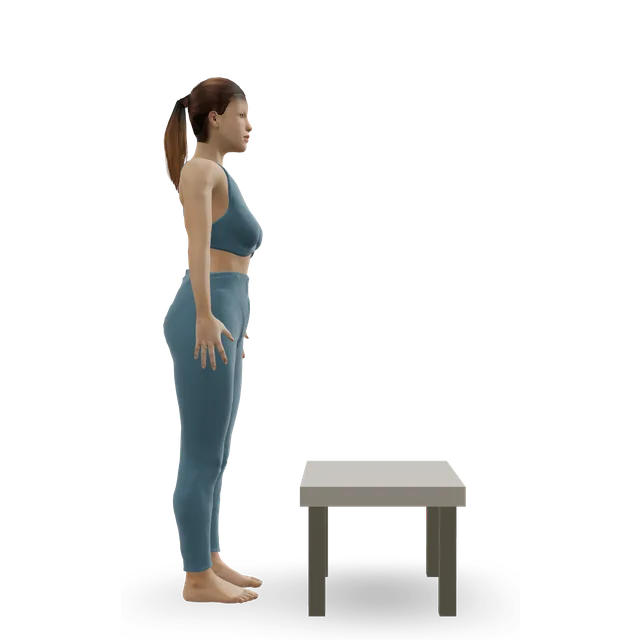 3D demoFront box jumpIntermediate · A bench or box
Only once single box jumps are steady: one-leg push-offs, sideways box jumps, repeated box jumps that add a floor rebound, then depth jumps.
Jump squats, broad jumps with a stuck landing and jump-and-reach jumps train the same take-off without a box.
NASM lists it as a common mistake, and a higher box doesn't train your take-off harder. Lower it until every landing is quiet.
Land with your hips back, knees bent and in line with your toes. ACE warns that locking your knees on landing may lead to knee injuries.
Step down one foot at a time.
Source 2
NASM warns that fatigue undermines your landings and says never to do plyometrics to failure. Our suggestion: do box jumps early in a session, while you're fresh.
Source 2
Repeated rebound box jumps and depth jumps are advanced drills. Build up to them from single jumps with a step down.
Source 10
Use a stable box on a non-slip floor: every lower-leg wound in the CrossFit survey came from slipping.
Across 26 studies, plyometric (jump) training raised the countermovement jump by 8.7%, a large effect, the jump with an arm swing by 7.5%, and squat and drop jumps by 4.7%. A second meta-analysis of 56 studies found that programmes over 10 weeks, with more than 20 sessions and more than 50 jumps a session, did best, that a mix of jump types beat one type, and that added weight gave no extra benefit. These cover all kinds of jump training, not box jumps alone, and most of the studies were small.
In 20 trained men, box jumps onto a 50 cm box had the same take-off speed and force as countermovement and hurdle jumps but about 51% less peak impact force.
Source 3
In two lab studies, in 31 students and 10 elite handball players, higher boxes didn't change take-off force or power when people jumped all out.
In female athletes, a jump training programme that taught landing cut peak landing forces by 22% and the sideways loads at the knee by about half.
Source 13
In 13 studies, injury prevention programmes lowered the odds of an ACL injury by about 40%, and of an ACL injury without contact by about 65%. The best mix of parts within them is still unclear.
Source 14
In a survey of 308 CrossFit athletes in Germany, 28.6% had been injured in training. Box jumps were behind 21 of 146 injuries (14%), including all 20 lower-leg wounds, which came from slipping, and 3 of the 7 people who needed surgery had a lower-leg wound from box jumps.
Source 11
In 12 studies of 289 older adults (average ages about 58 to 79), none reported more injuries or other adverse events from jump training.
Source 15
19% of 452 women CrossFit competitors leaked during box jumps.
Source 16
NASM suggests 3 to 5 sets of 3 to 5 jumps with complete rest between sets, never to failure. Our jump higher guide rests 60 to 90 seconds between sets, and our suggestion is to do them early in your session, while you're fresh.
Source 2
Count every landing, warm-up included: about 80 to 100 a session suits beginners, 100 to 120 intermediates and 120 to 140 advanced jumpers, in a clinical review's expert guidance, which counts jumping up onto a box as a low-level drill.
Source 10
Twice a week, 48 to 72 hours apart. In pooled studies, programmes over 10 weeks did best.
Every jump is a full effort. End the set when your landings get loud or slow, as our jump higher guide does.
Not by box height: the highest box you can reach wasn't related to jump height in elite players. Measure your jump the way our jump higher guide sets out, with a phone app or a chalk mark, the same way each time, every 4 weeks.
Source 6
Use a low, stable box, ideally foam, and raise it only when every landing is easy.
Source 11
With knee pain, use step-ups and our knee guides first. Our suggestion is to come back to jumping once stairs and squats are comfortable.
The Achilles tendon can tear when the calf is stretched too quickly, for example landing from a jump. A popping noise, pain and swelling near your heel, or not being able to stand on tiptoe on that leg needs same-day help.
Source 17
If you leak when you land, squeeze your pelvic floor just before you jump, use step-ups for now, and see our pelvic floor guide.
Source 16
Don't start box jumps in pregnancy: the NHS advises against starting a new vigorous activity and against activities with a risk of falling.
Source 18
The NHS advises avoiding high-impact exercise to start with. Our postpartum guide covers when to return to jumping.
Source 19
Jump training trials in older adults reported no increase in injuries. Start with landings and a low box, and with osteoporosis, follow our osteoporosis guide.
Source 15
With proliferative or severe diabetic retinopathy, the American College of Sports Medicine advises avoiding activities that jar the head, such as jumping.
Source 20
The first five weeks of the vertical jump workout are a box jump learning path: landings and small jumps in weeks 1 and 2, then box jumps with a step down in weeks 3 to 5. The plyometric workout is for experienced jumpers, and the last two are sport versions.
A staged jump session for 8 weeks: landings and small jumps, then box and broad jumps, then depth jumps, each followed by squats, hinges and calf work.
40 minIntermediate16 movesA step, A bench or boxAn advanced jump training session: pogo hops, box jumps, split squat jumps, broad jumps and depth jumps.
30 minAdvanced8 movesA bench or box, A stepA 45-minute basketball gym session: landings, box jumps, skater bounds and hop-and-sticks, then squats, hinges, split squats, Nordics, calf raises and planks.
45 minIntermediate13 movesA bench or box, A dumbbellA 50-minute session for jumpers and vaulters: landings and hops, squats and Romanian deadlifts paired with jumps, then tendon holds and trunk work.
50 minIntermediate15 movesCardio machine, A stepStrength helps jumping: these are the plans our jump higher guide suggests. Our suggestion is to do box jumps after the warm-up on two strength days a week.
A 12-week beginner barbell program: squat every session, alternate bench and row with press and deadlift, and add weight each time until it stalls.
3 training days50 minBeginner2 days a weekA 12-week strength plan for runners: two sessions a week of heavy lifts, single-leg work, calf raises and hops, fitted around your runs.
2 training days45 minBeginner3 days a weekA 3-day strength plan for men over 40 with power and bone work, two cardio days and mobility, built on research on ageing muscle.
3 training days45 minBeginnerChest pain that doesn't go away, spreads to your arm, neck, jaw, stomach or back, or comes with sweating, feeling sick, light-headedness or breathlessness. Someone who faints while exercising.
After a fall or a missed jump: a crack when it happened, a limb that has changed shape or points at an odd angle, numbness or tingling, or skin that looks blue or grey or feels cold. Or a cut that won't stop bleeding, or is very large or deep.
A cut longer than about 5 cm, one that is still dirty after cleaning, or one that is swollen, red and getting more painful.
Source 24
A snap or pop at the back of your ankle, with pain and swelling near your heel or not being able to stand on tiptoe. A knee that is very painful, won't take your weight, is badly swollen or has changed shape, or locks or gives way.
Heel or ankle pain that hasn't improved after 2 weeks of looking after it yourself. Pain in one spot on a bone that hurts to press and gets worse when you jump can be a stress fracture: stop jumping until it's checked.
In two studies, the take-off was the same on low and high boxes. A high box mainly asks you to tuck your knees higher, and the authors of one said the extra risk of failing 'cannot be justified'.
In elite handball players, the highest box each reached wasn't significantly related to their countermovement jump. Measure your jump as our jump higher guide does.
Source 6
Jumping down adds a drop landing, and landing forces rise with drop height; NASM lists it as a mistake. Rebounding off the floor is a depth jump, an advanced exercise.
Landing on the box roughly halves the landing force of a jump in place, and jump training that teaches landing lowered knee loads. The commonest box jump injury in the CrossFit survey was a cut shin from slipping.
Jump training trials in older adults reported no increase in injuries. Start low, with landings.
Source 15
Stand a short step from a low, stable box, dip quickly with your arms swinging back, jump, and land softly with both feet on the box, hips back and knees in line with your toes. Stand up tall, then step down one foot at a time.
ACE suggests 15 to 30 cm (6 to 12 inches) to learn, and NASM 30 to 45 cm for beginners: our suggestion is to start at the lower end and move up once your landings are quiet. Our rule of thumb: if you land deeper than a half squat, the box is too high. A higher box doesn't make the take-off harder.
Step down. NASM lists jumping down as a common mistake, and landing forces rise with the height you drop from, so stepping down avoids that load, though no study has compared the two directly. Rebounding off the floor is a depth jump, an advanced exercise.
NASM suggests 3 to 5 sets of 3 to 5 jumps with full rest, never to failure. Count your landings, warm-up included: about 80 to 100 a session suits beginners. End a set when your landings get loud.
Twice a week, 48 to 72 hours apart, as part of jump training. In pooled studies, programmes lasting more than 10 weeks did best.
Jump training does: across 26 studies it raised the countermovement jump by about 9%, and box jumps train the same take-off. Our jump higher guide has the full plan.
Not for most people: landing on the box cut peak landing force by about half compared with a jump in place, and learning to land lowers knee loads. With knee pain, use step-ups and our knee guides first.
Use a low, stable box, ideally foam, and raise it only when every landing is easy. In 308 CrossFit athletes, every lower-leg wound came from slipping during box jumps. A cut that won't stop bleeding or is very large or deep needs 999 or A&E.
Without a box: jump squats, broad jumps and jump-and-reach jumps. With sore knees, in pregnancy or if you leak when you land: step-ups and sit-to-stands.
Don't start them in pregnancy: the NHS advises against starting a new vigorous activity and against activities with a risk of falling. If you already do them, a missed jump is the main risk, so our suggestion is step-ups instead.
Jump training trials in older adults reported no increase in injuries or other adverse events. Start with landings and a low box, and with osteoporosis, follow our osteoporosis guide.
Exercise education, not a personal prescription, and clinical review of these guides is pending. Check with a GP before starting hard training if you have a heart condition, chest pain, dizziness or breathlessness when active, and stop for sharp or increasing pain. Health disclaimer.