Box jump
A two-footed jump up onto a sturdy box, landing softly on top and stepping down: an advanced plyometric that rewards a powerful take-off and a controlled landing.
Jump up family
Box jump
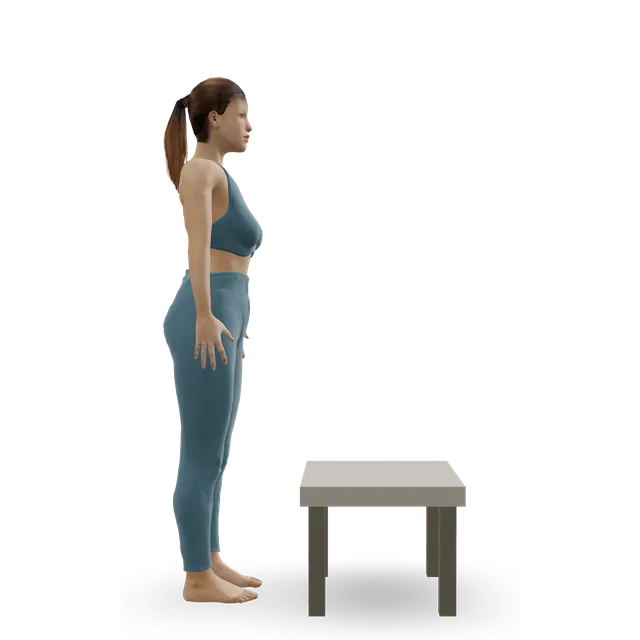
Loading the 3D figure…
Source-researched guide.
How to move
- Stand a short step back from a sturdy, stable box: learn on 15 to 30 cm, the American Council on Exercise's range, then move up to 30 to 45 cm, the National Academy of Sports Medicine's beginner range, once landings are quiet.
- Swing the arms and jump up to land softly with both feet fully on the box, knees bent.
- Stand tall on top, then step down rather than jumping down, and reset before the next jump.
Form cues
- Choose a box you clear easily; raise it only as landings stay quiet.
- Never rebound off the top or jump back down.
Practice and cautions
No universal dose is assigned. Choose a manageable amount for your current capacity, leave room for controlled repetitions, and allow recovery. A clinician’s individual plan takes priority.
Missed jumps rake shins down the box edge: in a survey of 308 CrossFit athletes, every lower-leg wound came from slipping during box jumps, and three needed surgery. Our advice: don't chase height or jump tired, and pick a box you clear with room to spare. Step down every rep, since repeated rebound landings off the box are exactly what this version is designed to avoid. In pregnancy, don't start new jumping or impact work; if you already do it, drop it when it causes leaking, heaviness or pelvic pain. After giving birth, UK guidance suggests waiting until at least 3 months before running and jumping, and only when walking, hopping and jogging on the spot cause no leaking, heaviness or pain. This timing is expert advice. With proliferative or severe non-proliferative diabetic retinopathy, avoid jumping and jarring. With numb feet from diabetes or another cause, choose low-impact options, wear well-fitting shoes, and check your feet for redness or blisters afterwards; with an open sore or ulcer, do no weight-bearing exercise until your foot team says so. With osteonecrosis (avascular necrosis) of the hip or knee, ask your specialist before impact exercise. This is movement education, not an assessment or treatment prescription. Stop for sharp or increasing pain, dizziness, numbness or tingling; seek individual guidance for symptoms, injury or restrictions.
Sources and review status
Sources support the educational description; they do not establish that this exercise is suitable for you.
- NASM · Box jumps ↗
- NASM · Developing power with plyometrics (controlled landings before repeated and reactive jumps) ↗
- ACE · Box jumps (intermediate; learn squat jumps first) ↗
- Lenz 2024 · Training injuries in 308 German CrossFit athletes: every lower-leg wound came from slipping during box jumps (retrospective survey, Open Access J Sports Med) ↗
No variation is labeled clinically validated.
What it works
Muscles
Main: Quads, Glutes. Also: Calves, Abs.
Anatomy: Sartorius, Quadriceps, Rectus femoris, Vastus medialis, Vastus lateralis, Gluteus maximus.
Equipment
A bench or box
Level
Intermediate. See the easier and harder options above.
Workouts that use it
- Plyometric workout · 30 min
- Strength workout for runners (gym) · 45 min
- Dryland workout for swimmers · 45 min
- Basketball strength and jump workout · 45 min
- Vertical jump workout: landings, jumps and strength · 40 min
- Table tennis strength and footwork workout · 40 min
- Strength and landing workout for jumpers: landings, complex pairs, tendons and trunk · 50 min
- Dryland workout for divers: take-off jumps, landings, legs, wrists, shoulders and entry shapes · 45 min
- Explosive power workout: jumps, throws and a fast lift · 40 min
Pain guides that use it
Part of a staged plan, with when to get help first.
- Jumper's knee (patellar tendinopathy): a loading plan
- Quadriceps tendinopathy (quad tendonitis): pain above the kneecap, and a tendon loading plan
- Knee pain when jumping: the patellar tendon, the kneecap, growing knees, landing and what helps
- Knee pain from basketball: jumper's knee, kneecap pain, growing knees, ACL tears and what helps
- Back pain from basketball: jumping, landing, contact, stress fractures in teens and what helps
- Knee pain from volleyball: jumper's knee, kneecap pain, landings, growing knees and what helps
Guides that use it
Similar moves
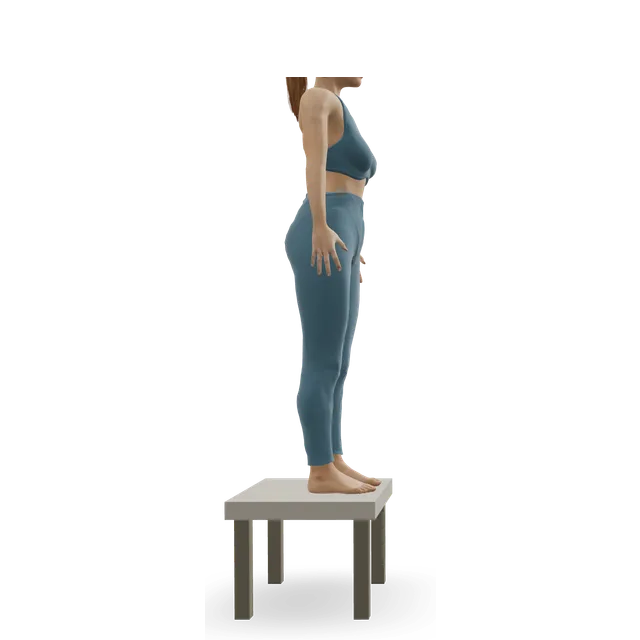 3D demoBox drop landingIntermediate · A step
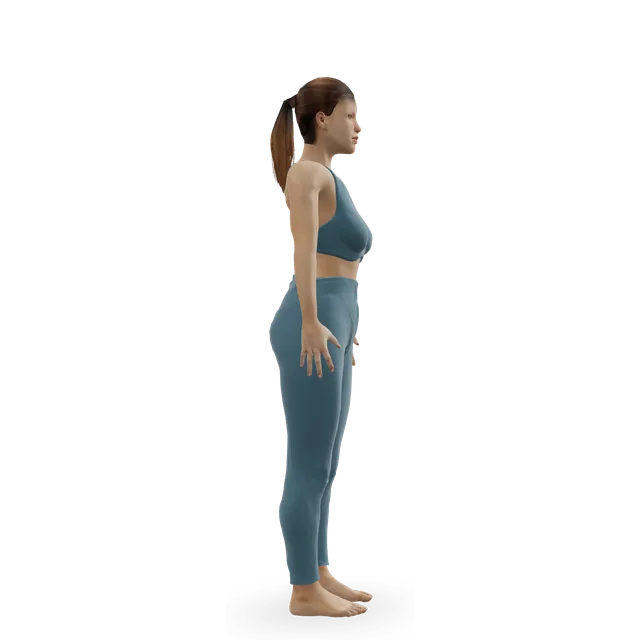 3D demoStanding broad jump with stuck landingIntermediate · No equipment
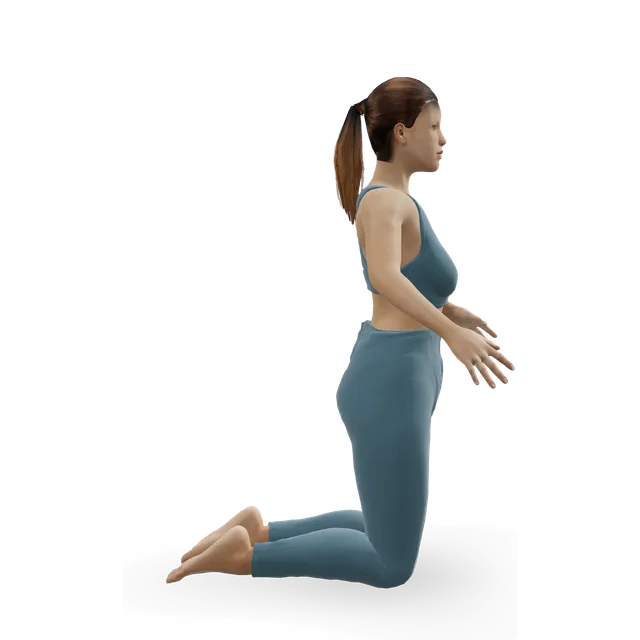 3D demoKneeling jump squatAdvanced · No equipment
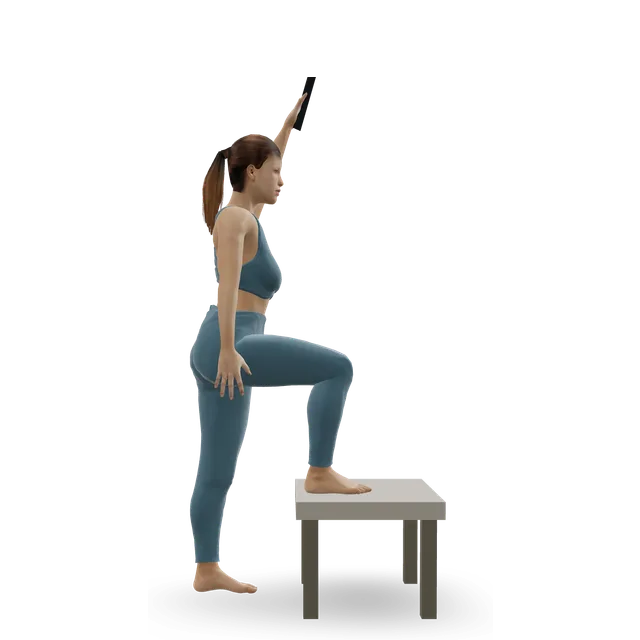 3D demoSingle-leg high box squatIntermediate · A step + A band
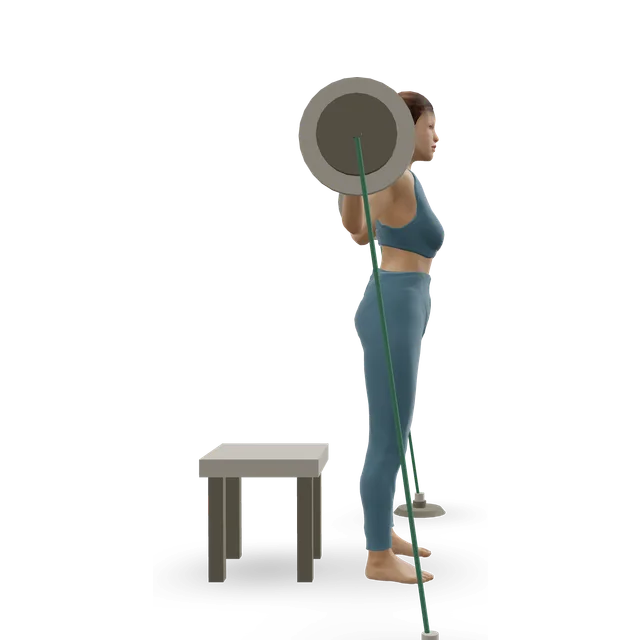 3D demoBox squat with bandsAdvanced · A barbell + A band + A bench or box
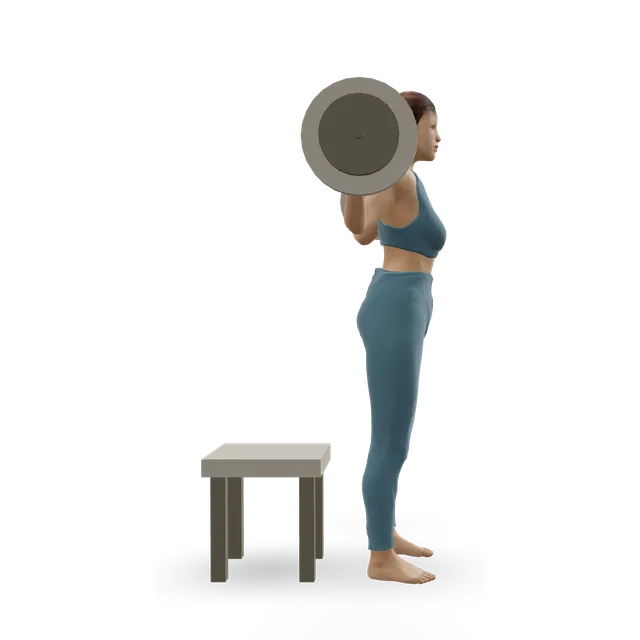 3D demoBox squat with chainsAdvanced · A barbell + Other / check instructions + A bench or box
Browse more
Questions people ask
What muscles does the Box jump work?
Mainly the quads and glutes, with help from the calves and abs.
What equipment do I need for the Box jump?
A bench or box.
Is the Box jump good for beginners?
It is graded intermediate. If it is too hard right now, start with the Jump squat.
What is an easier alternative to the Box jump?
Try the Jump squat or the Bodyweight squat. Both are written steps in the same progression.
How do I make the Box jump harder?
Progress to the Depth jump or the Split squat jump. Follow that guide’s technique and any stated timing.