Tuck jump
Jumping straight up and drawing the knees to the chest at the top before landing softly: ACE rates it intermediate and NASM intermediate to advanced, a step past the squat jump.
Jump up family
Tuck jump
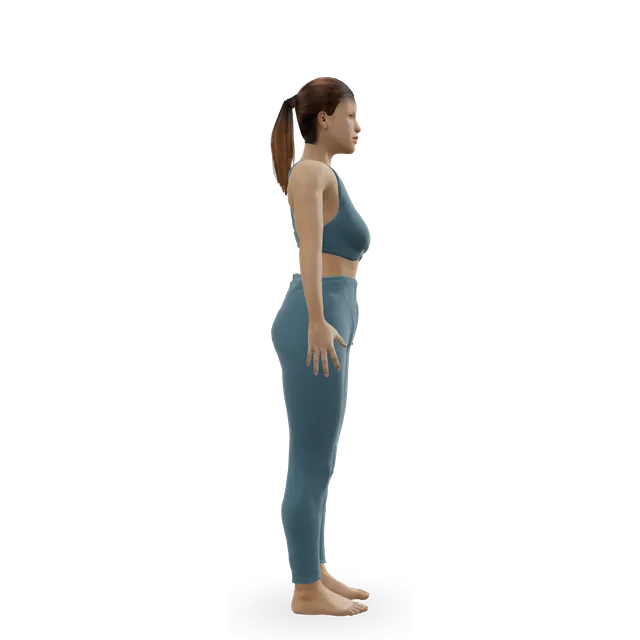
Loading the 3D figure…
Source-researched guide.
How to move
- From standing, dip and jump straight up.
- Draw the knees up toward the chest at the top.
- Land softly back into the dip and stand.
Form cues
- Land quietly, the knees over the toes.
- Reset between jumps while learning.
Practice and cautions
No universal dose is assigned. Choose a manageable amount for your current capacity, leave room for controlled repetitions, and allow recovery. A clinician’s individual plan takes priority.
In pregnancy, don't start new jumping or impact work; if you already do it, drop it when it causes leaking, heaviness or pelvic pain. After giving birth, UK guidance suggests waiting until at least 3 months before running and jumping, and only when walking, hopping and jogging on the spot cause no leaking, heaviness or pain. This timing is expert advice. With proliferative or severe non-proliferative diabetic retinopathy, avoid jumping and jarring. With numb feet from diabetes or another cause, choose low-impact options, wear well-fitting shoes, and check your feet for redness or blisters afterwards; with an open sore or ulcer, do no weight-bearing exercise until your foot team says so. With osteonecrosis (avascular necrosis) of the hip or knee, ask your specialist before impact exercise. This is movement education, not an assessment or treatment prescription. Stop for sharp or increasing pain, dizziness, numbness or tingling; seek individual guidance for symptoms, injury or restrictions.
Sources and review status
Sources support the educational description; they do not establish that this exercise is suitable for you.
- ACE · Tuck jump (intermediate) ↗
- NASM · Tuck jump (intermediate to advanced; strength and landing mechanics first) ↗
- Davies 2015 · Current concepts of plyometric exercise (beginner, intermediate and advanced drills; two-hand before one-hand throws; IJSPT) ↗
- Buckthorpe & Della Villa 2021 · Plyometric training after ACL reconstruction (low, moderate, high and very high intensity stages; IJSPT) ↗
- Free Exercise DB · community text ↗
Unlicense · Free Exercise DB contributors; derived from wrkout/exercises.json. Text import; no photographs or media. · Revision f00c92c7dcf1216a928a52c3706c7ce8e2f71ed5
No variation is labeled clinically validated.
What it works
Muscles
Main: Quads, Glutes, Calves. Also: Abs, Hip flexors.
Anatomy: Sartorius, Quadriceps, Rectus femoris, Vastus medialis, Vastus lateralis, Gluteus maximus.
Equipment
None: body weight and floor space.
Level
Intermediate. See the easier and harder options above.
Workouts that use it
- Netball warm-up: the KNEE programme · 20 min
- Gymnastics conditioning workout: jumps, landings, wrists, shoulders and trunk · 45 min
- Strength and landing workout for cheerleaders: legs, shoulders, trunk, wrists and landings · 50 min
- Cheerleading warm-up: wrists, shoulders, spine, hips and landings before stunting · 15 min
- Off-ice workout for figure skaters: landings, jumps, legs, hips, ankles and trunk · 45 min
- Figure skating warm-up: ankles, hips, spine, balance and landings before the ice · 15 min
- Strength workout for trampolinists: isometric squats, calves, jumps, trunk shapes and pelvic floor · 45 min
- Dryland workout for divers: take-off jumps, landings, legs, wrists, shoulders and entry shapes · 45 min
Guides that use it
Similar moves
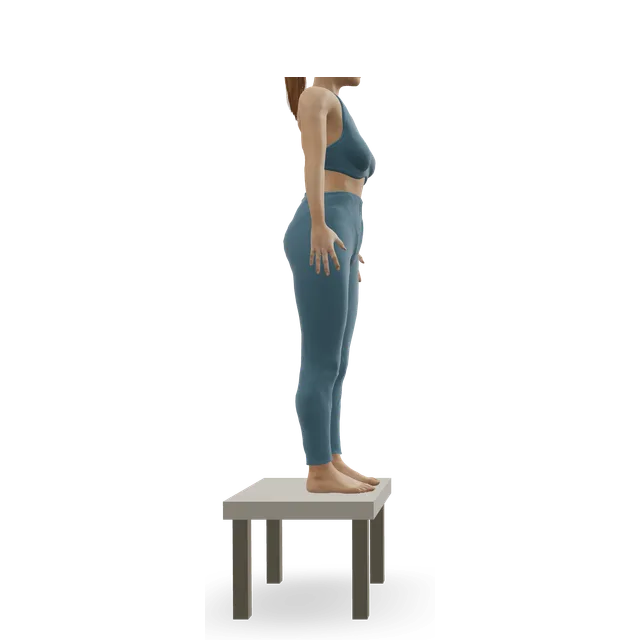
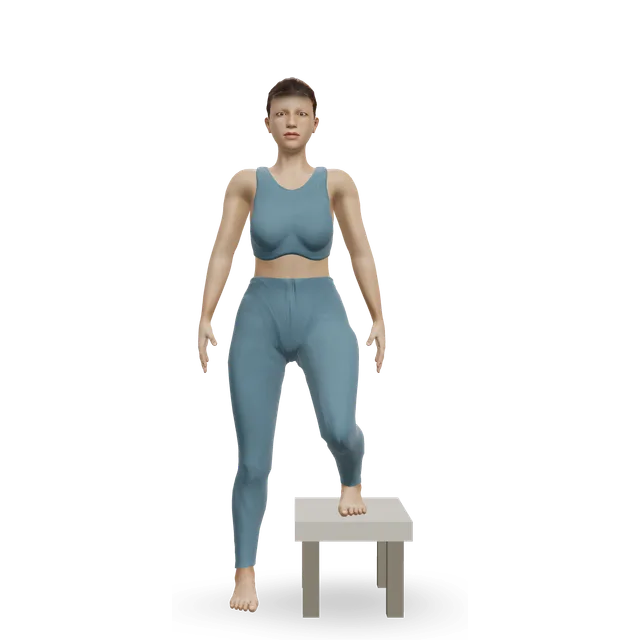
Browse more
Questions people ask
What muscles does the Tuck jump work?
Mainly the quads, glutes and calves, with help from the abs and hip flexors.
What equipment do I need for the Tuck jump?
No equipment: your body weight and a little floor space.
Is the Tuck jump good for beginners?
It is graded intermediate. If it is too hard right now, start with the Jump squat.
What is an easier alternative to the Tuck jump?
Try the Jump squat or the Standing long jump. Both are written steps in the same progression.
How do I make the Tuck jump harder?
Progress to the Box jump and leap off or the Box-to-box depth jump. Follow that guide’s technique and any stated timing.