Training guide

How to do tuck jumps: the jump and the landing, easier plyometric steps, your knees and pelvic floor, and how many

A tuck jump is a jump straight up with your knees pulled towards your chest at the top, then straightened under you for a soft landing. It trains leg power and, above all, landing control: coaches and physios even use 10 seconds of tuck jumps as a checklist for landing faults such as knees caving in.

The landings are hard but not unusually so: about 5 times your body weight through both feet in lab studies, no more than other maximal jumps. No trial has tested tuck jumps on their own, so they're one useful part of jump training, not a shortcut.

This guide teaches the landing first, then single and repeated tuck jumps step by step on the 3D figure, with how many to do and how often, what the tuck jump assessment can and can't tell you, your knees and pelvic floor, pregnancy and after a birth, and the warning signs.

The short version

Dip, jump, tuck, straighten, land softly

Dip quickly as your arms swing back, jump straight up as they swing up, and pull your knees towards your chest at the top. Straighten your legs before you land, softly on the balls of your feet, rolling back to your heels, with your hips back and knees bent over your toes. Learn single jumps with a reset before linking them.

Sources 1, 2

A step up from the jump squat

The American Council on Exercise (ACE) rates tuck jumps intermediate, and the National Academy of Sports Medicine (NASM) calls them more challenging than a vertical jump, for intermediate to advanced exercisers who already land well. Putting them after quiet jump squats is our editorial call.

Sources 1, 2

Landings of about 5 times body weight

Through both feet, tuck jump landings measured about 5.0 times body weight in 18 male swimmers and 5.5 in 25 female athletes; in 6 athletes, peak landing force didn't differ from other common jumps. Their extra demand is the timing, not the impact.

Sources 3, 4, 5

Your knees: the landing is what matters

Tired, stiff landings with the knees caving in are the risk. Landing training cut landing forces by 22% in female athletes, and programmes that include jumps and landing practice cut knee ligament (ACL) injuries.

Sources 6, 7, 8, 9

The tuck jump test is a checklist

Physios and coaches score 10 seconds of tuck jumps for 10 landing faults. Trained scorers agree on the total, but single faults are less reliable, and the scores didn't predict knee injuries in 236 female footballers. Use it to check your own landings, not as a risk score.

Sources 10, 11, 12, 13

How many, and your pelvic floor

2 to 3 sets of 3 to 5 single tuck jumps, resetting between jumps (our editorial starting point, within NASM's 3 to 5 sets of 3 to 5), counting each landing towards about 80 to 100 a session, twice a week. Jumping raises the pressure on the pelvic floor more than most activities, and leaking with jumps is common and treatable.

Sources 2, 14, 15, 16

What a tuck jump is, and what it works

The move

A jump with a tuck at the top: a quick dip and arm swing, a jump straight up, the knees pulled up towards the chest with the heels under the seat and the feet level, then the legs straightened under you before a soft landing back into the dip. Done one at a time with a reset, it's a power drill; done as repeated, bouncing jumps, it's a reactive drill and the format of the tuck jump assessment.

Source 1

Names

Tuck jump and knee tuck jump are one move; gymnasts, divers, trampolinists and cheerleaders call the shape in the air a tuck. Squat tuck jumps start from a deeper squat, and burpee tuck jumps add a burpee; neither has a demo of its own. "Knee tucks" are a core exercise, hanging or on a bench, not a jump.

What it works

Your thighs, glutes and calves push you off the floor, your hip flexors and abs pull your knees up, and your whole leg absorbs the landing. It trains leg power and landing control more than muscle size.

Source 2

How hard

Harder than a jump squat because you must jump high enough to tuck and get your feet back under you in time (our reading). ACE rates it intermediate and NASM intermediate to advanced; in rehabilitation after knee ligament surgery, a clinical commentary places it in the high-intensity stage. Where it sits in your training is our editorial call: after quiet jump squats.

Sources 1, 2, 17

High impact

Both feet leave the ground, which pelvic health physiotherapists class as high impact.

Source 18

How people differ

Heavier people land with more force, so start with single jumps and lower tucks (our suggestion). Teenagers around their growth spurt showed more knee collapse in the tuck jump assessment than those past it, and under-16s jump with a coach watching, as our vertical jump workout says. Leaking with jumps is common in women. Older adults can jump if it suits them: jump training added no injuries across 12 trials of adults aged about 58 to 79, but tuck jumps are a late step.

Sources 19, 16, 20, 21, 22

Who was studied

The landing studies are small groups of young athletes measured in a lab, and the jump training trials mix many jump types. No trial has tested tuck jumps on their own for jump height, fitness, bone or injuries. We say so where a point rests on them.

How to do a tuck jump, step by step

From our tuck jump move page and the tuck jump pages of ACE and NASM; the reset between jumps and the rule for linking them are editorial.

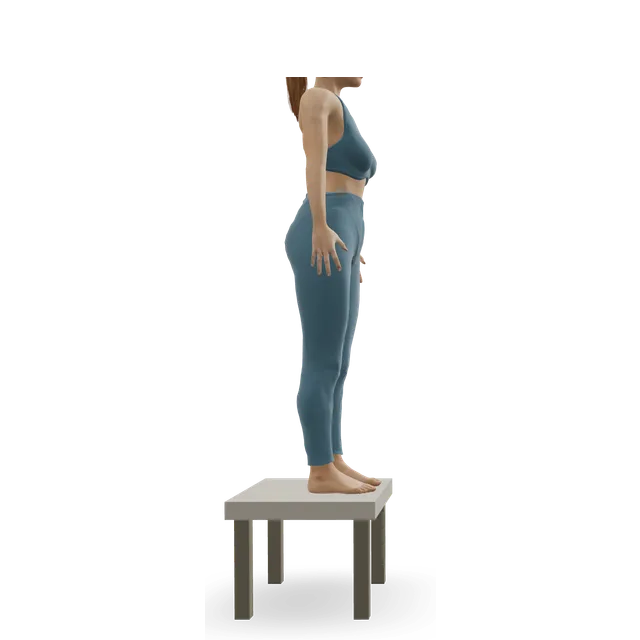
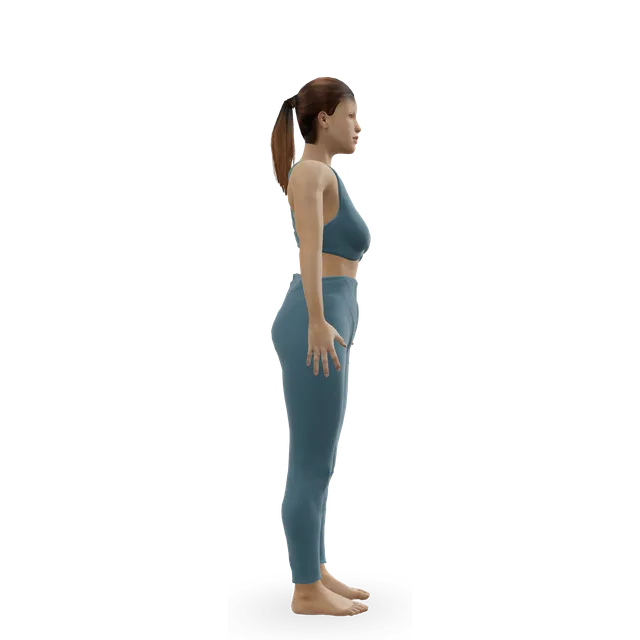
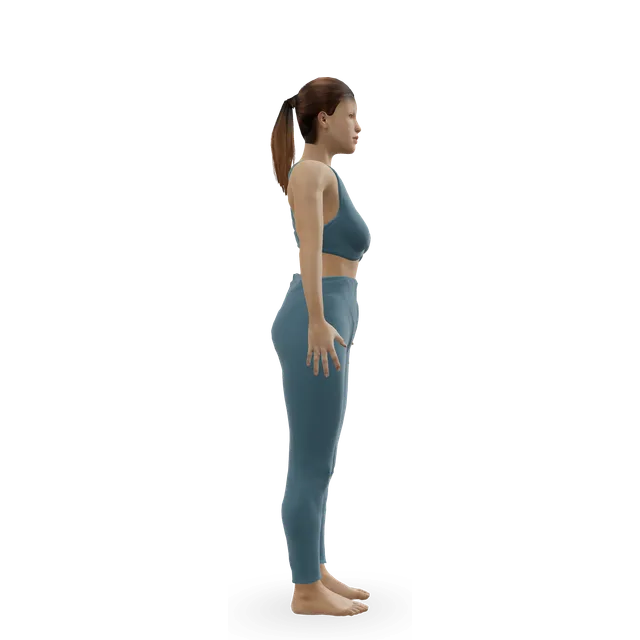
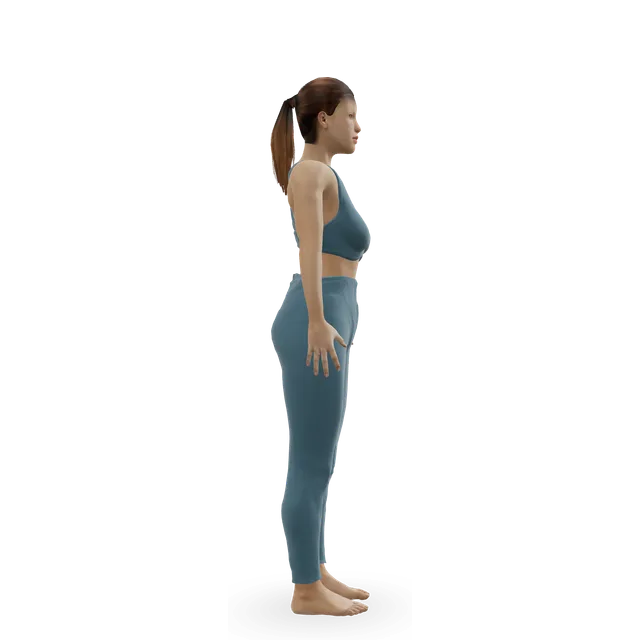
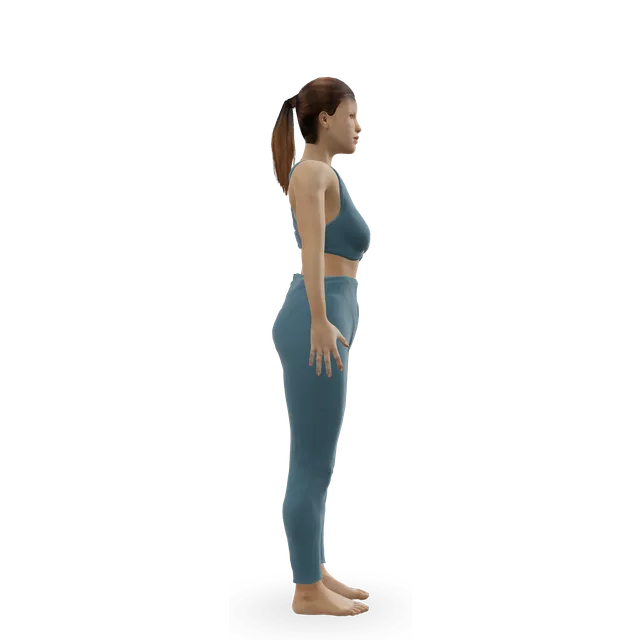
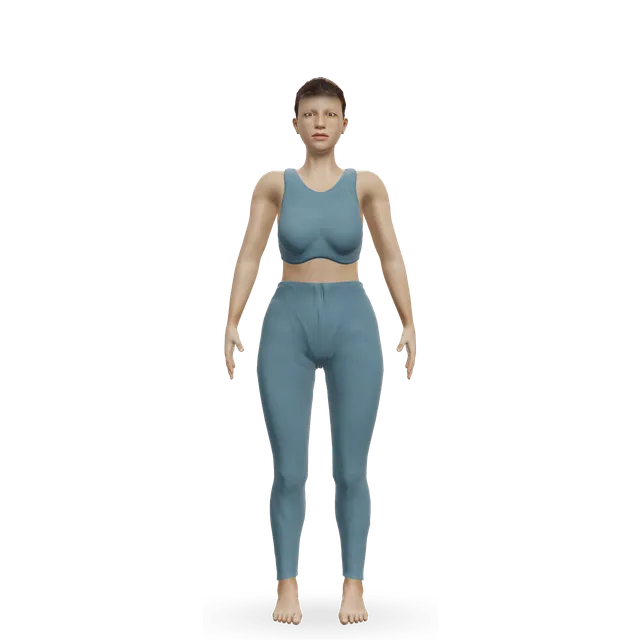
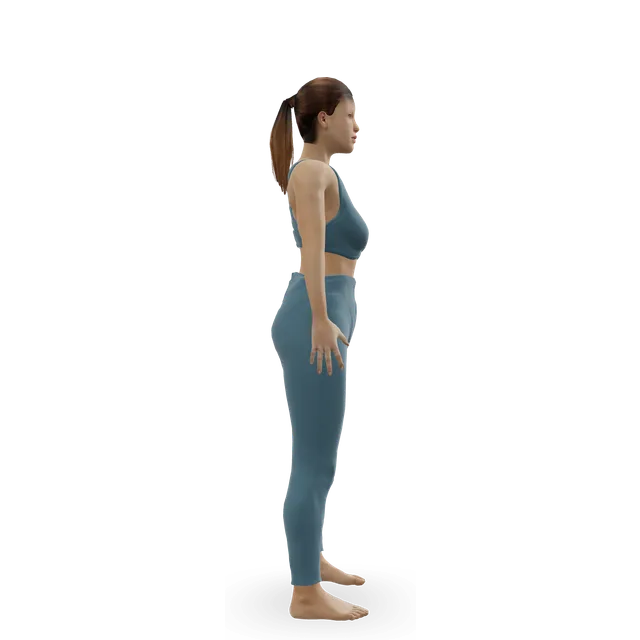
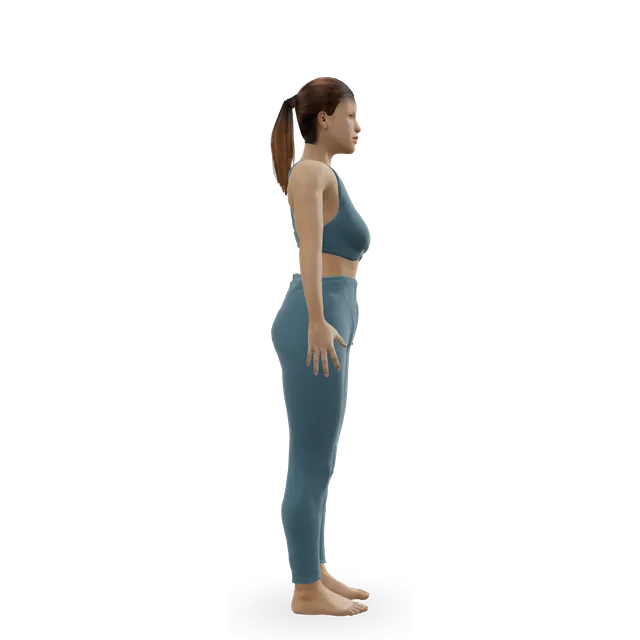
  1. Stand with your feet about hip-width apart, arms by your sides, with room overhead and a non-slip floor.
  2. Dip quickly into a quarter squat, pushing your hips back as your arms swing back. Pause only briefly, if at all.
  3. Jump straight up, driving through your hips, knees and ankles as your arms swing up.
  4. At the top, pull your knees up towards your chest, thighs at least level with the floor and feet level with each other.
  5. Straighten your legs back under you before you land.
  6. Land softly on the balls of your feet, rolling back to your heels, with your hips back and your knees bent over your toes, feet still about hip-width.
  7. Stand up and reset before the next jump. Link jumps only when every landing is quiet.

Loading the 3D figure…

Gets into position, then repeats the movement. Technical checks passed; qualified exercise review is pending.

The movement on the figure: Tuck jump

Learn the landing first: snapdowns

From our snapdown move page and jump squat guide: 2 sets of 5, holding each landing for 2 seconds, as the warm-up of our vertical jump workout does. Box drop landings and quiet jump squats come next (our jump squat guide teaches both).

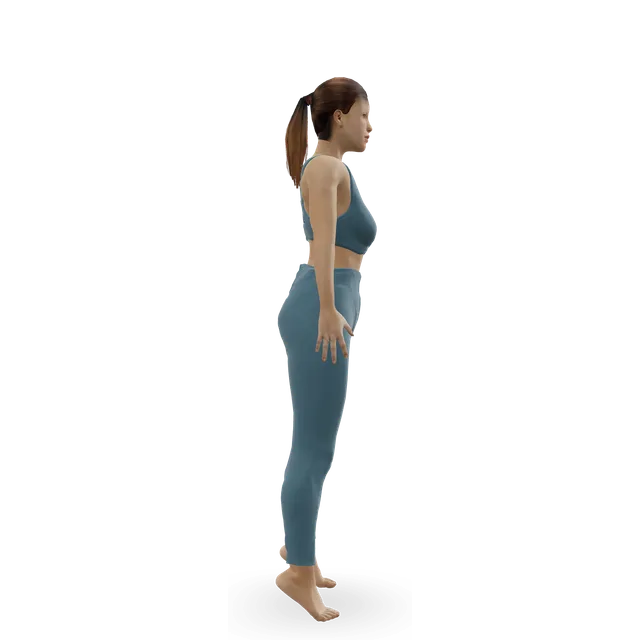
  1. Stand tall on the balls of your feet with your arms reaching up.
  2. Drop fast into a quarter squat and freeze there: feet flat, hips back, shins forward, chest up, arms swinging back.
  3. Hold the landing for 2 seconds, quietly, with your knees in line with your toes, then stand up and repeat.

Loading the 3D figure…

Gets into position, then repeats the movement. Technical checks passed; qualified exercise review is pending.

The movement on the figure: Snapdown to athletic landing

How hard tuck jumps land

About 5 times body weightEmerging evidence

In 18 male swimmers, tuck jump landings measured 5.00 times body weight through both feet, below their countermovement jump (6.77) and a 30 cm drop jump (6.57); in a pool 1.3 m deep, they fell to 2.47. In 25 female athletes doing 10 seconds of repeated tuck jumps, peak force was 5.52 times body weight, with each foot contact lasting about a fifth of a second.

Sources 3, 4

No harder than other jumpsEmerging evidence

In 6 athletes, peak landing force didn't differ between tuck jumps, depth jumps, pike, single-leg and squat jumps, though knee forces and how fast force built up did. Force-plate profiles differed across drills in 49 trained men and women, and the usual low, medium and high intensity ratings didn't match the joint power measured in 10 athletes.

Sources 5, 23, 24

The knee, by comparisonEmerging evidence

In lab models of 20 healthy young adults, a two-footed countermovement jump loaded the kneecap joint 6.4 times body weight, against 5.4 for running and 4.5 for a full squat. Tuck jumps weren't measured.

Source 25

What that means

A tuck jump lands about as hard as any maximal two-footed jump. Its extra demand is getting your feet back under you in time, which is why tired, rushed tuck jumps are the ones to avoid (our reading).

Tuck jumps and your knees

Knees caving inEmerging evidence

In 205 female athletes, the 9 who later tore an anterior cruciate ligament (ACL, a main knee ligament) had landed with 8 degrees more knee collapse, 2.5 times the sideways knee load and 20% more ground force.

Source 6

Landing can be taughtEmerging evidence

A jump programme that taught landing cut peak landing forces by 22% and sideways knee loads by about half, and raised the vertical jump by about 10%, in female athletes. Soft landings with more knee bend let the hip and knee muscles absorb more energy, and in a randomised trial of 80 adults, coaching the landing, or listening to its sound, lowered landing force.

Sources 7, 26, 27

Prevention programmesStrong evidence

Programmes with strength and landing work cut the odds of ACL injury by about 40% (odds ratio 0.61), and of non-contact ACL injury by about 65% (0.35), across 13 studies. An Australian position statement puts the reduction at about 60% in adolescent female football, basketball and handball players, with jumping, strength, balance and agility work for 10 to 30 minutes, 2 or 3 times a week. No trial has tested tuck jumps on their own.

Sources 8, 9

If your knees are sore

Our knee pain after a workout guide's rule applies: 0 to 2 out of 10 is fine, and up to 5 is acceptable if your knee is back to its usual level by the next morning. With pain in the tendon below the kneecap, our jumper's knee guide keeps it to 3 or less. If it isn't settling, go back to landings and jump squats for a while.

After a knee ligament injury

In rehabilitation after ACL reconstruction, tuck jumps come late, after good two-legged drop jumps, steady one-legged landings and strength above 1.5 times body weight for 8 reps, as one clinical commentary sets out. Wait until your physio clears you.

Source 17

The tuck jump assessment

What it isStrong evidence

Ten seconds of repeated tuck jumps, scored for 10 technique faults:

  • Knees caving in on landing
  • Thighs not reaching level with the floor
  • Thighs not level with each other
  • Feet not about shoulder-width apart
  • Feet not parallel
  • Feet not landing at the same time
  • Not landing in the same footprint
  • Loud landings
  • Pausing between jumps
  • Technique slipping before 10 seconds

Source 10

How reliable the scores areMixed evidence

With trained raters and a 0 to 2 score for each fault, the total was very reliable in 24 elite youth volleyball players (intraclass correlation 0.94 to 0.96, where 1 is perfect agreement). Between three differently trained professionals, it was only moderate (0.56 to 0.64), and a review of 5 studies found single faults unreliable apart from knees caving in.

Sources 11, 10, 12

What it can't predictEmerging evidence

In 236 female footballers followed for 2 years, test cutoffs including the tuck jump didn't predict new knee injuries. In 357 elite male youth footballers, a difference between legs in a single-leg jump, not the tuck jump score, was the main risk factor. In 16 professional footballers, the authors advise caution using it as a screen.

Sources 13, 28, 29

What it showsEmerging evidence

In 57 elite male youth footballers, it showed more knee collapse than a drop jump and picked up more differences between growth stages.

Source 19

How to use it yourself

Film 10 seconds of tuck jumps from the front and side and check the list. Knees caving in and loud landings are the faults to fix first; fix them with snapdowns and jump squats (our suggestion).

Easier and harder: from snapdowns to tuck jumps

In order, moving on when every landing is quiet and your knees track over your toes (our editorial rule): squats, 10 reps, and snapdowns, 2 × 5 holding each landing for 2 seconds (our vertical jump workout's warm-up); box drop landings, 3 × 5 from a 20 to 30 cm step, and jump squats, 3 × 5 with 60 seconds' rest (weeks 1 and 2 of our vertical jump workout); the jump and reach (rocket jump), 3 sets of 5 with about a minute's rest (its move page's editorial starting point); then single tuck jumps with a reset, first lifting your knees to hip height, then higher, 2 to 3 sets of 3 to 5 (our editorial starting point; our gymnastics conditioning, cheerleading, skating, trampolining and diving workouts use 2 × 4); then 2 or 3 linked tuck jumps, and repeated tuck jumps for 5 to 10 seconds, 2 or 3 sets with a minute or more between (editorial). Harder: hurdle hops, 3 runs over 4 or 5 hurdles; butt-kick jumps and power star jumps, 3 sets of 5 (their move pages' editorial starting points); and split squat jumps, 3 × 4 each side (our plyometric workout). Squat tuck jumps, burpee tuck jumps and single-leg tuck jumps have no demo of their own; leave single-leg tuck jumps to coached athletes.

Common mistakes

Knees caving in on landing

The assessment's first fault. Land quietly with your knees over your toes, as the move page cues, and lower the tuck until they stay there.

Source 10

Curling down instead of lifting the knees

Thighs that don't reach level, or a trunk that folds down to meet them, mean the jump wasn't high enough (our cue): jump higher or tuck less.

Stiff, straight-legged landings

NASM lists straight-knee landings as a mistake, and ACE says to avoid locking your knees: sink into the landing.

Sources 2, 1

Loud, flat-footed landings

Land on the balls of your feet and roll back to your heels. Loud landings mean the set is over.

Feet wide, uneven or drifting

Land with your feet about hip-width, level and side by side, in the spot you took off from.

Sources 2, 10

Leaning forward

Too much forward lean is one of NASM's listed mistakes. Jump straight up.

Source 2

Rushing or jumping tired

NASM says never to train them to failure, and expert guidance is to stop when technique slips. Link jumps only when single ones are quiet.

Sources 2, 14

How many, and how often

While you learn

2 sets of 4 tuck jumps, knees up and landing softly, as our gymnastics conditioning workout does.

For power

NASM suggests 3 to 5 sets of 3 to 5 with complete rest. Start at 2 to 3 sets (our editorial starting point).

Source 2

Repeated tuck jumps

5 to 10 seconds of linked tuck jumps, 2 or 3 sets, only when single jumps are quiet (editorial; the assessment uses 10 seconds).

Source 10

Count your landings

Each landing is a foot contact. Expert guidance suggests about 80 to 100 a session for beginners, 100 to 120 for intermediates and 120 to 140 for advanced athletes, with quality over quantity, so a few sets of tuck jumps leave room for your warm-up and other jumps.

Source 14

How often

Twice a week, 48 to 72 hours apart, with the jumps early in the session while you're fresh. In 30 young basketball players, two and four sessions a week with the same total jumps improved jumping about equally.

Sources 14, 30

How hard

Every jump a full effort with a quiet landing. End the set when your landings get loud or your knees stop reaching hip height, rather than counting reps in reserve, as our jump squat guide says.

As an interval

Our editorial starting point: 20 to 30 seconds within a high-intensity interval round, resting at least as long, once or twice a week, as our HIIT guide suggests, and only once your landings are steady. Every landing counts towards the session's total.

What tuck jumps build: the evidence

Jump heightStrong evidence

Across 26 controlled studies, jump training raised the countermovement jump by 8.7%, about 2 to 6 cm, as our jump higher guide puts it.

Source 31

What made programmes workEmerging evidence

Across 56 studies, programmes longer than 10 weeks with more than 20 sessions and more than 50 jumps a session, mixing jump types, did best, and added weight gave no extra benefit. These are comparisons across studies, not head-to-head trials.

Source 32

How oftenEmerging evidence

In 30 young female basketball players, 8 weeks of jump training in 2 or 4 sessions a week, with the same total jumps, improved jumps and change of direction with no clear difference between them.

Source 30

Older adultsEmerging evidence

In 12 trials of 289 adults aged about 58 to 79, jump training caused no increase in injuries or side effects. Tuck jumps are a late step, even so.

Source 22

Calories

No study has measured what tuck jumps cost. As intervals, they sit with high-intensity interval exercise with squat jumps, 11.0 METs (multiples of your resting energy use) in the Compendium of Physical Activities: a general reference value, not your own cost. A few sets of 3 to 5 burn little. Hard intervals count as vigorous activity towards the NHS's 75 minutes a week.

Sources 33, 34

What nobody has tested

We found no trial of tuck jumps on their own for jump height, fitness, bone, injuries or the pelvic floor, and no measurement of their energy cost.

Strength that supports it

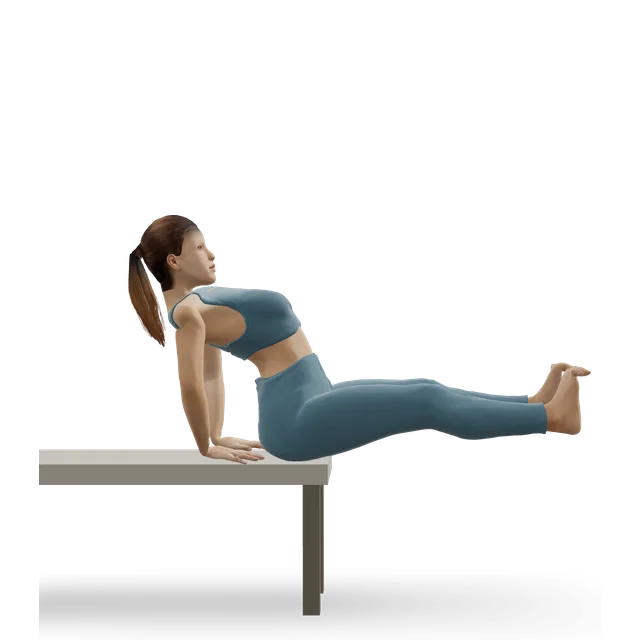
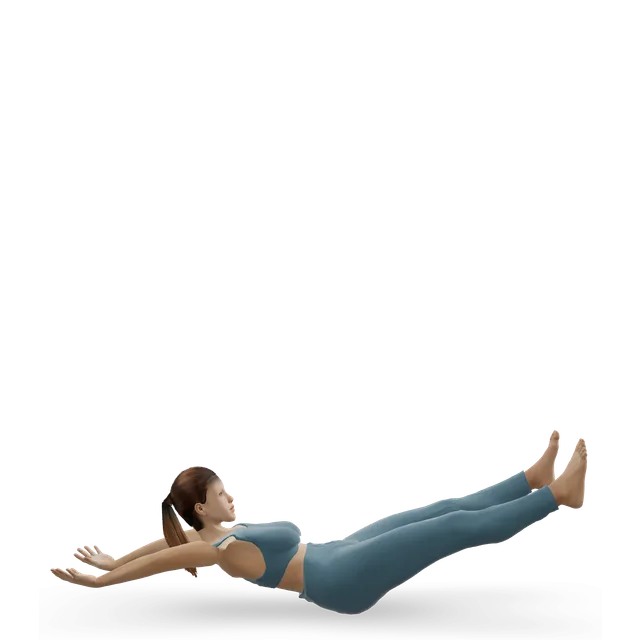
Goblet squats, 3 × 6 to 8 stopping 2 to 3 reps short, dumbbell Romanian deadlifts, 3 × 8 lowering for 3 seconds, single-leg calf raises, 2 × 10 to 12 each leg, and pogo hops and ankle bounces, 2 × 10 each (all our vertical jump workout); the seated knee tuck on a bench for the knee pull, 2 to 3 sets of 10 to 15 slow reps (its move page's editorial starting point); the hollow hold for the tuck shape, 3 × 20 seconds (our gymnastics conditioning workout); and heel drops, the gentlest impact for bone, 20 to 30 drops at first, building towards about 50 impacts on most days (its move page's dose).

Leaking, pregnancy and after a birth

Jumping and tummy pressureEmerging evidence

In 57 women, jumping in place raised the pressure inside the tummy to a median of 91.2 cmH2O (centimetres of water, a pressure unit), the highest of the activities measured, just above coughing.

Source 15

Leaking is commonEmerging evidence

41.8% of 452 women CrossFit competitors had leaked in the past 3 months, 38.3% during training or competition, most with rope jumping and double-unders and 18.8% with box jumps. Across 13 studies of 4,823 women who do CrossFit, 44.5% leaked, and across 8 studies of female athletes, 36%. These are surveys.

Sources 16, 20, 21

It's treatable

The NHS says high-impact exercise can increase leaks and that pelvic floor exercises can reduce them. Swap to no-jump moves, such as a fast knee-drive march or step jacks, while you build them, and see a GP or pelvic health physiotherapist. Leaking is a reason to change the exercise, not to stop exercising.

Source 35

Pregnancy

Don't start new jumping: the NHS advises against starting a new vigorous activity in pregnancy, and against activities with a risk of falling. If you already jump, stop when it causes leaking, heaviness or pelvic pain, as our jump squat move page says.

Source 36

After a birth

The NHS advises avoiding high-impact exercise to start with. UK guidance suggests waiting at least 3 months before running and jumping, and only when jogging on the spot, hopping and bounding cause no leaking, heaviness or pain; that timing is expert advice.

Sources 37, 38

Workouts to follow

The knee control warm-up and the vertical jump workout teach the landings and the steps before tuck jumps; the gymnastics, cheerleading, figure skating, trampolining and diving workouts use tuck jumps at 2 × 4; the plyometric workout is the advanced session; and the bounce and load starter is a gentle springy start.

Knee control warm-up

A 20-minute warm-up that trains your knees to track over your toes: side-hip strength, squats and lunges with alignment practice, balance and quiet landings.

20 minBeginner10 movesA wall, A band

Vertical jump workout: landings, jumps and strength

A staged jump session for 8 weeks: landings and small jumps, then box and broad jumps, then depth jumps, each followed by squats, hinges and calf work.

40 minIntermediate16 movesA step, A bench or box

Gymnastics conditioning workout: jumps, landings, wrists, shoulders and trunk

A gymnastics conditioning session: jumps from the youth vault trial, landings, wrist and shoulder strength, wall handstands, and hollow and arch holds.

45 minIntermediate22 movesOther / check instructions, A step

Strength and landing workout for cheerleaders: legs, shoulders, trunk, wrists and landings

A 50-minute cheer strength session: landings and tuck jumps, power cleans, front squats, split squats, hip thrusts, presses, rows, wrist work and trunk holds.

50 minIntermediate21 movesA barbell, A bench or box

Off-ice workout for figure skaters: landings, jumps, legs, hips, ankles and trunk

A 45-minute off-ice session for skaters: landing-position balance, drop landings, hops, jump squats, tuck jumps, bounds, single-leg strength, groins and trunk.

45 minIntermediate22 movesA wall, Other / check instructions

Strength workout for trampolinists: isometric squats, calves, jumps, trunk shapes and pelvic floor

Strength for trampolinists: maximal isometric squat and calf pushes from one small study, pogo hops, tuck jumps, landings, trunk shapes and pelvic floor.

45 minIntermediate14 movesA wall

Dryland workout for divers: take-off jumps, landings, legs, wrists, shoulders and entry shapes

A 45-minute dryland session for springboard and platform divers: take-off jumps, landings, squats and Nordics, wrist and shoulder work, hollow holds and tucks.

45 minIntermediate22 movesA bench or box, A dumbbell

Plyometric workout

An advanced jump training session: pogo hops, box jumps, split squat jumps, broad jumps and depth jumps.

30 minAdvanced8 movesA bench or box, A step

Springy starter: calf strength and gentle bounces

A beginner's springy session: calf strength first, then heel drops, calf springs and gentle bounces, building towards skipping and pogo hops.

20 minBeginner11 movesA wall, A step

Plan that teaches the landings

The workout plan for teenagers uses the knee control warm-up.

Who should change it

Older adults, or osteoporosis

Jump training in older adults added no injuries across 12 trials, but tuck jumps come late. With osteoporosis, UK guidance suggests moderate impacts, such as low-level jumping and hopping, building to about 50 on most days; with spinal fractures or many broken bones, keep to low impact unless your doctor or physiotherapist agrees. Heel drops and jump squats are the place to start.

Sources 39, 40, 22

Teenagers

Around the growth spurt, knee collapse in the tuck jump assessment was more common. Build up through landings, and under-16s jump with a coach watching, as our vertical jump workout says.

Source 19

Diabetes

With proliferative or severe diabetic eye disease (retinopathy), avoid jumping and jarring; with numb feet, choose low-impact options, wear well-fitting shoes and check your feet afterwards, as our jump move pages say.

Osteonecrosis

With osteonecrosis (avascular necrosis) of the hip or knee, ask your specialist before impact exercise, as our jump move pages say.

Sore knees, or a higher body weight

Start with landings, jump squats and single, low tucks, and add height once landings are quiet and comfortable (our suggestion).

Heart conditions or high blood pressure

With heart disease, or blood pressure that isn't controlled, ask your GP or heart team before hard intervals or jumping, as our HIIT guide says.

Warning signs

Stop and get medical help

If you get chest pain or pressure, feel faint or dizzy, are unusually breathless, or your heart races or beats irregularly during exercise, as our plans advise. The American Heart Association says these need immediate medical evaluation.

Source 41

Call 999 (911 in the US)

For chest pain that doesn't go away, feels tight, heavy or like squeezing, or spreads to your arms, neck, jaw, stomach or back, or comes with sweating, feeling sick, light-headedness or breathlessness; severe difficulty breathing; someone who faints while exercising; palpitations that don't go away, or come with chest pain, shortness of breath or feeling faint; or a headache that starts suddenly and is extremely painful. Don't drive yourself to A&E.

Sources 42, 43, 44, 45, 46, 47, 48

Check before you start

If you haven't exercised for some time or have a medical condition, speak to your GP first, as the NHS advises. Get advice before jumping if your blood pressure is uncontrolled, or you have heart disease or chest pain when you're active, a pacemaker or defibrillator, diabetic eye disease, glaucoma, a hernia, recent eye or tummy surgery, or you're pregnant, as our breathing guide lists.

Source 34

After a faint, or dizziness that keeps coming back

See a GP after any faint, and for dizziness that won't go away or keeps coming back.

Sources 45, 49

Your knee after a landing

Go to A&E if your knee has changed shape, swells up very quickly, or you felt a pop or snap, as our ACL injury guide says; don't drive yourself. Get advice from NHS 111 if your knee is very painful, you can't move it or put weight on it, it's badly swollen, or it locks, gives way or clicks painfully (painless clicking is normal). A knee that gives way after a landing needs checking before you jump again. See a GP if knee pain doesn't improve within a few weeks.

Source 50

Heels, Achilles and one sore spot on a bone

After an injury, contact NHS 111 for a snap, grinding or popping noise at the time, or if you can't walk on your tiptoes. Pain in one spot on a bone that's worse with jumping and tender to press can be a stress fracture: stop jumping and see a GP, as our stress fracture guide says.

Source 51

A turned ankle or a fall

Call 999 or go to A&E if you heard a crack, the joint has changed shape or points at an odd angle, it's numb or tingling, or the skin looks blue or grey or feels cold. Get help from NHS 111 if it's very painful or swollen, or you can't put weight on it or walk more than a few steps. Call 999 if someone has fallen and may have injured their head, back, neck or hip, or can't get up.

Sources 52, 53

Leaking, heaviness or a bulge

Leaking with jumps: see a GP or pelvic health physiotherapist. A feeling of heaviness or pressure in your lower tummy or vagina, or a bulge or lump in or coming out of your vagina, can be a prolapse: see a GP, and leave out high impact meanwhile.

Sources 35, 54, 18

Muscle pain far worse than the session explains

After a big or unusual session, severe muscle pain, swelling or weakness with dark urine needs same-day help: NHS 111, or A&E if you feel very unwell. Severe exertion is among the causes of muscle breakdown (rhabdomyolysis).

Source 55
Myths

"Tuck jumps are bad for your knees"Emerging evidence

Tuck jump landings measured about 5 times body weight through both feet, below a countermovement jump (6.8) or drop jump (6.6) in the same men, and peak landing force didn't differ from other jumps in athletes. The risk is tired, stiff landings with the knees caving in; learning to land cut landing forces by 22%, and programmes with jumps and landing drills cut ACL injuries.

Sources 3, 5, 6, 7, 8

"You need to jump every day to jump higher"Emerging evidence

Two and four sessions a week with the same total jumps improved jumps equally in 30 young players; expert guidance is 48 to 72 hours between jump sessions; and programmes over 10 weeks with more than 20 sessions did best. Twice a week is enough.

Sources 30, 14, 32

"The tuck jump test tells you your injury risk"Emerging evidence

It's a reliable checklist of landing faults with trained scorers, but in 236 female footballers test cutoffs, the tuck jump among them, didn't predict new knee injuries, and in 357 male youth footballers a difference between legs, not the tuck jump score, was the main risk factor.

Sources 11, 13, 28

"Tuck jumps torch fat"

Nobody has measured their energy cost. A few sets of 3 to 5 burn little, and as intervals they count as vigorous, like other high-intensity intervals (11 METs in the Compendium). Training one body part doesn't burn the fat over it; fat comes off with your overall activity and eating.

Sources 33, 56

"More tuck jumps, more results"

Expert guidance is quality over quantity: stop when technique slips. Our jump higher guide reports that about 42 jumps a session did as well as about 160 in volleyball trials, a comparison across studies.

Source 14

Questions people ask

How do you do a tuck jump?

Dip quickly with your arms swinging back, jump straight up as they swing up, and pull your knees towards your chest at the top. Straighten your legs before you land, softly on the balls of your feet with your hips back and knees bent over your toes, then reset.

What muscles do tuck jumps work?

Your thighs, glutes and calves drive the jump, and your hip flexors and abs pull your knees up. They train leg power and landing control more than muscle size.

Are tuck jumps bad for your knees?

Not when you build up to them: landings measured about 5 times body weight through both feet, no more than other maximal jumps. Tired landings with your knees caving in are the risk. Keep knee pain to 0 to 2 out of 10, or up to 5 if it's back to normal by the next morning.

How many tuck jumps should I do?

Start with 2 to 3 sets of 3 to 5 single jumps, resetting between each, with about a minute's rest; NASM suggests 3 to 5 sets of 3 to 5 with complete rest. Count every landing: about 80 to 100 a session suits beginners, twice a week.

Are tuck jumps harder than jump squats?

Yes. You need the same take-off plus enough height and timing to tuck and get your feet back under you. ACE rates tuck jumps intermediate and NASM intermediate to advanced, so master quiet jump squats first.

Tuck jumps or box jumps?

Box jumps land on top of the box near the top of your jump, so the landing was about half as hard as a jump in place in one lab study, as our box jump guide explains. Tuck jumps land on the floor from full height. Both train the same take-off.

What is the tuck jump assessment?

A test in which you do tuck jumps for 10 seconds while a physio or coach scores 10 landing faults, such as knees caving in or loud landings. Trained scorers agree on the total, but it didn't predict knee injuries in footballers, so use it as a technique checklist.

Do tuck jumps help you jump higher?

As part of jump training, yes: jump training added about 9% to the countermovement jump across 26 studies, best with mixed jump types. No trial has tested tuck jumps alone.

Can beginners do tuck jumps?

After the basics: steady squats, stuck landings and quiet jump squats first, as NASM advises. Our vertical jump workout's first two weeks teach them.

What can I do instead of tuck jumps?

Jump squats or the jump and reach give you power with less timing. With no jumping at all, try a fast knee-drive march or step jacks. Leaking, pregnancy, sore knees or neighbours below are all good reasons to swap.

Why do I leak when I do tuck jumps?

Jumping raises the pressure inside your tummy more than most activities, and leaking with jumps is common: about 4 in 10 women in CrossFit surveys. It's treatable: swap to no-jump moves, do pelvic floor exercises, and see a GP or pelvic health physiotherapist.

Can I do tuck jumps while pregnant or after having a baby?

Don't start new jumping in pregnancy. After a birth, the NHS advises avoiding high-impact exercise to start with, and UK guidance suggests at least 3 months, and only when jogging on the spot, hopping and bounding cause no leaking, heaviness or pain.

Sources

  1. ACE · Tuck jump (exercise library, rated intermediate)
  2. NASM · Tuck jump (exercise library; for intermediate to advanced exercisers)
  3. Donoghue 2011 · Landing forces of jumps on land and in water, in 18 male swimmers (lab study, Sports Health)
  4. Kember 2022 · Forces and steadiness in the tuck jump assessment, in 25 female athletes (lab study, J Sport Rehabil)
  5. Jensen 2007 · Plyometric intensity by ground force, knee joint force and rate of force development, in 6 athletes (lab study, J Strength Cond Res)
  6. Hewett 2005 · Knee control and loading when landing, and later ACL injury, in 205 female athletes (cohort study, Am J Sports Med)
  7. Hewett 1996 · Jump training that teaches landing, in female athletes: landing forces and knee loads (training study, Am J Sports Med)
  8. Taylor 2015 · ACL injury prevention programmes and their parts: 13 studies (systematic review and meta-analysis, Br J Sports Med)
  9. Collings 2026 · Reducing the risk of ACL injury (Exercise and Sport Science Australia position statement, Sports Med)
  10. Racine 2021 · Reliability of the tuck jump assessment with standardised rater training (reliability study, IJSPT)
  11. Fort-Vanmeerhaeghe 2017 · Reliability of the modified tuck jump assessment in 24 elite youth volleyball players (reliability study, J Sports Sci Med)
  12. Mason 2020 · Is the tuck jump assessment reliable in healthy people? 5 studies (critically appraised topic, J Sport Rehabil)
  13. Fältström 2021 · Jump and hop tests and later knee injury in 236 female footballers (prospective cohort study, Am J Sports Med)
  14. Davies 2015 · Current concepts of plyometric exercise: foot contacts, rest and progressions (clinical commentary, IJSPT)
  15. Shaw 2014 · Pressure inside the abdomen during everyday and exercise activities, in 57 women (lab study, J Sports Sci)
  16. Wikander 2020 · Leaking urine in 452 women CrossFit competitors (survey, Int J Womens Health)
  17. Buckthorpe 2021 · Plyometric training after ACL reconstruction: stages and criteria (clinical commentary, IJSPT)
  18. POGP · Pelvic organ prolapse: a guide for women (past its review date: published 2020, review due 2023)
  19. Lloyd 2020 · Drop jump against tuck jump knee movement in 57 elite male youth footballers (lab study, J Sport Rehabil)
  20. Dominguez-Antuña 2023 · Leaking urine in women who do CrossFit: 13 studies, 4,823 women (systematic review and meta-analysis, Int Urogynecol J)
  21. Teixeira 2018 · Leaking urine in female athletes: 8 studies (systematic review and meta-analysis, Int Urogynecol J)
  22. Vetrovsky 2019 · Plyometric training in older adults: 12 trials, 289 people (systematic review, Sports Med)
  23. Ebben 2011 · Force-plate profiles of plyometric drills in 49 trained men and women (lab study, J Strength Cond Res)
  24. Van Lieshout 2014 · Ranking plyometric drills by joint power absorption, in 10 athletes (lab study, Clin Biomech)
  25. Song 2023 · Kneecap joint loads in 35 exercises and daily activities, in 20 healthy adults (modelling study, Am J Sports Med)
  26. Devita 1992 · Soft against stiff landings from a 59 cm drop, in 8 female athletes (lab study, MSSE)
  27. McNair 2000 · Instructions that lower landing forces, in 80 adults (randomised trial, Br J Sports Med)
  28. Read 2018 · Risk factors for leg injuries in 357 elite male youth footballers (prospective cohort study, Scand J Med Sci Sports)
  29. Nascimento 2022 · Biomechanical analysis of the tuck jump assessment in 16 professional footballers (lab study, J Strength Cond Res)
  30. Figueira 2025 · Two or four plyometric sessions a week with the same total jumps, in 30 young female basketball players (randomised trial, PLoS One)
  31. Markovic 2007 · Does jump training improve vertical jump height? 26 studies (meta-analysis, Br J Sports Med)
  32. de Villarreal 2009 · What makes jump training work for vertical jump height: 56 studies (meta-analysis, J Strength Cond Res)
  33. Compendium of Physical Activities 2024 · Conditioning exercise: MET values (adult compendium)
  34. NHS · Physical activity guidelines for adults aged 19 to 64
  35. NHS · 10 ways to stop leaks (past its review date: reviewed June 2023, review due June 2026)
  36. NHS · Exercise in pregnancy
  37. NHS · Your post-pregnancy body
  38. Goom 2019 · Returning to running postnatal: guidelines for medical, health and fitness professionals (UK guideline; its timings are expert opinion)
  39. Brooke-Wavell 2022 · Strong, steady and straight: UK consensus statement on physical activity and exercise for osteoporosis (consensus statement, Br J Sports Med)
  40. Royal Osteoporosis Society · Impact exercise to help make your bones stronger
  41. Paluch 2024 · Resistance exercise training with and without cardiovascular disease: 2023 update (American Heart Association scientific statement, Circulation)
  42. NHS · Chest pain (past its review date: reviewed August 2023, review due August 2026)
  43. NHS · Heart attack
  44. NHS · Shortness of breath
  45. NHS · Fainting
  46. NHS · Heart palpitations
  47. NHS · Headaches
  48. NHS · Subarachnoid haemorrhage
  49. NHS · Dizziness (past its review date: reviewed April 2023, review due April 2026)
  50. NHS · Knee pain
  51. NHS · Heel pain
  52. NHS · Sprains and strains
  53. NHS · Falls
  54. NHS · Pelvic organ prolapse
  55. MedlinePlus (US National Library of Medicine) · Rhabdomyolysis
  56. Ramírez-Campillo 2022 · Spot reduction of fat by training one body part: 13 studies, 1,158 people (systematic review and meta-analysis, Hum Mov)

Exercise education, not a personal prescription, and clinical review of these guides is pending. Check with a GP before starting hard training if you have a heart condition, chest pain, dizziness or breathlessness when active, and stop for sharp or increasing pain. Health disclaimer.