Sports training
Off-ice workout for figure skaters: landings, jumps, legs, hips, ankles and trunk
In the one randomised trial of off-ice training in figure skaters, 4 weeks of supervised balance training, 3 times a week, improved landing balance with the eyes closed, while basic exercises didn't. The trial's summary doesn't list its exercises, so the two balance blocks here are our own (editorial). Jump height goes with fast leg strength, and every jump lands on one leg in a stiff boot, so the session trains balance and landings first, then power and strength on both legs, with the hip, groin, ankle and trunk work that repeated landings ask for. No programme has been tested on skating injuries, though strength training cut injuries across other sports. Do it 2 to 3 times a week off-season, and once or twice early in the week in season.
Warm-up
- Skipping2 minBeginner · Calves, Hip flexors, Quads · 3D demoLight and springyEasier: Ankle bounces (mini pogo)Harder: Alternate-leg bounding
- Ankle CARs (controlled articular rotations)5 circles each way, each ankleBeginner · Calves, Shins · 3D demoSlow, full circlesEasier: Ankle circlesHarder: Toes-tucked kneeling (toe squat)
- Standing hip CARs2 slow circles each legBeginner · Glutes, Hip flexors, Hip abductors · 3D demoHold a supportEasier: Hip circles on all foursHarder: 90/90 hip lift-off
- World's greatest stretch3 each sideIntermediate · Hip flexors, Adductors, Glutes · 3D demoReach up as you turnEasier: Low lunge (Anjaneyasana)Harder: Active pancake lift-off




Balance in the landing position (editorial)
- Single-leg stand2 × 30 s each legBeginner · Hip abductors, Calves, Glutes · 3D demoLanding leg first: knee soft, free leg back, arms out. Close your eyes only when it's easyEasier: Tandem stance and heel-to-toe walkHarder: Single-leg reach matrix
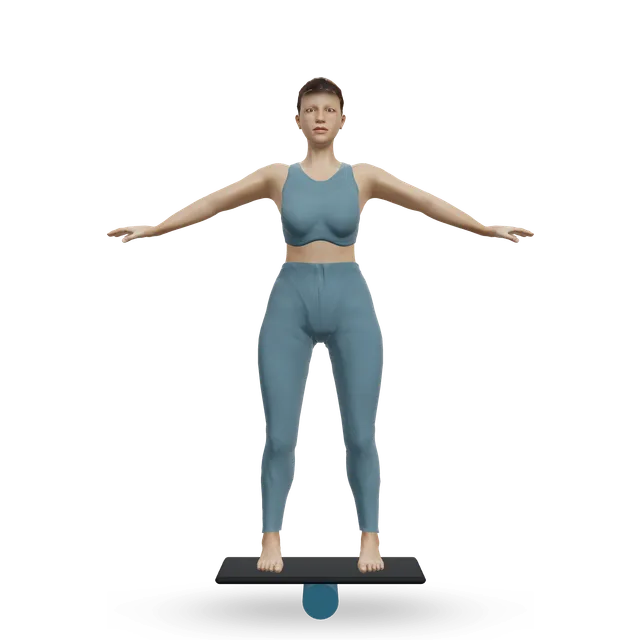
- Balance board stand2 × 30 s each legBeginner · Calves, Shins, Hamstrings · 3D demoHold a rail at first; the same landing positionEasier: Single-leg stand

Landings, while you're fresh
Rest 60 s between sets
- Snapdown to athletic landing2 × 5, hold each landing 2 sBeginner · Quads, Glutes, Hamstrings · 3D demoKnees over your toes, chest upHarder: Box drop landing
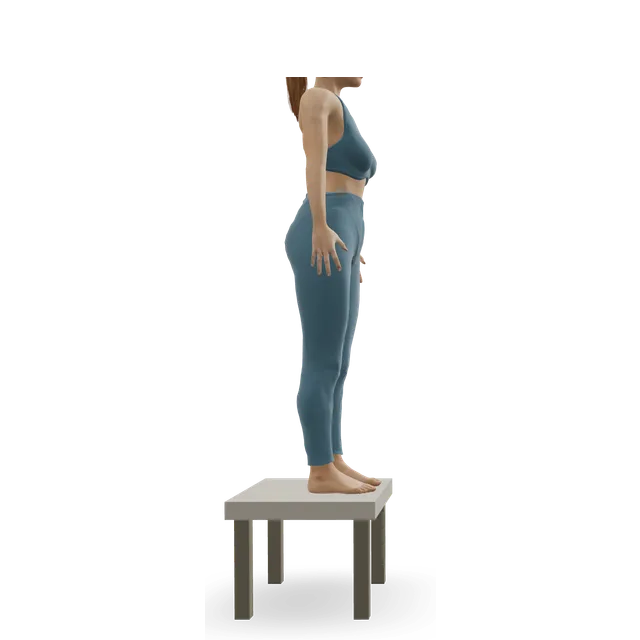
- Box drop landing3 × 5Intermediate · Quads, Glutes, Hamstrings · 3D demoStep off a box about 30 cm high, land on both feet and freeze, quietlyEasier: Snapdown to athletic landingHarder: Depth jump
- Single-leg hop and stick3 × 5 each legIntermediate · Quads, Glutes, Calves · 3D demoLand like a jump landing: knee soft over the middle toes, and hold for 2 secondsEasier: Standing broad jump with stuck landingHarder: Alternate-leg bounding

Jumps
Rest 60 to 90 s between sets
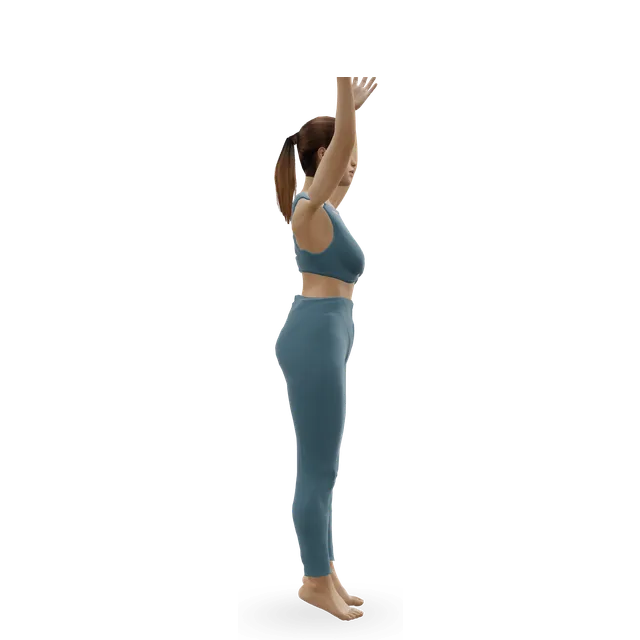
- Jump squat4 × 3Intermediate · Quads, Glutes, Calves · 3D demoDip and jump as high as you can; land softlyEasier: Bodyweight squatHarder: Box jump
- Tuck jump2 × 4Intermediate · Quads, Glutes, Calves · 3D demoPull the knees up and the arms in tight, as in the air positionEasier: Jump squatHarder: Box-to-box depth jump
- Lateral bound (skater jump)3 × 4 each sideBeginner · Glutes, Quads, Hip abductors · 3D demoPush out sideways like a stroke; land on the outside leg and hold itHarder: Box push-off jump

Legs
Rest 90 s between sets
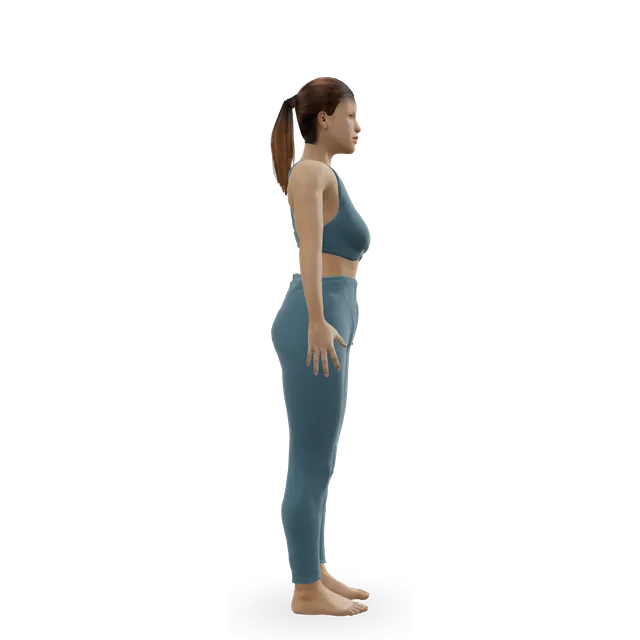
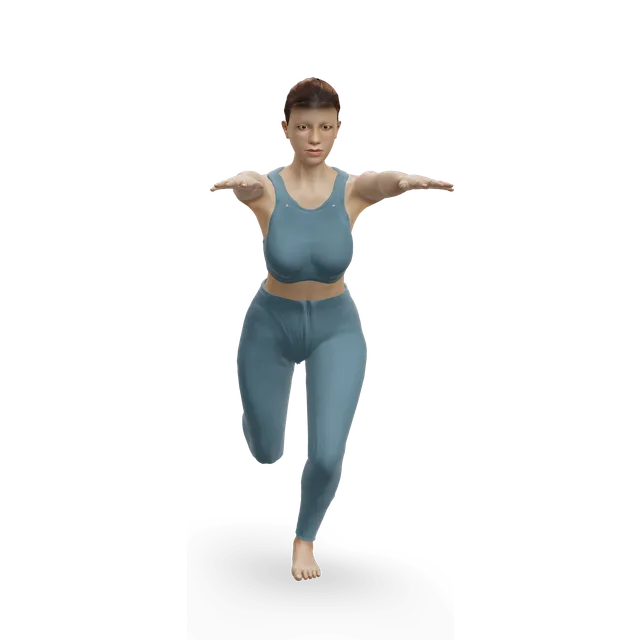
- Dumbbell goblet squat3 × 6 to 8Intermediate · Quads, Glutes, Abs · 3D demoSit down between your heelsEasier: Bodyweight squatHarder: Barbell front squat
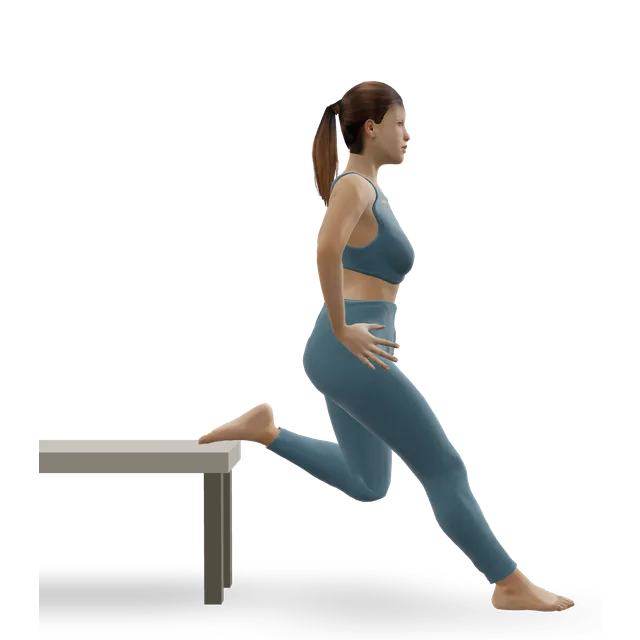
- Rear-foot-elevated split squat (Bulgarian split squat)2 × 8 each legIntermediate · Quads, Glutes, Hamstrings · 3D demoFront knee over your middle toesEasier: Reverse lungeHarder: Split squat jump
- Single-leg Romanian deadlift2 × 8 each legAdvanced · Hamstrings, Glutes, Abs · 3D demoHips level; a hand on a wall if you need itEasier: Dumbbell Romanian deadlift


Hips and groins
- Lateral band walk10 steps each wayBeginner · Hip abductors, Glutes, Quads · 3D demoKnees out against the bandEasier: Hip abduction machineHarder: Lateral band walk, band at the feet
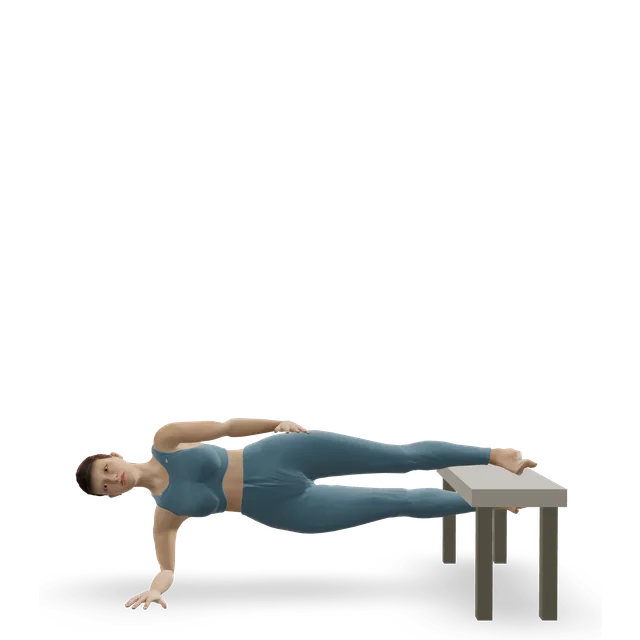
- Copenhagen plank1 set each side, 3 to 15 repsAdvanced · Adductors, Abs, Shoulders · 3D demoStart with your top knee on the bench (short lever) and lower slowly; borrowed from footballEasier: Hip adduction machine

Ankles
- Single-leg calf raise from a step2 × 12 each legIntermediate · Calves · 3D demoFull range, slow on the way downEasier: Slow calf raiseHarder: Single-leg pogo hops
- Tibialis raise2 × 15Beginner · Shins · 3D demoLift your toes with your heels down, for the front of the shinHarder: Single-leg tibialis raise

Trunk
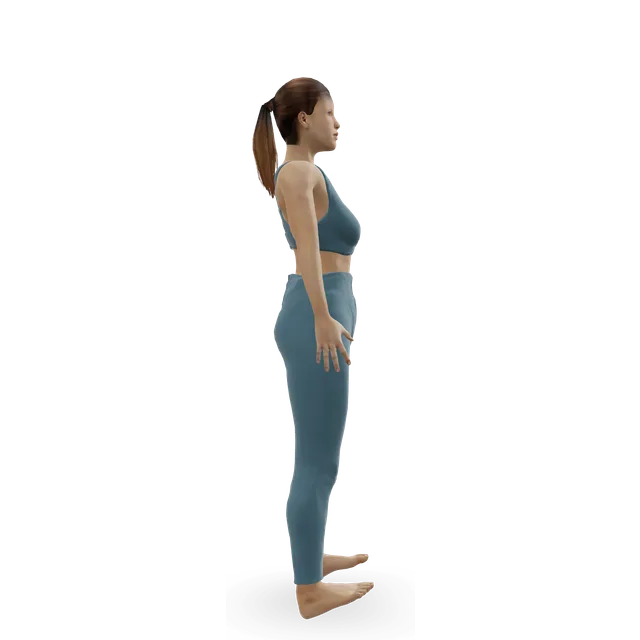
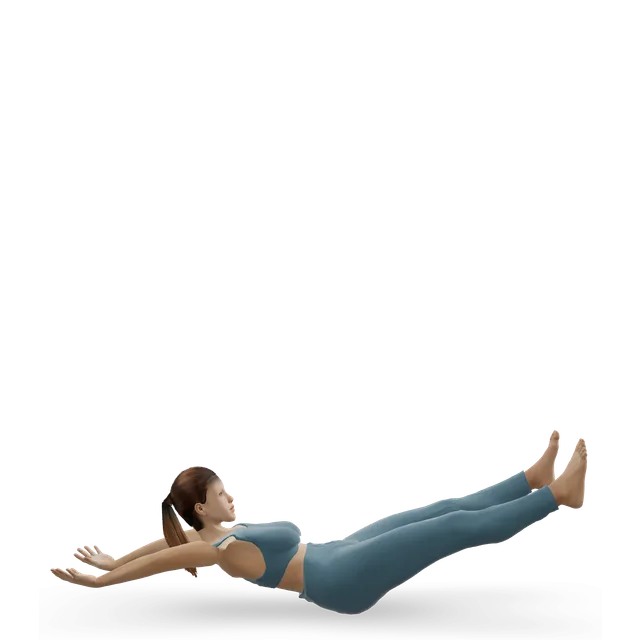
- Hollow body hold3 × 20 sIntermediate · Abs, Hip flexors · 3D demoLower back pressed downEasier: Dead bugHarder: Dragon flag
- Side plank2 × 30 s each sideIntermediate · Abs, Hip abductors, Shoulders · 3D demoHips highEasier: Knee side plankHarder: Side plank with leg lift
- Dead bug2 × 8 each sideBeginner · Abs, Hip flexors · 3D demoLow back stays downEasier: Dead bug heel tapsHarder: Forearm plank


Tips
- Off-season, 2 to 3 sessions a week, as the balance trial used 3; in season, 1 or 2 early in the week, with no maximal jumps or heavy legs in the 48 hours before a competition (our suggestion).
- Count your jumps on and off the ice and build up gradually: skaters training 12 or more sessions a week had stress fractures twice as often.
- Work both legs, starting with your weaker side; your landing leg takes every impact.
- Under 16: body weight or light loads, with a qualified adult watching, as our children's guide explains.
- Back pain that lasts more than a couple of weeks or is worse arching back, or bone pain that builds with training, needs checking before more jumping.
- Pair skaters and ice dancers: add pressing and pulling strength work for lifts (our suggestion).
The doses are suggested starting points, not a prescription. Choose a range you can control and stop for sharp or increasing pain, numbness or tingling. Get individual advice after an injury or surgery, or if you are pregnant or managing a health condition.
Guides that recommend it
Find more moves like these
More sports training

Injury prevention exercises for runners
Foot, calf, balance and hop exercises taken from the running trials with positive results, in a 25-minute home routine for 3 or 4 days a week.
25 minBeginner11 movesOther / check instructions, A bench or box

Plyometrics for runners
A 20-minute hop and bound session for runners: ankle bounces to pogo hops, one-leg hops and bounding, building foot contacts slowly over 10 weeks.
20 minIntermediate8 movesCardio machine



Strength workout for cyclists (gym)
A 50-minute gym session for cyclists: heavy squats, one-leg presses, hip flexion and calf raises as in the cycling trials, plus jumps for bone.
50 minIntermediate13 movesCardio machine, A barbellQuestions people ask
How long does the off-ice workout for figure skaters: landings, jumps, legs, hips, ankles and trunk take?
About 45 minutes, including any warm-up and cool-down listed. Shorten it by doing fewer rounds; lengthen it by adding one.
What equipment do I need?
You need: A wall, Other / check instructions, A step, A dumbbell, A bench or box, A band. Each move links to its guide, where you can find an alternative if you are missing something.
Is it suitable for me?
It is written at intermediate level. 19 of its 22 moves have an easier option listed beside them; use them freely.
How do I make it easier or harder?
Use the easier or harder option listed under each move, change the number of rounds, or adjust the rest. Progress one change at a time.