Dragon flag
Lying on a bench and gripping it behind the head, the body lifts until only the upper back touches, then lowers as one rigid line from the shoulders.
Dragon flag family
Dragon flag
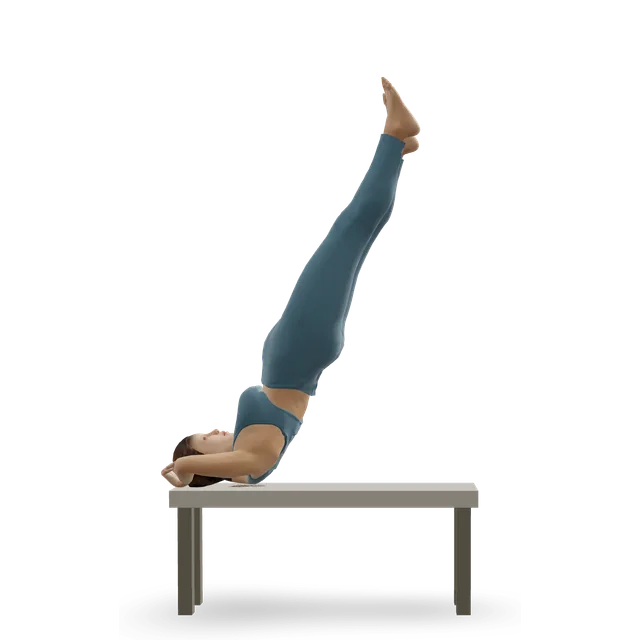
Loading the 3D figure…
Source-researched guide.
How to move
- Lie on a bench and grip it behind your head.
- Lift your body until only the upper back stays on the bench, the hips and knees straight.
- Lower slowly as one line, then raise again without bending at the waist. Tuck the knees until the straight version is controlled.
Form cues
- End the set at the first sag.
- Use a bench that cannot tip or slide.
Practice and cautions
No universal dose is assigned. Choose a manageable amount for your current capacity, leave room for controlled repetitions, and allow recovery. A clinician’s individual plan takes priority.
A sagging back or a slipping grip drops your whole bodyweight onto the neck and upper back at once. Use an anchor that cannot tip or slide, end the set at the first sag, and skip it entirely with a neck or disc history. Avoid it with osteoporosis: the body's weight rests on a rounded neck and upper back. In pregnancy, after the first trimester, keep time flat on your back to a few minutes: prop your upper body up, or use a side-lying or all-fours version. Roll onto your side if you feel dizzy, sick or unwell. If the middle of your tummy bulges into a ridge, choose an easier move. In the first weeks after giving birth, the NHS advises avoiding sit-ups and planks to start with; build up from gentler tummy exercises. With proliferative or severe non-proliferative diabetic retinopathy, or after recent eye laser treatment or surgery, leave out head-down positions until your eye team says they are safe. After abdominal or bowel surgery (including gallbladder or appendix removal, a hernia repair, hysterectomy, caesarean, weight-loss surgery or a kidney or liver transplant), or with a stoma, leave this out while your tummy heals: UK stoma and hospital leaflets advise against sit-ups and double leg raises at first. Build up through gentler core exercises, breathe out on the effort, and stop if you notice bulging around a scar or stoma. With Down syndrome, leave out moves that put weight through the head and neck, such as headstands, shoulderstands, the plough and roll-overs, unless a doctor has checked your neck (our suggestion, from the advice on neck instability). This is movement education, not an assessment or treatment prescription. Stop for sharp or increasing pain, dizziness, numbness or tingling; seek individual guidance for symptoms, injury or restrictions.
Sources and review status
Sources support the educational description; they do not establish that this exercise is suitable for you.
- 12 Minute Athlete · Dragon flags (a solid hollow body hold before the first attempt, then tucked versions) ↗
- Dieringe · Dragon flag (the plank and hollow body hold first, then tucked and one-leg versions) ↗
No variation is labeled clinically validated.
What it works
Muscles
Main: Abs. Also: Back, Hip flexors, Shoulders.
Anatomy: Rectus abdominis, Obliques, Transversus abdominis.
Equipment
A bench or box
Level
Expert. See the easier and harder options above.
Workouts that use it
Guides that use it
Similar moves
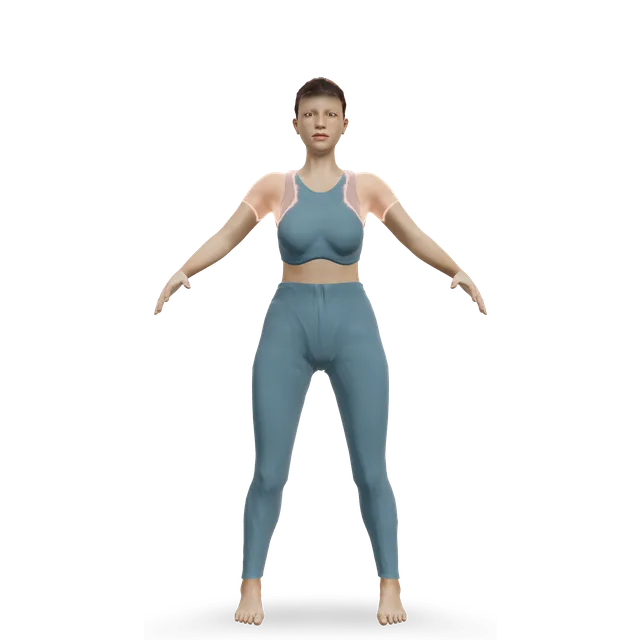 Human flagExpert · Other / check instructions
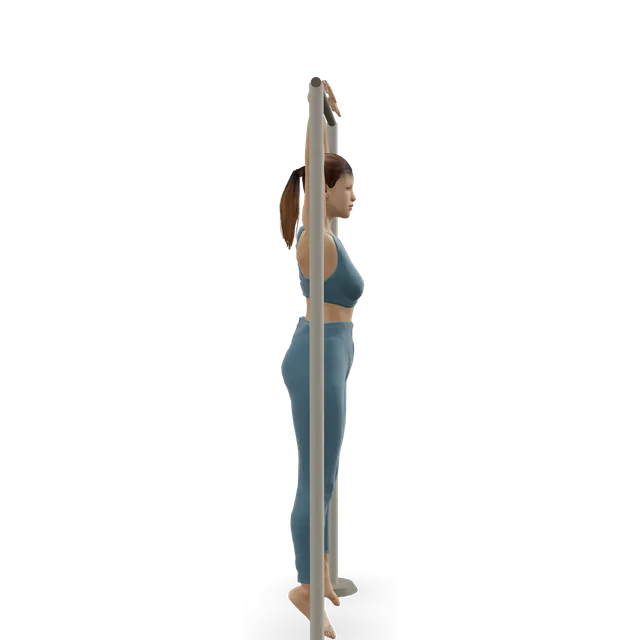 3D demoHanging knee raiseIntermediate · Pull-up bar
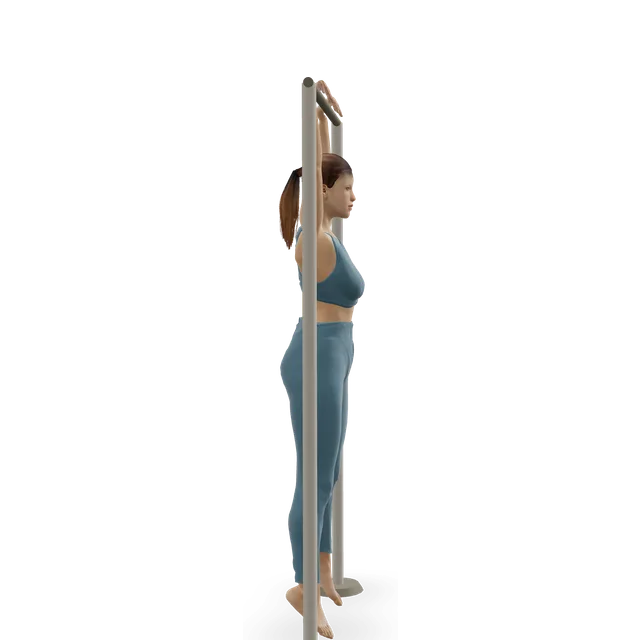 3D demoHanging straight-leg raiseAdvanced · Pull-up bar
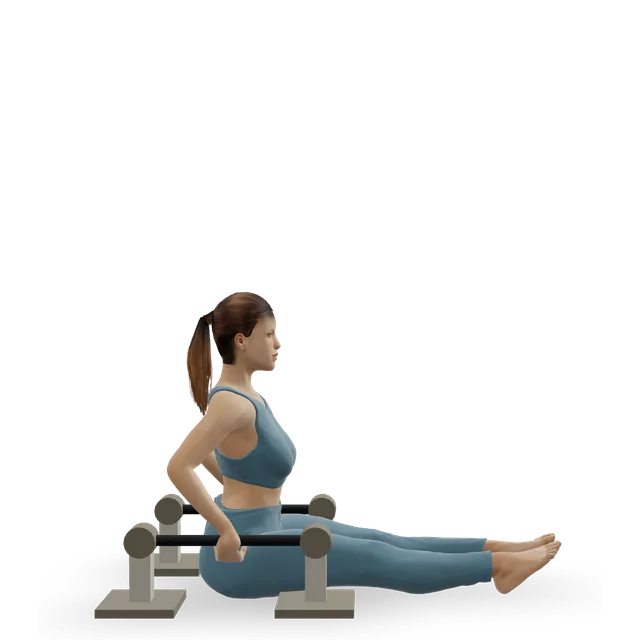 3D demoL-sitAdvanced · No equipment
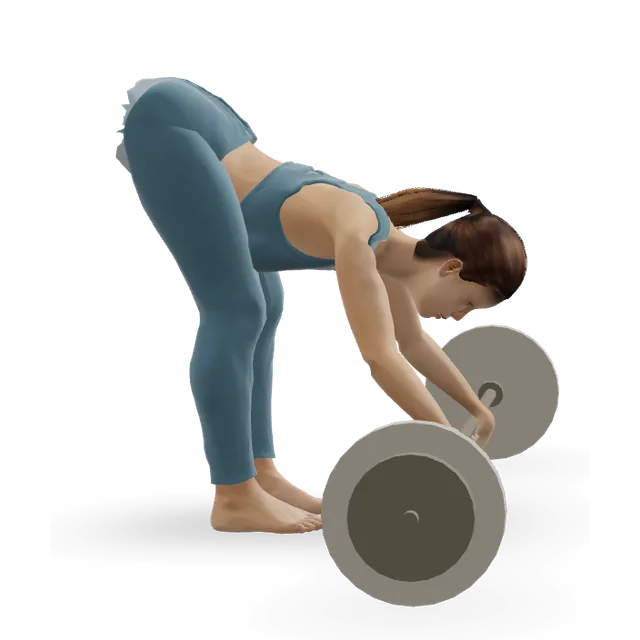 3D demoStanding ab wheel rolloutExpert · An ab wheel
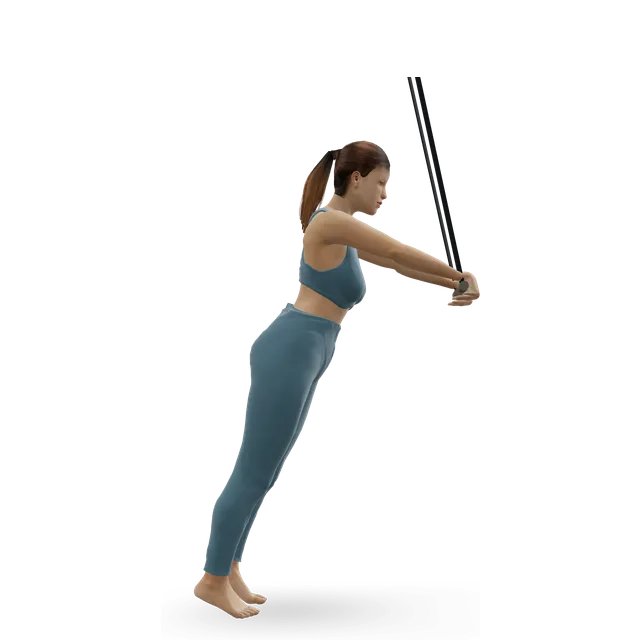 3D demoTRX fallout (suspension trainer fallout)Intermediate · An anchor point
Browse more
Questions people ask
What muscles does the Dragon flag work?
Mainly the abs, with help from the back, hip flexors and shoulders.
What equipment do I need for the Dragon flag?
A bench or box.
Is the Dragon flag good for beginners?
It is an advanced move. Build up to it with the Hollow body hold first.
What is an easier alternative to the Dragon flag?
Try the Hollow body hold or the Ab wheel rollout from the knees. Both are written steps in the same progression.