Human flag
Gripping a vertical pole with one hand high and one low, you press with the bottom arm and pull with the top one until your body holds out sideways, level with the floor. Antranik's progression starts with a vertical flag, the body upright beside the pole, held 20 to 30 seconds, then lowers into a flag with one knee tucked. In a survey of street workout athletes, the shoulder was the joint most often injured.
Movement guide
Human flag
Make it easier or harder
Choose a version that fits your control and comfort.
Easier option
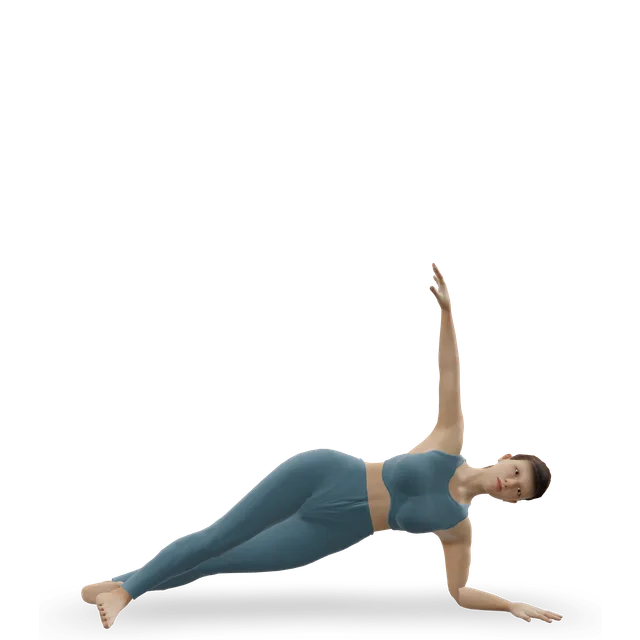 3D demoSide plankIntermediate · No equipment
Suggested next step, intermediate grade.
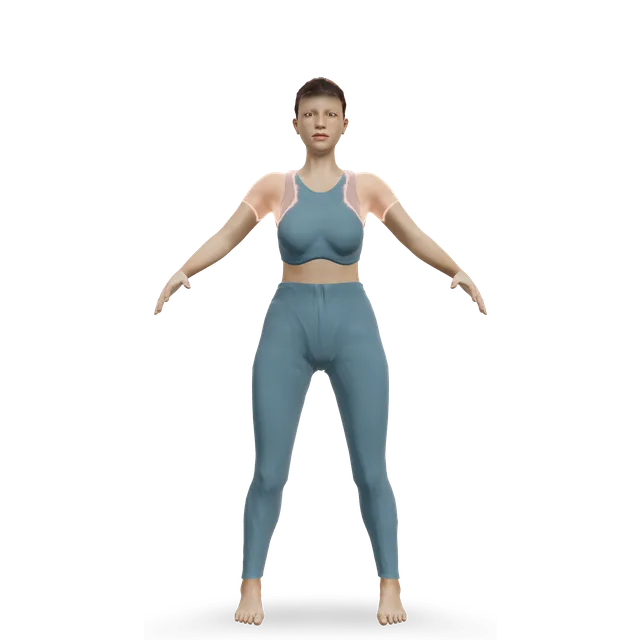
Harder option
Keep this variation and develop the control, repetitions or hold described in its guide before changing skills. ACSM 2026 resistance training position stand
Source-researched guide.
How to move
- Grip a sturdy vertical pole with both hands, the top hand above your head and the bottom hand about shoulder-width lower, arms straight.
- Press hard with the bottom arm, pull with the top one, and lift your legs so your body is upright beside the pole: the vertical flag.
- Lower your legs slowly out to the side, one knee tucked at first, until your body is as close to level as you can hold.
- Hold briefly, then lower your feet to the floor with control, and train the other side too.
Form cues
- Push with the bottom arm as hard as you pull with the top.
- Keep both arms straight; coaches disagree on locking the bottom elbow, so don't jam it back.
- Avoid: training only your stronger side.
Practice and cautions
4 to 6 sets of 1 to 3 attempts or 3 to 8 second holds, on fresh arms (our editorial starting point). Antranik's first goal is a 20 to 30 second vertical flag.
Use a pole fixed at both ends, with soft ground below. The bottom shoulder takes most of your body weight in an awkward pressing position, and attempts end suddenly when grip or shoulder gives way, so falls happen. Wrists and the lower shoulder are the usual complaints. This is movement education, not an assessment or treatment prescription. Stop for sharp or increasing pain, dizziness, numbness or tingling; seek individual guidance for symptoms, injury or restrictions.
Sources and review status
Sources support the educational description; they do not establish that this exercise is suitable for you.
- Antranik · Human flag tutorial (the vertical flag held 20 to 30 seconds, then a one-legged flag; train both sides) ↗
- Kavadlo (Breaking Muscle) · The human flag, week 3, day 3 (the press flag stresses the shoulders, particularly the bottom arm; vertical first, then the hips lower, one leg, then both) ↗
- Calisthenics Family · How to do a human flag (wall bars and bands first; it says never to lock the lower arm, where other coaches lock both) ↗
- Ngo 2021 · Injuries in 93 street workout athletes: the shoulder most often hurt, then the upper back, elbow and wrist; tendinopathy the commonest diagnosis (survey, Orthop J Sports Med) ↗
No variation is labeled clinically validated.
What it works
Muscles
Main: Shoulders, Abs. Also: Back, Triceps, Forearms.
Anatomy: Deltoid, Rotator cuff, Supraspinatus, Infraspinatus, Subscapularis, Teres minor.
Equipment
Other / check instructions
Level
Expert. See the easier and harder options above.
Similar moves
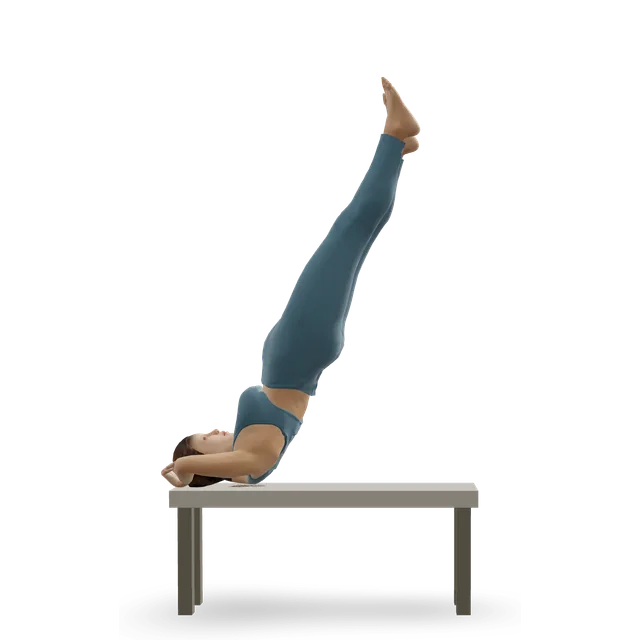
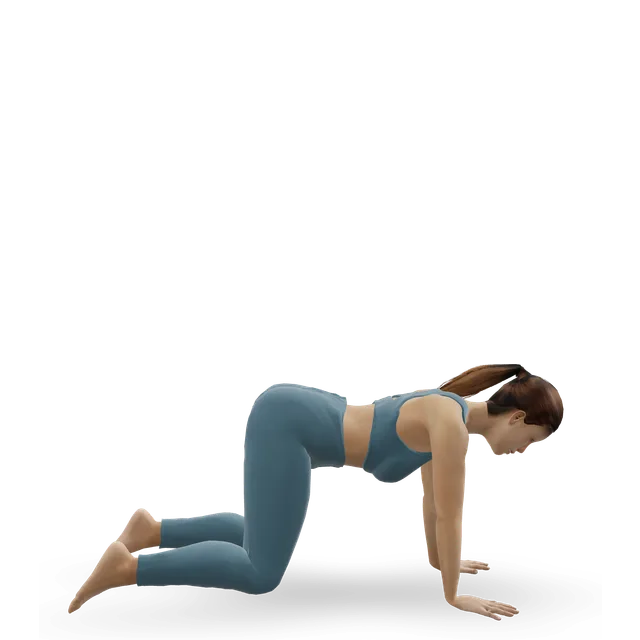
Browse more
Questions people ask
What muscles does the Human flag work?
Mainly the shoulders and abs, with help from the back, triceps and forearms.
What equipment do I need for the Human flag?
Other / check instructions.
Is the Human flag good for beginners?
It is an advanced move. Build up to it with the Side plank first.
What is an easier alternative to the Human flag?
Try the Side plank or the Pull-up. It is the suggested step down from this move.