The teres minor is a narrow rotator cuff muscle running from the outer edge of the shoulder blade, near the armpit, to the lowest part of the outer bump on the upper arm bone. It lies just below the infraspinatus, and the two are hard to tell apart.
It helps the infraspinatus turn the arm outward and holds the ball of the joint in its socket. Despite the name, it is a different muscle from the teres major, with a different nerve and the opposite turning action. Its tendon very rarely tears: in big rotator cuff tears it is often the muscle left working.
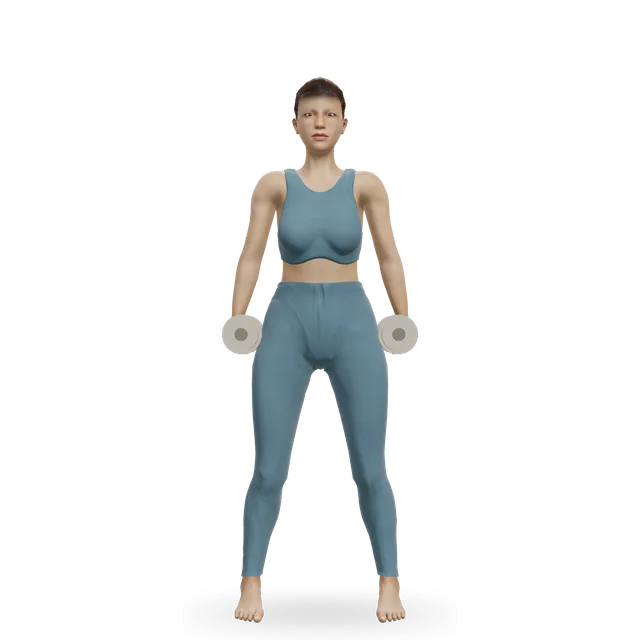
Shaded: the shoulders area. It marks the region, not the exact outline of the teres minor.
Starts at (origin)
The outer edge of the shoulder blade, on the armpit side, just below the socket.Posterior surface of the scapula beside the upper lateral border, below the infraglenoid tubercle
Attaches to (insertion)
The lowest part of the outer bump on the upper arm bone, just below the infraspinatus.Inferior facet of the greater tuberosity of the humerus
What it does
Helps the infraspinatus turn the arm outward.External (lateral) rotation of the shoulder
Holds the ball of the joint in its socket, and helps stop it slipping forward as the arm turns inward.Humeral head stabilisation
Nerve supply
Axillary nerve (C5, C6), through its back branch, which reaches the muscle through a gap at the back of the shoulder called the quadrangular space. The same nerve supplies the deltoid.
When the nerve to the supraspinatus and infraspinatus was blocked, the teres minor supplied no more than about a fifth of the strength of turning the arm outward. That was one nerve-block study in 11 volunteers (read as an abstract); lasting injuries may differ.
The muscle left working in big tearsEmerging evidence
When the cuff tendons above it tear, the teres minor is often intact and can enlarge, giving useful function for daily activities. In 108 people with irreparable massive tears, those with an intact subscapularis and an enlarged teres minor were less likely to need surgery after trying non-surgical care (39% against 66%).
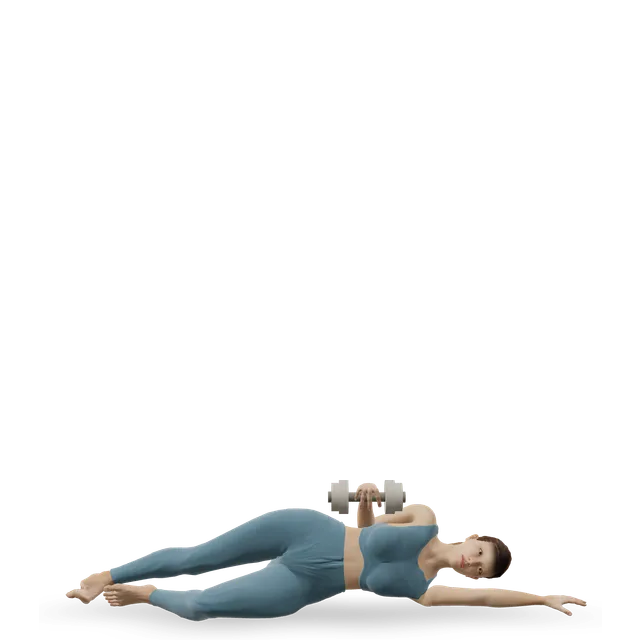
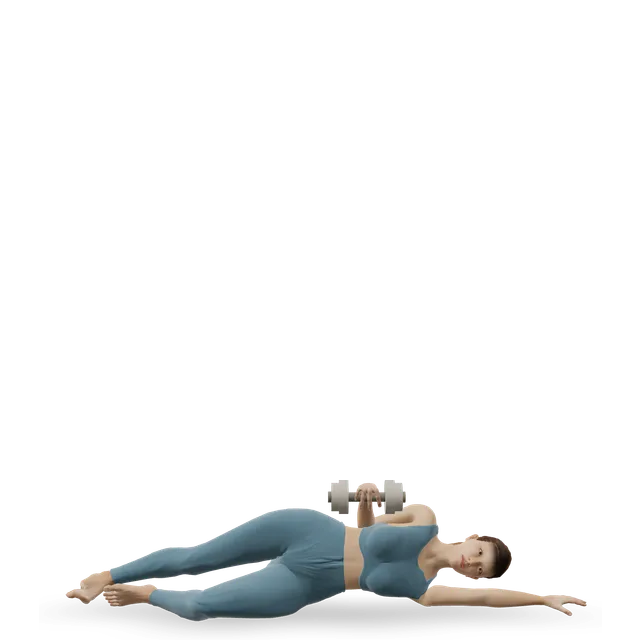
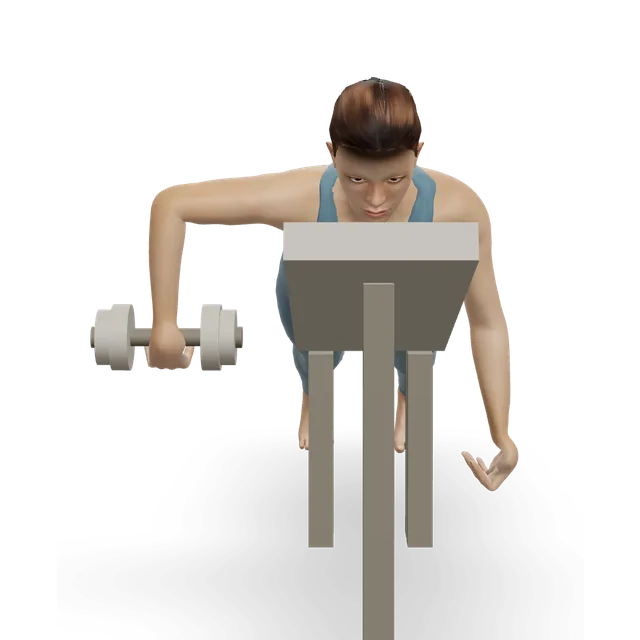
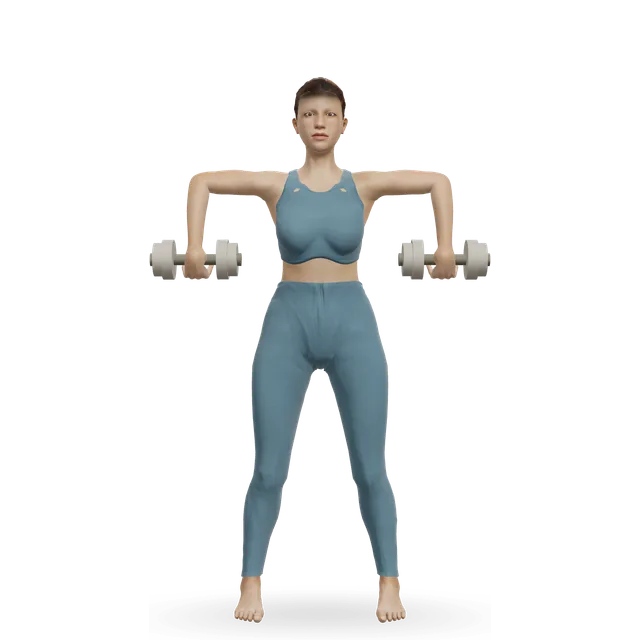
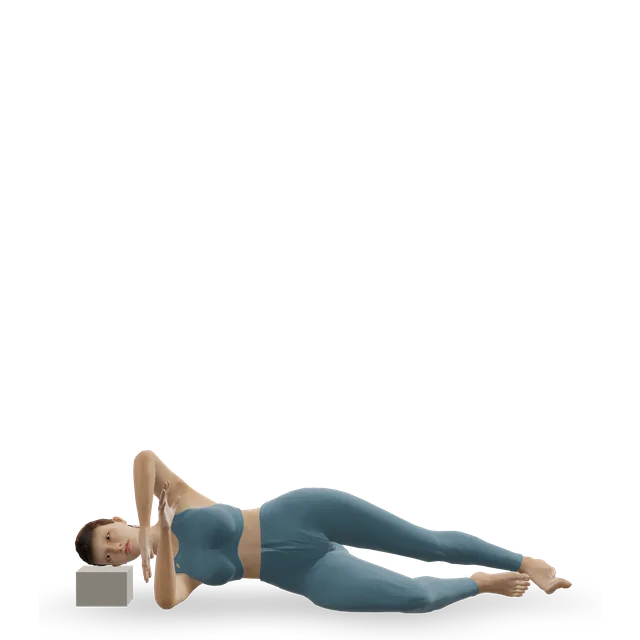
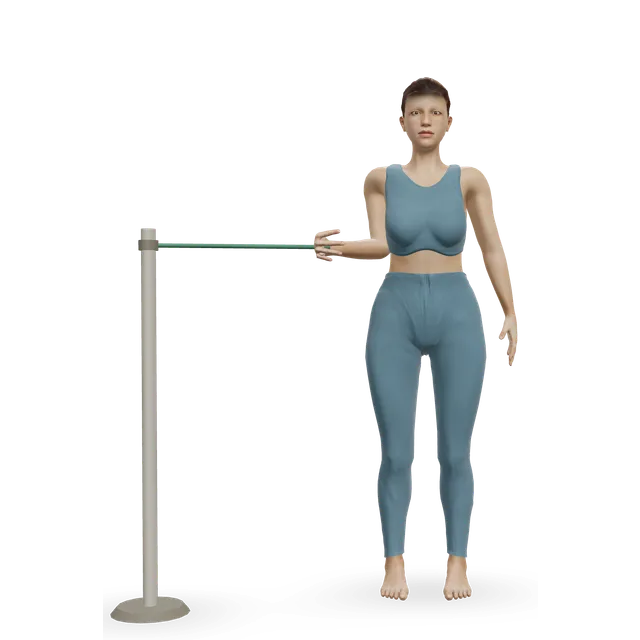
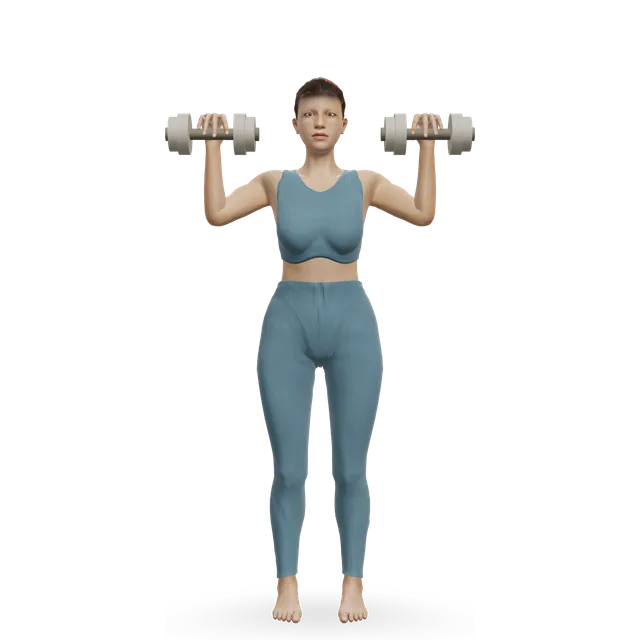
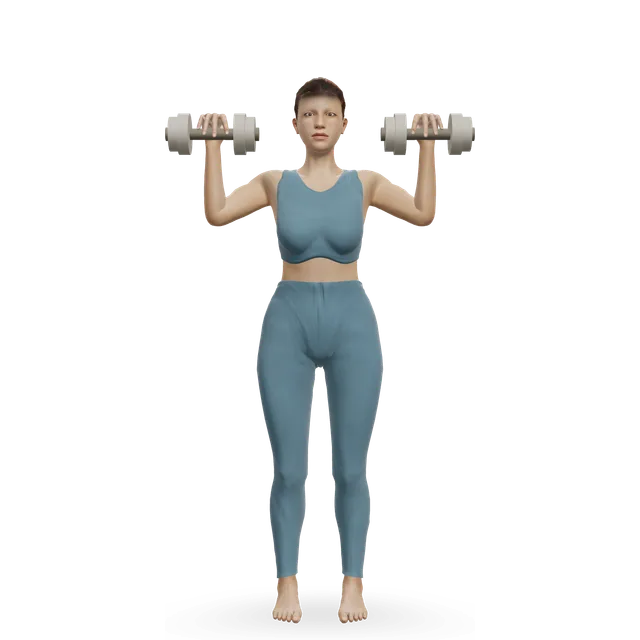
Side-lying external rotation drew the most teres minor activity of seven exercises in an EMG (electromyography, a recording of muscle activity) study, which shows activity, not growth; the bench version is the same movement. The face-down rotation and Cuban rotation turn the arm out with the arm raised, the position the hornblower's sign tests, and are chosen from its action. It always works with the infraspinatus, and no exercise separates them.
These stretch the back of the shoulder and improve inward turning, but in stiffness studies they softened the infraspinatus and not the teres minor. No stretch has been shown to lengthen it.
Large rotator cuff tears and the hornblower's signEmerging evidence
In the hornblower's sign you hold the arm at shoulder height with the elbow bent and try to turn the forearm up against resistance. In 54 people with large tears of the supraspinatus and infraspinatus, the sign was positive in every case of irreparable teres minor damage and rarely otherwise. The teres minor's own tendon very rarely tears.
Rarely, the axillary nerve and an artery are compressed in the gap at the back of the shoulder, which can waste the teres minor, with vague shoulder pain and tingling. It is seen most in baseball pitchers, volleyball players, swimmers, electricians and painters, and most cases settle without surgery over 3 to 6 months.
Fatty change in the teres minor turned up in 2.8% of about 7,400 shoulder MRI (magnetic resonance imaging) scans, and on its own in 0.4%, often alongside deltoid wasting, which suggests a nerve or disuse cause. Wasting was found in 2.1% of 10 to 39 year olds and 6.7% of 60 to 69 year olds, in older people mostly with rotator cuff tears.
The axillary nerve, which supplies the teres minor and deltoid, is the nerve most often injured when a shoulder dislocates, and a dislocation can also bring on quadrangular space syndrome.
The teres minor and teres major do the same jobStrong evidence
The teres minor is a rotator cuff muscle, supplied by the axillary nerve, that turns the arm outward. The teres major is not part of the cuff: it is supplied by the lower subscapular nerve, pulls the arm down and back, and turns it inward, working with the lats.
Stretching loosens the teres minorEmerging evidence
Cross-body stretching softened the infraspinatus but not the teres minor, and a review of stiffness studies found no significant change in the teres minor after stretching.
It helps the infraspinatus turn your arm outward and holds the ball of the shoulder in its socket. In one study that temporarily numbed the nerve to the other outward-turning muscles in 11 volunteers, the teres minor supplied no more than about a fifth of the strength, though lasting injuries may differ.
What is the difference between the teres minor and teres major?
The teres minor is a rotator cuff muscle, supplied by the axillary nerve, that turns the arm outward. The teres major is not part of the cuff; it pulls the arm down and back and turns it inward, working with the lats, and has a different nerve.
Is the teres minor part of the rotator cuff?
Yes: it is the T in SITS, the memory aid for the supraspinatus, infraspinatus, teres minor and subscapularis. The teres major, despite the similar name, is not.
What is the hornblower's sign?
With your arm raised to shoulder height and the elbow bent, you try to turn the forearm up against resistance; if you can't, the teres minor may be badly damaged. In 54 people with large cuff tears, it picked out every case of irreparable teres minor damage and was rarely positive otherwise.
Can the teres minor tear?
Its own tendon very rarely tears. In large tears of the cuff above it, it is often intact and can even enlarge to take over some of the work.
What causes teres minor wasting?
Usually something affecting its nerve, which passes through a gap at the back of the shoulder, or a large rotator cuff tear in an older person. A pinched nerve in that gap is rare and mostly settles without surgery, and on scans some teres minor wasting turns up in about 3% of people with shoulder pain.
What is the best teres minor exercise?
Side-lying external rotation drew the most teres minor activity of seven exercises measured. It always works together with the infraspinatus, and no exercise separates them.
How do you stretch the teres minor?
The cross-body stretch and the sleeper stretch target the back of the shoulder. In stiffness studies, though, they softened the infraspinatus, not the teres minor, so treat them as stretches for the back of the shoulder in general.
Anatomy and movement education, not a diagnosis or treatment plan. If you have pain that follows an injury, is severe or getting worse, or comes with numbness, weakness or swelling, get it assessed. Health disclaimer.