Hollow body hold
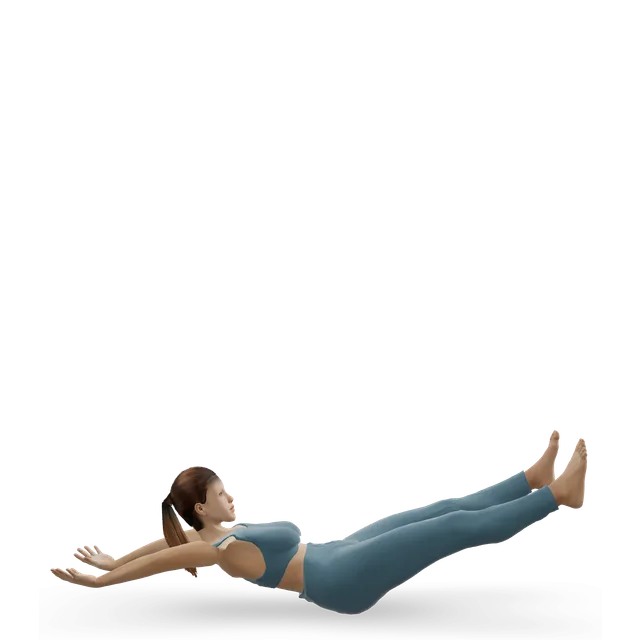
Lying on the back with the low back pressed down, the head, shoulders and legs lift into a shallow curve: the shape the dragon flag holds in the air.
Dragon flag family
Hollow body hold
Loading the 3D figure…
Source-researched guide.
How to move
- Lie on your back and press the low back into the floor.
- Lift the head, shoulders and straight legs a little way, the arms reaching along the sides or past the ears.
- Hold while breathing; bend the knees or bring the arms in as soon as the low back lifts.
Form cues
- The low back stays pinned to the floor.
- Lower the legs only as far as the back stays down.
Practice and cautions
No universal dose is assigned. Choose a manageable amount for your current capacity, leave room for controlled repetitions, and allow recovery. A clinician’s individual plan takes priority.
Neck strain is common. Rest your head in your hands or lower the legs if your neck is doing the work. With osteoporosis, a UK consensus advises modifying or avoiding repeated or end-range rounding of the spine: choose a dead bug, bird dog or plank instead. In pregnancy, after the first trimester, keep time flat on your back to a few minutes: prop your upper body up, or use a side-lying or all-fours version. Roll onto your side if you feel dizzy, sick or unwell. If the middle of your tummy bulges into a ridge, choose an easier move. In the first weeks after giving birth, the NHS advises avoiding sit-ups and planks to start with; build up from gentler tummy exercises. After abdominal or bowel surgery (including gallbladder or appendix removal, a hernia repair, hysterectomy, caesarean, weight-loss surgery or a kidney or liver transplant), or with a stoma, leave this out while your tummy heals: UK stoma and hospital leaflets advise against sit-ups and double leg raises at first. Build up through gentler core exercises, breathe out on the effort, and stop if you notice bulging around a scar or stoma. This is movement education, not an assessment or treatment prescription. Stop for sharp or increasing pain, dizziness, numbness or tingling; seek individual guidance for symptoms, injury or restrictions.
Sources and review status
Sources support the educational description; they do not establish that this exercise is suitable for you.
- Physitrack · How to perform the hollow hold (from a tabletop; bent knees make it easier) ↗
- Fazeli Fard 2019 · How to do the hollow-body hold (the low back pressed down, holds from 10 seconds building to 30, and easier and harder versions; Experience Life) ↗
- Workman 2008 · Pelvic position and ab and hip flexor activity in a straight-leg lift, in 16 men (EMG study, J Strength Cond Res) ↗
- Shields 1997 · Lowering both straight legs with the pelvis tucked against a curl-up, in 15 men (EMG study, Spine) ↗
No variation is labeled clinically validated.
What it works
Equipment
None: body weight and floor space.
Level
Intermediate. See the easier and harder options above.
Workouts that use it
- Ab workout (no equipment) · 20 min
- Dryland workout for swimmers · 45 min
- Muscle-up progression workout · 30 min
- Headstand progression · 15 min
- Gymnastics conditioning workout: jumps, landings, wrists, shoulders and trunk · 45 min
- Gymnastics warm-up: wrists, shoulders, spine, hips and landings · 15 min
- Cheerleading warm-up: wrists, shoulders, spine, hips and landings before stunting · 15 min
- Off-ice workout for figure skaters: landings, jumps, legs, hips, ankles and trunk · 45 min
Show all 27 workoutsShow fewer workouts
- Strength workout for trampolinists: isometric squats, calves, jumps, trunk shapes and pelvic floor · 45 min
- Strength and landing workout for jumpers: landings, complex pairs, tendons and trunk · 50 min
- Dryland workout for divers: take-off jumps, landings, legs, wrists, shoulders and entry shapes · 45 min
- Diving warm-up: wrists, shoulders, spine, hips and take-off jumps on the poolside · 15 min
- Pole conditioning workout: hangs and pulls, shoulders, inverts, hamstrings, inner thighs and grip, off the pole · 45 min
- Pole dance warm-up: wrists, shoulders, spine, hips and a graded hang before class · 15 min
- Aerial conditioning workout: pull-ups, hangs, inversions, shoulders, grip and landings for silks, hoop and trapeze · 50 min
- Aerial warm-up: shoulders, wrists, fingers, a graded hang and a tuck before silks, hoop or trapeze · 15 min
- Front lever progression workout · 30 min
- Planche progression workout · 30 min
- Dragon flag progression workout · 25 min
- Core session A: dead bugs, curls and front planks · 12 min
- Flutter kick progression workout: from heel taps to low flutter kicks · 15 min
- Handstand push-up progression: pike push-ups to the wall · 30 min
- V-up progression: from dead bugs and the hollow hold to the V-up · 20 min
- Back lever progression workout · 30 min
- Human flag strength workout: the pulling, pressing and side-trunk strength behind the flag · 35 min
- Forearm stand progression · 25 min
- V-sit progression: from the boat pose to the V-sit hold and the gymnastic V-sit · 20 min
Pain guides that use it
Part of a staged plan, with when to get help first.
- Gymnast's wrist: growth plate pain in young gymnasts, how long to rest, and the way back to handstands
- Lower back pain when swimming: which strokes, kicks and turns to change, and a plan back
- Back pain when doing pull-ups: upper and lower back, arching and swinging, the hang and what helps
- Lower back pain when doing ab wheel rollouts: the sag, how far to roll, the hip flexors and swaps
Guides that use it
- Plank times guide
- Muscle-ups guide
- Headstands guide
- Front levers guide
- Planches guide
- Dragon flags guide
- Chin-ups guide
- Hanging leg raises guide
Show all 37 guidesShow fewer guides
- Ab wheel rollouts guide
- Dead bugs guide
- Hollow body hold guide
- Flutter kicks guide
- Wall walks guide
- Leg raises guide
- Pike push-ups guide
- V-ups guide
- Tuck jumps guide
- Back levers guide
- Human flag guide
- Handstand push-ups guide
- Negative pull-ups guide
- Core strength guide
- Crow pose guide
- Forearm stand guide
- Cartwheel guide
- V-sit guide
- Plank test guide
- Sit-up test guide
- Swimming guide
- Gymnastics guide
- Cheerleading guide
- Figure skating guide
- Trampolining guide
- Jumping events guide
- Diving guide
- Pole dancing and pole fitness guide
- Aerial arts guide
Similar moves
Browse more
Questions people ask
What muscles does the Hollow body hold work?
Mainly the abs, with help from the hip flexors.
What equipment do I need for the Hollow body hold?
No equipment: your body weight and a little floor space.
Is the Hollow body hold good for beginners?
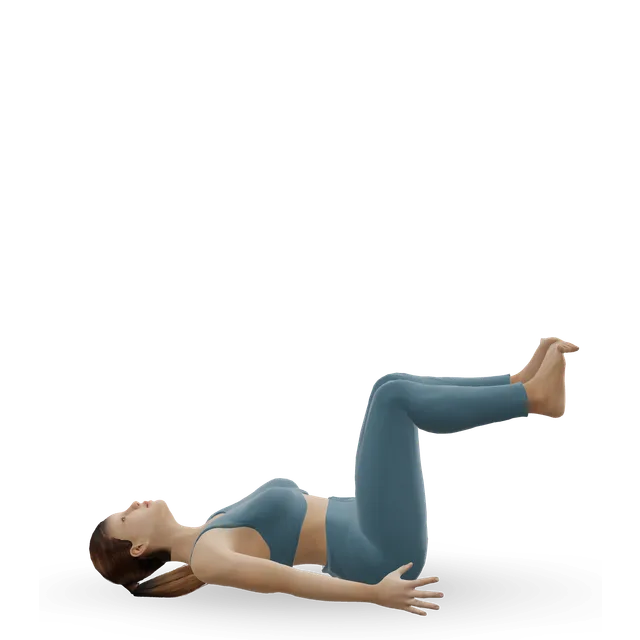
It is graded intermediate. If it is too hard right now, start with the Dead bug.
What is an easier alternative to the Hollow body hold?
Try the Dead bug or the Dead bug heel taps. It works similar muscles at a lower grade.
How do I make the Hollow body hold harder?
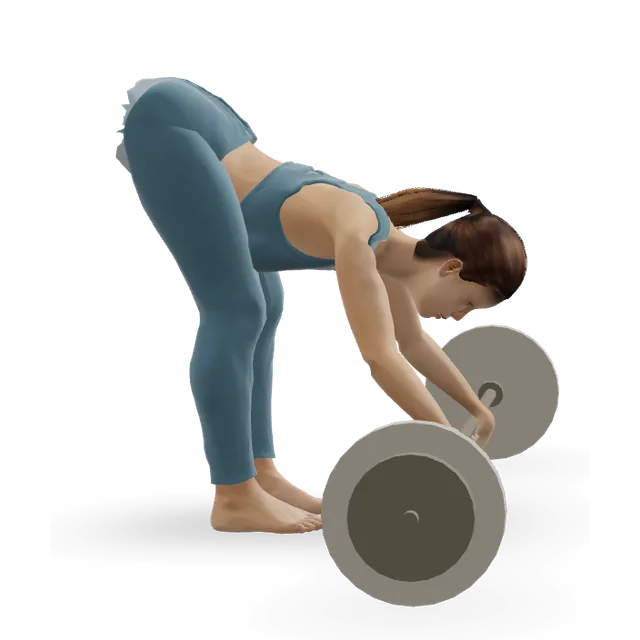
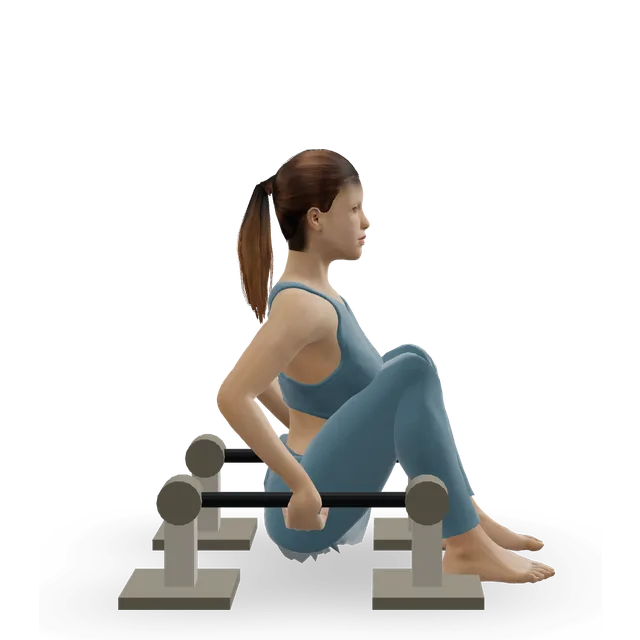
Progress to the Dragon flag or the Ab wheel rollout from the knees. Follow that guide’s technique and any stated timing.