Training guide

How to do ab wheel rollouts: from your knees to standing, barbell rollouts, and your back and shoulders

An ab wheel rollout starts on your knees with the wheel under your shoulders: you roll forward as far as you can keep your lower back flat, then pull the wheel back. Your abs work to stop your back arching, and the further you reach, the harder they work. In muscle activity studies, wheel devices rank among the hardest ab exercises.

Back-muscle activity stayed low in those studies, but no study has measured the load on the spine in a rollout, so the safe range is the one where your back stays flat. Standing rollouts are much harder, and falls onto the face have caused neck injuries.

This guide takes you from planks and fallouts to rollouts towards a wall, full reach, barbell rollouts and, for the few who want them, standing rollouts. It covers what rollouts work, how many to do and how often, your back and shoulders, and when to leave them out, with a 3D demo of each step and a progression workout to follow.

The short version

Roll out only as far as your back stays flat

Kneel with the wheel under your shoulders, brace, roll forward with your hips moving with you, and pull back by drawing your hips towards your hands. Roll towards a wall at first, so the wall sets your range, as our move page advises.

Source 1

One of the hardest ab exercises

Wheeled devices drew among the highest six-pack and oblique activity of the exercises compared, with little lower-back or hip-flexor activity, in studies of 14 to 22 people. These studies measure effort over a few reps, not growth.

Sources 2, 3, 4

Reach is what makes it hard

In 8 trained men holding kneeling rollouts, six-pack activity rose steeply from arms under the shoulders to arms at 90 degrees, and again at 150 degrees. Grow your range a little at a time.

Source 5

How many

3 sets of 6 to 10 slow reps, 2 or 3 times a week, with 90 seconds' rest, as in our gym ab workout and plank guide. Every day isn't needed.

Source 6

Standing rollouts are for a few

Two men who fell onto their faces during standing rollouts after drinking injured the spinal cord in the neck. Build up from the knees first, roll towards a wall, and never try them after alcohol.

Source 7

Muscle, not fat loss

Rollouts build your ab muscles; they don't burn the fat over them. Six weeks of ab exercises didn't change belly fat in a trial of 24 adults, as our get abs guide explains.

Source 8

What an ab wheel rollout is, and what it works

An anti-extension exercise

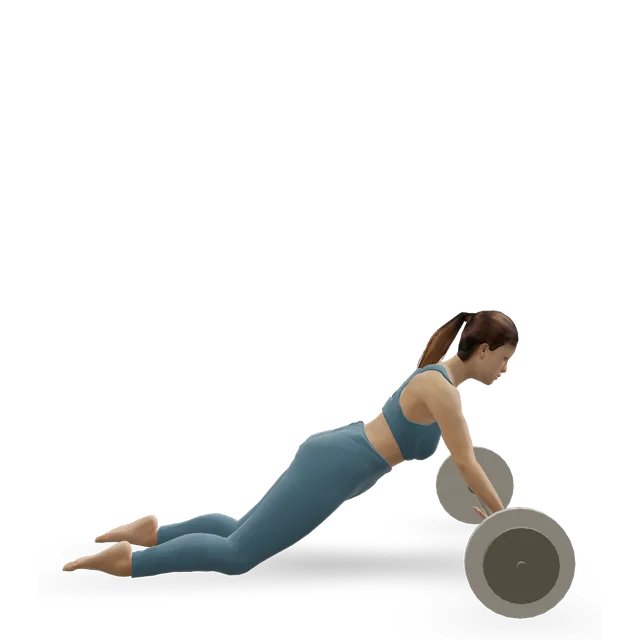
Your abs don't curl you up here: they stop your spine bending backwards as the wheel rolls away, like a plank with a longer and longer lever. The American Council on Exercise (ACE) teaches the roll-out with a barbell from the knees; the wheel works the same way.

Source 1

What it works

Mostly the six-pack muscle (rectus abdominis) and the obliques at your sides. Your lats, chest, triceps and the serratus around your ribs work at the shoulders, while the lower back and the hip flexors at the front of the hip work little.

Sources 2, 3, 9, 5

Ab wheel or ab roller?

The ab wheel is a wheel with handles that you roll out and back. The "Ab Roller" in one study was a frame you hold while curling up, which worked the six-pack about as much as a crunch, while the wheeled Ab Slide worked the obliques, chest, triceps and lats more. Some shops sell the wheel as an ab roller too.

Source 3

Muscle activity isn't growth

The studies on this page use EMG (electromyography: electrodes measuring how hard a muscle works over a few reps). It isn't a validated predictor of which exercise grows a muscle more, so treat the numbers as clues, not verdicts.

Source 10

What the evidence says

Wheel devices work the abs hardEmerging evidence

In 21 adults, a wheel device's roll-out, pike and knee-up, hanging knee-ups with straps and an incline reverse crunch drew the most six-pack, internal oblique and lat activity. Among 7 commercial devices in 14 people, the wheeled Ab Slide drew the most ab, chest, triceps and lat activity with the least lower-back and hip-flexor activity, and in 22 lean adults it beat the crunch and two other exercises.

Sources 2, 3, 4

Not better than the crunch for everythingMixed evidence

In 23 students, no device beat trunk curls for the upper six-pack, and the wheeled device drew more hip-flexor activity. In 45 people, the crunch worked harder lifting up and the wheel harder lowering. One of the hardest is fair; the best isn't proven.

Sources 11, 12

The further you reach, the harder it getsEmerging evidence

In 8 trained men holding kneeling rollouts for 10 seconds, six-pack activity rose significantly from arms under the shoulders to 90 degrees and again from 90 to 150 degrees, and chest activity rose at 150 degrees. The authors found it worked the chest and six-pack more than the lats and lower back.

Source 5

Ball and strap versions are just as hardEmerging evidence

A Swiss ball roll-out drew 63% of maximal activity in the upper six-pack and 53% in the lower, with 6 to 10% in the hip flexors, in 18 people. Suspension roll-outs drew the most ab activity of four suspension exercises in 17 active men, and the most lower six-pack activity of eight planks in 20 students.

Sources 9, 13, 14

Your lower back works little, but its load is unmeasuredEmerging evidence

Lower-back muscle activity was low in every rollout study that measured it, under 10% of maximum for the ball roll-out. No study has measured the load on the spine in a rollout, and none included people with back pain.

Sources 2, 3, 9

A similar move kept spine load moderateEmerging evidence

In 14 men, the body saw, another anti-extension move on the forearms, kept spine compression under about 2,500 N, against about 3,000 N in the hanging straight-leg raise. It's the nearest measurement we found, not a rollout.

Source 15

Free weights and core workEmerging evidence

A review of core exercises found the highest trunk muscle activity in free-weight exercises, so squats, deadlifts and carries train your trunk too. Rollouts add a hard, direct job for the abs.

Source 16

Falls from standing rolloutsEmerging evidence

Two men in their 40s and 50s, after drinking about 80 g and 140 g of alcohol, fell forward during standing rollouts, struck their faces and injured the spinal cord in the neck. The doctors who reported them recommend the kneeling version and say the standing one is hard to do safely without enough strength.

Source 7

How to do an ab wheel rollout, step by step

From ACE's roll-out and our move page, which advises rolling towards a wall while you learn the range. The bracing and range cues are coaching practice, not tested in trials; the breathing cue is from our breathing guide.

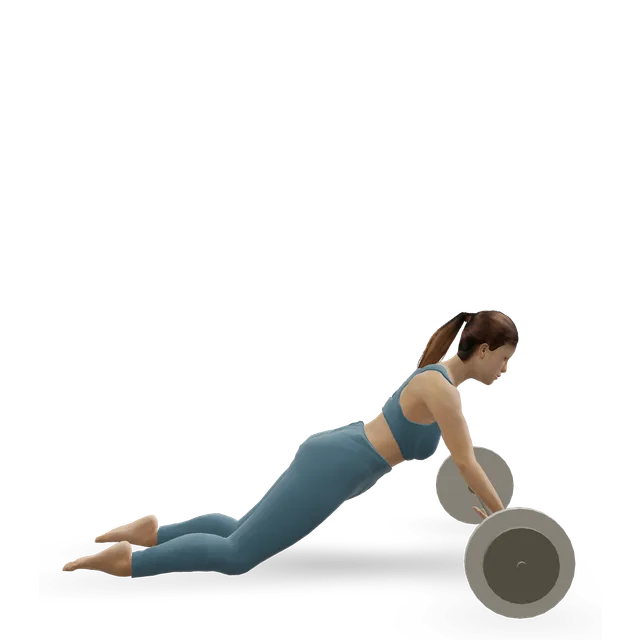
  1. Kneel on a pad or folded mat facing a wall, with the wheel on the floor under your shoulders and your arms straight. Set the wall close enough that the wheel stops before your back sags.
  2. Brace: ribs down, hips pressed forward and glutes squeezed, so your body makes one line from knees to head.
  3. Roll the wheel forward slowly, letting your hips travel with you, only as far as you can keep your ribs down and your lower back flat.
  4. Pull the wheel back towards your knees with straight arms, drawing your hips towards your hands, without bending at the hips first.
  5. Breathe out as you roll back, and don't hold your breath for the whole set. End the set when your back starts to sag.

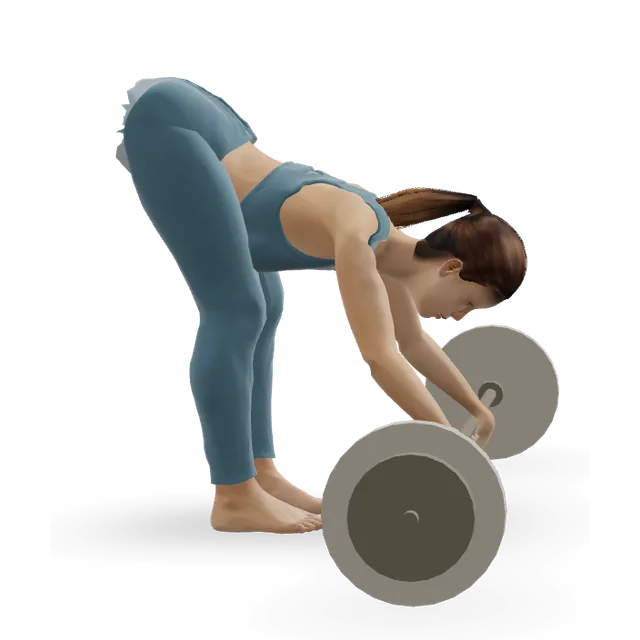
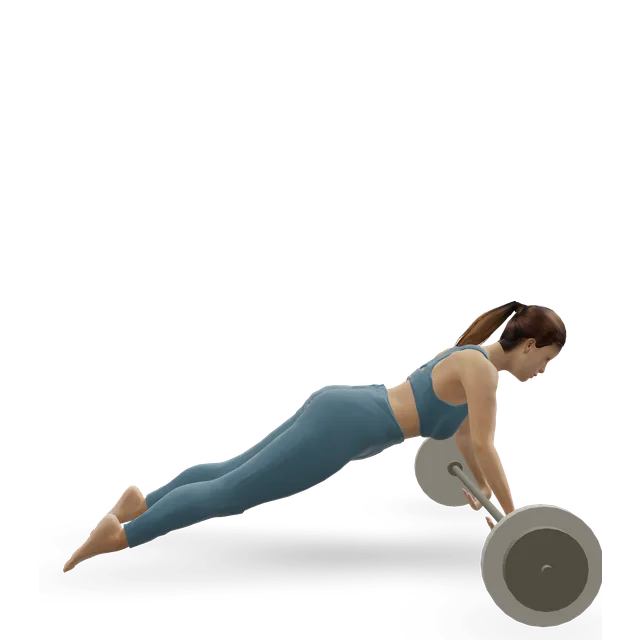
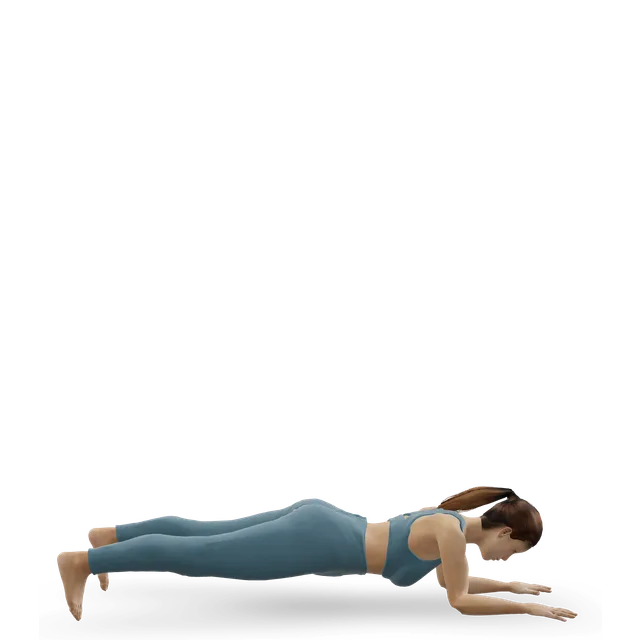
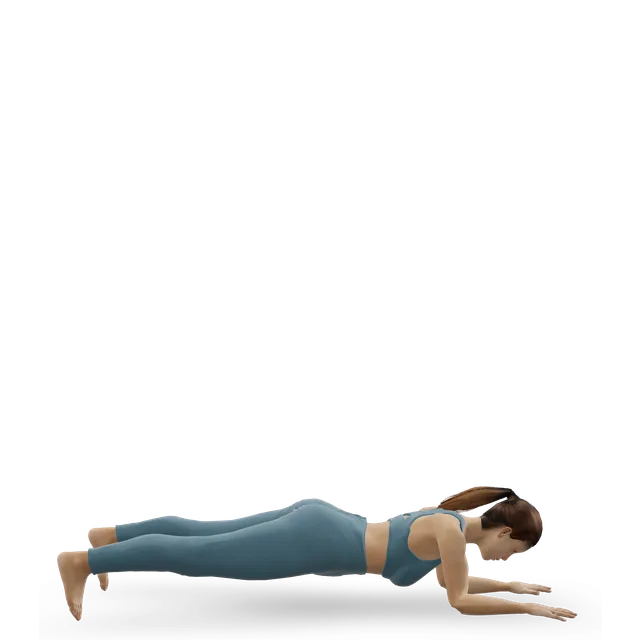
Loading the 3D figure…

Gets into position, then repeats the movement. Technical checks passed; qualified exercise review is pending.

The movement on the figure: Ab wheel rollout from the knees

The steps up: from the plank to standing rollouts

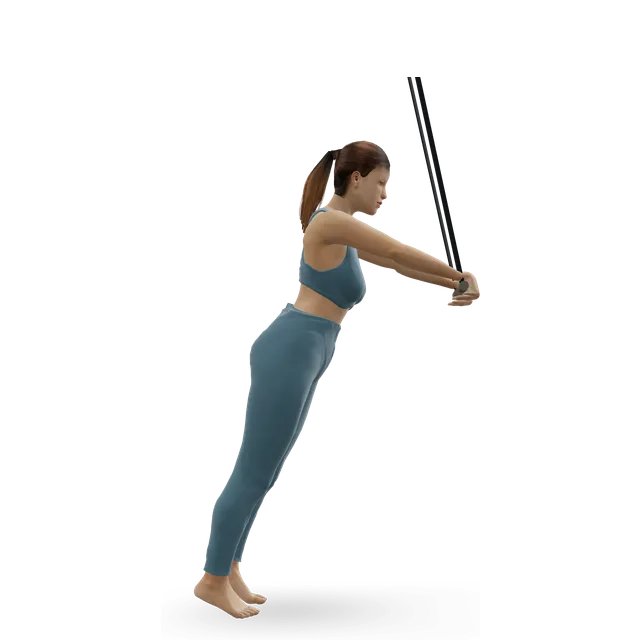
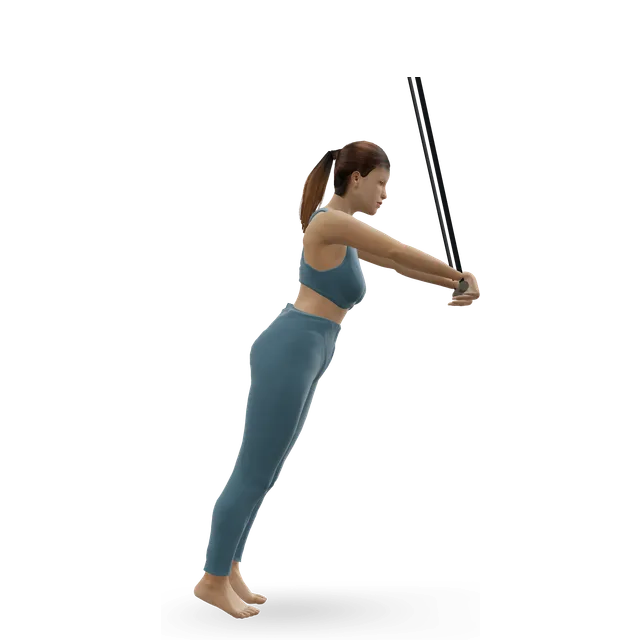
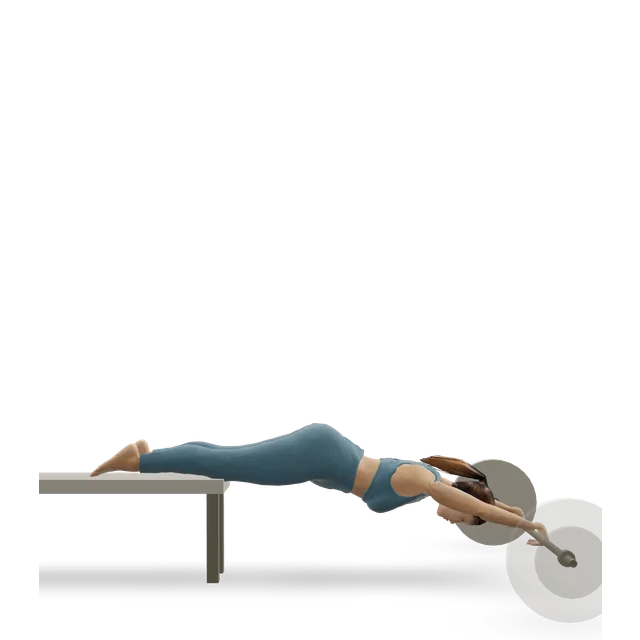
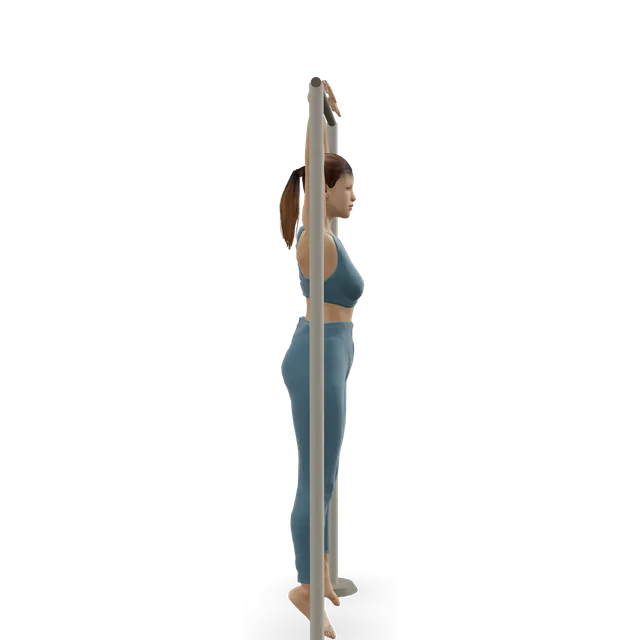
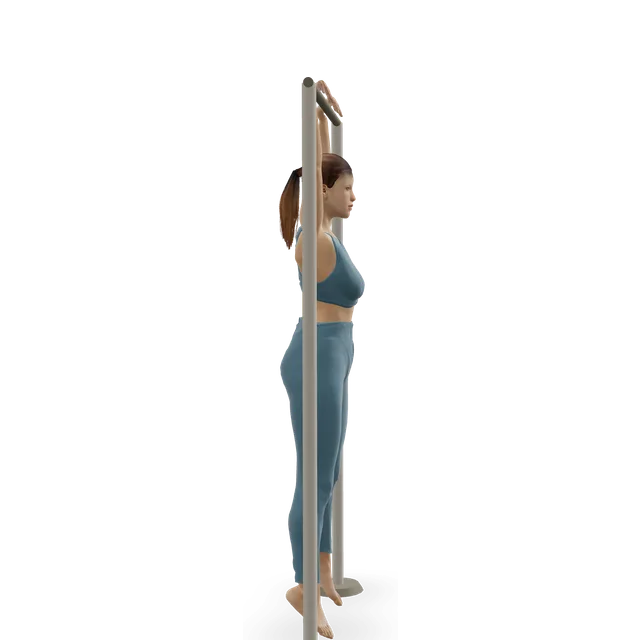
Move on when every set reaches the top of its range with your back flat throughout (our editorial rule, as in our ab wheel progression workout). Forearm planks, 3 holds of 20 to 45 seconds, until 45 seconds is steady (our plank guide); suspension fallouts, 3 sets of 6 to 10, stepping your feet back to make them harder (our plank guide), or the fallout from an incline push-up at its move page's dose, 2 to 3 sets of 5 to 8 slow reps; kneeling rollouts to a wall, then at full reach, 3 sets of 6 to 10 (our gym ab workout); the barbell rollout from the knees, the same sets (editorial); the barbell rollout with the knees on a bench, 2 to 3 sets of 5 to 8 slow reps (its move page's dose); standing rollouts towards a wall, 2 to 3 sets of 3 to 5 (editorial), only after clean kneeling sets of 8 to 10.

How many, and how often

Sets and reps

3 sets of 6 to 10 slow reps for the kneeling rollout, as our gym ab workout, advanced core workout and plank guide use; 2 to 3 sets of 5 to 8 for the barbell rollout from a bench, its move page's dose.

How hard

End each set when your back starts to sag, 2 or 3 reps short of failure; leave 3 or 4 in your first two weeks. Going to failure added a trivial amount of growth at most across 15 studies, and people underestimate the reps they have left by about 1.

Sources 17, 18

Rest

90 seconds after rollout sets, as our gym ab workout uses. A review found a small growth benefit from resting more than about 60 seconds.

Source 19

How often

2 or 3 times a week, as part of 2 or 3 ab moves of 2 or 3 sets each, our get abs guide's editorial starting point. Matched for weekly sets, training a muscle more often made little difference to growth.

Source 6

How to progress

More range first: move the wall back a little at a time. Then more reps, up to 10. Then a harder version: the barbell rollout from a bench, and only then standing (our editorial order, from the move pages' prerequisites).

Common mistakes and how to fix them

Your lower back sags

The most common fault. Shorten the reach and keep your ribs down; our move page says aching in the lower back means you went past your control.

Your hips stay back

You push the wheel out with your arms but never open your hips, so the lever stays short. Let your hips travel forward with the wheel, as ACE describes.

Source 1

Too far, too soon

Use the wall, and move it back over weeks rather than chasing full reach in one session.

Bent elbows

Keep your arms straight both ways; bending them turns the rollout into a push.

Going fast

Rolling fast and bouncing at full reach makes it easy to lose control. Slow both ways (coaching practice).

Craning your neck

Look at the floor a little ahead of the wheel, not up at the wall (coaching practice).

Your lower back

What the studies show

Lower-back muscle activity stayed low in every rollout study that measured it, while the abs did the work.

Sources 2, 9

What nobody has measured

No study has measured the load on the spine in a rollout, or tested rollouts in people with back pain. The nearest measurement, a similar move called the body saw, kept spine compression moderate.

Source 15

Brace, and keep the range you can hold

Ribs down, glutes squeezed, and roll only as far as your back stays flat. These are coaching cues, not tested in trials. If your lower back aches during or after a set, shorten the reach, as our gym ab workout advises.

With back pain

Discomfort up to about 5 out of 10 that settles within an hour and is no worse the next morning is acceptable, as our sit-up guide says; pain that spreads down a leg is not. While your back is sore, planks and dead bugs keep your abs working. The NHS advises stopping any exercise that makes back pain worse.

Source 20

Your shoulders

Your arms reach overhead under load

At full reach your arms are over your head with much of your weight on them, and the chest, lats and triceps work hard. Most people are fine; build the range gradually.

Sources 5, 3

With a sore shoulder

Keep pain during exercise to about 5 out of 10 or less, settling by your next session, the rule our shoulder guides use. Shorten the reach or use planks while it's sore, and see a GP if shoulder pain gets worse or doesn't improve after 2 weeks.

Source 21

Standing rollouts

Who they're for

A few strong, practised people. Our move page asks for clean full-range kneeling rollouts for sets of 8 to 10 first, and very few adults need the standing version.

The fall risk

If your trunk gives way at full reach, you can fall onto your face. In two reported cases, men who had been drinking injured the spinal cord in the neck this way. Never try standing rollouts after alcohol.

Source 7

How to build to them

Master the barbell rollout with your knees on a bench first. Then roll towards a wall from standing, 2 to 3 sets of 3 to 5, stopping well short of your limit (our editorial starting point), and move the wall back slowly.

If someone falls

Call 999 if they may have injured their head, neck or back, or can't get up, as the NHS advises. Numbness, tingling or weakness after a fall onto the face needs the same.

Source 22

Who should change it

Pregnancy and after a birth

Our gym ab workout uses the beginner core workout instead in pregnancy and the first weeks after a birth. After a birth, the NHS advises avoiding sit-ups, planks and high-impact exercises to start with, and seeing a GP if the gap down the middle of your tummy is still obvious 8 weeks after the birth.

Sources 23, 24

A hernia, tummy surgery or a stoma

With a hernia or after tummy surgery, use the beginner core workout first. With a stoma or after abdominal surgery, our move pages call rollouts an advanced core exercise: work up through easier levels, and stop if you notice doming or bulging around your stoma or scar. See a GP if you think you have a hernia.

Source 25

If your tummy domes

If the middle of your tummy domes (bulges into a ridge) as you roll out, choose an easier move, as our gym ab workout advises.

Osteoporosis

Our get abs guide trains the trunk with dead bugs, bird dogs, planks, side planks and carries. Keep any rollouts to the kneeling version within a flat-back range, and leave the standing rollout out, where a fall is the risk (our editorial view).

High blood pressure, heart conditions and eye conditions

Rollouts are hard, straining work. Breathe out as you roll back rather than holding your breath, and get advice first if your blood pressure is uncontrolled or you have diabetic eye disease or glaucoma, as our breathing guide says.

Source 26

Side steps and moves that go with it

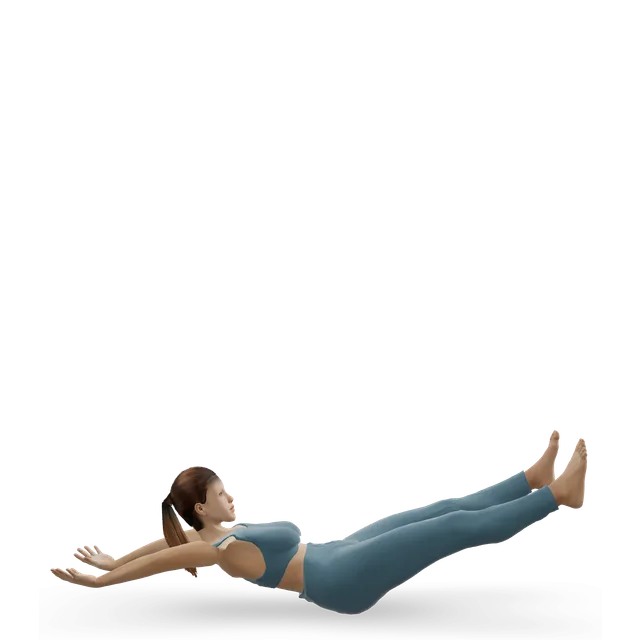
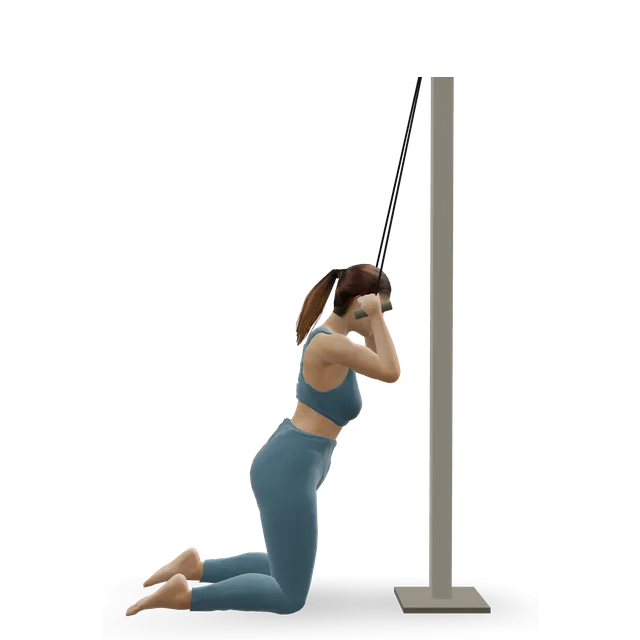
The barbell pike rollout, 2 to 3 sets of 5 to 8 slow reps, and forearm plank pikes, 2 to 3 sets of 10 to 15 slow reps (their move pages' doses, editorial); plank walk-ups, 3 sets of 6 to 10 (our plank challenge workout); dead bugs, 1 set of 6 each side as a warm-up (our gym ab workout); hollow body holds, 3 of 20 seconds (our gymnastics conditioning workout); half-kneeling Pallof presses, 2 sets of 8 to 10 each side (our full-body gym workout B); side planks, 2 holds of 15 to 30 seconds each side, from your knees to start (our strength workout for teenagers); McGill curl-ups, 5 holds of 8 seconds, for a back that dislikes bending (our beginner core workout).

Workouts to follow

The ab wheel progression is a ladder from the plank to standing rollouts; the gym ab workout and advanced core workout use kneeling rollouts as one of several moves; the beginner core workout is the place to start in pregnancy, after a birth or tummy surgery, or with a hernia.

Warning signs

Stop and get medical help

If you get chest pain or pressure, feel faint or dizzy, are unusually breathless, or your heart races or beats irregularly during exercise, as our plans advise. The American Heart Association says these need immediate medical evaluation.

Source 26

Call 999 (911 in the US)

For chest pain that feels tight, heavy or squeezing, or spreads to your arms, neck, jaw or back; arm pain that comes on suddenly with pressure, heaviness or squeezing across your chest; a headache that starts suddenly and is extremely painful, especially while lifting or straining; someone who faints while exercising; palpitations that don't go away, or come with chest pain, breathlessness or feeling faint; severe difficulty breathing; or angina pain that doesn't stop after rest and your medicine. Don't drive yourself to A&E.

Sources 27, 28, 29, 30, 31, 32, 33, 34, 35

Check before hard straining work

If you haven't exercised for some time or have a medical condition, speak to your GP first, as the NHS advises. Get advice before hard straining work if your blood pressure is uncontrolled, or you have heart disease or chest pain when you're active, a pacemaker or defibrillator, diabetic eye disease, glaucoma, a hernia, recent eye or tummy surgery, or you're pregnant, as our breathing guide lists.

Sources 36, 26

After a faint, or dizziness that keeps coming back

See a GP after any faint, and for dizziness that won't go away or keeps coming back.

Sources 32, 37

Call 999 or go to A&E: back pain with these signs

Loss of feeling or numbness around the genitals or bottom, new trouble peeing or controlling your bladder or bowels, changes in genital sensation during sex or problems with erections or orgasm, or pain, tingling, weakness or numbness in both legs. These are signs of cauda equina syndrome, which needs treating in hospital urgently. Don't drive yourself.

Sources 20, 38

Ask for an urgent GP appointment or call NHS 111: your back or shoulder

For back pain with a high temperature, or if you feel hot, cold, shivery or generally unwell, or the pain came on suddenly and is severe or getting worse quickly. For sudden or very bad shoulder pain; if you can't move your arm; if the shoulder has changed shape or is badly swollen; for pins and needles that don't go away or no feeling in the arm; if the arm is hot or cold to touch; for pain after an injury or in both shoulders; or if you feel feverish or unwell.

Sources 20, 21

A hernia

Call 999 or go to A&E if you have a femoral hernia (a small lump at the top of the thigh) and very bad tummy pain, you feel or are being sick, you can't fart or poo, you have a high temperature or feel hot, cold or shivery, or you've suddenly become confused. Get help from NHS 111 if you have a hernia and pain in or around it, a bloated tummy, sickness, vomiting blood or vomit that looks like coffee grounds, constipation, a high temperature or sudden confusion.

Sources 39, 25

See a GP: a new lump or bulge

If you think you have a hernia: a bulge or lump in your groin, upper thigh or tummy that may get bigger when you cough, sneeze or cry and smaller when you lie down. After an inguinal hernia repair, the NHS advises no heavy lifting or strenuous activity for at least 4 to 6 weeks.

Sources 25, 40

After a fall onto your face

Call 999 if someone has fallen and may have injured their head, back or neck, or can't get up, as the NHS advises.

Source 22
Myths

"Ab wheel rollouts are bad for your back"Emerging evidence

Back-muscle activity stayed low in every rollout study that measured it, and a similar move kept spine load moderate. But no study has measured spine load in the rollout itself or tested it in people with back pain. An aching lower back usually means the reach went past your control: shorten it.

Sources 2, 3, 9, 15

"The ab wheel burns belly fat"Strong evidence

Six weeks of ab exercises, 5 days a week, didn't change belly fat, waist size or skinfolds in 24 adults, and our get abs guide covers the other trials, which agree. Rollouts build the muscle; fat comes off the whole body with eating and activity.

Source 8

"Rollouts are the best ab exercise"Mixed evidence

They're among the highest for six-pack activity, but one study found no device beat trunk curls, another found the crunch worked harder lifting up, and muscle activity in one session isn't proof of more growth. Hanging leg raises, crunches and planks all have a place, as our get abs guide says.

Sources 2, 11, 12, 10

"Standing rollouts are the real thing"Emerging evidence

No study shows they build more than kneeling rollouts at full reach, and falls onto the face have injured the neck. Full kneeling rollouts, then the bench version, are enough for most people.

Source 7

"Ab wheel rollouts are only for advanced lifters"Emerging evidence

Reach is what makes them hard, so with a wall setting a short range, many people can start once a 45-second plank and fallouts are steady, as our move page suggests, and grow the range from there.

Source 5

Questions people ask

What muscles do ab wheel rollouts work?

Mainly the six-pack muscle and the obliques, with your lats, chest, triceps and the serratus around your ribs helping at the shoulders. In muscle activity studies, wheel devices were among the highest for the abs while the lower back and hip flexors worked little.

Are ab wheel rollouts bad for your back?

Back-muscle activity stayed low in the studies, though no study has measured the load on the spine itself. If your lower back aches during or after, you rolled further than you could control, so shorten the reach or roll towards a wall. With back pain, stick to planks until it settles.

How do I use an ab wheel as a beginner?

Start once you can hold a 45-second plank without sagging. Kneel on a pad facing a wall, roll out only as far as your back stays flat and let the wall stop the wheel, then move the wall back over the weeks. Suspension fallouts make a good step before the wheel.

How many ab wheel rollouts should I do?

3 sets of 6 to 10 slow reps, resting about 90 seconds, as in our gym ab workout. End each set when your back starts to sag, and add range before reps.

Can I use the ab wheel every day?

You don't need to: 2 or 3 sessions a week is plenty, as our get abs guide says. When weekly sets are equal, how often you train a muscle made little difference to its growth.

Is the ab wheel better than planks or crunches?

In a ranking of plank variations, a suspended roll-out plank drew the most lower ab activity, and our plank guide moves on to roll-outs once 45 to 60 seconds is easy. Against crunches the picture is mixed: in one study the crunch worked harder lifting up and the wheel harder lowering. Use the wheel alongside a curl and a side plank, as our get abs guide suggests.

How do I progress to standing ab wheel rollouts?

Build to full-reach kneeling rollouts for sets of 8 to 10, then the barbell rollout with your knees on a bench. Then try standing rollouts towards a wall, a few reps at a time. Never try them after drinking: two men who fell onto their faces injured the spinal cord in the neck.

Will the ab wheel give me a six-pack?

It builds the ab muscle, but it doesn't burn the fat over it: six weeks of ab exercises didn't change belly fat in 24 adults. Whether your abs show depends on your body fat, which comes off the whole body slowly, as our get abs guide explains.

Can I do rollouts with a barbell?

Yes: load a barbell with round plates and roll it like a wheel from your knees, as ACE's roll-out does. With your knees on a bench it gets harder, because more of your weight goes through your arms. Use a flat, clear floor so the bar can't run away.

What's the difference between an ab wheel and an ab roller?

An ab wheel is a wheel with handles that you roll out and back. The Ab Roller frame is a crunch aid you hold while curling up; in one study it worked the six-pack about as much as a crunch, while a wheeled roller worked the obliques, chest, triceps and lats more. Some shops sell the wheel as an ab roller too.

Can I do ab wheel rollouts with a hernia, after a baby or with a stoma?

Our workouts use the beginner core workout instead in pregnancy, in the first weeks after a birth, after tummy surgery and with a hernia, and the NHS advises avoiding planks and sit-ups at first after a birth. With a stoma, build up through easier core levels and stop if you see doming or bulging. See a GP for a new lump or bulge, and NHS 111 for a hernia with pain.

Do ab wheel rollouts hurt your shoulders?

Your arms reach overhead under load, and your chest, lats and triceps work hard. Most people are fine, but with a sore shoulder, shorten the reach, keep pain to 5 out of 10 or less, and use planks instead; see a GP if it isn't better after 2 weeks.

Sources

  1. ACE · Roll out, with a barbell from the knees (exercise library, rated advanced, American Council on Exercise)
  2. Escamilla 2006 · Muscle activity in traditional and nontraditional ab exercises, including the Power Wheel roll-out, in 21 adults (EMG study, Phys Ther)
  3. Escamilla 2006 · Muscle activity in 7 commercial ab devices, including the wheeled Ab Slide, and 2 exercises, in 14 people (EMG study, JOSPT)
  4. Youdas 2008 · The Ab-Slide, the crunch and two other ab exercises, in 22 lean adults (EMG study, J Strength Cond Res)
  5. Marchetti 2015 · Muscle activity in held ab wheel rollouts at three shoulder angles, in 8 trained men (EMG study, MedicalExpress)
  6. Schoenfeld 2019 · How many times a week to train a muscle for growth: 25 studies (meta-analysis, J Sports Sci)
  7. Yamane 2023 · Neck spinal cord injuries from falls during standing ab roller exercise: two cases (case report, Acute Med Surg)
  8. Vispute 2011 · Six weeks of ab exercises and belly fat in 24 adults (randomised trial, J Strength Cond Res)
  9. Escamilla 2010 · Core muscle activity in Swiss ball exercises, including the roll-out, in 18 people (EMG study, JOSPT)
  10. Vigotsky 2022 · Muscle activity measured in one session isn't a validated predictor of muscle growth (review, Sports Med)
  11. Hildenbrand 2004 · Ab muscle activity with the Ab Roller, ABslide and FitBall against trunk curls, in 23 students (EMG study, J Athl Train)
  12. Bird 2006 · The Ab-Slide against the crunch, in 45 people (EMG study, J Strength Cond Res)
  13. Cugliari 2017 · Core muscle activity in four suspension exercises, including the roll-out, in 17 active men (EMG study, J Hum Kinet)
  14. Calatayud 2017 · Ranking eight plank variations by core muscle activity, in 20 students (EMG study, Am J Phys Med Rehabil)
  15. McGill 2015 · Muscle activity and spine load in the body saw, hanging leg raise and push-up walkout, in 14 men (lab study, J Sports Sci)
  16. Oliva-Lozano 2020 · Core muscle activity during fitness exercises (systematic review, IJERPH)
  17. Refalo 2023 · Training to failure against stopping short, for muscle growth: 15 studies (meta-analysis, Sports Med)
  18. Halperin 2022 · How accurately people predict the reps they have left: 12 studies (scoping review and meta-analysis, Sports Med)
  19. Singer 2024 · Rest between sets and muscle growth: 9 studies (Bayesian meta-analysis, Front Sports Act Living)
  20. NHS · Back pain
  21. NHS · Shoulder pain (past its review date: reviewed May 2023, review due May 2026)
  22. NHS · Falls
  23. NHS · Exercise in pregnancy
  24. NHS · Your post-pregnancy body
  25. NHS · Hernia
  26. Paluch 2024 · Resistance exercise training with and without cardiovascular disease: 2023 update (American Heart Association scientific statement, Circulation)
  27. NHS · Heart attack
  28. NHS · Chest pain (past its review date: reviewed August 2023, review due August 2026)
  29. NHS · Elbow and arm pain
  30. NHS · Headaches
  31. NHS · Subarachnoid haemorrhage
  32. NHS · Fainting
  33. NHS · Heart palpitations
  34. NHS · Shortness of breath
  35. NHS · Angina
  36. NHS · Physical activity guidelines for adults aged 19 to 64
  37. NHS · Dizziness (past its review date: reviewed April 2023, review due April 2026)
  38. NHS · Sciatica
  39. NHS · Femoral hernia
  40. NHS · Inguinal hernia repair

Exercise education, not a personal prescription, and clinical review of these guides is pending. Check with a GP before starting hard training if you have a heart condition, chest pain, dizziness or breathlessness when active, and stop for sharp or increasing pain. Health disclaimer.