Can I exercise with a stoma?
Yes. The UK stoma nurses' recommendations say exercise is safe and essential, and once you've recovered and your doctor or stoma nurse agrees, you can play sport, even competitively.
When can I start exercising after stoma surgery?
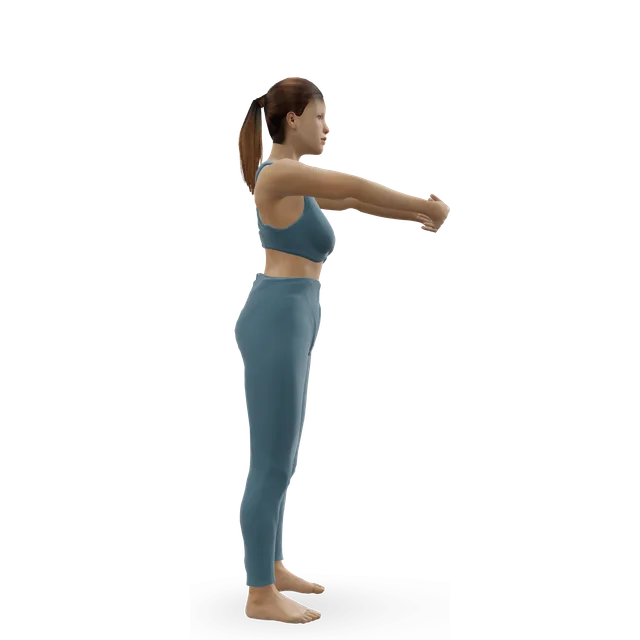
Gentle breathing and core exercises can usually start about a day after surgery if you're able, in bed or a chair, along with short walks. Teams vary, so your stoma nurse or surgical team decides. The NHS says recovery takes around 8 weeks after a colostomy and 6 to 8 weeks after an ileostomy, and core work and walking carry on through that time.
Which core exercises are safe with a stoma, and can I do sit-ups or planks?
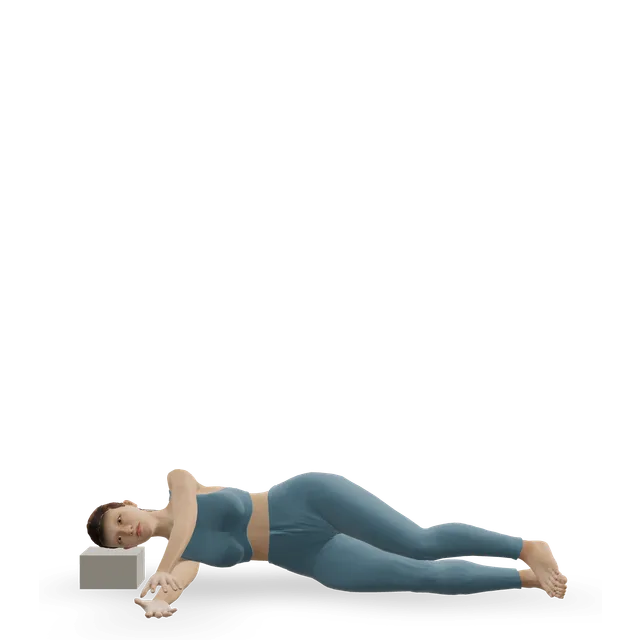
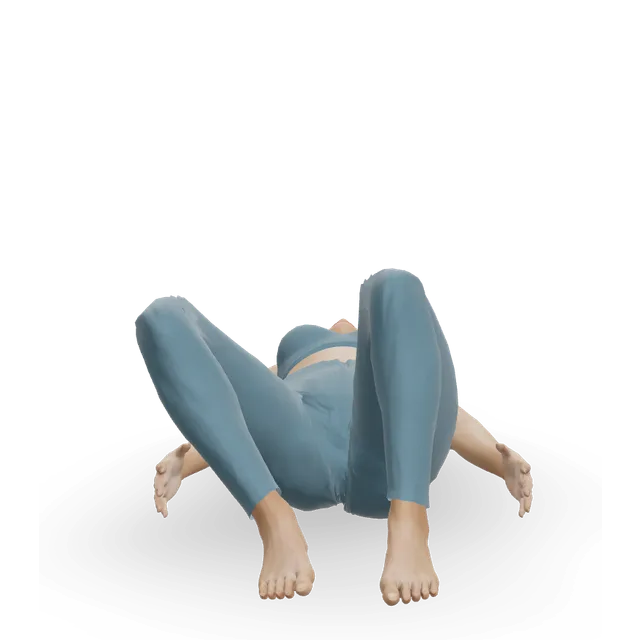
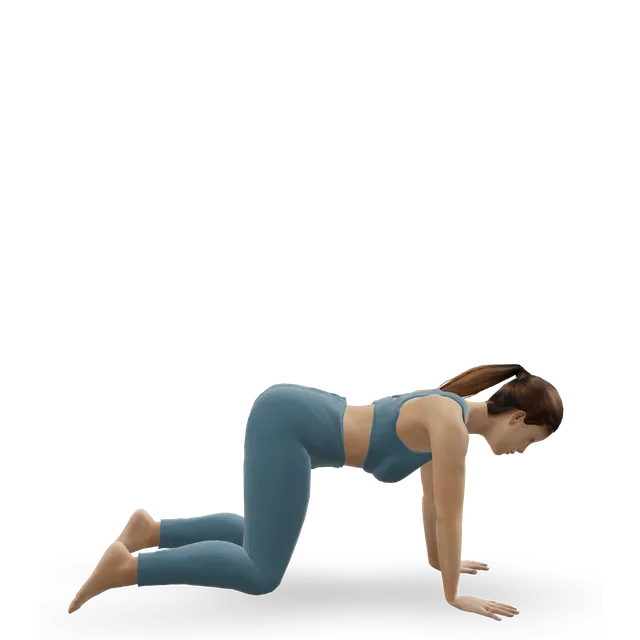
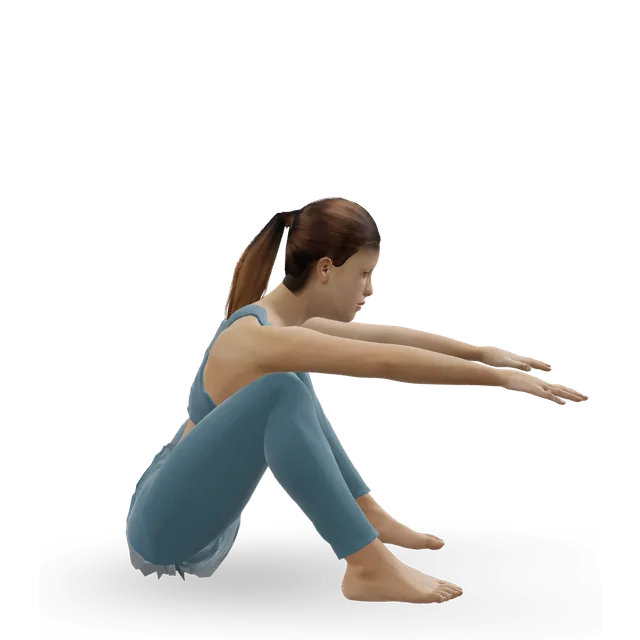
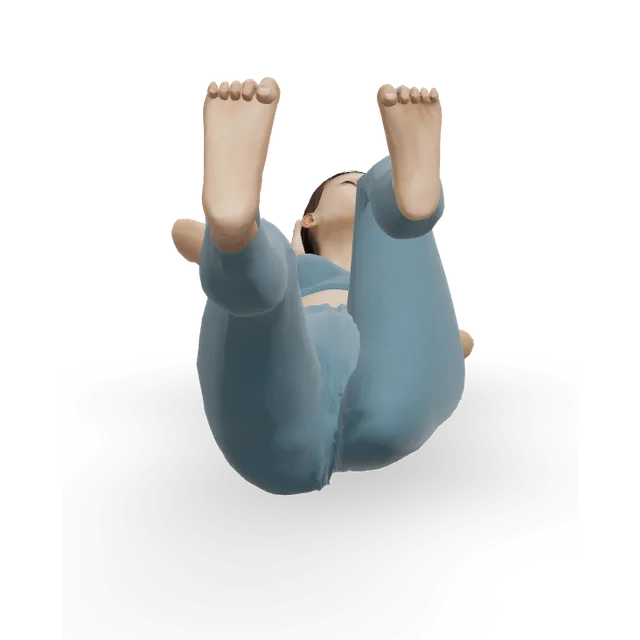
Start with breathing, pelvic tilts, knee rolls and leg slides, then build up in levels over weeks and months. Leave out sit-ups and double leg raises while you heal; planks come later, starting on your knees. Ease off if you notice doming or bulging.
When can I lift things after stoma surgery?
Advice varies: the NHS says avoid heavy lifting for 8 weeks after a colostomy and 3 months after an ileostomy, while the UK stoma nurses say a fixed limit isn't needed if you learn to lift with good technique. Follow your own team at first, keep loads close, breathe out as you lift, and split heavy shopping.
Can I lift weights at the gym with a stoma?
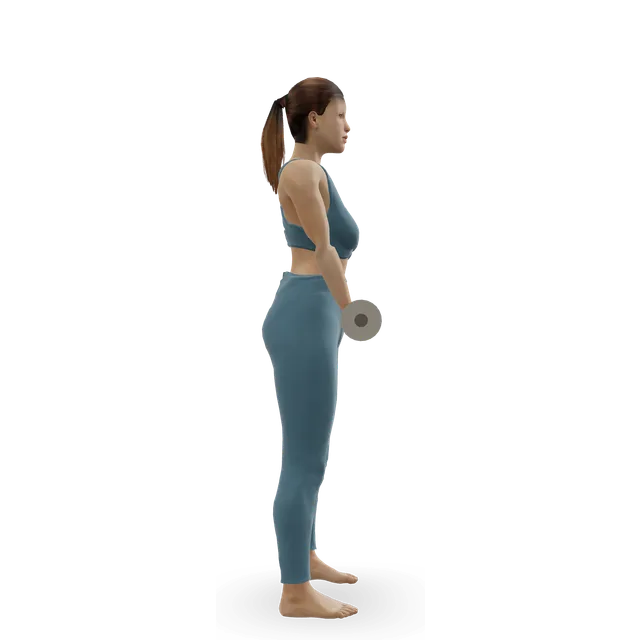
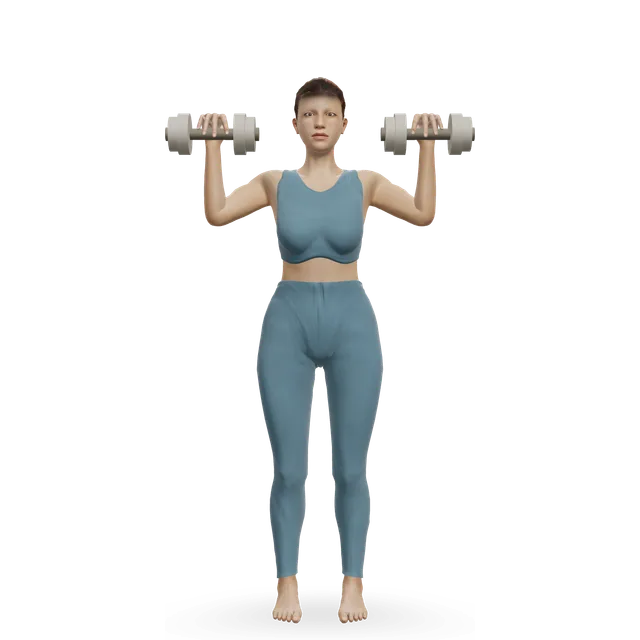
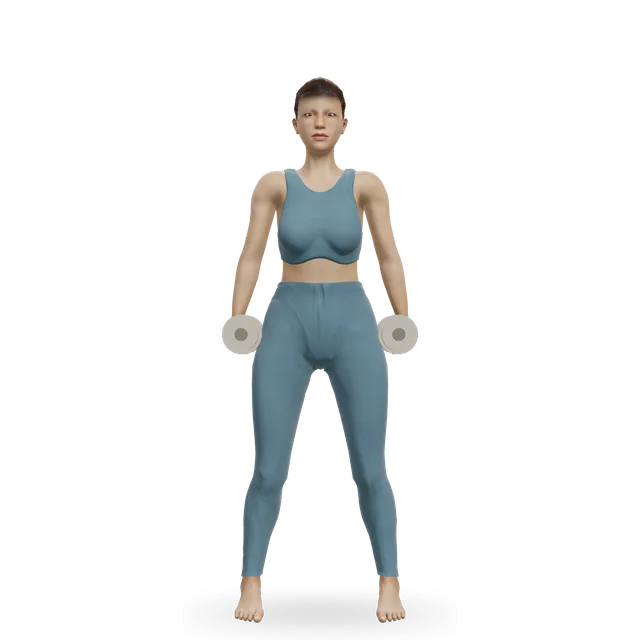
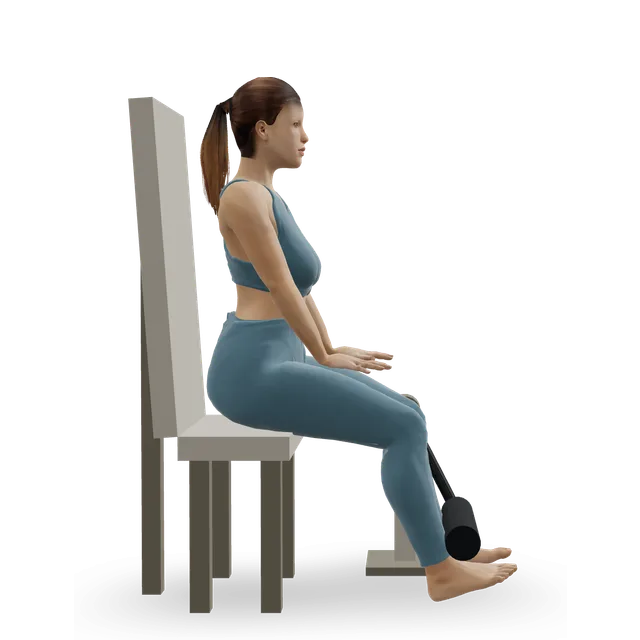
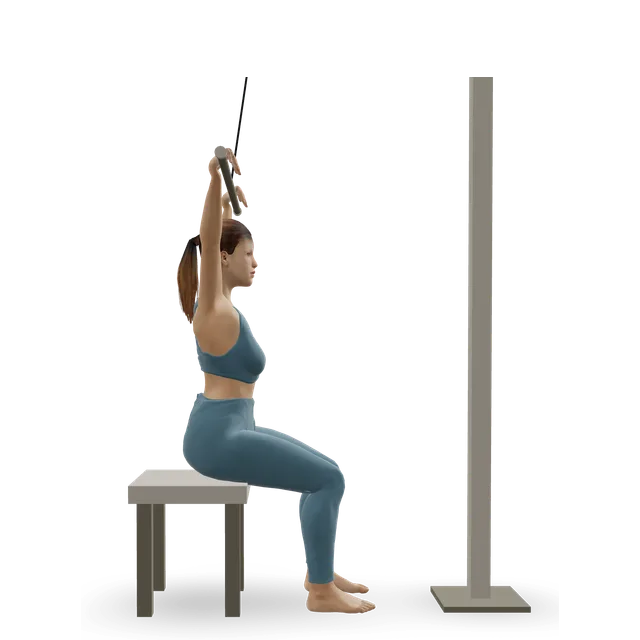
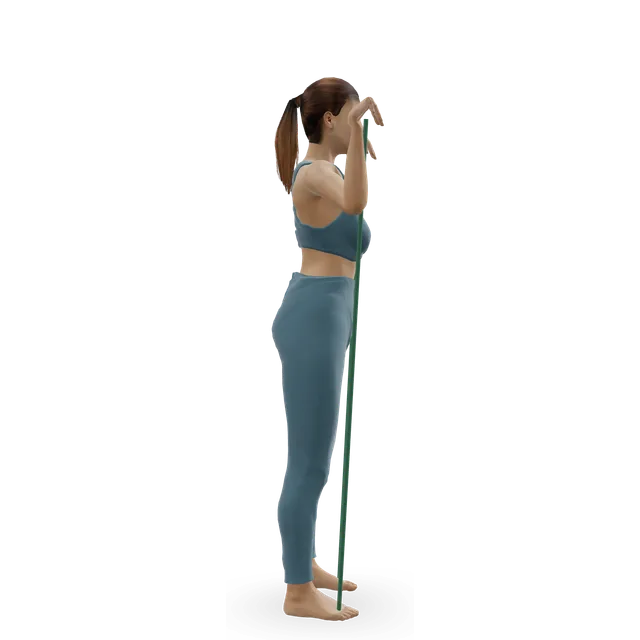
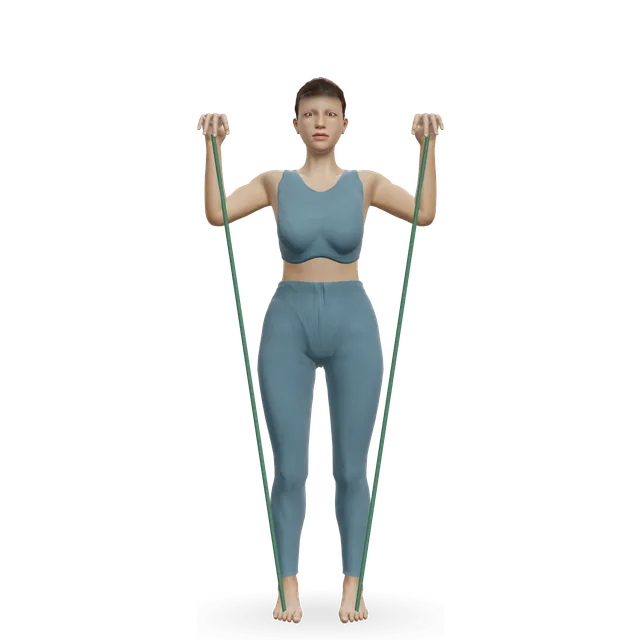
Yes, built up gradually: start with a weight you can lift 12 to 15 times, for 2 to 5 sets, without straining. If you trained before, start at no more than half your old weights and repetitions. Begin with moves like curls and shoulder presses before squats and leg presses, and breathe out on the effort.
Will exercise cause a parastomal hernia?
There's no evidence that the right exercise causes one. In observational studies, people who are more active have fewer hernias, which links exercise with fewer hernias but doesn't prove cause and effect. Core exercises are recommended for everyone with a stoma, and you should tell your stoma nurse about any new bulge.
Can I exercise with a parastomal hernia?
Yes. Keep active and keep doing your core exercises, probably 2 to 3 sessions a week of 20 to 30 minutes, as long as you don't notice extra doming. A fitted support garment may help if the hernia is large or uncomfortable. Call 999 if it becomes very painful or changes colour, or you're being sick or can't pass anything.
Do I need a stoma support belt to exercise?
Not necessarily. There's no strong evidence that support wear stops hernias forming; wear it if it makes you more comfortable or confident, and ask your stoma nurse for a fitted one if you have a hernia. Garments with a hole for the stoma aren't recommended.
Can I swim, run or play contact sport with a stoma?
You can swim once all your wounds have fully healed. Running and other sports come back after rehabilitation; if your rectum was removed or you had pelvic floor surgery, wait about 3 to 6 months before running and jumping. For contact sport, a flat protector is fine, but avoid hard, dome-shaped ones.
How much should I drink when exercising with an ileostomy?
Aim for around 2 litres a day and about a teaspoon of salt, more in hot weather. If your output is high, ask your team what to drink rather than just drinking more water, and contact the hospital urgently if it's more than 2 litres a day for 3 days or more.
Can I lie on my front, or do Pilates and yoga, with a stoma?
Yes: lying face down is safe with any stoma. The stoma nurses call Pilates an excellent choice; start with a clinical or physiotherapist-led class, or a teacher who understands stomas.
What about exercise after a stoma reversal?
A reversal is another tummy operation, so our suggestion is to start again with gentle breathing, core and pelvic floor exercises and build up, as after other bowel surgery. Pelvic floor exercises may help bowel control improve sooner, though the evidence is weak. Ask your team about lifting limits for the new wound.