Exercise guide

Exercise with Crohn's and colitis (IBD): flares, fatigue, bones and life with a stoma

Crohn's disease and ulcerative colitis are the two main types of inflammatory bowel disease (IBD), long-term conditions in which the gut becomes inflamed. Exercise is safe for most people with them. In small trials, mostly in people whose disease was quiet, it helped fatigue, fitness, muscle and bone, and few flares were reported, though the evidence is limited.

Exercise matters even more if you've taken steroids, which thin the bones, and after bowel surgery or with a stoma, where the right core exercises help you recover. It works alongside your medicines, never instead of them.

This guide covers what the trials found, how much to do, flares, fatigue, bones and steroids, joints and back pain, and life after surgery or with a stoma, with a core routine you can start soon after surgery, 3D demos of the moves and the warning signs that need urgent help.

The short version

Exercise is safe for most people

Crohn's & Colitis UK says it's safe to exercise with Crohn's or colitis, and the NHS lists exercising regularly among the things you can do for ulcerative colitis. Most of the research is in people whose disease is quiet (in remission) or mild, so go gently when you're unwell.

Sources 1, 2, 3

Modest benefits, from small trials

In a 2022 review of 15 studies, structured exercise lowered disease activity a little (low certainty) without clearly changing quality-of-life scores, and studies reported better fatigue, fitness, muscle, body composition and bone. In people with quiet or mild disease, exercise also eased anxiety.

Sources 3, 4

What was found about flares

In small trials, mostly in people in remission, exercise didn't set off flares, though a 2022 review counted 2 flares in one running trial. In a study that followed 1,857 people, the more active were less likely to have a flare of Crohn's disease 6 months later, though a study like this can't prove exercise was the reason.

Sources 3, 5, 6

Bones need loading

35% to 40% of people with IBD have low bone density and about 15% have osteoporosis, and steroids add to the risk, most in the first 6 months. In 47 adults with Crohn's disease, 6 months of impact and strength training improved spine bone density, muscle strength and fatigue.

Sources 7, 8

After surgery or with a stoma

The UK stoma nurses' 2025 recommendations say exercise is safe and essential, and gentle core exercises can start about a day after surgery. Up to 1 in 3 people with a stoma get a hernia next to it. Advice on lifting differs between leaflets, so follow your own team.

Sources 9, 10, 11, 1

Know the red flags

Call 999 or go to A&E (911 in the US) for severe tummy pain, non-stop bleeding from your bottom, passing a lot of blood or large clots, or vomiting blood or poo. Get urgent advice for bloody diarrhoea, black or dark red poo, a high temperature or a fast heartbeat.

Sources 2, 12

Crohn's disease and ulcerative colitis

What they are

Crohn's disease is a long-term condition in which part of the gut becomes inflamed; it can affect any part, from the mouth to the bottom. In ulcerative colitis (UC), parts of the large bowel (colon) and rectum become inflamed. Symptoms usually come and go: a flare-up can last from a few days to several months, followed by times with few or no symptoms (remission).

Sources 12, 2

Symptoms

Diarrhoea, sometimes with blood or mucus, tummy pain, needing to poo urgently or at night, bleeding from the bottom, tiredness, losing your appetite and losing weight. Some people also get joint pain, sore or red eyes, skin rashes or mouth ulcers, often during flares.

Sources 12, 2

How common it is

In UK GP records, about 570 in 100,000 people had UC and 400 in 100,000 had Crohn's disease in 2017, and IBD was forecast to affect 1.1% of people by 2025. Crohn's disease most often starts in teenagers and younger adults, but it can happen at any age.

Sources 13, 12

Treatment

Medicines reduce inflammation and help prevent flares: aminosalicylates such as mesalazine, steroids such as prednisolone for short spells during a flare, medicines that calm the immune system such as azathioprine, and biological medicines such as infliximab or adalimumab. Some people have a special liquid diet (enteral nutrition) instead of medicines, and some need surgery. The British Society of Gastroenterology (BSG) now stresses avoiding long or repeated courses of steroids.

Sources 12, 2, 14

Not the same as irritable bowel syndrome

IBD isn't the same as irritable bowel syndrome (IBS), though about 3 in 10 people with IBD in remission get IBS-type symptoms. Our IBS guide covers those.

Source 15

Women and men

Crohn's disease is a little more common in women (0.44% against 0.35% of people in 2017), and pain with IBD is more common in women. About two in three people in the exercise trials were women, and nothing suggests the advice should differ between women and men.

Sources 13, 7, 3

What the evidence says

Structured exercise programmesEmerging evidence

A 2022 review found 15 studies (9 randomised trials) with 637 people, almost all with quiet or mild disease. Programmes of at least 4 weeks lowered disease activity a little compared with no exercise (6 trials, 282 people, low certainty) but didn't clearly change quality-of-life scores (very low certainty). Studies also reported better fatigue, muscle function, body composition, fitness, bone density and wellbeing, but these couldn't be pooled, and fewer than half the studies reported harms.

Source 3

Quality of life and anxietyEmerging evidence

In people with quiet or mild disease, a 2023 review of 8 trials found physical activity eased anxiety but didn't clearly improve quality of life, and every trial judged it safe. A 2026 review that compared people before and after exercise in 21 studies found better quality of life and fitness, but without comparison groups.

Sources 4, 16

Walking and runningEmerging evidence

In 32 people with mild or quiet Crohn's disease, walking 30 minutes 3 times a week for 3 months improved quality of life without worsening the disease. In 30 people with mild to moderate IBD, supervised running 3 times a week for 10 weeks improved the social side of quality of life. That trial reported no harms during training, but a 2022 review that read the full paper counted 2 flares and 1 bout of tummy pain in it.

Sources 17, 5, 3

Hard intervals and strength trainingEmerging evidence

In 36 adults with quiet or mildly active Crohn's disease, high-intensity interval training (HIIT) and steady cycling, 3 times a week for 12 weeks, were both manageable, and fitness rose more with HIIT. In 45 people with Crohn's disease, muscle training improved strength, and fewer people dropped out of it than out of endurance training (13% against 47%). In 20 inactive young adults in remission, 8 weeks of combined cardio and weights cut body fat and added muscle without worsening the disease.

Sources 18, 19, 20

Flares, inflammation and very long effortsEmerging evidence

Flares were rare in the trials: 2 in the running trial, and 2 during the follow-up of the interval-training trial. In the 1,857-person study, people with Crohn's disease in remission who exercised more were about 28% less likely to have active disease 6 months later; for UC the link wasn't clear, and this kind of study can't show cause and effect. In pooled studies, exercise didn't change markers of inflammation. In 18 people with IBD who walked 30 to 50 km a day for 4 days, inflammation markers behaved as in people without IBD, but symptom scores rose in those with Crohn's disease.

Sources 3, 18, 6, 21, 22

Bone and muscleEmerging evidence

In 47 adults with stable Crohn's disease, 6 months of combined impact and strength training (three 60-minute sessions a week, with supervision tapering off) improved bone density in the lower spine and every measure of muscle function, and reduced fatigue, with 3 minor side effects. An older 12-month low-impact programme in 117 people didn't clearly improve bone density overall, though people who did every session gained more at the hip.

Sources 8, 23

FatigueMixed evidence

Impact and strength training reduced fatigue in one trial, and advice to be more active may have reduced it in another (45 people, very low certainty). The evidence is thin.

Sources 8, 24

Medicines carry the treatmentStrong evidence

Medicines, and sometimes nutrition treatment or surgery, control the inflammation. Exercise helps your fitness, muscles, bones and wellbeing alongside them. Never stop or change a medicine without your IBD team.

Sources 12, 2, 14, 25

How much, and how to start

The general guidelines apply

Aim for at least 150 minutes of moderate activity a week and strength exercises on 2 or more days, built up slowly. Crohn's & Colitis UK adds that even sitting down less during the day can help.

Sources 1, 26

What the trials used

Walking 30 minutes 3 times a week; moderate running 3 times a week; impact and strength training in three 60-minute sessions a week; or cycling 3 times a week, either 30 minutes at a steady effort or ten 1-minute hard efforts with 1 minute easy between, after a 5-minute warm-up (28 minutes in all).

Sources 17, 5, 8, 18

Our editorial starting point

Start with 10 to 20 minutes of walking or cycling on most days at a pace where you can talk, and 2 short strength sessions a week. Add time or a set every 1 to 2 weeks if your symptoms are steady. Harder intervals and heavier weights are reasonable in remission once the basics feel easy.

Toilets and fluids

In a survey of 859 people with IBD, needing the toilet urgently was one of the main reasons people said their condition limited exercise, along with pain, fatigue and flares. People with Crohn's or colitis suggest going to the toilet before you head to the gym, telling an instructor, and drinking well on long events. The NHS advises drinking plenty of fluids if you have diarrhoea.

Sources 27, 1, 2

Protein supplements

There isn't much evidence for protein supplements in Crohn's or colitis. Crohn's & Colitis UK suggests getting protein from food where you can, and avoiding dairy-based proteins such as whey if dairy makes your symptoms worse.

Source 1

Walking, cycling and running

Start with 10 to 20 minutes and build towards 150 minutes a week at a pace where you can talk; the trials walked or ran about 30 minutes, 3 times a week. After surgery, leave rowing until your core is strong.

Flares

In a flare, scale back

If you feel up to it, swap long or hard sessions for short walks, gentle stretching and breathing, and rest when you need to: Crohn's & Colitis UK says, "If you're not feeling up to it, don't put pressure on yourself." Drink plenty of fluids if you have diarrhoea, and build back up gradually as the flare settles (our editorial advice).

Sources 1, 2

Get the flare checked

Bloody diarrhoea, a high temperature, a fast heartbeat or severe tummy pain need medical advice, not exercise (see the warning signs). See a GP or your IBD team if your symptoms are getting worse or your treatment isn't helping.

Sources 2, 12

Very long efforts

In the 4-day walking study, symptom scores rose in people with Crohn's disease, so leave very long or hard events until a flare has settled (our editorial reading).

Source 22

Steroids in a flare

Steroids are usually used for a short time to treat a flare. The BSG recommends calcium and vitamin D during any course, with advice on regular exercise. Don't stop taking steroids without talking to your doctor.

Sources 2, 7, 28

Fatigue

How common it is

About 7 in 10 people with Crohn's or colitis have fatigue during a flare, and about 4 in 10 in remission. It's more than tiredness: it doesn't go away with the usual amount of rest or sleep.

Sources 15, 7

Check the causes first

The BSG asks doctors to look for active disease, anaemia, low iron, vitamin D or vitamin B12, salt imbalances, thyroid problems, poor sleep, medicine side effects and low mood. About 1 in 3 people with IBD have anaemia, and treating low iron often helps fatigue.

Sources 7, 15

Exercise may help

Crohn's & Colitis UK says some studies have shown exercise programmes may help lower fatigue: start gently and build up, and try chair-based exercise if your fatigue is severe. There are signs in trials that it helps, but the evidence is thin.

Sources 15, 8, 24

If you crash after small efforts

If activity is followed hours or days later by a crash out of proportion to what you did, that's post-exertional malaise: don't push through it, and see a GP. Our long COVID and ME/CFS guides cover pacing.

Bones, muscles and steroids

Thinner bones are common

35% to 40% of people with IBD have low bone density (osteopenia) and about 15% have osteoporosis. Inflammation, steroids, low calcium and vitamin D, surgery that removes part of the small bowel, being underweight, smoking and not doing enough weight-bearing exercise all play a part, and the National Institute for Health and Care Excellence (NICE) lists Crohn's disease as a cause of osteoporosis. In reviews, fractures were about 13% more likely overall, and fractures from thin bones about 40% more likely.

Sources 7, 29, 30, 31, 32

Steroids and your bones

Bone loss from steroid tablets is fastest in the first 6 months, and taking them for more than 3 months raises the risk more; budesonide, and steroids given into the bottom, affect bone less. The BSG recommends calcium (800 to 1,000 mg) and vitamin D (800 units) a day during any steroid course, a check of your fracture risk when you start, and a bone scan if you take steroids for more than 3 months or have repeated courses. The UK osteoporosis guideline (NOGG) recommends starting bone-protecting medicine alongside steroids for people at high risk, such as women after the menopause and men aged 50 or over taking 7.5 mg or more of prednisolone a day for 3 months. Never stop steroids suddenly.

Sources 7, 29, 33, 28

Exercise for bone and muscle

The BSG suggests people who need steroids do "regular muscle-building and weight-bearing exercise such as weight training or running", and NOGG strongly recommends combining weight-bearing and muscle-strengthening exercise. Impact work was part of the Crohn's trial. If your bones are thin, follow our osteoporosis guide's limits on impact and deep forward bending.

Sources 7, 33, 29, 8

Sun and vitamin D

Exercising outdoors helps your body make vitamin D, but some IBD medicines, including adalimumab, azathioprine, filgotinib, golimumab, infliximab, mercaptopurine, methotrexate and tofacitinib, make skin more sensitive to sunlight, so take care in the sun. The NHS suggests everyone considers a daily 10 microgram vitamin D supplement in autumn and winter.

Source 29

Falls

Most fractures outside the spine follow a fall. Exercise that challenges your balance and builds strength reduces falls, and NOGG recommends offering it to people at risk. At home, wear shoes or slippers that fit and grip, use a non-slip bath mat and rails, clear clutter and loose rugs, and eat and drink enough, because not doing so can make you feel light-headed. Do balance exercises next to a worktop or wall.

Sources 33, 34

Hip or knee pain on steroids

Rarely, steroids cut off the blood supply to part of a bone (osteonecrosis), usually in the hip or knee, which causes joint pain. Get new hip, groin or knee pain checked before you carry on with impact or heavy leg exercise. Our avascular necrosis of the hip guide explains it.

Sources 29, 35

Strength for bones and muscles

2 to 3 days a week, 8 to 12 repetitions for up to 3 sets, as in our osteoporosis guide. Heel drops build towards about 50 on most days; keep them gentle with a spinal fracture, and leave them out with osteonecrosis until a specialist says otherwise (our editorial advice).

After bowel surgery

Move early

Start moving as soon as you can: out of bed into a chair, then short walks, a little further each day, with gentle chair and standing exercises. Aim to walk 30 minutes a day by 2 to 3 months after the operation. Exercise shouldn't cause pain, though it may be uncomfortable.

Sources 1, 36

Core exercises from the first days

EXPASS (Exercise and Physical Activity after Stoma Surgery), the 2025 recommendations of the Association of Stoma Care Nurses UK, says gentle core exercises such as breathing, pelvic tilts and knee rolls can start within about 24 hours of surgery where possible, in bed or a chair. York's NHS hospital physiotherapists suggest 3 to 5 repetitions with 5 to 10 second holds, twice a day; the Ileostomy and Internal Pouch Association suggests starting with 4 and building to no more than 10. Both advise against sit-ups while the tummy heals, and the association against double leg raises too.

Sources 9, 36, 37

Lifting: the advice differsMixed evidence

Advice on lifting after bowel surgery varies, and it's expert opinion rather than trial evidence. Follow your own surgical team or stoma nurse:

  • The NHS: avoid strenuous activities or heavy lifting for 3 months after an ileostomy, while your tummy muscles heal.
  • Crohn's & Colitis UK: nothing heavier than a full kettle for at least the first 4 to 6 weeks, and possibly longer after stoma surgery.
  • York's NHS hospital leaflet: nothing heavier than 2 to 3 kg after a large cut, and don't lift anything that hurts.
  • EXPASS: the evidence doesn't support a fixed weight limit or timeframe. Learn to lift with good breathing and tummy and pelvic floor control, with some care over awkward or heavy lifting for a few weeks.

Sources 11, 1, 36, 9

Getting back to weights

EXPASS suggests starting with weights you can lift 12 to 15 times, for 2 to 5 sets, without straining, or no more than half your old weights if you trained before. Begin with moves that keep the weight close to your body, such as biceps curls and shoulder presses, before squats and leg presses, breathe out on the effort, and don't hold your breath. It also says, "It is important not to discourage people from strength training or lifting weights."

Source 9

After rectal or pelvic surgery

After removal of the rectum or surgery involving the pelvic floor, EXPASS suggests waiting about 3 to 6 months before running and jumping, and using a cushion for seated exercise if sitting is sore.

Source 9

Clots after surgery

Leg exercises after surgery, such as circling your ankles, help prevent blood clots. Throbbing pain and swelling in one leg needs urgent advice, and call 999 if it comes with breathlessness or chest pain.

Sources 36, 38

The first exercise: breathing with your core

From EXPASS's breathing advice and York Hospital's deep tummy exercise; 5 breaths is our starting point.

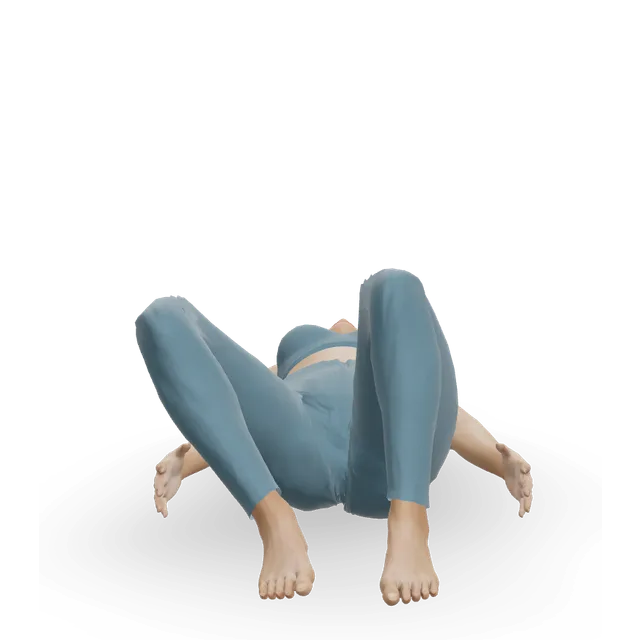
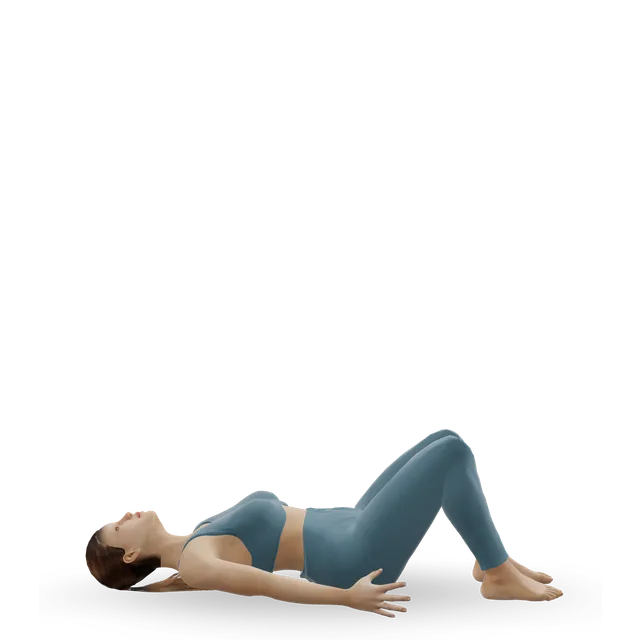
  1. Lie on your back with your knees bent and a pillow under your head, or sit upright.
  2. Rest your hands on the sides of your lower ribs, and keep your shoulders relaxed.
  3. Breathe in through your nose and let your ribs widen into your hands and your tummy rise gently.
  4. As you breathe out, gently draw in your lower tummy and lift your pelvic floor together, as if stopping wind.
  5. Relax everything as you breathe in again. Don't hold your breath or push down.
  6. Do 5 breaths, then move on to your other level 1 exercises.

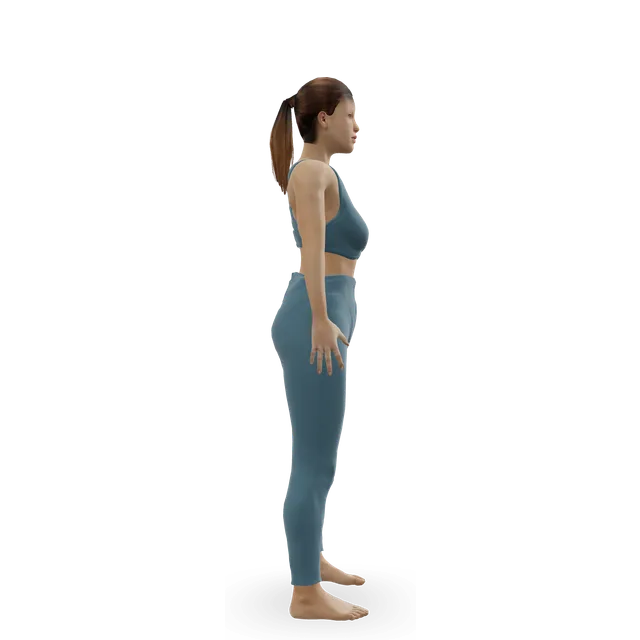
See the movement on the 3D figure: Lateral breathing (Pilates breathing)

Living with a stoma: core exercise, hernias and sport

Core rehabilitation for everyone

EXPASS says exercise is safe and essential for people with a stoma, and that specific core rehabilitation should be standard for everyone. It's the agreed view of 15 experts, including people living with a stoma, reached by formal voting; it isn't based on trials, and its authors say the best amount of exercise isn't known.

Sources 9, 39

The levels

EXPASS groups core exercises into levels. Move up only when the level you're on feels controlled, with no bulging or pressure:

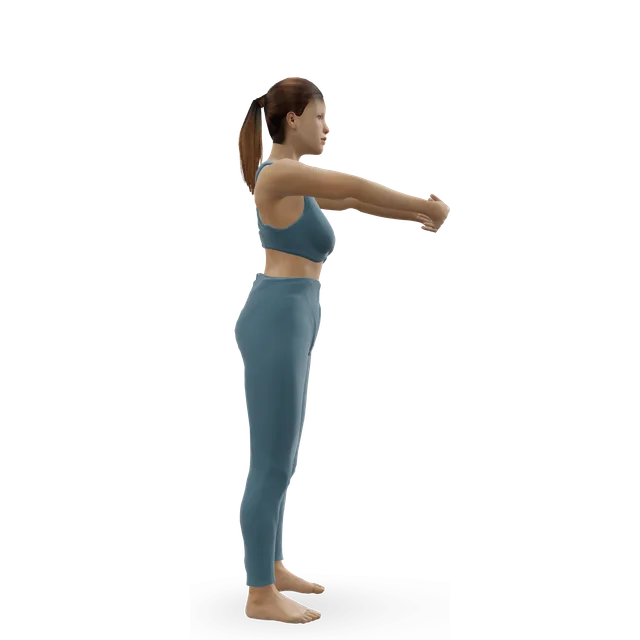
  • Level 1 (head and feet stay down): breathing, knee rolls, single leg slides, pelvic tilts, arm reaches overhead and knee drops.
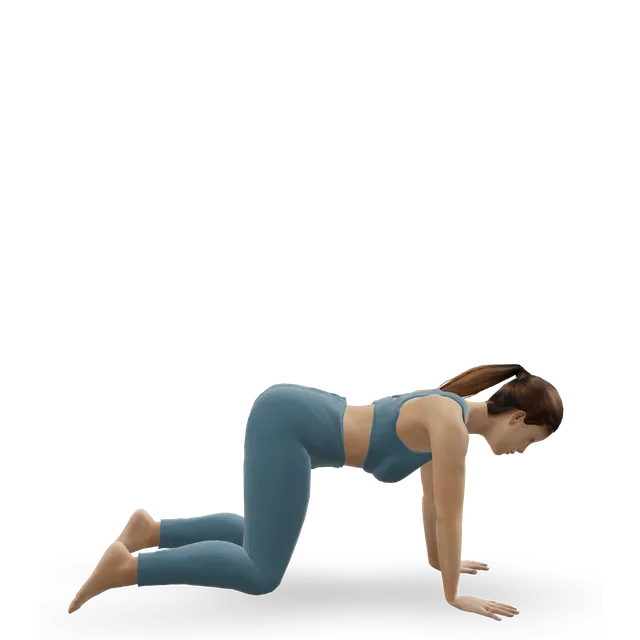
  • Level 2 (one foot may lift): breathing on all fours, single knee lifts, bridges, cat-cow, seated knee lifts, calf raises and mini squats.
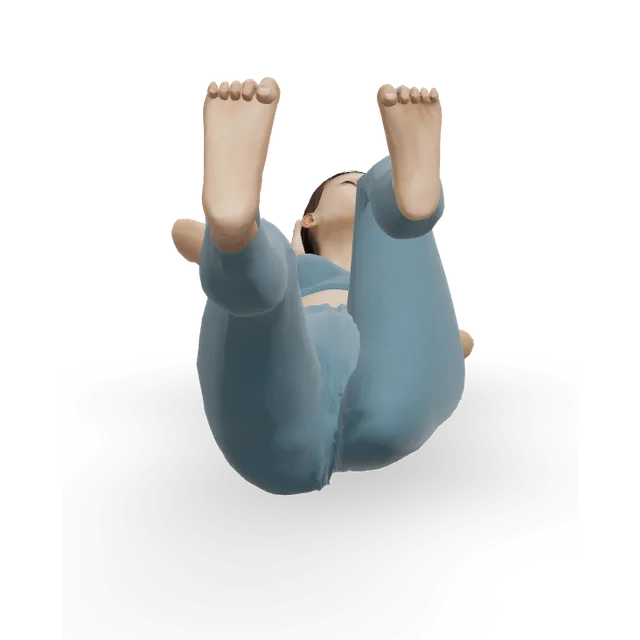
  • Level 3 (a small head lift or both feet up, not both): tabletop, dead bug, curl-ups, and planks and side planks on your knees.
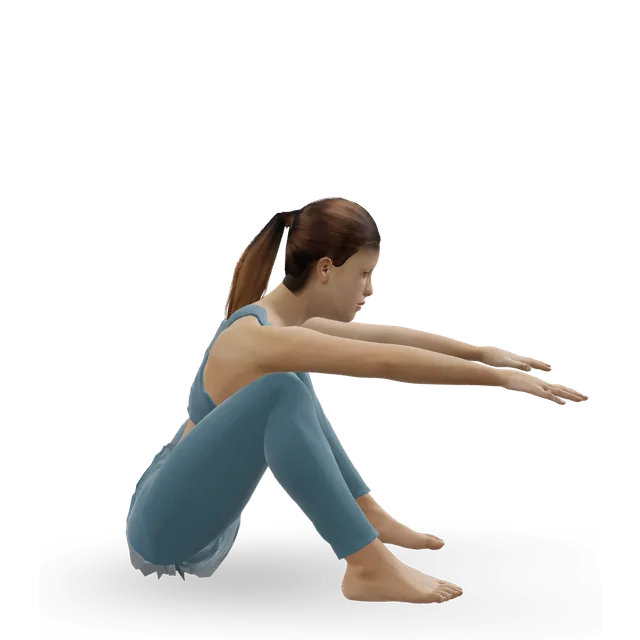
  • Levels 4 and 5: half roll-backs, planks on your hands or forearms, side planks on your feet, roll-ups, the hundred and the farmer's walk.
  • Advanced moves, such as Russian twists, V-sits, sit-ups, hanging leg raises, crunch machines and rollouts, come last and may not suit everyone.

Source 9

How often, and for how long

EXPASS says most people will benefit from keeping up specific core exercises for life, with Pilates or something similar 2 to 3 times a week; with a hernia, 2 to 3 sessions a week of 20 to 30 minutes. It's never too late to start: begin at level 1 and expect to move up faster.

Source 9

Check how your body responds

Ease back, or drop a level, if you notice any of these during or after exercise (EXPASS's self-check):

  • Doming or bulging around your stoma or across your tummy.
  • Pressure around your stoma, pelvic floor or bottom, or a pulling or tugging feeling at the stoma.
  • Your stoma pushing out further (prolapse), or swelling or a change in its shape afterwards.
  • Holding your breath or bearing down.
  • Soreness or tiredness that lasts more than 24 hours.

Source 9

What's normal

Some discomfort, tightness or pulling is normal after surgery. Try 3 or 4 repetitions, check again, and change the exercise rather than stopping altogether. Light muscle soreness 12 to 24 hours later is fine.

Source 9

Hernias next to a stomaEmerging evidence

Up to 1 in 3 people with a stoma get a parastomal hernia, where bowel pushes through the gap in the tummy muscles around the stoma; in a US survey of 443 people, 29.7% reported one, 40% of those with a colostomy and 24% of those with an ileostomy. Crohn's & Colitis UK suggests tummy-strengthening exercises, keeping a healthy weight and not smoking to lower the risk. Whether exercise prevents hernias isn't proven: people with hernias reported less exercise in the survey, which can't show cause, and a small study found a Pilates-based programme workable for people who already had a hernia or bulge.

Sources 10, 40, 41

If you think you have a hernia

Contact your stoma nurse, and keep active: EXPASS says harder core levels needn't be avoided if you can do them well without extra bulging. A support belt or girdle may help with comfort, and some hernias need surgery.

Sources 10, 9

Support belts and garments

There's no strong evidence that support wear prevents hernias, and EXPASS says it isn't needed for everyone when exercising. Many people find a belt, girdle or high-waisted leggings comfortable and reassuring, especially with a large hernia, but core exercise should come first. EXPASS advises against garments with a hole for the stoma, which give less support.

Sources 9, 1

Sport, swimming and contact sport

Most sports are possible with a stoma, including demanding and contact sports, though getting back to a high level can take many months after complex surgery. Your stoma nurse can tell you when you can play contact sports. EXPASS advises against dome-shaped stoma protectors, which could damage the tummy wall in a fall or impact, and suggests flatter guards or padding. Stoma bags are waterproof, and smaller bags, filter covers and swimwear made for stomas are available.

Sources 9, 10

Fluids with an ileostomy

An ileostomy loses more water and salt. Crohn's & Colitis UK suggests about 2 litres of fluid a day and about a teaspoon of salt a day in all, especially in hot weather. The BSG says drink more in hot weather or when you exercise, and that rehydration or sports drinks suit better than lots of plain water, tea or fruit juice. Contact your stoma nurse if you feel thirsty, dizzy or faint, or have tummy cramps or dark wee, and your hospital urgently if your output is over 2 litres a day for 3 days or more.

Sources 10, 7

With an internal pouch

After surgery to make an internal (J) pouch, your team will explain how your bowel is likely to work. The Ileostomy and Internal Pouch Association advises people with a pouch not to do pelvic floor squeezes unless their consultant recommends them, and in small studies, pelvic floor training before a temporary stoma was closed didn't reduce leaking afterwards.

Sources 42, 37, 43

Core exercises: levels 1 and 2

3 to 5 repetitions with 5 to 10 second holds, twice a day, building to no more than 10 (the York and Ileostomy Association leaflets). For knee rolls, keep your feet hip-width and the range small.

Core exercises: levels 3 to 5

Move up a level only when the one before feels controlled with no bulging. With a hernia, EXPASS suggests 2 to 3 sessions a week of 20 to 30 minutes.

Joints and back pain

Joint and back problems are common

In 71 studies, about 10% of people with IBD had inflammation of the joints at the base of the spine (sacroiliitis), 3% had ankylosing spondylitis and 13% had arthritis in other joints. Arthritis in fewer than 5 joints, mostly large leg joints, usually flares with the gut; arthritis in 5 or more joints, mostly in the upper body, tends to run its own course.

Sources 44, 35, 7

Back pain that needs checking

The BSG says back pain that started before 45, has lasted more than 3 months, gets better with exercise but not with rest, is worse in the second half of the night, or comes with morning stiffness of more than 30 minutes should lead to an MRI scan and a referral to a rheumatologist. Specialist assessment and physiotherapy can prevent long-term disability; our ankylosing spondylitis guide has a daily routine.

Source 7

Exercise for your joints

Crohn's & Colitis UK says exercise can help joint problems and boost your energy. Try different types, and different times of day, such as the morning after getting up, when stiffness tends to be worst. Medicines and physiotherapy help too.

Source 35

Painkillers

For joint pain linked to IBD, the BSG recommends controlling the gut inflammation, physiotherapy and simple painkillers. Short courses of anti-inflammatory painkillers (NSAIDs) such as ibuprofen are probably safe in remission, but longer use, or use during active disease, can make IBD worse, and the NHS says don't take them unless a doctor recommends them.

Sources 7, 12, 2

Other causes of joint pain

Joint pain can also come from coming off steroids, medicines such as azathioprine, osteonecrosis or infection. A joint that suddenly becomes red and swollen, with a high temperature, can be septic arthritis, a medical emergency that is more likely if you take medicines that suppress the immune system.

Source 35

Spine and hip moves

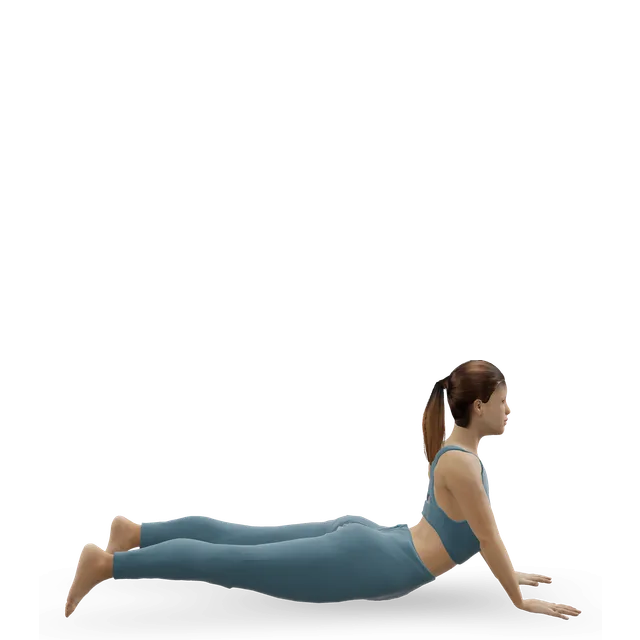
Daily and slowly: about 8 repetitions, or 2 holds of 30 seconds for the hip stretch (as in our ankylosing spondylitis guide). Skip prone press-ups if they send pain down a leg.

The pelvic floor

Pelvic floor trainingEmerging evidence

In small studies of people with quiet IBD, pelvic floor training, sometimes with biofeedback, helped about two in three people who found it hard to empty their bowels and four in five who had leaking. With an internal pouch, only do these exercises if your consultant recommends them.

Sources 43, 37

Pelvic floor moves

Squeezes: 8 slow holds of up to 10 seconds and 8 quick squeezes, 3 times a day, the dose UK pelvic health physiotherapists suggest. If emptying is hard, learn to relax the muscles first.

Workouts to follow

After surgery, start with the core routine, then move on to Pilates for back pain and beginner Pilates. Leave the bone-strengthening workout, which includes heel drops, swings and deadlifts, until the core levels are well under way, and follow the osteoporosis guide's limits if your bones are thin.

Core exercises after bowel or stoma surgery

A gentle 20-minute core routine for the weeks after bowel or stoma surgery: breathing, tummy and pelvic floor work lying down, then chair and standing moves.

20 minBeginner14 movesA bench or box, A wall

Pilates for back pain (gentle routine)

A gentle 15-minute Pilates-based routine for ongoing low back pain, built from neutral-spine moves with options for backs that dislike bending or arching.

15 minBeginner10 movesNo equipment

Beginner Pilates workout

A 20-minute mat Pilates workout for complete beginners. It covers breathing, spine position and the foundation moves, each with an easier option.

20 minBeginner13 movesNo equipment

10-minute starter workout

A 10-minute session for low-energy days: marching, sit-to-stands, wall push-ups, step-ups and bridges, then a short walk. Doing a little counts.

10 minBeginner7 movesA bench or box, A wall

Beginner home workout

A gentle 20-minute beginner home workout with a chair, a wall and a band: sit-to-stands, wall push-ups, band rows, step-ups and dead bugs.

20 minBeginner11 movesA bench or box, A wall

Easy cardio workout

A steady 30 to 45 minute cardio session at talk-but-not-sing pace: walk, cycle, row or cross-train, counting toward weekly activity guidelines.

40 minBeginner3 movesCardio machine, A wall

Low-impact cardio workout (no jumping)

A 25-minute standing cardio circuit with no jumping: marching, step jacks, sit-to-stands, punches, step-ups and wall push-ups, with a seated option for most moves.

25 minBeginner9 movesA bench or box, A step

Build-up interval walk

A 25-minute walk with short faster bouts: notice your heart and breathing speed up, then settle. A gentle way to get used to the feelings of effort.

25 minBeginner5 movesCardio machine, A wall

Bone-strengthening workout

Impact, strength and balance for stronger bones, following UK osteoporosis consensus advice, with options for every level.

40 minBeginner14 movesA kettlebell, Other / check instructions

Strength and balance workout

Strength and balance in one session: squats, Romanian deadlifts, push-ups, rows, step-ups, back extensions, carries and single-leg balance.

45 minBeginner14 movesA wall, A dumbbell

Chair Pilates workout

A 20-minute chair Pilates workout for beginners and older adults: breathing, sitting tall, gentle spine and leg moves, and a standing finish at the chair.

20 minBeginner14 movesA bench or box, Something with weight

Daily exercises for ankylosing spondylitis

A 20-minute daily routine for ankylosing spondylitis and axial spondyloarthritis: breathing, neck, upper and lower back, spinal extension, hips and posture.

20 minBeginner15 movesA wall

Daily pelvic floor workout

A 5-minute daily pelvic floor workout for women and men: slow holds and quick squeezes, three times a day, with how to find the right muscles.

5 minBeginner2 movesNo equipment

Breathing exercises to relax

A 6-minute breathing routine: slow breathing, crocodile breathing, alternate nostril breathing, box breathing and 4-7-8 breathing.

6 minBeginner5 movesNo equipment

Plans to follow

For structure once you're in remission; the plan for women over 50 focuses on strength and bone.

Warning signs: when to get help

Call 999 or go to A&E (911 in the US)

Don't drive yourself; ask someone to drive you or call an ambulance, and bring your medicines. Go now if:

  • You have severe tummy pain.
  • You're bleeding non-stop from your bottom.
  • There's a lot of blood, or large blood clots, when you poo.
  • You're vomiting blood or poo, or your sick looks like coffee grounds or soil.

Source 2

Ask for an urgent GP appointment or call NHS 111

  • Very bad diarrhoea or bloody diarrhoea, or poo that is black or dark red.
  • A high temperature, or feeling hot, cold or shivery.
  • A fast heartbeat.
  • You can't fart or poo.
  • A joint that suddenly becomes red and swollen, with a high temperature.

Sources 2, 12, 35

With a stoma

  • Ileostomy output of more than 2 litres a day for 3 days or more: contact your hospital urgently.
  • Thirst, tummy cramps, dizziness or faintness, or dark wee: contact your stoma nurse.
  • Less output than usual, feeling sick or bloated, and tummy pain can mean a blockage: if the pain gets worse or you're sick, go to A&E.
  • A new bulge around your stoma: contact your stoma nurse.
  • After exercise, a swollen or pale stoma, a change in output, a bigger bulge, or pain around your stoma or scar that lasts 24 hours: get medical advice if it doesn't settle.

Sources 10, 9

After surgery

Throbbing pain and swelling in one leg, usually the calf or thigh, can be a blood clot: ask for an urgent GP appointment or call NHS 111, and call 999 if you're also short of breath or have chest pain.

Source 38

See your GP or IBD team

  • Your symptoms are getting worse or your treatment isn't helping.
  • Back pain that has lasted more than 3 months and gets better with exercise but not rest.
  • New hip, groin or knee pain, especially if you take steroids.
  • Fatigue that doesn't lift, so the causes can be checked.
  • You've had a fall or worry about your balance; call 999 after a fall if you may have hurt your head, neck, back or hip, or can't get up.

Sources 12, 7, 29, 34

Steroids

Don't stop taking steroids without talking to your doctor: if you've taken them for more than 3 weeks or at a high dose, they usually need to be reduced gradually.

Source 28

Stop exercising and call 999 (911 in the US)

  • Chest pain that feels tight or like squeezing, or spreads to your arms, neck or jaw.
  • Severe difficulty breathing.
  • Someone has passed out and isn't responding normally.

Source 45

If your mood is low

The NHS lists depression and anxiety among the complications of ulcerative colitis, and our anxiety and depression guides can help. If you are thinking about suicide or can't keep yourself safe, call 999 or go to A&E. For urgent help, call Samaritans free on 116 123, any time, or in England call 111 and select the mental health option. In the US, call or text 988.

Source 2

Myths

"Exercise sets off flares"Emerging evidence

In small trials, mostly in people in remission, exercise didn't set off flares, though a 2022 review counted 2 flares in one running trial. In a study that followed 1,857 people, the more active were less likely to have a flare of Crohn's disease. Very long efforts are different: walking 30 to 50 km a day for 4 days raised Crohn's symptom scores.

Sources 3, 5, 6, 22

"With a stoma you can't play sport or lift weights"Emerging evidence

The UK stoma nurses' recommendations say most sports are possible with a stoma, including contact sports and competition, and that people shouldn't be discouraged from strength training. Timing depends on your surgery and recovery, and your stoma nurse can advise on contact sports.

Sources 9, 10

"Never lift more than a kettle after stoma surgery"Mixed evidence

Short-term limits are common advice for the first weeks or months, but EXPASS says the evidence doesn't support a fixed weight limit, and that avoiding lifting altogether creates fear and can hold back recovery. Follow your own team at first, then learn to lift with good breathing and core control.

Sources 1, 11, 9

"A support belt will stop you getting a hernia"Emerging evidence

There's no strong evidence that support wear prevents hernias. It's a personal choice for comfort, and core exercise comes first.

Source 9

"Core exercises cause hernias"Emerging evidence

Crohn's & Colitis UK suggests tummy-strengthening exercises to lower the risk, EXPASS says core work may reduce the chance of a hernia or of one getting worse, and a Pilates-based programme was workable for people who already had one. Leave out sit-ups and double leg raises early on, and build up through the levels.

Sources 10, 9, 41

"If you're on steroids, avoid impact and weights"Strong evidence

It's the other way round: the BSG advises regular muscle-building and weight-bearing exercise such as weight training or running, and NOGG recommends combining weight-bearing and strengthening exercise. Follow our osteoporosis guide's limits if your bones are already thin.

Sources 7, 33, 8

"IBD is just a bad case of IBS"Strong evidence

They're different conditions: IBD is inflammation of the gut, treated with medicines and sometimes surgery. About 3 in 10 people with IBD in remission do get IBS-type symptoms.

Sources 12, 2, 15

Questions people ask

Is it safe to exercise with Crohn's disease or colitis?

Yes, for most people. Crohn's & Colitis UK says it's safe, and exercise can help fatigue and mood. Most research is in people in remission or with mild disease, so build up gradually and go gently when you're unwell.

Can exercise cause a Crohn's or colitis flare?

In small trials, mostly in people in remission, exercise didn't set off flares, though a review counted 2 flares in one running trial, and in a large study more active people had fewer flares. Very long efforts are different: walking 30 to 50 km a day for 4 days raised Crohn's symptom scores. Build up gradually, and leave very long events until a flare has settled.

Should I exercise during a flare?

Scale back rather than stop if you feel able: short walks, gentle stretching and breathing, and plenty to drink if you have diarrhoea. Rest when you need to. Get medical advice for bloody diarrhoea, a high temperature, a fast heartbeat or severe tummy pain rather than exercising through it.

What is the best exercise for Crohn's and colitis?

Whatever you'll keep doing, plus strength work. Walking 30 minutes 3 times a week improved quality of life in Crohn's disease, supervised running 3 times a week improved social wellbeing in mild to moderate IBD, and interval cycling was manageable in quiet Crohn's disease. Aim for 150 minutes a week and strength exercises on 2 days.

Can exercise help Crohn's fatigue?

It may. In one trial, 6 months of impact and strength training reduced fatigue in people with Crohn's disease, though the evidence overall is thin. Ask your team to check for anaemia, low iron, vitamin D or B12, thyroid problems and active disease first, and see a GP if small efforts leave you crashing a day or two later.

Does Crohn's disease affect your bones?

It can: 35% to 40% of people with IBD have low bone density, and steroids speed up bone loss. Weight-bearing and strength exercise help, and in 47 adults with Crohn's disease, 6 months of impact and strength training improved spine bone density and muscle strength.

Can I lift weights with Crohn's or colitis?

Yes. The British Society of Gastroenterology suggests weight training or running for people who need steroids. After bowel surgery, rebuild your core first, then start with lighter weights you can lift 12 to 15 times, breathing out on the effort.

When can I exercise after bowel or stoma surgery?

Gentle breathing and core exercises can usually start within a day or so, along with walking a little more each day, aiming for 30 minutes a day by 2 to 3 months. A hospital leaflet suggests swimming or cycling after 2 to 3 months, and harder sport can take several months. Your surgical team or stoma nurse will tailor the timing.

How can I prevent a parastomal hernia?

Up to 1 in 3 people with a stoma get one, and no way of preventing them is proven. Crohn's & Colitis UK suggests tummy-strengthening exercises, keeping a healthy weight and not smoking, and the UK stoma nurses' recommendations add learning to lift with good breathing and core control. A support belt is optional; contact your stoma nurse if you notice a bulge.

Can I swim or play contact sports with a stoma?

Yes, for most people. Stoma bags are waterproof, and smaller bags, filter covers and stoma swimwear are available. Your stoma nurse can tell you when contact sports are safe, and you could wear a support belt or girdle for heavier activity if it helps.

Why does my back hurt with Crohn's or colitis?

IBD is linked with inflammation of the spine and of the joints at its base: about 1 in 10 people have sacroiliitis. Back pain that started before 45, has lasted over 3 months, eases with exercise but not rest and is worse in the second half of the night needs a GP and a rheumatology assessment. Our ankylosing spondylitis guide has a daily routine.

How much should I drink when exercising with an ileostomy?

Aim for about 2 litres of fluid a day, more in hot weather or when you exercise, with a little extra salt. Rehydration or sports drinks replace salt better than lots of plain water. Contact your stoma nurse if you feel dizzy or thirsty or have dark wee, and your hospital urgently if your output is over 2 litres a day for 3 days.


Sources

  1. Crohn's & Colitis UK · Being active with Crohn's or Colitis

  2. NHS · Ulcerative colitis
  3. Jones 2022 · Structured exercise in adults with inflammatory bowel disease: 15 studies (systematic review and meta-analysis, PLOS One)
  4. Oketola 2023 · Physical activity in quiet or mildly active inflammatory bowel disease: 8 trials (meta-analysis, Journal of the Canadian Association of Gastroenterology)
  5. Klare 2015 · Ten weeks of running in 30 people with inflammatory bowel disease (RCT, Digestion)
  6. Jones 2015 · Exercise and later active disease in 1,857 people with inflammatory bowel disease in remission (cohort study, Inflammatory Bowel Diseases)
  7. Lamb 2019 · British Society of Gastroenterology consensus guidelines on inflammatory bowel disease in adults (guideline, Gut)
  8. Jones 2020 · Impact and resistance training in 47 adults with stable Crohn's disease (RCT, Alimentary Pharmacology and Therapeutics)
  9. Russell 2025 · EXPASS: exercise and physical activity after stoma surgery (expert consensus recommendations, Association of Stoma Care Nurses UK)
  10. Crohn's & Colitis UK · Life with a stoma
  11. NHS · Recovering from an ileostomy
  12. NHS · Crohn's disease
  13. King 2020 · Inflammatory bowel disease in the UK, 2000 to 2018 (national primary care study, Alimentary Pharmacology and Therapeutics)
  14. Butler 2025 · The 2025 BSG guidelines on inflammatory bowel disease, part 1: Crohn's disease (guideline review, Frontline Gastroenterology)
  15. Crohn's & Colitis UK · Fatigue
  16. Kasznár 2026 · Physical activity and quality of life in inflammatory bowel disease: 21 studies (meta-analysis, Journal of Cachexia, Sarcopenia and Muscle)
  17. Ng 2007 · Low-intensity walking in 32 people with Crohn's disease (RCT, Clinical Journal of Sport Medicine)
  18. Tew 2019 · High-intensity intervals and steady cycling in 36 adults with Crohn's disease (pilot RCT, BMC Gastroenterology)
  19. Seeger 2020 · Endurance and muscle training in 45 people with Crohn's disease (RCT, United European Gastroenterology Journal)
  20. Cronin 2019 · Aerobic and resistance exercise in 20 inactive adults with inflammatory bowel disease in remission (crossover RCT, BMC Gastroenterology)
  21. Baker 2022 · Exercise and markers of inflammation in inflammatory bowel disease (meta-analysis, PLOS One)
  22. Lamers 2021 · Four days of long walks in 18 people with inflammatory bowel disease (controlled study, Scandinavian Journal of Gastroenterology)
  23. Robinson 1998 · Low-impact exercise and bone density in 117 people with Crohn's disease (RCT, Gastroenterology)
  24. Farrell 2020 · Interventions for fatigue in inflammatory bowel disease: 14 studies (Cochrane review)
  25. Butler 2025 · The 2025 BSG guidelines on inflammatory bowel disease, part 2: ulcerative colitis (guideline review, Frontline Gastroenterology)
  26. NHS · Physical activity guidelines for adults aged 19 to 64
  27. Tew 2016 · Physical activity habits and limits in 859 people with inflammatory bowel disease (online survey, Inflammatory Bowel Diseases)
  28. NHS · Steroids
  29. Crohn's & Colitis UK · Bones
  30. NICE NG129 · Crohn's disease: management
  31. Wang 2026 · Inflammatory bowel disease and the risk of fractures: 11 cohort studies (meta-analysis, Frontiers in Endocrinology)
  32. Hao 2024 · Osteoporotic fractures in inflammatory bowel disease (meta-analysis, Advances in Clinical and Experimental Medicine)
  33. Gregson 2025 · The 2024 UK clinical guideline for the prevention and treatment of osteoporosis (NOGG guideline, Archives of Osteoporosis)
  34. NHS · Falls
  35. Crohn's & Colitis UK · Joints
  36. York and Scarborough Teaching Hospitals NHS Foundation Trust · Recovering from major abdominal surgery: physiotherapy advice and exercise guide
  37. Ileostomy and Internal Pouch Association 2018 · Exercises for ostomates
  38. NHS · DVT (deep vein thrombosis)
  39. ASCN UK 2025 · EXPASS quick reference guide (Association of Stoma Care Nurses UK)
  40. Park 2023 · Parastomal hernia and exercise in 443 people with a stoma (survey, Diseases of the Colon and Rectum)
  41. Munro 2023 · HALT: an activity programme for people with a parastomal hernia or bulge (feasibility study, Pilot and Feasibility Studies)
  42. NICE NG130 · Ulcerative colitis: management
  43. Khera 2019 · Pelvic floor muscle training for bowel symptoms in inflammatory bowel disease (systematic review, JGH Open)
  44. Karreman 2017 · Spondyloarthritis in inflammatory bowel disease: 71 studies (meta-analysis, Journal of Crohn's and Colitis)
  45. NHS · Heart attack

Exercise education, not a diagnosis or treatment plan, and clinical review of these guides is pending. Stop and get advice for chest pain, unusual breathlessness, dizziness or fainting, or new pain, and check with your doctor or midwife first if they have told you to limit activity. Health disclaimer.