Does exercise help IBS?
For many people, yes, though the evidence is weak. In a review of 11 trials, being more active improved IBS symptoms compared with usual care, but the certainty was very low, and in the largest trial far fewer active people got worse over 12 weeks. NICE and the NHS include physical activity in their first advice for IBS.
What is the best exercise for IBS?
There's no single best one. Walking, jogging, cycling, swimming and yoga were all tested, and yoga and walking did about as well as each other. Choose something you enjoy, and build towards 150 minutes a week plus strength work on 2 days.
Can exercise make IBS worse?
Gentle and moderate exercise rarely does: in the largest trial, people who became more active were less likely to get worse. Long, hard sessions, especially running in the heat, can upset anyone's gut. If a session seems to set you off, make it shorter or gentler and look at what you eat and drink before it.
Is yoga good for IBS?
It helps some people, but it isn't proven. Small trials found benefits, a 2025 review of 11 trials found no clear difference from control groups, and yoga did about as well as walking and as a low-FODMAP diet. If you enjoy it, a beginners' class twice a week is closer to what the trials used than a list of poses.
What exercises help with IBS bloating and gas?
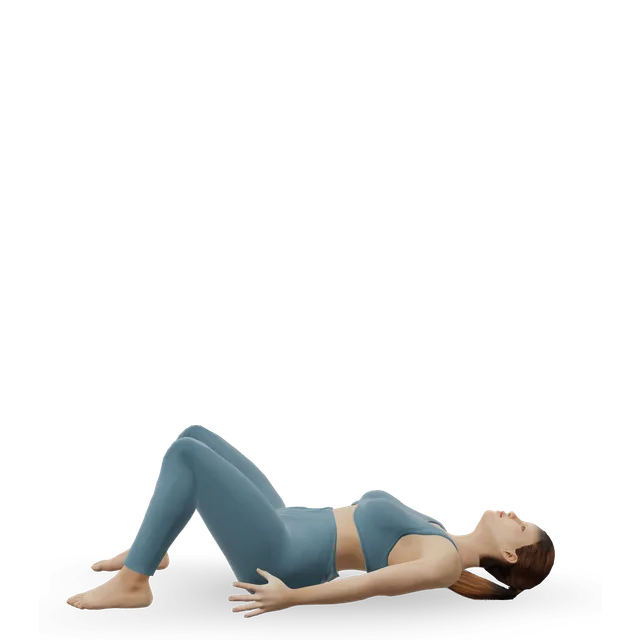
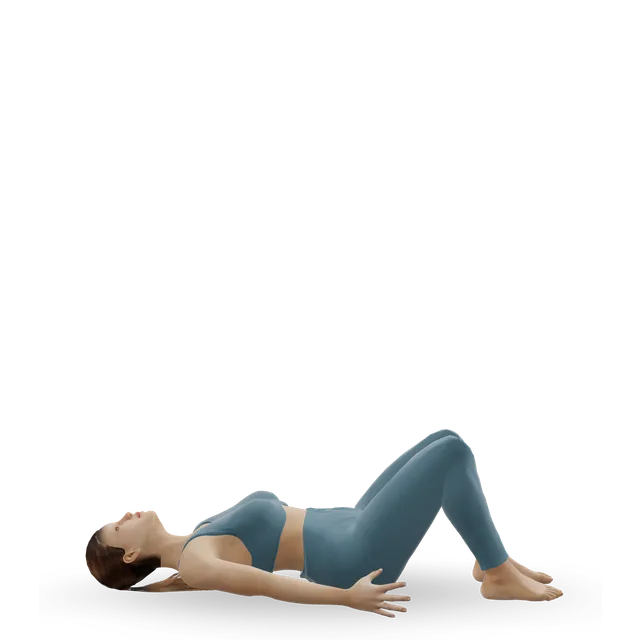
Gentle movement helps trapped wind move on: in a small study, light pedalling reduced the gas people held on to and eased their bloating, so a walk after meals is worth trying. If your tummy visibly swells after meals, retraining the diaphragm reduced it in two trials. When you're bloated, poses on your back or standing are usually more comfortable than lying face down.
Is walking good for IBS?
Yes. Walking was the most common activity among people who kept their improvement 5 years after the Swedish trial, and the NHS says a daily walk or run can help you poo more regularly. It's easy to plan around toilets and to build up gradually.
How can I exercise with IBS-D or urgency?
Choose routes and venues with toilets, go before you start, and carry a free Can't Wait card or a RADAR key for locked accessible toilets. Home workouts or a gym treadmill keep a toilet close. If you leak or can't hold on, ask a GP about specialist help, where pelvic floor exercises and bowel retraining can help.
Why do I get diarrhoea or stomach cramps when I run?
Runner's gut is common in everyone, not just people with IBS: 30% to 50% of endurance athletes get gut symptoms. Blood flow to the gut drops during hard exercise, running jostles the gut, and fibre, fat, very concentrated drinks, dehydration and anti-inflammatory painkillers make it worse. Build up gradually, practise what you eat and drink, and get any blood in your poo checked.
Do breathing exercises help IBS?
They're a good way to relax, and NICE asks people with IBS to make time to relax, but a small trial of slow breathing on its own didn't change IBS symptoms. Retraining the diaphragm helps a tummy that visibly swells after meals. Talking therapies designed for IBS have much stronger evidence.
Does exercise help IBS with constipation?
It may: in one trial, an exercise programme improved constipation, and in people with constipation generally, exercise helped in small, mixed-quality trials. Add soluble fibre such as oats or linseeds, drink plenty, don't strain, and rest your feet on a low stool on the toilet.
How much exercise should I do with IBS?
Build up towards at least 150 minutes of moderate activity a week, the kind where you can talk but not sing, plus strength exercises on 2 days. Most trials used 20 to 60 minutes, 3 to 6 times a week, so give a new routine about 12 weeks before you judge it.
When should I see a doctor about IBS?
See a GP if you've had symptoms for more than 4 weeks. Get an urgent appointment or call 111 if you've lost a lot of weight for no reason, are bleeding from your bottom or have bloody diarrhoea, find a lump in your tummy, or are short of breath with palpitations and pale skin. New bowel changes after 40, diarrhoea that wakes you at night or a fever also need checking, even if you've been diagnosed with IBS.