Exercise guide

Exercises for ankylosing spondylitis: daily stretches, posture, breathing and strength

Exercise is one of the main treatments for ankylosing spondylitis (AS) and axial spondyloarthritis (axial SpA), alongside medicines. AS back pain usually eases with movement and gets worse with rest, and in trials, exercise programmes improved function, pain and disease activity compared with no exercise. The gains are real but modest, and no treatment can undo fusion that has already happened.

This guide turns the programme the National Institute for Health and Care Excellence (NICE) recommends into a 20-minute daily routine for your spine, posture and breathing. It then covers how much cardio and strength to add, what a trial of hard exercise found, how to adapt for flares and a stiff or fused spine, and the warning signs that need urgent help.

The short version

Exercise is part of the treatment

International recommendations from the Assessment of SpondyloArthritis international Society and the European Alliance of Associations for Rheumatology (ASAS-EULAR) say people with axial SpA should be encouraged to exercise regularly, and NICE recommends a structured programme set by a specialist physiotherapist. The National Axial Spondyloarthritis Society (NASS) calls exercise "the single most important thing you can do to help yourself".

Sources 1, 2, 3

The benefit is real and modest

In a review of 14 trials with 1,579 people, exercise programmes improved everyday function by about 1.3 points and disease activity by about 0.9 points on 0 to 10 scales, and pain by about 2 points, compared with no exercise. Spinal movement improved only a little, and the evidence for that is weak.

Source 4

Every day, plus cardio and strength

Do some stretching and mobility work every day, covering your whole spine, your posture and your breathing. Add about 150 minutes a week of cardio, such as walking, cycling or swimming, and strength exercises on at least 2 days a week.

Sources 5, 2, 6, 7

Hard exercise is fine for most people

In 100 people with active axial SpA, 3 months of supervised hard intervals and strength training reduced disease activity and inflammation and improved function and heart health. The gains in tiredness and mood had faded a year later, by which time most people had stopped training.

Sources 8, 9

Protect a stiff or fused spine

Spinal fractures are more common with AS, though estimates of how much more vary widely between studies, and a fused spine can break even after a minor injury. See a health professional after any fall or knock, especially if your pain increases. NASS's safety advice (in the copy of its website archived in October 2025) is to talk to your physiotherapist before contact sport.

Sources 10, 11, 1, 2, 12

Know the red flags

Go to A&E or call 999 (911 in the US) for numbness around your genitals or bottom, weakness or numbness in both legs, or new problems controlling your bladder or bowels. A painful red eye, sensitivity to light or blurred vision needs an eye assessment the same day.

Sources 6, 2, 13

Ankylosing spondylitis and axial SpA

What it is

AS is a long-term condition in which the spine and other parts of the body become inflamed. It's a type of axial SpA in which the changes in the spine show on an X-ray; in non-radiographic axial SpA they don't (though they can sometimes show on an MRI scan), but the symptoms and treatment are similar. Over time, the inflammation can lead to new bone growth, and in some people parts of the spine join up (fuse) and lose flexibility.

Sources 14, 15

Symptoms

It usually starts between 18 and 40. Back pain and stiffness are the main symptoms: the pain gets better with exercise but not with rest, is worse in the morning and at night, and can affect the buttocks. Other joints such as the hips and knees can be inflamed, as can the places where tendons attach, such as the heel, the top of the shin and where the ribs join the breastbone, which can make deep breaths painful. Tiredness is common, and some people also have eye inflammation (iritis), psoriasis or inflammatory bowel disease.

Source 16

Getting diagnosed

Our back pain guide covers the many other causes of back pain. NICE asks GPs to refer people to a rheumatologist if their low back pain started before 45 and has lasted more than 3 months, and they have 4 or more of these:

  • The back pain started before 35.
  • It wakes them in the second half of the night.
  • Buttock pain.
  • It improves with movement.
  • It improves within 48 hours of taking anti-inflammatory painkillers (NSAIDs).
  • A parent, brother, sister or child with spondyloarthritis.
  • Arthritis, now or in the past.
  • Inflammation where tendons attach (enthesitis), now or in the past.
  • Psoriasis, now or in the past.

Source 2

The HLA-B27 gene

More than 8 in 10 people with AS carry a gene variant called HLA-B27, but so do about 8 in 100 people in general, and most of them never get AS. A blood test for it can help, but it doesn't confirm or rule out AS on its own.

Source 15

How common it is, in women and men

Axial SpA affects about 0.3% to 1.4% of people. NICE says it "affects a similar number of women as men", though more men develop the form that shows on X-rays. The exercise trials were about 70% men, but nothing in the evidence suggests women and men should exercise differently.

Sources 9, 2, 4

Stiffness and posture

Most people with AS stay fully independent or only mildly affected in the long term. Some develop severely restricted movement in the spine, usually the lower back, where the bones have fused, and their posture can become fixed in one position.

Source 6

Breathing

When the places where the ribs join the breastbone are inflamed, deep breaths can hurt and the chest may not expand fully. Limited chest expansion is one of the signs doctors look for.

Sources 16, 17

Bones

Osteoporosis can develop in the spine, and the risk of spinal fractures rises the longer you have AS. NICE suggests considering a bone density check every 2 years; new bone growth can make spine readings look falsely high, so hip readings may be more reliable.

Sources 6, 2

Heart and circulation

Across observational studies, people with AS had higher odds of a heart attack (about 1.6 times) and a stroke (about 1.5 times). The NHS advises stopping smoking, losing excess weight, and regular exercise: "150 minutes of exercise a week can greatly improve your health".

Sources 18, 6

Medicines and other treatment

Anti-inflammatory painkillers (NSAIDs) come first. If symptoms aren't controlled, biological medicines such as anti-TNF (tumour necrosis factor) medicines, or newer tablets called JAK inhibitors, can help. Steroid injections can ease a single inflamed joint, and surgery is sometimes needed for a damaged hip or, rarely, the spine. Exercise adds benefit on top of medicines.

Sources 1, 5

What the evidence says

Exercise compared with no exerciseEmerging evidence

A 2019 Cochrane review pooled 14 trials with 1,579 people (70% men, average age 45), mostly 12-week programmes of strength, flexibility, stretching and breathing exercise, usually alongside medicines. Compared with no exercise, function improved by 1.3 points and disease activity by 0.9 points on 0 to 10 scales (moderate-certainty evidence), and pain by 2.1 points (low certainty), the one change big enough for people to notice. Spinal movement and tiredness improved a little, but that evidence is very uncertain.

Source 4

Exercise compared with usual careEmerging evidence

When people who exercised were compared with people having usual care, the differences were small: function 0.4 points and pain 0.5 points better (moderate certainty), and disease activity 0.7 points (low certainty). Possible harms couldn't be judged, because few were reported.

Source 4

Supervised and group exerciseEmerging evidence

An older Cochrane review of 11 trials (763 people) found that exercising at home or with supervision was better than no exercise (low-quality evidence), and that supervised group physiotherapy did a little better than exercising at home (moderate quality). ASAS-EULAR says supervised exercise is more effective than home exercise, and that people keep going more when they're supervised.

Sources 19, 1, 20

High-intensity trainingEmerging evidence

In a Norwegian trial, 100 people with active axial SpA did 3 months of high-intensity training (hard 4-minute intervals and strength work, 3 times a week, 2 sessions supervised) or carried on as usual; 97 of the 100 finished. Disease activity scores fell (by 0.6 and 1.2 points), and inflammation, function and heart health improved. The authors say this "debunks concerns that high intensity exercise might exacerbate disease activity". Tiredness, mood and general health improved at 3 months but not at 12, when 40% were still exercising regularly.

Sources 8, 9

Moderate cardioEmerging evidence

In 106 people with AS (40% women), 12 weeks of individually monitored moderate cardio, 3 times a week on top of a weekly flexibility class, improved fitness. Overall disease activity didn't change significantly, though pain in joints outside the spine did.

Source 21

Does exercise slow fusion?Mixed evidence

No trial has shown that exercise prevents or reverses fusion, and spinal movement changed little in the trials. The NHS says treatment as a whole can help delay the condition's progress. Whether very heavy loads or excessive exercise could speed up damage hasn't been studied: ASAS-EULAR lists it as a research question.

Sources 4, 14, 1

Heart attack and strokeStrong evidence

In a meta-analysis of observational studies, people with AS had 1.6 times the odds of a heart attack and 1.5 times the odds of a stroke. Regular exercise is one way to lower that risk, alongside not smoking and treating blood pressure and cholesterol.

Sources 18, 6

Your daily routine

What NICE's programme includes

NICE recommends referral to a specialist physiotherapist for an individual, structured programme of stretching, strengthening and posture exercises, deep breathing, spinal extension (bending backwards), range of movement exercises for the lower, middle and upper back and the neck, and aerobic exercise. Ask your rheumatology team for a referral.

Source 2

Every day, 10 to 20 minutes

The NHS says some daily stretching and exercise is important, even if you swim or play sport. 10 to 20 minutes covers it (our editorial time). If mornings are stiff, NASS's safety advice suggests exercising later in the day.

Sources 5, 12

How it should feel

Move within a comfortable range. NASS says mild aches while you exercise are normal and should ease off once you've finished; if more than mild aches follow, get advice. Expect good days and bad days.

Source 12

Posture

NICE includes posture exercises in its programme, NASS lists posture control among the main aims of exercise, and NASS suggests keeping a good posture in every exercise: "The mirror is your friend."

Sources 3, 12, 2

Breathing

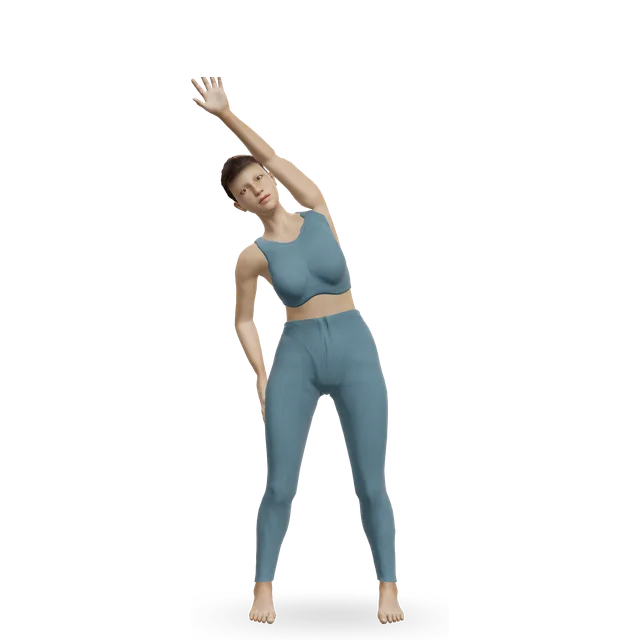
Inflammation where the ribs join the breastbone can make deep breaths painful. NICE includes deep breathing in its programme, and NASS lists lung capacity as an aim. Rib-expansion breathing and arm reaches with the breath fit into a daily routine (our editorial choice).

Sources 16, 2, 3

Spine mobility and extension

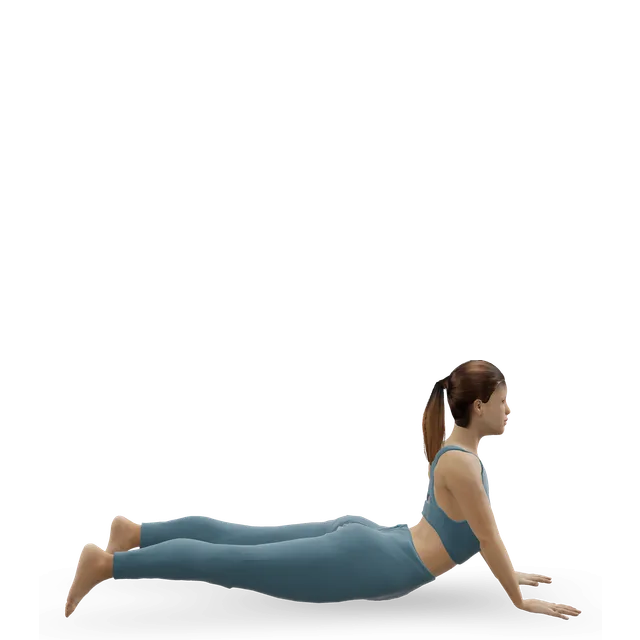
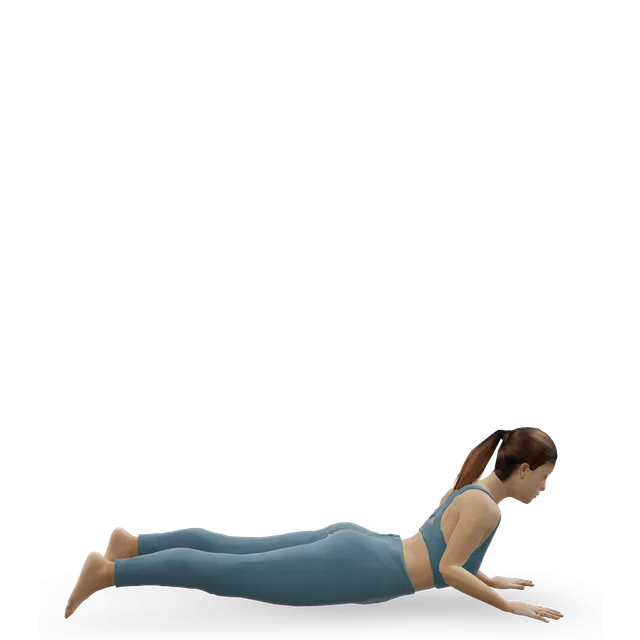
Every day, slowly and within a comfortable range: about 8 slow repetitions, or 3 holds of 30 seconds for the sphinx (our editorial starting point). Skip prone press-ups if they send pain down a leg.

Neck and posture

Chin tucks: 10 holds of 5 seconds. Wall angels and Y-T-W raises: 8 slow repetitions, in whatever range you have. Keep your elbow at or below shoulder height in the chest stretch.

Hips

2 holds of 30 seconds on each side, to a mild stretch. Pad your knee in the hip flexor stretch.

Breathing

5 slow breaths each, filling your lower ribs. Sitting or standing is fine.

Cardio and strength: how much

Cardio: 150 minutes a week

At least 150 minutes a week of moderate activity, such as brisk walking, cycling or swimming, spread across the week, or 75 minutes of vigorous activity. Moderate means you can talk but not sing.

Sources 6, 7

Strength: at least 2 days a week

Work all the major muscle groups on at least 2 days a week. NICE includes strengthening in its programme.

Sources 7, 2

How heavy

NASS's general advice (in its safety page as archived in October 2025) is low weights and high repetitions. In the Norwegian trial, people lifted the most they could manage 8 to 10 times, for 2 to 3 sets, with supervision, and it was safe. Our editorial starting point: 12 to 15 repetitions with a light weight, moving on to heavier sets with input from a physiotherapist or trained instructor, especially if your spine is fused or your bones are thin.

Sources 12, 9

Harder intervals, if you're cleared

The trial's cardio was a 10-minute warm-up, then 4 bursts of 4 minutes at 90% to 95% of maximum heart rate with 3 easier minutes between, twice a week, plus a longer session at home. Pain up to 5 out of 10 was allowed if it settled by the next day. People were screened first, and one person with chest pain switched to moderate exercise after seeing a cardiologist.

Source 9

Swimming and hydrotherapy

NICE suggests considering hydrotherapy (exercise in a warm pool) alongside exercise for pain and function. The NHS says swimming or sport "is usually fine, although some daily stretching and exercise is also important". In one trial, a spa-based exercise course followed by group physiotherapy did better than group physiotherapy alone.

Sources 2, 5, 19

Classes and supervision

Supervised exercise does a little better than exercising alone, and helps people keep going. A physiotherapist can set your programme, and NASS runs exercise sessions through its local branches.

Sources 1, 19, 3

Strength

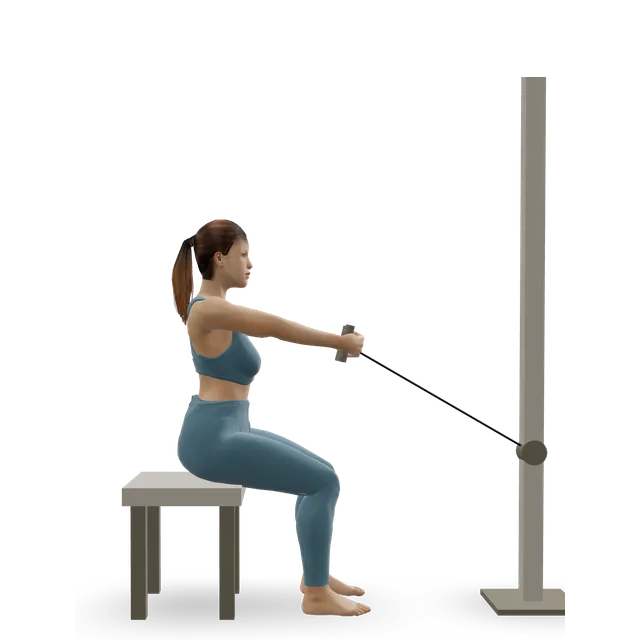
2 days a week: 2 to 3 sets of 12 to 15 with a light weight to start (our editorial reading of NASS's low weights, high repetitions advice). Keep a long spine, and swap sit-ups for planks and bird dogs.

Cardio and balance

Build towards 150 minutes of cardio a week, at a pace where you can talk but not sing. Swimming counts too. For balance, 2 to 3 holds of 20 to 30 seconds on each leg, beside a counter.

Flares

Keep moving, more gently

NICE says a flare plan should include self-care such as exercises and stretching. NASS suggests checking with a health professional before starting a new programme during a flare, and notes that many people prefer to avoid high-impact sport during one.

Sources 2, 12

A flare plan: our editorial suggestion

Keep your daily routine going at a smaller range, swap impact for swimming or cycling, drop the weights for a few days, and build your strength sessions back up over a week or two.

After a steroid injection

The NHS says to rest the joint for up to 48 hours after a steroid injection.

Source 5

Flares that keep coming back

Flares that keep coming back or don't settle, or flares while you're taking biological medicines, need advice from your specialist team.

Source 2

A stiff or fused spine, and your bones

Spinal fractures are more common

In a large UK primary care study, people with AS had about 3 times the odds of a spinal fracture, and a review of 6 studies put it at about 4 times. Both estimates are very uncertain: the plausible range runs from about 1 to 7 times. Hip and forearm fractures weren't clearly more common. The NHS says the risk rises the longer you have AS.

Sources 10, 11, 6

After a fall or knock

NICE says people with axial SpA may be prone to fractures and should see a health professional after a fall or injury, particularly if their pain increases. ASAS-EULAR warns that with a fused spine, a fracture is more likely "even with a minor trauma" and usually has a worse outcome. Our advice: get new or worse neck or back pain after a fall checked the same day.

Sources 2, 1

Contact sport and impact

NASS's safety advice says contact sports can break thin bones or a stiff or fused spine, so discuss them with your physiotherapist. High-impact sport such as running can bring on a flare in some people: if you already run, watch your symptoms and be ready to change what you do, and get advice before starting. The NHS also says to check with your physiotherapist or rheumatologist before taking up a new sport.

Sources 12, 5

Falls: our editorial advice

With a fused spine or osteoporosis, avoid activities with a high chance of falls or blows to the head and neck, such as contact sport, horse riding, skiing or trampolining. Use handrails, and practise balance.

Sources 2, 1

Bones, and moves to swap

If you have osteoporosis, our osteoporosis guide covers bone-building exercise. With low bone density or a fused spine, swap sit-ups, toe touches and loaded forward bends for back extensions, planks and hip hinges, and skip yoga poses that load the neck, such as headstands, shoulderstands and plough (our editorial advice).

Sources 2, 6

Workouts to follow

Do the daily routine every day, and add 2 strength sessions and your cardio through the week. The Norwegian 4x4 intervals are for people cleared to train hard, and not during a flare. With osteoporosis or a fused spine, skip the foam roller in the upper back routine unless a physiotherapist has cleared it.

Daily exercises for ankylosing spondylitis

A 20-minute daily routine for ankylosing spondylitis and axial spondyloarthritis: breathing, neck, upper and lower back, spinal extension, hips and posture.

20 minBeginner15 movesA wall

Kyphosis exercises for seniors: a spine-strengthening routine

A 30-minute routine for a rounded upper back in later life, built from the SHEAF trial: floor back-strengthening, posture practice and gentle mobility.

30 minBeginner13 movesA bench or box, A wall

Upper back mobility routine

A 12-minute routine for a stiff upper back and rounded shoulders: chin tucks, wall angels, Y-T-W raises and open books.

12 minBeginner8 movesA foam roller, A wall

Easy cardio workout

A steady 30 to 45 minute cardio session at talk-but-not-sing pace: walk, cycle, row or cross-train, counting toward weekly activity guidelines.

40 minBeginner3 movesCardio machine, A wall

Low-impact cardio workout (no jumping)

A 25-minute standing cardio circuit with no jumping: marching, step jacks, sit-to-stands, punches, step-ups and wall push-ups, with a seated option for most moves.

25 minBeginner9 movesA bench or box, A step

20-minute full-body strength workout

A 20-minute full-body dumbbell workout: two supersets of squats, rows, Romanian deadlifts and push-ups. Twice a week covers the minimum dose.

20 minBeginner8 movesA dumbbell, A bench or box

Full-body gym workout A

A beginner full-body gym workout: goblet squats, dumbbell bench press, lat pulldowns, Romanian deadlifts and dead bugs, with sets, reps and rest.

45 minBeginner12 movesCardio machine, A band

Norwegian 4x4 interval workout

The Norwegian 4x4, a well-studied interval session for raising VO2 max: four 4-minute hard efforts with 3 easy minutes between, on a bike, rower or treadmill.

40 minIntermediate3 movesCardio machine, A wall

Balance exercises routine

Balance practice in 10 minutes: tandem stance, single-leg stands, marches, heel walks, tree pose and floor transfers.

10 minBeginner7 movesA wall, A bench or box

Warning signs: when to get help

Go to A&E or call 999 (911 in the US)

Go to A&E or call 999 if you have AS and develop any of these. The first four are signs of cauda equina syndrome, a rare complication where the nerves at the bottom of the spine are squeezed:

  • Sciatica in both legs.
  • Weakness or numbness in both legs that is severe or getting worse.
  • Numbness around or under your genitals, or around your bottom.
  • Difficulty starting to pee, or being unable to pee or control it, or not noticing you need to poo or being unable to control it, when that isn't normal for you.
  • Loss of vision.

Sources 6, 13

After a fall or knock

See a health professional, especially if your pain is new or worse: with a fused spine, a minor injury can break a bone. Our editorial advice is to get checked the same day, and to call 999 and keep still if you have numbness, tingling or weakness in your arms or legs, or can't move normally.

Sources 2, 1

The same day: eye symptoms

NICE asks for an eye assessment the same day for symptoms of eye inflammation (uveitis), such as eye pain, redness, sensitivity to light or blurred vision. The NHS says to ask for an urgent GP appointment or contact NHS 111; untreated, it can cause the loss of some or all of your vision.

Sources 2, 13, 6

See a GP

  • Back pain and stiffness that have lasted more than 3 months, especially if they started before 45, wake you in the second half of the night, or improve with movement or anti-inflammatory painkillers.
  • Symptoms of inflammatory bowel disease: tummy pain or cramps, recurring or bloody diarrhoea, weight loss or extreme tiredness.

Sources 14, 2, 6

Check with a health professional before a new programme

NASS's safety advice (as archived in October 2025) suggests checking first if you:

  • Haven't exercised for a while, are over 65, or have had axial SpA for more than 10 years.
  • Have fusions in your spine, osteoporosis, a joint replacement or spinal surgery.
  • Are in a flare, are pregnant, or have other medical conditions.
  • Have chest pain, palpitations, unexplained breathlessness or dizziness, have lost consciousness, or take medicines for your heart or blood pressure.

Sources 12, 5

Stop and get advice

Seek medical advice if you feel faint, short of breath, dizzy or unwell, or get chest pain you're not used to, while you're exercising.

Source 12

Myths

"Rest your back when it hurts"Strong evidence

AS back pain typically gets better with exercise and doesn't improve, or gets worse, with rest. Exercise is part of the treatment in every guideline.

Sources 16, 1, 2

"Medicines do the work, so exercise doesn't matter"Strong evidence

NASS: "To manage your axial SpA well it's not enough to rely on medication. You also need to exercise." ASAS-EULAR says exercise has benefits independent of medicines, and most people in the trials were already taking them.

Sources 3, 1, 4

"Hard exercise will flare AS"Emerging evidence

In 100 people with active axial SpA, 3 months of hard intervals and strength training reduced disease activity and inflammation. What can bring on a flare in some people is high impact, such as running, rather than hard effort itself. Build up gradually, and get advice first if your spine is fused or your bones are thin.

Sources 8, 12

"Exercise will stop my spine fusing"Mixed evidence

No trial has shown that. Spinal movement changed little in the trials, and the NHS says damage that has already happened can't be reversed, though treatment as a whole can help delay the condition's progress. Exercise is for movement, posture, pain, function and your heart.

Sources 4, 14

"AS is a man's disease"Strong evidence

NICE says axial SpA affects a similar number of women as men, even though more men develop the form that shows on X-rays. The exercise advice is the same for everyone.

Sources 2, 9

"Weights are off-limits with AS"Emerging evidence

Strengthening is part of NICE's programme, and in the Norwegian trial, supervised squats, deadlifts and presses were safe. NASS's general advice is lighter weights and more repetitions; build up with a physiotherapist's input if your spine is fused or your bones are thin.

Sources 2, 9, 12

"Swimming is all you need"Strong evidence

Swimming is a good choice, but the NHS says some daily stretching and exercise is also important. NICE's programme includes stretching, strengthening, posture work, deep breathing and aerobic exercise.

Sources 5, 2

Questions people ask

What are the best exercises for ankylosing spondylitis?

A mix of daily stretching and mobility for your whole spine, posture and spinal extension work, deep breathing, strength training and aerobic exercise: the programme NICE asks specialist physiotherapists to set. Compared with no exercise, programmes like this improved function, pain and disease activity in a review of 14 trials. The best exercise is one you'll keep doing.

How much exercise should I do with ankylosing spondylitis?

Some stretching and mobility work every day, at least 150 minutes a week of moderate activity such as brisk walking, cycling or swimming, and strength exercises on at least 2 days a week. Build up gradually, and exercise later in the day if your mornings are stiff.

What exercises should I avoid with ankylosing spondylitis?

Nothing is off-limits for everyone, but contact sports can break thin or fused bones, so discuss them with your physiotherapist first. High-impact sport such as running can bring on a flare in some people. With a fused spine or osteoporosis, swap sit-ups and loaded forward bends for back extensions and planks, and avoid activities with a high chance of falls.

Can I lift weights or go to the gym with AS?

Yes. In a trial of 100 people with axial SpA, supervised squats, deadlifts, presses and rows, plus hard intervals, were safe and reduced disease activity. NASS's general advice is lighter weights and more repetitions with good posture, and it's worth a physiotherapist's advice first if your spine is fused or your bones are thin.

Is running bad for ankylosing spondylitis?

Not for everyone. NASS says running and other high-impact sport put extra stress on the leg joints and spine and can bring on a flare in some people, so if you already run, watch your symptoms and be ready to change what you do. Get a physiotherapist's advice before you start, and consider swimming or cycling during a flare.

Is swimming good for ankylosing spondylitis?

Yes, swimming and exercise in a warm pool suit many people, and NICE suggests considering hydrotherapy alongside exercise for pain and function. The NHS says swimming is usually fine, but some daily stretching and exercise is also important, so add your daily routine and strength work.

Does exercise really help ankylosing spondylitis?

Yes, modestly. Compared with no exercise, programmes improved function by about 1.3 points and disease activity by about 0.9 points on 0 to 10 scales, and pain by about 2 points. Supervised group exercise did a little better than exercising alone.

Can exercise stop my spine fusing?

No trial has shown that exercise prevents or reverses fusion, and spinal movement improved only a little in the trials. The NHS says treatment as a whole can help delay the condition's progress, and keeping active helps your posture and range of movement. Exercise also helps pain, function, fitness and your heart.

Should I exercise during an ankylosing spondylitis flare?

Keep moving gently: NICE's flare plan includes exercises and stretching. Keep your daily routine going at a smaller range, swap impact for swimming or cycling, and build your strength work back up over a week or two. See your specialist team if flares keep coming back or don't settle.

Do breathing exercises help ankylosing spondylitis?

Inflammation where the ribs join the breastbone can make deep breaths painful and stop your chest expanding fully. NICE includes deep breathing in its exercise programme, and NASS lists lung capacity as an exercise aim. Rib-expansion breathing and arm reaches with the breath fit into a daily routine.

Is yoga good for ankylosing spondylitis?

Yoga can fit if it combines mobility, strength and breathing, which are parts of NICE's programme, but the trials pooled many types of exercise, so there's no strong evidence for yoga in particular. With a fused spine or osteoporosis, skip poses that load the neck, such as headstands, shoulderstands and plough.

When is back or neck pain an emergency with ankylosing spondylitis?

Go to A&E or call 999 (911 in the US) for numbness around your genitals or bottom, weakness or numbness in both legs, sciatica in both legs, or problems controlling your bladder or bowels. After a fall or knock, see a health professional, ideally the same day, especially if your pain is new or worse, because a fused spine can break after a minor injury. A painful red eye, sensitivity to light or blurred vision needs an eye check the same day.


Sources

  1. Ramiro 2023 · ASAS-EULAR recommendations for the management of axial spondyloarthritis: 2022 update (Annals of the Rheumatic Diseases)
  2. NICE NG65 · Spondyloarthritis in over 16s: diagnosis and management
  3. National Axial Spondyloarthritis Society (NASS) · Exercise (copy archived 12 October 2026, when the live site was unavailable)
  4. Regnaux 2019 · Exercise programmes for ankylosing spondylitis: 14 trials (Cochrane review)
  5. NHS · Ankylosing spondylitis: treatment
  6. NHS · Ankylosing spondylitis: complications
  7. NHS · Physical activity guidelines for adults aged 19 to 64
  8. Sveaas 2020 · High-intensity exercise and disease activity in 100 people with axial spondyloarthritis (RCT, British Journal of Sports Medicine)
  9. Sveaas 2020 · High-intensity exercise, fatigue, sleep and mood in axial spondyloarthritis (secondary analysis of an RCT, Physical Therapy)
  10. Vosse 2009 · Ankylosing spondylitis and the risk of fracture (UK primary care case-control study, Annals of the Rheumatic Diseases)
  11. Zhang 2017 · Ankylosing spondylitis and the risk of any, hip or spinal fracture: 6 studies (meta-analysis, Medicine)
  12. National Axial Spondyloarthritis Society (NASS) · Safety first: tips to help you exercise safely (copy archived 9 October 2025, when the live site was unavailable)
  13. NHS · Uveitis
  14. NHS · Ankylosing spondylitis
  15. NHS · Ankylosing spondylitis: causes
  16. NHS · Ankylosing spondylitis: symptoms
  17. NHS · Ankylosing spondylitis: diagnosis
  18. Mathieu 2015 · Heart attacks and strokes in ankylosing spondylitis (meta-analysis, Seminars in Arthritis and Rheumatism)
  19. Dagfinrud 2008 · Physiotherapy interventions for ankylosing spondylitis: 11 trials (Cochrane review)
  20. Ortolan 2023 · Non-drug treatments for axial spondyloarthritis, the review behind the 2022 ASAS-EULAR update (systematic review, Annals of the Rheumatic Diseases)
  21. Niedermann 2013 · Cardiovascular training in 106 people with ankylosing spondylitis (RCT, Arthritis Care and Research)

Exercise education, not a diagnosis or treatment plan, and clinical review of these guides is pending. Stop and get advice for chest pain, unusual breathlessness, dizziness or fainting, or new pain, and check with your doctor or midwife first if they have told you to limit activity. Health disclaimer.