Breathing & recovery
Core exercises with a stoma: levels 3 and 4
Based on levels 3 and 4 of the UK stoma nurses' recommendations (EXPASS). Move on to it when the first routine (levels 1 and 2) feels easy with no doming or bulging around your stoma: usually somewhere between 6 and 16 weeks after surgery, or later if your recovery is slower. Do it 2 to 3 times a week for 20 to 30 minutes. Breathe out on the effort, never hold your breath, and go back a level if you notice doming, pressure or pulling. This routine is expert advice, not a tested programme.
Breathe and connect (on your back, knees bent)
- Beginner · Abs · 3D demoBreathe in to widen your lower ribs; breathe out and gently draw in your lower tummy and pelvic floor togetherHarder: Roll-up (Pilates)
- Beginner · Glutes, Abs, Hamstrings · 3D demoTilt, then peel up into a bridge as you breathe out, and roll down slowlyHarder: Glute bridge
- Knee fold5 each sideBeginner · Abs, Hip flexors · 3D demoFloat one knee up to a right angle and back down, keeping your pelvis stillEasier: Supine heel slideHarder: Dead bug heel taps



Level 3: a small head lift or both feet up, not both
- Dead bug heel taps5 to 8 each sideBeginner · Abs, Hip flexors · 3D demoBoth knees up at right angles, head down. Lower one heel to tap the floor as you breathe outEasier: Bent-knee fall-outHarder: Forearm plank
- Beginner · Abs, Neck · 3D demoFeet down. Nod and curl your head and shoulders up a little as you breathe out. Stop at any domingHarder: Single-leg stretch (Pilates one leg stretch)
- Knee plank3 holds of 10 to 20 sBeginner · Abs, Shoulders, Glutes · 3D demoOn your knees. The stoma nurses' version uses straight arms; forearms are fine tooHarder: Forearm plank
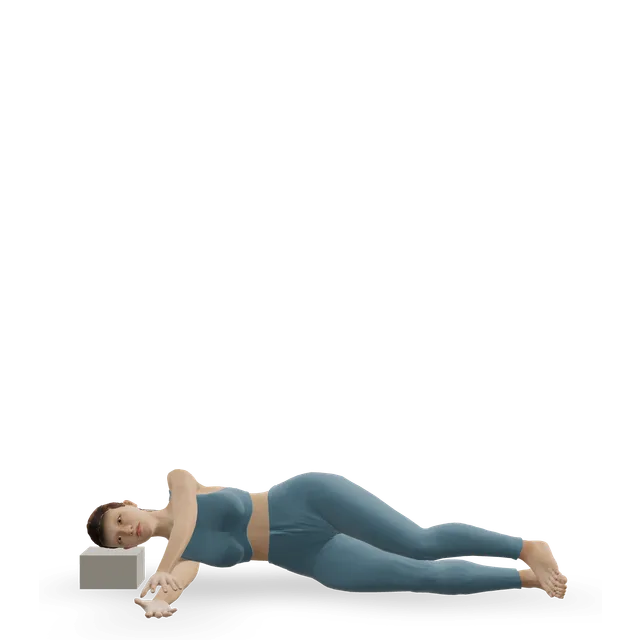
- Knee side plank2 holds of 10 to 20 s each sideBeginner · Abs, Hip abductors, Shoulders · 3D demoHarder: Side plank
- Dead bug5 to 8 each sideBeginner · Abs, Hip flexors · 3D demoWhen heel taps are easy: reach the opposite arm and leg away, head still downEasier: Dead bug heel tapsHarder: Forearm plank





Level 4 (when level 3 is easy with no doming)
- Knee hover (Pilates tabletop hover)3 to 5 holds of 5 to 10 sBeginner · Abs, Shoulders, Quads · 3D demoOn hands and knees, lift both knees a few centimetres. Keep breathingHarder: Straight-arm plank (high plank)
- Beginner · Abs, Hip flexors · 3D demoRoll back only as far as you can control, then roll upHarder: Roll-up (Pilates)
- Straight-arm plank (high plank)3 to 5, no holdIntermediate · Abs, Shoulders, Chest · 3D demoStep back into a plank on straight arms and straight back down. Level 5 adds holdsEasier: Knee hover (Pilates tabletop hover)Harder: Leg pull front (Pilates leg pull down)
- Side plank2 holds of 10 s each sideIntermediate · Abs, Hip abductors, Shoulders · 3D demoEasier: Knee side plankHarder: Side plank with leg lift
- Single-leg stretch (Pilates one leg stretch)6 to 10 switchesIntermediate · Abs, Hip flexors, Neck · 3D demoHead and shoulders up, one knee in, the other leg long. Keep the long leg higher if your tummy domesEasier: Chest lift (Pilates curl-up)Harder: Single straight-leg stretch (Pilates scissors)
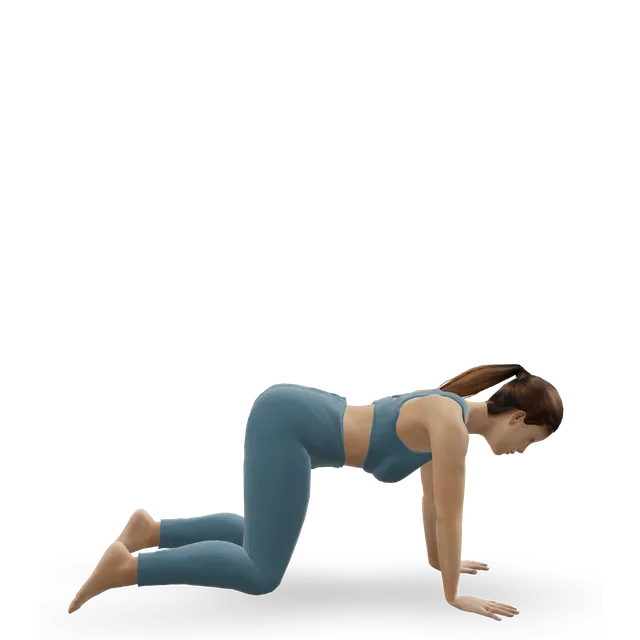
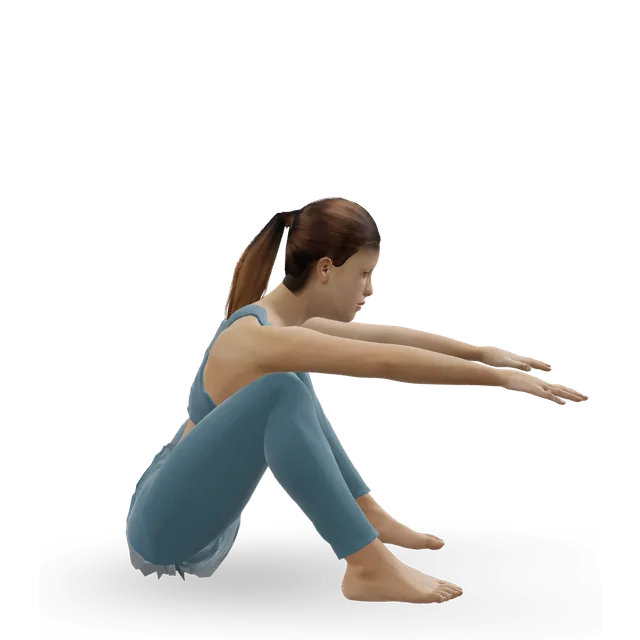
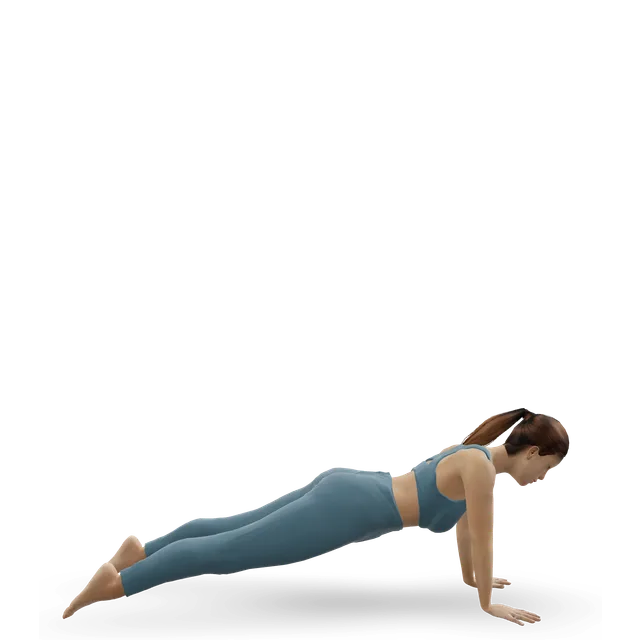


Finish
- Cat-cow4 to 6 slow repsBeginner · Back, Abs · 3D demoHarder: Half lord of the fishes (Ardha Matsyendrasana)

Tips
- Do this 2 to 3 times a week for 20 to 30 minutes, on top of daily walking.
- Check yourself as you go: ease off or go back a level for doming or bulging, pressure around your stoma, pelvic floor or bottom, pulling, a stoma that pushes out, breath holding, or soreness lasting more than 24 hours. Light soreness 12 to 24 hours later is fine.
- If something feels uncomfortable, try 3 or 4 repetitions, then check again.
- Empty your bag before you start.
- With a parastomal hernia, you can still do these levels if you can do them well without extra doming; a support garment is a personal choice.
- Next comes level 5 (the hundred, roll-ups, the bicycle, longer planks and the farmer's walk), in the beginner Pilates workout. Keep 2 to 3 core sessions a week going for life.
- Leave out sit-ups, double leg raises and other advanced moves unless your stoma nurse or physiotherapist says they suit you.
- Get advice for a blockage, a big change in your stoma output, a swollen or pale stoma, or a bulge that's getting bigger.
The doses are suggested starting points, not a prescription. Choose a range you can control and stop for sharp or increasing pain, numbness or tingling. Get individual advice after an injury or surgery, or if you are pregnant or managing a health condition.
Guides that recommend it
Find more moves like these
More breathing & recovery




Bedtime stretch routine
A slow, 10-minute floor routine to unwind before sleep: child's pose, twists, happy baby and slow breathing.
10 minBeginner7 movesFirm cushion, A wall



Breathing exercises to relax
A 6-minute breathing routine: slow breathing, crocodile breathing, alternate nostril breathing, box breathing and 4-7-8 breathing.
6 minBeginner5 movesNo equipment
Postnatal exercises
A gentle 25-minute routine for the first weeks after birth: pelvic floor, breathing, tummy and hip exercises on the floor, sit-to-stands and a walk.
25 minBeginner12 movesA bench or box, Cardio machineQuestions people ask
How long does the core exercises with a stoma: levels 3 and 4 take?
About 25 minutes, including any warm-up and cool-down listed. Shorten it by doing fewer rounds; lengthen it by adding one.
What equipment do I need?
No equipment: your body and some floor space. A mat makes floor work more comfortable.
Is it suitable for me?
It is written at intermediate level. 6 of its 14 moves have an easier option listed beside them; use them freely.
How do I make it easier or harder?
Use the easier or harder option listed under each move, change the number of rounds, or adjust the rest. Progress one change at a time.