When can I exercise after a hysterectomy?
Walk from the day after your operation, build up from short walks at home, and start gentle pelvic floor and tummy exercises in the first days. For low-impact exercise, the RCOG's trackers suggest 2 to 4 weeks after keyhole or vaginal surgery, while POGP's 2017 booklet suggests 6 to 12 weeks after any gynaecological surgery. Your surgical team's advice comes first.
How much should I walk after a hysterectomy?
Start with short, steady walks close to home a couple of times a day, adding a little as it feels comfortable. The RCOG says many women can walk for 30 to 60 minutes after 2 or 3 weeks. Rest when you're tired, but keep walking every day.
When can I lift after a hysterectomy?
The RCOG says lift only light things, such as a 1-litre bottle of water, for the first 1 to 2 weeks, and nothing heavy, including children, until 3 to 4 weeks, or 4 to 6 weeks after a pelvic floor repair. POGP's booklet says avoid heavy lifting for up to 6 weeks. Follow your surgical team, and when you do lift, bend your knees, hold the load close and tighten your pelvic floor.
When can I do ab or core exercises after a hysterectomy?
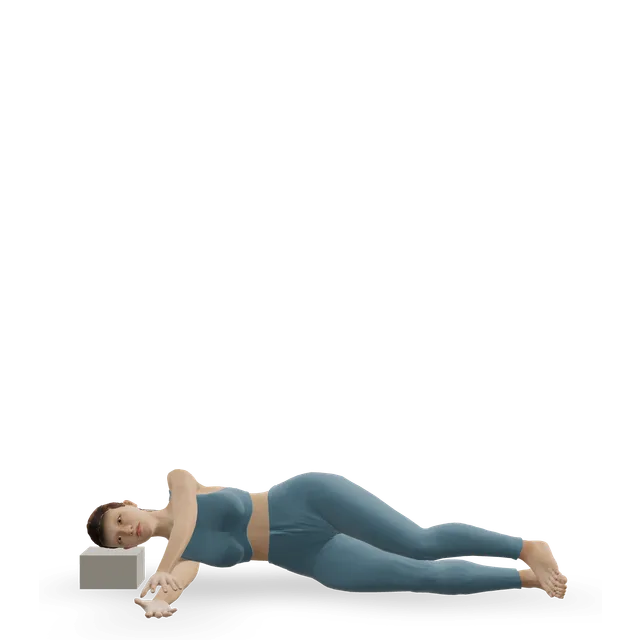
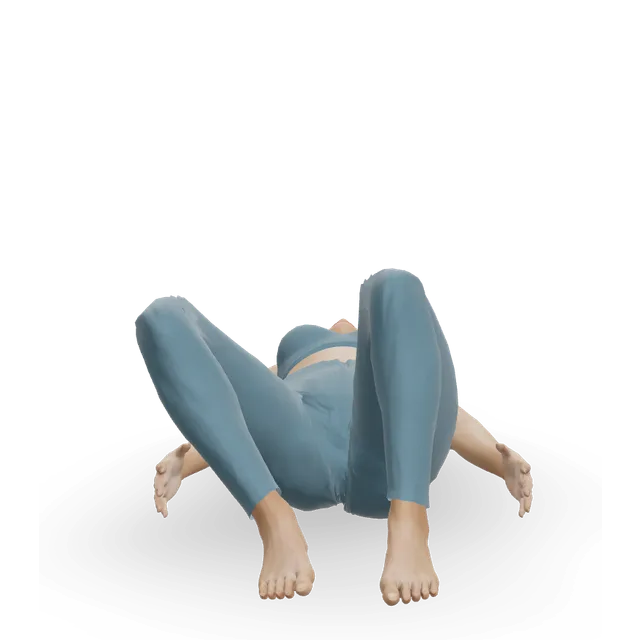
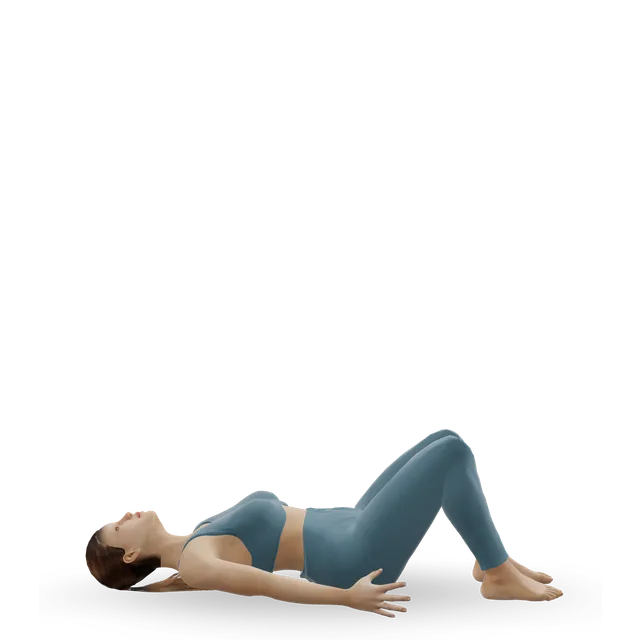
Gentle ones from the first days: a deep tummy draw-in, pelvic tilts, knee rolls and heel slides, then knee lifts, knee fall-outs and bridges as those get easy. Leave sit-ups, double leg raises and planks until your tummy has healed, and ease back if your scar pulls or your tummy bulges. POGP's booklet puts low-level Pilates in its 6 to 12 week stage.
Do I need pelvic floor exercises after a hysterectomy?
Yes. The RCOG and POGP advise starting once your catheter is out, building up to 10 long and 10 short squeezes at least 3 times a day, and keeping them up for life. In trials after a hysterectomy, training improved sexual function, while its effect on leaking and prolapse is less clear.
When can I swim after a hysterectomy?
Once vaginal bleeding and discharge have stopped and your wounds have healed. The RCOG says this is usually within 2 to 3 weeks (2 to 4 after a pelvic floor repair), while POGP's booklet puts swimming in its 6 to 12 week stage. Ask your surgical team if you're unsure.
When can I run or go back to the gym after a hysterectomy?
Start with low-impact exercise, such as cycling or a cross-trainer, when your team or the timings above allow. The RCOG says contact and power sports should wait at least 6 weeks; POGP's booklet says high-impact exercise such as running should wait at least 3 months. Build up gradually, and drop back if you notice heaviness, leaking or bleeding.
How long does recovery take after a keyhole or vaginal hysterectomy?
Usually less time than after an abdominal hysterectomy: in trials, women got back to normal activities about 11 to 13 days sooner. The RCOG says most women are back to their previous activity levels within 4 to 6 weeks if they build up gradually. The inside heals more slowly than the scars suggest.
When can I drive after a hysterectomy?
When you're free of drowsiness from painkillers and can wear a seatbelt comfortably, work the controls, look over your shoulder and do an emergency stop without pain: often 2 to 6 weeks, depending on your operation. Never within 24 hours of a general anaesthetic, and check your insurance policy.
When can I go back to work after a hysterectomy?
The RCOG says some women are fit for work 2 to 3 weeks after keyhole or vaginal surgery, or 3 to 4 weeks after abdominal surgery, and many are back at normal work after 4 to 6 or 6 to 8 weeks respectively. Heavy manual work takes longer, and a phased return with shorter hours helps. You don't need your GP's permission to go back.
Will a hysterectomy make me gain weight?
Not much on average: in one study, women gained 1.36 kg in the year after surgery against 0.61 kg in women who didn't have one, a difference that could be chance. If your ovaries were removed, the menopause starts straight away, and staying active and eating well both help.
Can a hysterectomy cause a prolapse?
It can raise the chance later, but it's uncommon: prolapse needing surgery was about 1% by 3 years and 5% by 15 years in one large study, more often in women who had a prolapse before. Pelvic floor exercises and avoiding straining help. See a GP for a bulge or dragging feeling in your vagina.