How do I get abs?
Do two things at once: build the six-pack muscle with hard ab sets 2 or 3 times a week, and slowly lose the fat that covers it by eating a little less and moving more. Ab exercises alone don't remove belly fat. Keep training your whole body, eat enough protein, and give it months.
How long does it take to get abs?
It depends almost entirely on how much fat you have to lose, so nobody can give you a date. At the NHS's aim of 0.5 to 1 kg a week, losing 5 kg takes roughly 5 to 10 weeks if all goes to plan, and loss usually slows. The muscle itself thickens slowly: 0.7 mm in 12 weeks in one trial.
What body fat percentage do you need to see abs?
We found no study that has measured it. The figures online, about 10% for men and 14 to 22% for women, are trainers' estimates from photos, and home body fat readings are several points out anyway. How lean you'd need to be depends on where your body stores fat and how thick your ab muscles are.
Can I get abs in a week or 30 days?
Only if you already have very little fat over them. Fat comes off at about 0.5 to 1 kg a week at best, and an ab routine doesn't speed up fat loss from your belly. A month is long enough to get stronger and see a smaller waist.
Are abs genetic?
Partly. The number of packs depends on the tendon bands across the muscle, which form before birth: most people have three on each side, and a few have four or five. Where you store fat is partly genetic too: identical twins overfed by the same amount gained fat in similar places, especially deep in the belly.
How often should I train abs?
Two or three times a week is plenty. No trial has tested ab training frequency itself, but for other muscles, training once, twice or three times a week built about the same muscle when the weekly sets matched. Your abs don't need daily training.
What are the best exercises for abs?
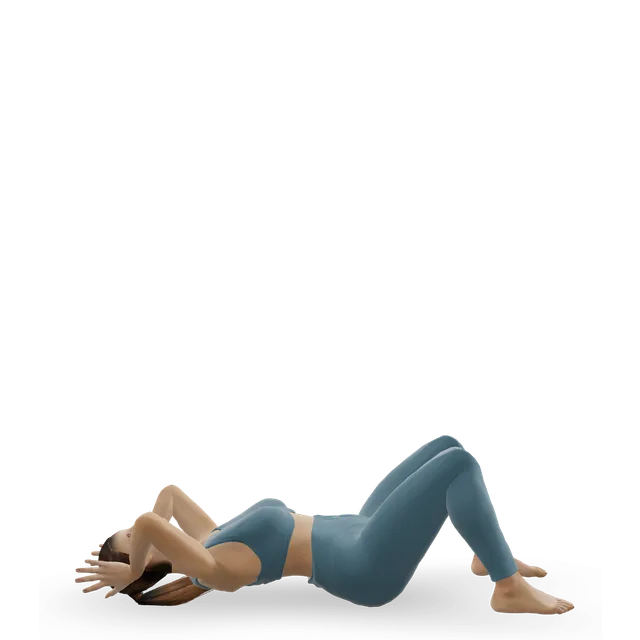
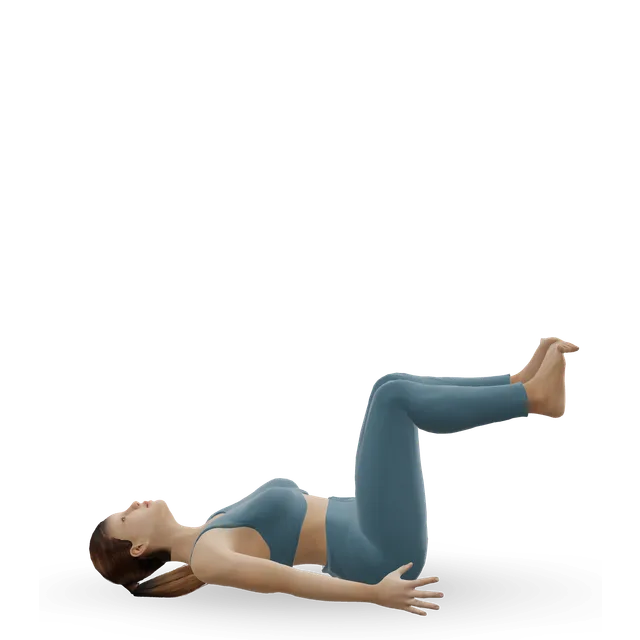
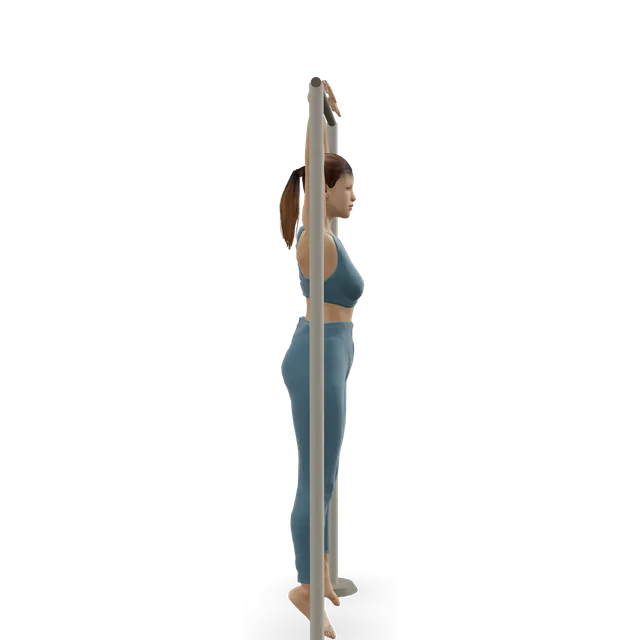
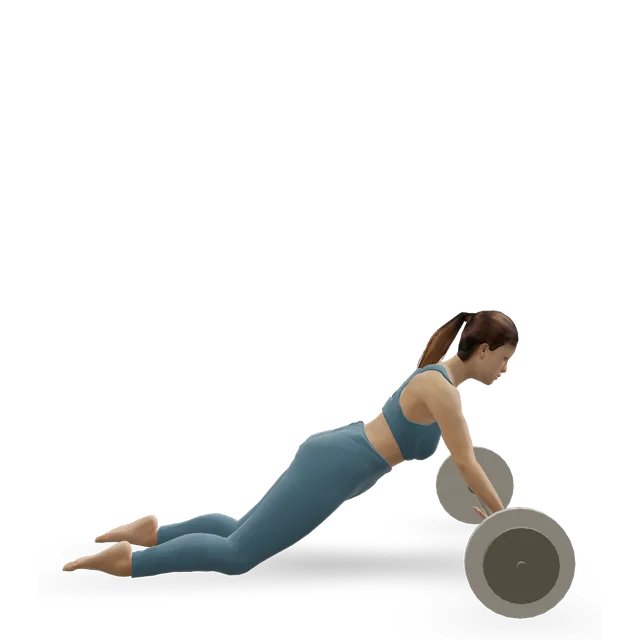
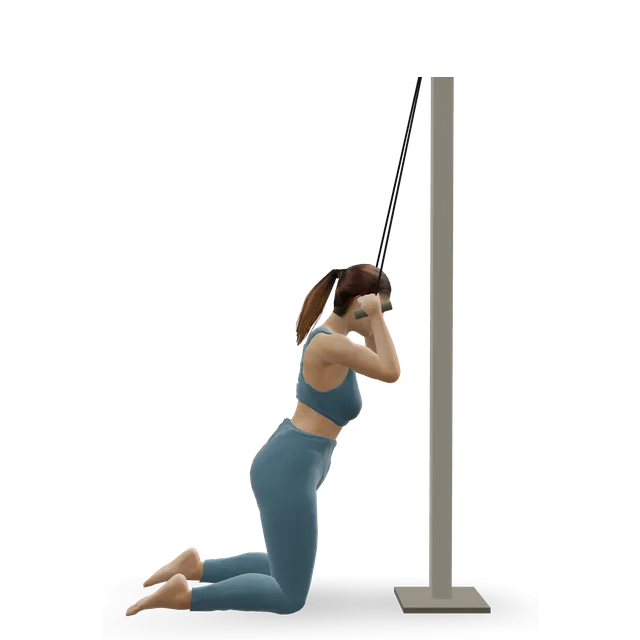
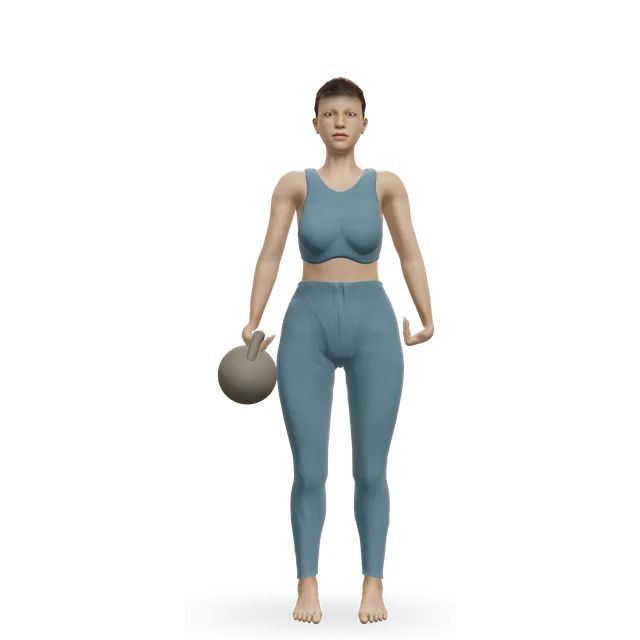
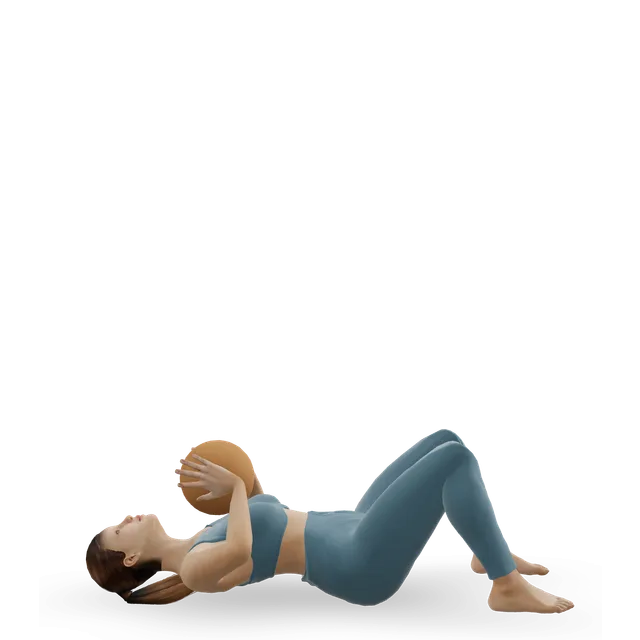
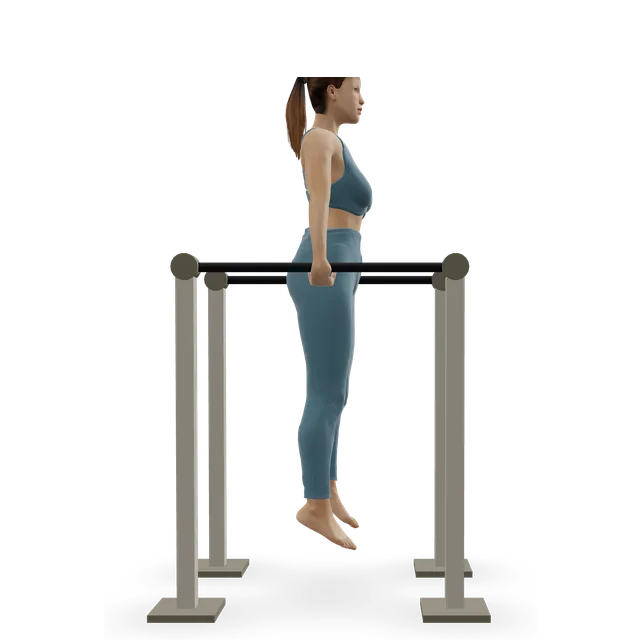
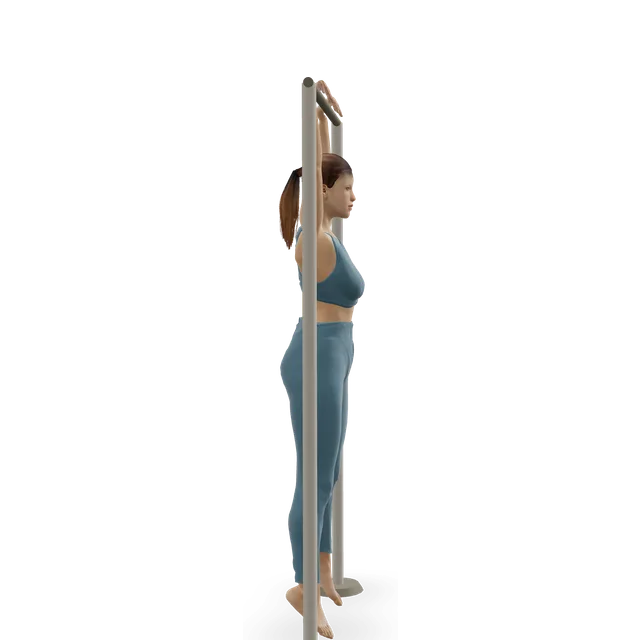
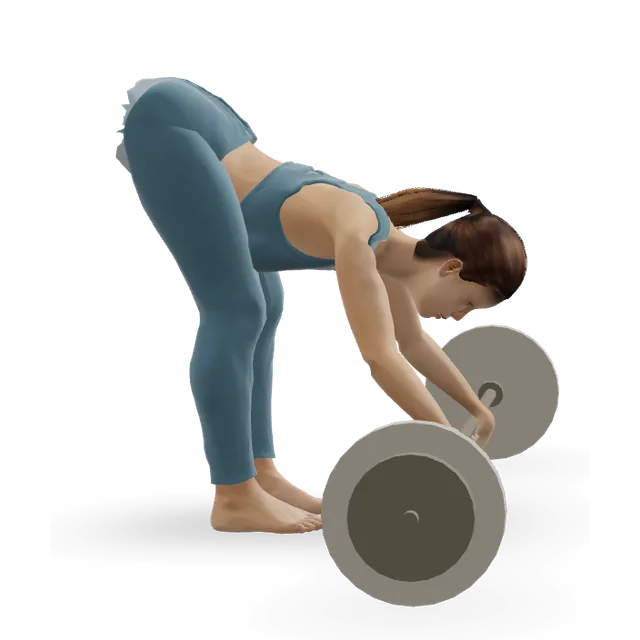
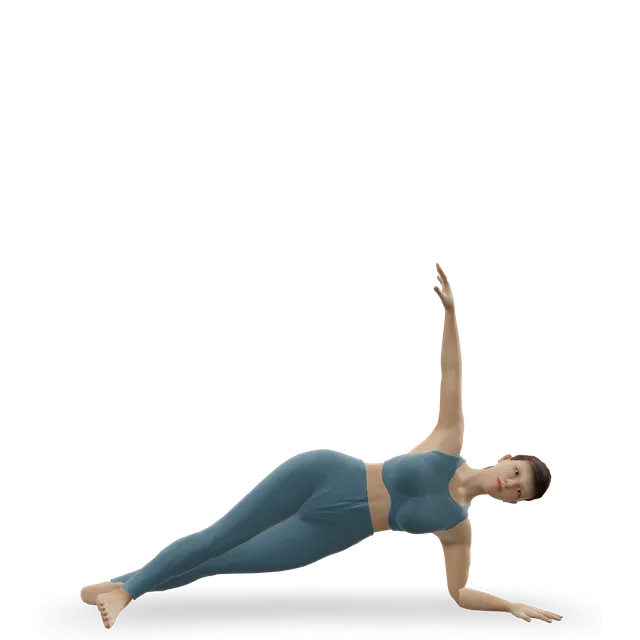
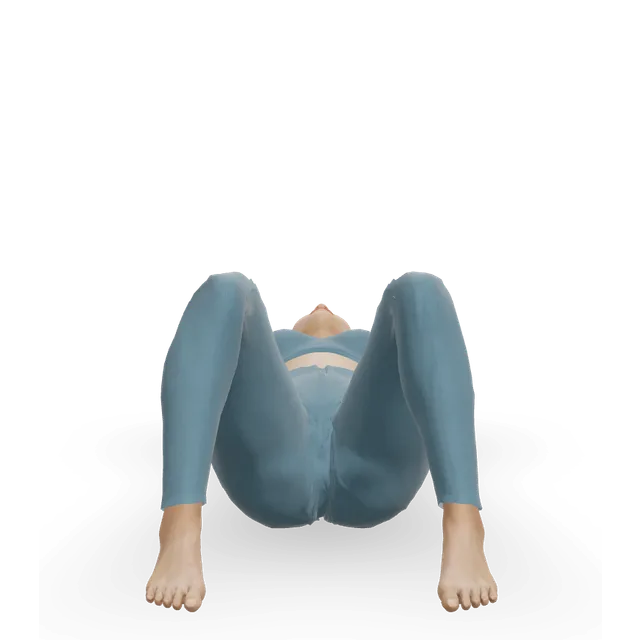
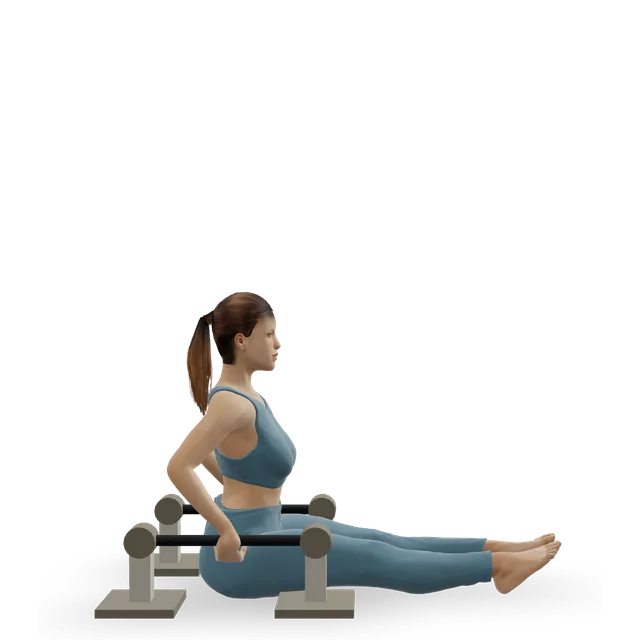
Rollouts, hanging knee raises, reverse crunches and crunches or curl-ups drew the most six-pack activity in muscle activity studies, and side planks and carries suit the obliques. Pick two or three, take your sets close to failure, and add reps, then weight.
Do I need to train upper and lower abs separately?
No. The six-pack is one muscle, and both ends worked together in every exercise tested in two muscle activity studies.
Can women get a six-pack?
Women build ab muscle like men, but they need more body fat for hormones, periods and bones, so a stage-lean six-pack may not be healthy to hold. In female fitness competitors dieting for 4 months, hormones fell and periods became irregular. Strong abs are a realistic goal; very defined ones may not be.
Can I get abs at home without equipment?
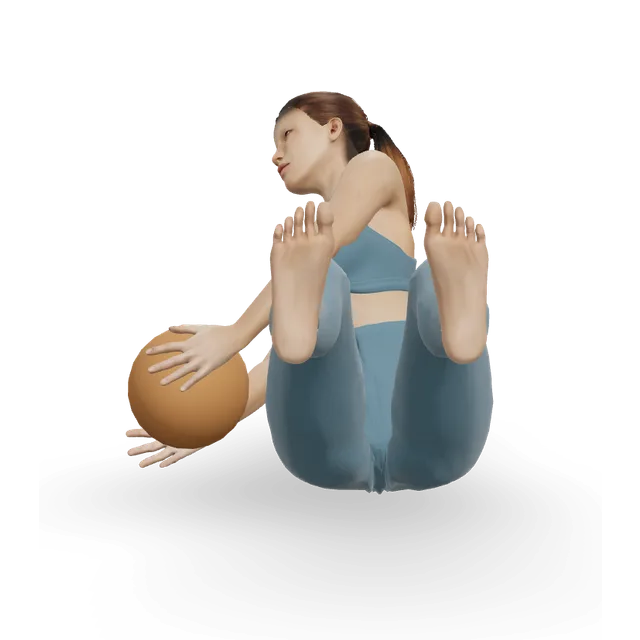
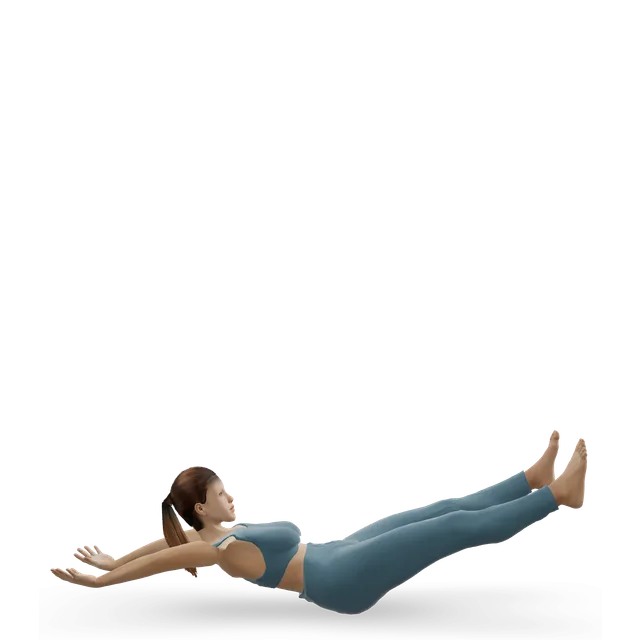
Yes, for the muscle: curl-ups, reverse crunches, planks, side planks and hollow holds need only the floor, and sets close to failure build muscle with light loads. Seeing your abs still depends on losing fat. Our ab workout with no equipment is ready to follow.
Is it safe to do ab exercises after having a baby or with a hernia?
After a birth, the NHS advises avoiding sit-ups, planks and high-impact exercise to start with and building up from gentle tummy exercises; see a GP if the gap down the middle is still obvious at 8 weeks. If you think you have a hernia, a bulge that may get bigger when you cough, see a GP; you can usually keep exercising, but stop any move that makes it hurt or bulge.
Can teenagers train for abs?
Yes: strength training with a sensible plan suits teenagers, but dieting for visible abs isn't a good idea while you're still growing. Eating disorders mostly affect teenagers and young adults, so focus on sport, strength and enough food; our teenagers' plan shows how.