Training guide

How to do sit-ups and crunches: form, your neck and back, what they work and how many

A crunch curls your head and shoulders off the floor while your lower back stays down; a sit-up keeps going until you're sitting up, so the muscles at the front of your hips join in. Both train the six-pack muscle hard. Keep your feet free, rest your hands lightly at your head, leave a fist-sized gap under your chin and breathe out as you curl: that spares your neck and keeps the work in your abs.

The evidence is calmer than the arguments. Sit-ups load the lower back more than crunches, but the case that they damage healthy spines rests mainly on animal lab studies, and in a trial of 1,141 soldiers sit-up training caused no more injuries than core exercises. Neither burns belly fat.

This guide covers both moves step by step on the 3D figure, your neck and back, what they work, how many to do and who should change them, with a crunch-to-sit-up workout to follow.

The short version

A crunch and a sit-up are different moves

A crunch curls your head and shoulders up until your shoulder blades leave the floor while your lower back stays down: about 30 degrees of bend, mostly in the upper back. A sit-up keeps going until your trunk is upright, so the deep hip flexor (the psoas) joins in: every kind of sit-up worked it at 15 to 35% of its maximum in a fine-wire study, against under 10% in a curl-up.

Sources 1, 2

Both train the six-pack muscle hard

In 14 people, the crunch drew among the highest activity in the rectus abdominis (the six-pack muscle) of 9 exercises tested, with less hip flexor work than the bent-knee sit-up. Curl-ups 5 days a week for 12 weeks made the rectus abdominis thicker and stronger in a trial of 70 women.

Sources 3, 4

Spare your neck, and leave your feet free

Rest your hands lightly at your head or cross your arms, tuck your chin slightly and breathe out as you curl: in small studies, a chin tuck and breathing out slowly lowered neck-muscle activity, and a review of 87 studies advises against pulling with your hands behind your head. Holding your feet down lowered ab activity and raised hip flexor activity in 14 people.

Sources 5, 6, 7, 8

Sit-ups load your back more, and the danger is debated

Sit-ups compress the lower spine more than crunches. The idea that each spine has a limited number of bends comes mainly from pig spine segments bent thousands of times in a row in the lab, and no study has shown that crunches harm healthy human spines. In 1,141 soldiers, sit-up training caused no more injuries than core stabilisation exercise.

Sources 9, 10, 1, 11

They don't burn belly fat

Six weeks of ab exercise, 5 days a week, didn't change belly fat in 24 adults, and across 13 studies (1,158 people), training one body part didn't reduce the fat over it. Crunches strengthen the muscle under the fat.

Sources 12, 13

How many, and who should change them

Our starting point is 2 or 3 sets of 12 to 20 crunches, or 8 to 15 sit-ups, stopping 1 to 3 reps short of failure, 2 or 3 days a week. One expert review suggests about 60 bending reps a session at most, a suggestion nobody has tested. In the first weeks after a birth, in later pregnancy and with osteoporosis, change them, as the sections below explain.

Sources 1, 14, 15, 16

Crunches and sit-ups: what they are and what they work

The crunch

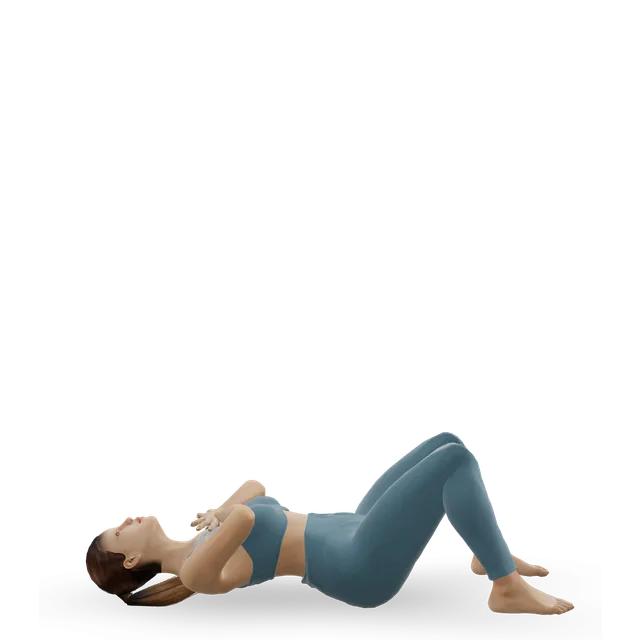
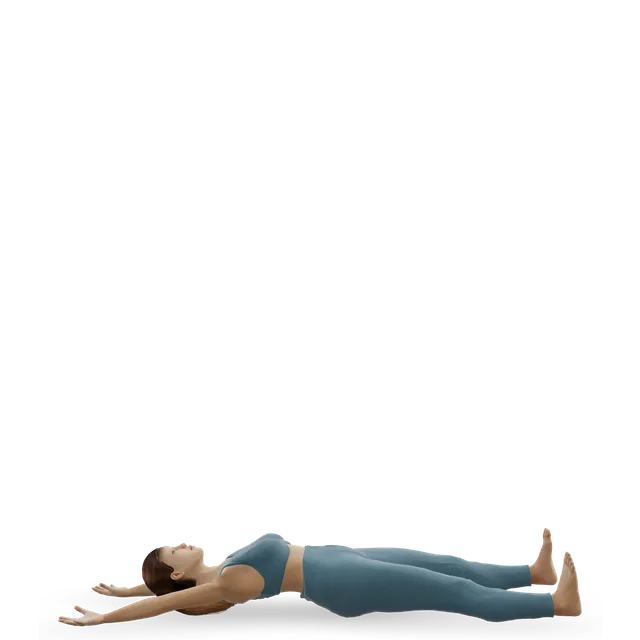
Lying on your back with your knees bent and feet flat, you curl your head and shoulders up until your shoulder blades leave the floor, your ribs drawing towards your pelvis, while your lower back stays on the floor. The traditional crunch bends the trunk about 30 degrees, most of it in the upper back.

Source 1

The sit-up

You curl the same way and keep going, bending at the hips until your trunk is upright, then lower. Once your shoulders are up, the hip flexors pull your trunk the rest of the way. Our move is the 3/4 sit-up: you lower about three-quarters of the way and come up again, so your shoulders don't rest between reps. A full sit-up lowers all the way down.

Source 2

The curl-up

The back researcher Stuart McGill's version: with one knee bent and your hands under your lower back, you lift your head and shoulders a few centimetres and hold. Partial curl-ups gave the most ab work for the least load on the spine of 12 exercises in a lab study.

Source 17

The muscles

Mainly the rectus abdominis, the six-pack muscle down the front, with the obliques at your sides, which work harder when you twist. The transversus abdominis, the deepest layer, works too, but at most about 40% of its maximum in curl-ups, so they aren't the best strength exercise for it. Sit-ups add the hip flexors: the psoas and the rectus femoris at the front of the thigh. Squeezing your hamstrings and glutes as you sit up (the Janda sit-up) lowered rectus femoris activity.

Sources 3, 18, 2, 19

What muscle activity studies can and can't tell you

Most of the numbers on this page come from EMG (electromyography: electrodes measuring how hard a muscle works). EMG shows how hard a muscle works for a few reps, not what it builds over months.

Source 20

What the evidence says

Ab exercise builds ab endurance and strengthEmerging evidence

Few trials train crunches or sit-ups on their own. In 24 sedentary adults, 6 weeks of 7 ab exercises (2 sets of 10, 5 days a week) left the trained group doing 47 curl-ups on a test, against 32 in the group that didn't train. In 70 women after a birth, 12 weeks of curl-ups thickened the rectus abdominis by 0.7 mm and raised its strength. In 2,616 soldiers, swapping sit-ups for core stabilisation work for 12 weeks didn't lower sit-up test scores.

Sources 12, 4, 21

Sit-ups work the hip flexors much more than crunchesEmerging evidence

In 8 adults with fine-wire electrodes, every form of sit-up worked the psoas at 15 to 35% of its maximum, against under 10% in the curl-up. In 14 people, the bent-knee sit-up drew among the highest rectus femoris activity of 9 exercises, and holding the feet down raised it further in another study of 14. Squeezing the hamstrings and glutes as you sit up lowered it in 16 men.

Sources 2, 3, 8, 19

Sit-ups load the lower spineEmerging evidence

In a modelling study of 12 young men, compression of the lower spine passed 3,000 newtons (about the weight of 300 kg) in both bent-knee and straight-leg sit-ups, with no real difference between them. Of 12 ab exercises in 9 volunteers, partial curl-ups gave the best ratio of ab work to spine load, and no single exercise trained every ab muscle with a low spine load.

Sources 9, 17

Whether that harms healthy spines is debatedMixed evidence

Pig neck-spine segments herniated when bent and straightened over and over under load: the longest tests ran to 86,400 bends, one a second for 24 hours. An expert review points out that this was dead animal tissue bent far beyond any workout, that living tissue adapts, and that no study has shown flexion exercise harms healthy human spines. The same review suggests about 60 bending reps a session at most, which is opinion, not tested.

Sources 10, 1

Trials in soldiers found no extra harmEmerging evidence

In 1,141 soldiers over 16 weeks, injuries were as common with sit-up training as with core stabilisation, though soldiers with a back injury lost more days in the sit-up group (8.3 against 4.2). In 4,147 soldiers followed for 2 years, core stabilisation prevented no more back pain than traditional exercise.

Sources 11, 22

Crunches don't burn belly fatEmerging evidence

Six weeks of 7 ab exercises, 5 days a week, didn't change body fat, belly fat, waist size or skinfolds in 24 adults. Across 13 studies of 1,158 people, mostly comparing a trained arm or leg with an untrained one, training a body part didn't reduce the fat over it. Crunches are rated light exercise: about 2.8 METs, meaning 2.8 times the energy you use at rest.

Sources 12, 13, 23

The abs also grow without crunchesEmerging evidence

Your abs work hard in other moves too: 8 weeks of suspended push-ups to failure thickened the rectus abdominis by 27% in 8 men. It was a tiny study without a control group, so treat it as a hint.

Source 24

A gap between the tummy muscles isn't a banEmerging evidence

In 70 women with a gap 6 to 12 months after a birth, 12 weeks of head lifts, curl-ups and twisted curl-ups didn't widen or narrow the gap, and made the muscles thicker and stronger. In the first weeks after a birth, the NHS advises avoiding sit-ups to start with.

Sources 4, 14

With osteoporosis, change themStrong evidence

The UK consensus on osteoporosis advises modifying or avoiding sustained, repeated or end-range rounding of the spine, especially with a weight, citing reports of spinal fractures with sit-ups. The best-known study is small and old: new fractures followed in 8 of 9 women given flexion exercises, against 4 of 25 given extension exercises.

Sources 16, 25

How to do a crunch, step by step

Steps from our move page, with the fist-sized gap from our chest lift page. The free feet, light hands, chin tuck and breathing out follow the muscle activity studies on this page. Don't pull on your head: let your hands rest.

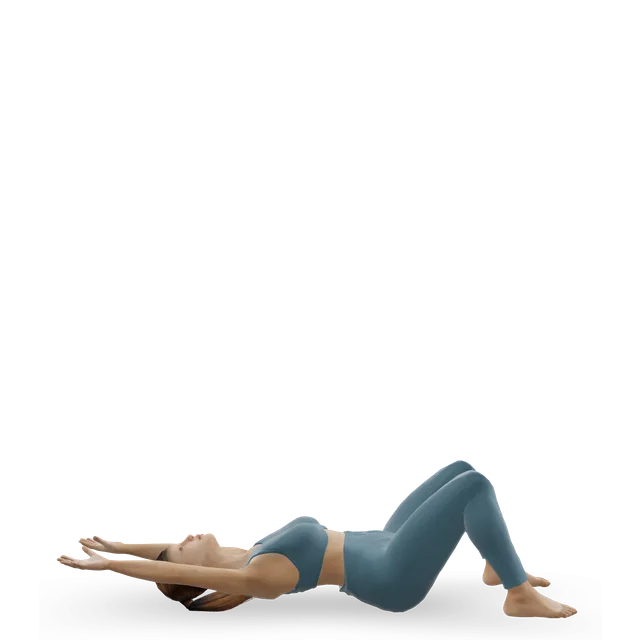
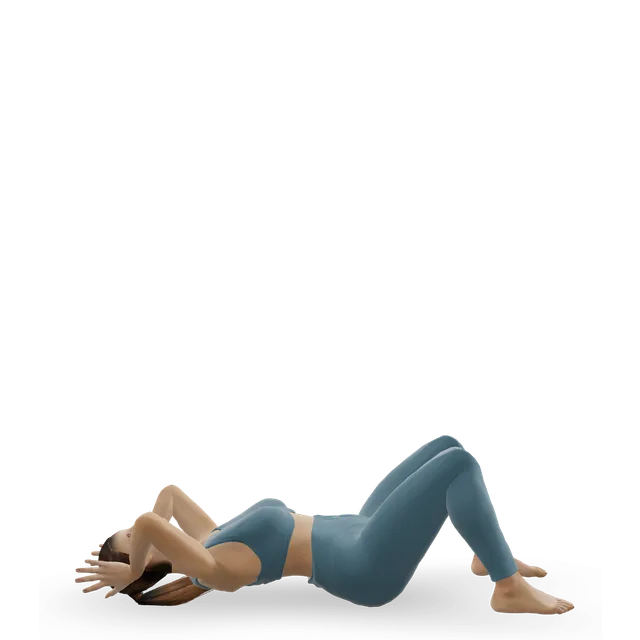
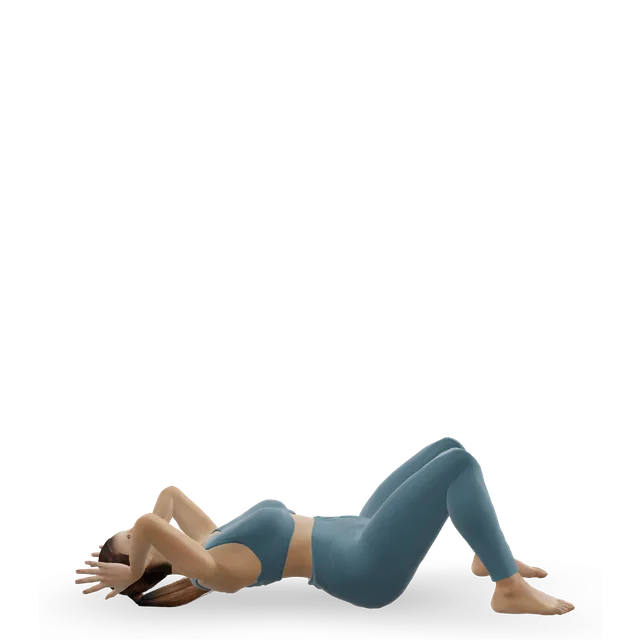
  1. Lie on your back on a mat with your knees bent and your feet flat on the floor, about hip-width apart. Leave your feet free rather than hooking them under something.
  2. Rest your fingertips lightly at the sides of your head, or cross your arms on your chest.
  3. Tuck your chin a little, leaving a gap about the size of a fist between your chin and chest.
  4. Breathe out and curl your head and shoulders up until your shoulder blades leave the floor, your ribs drawing towards your pelvis; your lower back stays on the floor.
  5. Pause for a second at the top, then lower slowly to the floor.

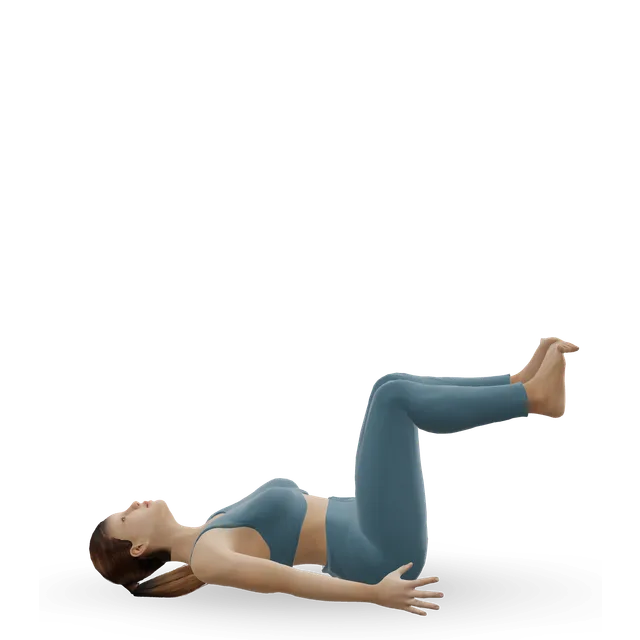
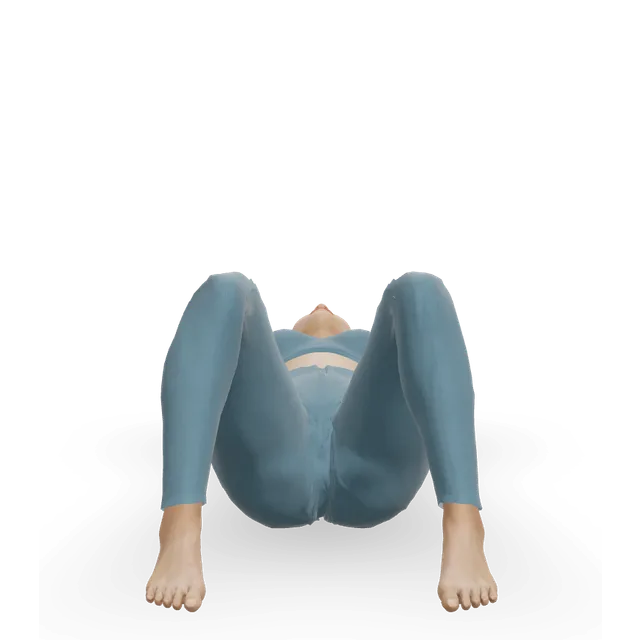
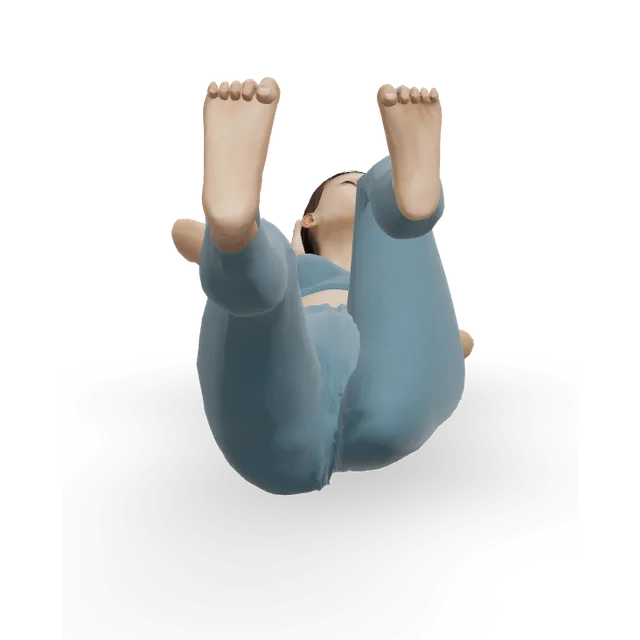
Loading the 3D figure…

Gets into position, then repeats the movement. Technical checks passed; qualified exercise review is pending.

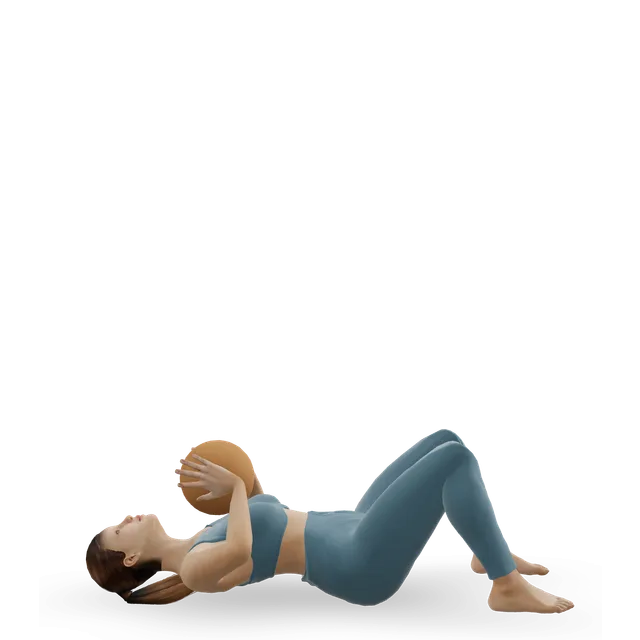
The movement on the figure: Crunch

How to do a sit-up, step by step

Steps from our move page; the full sit-up is our editorial note. With your feet held down, your hip flexors do more of the work and your abs less, so anchor them lightly only while you can't come up without it, and work towards free feet.

  1. Lie on your back with your knees bent and your feet flat, your hands lightly at the sides of your head or crossed on your chest.
  2. Breathe out and curl your head and shoulders up, as in a crunch.
  3. Keep curling, then bend at the hips to bring your trunk up until it's upright over your hips.
  4. Lower under control about three-quarters of the way down, then come up again, so your shoulders don't rest on the floor between reps.
  5. Don't swing up from your hips or drop back down. For a full sit-up, lower all the way and roll up from the floor each time.

Loading the 3D figure…

Gets into position, then repeats the movement. Technical checks passed; qualified exercise review is pending.

The movement on the figure: Sit-up (3/4 sit-up)

Crunch or sit-up?

Start with the crunch

It trains the six-pack muscle at least as hard as a sit-up, with less hip flexor work and less load on your lower back. Move to sit-ups if you want them or need them for a fitness test (our view).

Sources 3, 17

The sit-up adds the hip flexors

A sit-up is your trunk bending, then your hips bending. Strong hip flexors are useful, but if your aim is your abs, the crunch does the job with less hip flexor pull, and anchoring your feet shifts even more of the work to the hip flexors.

Sources 2, 8

Sit-up tests

You don't need sit-ups to pass a sit-up test: soldiers who swapped sit-ups for core stabilisation work for 12 weeks scored no worse, and their pass rate rose slightly more (5.6% against 3.9%). In 2022 the US Army's combat fitness test made the plank its only core event.

Sources 21, 26

Sit-ups or planks?

They train different jobs: crunches and sit-ups bend the trunk, planks hold it still. Do both, or stick with planks, side planks and bird dogs if bending flares your back, as our plank guide suggests.

Protecting your neck

Tuck your chin, and let your abs do the lifting

Keep a gap about the size of a fist between your chin and chest. In 13 men, a curl-up with the chin tucked and a hand resting lightly on the jaw cut activity in the main neck muscle (the sternocleidomastoid) from 32% to 22% of its maximum, while ab activity rose.

Source 5

Breathe out as you curl

In 12 adults, breathing out slowly during a curl-up lowered neck-muscle activity and raised activity in the deep ab muscles.

Source 6

Hands rest, never pull

A review of 87 muscle activity studies advises not pulling with your hands behind your head. Rest your fingertips at the sides of your head, or cross your arms on your chest.

Source 7

If your neck still aches

Rest your head on the floor between reps and lift your chest rather than your chin, or swap to reverse crunches or dead bugs, which leave your head down (our suggestion). See a GP if neck pain or stiffness hasn't gone after a few weeks, or comes with pins and needles or a cold arm.

Source 27

Sit-ups and your lower back: both sides of the debate

The case againstEmerging evidence

Sit-ups compress the lower spine by more than 3,000 newtons, partial curl-ups give the most ab work for the least spine load, and pig spine segments herniated when bent thousands of times in a row in the lab.

Sources 9, 17, 10

The case forMixed evidence

An expert review points out that those were dead animal tissues bent far more than any workout, that living tissue adapts, that the crunch bends mainly the upper back, and that no study shows harm to healthy human spines. It suggests limiting bending exercises only for people with existing problems, such as a disc herniation or back pain that's worse bending forward.

Source 1

The field trialsEmerging evidence

In soldiers, sit-up training caused no more injuries than core stabilisation over 16 weeks, though back injuries kept sit-up trainees off full duty longer (8.3 days against 4.2). Over 2 years, core stabilisation prevented no more back pain than traditional exercise.

Sources 11, 22

Bent knees don't make sit-ups safe

Bent-knee and straight-leg sit-ups loaded the spine about equally, and the author's view was that whether to do sit-ups at all matters more than where your legs are.

Source 9

Our reading

For most healthy people, crunches and sit-ups in sensible doses are reasonable exercises, but they aren't essential. If your back dislikes bending, or you have osteoporosis, the dead bug, bird dog, plank and McGill curl-up train your trunk without rounding your spine.

Sources 1, 16

Optional: not first thing in the morning

The same review suggests avoiding bending exercises within an hour of getting up, when your discs hold the most fluid. It's opinion based on lab data, so treat it as optional.

Source 1

From the curl-up to the V-up

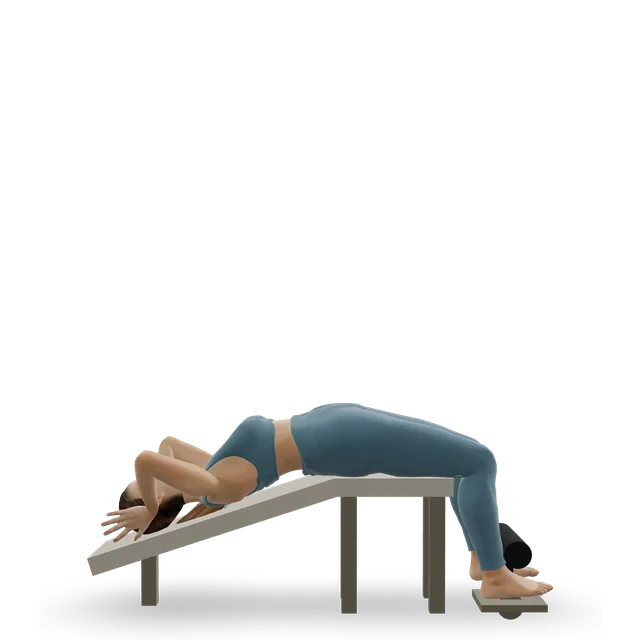
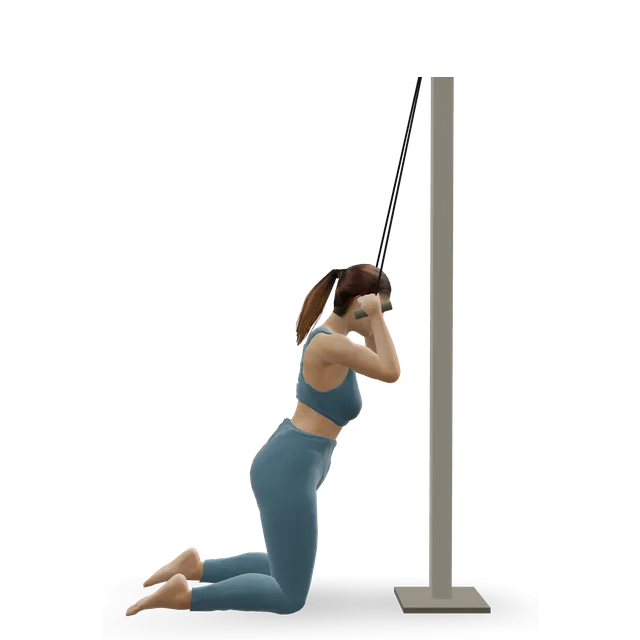
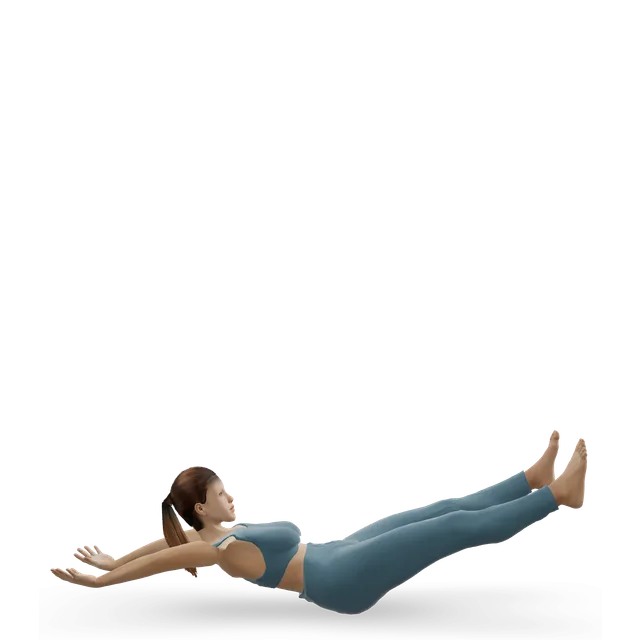
Easiest to hardest: start with the crunch at 2 or 3 sets of 12 to 20 (our starting point) and move one step along when every set reaches 20 clean reps, using the curl-up and chest lift for a sore back or the months after a birth and keeping the jackknife sit-up for advanced trainees.

Core moves without bending

For a back that dislikes bending, osteoporosis or balance: dead bugs, 2 sets of 6 to 8 each side, and Pallof presses, 2 sets of 8 to 10 each side (our full-body gym workouts), bird dogs, 6 each side (our beginner core workout), and planks, 3 holds of 20 to 45 seconds (our plank guide).

How many, how often and how hard

Your first two weeks

2 sets of 10 to 15 crunches, stopping each set with 3 or 4 reps to spare, as our plans start every move.

Then

2 or 3 sets of 12 to 20 crunches, or 8 to 15 sit-ups, stopping 1 to 3 reps short of failure, with 60 to 90 seconds' rest. That's our starting point, within our sets and reps guide's 12 to 20 for small and bodyweight moves. We stop bending moves short of failure because form breaks down into pulling on the neck and swinging.

How often

2 or 3 days a week, with a day between (our suggestion; the expert review suggests about 48 hours between sessions).

Source 1

A ceiling on bending reps

One expert review suggests no more than about 60 bending reps a session, starting with 2 sets of 15. It's one expert review's suggestion, untested, and our crunch and sit-up workout keeps to it.

Source 1

Making progress

When every set reaches 20 clean reps, move one step along the ladder above, or add a little load, as our plans' double progression does: reps first, then a harder version.

Balance it

No single exercise trains every ab muscle with a low load on the spine, so add a hold that resists arching (a dead bug or plank), one that resists bending sideways (a side plank) and one for your back (a bird dog).

Source 17

Muscle and endurance

Resistance training builds muscular endurance, strength and size; muscle grows with light or heavy loads if the sets are hard, and growth rose with 10 or more hard sets a week. For endurance, the 2009 position stand of the American College of Sports Medicine (ACSM) suggests light to moderate loads for more than 15 reps with short rests.

Sources 28, 29, 30

Measuring progress

Count clean reps at a steady pace every 4 to 8 weeks, fresh and with the same set-up (our suggestion). Endurance rises within weeks: after 6 weeks, a trained group managed about 15 more curl-ups than people who didn't train. Muscle thickens slowly: 0.7 mm in 12 weeks in the curl-up trial.

Sources 12, 4

How many calories?

Not many. Light crunches and curl-ups cost about 2.8 METs and sit-ups at a moderate effort about 3.8, so a 70 kg person burns roughly 100 kcal in 20 to 30 minutes of steady work (our arithmetic). Our calories burned calculator does the sums for you.

Source 23

Common mistakes and how to fix them

Pulling on your head

Your neck does the work. Let your fingertips rest at the sides of your head, or cross your arms.

Source 7

Hooking your feet

Your hip flexors take over. Leave your feet free; anchor them lightly only while you learn.

Source 8

Swinging up and dropping back

Momentum does the work, and dropping back jars your back. Curl up and lower slowly, as our move page cues.

Poking your chin

Your neck muscles work harder. Tuck your chin slightly and keep a fist-sized gap to your chest.

Source 5

Holding your breath

Breathe out as you curl up, and in as you lower.

Source 6

Hundreds of reps a day

More reps don't burn belly fat, and one expert review suggests about 60 bending reps a session at most. Make the move harder instead.

Sources 1, 12

Pushing on through back pain

If crunches or sit-ups make your back pain worse, or send pain down a leg, stop them, use the dead bug or McGill curl-up, and see the warning signs below.

Who should change sit-ups and crunches

In pregnancy

In later pregnancy, the NHS advises avoiding lying flat on your back for more than a few minutes, which can make you feel dizzy. Our rule starts after the first trimester: swap crunches for side-lying, all-fours or standing core work, as our pregnancy guide sets out.

Source 15

After a birth, and a gap between the tummy muscles

The NHS advises avoiding sit-ups, planks and high-impact exercise to start with, and contacting a GP if the gap is still obvious 8 weeks after the birth. Later, curl-ups needn't be banned: they didn't widen the gap in a trial. If the middle of your tummy domes, make the move easier, as our diastasis recti guide explains.

Sources 14, 4

Leaking or a prolapse

The NHS says sit-ups and high-impact exercise put pressure on your pelvic floor and can increase leaks, and an NHS pelvic health service advises people with a prolapse to avoid abdominal crunches. See our pelvic floor and prolapse guides for the alternatives.

Sources 31, 32

Osteoporosis

Modify or avoid repeated or end-range rounding of the spine, especially with a weight, and train your trunk with dead bugs, bird dogs and planks instead, as our osteoporosis guide sets out.

Source 16

Back pain that flares with bending

Swap to the dead bug, bird dog or McGill curl-up while it settles, as our back pain and herniated disc guides do.

After surgery on your tummy, or with a hernia

After abdominal or bowel surgery, a hernia repair or a caesarean, or with a stoma, leave sit-ups and crunches out while you heal and build up through gentler core work, stopping if you notice bulging around a scar or stoma, as our move pages' cautions and our hernia guide advise.

Neck pain

Keep your head resting between reps, or swap to reverse crunches for now, and see our neck pain guide.

Workouts to follow

Our crunch and sit-up workout has a crunch track and a sit-up track and keeps to about 60 bending reps; the beginner core workout and the McGill big 3 suit a back that dislikes bending, and the diastasis recti workout follows the curl-up trial for after a birth.

Warning signs

Call 999 (911 in the US)

If back pain comes with pain, tingling, weakness or numbness in both legs, loss of feeling around your genitals or bottom, changes in your bladder or bowels such as difficulty peeing, chest pain, or started after a serious accident; or for sciatica on both sides. Don't drive yourself to A&E. During any exercise, stop and get help for chest pain or pressure, unusual breathlessness, dizziness or fainting, as our plans advise.

Sources 33, 34

Ask for an urgent GP appointment or get help from NHS 111

If back pain comes with feeling hot, cold, shivery or generally unwell, or is severe pain that starts suddenly or gets worse quickly; or if a hernia becomes painful, or comes with a bloated tummy, being sick, constipation or a high temperature. In the US, contact your doctor or urgent care.

Sources 33, 35

See a GP

If back pain hasn't improved after a few weeks of treating it at home, or stops your day-to-day activities; sciatica (pain spreading down the back of one leg, often with tingling or numbness) isn't improving after a few weeks or is getting worse; neck pain or stiffness hasn't gone after a few weeks or comes with pins and needles or a cold arm; you think you have a hernia (a lump that may get bigger when you cough or sneeze and smaller when you lie down); or you notice a lump in or around your vagina or a feeling of heaviness or pressure.

Sources 33, 34, 27, 35, 36

Sore, or hurt?

Aching abs for a day or two after a new session are normal. Back pain that gets worse with sit-ups, or pain, tingling or numbness spreading down a leg, isn't: stop them, swap to the dead bug or McGill curl-up, and see our back pain guide. Our back pain rule: pain up to about 5 out of 10 is acceptable if it settles within an hour or so and is no worse the next morning.

Myths

"Crunches burn belly fat"Emerging evidence

Six weeks of ab exercise, 5 days a week, didn't change belly fat, waist size or skinfolds in 24 adults, and across 13 studies training a body part didn't reduce the fat over it. Crunches are light exercise, about 2.8 METs. They strengthen the muscle under the fat.

Sources 12, 13, 23

"Sit-ups are bad for everyone's back"Mixed evidence

Sit-ups do compress the lower spine, and pig spine segments herniated under thousands of loaded bends in a row. But that was dead tissue bent far beyond any workout, no human study has shown harm in healthy spines, and soldiers training with sit-ups had no more injuries than those doing core stabilisation. People with osteoporosis, or whose back pain flares with bending, should change them.

Sources 9, 10, 1, 11, 16

"Bend your knees and sit-ups are safe"Emerging evidence

Bent-knee and straight-leg sit-ups loaded the spine about equally in 12 men; the bigger question is whether to do sit-ups at all.

Source 9

"Hook your feet under the sofa"Emerging evidence

Anchored feet lowered ab activity and raised hip flexor activity, and a review of 87 studies advises avoiding fixed feet.

Sources 8, 7

"You need hundreds of sit-ups a day for a six-pack"Emerging evidence

Visible abs depend on body fat, which ab exercise doesn't spot-reduce. Muscle grows from hard sets a few times a week, and one expert review suggests about 60 bending reps a session is plenty.

Sources 12, 13, 28, 1

"Never do crunches with a gap between your tummy muscles"Emerging evidence

In 70 women with a gap 6 to 12 months after a birth, 12 weeks of curl-ups didn't widen it and made the muscles stronger. In the first weeks after a birth, the NHS advises avoiding sit-ups to start with.

Sources 4, 14

"Core stabilisation protects your back better than sit-ups"Emerging evidence

Over 2 years in 4,147 soldiers, core stabilisation prevented no more back pain than traditional exercise, and injury rates matched over 16 weeks in another trial.

Sources 22, 11

Questions people ask

How do you do a sit-up properly?

Lie on your back with your knees bent and feet flat, hands lightly at the sides of your head or crossed on your chest. Breathe out, curl your head and shoulders up, then keep curling until your trunk is upright, and lower slowly without dropping back. Leave your feet free if you can: holding them down lets your hip flexors take over.

Sit-ups vs crunches: which is better?

Both train the six-pack muscle hard: in a muscle activity study, the crunch drew at least as much six-pack activity as the sit-up, with less hip flexor work. Sit-ups also load your lower back more. Start with crunches, and add sit-ups if you want them or need them for a test.

What muscles do sit-ups and crunches work?

Mainly the rectus abdominis, the six-pack muscle, with the obliques at your sides, which work harder when you twist. Sit-ups also work the hip flexors at the front of your hips, much more than curl-ups do.

How many sit-ups or crunches should I do a day?

You don't need a daily number. Our starting point is 2 or 3 sets of 12 to 20 crunches, or 8 to 15 sit-ups, stopping 1 to 3 reps short of failure, two or three days a week. One expert review suggests no more than about 60 bending reps a session, though nobody has tested that.

Do sit-ups burn belly fat?

No. Six weeks of ab exercise on 5 days a week didn't change belly fat in a trial, and training a body part doesn't remove the fat over it. A 70 kg person burns roughly 100 kcal in 20 to 30 minutes of steady sit-ups or crunches, so fat loss comes from your overall activity and eating habits.

How do I do crunches without hurting my neck?

Let your hands rest lightly at your head, or cross your arms, keep a fist-sized gap between your chin and chest, and breathe out as you curl. Lift your chest, not your chin, and rest your head between reps. If your neck still aches, swap to reverse crunches or a dead bug.

Are sit-ups bad for your back?

Not for most healthy backs in sensible doses, but they do load the lower spine more than crunches, and the evidence of harm comes mainly from animal lab studies. In soldiers, sit-up training caused no more injuries than core exercises. If bending flares your back or sends pain down a leg, switch to the dead bug or McGill curl-up and see our back pain guide.

Why can't I do a sit-up without holding my feet?

With your feet free, your abs have to curl you up; with them held, your hip flexors can pull you up instead. Build up with crunches and 3/4 sit-ups, and anchor your feet lightly only while you learn.

How many sit-ups should I be able to do?

There's no health standard, and we found no adult norms we could check. Compare yourself with yourself: count clean reps at a steady pace every few weeks. In one trial of sedentary adults, those who did 6 weeks of ab exercises managed about 47 curl-ups on a test, against 32 for those who didn't.

Sit-ups or planks: which is better?

They train different jobs: sit-ups and crunches bend the trunk, planks hold it still. Do both, or stick with planks, side planks and bird dogs if bending flares your back.

Can I do sit-ups when pregnant or after giving birth?

In later pregnancy, avoid lying flat on your back for more than a few minutes, so swap crunches for side-lying, all-fours or standing core work; our rule starts after the first trimester. After a birth, the NHS advises avoiding sit-ups to start with. Later, curl-ups didn't widen a gap between the tummy muscles in a trial, as our diastasis recti guide explains.

Are sit-ups safe with osteoporosis?

The UK consensus on osteoporosis advises modifying or avoiding repeated or end-range rounding of the spine, and fractures have been reported with sit-ups. Train your trunk with dead bugs, bird dogs and planks instead, as our osteoporosis guide sets out.
Sources

  1. Contreras 2011 · To crunch or not to crunch: the risks and uses of spinal flexion exercises (expert review, Strength Cond J)
  2. Juker 1998 · Fine-wire activity of the psoas and abdominal wall in many tasks in 8 adults (muscle activity study, MSSE)
  3. Escamilla 2006 · Seven ab machines, the crunch and the bent-knee sit-up in 14 people (muscle activity study, JOSPT)
  4. Gluppe 2023 · Curl-ups for a gap between the tummy muscles after birth in 70 women (randomised trial, J Physiother)
  5. Lee 2016 · Restricting neck bending during curl-ups in 13 men (muscle activity study, J Phys Ther Sci)
  6. Yoon 2014 · Breathing out slowly during curl-ups in 12 adults (muscle activity study, J Electromyogr Kinesiol)
  7. Monfort-Pañego 2009 · Muscle activity in abdominal exercises: 87 studies (literature synthesis, J Manipulative Physiol Ther)
  8. Parfrey 2008 · Sit-up and curl-up positions, including held feet, in 14 people (muscle activity study, Appl Physiol Nutr Metab)
  9. McGill 1995 · The mechanics of sit-ups and standing bending in 12 young men (modelling study, Clin Biomech)
  10. Callaghan 2001 · Disc herniation in pig spine segments bent up to 86,400 times (animal lab study, Clin Biomech)
  11. Childs 2010 · Sit-up training vs core stabilisation and injuries in 1,141 soldiers (cluster randomised trial, Phys Ther)
  12. Vispute 2011 · Six weeks of abdominal exercise and belly fat in 24 adults (randomised trial, JSCR)
  13. Ramirez-Campillo 2022 · Spot reduction of fat by training one body part: 13 studies, 1,158 people (systematic review and meta-analysis, Hum Mov)
  14. NHS · Your post-pregnancy body
  15. NHS · Exercise in pregnancy
  16. Brooke-Wavell 2022 · Strong, steady and straight: exercise for osteoporosis (UK consensus statement, Br J Sports Med)
  17. Axler 1997 · Low back loads over 12 abdominal exercises in 9 volunteers (lab study, MSSE)
  18. Crommert 2021 · Arm position and twisting in the curl-up in 10 women (fine-wire muscle activity study, JSCR)
  19. Workman 2008 · Pelvis position and the Janda sit-up in 16 men (muscle activity study, JSCR)
  20. Vigotsky 2022 · Muscle activity measured in one session isn't a validated predictor of muscle growth (review, Sports Med)
  21. Childs 2009 · Sit-up training vs core stabilisation and sit-up test scores in 2,616 soldiers (randomised trial, MSSE)
  22. George 2011 · Core stabilisation vs traditional exercise to prevent back pain in 4,147 soldiers (cluster randomised trial, BMC Med)
  23. Herrmann 2024 · 2024 Adult Compendium of Physical Activities: the energy cost of activities, including calisthenics (reference values, J Sport Health Sci)
  24. Kohiruimaki 2019 · Suspended push-up training and the size of the abdominal muscles in 8 men (uncontrolled study, Int J Sports Med)
  25. Sinaki 1984 · Flexion vs extension exercises in 59 women with spinal osteoporosis (non-randomised study, Arch Phys Med Rehabil)
  26. McLaughlin 2022 · Redstone track is fit for combat fitness test: the plank replaces the leg tuck (US Army news)
  27. NHS · Neck pain
  28. Currier 2026 · Resistance training for muscle function, size and performance in healthy adults: 137 reviews (ACSM position stand, MSSE)
  29. ACSM 2009 · Progression models in resistance training for healthy adults (position stand, MSSE)
  30. Lopez 2021 · Light, moderate and heavy loads for muscle growth and strength: 28 studies, 747 adults (network meta-analysis, MSSE)
  31. NHS · 10 ways to stop leaks (urinary incontinence)
  32. Royal Berkshire NHS Foundation Trust 2024 · Exercising with a pelvic organ prolapse (pelvic health physiotherapy leaflet)
  33. NHS · Back pain
  34. NHS · Sciatica
  35. NHS · Hernia
  36. NHS · Pelvic organ prolapse

Exercise education, not a personal prescription, and clinical review of these guides is pending. Check with a GP before starting hard training if you have a heart condition, chest pain, dizziness or breathlessness when active, and stop for sharp or increasing pain. Health disclaimer.