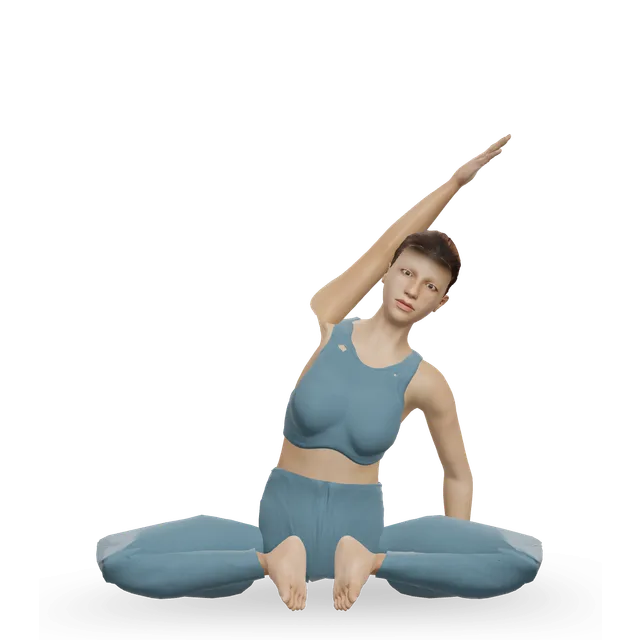
Exercise guide

Exercise with a prolapse: pelvic floor training, lifting, running and pessaries

A pelvic organ prolapse is when your womb, bladder or bowel bulges into your vagina. It's common, especially after childbirth and the menopause, it isn't life-threatening, and it doesn't always get worse. Pelvic floor exercises are the first treatment: in trials they eased symptoms by a modest amount, and the National Institute for Health and Care Excellence (NICE) suggests at least 16 weeks of supervised training for a mild prolapse.

Most exercise is still fine. For now, UK advice is to avoid heavy lifting, running, jumping and trampolining, though that advice comes from experts rather than from trials.

This guide covers how to do your pelvic floor exercises, which exercise suits, how much evidence sits behind the limits, how to build back up by watching your symptoms, exercising with a pessary, what to do after surgery or a birth, and when to see a general practitioner (GP). Our 3D figure can't show the pelvic floor muscles working, so the squeezes have written steps.

The short version

Common, not dangerous, and not always getting worse

A prolapse can be seen on examination in many women who have had children, though far fewer notice symptoms. Pelvic, Obstetric and Gynaecological Physiotherapy (POGP), the UK's pelvic health physiotherapists, says a prolapse isn't life-threatening and not all prolapses get worse; some improve. See a GP if you notice a lump or bulge in or around your vagina.

Sources 1, 2, 3

Pelvic floor training is the first treatment, and it helps a modest amount

In a trial of 447 women, one-to-one training eased symptoms more than a leaflet of advice at 12 months, and across 16 trials it eased symptoms, mainly in the short term. NICE suggests a supervised programme of at least 16 weeks for a mild prolapse.

Sources 4, 5, 6

For now, avoid heavy lifting, running and jumping

The National Health Service (NHS) and the Royal College of Obstetricians and Gynaecologists (RCOG) advise avoiding heavy lifting, running and trampolining with a prolapse, and an NHS pelvic health service adds deep squats, deadweight lifting and crunches. This is expert advice: NICE found no trials of lifestyle changes for prolapse.

Sources 1, 7, 8, 9

Most low-impact exercise is fine

Walking, swimming, water classes, cycling while you stay seated, a cross-trainer, Pilates and yoga with any uncomfortable positions adapted, dancing without jumps, and gentle strength training while you watch your symptoms.

Sources 8, 2

You can often build back up, and a pessary can help

Once your pelvic floor is strong, NHS pelvic health physiotherapists say you can try other exercise, stopping if your symptoms get worse. POGP says you should be able to keep exercising with a well-fitted pessary, a device worn in the vagina to support it.

Sources 8, 10

After surgery or a birth, build up gradually

After prolapse surgery, the RCOG advises light loads only for the first month and nothing heavy until 4 to 6 weeks, and POGP says to wait at least 3 months for high-impact exercise. After a birth, UK guidance advises against running before 3 months. Your own team's advice comes first.

Sources 11, 12, 13

What a prolapse is

What happens

The NHS describes a pelvic organ prolapse as your womb, bladder or bowel bulging into your vagina. The RCOG explains that these organs are held in place by ligaments and by muscles known as the pelvic floor. If these are weakened by overstretching, the organs can bulge into the vagina, and sometimes a prolapse is large enough to come out of it.

Sources 1, 7

The types

A bulge of the front wall of the vagina, with the bladder behind it, is the most common. The back wall can bulge with the bowel behind it, the womb can drop down, and after a hysterectomy the top of the vagina can drop instead (a vault prolapse). Having more than one type at once is common.

Sources 7, 2, 14

The symptoms

The NHS lists:

  • a feeling of heaviness, discomfort or pressure in your lower tummy or vagina
  • a bulge or lump inside your vagina, or coming out of it
  • pain, discomfort or numbness during sex
  • problems pooing, such as constipation
  • problems peeing, such as not emptying your bladder fully, needing to go more often, or leaking a little when you cough, sneeze or exercise

Source 1

Often worse at the end of the day

Symptoms are often worse at the end of the day, after standing for a long time, or after lifting, coughing or straining, and they ease when you rest or lie down. A prolapse may cause no symptoms at all, and it's sometimes found during a cervical screening test.

Sources 2, 7, 1

How common it is

Figures differ because they count different things, so here is each one with what it measures:

  • on examination: some degree of prolapse in about half of women who have given birth (a Cochrane review)
  • by symptoms: 3% to 6% of women, against up to 50% on examination (a 2013 review)
  • 1 in 10 women over 50 (the RCOG, which doesn't say how this was measured)
  • about 1 in 3 women who have had children (POGP's booklet, which doesn't say how this was measured), and about a third of women aware of bothersome symptoms (POGP's website)
  • about 40% of women over their lifetime (a Cochrane review of pessaries)
  • a 12.6% chance of having surgery for a prolapse by the age of 80 (US data)

Sources 15, 3, 7, 2, 14, 16, 17

Causes and risks

Pregnancy and childbirth, especially a vaginal birth, are the most common cause. Getting older, especially after the menopause, a higher weight, long-term constipation and straining, a persistent cough, heavy lifting or repeated bending at work or home, previous pelvic surgery such as a hysterectomy, a family history, and conditions such as joint hypermobility, Marfan syndrome and Ehlers-Danlos syndromes raise the risk too.

Sources 1, 2, 7

Grades, and whether it gets worse

A prolapse is graded from 1 to 4, where 4 is severe. The RCOG says women with stage 1 usually have mild or no symptoms and rarely need treatment, and the NHS says you may not need treatment if it isn't bothering you. Symptoms can stay the same, get worse or improve over time, and they often vary from day to day.

Sources 1, 7, 2

Treatments

The options are no treatment if it isn't bothering you, lifestyle changes, pelvic floor training (usually with a specialist pelvic health physiotherapist), vaginal oestrogen after the menopause, a pessary, and surgery for a more severe or bothersome prolapse. NICE asks clinicians to discuss all of these, including no treatment. Vaginal mesh is no longer used on the NHS unless there's no alternative.

Sources 1, 6, 7

Not this kind of prolapse?

A rectal prolapse (the back passage coming down through the anus), a prolapsed or slipped disc in the spine and mitral valve prolapse in the heart are different conditions that share the word, and this guide doesn't cover them. Our herniated disc guide covers a slipped disc.

What the evidence says

Pelvic floor training eases symptomsStrong evidence

In the POPPY trial, 447 women with a newly diagnosed prolapse had one-to-one pelvic floor training or a leaflet of lifestyle advice. At 12 months, their symptom score, which runs from 0 to 28, had fallen by 3.8 points with training against 2.1 with the leaflet: a real but modest difference. Only two-thirds of the women returned the 12-month questionnaire.

Across 16 trials with 2,063 women, training lowered symptom scores, made women more than twice as likely to report an improvement and improved the stage of the prolapse, mainly in the short term (up to 6 months). The reviewers rated the certainty low to moderate. An earlier analysis of 13 studies with 2,340 women found much the same.

Sources 4, 5, 18

Less certain in the long term, and over 55Emerging evidence

In the pooled trials, the effects beyond 6 months, and in women aged 55 or over, weren't clear (very low certainty), and training didn't clearly help a bulge of the back wall. In the PREVPROL trial of 414 women with a prolapse they hadn't sought treatment for, five physiotherapy appointments over 16 weeks plus Pilates-based classes gave slightly fewer symptoms 2 years later (a score of 3.2 against 4.2), which the researchers called small, but probably important. An older Cochrane review found training raised the chance of the prolapse stage improving by 17%.

Sources 5, 19, 15

How long it takesStrong evidence

NICE suggests supervised training for at least 16 weeks for a mild prolapse (stage 1 or 2), or at least 4 months in its later guideline, and carrying on afterwards if it helps. POGP says to expect an improvement in 3 to 5 months, then to keep practising once a day, and the RCOG describes a 3 to 6 month course of physiotherapy.

Sources 6, 20, 2, 7

Why supervisedStrong evidence

NICE recommends supervised pelvic floor training, one-to-one or in a group, with at least one review during the programme and one at the end. It says supervised exercise such as yoga may help alongside it, because some exercises done incorrectly can raise the pressure on the pelvic floor. It found no evidence that unsupervised activity such as walking or swimming makes symptoms better or worse.

Sources 20, 21

Hypopressive exercisesEmerging evidence

Hypopressive exercises, a breathing and posture technique, added nothing to pelvic floor training in 7 small trials, and on their own they helped less than pelvic floor training. In a 12-week trial in women with a stage 2 prolapse, pelvic floor training eased the bulge, the heaviness and leaking more than hypopressives did.

Sources 22, 23

Pessaries, oestrogen and surgeryEmerging evidence

Other treatments have their own evidence. In a Cochrane review, a pessary added to pelvic floor training probably helped more women feel their prolapse had improved than training alone (one trial of 260 women; moderate certainty), though pessaries caused more side effects. NICE also suggests vaginal oestrogen after the menopause for women with vaginal dryness, and surgery if other treatments haven't helped or you'd rather not try them.

Sources 16, 6

How to do your pelvic floor exercises with a prolapse

Our wording of POGP's routine and NICE's advice, matching our pelvic floor guide, which covers finding the right muscles in more detail. NICE suggests at least 16 weeks of training supervised by a specialist; ask your GP or refer yourself to a pelvic health physiotherapist.

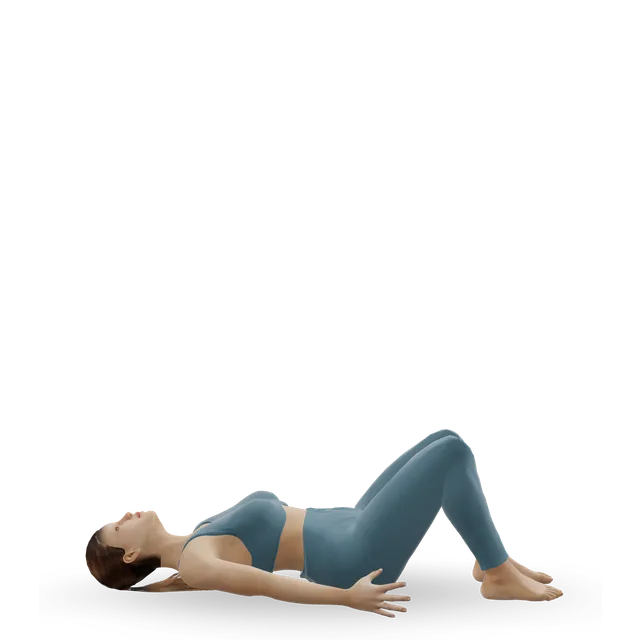
  1. Sit or lie down comfortably. If your prolapse bulges outside your vagina, lie down: POGP says you may find the exercises easier that way.
  2. Squeeze and lift your pelvic floor as if you were stopping yourself passing wind and peeing at the same time, without clenching your buttocks or holding your breath.
  3. Slow holds: squeeze and hold for up to 10 seconds, then relax fully for as long as you held. Do 8.
  4. Quick squeezes: squeeze firmly, then let go straight away. Do 8.
  5. Do this 3 times a day, building towards 10 slow holds of 10 seconds and 10 quick squeezes. Start lying or sitting, then move on to standing and to squeezing as you walk and bend.
  6. Squeeze just before you lift, cough, sneeze or strain: this is called the knack.
  7. If you see or feel a bulge in your vagina when you squeeze, stop and get help from a pelvic health physiotherapist. Don't practise by stopping your pee mid-flow.
  8. Keep going for at least 4 months, then keep practising once a day to hold on to the improvement.

See the movement on the 3D figure: Pelvic floor exercise (Kegel)

Your daily pelvic floor routine

The pelvic floor exercise page's dose is the routine above: 8 slow holds of up to 10 seconds and 8 quick squeezes, 3 times a day, building towards 10 of each. The relaxation page's dose is 5 to 10 slow breaths, 1 to 3 times a day, plus a full release after every squeeze.

Lifting, running and impact

What UK sources advise

With a prolapse, for now:

  • the NHS advises avoiding physical activities that put a lot of strain on the pelvic floor, like heavy lifting, running and trampolining, and the RCOG says the same
  • POGP says high-impact exercise, any activity where both feet leave the ground at the same time, may worsen your symptoms, especially if your pelvic floor muscles aren't strong, and that activities using weights may put too much downward pressure on it
  • the Royal Berkshire NHS pelvic health physiotherapy service also advises avoiding deep squats, deadweight lifting and abdominal crunches

Sources 1, 7, 2, 8

It's expert advice, and the studies disagreeMixed evidence

NICE found no evidence on lifestyle changes for prolapse, so its advice to minimise heavy lifting comes from its committee's experience. Its later guideline noted a study in which weight training alongside pelvic floor training improved leaking, and asked for research on weight training.

The two kinds of study point different ways. In a survey of 3,934 women who lift weights for exercise, those lifting more than 50 kg didn't report more prolapse symptoms; women lifting 15 kg or less were more likely to, and a survey can't show cause and effect, since women with symptoms may already have cut back. A 2023 review of strenuous exercise came down the other way: single hard sessions increased vaginal descent or symptoms for a while, symptoms were most common in Olympic weightlifters and powerlifters (up to 23%), and it concluded that strenuous exercise increased symptoms and reduced pelvic floor support.

Lifetime hard activity wasn't linked with prolapse in a study of middle-aged women, and in 47,674 UK women followed for 8 years, moderate and vigorous activity weren't linked with developing a prolapse, apart from vigorous activity after a hysterectomy. So the UK advice is a sensible precaution while you have symptoms, not a proven rule, and not a ban for life.

Sources 9, 21, 24, 25, 26, 27

Low-impact exercise is fineStrong evidence

NHS pelvic health physiotherapists list these as generally safe, and POGP suggests the same kinds of exercise:

  • walking, fast walking and power walking
  • swimming and water-based classes
  • cycling and spinning, if you stay seated
  • a cross-trainer
  • yoga and Pilates, adapting any position that feels uncomfortable
  • dancing without jumping or running
  • gentle strength training, while you watch your symptoms

Sources 8, 2

How much

The usual UK guidelines apply: build towards 150 minutes a week of moderate activity, such as brisk walking, plus strength exercises on 2 days, choosing low-impact forms. Moderate means you can talk but not sing.

Source 28

Building back upEmerging evidence

The Royal Berkshire service says: "Once your pelvic floor is strong with good endurance, you may trial other exercises, but you must stop if symptoms worsen." POGP says that if your usual exercise makes your symptoms worse, seek advice on how to change it or try a different activity. POGP adds that many women find they can be more active with a well-fitted pessary, and the UK return-to-running guideline suggests one can help a return to running.

Our suggestion: after several months of regular pelvic floor training, once everyday life causes no symptoms, try one harder activity at a time, at a low level, and drop back if you feel heaviness, dragging or a bulge, or you leak, during or after it. For running, the checks in the UK return-to-running guideline make a sensible bar, including 30 minutes of walking, jogging on the spot for a minute, 10 forward bounds and 10 hops on each leg, with no pain, heaviness, dragging or leaking. A pelvic health physiotherapist can help you plan it.

Sources 8, 2, 10, 13

How to lift

Tighten your pelvic floor before each lift, and breathe out as you lift rather than holding your breath (our suggestion). POGP says it's not only the weight that can bring on symptoms: frequent or repeated bending and lifting can too, so split loads into smaller ones. The Royal Berkshire service suggests avoiding heavy boxes and heavy baskets of wet laundry.

Sources 2, 8

Low-impact cardio

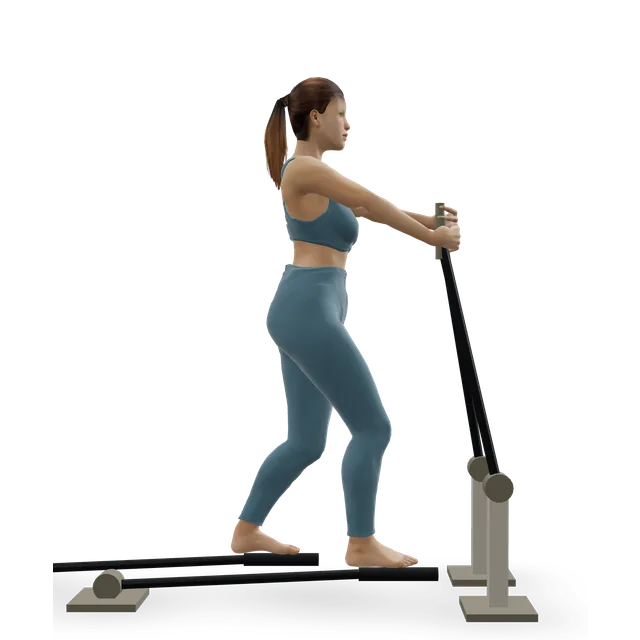
Build towards 150 minutes a week at a talk-but-not-sing effort, as the NHS advises, and stay seated on a bike. The recumbent bike and elliptical trainer pages' dose is 10 to 20 minutes at a moderate effort to start, building towards 30. The step jack is the no-jump version of a jumping jack, for circuits and classes.

Strength without straining

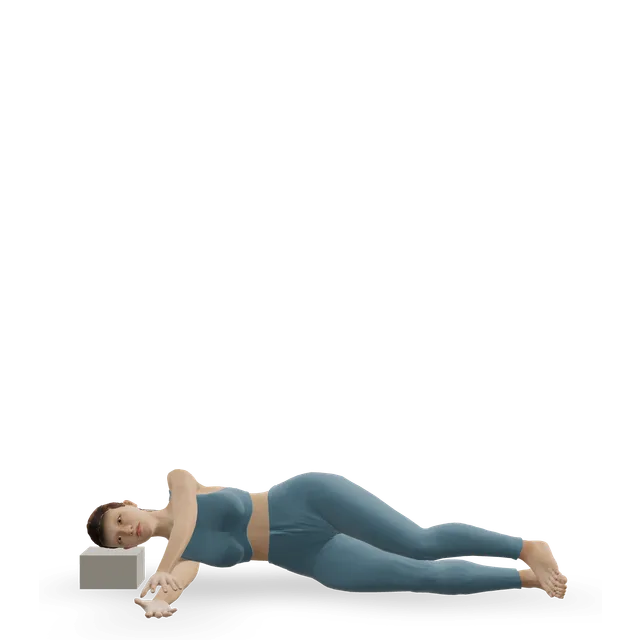
2 or 3 times a week with light loads: squeeze your pelvic floor before each effort and breathe out as you work. Our starting point is 2 sets of 8 to 15; the side-lying tummy draw-in page's dose is up to 10 holds of up to 10 seconds. The prolapse strength workout below puts them together.

Moves to leave out for now

While you have symptoms, and until a pelvic health physiotherapist has given you an individual plan.

Running and jumping

Jogging, sprints, skipping, jumping jacks, burpees, box jumps, hops and bounds, and trampolining. POGP counts any activity where both feet leave the ground at once as high impact. Swap them for fast walking, a cross-trainer or step jacks.

Sources 1, 7, 2

Heavy and deadweight lifting

Heavy deadlifts, kettlebell swings, heavy squats, the leg press, Olympic lifts and heavy carries. Lighter versions, with the knack and breathing out, are a later step to plan with a pelvic health physiotherapist.

Sources 1, 8, 2

Deep squats

The Royal Berkshire service advises avoiding deep squats, because the pelvic floor is vulnerable in that position: deep squat holds, Cossack squats, wide plié squats and pistol squats. Shallow squats to a chair are fine.

Source 8

Crunches and sit-ups

Crunches, sit-ups, bicycle crunches, V-ups, and Pilates moves that curl you up, such as the hundred and the roll-up. Use the side-lying tummy draw-in or the bird dog instead, and keep any small curl-up small, stopping if it brings on heaviness (our suggestion).

Source 8

Straining and standing still

Holding your breath and bearing down as you lift or push, and long spells of standing still, which tend to make symptoms worse.

Sources 2, 14

Workouts to follow

The prolapse strength workout is built for a prolapse. Despite its title, the pregnancy Pilates workout suits anyone with a prolapse: it has seated, side-lying and all-fours work and no crunches. In the dance workout, keep the plié squats shallow or skip them. After a prolapse repair, the exercises after a hysterectomy routine fits the first 6 weeks. Leave out high-intensity interval, jumping and heavy barbell workouts for now (our suggestion, following the NHS advice).

Strength workout with a prolapse: pelvic floor first, no impact, no crunches

A 25-minute strength workout for a pelvic organ prolapse: pelvic floor squeezes, sit-to-stands, push-ups, rows, bridges and side-lying work, with no jumping or crunches.

25 minBeginner12 movesA bench or box, A wall

Daily pelvic floor workout

A 5-minute daily pelvic floor workout for women and men: slow holds and quick squeezes, three times a day, with how to find the right muscles.

5 minBeginner2 movesNo equipment

Pelvic floor relaxation exercises

An 8-minute routine for a tight pelvic floor: slow breathing and comfortable positions to help the muscles let go, with no strengthening squeezes.

8 minBeginner5 movesFirm cushion

Low-impact cardio workout (no jumping)

A 25-minute standing cardio circuit with no jumping: marching, step jacks, sit-to-stands, punches, step-ups and wall push-ups, with a seated option for most moves.

25 minBeginner9 movesA bench or box, A step

Easy cardio workout

A steady 30 to 45 minute cardio session at talk-but-not-sing pace: walk, cycle, row or cross-train, counting toward weekly activity guidelines.

40 minBeginner3 movesCardio machine, A wall

Easy bike ride: 30 to 75 minutes at a pace you can talk at

A steady bike ride for a first triathlon or fitness: 5 to 10 minutes easy, a ride you can talk through, optional short faster bursts and an easy cool-down.

45 minBeginner4 movesCardio machine, A wall

Swim workout for beginners: lengths, rests and a steady continuous swim

A 30 to 45-minute beginner pool swim: a shoulder warm-up on the side, easy lengths, a main set of repeats with rests, and an easy swim down, any stroke.

35 minBeginner5 movesOther / check instructions

Pregnancy Pilates workout (no lying on your back)

A 20-minute Pilates workout for any trimester: seated, standing, all-fours and side-lying moves, with no lying on your back or front and no jumping.

20 minBeginner15 movesA wall, A bench or box

Low-impact dance fitness workout: no-jump cardio to music, with trunk and pelvic floor work

A 35-minute no-jump dance workout to music: marching, step-touches, step jacks, punches, step-ups and pliés, then trunk and pelvic floor work and a cool-down.

35 minBeginner14 movesA wall, A step

Exercises after a hysterectomy: the first 6 weeks

A gentle 15-minute routine for the first 6 weeks after a hysterectomy: circulation and breathing, pelvic floor and deep tummy exercises, then a daily walk.

15 minBeginner11 movesCardio machine

Follow a plan

The women's plans build in daily pelvic floor exercises; use this guide's swaps for jumping, intervals and heavy lifts. The walking plan builds to 150 minutes a week.

Pessaries and exercise

What a pessary is

A pessary is a device, often a ring, that sits in the vagina to support its walls. A clinic fits it, and you may need more than one fitting to find the right one. NICE says it can be used on its own or with supervised pelvic floor training. It only helps while it's in place, it doesn't cure the prolapse, and it can sometimes cause new leaking.

Sources 10, 6, 20

Exercising with a pessaryEmerging evidence

POGP's leaflet says: "You should be able to continue exercise with a pessary. Many women find they can be more active once they have a correctly fitted device in place." A well-fitted pessary shouldn't fall out when you exercise, though it can move. Keep doing your pelvic floor exercises with it in. Some women wear a pessary only for the activities that bring their symptoms on. No trial has tested exercise outcomes with a pessary.

Sources 10, 2

A pessary with pelvic floor trainingEmerging evidence

In a Cochrane review of 4 trials with 478 women, a pessary plus pelvic floor training probably helped more women feel their prolapse had improved than training alone (one trial of 260 women; moderate certainty). Pessaries caused more side effects than training (low certainty), and whether a pessary helps more than no treatment, or than training alone, is uncertain.

Source 16

Looking after it yourselfStrong evidence

In the TOPSY trial of 340 women, learning to look after your own pessary, with a 30-minute teaching session, a leaflet and a helpline, worked as well as clinic care for quality of life at 18 months, and still did at 4 years, when complications were no more common and it cost less.

Sources 29, 30

Care and checksStrong evidence

NICE says a pessary should be removed at least once every 6 months; your clinic will tell you how often to change or clean yours. See the clinic for bleeding, pain or a smelly discharge, or if it keeps falling out. If it gets stuck, contact the clinic, your GP or the nearest accident and emergency (A&E) department.

Sources 6, 10, 7

After prolapse surgery

Your surgical team's advice comes first

UK advice after a prolapse repair varies: the RCOG's timeline is quicker than POGP's, and your own team may give you different timings. Both start with walking and pelvic floor exercises. Our hysterectomy guide has a routine for the first 6 weeks after gynaecological surgery.

Sources 11, 12

The RCOG's timeline

The RCOG says there's no evidence that normal levels of physical activity are in any way harmful, and that a regular, gradual build-up of activity helps your recovery. Its guide:

  • from the day you get home: short walks, building up to your usual walking over 2 to 3 weeks
  • once the catheter is out: pelvic floor exercises, 10 long squeezes of up to 10 seconds and 10 short ones, at least 3 times a day, for life
  • the first month: light loads only, such as a 1-litre bottle of water
  • 4 to 6 weeks: heavier lifting, including children, and strenuous activity
  • from 6 weeks: contact and power sports, depending on how fit you were before the operation

Source 11

POGP's timeline

POGP's booklet for major gynaecological surgery is more cautious:

  • up to 6 weeks: daily walks, no standing still for 30 minutes or more, and no heavy lifting, such as a vacuum cleaner, a full kettle or a bag of shopping
  • 6 to 12 weeks: low-impact exercise such as swimming, cycling, low-level Pilates, a cross-trainer, brisk walking or gentle aerobics, once any bleeding and discharge have stopped
  • from 3 months: high-impact exercise and competitive sport
  • for life, especially after an operation for prolapse: some exercises that need heavy straining may need to be avoided

Source 12

What the trials foundEmerging evidence

In a trial of 108 women after prolapse surgery, those told to return to activity at their own pace, with no limits on lifting or high-impact exercise, were as satisfied (98% against 94%) and had the same examination results at 3 months as those told to avoid heavy lifting and strenuous exercise, with fewer prolapse and bladder symptoms. A review of 5 trials with 434 women agreed. The long-term effects haven't been tested. In a study of 466 women, just over half were inactive before surgery and 3 months after it, and the timing of starting exercise made no difference to symptoms.

Sources 31, 32, 33

Pelvic floor exercises around surgeryMixed evidence

In the OPTIMAL trial of 374 women, adding pelvic floor training before and after vaginal prolapse surgery didn't improve bladder symptoms at 6 months or prolapse symptoms at 2 years. The RCOG still advises carrying on with the exercises, before and after surgery.

Sources 34, 7, 11

Another prolapseEmerging evidence

The RCOG says about 25 to 30 in every 100 women who have prolapse surgery develop another prolapse, more often with a higher weight, constipation, a long-standing cough or heavy physical activities.

Source 7

After a birth, and after the menopause

After a birth

The UK return-to-running guideline advises against running before 3 months after a birth, or later if you have pelvic floor symptoms such as heaviness, dragging or a bulge; this timing is expert opinion. If a prolapse is found, it suggests a pessary may help you return to running. Our postpartum guide covers the checks and the timing.

Source 13

After the menopause

NICE recommends considering vaginal oestrogen for women with a prolapse and vaginal dryness or other menopausal changes in the vagina: ask your GP. Pelvic floor training helps in the same way at any age. Our menopause guide covers exercise through the menopause.

Sources 6, 2

Everyday habits that help

Avoid constipation and straining

Sit fully on the toilet with your feet on a footstool, and don't strain. Drink about 1.5 to 2 litres a day and eat more fibre. The NHS suggests gentle exercise like walking to help avoid constipation.

Sources 2, 8, 1

Weight

NICE suggests advice on losing weight if your body mass index (BMI) is over 30, though its later review found no effect of weight loss on prolapse symptoms. Our weight loss guide covers how.

Sources 6, 21

Coughs and smoking

A persistent cough strains your pelvic floor, so get it treated, and if you smoke, stopping helps. Squeezing your pelvic floor before you cough or sneeze helps too.

Sources 1, 2

Sex

POGP says: "Having sex with a prolapse is safe and will not damage or make the bulge worse."

Source 2

Long days on your feet

Break up long spells of standing, and lie down for a while if your symptoms build up later in the day.

Sources 2, 14

When to see a GP, and when to get help fast

This is general information, not a diagnosis. In the US, call 911 where this page says 999.

See a GP

The NHS says see a GP if:

  • you have a lump in or around your vagina
  • you have any other symptoms of a pelvic organ prolapse, such as heaviness, discomfort or pressure, pain or numbness during sex, or changes in peeing or pooing

Source 1

See a pelvic health physiotherapist

In many areas you can refer yourself. See one if the exercises are hard to do, if your symptoms haven't improved after about 3 months of regular practice, or before you go back to running, jumping or heavier lifting.

Sources 2, 14, 8

If exercise brings on symptoms

Stop, drop back to an easier level and rest if you feel heaviness, dragging, pressure or a bulge, or you leak, during or after an activity. If you see or feel a bulge when you squeeze, stop the pelvic floor exercises and get help.

Sources 2, 8

With a pessary

See your clinic for bleeding, pain or a smelly discharge, or if your pessary keeps falling out. If it's stuck, contact the clinic where it was fitted, your GP or the nearest A&E.

Sources 10, 7

After surgery: when to get medical advice

The RCOG says to seek medical advice for:

  • burning or stinging when you pee, or peeing often
  • vaginal bleeding that becomes heavy or smelly, especially with a high temperature
  • a painful, red, swollen, hot leg, or difficulty putting weight on your legs

Source 11

After surgery: get help immediately

Chest pain, shortness of breath or coughing up blood can mean a clot in the lung: the RCOG says seek medical help immediately.

Call 999 (911 in the US) for chest pain, severe difficulty breathing or someone who collapses during or after exercise. Our heart disease guide lists the signs.

Source 11

Numbness, or losing control of your bladder or bowels

Numbness around your genitals or bottom, or suddenly not being able to pee or control your bladder or bowels, needs urgent help: our pelvic floor guide lists these signs and what to do.

Myths

"With a prolapse, you can never lift or run again"Mixed evidence

The UK advice is to avoid heavy lifting and running while you have symptoms and until you've had individual advice, and it's expert opinion. NHS pelvic health physiotherapists say that once your pelvic floor is strong you may try other exercise, stopping if symptoms get worse, and POGP says you should be able to exercise with a well-fitted pessary. Studies of hard exercise disagree on whether it worsens prolapse.

Sources 1, 9, 8, 10, 24, 25

"Pelvic floor exercises will make a prolapse go away"Strong evidence

They usually ease the symptoms rather than make the prolapse disappear, and the benefit in trials was modest and mainly short term. The RCOG says they "may not get rid of your prolapse but are likely to improve your symptoms".

Sources 4, 5, 7

"Exercise causes prolapse"Mixed evidence

Childbirth was the main factor in most studies, and lifetime hard activity wasn't linked with prolapse in middle-aged women. NICE lists lack of exercise among the risk factors for pelvic floor problems and says physical activity can help prevent them. Whether very heavy or high-impact training adds risk is unsettled.

Sources 25, 26, 20

"Hypopressive breathing fixes a prolapse"Emerging evidence

In small trials, it added nothing to pelvic floor training, and on its own it helped less.

Sources 22, 23

"With a pessary, you have to give up exercise"Emerging evidence

POGP's answer to this question is "No. You should be able to continue exercise with a pessary."

Source 10

"Sex will make a prolapse worse"Strong evidence

POGP says sex with a prolapse is safe and won't damage it or make the bulge worse.

Source 2

"Only women who've had babies get a prolapse"Strong evidence

POGP says it can happen to any woman, even if she hasn't had children, and after a hysterectomy the top of the vagina can drop.

Sources 14, 1

Questions people ask

What exercise is good for a prolapse?

Daily pelvic floor exercises come first: NICE suggests a supervised programme of at least 16 weeks for a mild prolapse. For general fitness, choose low-impact exercise such as walking, swimming, cycling while seated, a cross-trainer, and Pilates or yoga with any uncomfortable positions adapted, plus gentle strength training while you watch your symptoms. Squeeze your pelvic floor before you lift or strain.

Can pelvic floor exercises fix a prolapse?

They can ease the symptoms, though they usually don't make the prolapse disappear. In the POPPY trial of 447 women, one-to-one training reduced symptoms more than advice alone at 12 months, and pooled trials show benefits in the short term. A pessary or surgery are other options, and you can use pelvic floor exercises alongside them.

How long do pelvic floor exercises take to work for a prolapse?

Months, not weeks. NICE recommends at least 16 weeks of supervised training, and POGP says to expect an improvement in 3 to 5 months. Once they help, keep going once a day to hold on to the improvement.

What exercises should I avoid with a prolapse?

For now, UK advice is to avoid heavy lifting, running, jumping and trampolining, and one NHS physiotherapy service adds deep squats, deadweight lifts such as deadlifts, and abdominal crunches. Drop back from anything that brings on heaviness, dragging or a bulge. These limits are expert advice rather than trial results, and a pelvic health physiotherapist can help you plan a return.

Can I run with a prolapse?

UK guidance says to avoid running for now if you have a prolapse. Some women go back to running once their pelvic floor is strong, building up slowly and stopping if symptoms come back, often with a pessary fitted. Get a pelvic health physiotherapist's assessment first, and after a birth wait at least 3 months.

Can I lift weights with a prolapse, and can lifting cause one?

The NHS advises avoiding heavy lifting with a prolapse, though NICE found no trials behind this advice. Whether lifting causes or worsens a prolapse is unclear: women who lift heavy weights didn't report more symptoms in a large survey, but a review found single hard sessions increased symptoms for a while. Use light weights, squeeze before each lift, breathe out as you lift, and ask a pelvic health physiotherapist before going heavier.

Are squats safe with a prolapse?

Shallow squats, such as sitting down on and standing up from a chair, are usually fine with a pelvic floor squeeze first. One NHS physiotherapy service advises avoiding deep squats, because the pelvic floor is vulnerable in that position. Stop if you feel heaviness or a bulge.

Can I exercise with a pessary?

Yes. POGP says you should be able to carry on exercising with a pessary, a well-fitted one shouldn't fall out (though it can move), and you should keep doing your pelvic floor exercises. Some women wear a pessary only for the activities that bring their symptoms on. See your clinic for bleeding, pain or a smelly discharge.

Why is my prolapse worse after walking or at the end of the day?

That's typical: symptoms are often worse after a long day, after standing for a long time, or after lifting or straining, and they ease when you rest. It doesn't mean walking is harmful. Break long walks or spells of standing into shorter ones, lie down for a while if you need to, and keep up your pelvic floor exercises.

Can I do yoga or Pilates with a prolapse?

Yes, adapting any positions that feel uncomfortable. NICE says supervised exercise such as yoga may help alongside supervised pelvic floor training. Leave out moves that curl you up or make you bear down if they bring on heaviness.

When can I exercise after prolapse surgery?

Walk from the day you get home and build up. The RCOG advises light loads only for the first month, nothing heavy or strenuous until 4 to 6 weeks, and contact or power sports from 6 weeks, while POGP advises waiting at least 3 months for high-impact exercise and competitive sport. In trials, women told to return at their own pace did as well at 3 months as those told to hold back, but your surgical team's advice comes first.

Do hypopressive exercises help a prolapse?

Not more than pelvic floor training. In small trials, adding hypopressive exercise to pelvic floor training made no extra difference, and hypopressives on their own helped less. Stick with pelvic floor training as the main exercise.

Sources

  1. NHS · Pelvic organ prolapse
  2. POGP 2020 · Pelvic organ prolapse: a guide for women (physiotherapy booklet; review was due 2023)
  3. Barber 2013 · How common pelvic organ prolapse is, and how it's measured (review, International Urogynecology Journal; abstract read)
  4. Hagen 2014 · One-to-one pelvic floor muscle training for prolapse in 447 women: the POPPY trial (randomised trial, Lancet; abstract read)
  5. Cong 2026 · Pelvic floor muscle training for pelvic organ prolapse: 16 trials (systematic review and meta-analysis, BMC Urology)
  6. NICE NG123 · Urinary incontinence and pelvic organ prolapse in women: management (2019)
  7. Royal College of Obstetricians and Gynaecologists · Pelvic organ prolapse (patient information, updated May 2022; reviewed every 3 years)
  8. Royal Berkshire NHS Foundation Trust 2024 · Exercising with a pelvic organ prolapse (pelvic health physiotherapy leaflet)
  9. NICE NG123 · Rationale and impact: non-surgical management of pelvic organ prolapse (2019)
  10. POGP and the UK Clinical Guideline Group 2021 · Information for women using a pessary for vaginal prolapse (patient leaflet)
  11. Royal College of Obstetricians and Gynaecologists · Pelvic floor repair operation: recovering well (reviewed June 2025)
  12. POGP 2022 · Fit following surgery: advice and exercise after major gynaecological surgery (physiotherapy booklet; review was due 2025)
  13. Goom 2019 · Returning to running postnatal: guidelines for medical, health and fitness professionals (UK expert guidance)
  14. POGP · Vaginal prolapse (patient information)
  15. Hagen 2011 · Conservative prevention and management of pelvic organ prolapse: 6 trials (Cochrane review; abstract read)
  16. Bugge 2020 · Pessaries for pelvic organ prolapse: 4 trials (Cochrane review; abstract read)
  17. Wu 2014 · Lifetime risk of surgery for stress incontinence or pelvic organ prolapse (US cohort study, Obstetrics and Gynecology; abstract read)
  18. Li 2016 · Pelvic floor muscle training for pelvic organ prolapse: 13 studies (meta-analysis, International Urogynecology Journal; abstract read)
  19. Hagen 2017 · Pelvic floor muscle training to stop prolapse getting worse in 414 women: the PREVPROL trial (randomised trial, Lancet; abstract read)
  20. NICE NG210 · Pelvic floor dysfunction: prevention and non-surgical management (2021)
  21. NICE NG210 · Rationale and impact: physical activity, weight loss, pelvic floor muscle training and pessaries (2021)
  22. Bø 2023 · Hypopressive and other exercise programmes for pelvic organ prolapse: 7 trials (systematic review, International Urogynecology Journal; abstract read)
  23. Resende 2019 · Pelvic floor muscle training against hypopressive exercise for a stage 2 prolapse (randomised trial, Neurourology and Urodynamics; abstract read)
  24. Forner 2020 · Prolapse symptoms in 3,934 women who lift heavy weights for exercise (survey, International Urogynecology Journal; abstract read)
  25. Bø 2023 · Strenuous physical activity, exercise and pelvic organ prolapse (scoping review, International Urogynecology Journal; abstract read)
  26. Nygaard 2014 · Lifetime physical activity and pelvic organ prolapse in 382 middle-aged women (case-control study, American Journal of Obstetrics and Gynecology; abstract read)
  27. Si 2024 · Measured physical activity and new pelvic organ prolapse in 47,674 women over 8 years (UK Biobank cohort study, International Journal of Behavioral Nutrition and Physical Activity; abstract read)
  28. NHS · Physical activity guidelines for adults aged 19 to 64
  29. Bugge 2024 · Looking after your own pessary against clinic care in 340 women: the TOPSY trial (randomised trial, Health Technology Assessment; abstract read)
  30. Bugge 2025 · Pessary self-management after 4 years: TOPSY follow-up (randomised trial, BJOG; abstract read)
  31. Mueller 2017 · Activity restrictions after prolapse surgery in 108 women (randomised trial, Obstetrics and Gynecology; abstract read)
  32. Cacheiro Bofarull 2025 · Activity restrictions after pelvic reconstructive surgery: 5 trials (systematic review, Urogynecology; abstract read)
  33. Micussi 2026 · When to start exercise after prolapse surgery in 466 women (secondary analysis, Brazilian Journal of Physical Therapy; abstract read)
  34. Barber 2014 · Two operations, and pelvic floor training around prolapse surgery, in 374 women: the OPTIMAL trial (randomised trial, JAMA; abstract read)

Exercise education, not a diagnosis or treatment plan, and clinical review of these guides is pending. Stop and get advice for chest pain, unusual breathlessness, dizziness or fainting, or new pain, and check with your doctor or midwife first if they have told you to limit activity. Health disclaimer.