Front crawl (freestyle swimming)
Front crawl, also called freestyle, is the stroke most triathletes swim: you lie long and flat on the water, kick steadily from the hips, reach and pull with one arm at a time, and turn your head to the side to breathe. World Triathlon's rules allow any stroke in a race, so breaststroke or backstroke is fine if you prefer. The steps follow Swim England's technique tips. There is no 3D demo, because the figure can't swim: follow the written steps, and think about adult swimming lessons if you're still learning.
Movement guide
Front crawl (freestyle swimming)
Source-researched guide. Clinical review is pending.
How to move
- Push off from the wall and lie face down, long and flat, with a slight slope down to your hips so your kick stays under the water. Look down and a little forward, with the water level between your eyebrows and your hairline.
- Kick from your hips in a steady, continuous rhythm: legs close together and fairly straight, ankles relaxed, small kicks rather than big ones.
- Reach one hand into the water in front of you, between the line of your head and your shoulder, with your elbow slightly bent. Reach a little further forward under the water before you start to pull.
- Pull back under your body and then out past your thigh, finishing the stroke before your arm leaves the water, while the other arm reaches forward. Let your shoulders and hips roll a little with each stroke, your hips less than your shoulders.
- Breathe out into the water. To breathe in, turn your head to the side as your shoulder rolls, keeping one side of your face in the water, then turn it back. Many swimmers breathe every 3 strokes, which swaps sides, but breathe whenever you need to.
Form cues
- Head still and in line: turn it to breathe rather than lifting it, or your legs sink.
- Long and smooth beats fast and splashy.
- Breathe out under the water, so you only need to breathe in when you turn.
- Avoid: big kicks from the knees.
Practice and cautions
Set by the workout or plan. Our sprint triathlon training plan starts with 8 lengths of 25 m with about 30 seconds' rest and builds to a continuous swim of up to 750 m by week 11 (our editorial plan). World Triathlon's rules give age-group athletes up to 30 minutes for a race swim of 301 to 750 m, which is about 4 minutes per 100 m, rests included.
Swim where there's a lifeguard, and never swim alone in open water. If a shoulder hurts, shorten your swims and see the shoulder care routine for swimmers. Sudden breathlessness with a cough, sometimes with frothy or pink spit, can be fluid on the lungs (swimming-induced pulmonary oedema): stop, get out of the water and get help. This is movement education, not an assessment or treatment prescription. Stop for sharp or increasing pain, dizziness, numbness or tingling; seek individual guidance for symptoms, injury or restrictions.
Sources and review status
Sources support the educational description; they do not establish that this exercise is suitable for you.
- Swim England 2018 · Improving your front crawl technique (technique tips from the national governing body for swimming in England) ↗
- World Triathlon 2025 · Competition rules, version of 13 December 2025: swim conduct, wetsuits and time limits (copy hosted by Triathlon Manitoba) ↗
- Royal Life Saving Society UK · Top recommendations for safer open water swimming, including Float to Live ↗
- Spencer 2018 · Swimming-induced pulmonary oedema: how often, risk factors, outcome and prevention (systematic review, Sports Medicine - Open) ↗
No variation is labeled clinically validated.
What it works
Muscles
Main: Shoulders, Back. Also: Triceps, Chest, Abs, Glutes, Quads, Hip flexors.
Anatomy: Deltoid, Rotator cuff, Supraspinatus, Infraspinatus, Subscapularis, Teres minor.
Equipment
Other / check instructions
Level
Intermediate.
Workouts that use it
Guides that use it
Similar moves
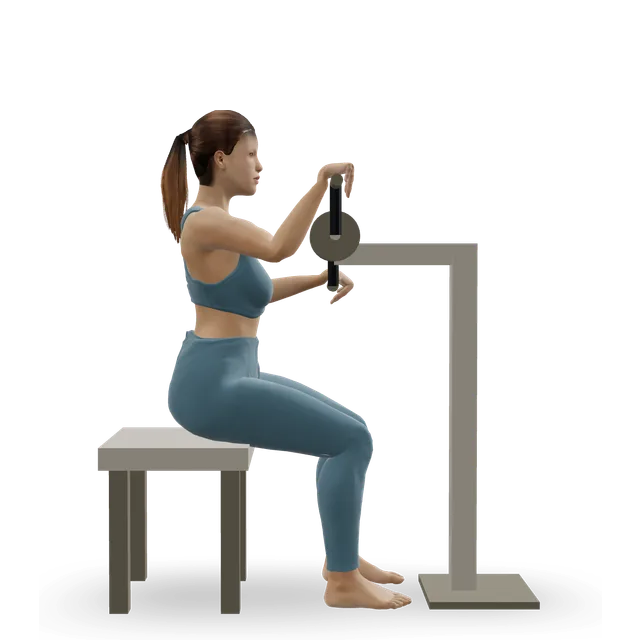 3D demoArm-crank intervals (arm bike)Beginner · Cardio machine
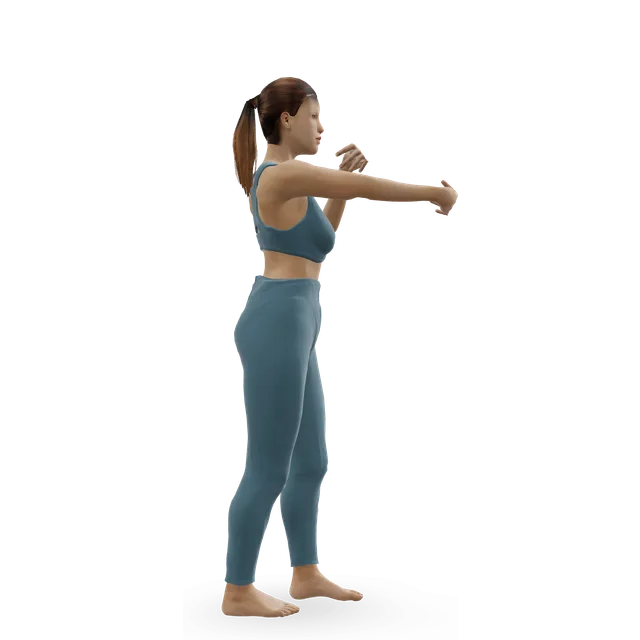 3D demoStanding punches (shadow boxing)Beginner · No equipment
 3D demoStep jack (low-impact jumping jack)Beginner · No equipment
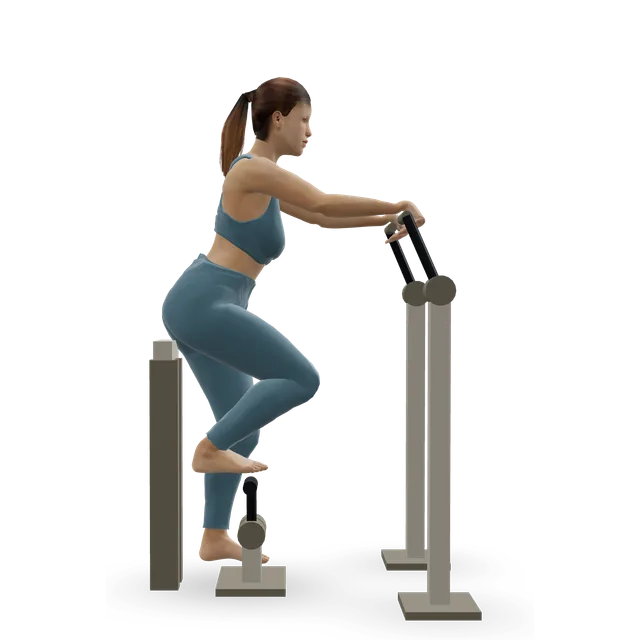 3D demoAir bike intervalsAdvanced · Cardio machine
 3D demoIndoor rowing (rowing machine)Beginner · Cardio machine
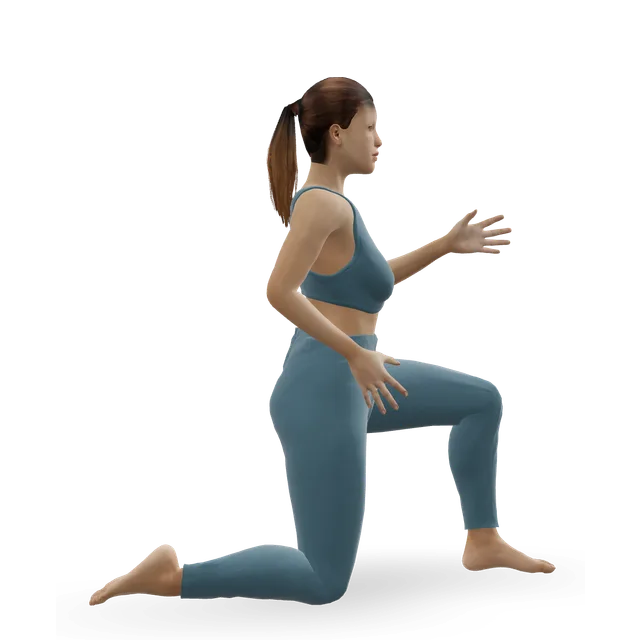 3D demoKneeling sprint arm drillBeginner · No equipment
Browse more
Questions people ask
What muscles does the Front crawl (freestyle swimming) work?
Mainly the shoulders and back, with help from the triceps, chest, abs, glutes, quads and hip flexors.
What equipment do I need for the Front crawl (freestyle swimming)?
Other / check instructions.
Is the Front crawl (freestyle swimming) good for beginners?
It is graded intermediate.