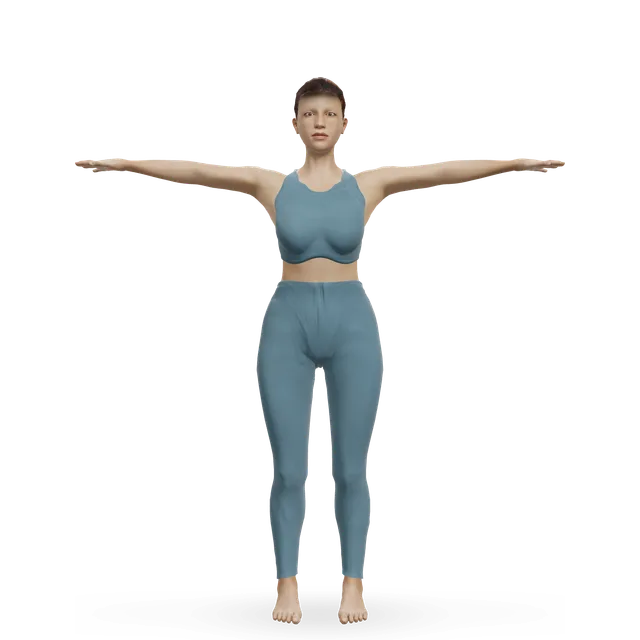
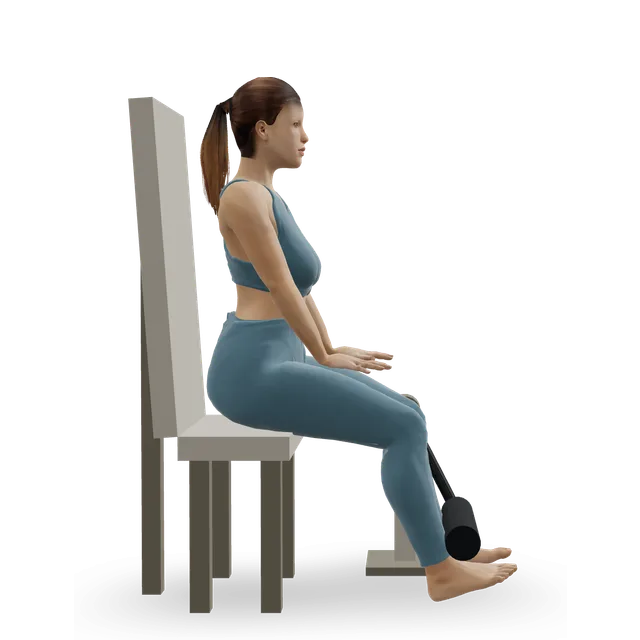
How soon can I exercise after a transplant?
Walking starts straight away: NHS Blood and Transplant says walk a little every day from the first weeks, keeping distances short at first. If your recovery is going well, moderate exercise such as walking, jogging, swimming or cycling is usually encouraged from about 6 to 8 weeks, though some centres say 3 months for jogging, swimming and strength training. Your transplant centre's advice comes first.
When can I lift weights or go to the gym after a kidney transplant?
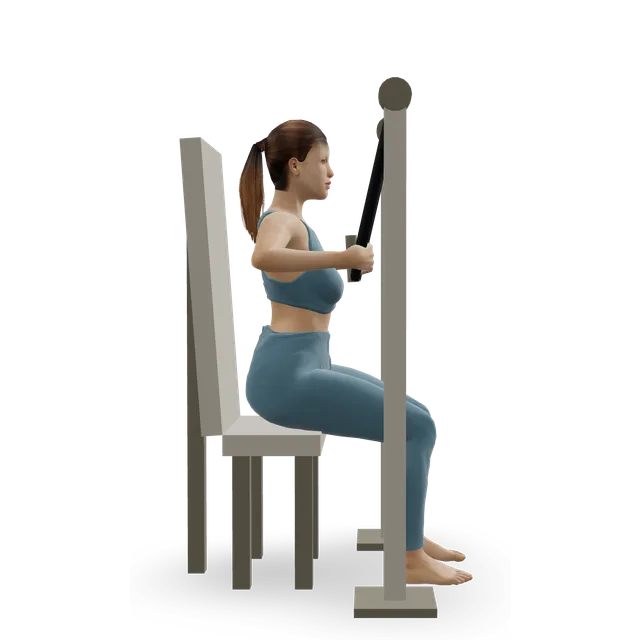
NHS Blood and Transplant says avoid lifting more than 10 kg for at least 6 weeks, and some centres say no heavy lifting for 3 months. Imperial College Healthcare's kidney team suggests low-impact strength training from about 3 months. Our suggestion: start light, breathe out as you lift, and build up once your team's limit has passed.
Can I go swimming after a transplant?
Not until your wound has completely healed, because of the risk of infection; some centres say about 3 months. Try not to swallow the water, and put SPF 50 sunscreen on again when you get out.
Can I run after a transplant?
Yes, for most people, once moderate exercise is allowed. Cambridge University Hospitals' physiotherapists say start running when you can walk briskly with ease. Our suggestion is a run-walk plan such as couch to 5K, to build up gradually.
Can I play contact sports or football after a kidney transplant?
NHS Blood and Transplant advises avoiding heavy contact sports such as rugby, martial arts and boxing, which risk damaging the new kidney. Kidney Research UK adds football and hockey and says padding can help, and the UK Kidney Association says contact sports should be thought about carefully. Most other sports are fine, so talk to your team about the one you want to play.
Why does my heart rate behave differently after a heart transplant?
The new heart has lost its nerve supply, so it doesn't speed up for the first few minutes of exercise and takes longer to settle afterwards. Royal Papworth Hospital asks for a 10-minute warm-up and cool-down, and to judge your effort by how it feels and whether you can talk, rather than by heart rate.
Is cardiac rehab for heart transplant patients too?
Yes. The British Heart Foundation says it's important to go to cardiac rehab after heart transplant surgery, and a European consensus recommends long-term rehab, though only about half of heart recipients take part.
Can I do sit-ups or core exercises after a kidney or liver transplant?
Not at first. NHS Blood and Transplant says no strain on your tummy muscles for 4 to 6 weeks after a kidney and 6 to 8 weeks after a liver transplant, and Cambridge University Hospitals says 8 to 10 weeks after a liver transplant. Hernias through the scar happen in 3 to 10 in 100 people after a kidney transplant, depending on the source, so build up through gentle core work and stop if you notice a bulge.
Do anti-rejection medicines affect exercise?
They can raise blood sugar and blood pressure, add weight and appetite (steroids), cause a tremor (tacrolimus) and thin your bones. Regular exercise helps with weight, blood pressure and bones, so keep taking every medicine exactly as prescribed and ask your team about bone scans.
How do I protect my skin when I exercise outdoors?
Skin cancer is much more common after a transplant, and outdoor sport counts as sun exposure all year round. Use SPF 50 sunscreen with high UVA protection, put it on again every 2 hours and after swimming, wear a hat and long sleeves, and avoid the sun between 11am and 3pm.
Should I exercise if I have an infection or I'm being treated for rejection?
Royal Papworth advises stopping exercise until rejection treatment has finished, while still moving gently, and only gentle exercise with an infection. Contact your transplant team for a temperature of 38C or above, feeling hot and shivery, or any of the other warning signs on this page.
How soon can I exercise after donating a kidney?
Walk every day if you feel up to it; most donors are back to normal activity within 4 to 6 weeks. NHS Organ Donation says avoid vigorous exercise and heavy lifting for 8 to 12 weeks, and let your stamina and your wound guide you.