Exercise with pulmonary fibrosis and ILD: pulmonary rehab, breathlessness and oxygen levels
Pulmonary fibrosis is scarring in the lungs. It belongs to a group of more than 200 conditions called interstitial lung disease (ILD), and idiopathic pulmonary fibrosis (IPF) is one of the most common types. Exercise can't undo the scarring, but pulmonary rehabilitation (PR), a course of exercise and education, helps people walk further, feel less breathless and enjoy a better quality of life. NICE (the National Institute for Health and Care Excellence) recommends that people with IPF are assessed for it at diagnosis and every 6 or 12 months after that.
Getting a little breathless is safe. What's different from many other lung conditions is oxygen: your level often dips when you're active, that's expected, and your team decides whether you need oxygen and what level to keep above. This guide covers PR, pacing and breathlessness, oxygen levels and pulse oximeters, portable oxygen and staying strong, then moves you can watch in 3D and the warning signs. It applies to ILD linked to rheumatoid arthritis and scleroderma too.
NICE says people with IPF should be assessed for PR when they're diagnosed and again every 6 or 12 months, and offered a course tailored to IPF. The American Thoracic Society (ATS) strongly recommends PR for adults with any ILD.
In ILD, PR added about 40 metres to the distance people could walk in 6 minutes, eased breathlessness and improved quality of life. In IPF, the walking gain had faded 6 to 12 months later, which is why the assessment is repeated.
Action for Pulmonary Fibrosis (APF), a UK charity, says getting slightly short of breath when you exercise is safe, but you must stop if you feel dizzy or have chest pains. If breathlessness builds, stop, let your breathing settle, then start again.
Your oxygen often dips when you're active, and that's expected
Scarring slows oxygen getting into the blood, most of all when you exert yourself, and more than half of people seen at a specialist ILD clinic have a dip on exertion. Your team checks it with a walking test and sets the plan, including whether you need oxygen. There's no single number that's too low: the one that matters is the one your team gives you.
Portable oxygen is offered after a formal assessment that includes an exercise test. It helps some people feel better and do more in the short term, but in a trial against a dummy device it didn't increase how many steps people took each day.
Losing too much weight costs muscle strength, so strength work on 2 days a week matters. If your symptoms are much worse than usual, stop exercising and ask your specialist team when it's safe to start again, and call 999 if you suddenly feel much more breathless or have new or severe chest pain.
Pulmonary fibrosis is scarring (fibrosis) of the tissue in and around the tiny air sacs of the lungs. It makes the lungs harder to expand and makes it harder for oxygen to pass into the blood. There are more than 200 types of ILD: some cause inflammation, some scarring and some both. Scarring that's already there can't be reversed, but medicines can slow it down.
Idiopathic means no cause has been found. IPF is a rare condition that mainly affects people aged 70 or over, and it affects almost 40,000 people in the UK. It's progressive, which means it gets worse over time.
Other ILDs include hypersensitivity pneumonitis (a reaction to things you breathe in, such as some dusts, moulds and animal proteins), sarcoidosis, ILD caused by asbestos, coal or silica dust, ILD caused by some medicines, and ILD linked to connective tissue diseases such as rheumatoid arthritis, systemic sclerosis (scleroderma) and Sjögren's syndrome.
Breathlessness, at first with activity such as climbing stairs and later sometimes at rest, a dry cough that won't go away, feeling tired a lot and losing weight without trying. A GP (general practitioner) may notice rounded, swollen fingertips (clubbing) or lips that look blue or grey from low oxygen.
Scarring makes it harder for oxygen to move from the lungs into the blood, and a low level is more likely when you exert yourself, because that's when blood travels faster through the lungs. The ATS calls a dip on exertion a hallmark of ILD: it happens in more than half of people seen at a specialist ILD clinic, and in over 80% of those whose lung capacity is less than half of what's expected.
It varies. Some types stay stable for years, while IPF and other progressive types get worse over time, and sudden worsening (a flare-up) can happen. Asthma + Lung UK says the often-quoted average of 3 to 5 years comes from old IPF research and is out of date, because newer treatments slow the scarring.
Possible complications include a longer recovery from chest infections, pneumonia and flu, high blood pressure in the lungs (pulmonary hypertension), which is more common in scarring ILDs, and a collapsed lung, which can cause sudden breathlessness and chest pain. Our pulmonary hypertension guide covers exercise with that condition.
Antifibrotic medicines (pirfenidone and nintedanib) slow scarring in IPF and some other progressive types; steroids and other medicines that calm the immune system treat inflammatory and autoimmune types. Oxygen helps if your levels are low, PR helps you stay active, and a few people are offered a lung transplant. Common side effects of antifibrotics include feeling sick, diarrhoea and, with pirfenidone, a rash from sunlight.
Most trials were small, lasted 8 to 12 weeks and were mostly in IPF. Medicines, not exercise, carry the evidence for slowing the scarring.
Pulmonary rehab works in ILDStrong evidence
A 2021 Cochrane review of 21 studies found that PR added about 40 metres to a 6-minute walk (13 trials, 585 people) and improved quality of life (11 trials, 478 people), both with moderate certainty, and eased breathlessness (low certainty). Six to 12 months later, people still walked about 32 metres further (5 trials, 297 people). On this evidence, the ATS strongly recommends PR for adults with ILD.
In people with IPF, PR added about 37 metres to a 6-minute walk by the end of the course (8 trials, 278 people), but 6 to 12 months later the difference was close to nothing (3 trials, 123 people). Some of the gains in breathlessness and quality of life lasted longer.
None of the 10 studies that recorded harms found any during rehab. Experts advise having oxygen available wherever people with ILD train, and close supervision for people with severe disease whose oxygen drops a lot during exercise.
Oxygen during training: no single targetEmerging evidence
The rehab trials gave people oxygen at different points: when their oxygen saturation fell below 85%, 88% or 90%, depending on the trial. The ATS home oxygen guideline defines a dip on exertion as 88% or less. So there's no single agreed number for exercising at home: your team gives you yours.
In a UK trial of 84 people, 2 weeks of portable (ambulatory) oxygen improved quality of life, and two-thirds chose to keep using it. In a 6-month trial of 116 people, a portable oxygen concentrator didn't increase daily steps compared with an identical device that gave air. In single walking tests and lab tests, oxygen raised oxygen levels, let people exercise for longer and eased breathlessness. A UK trial couldn't recruit enough people, partly because portable oxygen is already widely provided and accepted.
Experts note that the best exercise prescription for ILD isn't known yet. When distressing breathlessness stops people training, they suggest interval training, short bursts with rests, and APF says many people learn to pace themselves by stopping and starting.
Existing scarring can't be reversed. Antifibrotic medicines slow it, and PR improves walking, breathlessness and quality of life, not the scarring itself.
NICE recommends assessing people with IPF for PR at diagnosis, which may include a 6-minute walk test with your oxygen measured and a quality of life questionnaire, and repeating the assessment every 6 or 12 months. It recommends PR with exercise and education tailored to IPF, held somewhere easy to get to, and its quality standard asks for programmes designed for IPF rather than for COPD (chronic obstructive pulmonary disease).
A course usually runs for several weeks with one or two group sessions a week, with a small group and a team of physiotherapists, nurses and volunteers, and the exercises get harder as you get stronger. In the trials, most programmes lasted 8 to 12 weeks and mixed walking or cycling with strength work. In one, walking started at 80% of the speed people managed in a 6-minute walk test, with arm and leg strength work and a home programme three times a week.
People who use oxygen are assessed to see whether they need it during the sessions. If you've been prescribed oxygen for exercise, take it to the class. The ATS advises running PR for ILD where oxygen can be given during training.
Asthma + Lung UK suggests its Keep Active programme while you wait, and says you can ask your GP about the NHS exercise referral scheme, which can refer you to an exercise programme in your area.
APF says getting slightly short of breath when you exercise is safe, but you must stop if you feel dizzy or have chest pains. Its test: if you can't carry on a conversation while exercising, slow down a bit.
If you start slowly, you can feel breathlessness building like a wave. Stopping at that point and letting your breathing settle keeps you in control, and you can start again as soon as you feel comfortable. You'll learn which activities you can manage, and PR can help you increase them.
Breathing techniques help you control and slow your breathing and recover after activity, and different techniques suit different people: your physiotherapist or PR team can help you find yours. Our COPD guide shows breathing control and the positions that ease breathlessness. They won't reverse the scarring.
A rollator with a seat lets you rest when you need to, and one with a basket can carry your oxygen. A walking stick helps some people feel more comfortable about going slowly.
Talking, moving or exercise can set off a cough. Drinking water through the day, breathing in gently through your nose and out through your mouth, and wrapping a loose scarf over your mouth and nose in cold air can help. If you're coughing more than usual, or your cough has changed, get advice from your GP or specialist team.
Slow, gentle breathing with no holds helps you recover after effort. Pursed-lip breathing is optional: Asthma + Lung UK teaches it for breathlessness in lung conditions, so try it and keep it if it helps.
In known ILD, your oxygen level often falls when you're active, and your ILD team sets the plan: whether you need oxygen, and what level to keep above. A reading that's lower than usual for you, if your team has asked you to check at home, or breathlessness that's worse than usual, is a reason to contact them.
Our long COVID guide says to get advice the same day if a pulse oximeter shows your oxygen falling when you move. That advice is for a new, unexplained drop. With known ILD, your team expects a dip and will have told you what to do.
In a healthy person, oxygen saturation is 95% to 100%. If yours is 92% or less at rest, you should be referred for an assessment to see whether oxygen would help.
The rehab trials used 85%, 88% or 90% as the level at which to give oxygen, the ATS treats 88% or less on exertion as significant, and a US charity's handout uses 90%. The number that matters is the one your team gives you.
The UK regulator, the Medicines and Healthcare products Regulatory Agency (MHRA), doesn't recommend using a pulse oximeter at home unless a clinician has advised it, shown you how, and reviews the results. Cold hands, poor circulation, movement and nail polish can upset readings, and darker skin can make them read too high, so look at how your readings change over time, not just at one number. Raynaud's, which is common in scleroderma, makes cold fingers likely (our note); our Raynaud's guide covers keeping warm.
In the UK, portable oxygen is ordered to help with PR or getting about only after a formal assessment that includes an exercise test. The British Thoracic Society singles out pulmonary fibrosis because oxygen tends to drop a lot on exercise, so people who want to try it may be offered a trial, keeping it only if it helps and they use it. NICE says to consider assessing whether you need portable or long-term oxygen if you're breathless on exertion, and the ATS suggests portable oxygen for people with ILD whose oxygen drops severely on exertion.
Oxygen helps many people do more and feel better in the short term, but whether it increases how active you are day to day is doubtful, going by the one trial that compared it with a dummy device. That's why each person is tested.
The British Thoracic Society doesn't recommend short bursts of oxygen just before or after exercise. That advice comes from COPD trials; we found no ILD trial.
Portable cylinders weigh about 2 to 3 kg and hold up to about 3 hours of oxygen; you'll be given a backpack or trolley to carry one. Oxygen is a fire risk: keep away from naked flames, never smoke or use an e-cigarette near it, and follow your supplier's safety advice. If you smoke or vape, you may not be prescribed oxygen.
Doses are starting points, not prescriptions. Your PR team or physiotherapist can tailor them.
Regular rather than strenuous
APF says to make exercise regular rather than strenuous: about 20 to 30 minutes, 3 or 4 times a week, to start with. A walk to the shops, gardening and housework all count. After PR, it suggests at least three 20-minute sessions a week at home.
For adults over 65, the NHS says be active every day, even if it's just light activity, aim for 150 minutes of moderate activity a week, and do strength, balance and flexibility work on at least 2 days.
A US charity's home programme for beginners, funded by a drug company, does endurance exercise on 2 days a week, building from 10 to 15 minutes in weeks 1 and 2 to 25 to 30 minutes in weeks 7 and 8, and strength on 2 other days, from 1 set of 10 of each exercise to 2 sets of 15. It aims for breathlessness and effort of 3 to 6 out of 10, and says to avoid holding your breath and straining.
Our editorial starting point: walk or cycle on 3 to 5 days a week, starting with what you can manage, even 5 to 10 minutes, and adding a few minutes a week towards 20 to 30. If breathlessness stops you, try 2 minutes on and a minute easy. Add strength work on 2 days.
With oxygen
If you use oxygen when you move, use it on your usual setting and make sure you have enough for the session. Ask your oxygen team whether you need a different setting for exercise, and don't change it yourself.
If your symptoms are much worse than usual, stop exercising and ask your specialist team when it's safe to start again. Contact your GP or call NHS 111 if you're more breathless than usual, coughing more, finding your usual activities harder or more tired than normal. When you restart, begin shorter and easier (our suggestion).
Losing too much weight reduces your muscle strength and energy. Tell your team if you're losing weight without trying, feel full quickly or have less appetite: they may refer you to a dietitian. Smaller, more frequent meals and resting before you eat can help. Our sarcopenia guide covers protein and muscle.
Pirfenidone can cause a rash from sunlight, and your specialist may tell you to avoid direct sunlight and use a sun protection factor (SPF) 50 sunscreen. For outdoor exercise, choose shade, cover up and go out early or late in the day (our suggestion).
Experts advise adapting exercise around painful joints, and say exercise in water may suit some people because it takes weight off the joints. Our rheumatoid arthritis, scleroderma and Raynaud's guides cover the joints, hands and keeping warm.
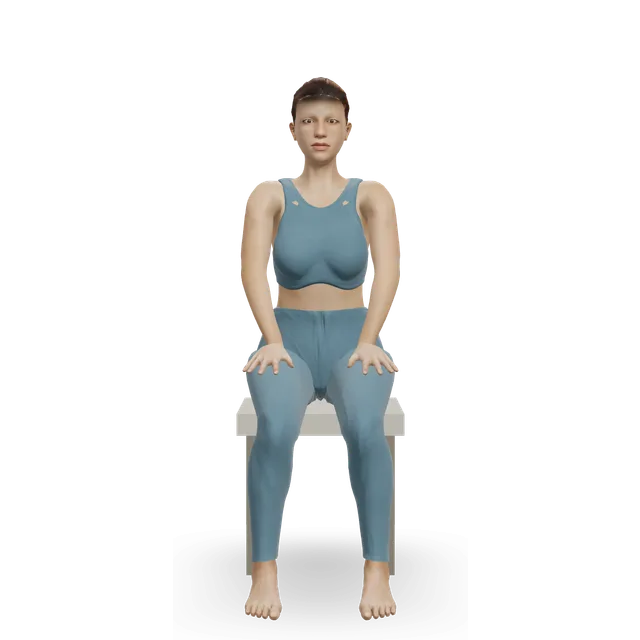
About 20 to 30 minutes, 3 or 4 times a week, starting with what you can manage (APF). The recumbent bike starts at 10 to 20 minutes, building towards 30, and the seated march at 1 to 2 minutes as a warm-up (the move pages' doses).
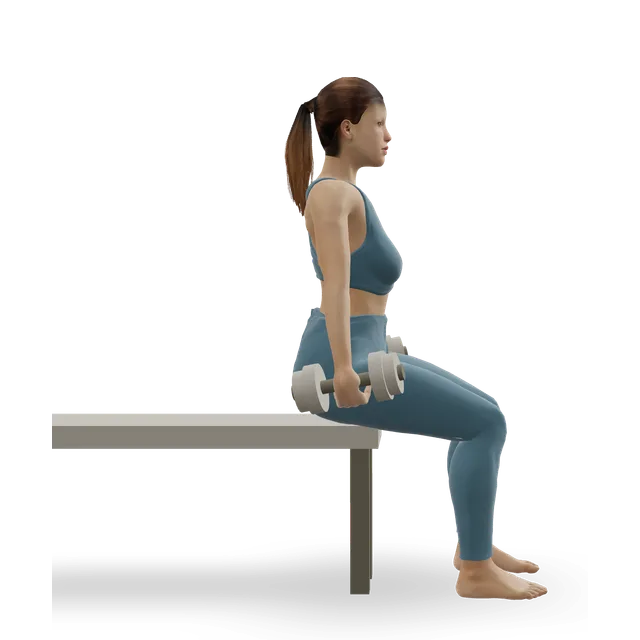
On 2 days a week. The US charity's programme starts with 1 set of 10 of each and builds to 2 sets of 15 over 8 weeks. Breathe out as you lift, and don't hold your breath or strain.
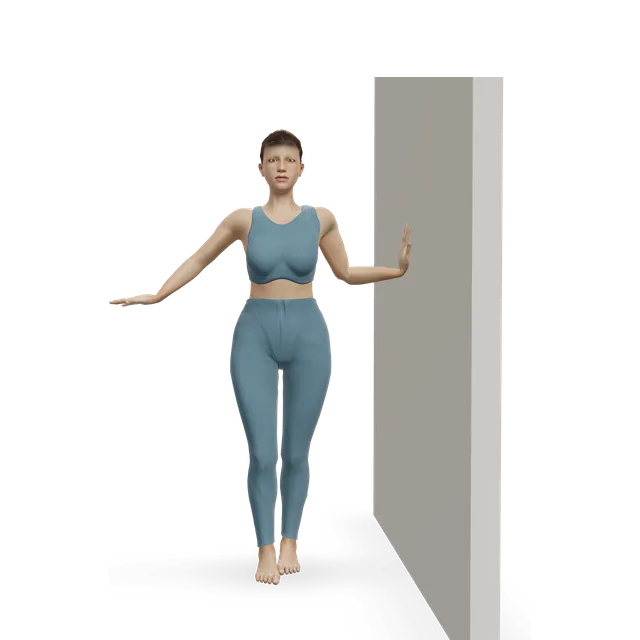
Hold a counter or chair. Side-stepping is 10 steps each way (the move page's dose); the US charity holds its balance positions for 20 to 30 seconds. Thoracic rotation is 6 each side and breath reach 5 breaths (the move pages' doses).
The COPD session is the closest fit: use your oxygen on its usual setting, rest whenever you need to, and treat its pursed-lip breathing as optional. The chair session suits low days, and the 10-minute sessions suit short bursts.
This is general information, not a diagnosis: your own team knows your condition, so use the contact numbers they gave you. In the US, call 911 where this page says 999.
Call 999 or go to A&E
Don't drive yourself to A&E (accident and emergency): ask someone to drive you or call 999 for an ambulance. After urgent treatment in hospital, speak to your specialist nurse as soon as you can.
You suddenly feel much more breathless, or you're finding it very hard to breathe: gasping, choking or not able to get words out.
You have new or severe chest pain, your chest feels tight or heavy, or pain spreads to your arms, back, neck and jaw.
You're coughing up a lot of blood (more than just a few streaks or spots).
Your lips or skin are turning very pale, blue or grey. On brown or black skin, this may be easier to see on the palms of the hands.
Stop if you feel dizzy or have chest pain, or if you get chest tightness, feel more breathless than you usually would when active, feel sick, clammy or really cold, start wheezing, or have sore joints or muscle weakness, and get advice. If your symptoms are much worse than usual, ask your specialist team when it's safe to start again.
A US charity's list: don't exercise if your breathlessness or cough is getting worse, or your oxygen levels are worse than usual on your usual oxygen prescription, and report it to your doctor. Our addition: don't exercise with a fever or a chest infection, and never exercise without the oxygen you've been prescribed for it.
"Getting breathless will damage my lungs or speed up the scarring"Strong evidence
APF says getting slightly short of breath when you exercise is safe, and no harms were recorded during rehab in the 10 trials that looked for them. We found no source suggesting exercise speeds up scarring. Stop for dizziness or chest pain.
"If my oxygen drops when I exercise, I shouldn't exercise"Emerging evidence
A dip with exertion is common in ILD. The rehab trials trained people anyway, giving oxygen when levels fell below a set point, and guidelines say to run rehab for ILD where oxygen is available. Your team sets your level and decides whether you need oxygen.
"Portable oxygen will let me do much more"Mixed evidence
Quality of life improved over 2 weeks in a UK trial, and oxygen helped in single walking tests, but daily steps didn't change over 3 months compared with a dummy device. Your team tests whether it helps you.
"One course of pulmonary rehab is enough"Strong evidence
NICE says to repeat the assessment every 6 or 12 months, and in IPF the walking gain had faded by 6 to 12 months. Keep exercising, and ask about another course.
"My finger oximeter gives an exact reading"Strong evidence
Readings vary with cold fingers, movement and nail polish, and can read too high on darker skin. Look at changes over time, and use one only as your team advises.
Yes. Getting slightly breathless is safe, but stop if you feel dizzy or have chest pain. NICE recommends that people with idiopathic pulmonary fibrosis are assessed for pulmonary rehab when they're diagnosed.
Does exercise help pulmonary fibrosis?
It doesn't reverse the scarring, but pulmonary rehab helps people walk further (about 40 metres in a 6-minute walk), feel less breathless and enjoy a better quality of life. In idiopathic pulmonary fibrosis the walking gain faded within a year, so keep exercising and ask about another course.
What is the best exercise for pulmonary fibrosis?
Walking or cycling plus strength exercises for your arms and legs, the mix used in pulmonary rehab. Aim for about 20 to 30 minutes, 3 or 4 times a week, at a level where you can still hold a conversation. If breathlessness stops you, try short bursts with rests in between.
What oxygen level is too low when exercising?
There's no single number: trials gave oxygen when levels fell below 85%, 88% or 90%. Your specialist or rehab team will tell you your level and whether you need oxygen to stay above it. A dip when you exert yourself is expected with pulmonary fibrosis, but a level lower than usual for you is a reason to contact your team.
Should I use a pulse oximeter when I exercise?
Only if your team has asked you to and shown you how. Readings can be thrown by cold fingers, movement and nail polish, and can read too high on darker skin, so look at changes rather than a single number.
Will oxygen help me exercise?
It helps some people. In short tests, oxygen let people exercise for longer with less breathlessness, and quality of life improved over 2 weeks in a UK trial, but in a trial against a dummy device it didn't increase daily steps. Portable oxygen is prescribed after a formal assessment with an exercise test.
What exercises should I avoid with pulmonary fibrosis?
None is banned, but avoid holding your breath and straining, and don't push on when you feel dizzy or have chest pain. If your symptoms are much worse than usual, stop and ask your specialist team when it's safe to restart.
Can I do pulmonary rehab more than once?
Yes. NICE says people with idiopathic pulmonary fibrosis should be assessed for rehab at diagnosis and again every 6 or 12 months, and Action for Pulmonary Fibrosis says you can ask to be referred for another course.
Do breathing exercises help pulmonary fibrosis?
Breathing techniques can help you control your breathing and recover after activity, and different techniques suit different people. They don't reverse the scarring. Your rehab team or physiotherapist can help you find what works.
Why do I get so breathless when I walk?
Scarring makes it harder for oxygen to pass into your blood, especially when you're active and blood is moving faster through your lungs. Stopping lets your breathing settle quickly, and stop-start pacing helps you stay in control.
Does it matter if my lung fibrosis comes from rheumatoid arthritis or scleroderma?
The same exercise advice applies, but you may need to work around painful joints, and exercise in water may suit some people. Our rheumatoid arthritis and scleroderma guides cover the joints and hands.
When should I stop exercising and get help?
Stop if you feel dizzy or get chest pain. Call 999 if you suddenly feel much more breathless, find it very hard to breathe, have new or severe chest pain, cough up a lot of blood, or feel unusually drowsy or confused. Contact your GP or NHS 111 if you're more breathless than usual or coughing more.
Exercise education, not a diagnosis or treatment plan, and clinical review of these guides is pending. Stop and get advice for chest pain, unusual breathlessness, dizziness or fainting, or new pain, and check with your doctor or midwife first if they have told you to limit activity. Health disclaimer.