Exercise guide

Exercise with pulmonary hypertension: supervised training, what to avoid, dizziness and fainting

Pulmonary hypertension (PH) is high blood pressure in the arteries that carry blood to the lungs, which makes the right side of the heart work harder. It isn't the same as ordinary high blood pressure. People with PH were once told to avoid exercise; now European guidelines recommend supervised exercise training for people with pulmonary arterial hypertension who are on treatment, because in trials it helped people walk further and feel better without more serious problems.

The key is the right level: moderate, where you're a bit breathless but can still chat, with light weights, no straining and no breath-holding. This guide covers supervised programmes and how to get one, how much and how hard to exercise at home, what to avoid, what to do if you feel dizzy or faint, oxygen, altitude, blood thinners and pregnancy, then moves you can watch in 3D and the warning signs. Your PH centre sets your limits, and its advice comes first.

The short version

Recommended, supervised at first, once you're stable

The 2022 European Society of Cardiology (ESC) and European Respiratory Society (ERS) guideline says: "Supervised exercise training is recommended in patients with PAH under medical therapy" (class I, level A, its strongest grade). PAH is pulmonary arterial hypertension. The guideline adds that people should be on the best treatment and in a stable condition before they start a supervised programme.

Source 1

It helps

In a 2023 Cochrane review of 14 trials, supervised rehab added about 49 metres to the distance people walked in 6 minutes (11 trials, 418 people, low certainty) and improved quality of life (moderate certainty), with no more serious problems than usual care (moderate certainty).

Source 2

Work at a moderate level

One NHS trust's leaflet (Royal Brompton Hospital, 2026) says to aim to be moderately breathless, 3 out of 10, and to slow down or rest if you can't say more than one word at a time. A physiotherapist writing for the Pulmonary Hypertension Association UK (PHA UK) puts it as a little bit short of breath, but still able to chat.

Sources 3, 4

No straining

Use light weights or light bands. Don't lift anything heavy, particularly over your head, and never hold your breath or strain.

Sources 3, 4

Stop at once for the warning signs

Stop exercising completely if you get extreme breathlessness (you can't talk), any chest pain or palpitations, or feel dizzy or faint. These can come with little warning. Call 999 if someone faints while exercising.

Sources 3, 5, 6

Your PH centre sets your limits

Fainting counts in how the guideline judges your risk, and experts treat recent fainting during exertion as a reason not to start training, so always tell your centre. Ask it before you start, and about a supervised programme near you: in the UK, people with PH aren't routinely referred, so it's worth asking.

Sources 1, 5, 7

What pulmonary hypertension is

High pressure in the lung arteries

In PH, the walls of the pulmonary arteries become thick and stiff, so the right side of the heart has to work harder to pump blood through them, and over time it can weaken and lead to heart failure. It isn't the same as high blood pressure measured with a cuff on your arm: our high blood pressure guide covers that.

Sources 8, 9

Symptoms, and why they come with exercise

Symptoms include breathlessness, tiredness, feeling faint or dizzy, chest pain, a racing heartbeat and swelling in the legs, ankles, feet or tummy, and they often get worse during exercise. PHA UK says people often look well at rest, and notice symptoms only with something like climbing the stairs; PH can also cause blackouts (fainting). During exercise, the pressure and the load on the right side of the heart rise, and the heart can't pump out as much extra blood as normal.

Sources 8, 10, 2

Who gets it

PH is rare, affecting 7,000 to 8,000 people in the UK. It can affect people of any age, is more common in women than men, and is more common in people who already have a heart or lung condition.

Sources 9, 11, 8

The types

PH is grouped by cause. Pulmonary arterial hypertension (PAH) affects the small lung arteries themselves, sometimes linked to conditions such as scleroderma. Problems with the left side of the heart are one of the most common causes of PH. It can also come from lung diseases or a lack of oxygen, such as chronic obstructive pulmonary disease (COPD) or interstitial lung disease, and from scars left by old blood clots in the lungs, called chronic thromboembolic pulmonary hypertension (CTEPH). Most exercise trials included people with PAH or CTEPH.

Sources 12, 9, 2

Functional classes

Doctors describe how PH limits you with four classes. In class I, ordinary activity doesn't cause undue breathlessness, tiredness, chest pain or near-fainting; in class II, it does; in class III, less than ordinary activity does; in class IV, any activity brings on symptoms. Most people in the exercise trials were in classes II and III.

Sources 1, 5

Specialist centres and treatment

People with PH are usually referred to a specialist centre: there are 7 in England and 1 in Scotland, and PHA UK counts 9 in the UK and Ireland. You'll usually visit once or twice a year. Treatments include medicines that widen the blood vessels, anticoagulants (blood thinners), diuretics (water tablets), oxygen and, for CTEPH, an operation or a balloon procedure to clear the arteries.

Sources 13, 14, 8

What the evidence says

Most trials were in people with PAH or CTEPH in classes II and III, stable on treatment, and started under supervision. PH medicines, not exercise, carry the evidence for treating the condition itself.

The European guideline: recommended for people on treatmentStrong evidence

The 2022 guideline recommends supervised exercise training for people with PAH on medical treatment (class I, level A), an upgrade from 2015, when it was something to consider for people who were out of condition. A 2019 ERS statement, covering 784 people in trials, cohort studies and earlier reviews, found that training improved exercise capacity, muscle function and quality of life, and called for specialised rehab programmes so more people can take part.

Sources 1, 15

The American Thoracic Society: rehab suggestedStrong evidence

The American Thoracic Society (ATS) suggests pulmonary rehabilitation for adults with PH, a conditional recommendation based on low-quality evidence. It says to start once people are stable on their best treatment, to monitor closely anyone who has had an abnormal heart rhythm, fainting or near-fainting during exercise, and to give oxygen as needed to keep levels above 90%. Either pulmonary or cardiac rehab can suit people with PH.

Source 16

The Cochrane reviewStrong evidence

Across 14 trials, mostly in women with PAH and lasting 3 to 25 weeks, supervised rehab added about 49 metres to a 6-minute walk (11 trials, 418 people, low certainty) and raised fitness (7 trials, 314 people, low certainty). Physical and mental quality of life improved (5 trials, moderate certainty). Serious problems were no more common than with usual care (11 trials, 439 people, moderate certainty): there were five in total, including a death in a group that didn't exercise.

Source 2

The largest trialEmerging evidence

In 116 people with PAH or CTEPH at 11 centres in 10 European countries, training that started in hospital, for an average of 25 days, and carried on at home added 34 metres to a 6-minute walk and improved quality of life, functional class and fitness; the authors found it feasible, safe and well tolerated. An earlier trial of 30 people with severe PH found a 111-metre gain after 15 weeks.

Sources 17, 18

Training needs monitoringStrong evidence

In 183 people with different types of PH training in hospital for 3 weeks, 13% had a problem such as a chest infection, fainting or near-fainting; the authors called training effective but not completely harmless, and said it should be closely monitored. The ATS guideline also reports a survey of 187 people with PH, in which 63% had had a problem during exercise, such as chest pain, an abnormal heart rhythm or dizziness. Experts say symptoms like palpitations, chest pain and light-headedness can come with little warning.

Sources 19, 16, 5

Lung artery pressure: uncertainMixed evidence

Two small trials (133 people) found lower lung artery pressure after training, from low-certainty evidence. A PHA UK physiotherapist says exercise doesn't change your PH itself; it improves what you can do and your quality of life.

Sources 2, 4

Home programmesEmerging evidence

A 2025 review of 19 studies found home-based programmes gave gains similar to centre-based ones, though most didn't report how people monitored themselves at home. A 2026 review of 13 studies, about 700 people, found no serious problems directly caused by training.

Sources 20, 21

Medicines carry the evidence for treating PHStrong evidence

PH medicines, blood thinners for CTEPH, surgery or balloon procedures for CTEPH, diuretics and oxygen are your centre's treatments. Supervised exercise is recommended on top of them, never instead.

Sources 1, 13

Supervised training

Stable first

The guidelines say to be on your best treatment and stable before starting supervised rehab, and the trials enrolled people who were stable (one left out anyone whose medicines had changed in the previous 3 months). The Royal Brompton leaflet says not to start exercise after a recent change of medicine. Our suggestion, from this advice: after a new diagnosis or a change of PH medicine, wait for your PH centre's go-ahead before starting or stepping up exercise.

Sources 1, 16, 2, 3

What the programmes looked like

In the German trials, people trained in hospital for 3 weeks, at least 1.5 hours a day in short spells: low-effort cycling in intervals, walking, single-muscle exercises with 0.5 to 1 kg dumbbells, and breathing training, with their oxygen and heart rate watched and oxygen given if levels fell below 90%. At home they carried on for at least 15 minutes a day on 5 days a week. Other trials used outpatient or home programmes, and hospital programmes gave the biggest gains in walking.

Sources 22, 2, 16

How to get it in the UK

A UK research team writes that people with PH aren't routinely referred for exercise rehab, so ask your PH centre. It may run or recommend a programme, or refer you to pulmonary or cardiac rehab. A PHA UK physiotherapist suggests asking your GP (general practitioner) about pulmonary rehab, and Asthma + Lung UK says it can help you exercise gradually and safely and learn breathing techniques.

Sources 7, 23, 24, 16

How much, and how hard

For home exercise once your PH centre agrees. The amounts come from one NHS trust's leaflet (Royal Brompton, 2026) and PHA UK; doses are starting points, not prescriptions.

Moderately breathless: 3 out of 10

The Royal Brompton leaflet says to aim to be moderately breathless, 3 out of 10, and to slow down or take a short rest if you're too breathless to speak or can't say more than one word at a time. PHA UK's physiotherapist says if you're gasping or panting, or can't catch your breath to speak, you're exercising too hard. The US Pulmonary Hypertension Association adds that you shouldn't feel exhausted, light-headed or dizzy.

Sources 3, 4, 25

Breathless isn't dangerous, but feeling unwell is a signal

The Royal Brompton team says being short of breath is not dangerous, but you shouldn't feel unwell during exercise. If you feel very tired or a little unwell, rest until it settles, then carry on if you can.

Source 3

How much

The Royal Brompton leaflet suggests 150 minutes a week of mild to moderate exercise, such as 30 minutes on 5 days, which you can split into three 10-minute sessions. PHA UK's physiotherapist says any chunk of 10 minutes or more counts, and if you do little now, to build up by 5% to 10% a week rather than aiming for 150 minutes straight away.

Sources 3, 4

Our starting point

Our editorial starting point: 5 to 10 minutes of walking or cycling at the 3 out of 10 level, once or twice a day on most days, adding about a tenth a week towards 30 minutes a day. Add light strength work on 2 days: 1 set of 8 to 10 of each move with a light band or 0.5 to 1 kg weights, building to 2 sets. Exercise at the time of day you have most energy.

Mostly aerobic, with some light strength

The Royal Brompton leaflet says exercise should be mainly aerobic, such as walking and cycling, with some strength work using light weights and light resistance bands. PHA UK especially recommends walking, which can also help with ankle swelling.

Sources 3, 4

Warm up and cool down

Warm up before every session, even a 10-minute one: the Royal Brompton leaflet suggests ankle pumps, shoulder shrugs and 30 to 60 seconds of marching, and PHA UK up to 5 minutes of gradually building up. Warm-ups may take longer with PH. Cool down afterwards so your heart rate, blood pressure and breathing settle gradually.

Sources 3, 4, 25

Heart rate

There's no general formula: in the trials, each person's level was set from an exercise test, some with a ceiling of 120 beats a minute. The US Pulmonary Hypertension Association suggests asking your team whether to check your heart rate and what your maximum should be. Use breathlessness as your everyday guide.

Sources 2, 25

Oxygen

If you've been prescribed oxygen, use it as prescribed. The guideline recommends long-term oxygen for people with PAH whose blood oxygen is low (class I, level C), and in rehab programmes oxygen was given to keep levels above 90%. Ask your centre what level to keep above during exercise.

Sources 1, 16, 22, 25

Warm-up

The Royal Brompton warm-up: 10 ankle pumps (pull your toes up, then point them down), shoulder shrugs, and 30 to 60 seconds of marching on the spot. Ankle circles and shoulder rolls are the nearest moves with a 3D demo: 10 to 15 slow shoulder circles each way is the move page's dose.

Walking and cardio

At about 3 out of 10 for breathlessness. Start with 5 to 10 minutes (our suggestion) and build towards 30 minutes a day, in 10-minute chunks if that's easier (the Royal Brompton leaflet).

Light strength

On 2 days a week: 1 set of 8 to 10 of each with a light band or 0.5 to 1 kg weights, building to 2 sets (our editorial starting point; the German trials used 0.5 to 1 kg dumbbells). Breathe out on the effort, never hold your breath, and lift nothing heavy or overhead.

What to avoid

Heavy or overhead weights

Don't lift heavy weights, particularly over your head. PHA UK's physiotherapist says no exercise is off limits as such, but anything that makes you strain to lift is too heavy.

Sources 3, 4

Straining and holding your breath

Don't do any exercise that makes you strain and hold your breath as your muscles work, and don't hold your breath when exercising. Our suggestion: that includes breathing patterns with long holds, such as box breathing and 4-7-8 breathing; slow breathing without holds is fine.

Sources 3, 4

Exercising to exhaustion

Gasping, panting or not being able to catch your breath to speak means you're working too hard. You shouldn't feel exhausted, light-headed or dizzy.

Sources 4, 25

Days not to start

The Royal Brompton leaflet says don't start exercise if the weather is very hot, if you feel unwell or particularly tired, or if you've had a recent infection or a change to your medicine.

Source 3

Energy drinks

Avoid caffeinated energy or stimulant drinks, which can raise your heart rate, and drink enough water, within any fluid limit your team has set.

Source 3

Exercising alone

If you can, have someone at home with you when you exercise. The US Pulmonary Hypertension Association says to exercise with a partner, never alone.

Sources 3, 25

Swimming

None of the UK PH sources we read covers swimming. Our suggestion: ask your PH team first, and if they agree, don't swim alone and keep to an easy pace you can chat at.

Source 25

Getting up and down

Our suggestion: keep to seated and standing moves, because getting up from the floor quickly can bring on dizziness. Don't lie down straight after exercise: sit for your cool-down breathing and stand up slowly.

Altitude, blood thinners, pregnancy and support

Altitude and flying

The 2022 guideline advises avoiding altitudes above 1,500 metres without extra oxygen, and recommends oxygen on flights for people who use oxygen or have low blood oxygen at sea level (class I, level C). Ask your specialist centre whether you need oxygen to fly; PHA UK says fit-to-fly letters must come from your centre, not your GP, so phone at least 6 weeks before you go. Our hiking guide covers altitude.

Sources 1, 26

Blood thinners and CTEPH

The guideline recommends lifelong anticoagulation for everyone with CTEPH (class I, level C). If you take a blood thinner, our atrial fibrillation guide covers sport, knocks and head injuries.

Source 1

After a clot in the lungs

The guideline recommends further tests for CTEPH if breathlessness or difficulty exercising continues or starts after a pulmonary embolism (class I, level C). Our blood clots guide covers exercise after a pulmonary embolism.

Source 1

Pregnancy

Pregnancy carries serious risks with PAH. The guideline recommends that women with PAH who could become pregnant are counselled about this at diagnosis, including advice against becoming pregnant, are given clear advice on contraception, and get prompt counselling at an experienced PH centre if they're considering pregnancy or become pregnant (all class I, level C). PHA UK says the current advice is that pregnancy should be avoided in PH, and that many effective contraceptives can be used safely. Our pregnancy guide covers exercise in pregnancy generally.


Sources 1, 27

PH with heart or lung disease

If your PH comes from a heart or lung condition, that condition's own advice applies too: see our heart failure, COPD and pulmonary fibrosis guides.

Source 12

Mood, support and vaccines

The guideline recommends psychosocial support for people with PAH, and vaccination against flu, pneumococcal infection and COVID-19 (both class I, level C). PHA UK offers self-help programmes for worry and low mood, developed with psychologists for people with PH and free to its members.

Sources 1, 28

Workouts

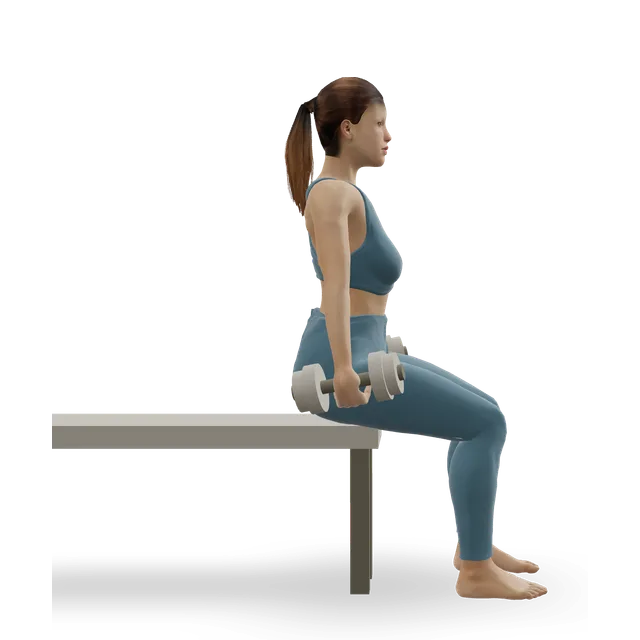
With your PH centre's agreement. The heart failure session is longer, at 40 minutes: start with its warm-up and one round, and its tips about weighing yourself and beta blockers apply only if your team has asked. In the chair session, keep the dumbbell raises at or below shoulder height with light weights.

Plans

Build up more slowly than the plan if you need to, at the 3 out of 10 level.

Warning signs: when to stop and get help

This is general information, not a diagnosis: your PH centre knows your condition, so use the contact numbers it gave you. In the US, call 911 where this page says 999.

Stop exercising completely

The Royal Brompton leaflet says stop completely if you:

  • Have extreme breathlessness, to the point that you can't talk.
  • Have any chest pain or palpitations.
  • Start to feel dizzy or faint. If you feel faint, the NHS says lie down with your legs raised, or if you can't, sit with your head lowered between your knees.

Sources 3, 6, 5

Call 999

Don't drive yourself to A&E (accident and emergency). The person you speak to at 999 will tell you what to do.

  • Someone has fainted while exercising, or while lying down.
  • Sudden chest pain that doesn't stop after a few minutes, or palpitations with chest pain, shortness of breath or feeling faint.
  • Chest pain that feels tight or like squeezing, or that spreads to your arms, neck or jaw.
  • Severe difficulty breathing: gasping, choking or not able to get words out.
  • Lips or skin that are pale, blue or grey. On brown or black skin, this may be easier to see on the palms of the hands.
  • Someone has passed out and isn't responding normally.
  • Difficulty breathing that comes on suddenly, pain in your chest or upper back, or a very fast heartbeat: these can be signs of a clot in the lungs.

Sources 6, 8, 29, 30

Contact your PH centre the same day (NHS 111 out of hours)

  • You fainted or nearly fainted during or after exercise, even if you feel fine now. The NHS says see a GP after any faint, and your centre needs to know, because fainting is part of how it judges your risk and a recent faint on exertion is a reason not to train until you've been reviewed.
  • Light-headedness, chest pain or palpitations came on during exercise and settled with rest: tell your centre before your next session.
  • Your breathlessness doesn't ease after 5 minutes of rest: the US Pulmonary Hypertension Association says to contact your doctor, or call 911 in the US.
  • Swelling in your legs, ankles, feet or tummy is getting worse.

Sources 6, 1, 5, 8, 3, 25

Don't start a session

If the weather is very hot, you feel unwell or particularly tired, or you've had a recent infection or a change to your medicine.

Source 3

Pregnancy

If you might be pregnant, or are thinking about pregnancy, contact your PH centre promptly: the guideline recommends prompt counselling at an experienced PH centre.

Source 1

Myths

"Exercise will make my pulmonary hypertension worse"Strong evidence

PHA UK calls this a common misconception. The European guideline recommends supervised exercise training (class I, level A), and in trials, rehab didn't increase serious problems. The conditions: stable on treatment, supervised at first, at a moderate level, and stopping for the warning signs.

Sources 31, 1, 2, 3

"I should avoid getting out of breath at all"Strong evidence

Aim to be moderately breathless, about 3 out of 10, where you can still chat. The Royal Brompton team says being short of breath is not dangerous, but you shouldn't feel unwell during exercise.

Sources 3, 4

"Pushing through dizziness builds fitness"Strong evidence

Stop completely if you feel dizzy or faint, or get chest pain or palpitations. In a hospital programme, 13% of people had problems including fainting, which is why training needs monitoring, and recent fainting on exertion is a reason not to train.

Sources 3, 19, 5

"Strength training is off limits"Emerging evidence

Light weights and light bands are recommended; heavy and overhead weights and straining are what to avoid. The German trials used 0.5 to 1 kg dumbbells safely.

Sources 3, 22

"Exercise can reverse PH, so I can cut down my medicines"Mixed evidence

Two small trials found lower lung artery pressure after training, from low-certainty evidence, but PHA UK's physiotherapist says exercise doesn't change your PH itself. The guideline recommends exercise on top of the best medical treatment. Never change your medicines yourself.

Sources 2, 4, 1

"Exercise has to happen in hospital"Emerging evidence

Supervised training is the recommended start, but home programmes gave similar gains in 19 studies. Ask your PH centre which suits you.

Sources 1, 20

Questions people ask

Is it safe to exercise with pulmonary hypertension?

For most people, yes, once their specialist centre agrees and they're stable on treatment. European guidelines recommend supervised exercise training for people with pulmonary arterial hypertension on treatment, and in trials it didn't increase serious side effects. Start supervised if you can, and stop for the warning signs.

What exercise is best for pulmonary hypertension?

Walking or cycling at a gentle to moderate level, about 3 out of 10 for breathlessness, plus light strength work with light weights or bands. Walking is especially recommended. Build towards 150 minutes a week, in 10-minute chunks if that's easier.

What exercises should I avoid with pulmonary hypertension?

Heavy lifting, particularly weights over your head, anything that makes you strain or hold your breath, and exercising to the point of gasping. Don't start a session in very hot weather, if you feel unwell or particularly tired, or after a recent infection or a change to your medicine.

Can I lift weights with pulmonary hypertension?

Light ones. One NHS specialist team recommends light weights and light bands, and no heavy weights, particularly overhead, and trials used dumbbells of 0.5 to 1 kg. Breathe out as you lift and never hold your breath.

How out of breath should I get?

A little: you should still be able to chat, perhaps in shorter sentences. If you can only say one word at a time, slow down or rest. Being short of breath isn't dangerous on its own, but you shouldn't feel unwell.

What should I do if I feel dizzy while exercising?

Stop completely, and lie down with your legs raised, or sit with your head lowered between your knees. Call 999 if someone faints while exercising. Tell your specialist centre about any faint or near-faint, because it affects how they judge your condition and your exercise plan.

Can exercise make pulmonary hypertension worse, or better?

In trials, supervised exercise improved walking distance and quality of life without increasing serious problems. Whether it lowers the pressure in the lung arteries is uncertain, so it doesn't replace your medicines: keep taking your treatment.

How do I get a supervised exercise programme?

Ask your specialist centre. It may run or recommend a programme, or refer you to pulmonary or cardiac rehab, which the American Thoracic Society says can both suit people with pulmonary hypertension. In the UK, people with the condition aren't routinely referred, so ask.

Can I go to high altitude or fly with pulmonary hypertension?

Ask your specialist centre first. The 2022 European guideline advises avoiding altitudes above 1,500 metres without extra oxygen, and recommends oxygen on flights for people who use oxygen or have low oxygen levels. Your centre, not your GP, should write any fit-to-fly letter.

Can I swim with pulmonary hypertension?

None of the UK sources we read covers swimming, so ask your specialist team first. If they agree, don't swim alone, and keep to an easy pace you can chat at.

What heart rate should I aim for?

There's no general formula. Trials set each person's level from an exercise test, some with a ceiling of 120 beats a minute, so ask your specialist centre about your own limits and use breathlessness as your everyday guide.

Is pregnancy safe with pulmonary hypertension?

Pregnancy carries serious risks with pulmonary arterial hypertension. European guidelines recommend advice against becoming pregnant, clear contraception advice, and prompt counselling at a specialist centre for anyone pregnant or thinking about it, and PHA UK says many effective contraceptives can be used safely. Our pregnancy guide covers exercise in pregnancy generally.

Sources

  1. Humbert 2022 · European Society of Cardiology and European Respiratory Society guidelines for pulmonary hypertension (European Heart Journal; recommendation tables read in the official slide set)
  2. Morris 2023 · Exercise-based rehabilitation for pulmonary hypertension: 14 trials (Cochrane review)
  3. Royal Brompton Hospital 2026 · Exercise advice for people with pulmonary hypertension (Guy's and St Thomas' NHS Foundation Trust leaflet)
  4. Keen 2022 · Your exercise questions answered (PHocus on Lifestyle, Pulmonary Hypertension Association UK; updated 2023)
  5. Holland 2013 · How to adapt pulmonary rehabilitation for lung conditions other than COPD (expert review, European Respiratory Review)
  6. NHS · Fainting
  7. Ennis 2023 · Building a supervised exercise rehabilitation programme for pulmonary hypertension in the UK (SPHERe, BMJ Open)
  8. NHS · Pulmonary hypertension (reviewed May 2023; review was due May 2026)
  9. Asthma + Lung UK · What is pulmonary hypertension?
  10. Pulmonary Hypertension Association UK · What is PH?
  11. Pulmonary Hypertension Association UK · Who gets PH?
  12. NHS · Pulmonary hypertension: causes (reviewed May 2023; review was due May 2026)
  13. NHS · Pulmonary hypertension: treatment (reviewed May 2023; review was due May 2026)
  14. Pulmonary Hypertension Association UK · Newly diagnosed: common questions
  15. Grünig 2019 · European Respiratory Society statement on exercise training in severe pulmonary hypertension (European Respiratory Journal; abstract read)
  16. Rochester 2023 · Pulmonary rehabilitation for adults with chronic respiratory disease (American Thoracic Society guideline, American Journal of Respiratory and Critical Care Medicine)
  17. Grünig 2021 · Exercise training in pulmonary arterial and chronic thromboembolic pulmonary hypertension: 116 people in 11 centres (randomised trial, European Heart Journal; abstract read)
  18. Mereles 2006 · Exercise and breathing training in severe pulmonary hypertension: 30 people (randomised trial, Circulation; abstract read)
  19. Grünig 2012 · Safety of exercise training in pulmonary hypertension: 183 people (study, European Respiratory Journal; abstract read)
  20. Ribeiro 2025 · Home-based against centre-based exercise for pulmonary hypertension: 19 studies (meta-analysis, European Respiratory Review; abstract read)
  21. Beis 2026 · Safety and benefits of exercise training in pulmonary hypertension: 13 studies (meta-analysis, European Journal of Applied Physiology; abstract read)
  22. Ehlken 2016 · Exercise training in severe pulmonary arterial and chronic thromboembolic pulmonary hypertension: 87 people (randomised trial, European Heart Journal)
  23. Keen 2019 · How pulmonary rehabilitation could help you (PHocus on Lifestyle, Pulmonary Hypertension Association UK; updated 2020)
  24. Asthma + Lung UK · How is pulmonary hypertension diagnosed and treated?
  25. Pulmonary Hypertension Association (US) · Exercise and pulmonary hypertension
  26. Pulmonary Hypertension Association UK · Travelling with PH
  27. Pulmonary Hypertension Association UK · Pregnancy and PH
  28. Pulmonary Hypertension Association UK · Emotional wellbeing
  29. NHS · Heart attack
  30. NHS · Pulmonary embolism
  31. Pulmonary Hypertension Association UK · Exercise and nutrition

Exercise education, not a diagnosis or treatment plan, and clinical review of these guides is pending. Stop and get advice for chest pain, unusual breathlessness, dizziness or fainting, or new pain, and check with your doctor or midwife first if they have told you to limit activity. Health disclaimer.