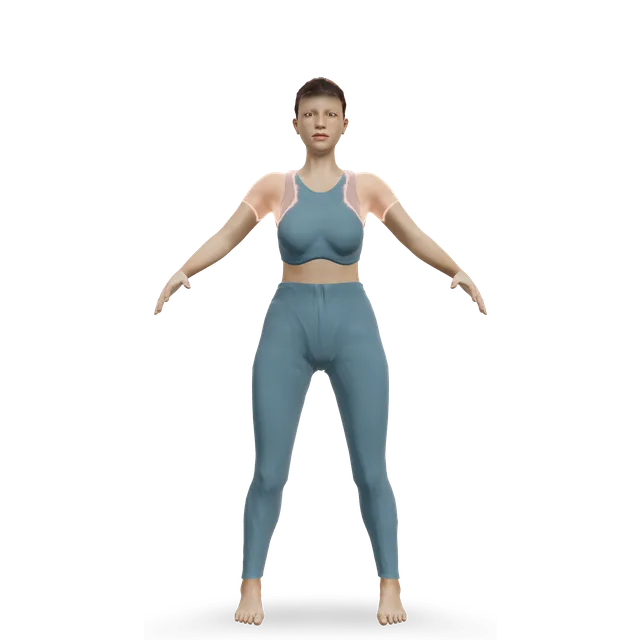
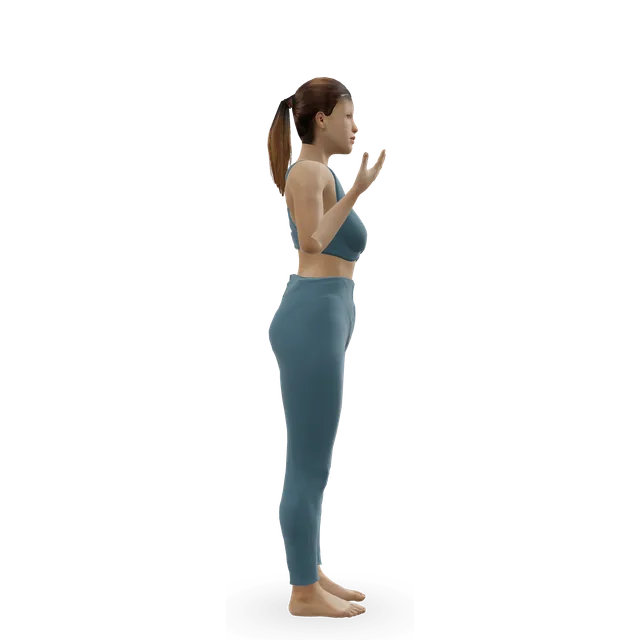
Exercise guide

Exercise with scleroderma: hand and mouth stretches, fitness, and staying safe

Scleroderma, mainly systemic sclerosis (SSc), tightens the skin and can stiffen the hands, narrow the mouth opening and affect the lungs, heart, kidneys and gut. European guidelines say exercise should be considered as part of care: daily hand and mouth stretches to keep the movement you have, and aerobic and strength exercise for fitness, fatigue and mood. The gains in trials are real but modest, and in some trials they didn't last.

Because scleroderma can affect your heart and lungs without symptoms, check with your rheumatology team before you start, and keep up your yearly checks. This guide covers the stretches, with 3D demos and a daily routine, what the exercise trials found, Raynaud's and finger ulcers, breathing, fatigue, and the warning signs that need help.

The short version

Exercise is part of care

European recommendations say physical exercise should be considered in systemic sclerosis, including mouth, hand, aerobic and strength exercise. The UK guideline recommends physiotherapy and occupational therapy, and the NHS says regular physiotherapy and stretching may help keep your muscles supple and loosen tight skin.

Sources 1, 2, 3

Check with your team first

Scleroderma can affect your lungs, heart and kidneys, often without symptoms at first. Your heart and lungs should be checked before an exercise programme, and everyone with systemic sclerosis should have yearly heart and lung tests.

Sources 1, 2, 4

Stretch your hands every day

Warm your hands first, then stretch 2 to 3 times a day, 5 to 10 of each stretch held for 3 to 5 seconds, as the US National Scleroderma Foundation advises. In trials, hand exercise gave modest gains, and an online programme on its own made little difference.

Sources 5, 6, 7

Stretch your mouth

Mouth stretches once or twice a day, for example when you brush your teeth, can help keep your mouth opening. In a small trial, a month of daily mouth exercises widened it by about 2 millimetres.

Sources 8, 9

Build your fitness

In a European trial of 170 people, mostly with the limited type and without finger ulcers, supervised arm-bike intervals and weights twice a week eased general pain, Raynaud's, tiredness and low mood, and improved fitness, though finger pain didn't improve and the fitness faded once the sessions stopped. Start with 5 to 10 minutes a day and build up towards 150 minutes a week.

Sources 10, 11, 12

Look after your fingers

Keep your hands and core warm, protect your fingertips and moisturise. Never pick at or squeeze an ulcer, see a doctor or specialist nurse promptly if one looks infected, and treat a finger turning black as an emergency.

Sources 13, 14, 2

Scleroderma and how it affects exercise

What scleroderma is

Scleroderma is a group of autoimmune conditions in which the immune system makes the body produce too much collagen, causing hard, thickened skin and sometimes problems with muscles, bones, internal organs and blood vessels. Localised scleroderma (morphoea) mostly affects the skin, in patches or lines. Systemic sclerosis can affect the circulation and internal organs as well as the skin. There's no cure, but symptoms can usually be managed.

Source 3

Limited and diffuse

Limited cutaneous systemic sclerosis usually affects the skin of the hands, lower arms, feet, lower legs and face, often starts with Raynaud's, and can later affect the lungs and gut. Diffuse systemic sclerosis can affect the skin all over the body and is more likely to affect internal organs.

Source 3

How common it is

Systemic sclerosis is rare: about 19,400 people in the UK live with it, and about 1,000 to 1,200 are diagnosed each year. It's about 4 to 5 times more common in women. The NHS says it usually starts between 30 and 50, while a UK database study found it was most often diagnosed between 55 and 69.

Sources 15, 2, 3

What it can affect

The parts that matter most for exercise:

  • Circulation: almost everyone with systemic sclerosis has Raynaud's, and SRUK (Scleroderma & Raynaud's UK) says about half get finger ulcers at some point.
  • Hands: about 9 in 10 have some difficulty using their hands.
  • Lungs: SRUK says up to half have some lung involvement. The UK guideline says about 1 in 3 develop scarring of the lungs (interstitial lung disease) and about 1 in 10 high blood pressure in the lungs (pulmonary hypertension).
  • Heart: SRUK says heart involvement is usually mild, but it can limit how hard you can exercise.
  • Gut: SRUK says up to 9 in 10 have some gut involvement, often reflux and difficulty swallowing.
  • Kidneys: SRUK says about 5% to 10% develop a sudden, severe rise in blood pressure that harms the kidneys (a scleroderma renal crisis), mostly people whose skin is getting worse quickly.
  • Mouth and face: the skin can tighten and narrow the mouth opening.

Sources 2, 14, 7, 16, 17, 18, 19

Tiredness, pain and the barriers to exercise

SRUK says over 75% of people with scleroderma have fatigue, and the UK guideline lists pain, stiff joints and muscle weakness among its everyday burdens. In a survey of 721 people with scleroderma, fatigue and Raynaud's were the barriers to exercise most often rated important, and adapting exercise, keeping warm and protecting the skin were what people said would help most.

Sources 11, 2, 20

Before you start: your team's checks

Ask your team before you start

European guidelines say your health, and your heart and lungs in particular, should be considered before you start an exercise programme, and that the programme should be tailored to you. Your rheumatology team knows which parts of your body scleroderma affects.

Sources 1, 2

Keep up your yearly checks

The UK guideline says everyone with systemic sclerosis should be checked every year for pulmonary hypertension, with breathing tests, a heart scan (echocardiogram) and blood tests, and for heart involvement. SRUK says yearly tests are something you're entitled to: ask if they're not being done.

Sources 2, 4

Who can help

The UK guideline recommends physiotherapy and occupational therapy for joint, tendon and muscle problems. An occupational therapist (OT) can assess your hands, make splints, offer warm wax treatments and suggest equipment and changes at home. If your lungs are affected, ask about pulmonary rehabilitation, a supervised exercise and education course.

Sources 2, 21, 22, 3

What the evidence says

Guidelines recommend exerciseStrong evidence

The European recommendations from EULAR (the European Alliance of Associations for Rheumatology) say physical exercise should be considered in systemic sclerosis, including mouth, hand, aerobic and strength exercise, though they rest on weaker evidence: small trials and expert agreement. The UK guideline recommends physiotherapy and occupational therapy, and Dutch recommendations agreed by patients and professionals advise regular exercise.

Sources 1, 2, 13

Whole-body exercise: one large trialEmerging evidence

In a European trial of 170 people, mostly with limited systemic sclerosis, 12 weeks of supervised arm-bike intervals (30 seconds hard, 30 seconds rest, for 30 minutes) and upper-body weights twice a week eased general pain, Raynaud's symptoms, tiredness and low mood, and improved fitness and strength, with no exercise-related side effects. Its main outcome, finger pain, didn't improve. The fitness gains had faded by 24 weeks, once the sessions stopped, and people with active finger ulcers, severe heart disease or severe pulmonary hypertension weren't included.

Source 10

Arm cranking and the blood vessels in the fingersEmerging evidence

In an earlier trial of 34 people with limited systemic sclerosis, 12 weeks of interval training on an arm bike or an exercise bike improved fitness, and arm cranking also improved how the small blood vessels in the fingers work. Both groups had less discomfort from Raynaud's.

Source 23

Hand exercises: modest gainsEmerging evidence

Two reviews, each of 8 randomised trials (487 and 729 people), found that hand exercise and rehabilitation improved hand function and movement a little. One also found a small improvement in daily activities; the other found no change in an overall disability score. Most of the trials had some risk of bias, and the later review found none of high quality.

Sources 6, 24

An online programme on its own made little differenceMixed evidence

In a trial of 466 people offered a self-guided online hand programme, hand function was no better than with usual care at 3 or 6 months, though fewer than half used it more than twice. In a French trial of 220 people, a month of supervised physiotherapy helped at 1 month but not at 12.

Sources 7, 25

Mouth exercises: a little widerEmerging evidence

In a Turkish trial of 56 people, a month of daily mouth exercises widened the opening by about 2 millimetres. In a US trial, the extra gain at 3 months was gone by 6 months, and people did only about half the planned exercises. Supervised physiotherapy kept the mouth opening better at 12 months in the French trial, and an Italian trial found home face and jaw exercises helped, more so with weekly physiotherapy.

Sources 9, 26, 25, 27

Pulmonary rehabilitation helpsStrong evidence

The UK guideline includes pulmonary rehabilitation in care for scleroderma lung disease, and supervised exercise training for pulmonary arterial hypertension. In lung scarring from any cause, rehabilitation added about 40 metres to the distance people could walk in 6 minutes (13 trials, 585 people, moderate certainty), and in pulmonary hypertension about 49 metres (11 trials, 418 people, low certainty), with no rise in serious harms.

Sources 2, 28, 29

Exercise has been safe in trialsEmerging evidence

A review of 9 exercise studies in systemic sclerosis found that 7 reported no adverse events. The larger trials checked people's heart and lungs first and supervised the harder sessions.

Sources 30, 10

Exercise for fatigue: sources differMixed evidence

In 2024 the UK guideline said evidence for exercise specific to scleroderma fatigue wasn't available, though it's generally encouraged. The 2025 trial then found a modest improvement on one fatigue scale but not on a shorter one. Dutch recommendations advise exercise for fatigue, based on research in other conditions.

Sources 2, 10, 13

Yoga, tai chi, massage and lymph drainageMixed evidence

A Dutch expert panel didn't agree to recommend yoga or tai chi for fatigue, or connective tissue massage or manual lymph drainage for the hands. EULAR says manual lymph drainage, a gentle massage that moves fluid, could be considered for puffy hands, based on one small trial.

Sources 13, 1

What carries the evidenceStrong evidence

Medicines to calm the immune system, to treat the lungs, circulation and blood pressure, and regular checks of the organs are the core of care, and they're your team's decisions. Exercise works alongside them for your hands, mouth, fitness, tiredness and mood, never instead of them.

Sources 3, 2

Hand stretches

How to stretch your hands

Warm your hands first: warm water, a warm shower or a warm, moist pack for 15 to 20 minutes, never hot. Then stretch about 2 to 3 times a day: go past the first tightness until you feel the stretch, hold for 3 to 5 seconds, and do 5 to 10 of each, as the National Scleroderma Foundation's handout by an occupational therapist advises. Your fingers may go pale during a stretch; let the colour come back before you stretch that finger again. Moisturise afterwards.

Sources 5, 22

SRUK's hand exercises

Make a fist, then stretch your fingers out like a star; touch each fingertip with your thumb tip, then slide your thumb down each finger; and with your hands face down on a table, lift each finger in turn. A physiotherapist or occupational therapist can add exercises that bend one finger joint at a time.

Source 22

Flat-hand and prayer stretch (written steps)

Our 3D figure doesn't show this one. It stretches the middle finger joints, which scleroderma tends to bend and stiffen, and the skin over them. The nearest moves with a 3D demo are the wrist flexor stretch (palm flat on a wall) and the straight-hand position of the tendon glides. The steps are from the National Scleroderma Foundation's handout:

  • 1. Warm your hands first, never hot.
  • 2. Sit at a table and put one hand flat, palm down, trying to get the whole of your fingers and palm on the surface.
  • 3. Put your other palm on the backs of your fingers and press down gently until you feel the stretch. Hold for 3 to 5 seconds.
  • 4. Put your palms and fingers together in front of your chest, as if praying, trying to make all your fingers touch along their length. Hold for 3 to 5 seconds.
  • 5. To stretch the skin between your fingers, interlace them and slide them down so the webs touch. Hold for 3 to 5 seconds.
  • 6. Repeat 5 to 10 times, 2 to 3 times a day. If one finger won't straighten, a hand therapist can show you how to stretch it on its own.

Source 5

Puffy hands

EULAR says manual lymph drainage could be considered for puffy hands, though a Dutch panel didn't agree to recommend it. Ask your team or hand therapist.

Sources 1, 13

Hand and wrist moves

After warming your hands: 5 to 10 of each stretch, held 3 to 5 seconds, 2 to 3 times a day (National Scleroderma Foundation). The band and ball moves add strength: our editorial starting point is 1 set of 10, and only without fingertip ulcers.

Mouth and face stretches

How to stretch your mouth

Do mouth stretches once or twice a day, perhaps when you brush your teeth. Warm your face first by massaging around your mouth with your fingertips, or holding a warm flannel over it for 30 seconds, and use a mirror. Open wide, stretch your lips sideways with your thumbs, puff your cheeks, pucker, smile and slide your chin from side to side, holding each stretch. Start with 5 of each held for 3 to 5 seconds (National Scleroderma Foundation), building to 10 seconds, twice a day: the programme in the Turkish trial.

Sources 8, 5, 9

Aching is normal, pain isn't

SRUK says your mouth may ache for a few days after you start, but the stretches shouldn't be painful. Don't do them if you have ulcers or sore areas at the corners of your mouth until you've had medical advice. Keep your face warm in cold weather, see a dentist every 6 to 12 months, and see a dentist or doctor about any change in your mouth that lasts more than 2 weeks.

Source 8

How common a small mouth opening isMixed evidence

Estimates vary a lot. Older studies, quoted in the Turkish trial, put it at 43% to 80% of people with systemic sclerosis, while a Dutch study of 382 people found 7%, with the opening staying steady in most of them over about 2 years.

Sources 9, 31

Face and neck

Once or twice a day. Mouth stretches: 5 of each, held 3 to 5 seconds, building to 10 seconds. Side neck stretch: hold 5 to 10 seconds, 2 to 4 times each side, the move page's dose; neck exercises were part of the Italian trial's home programme. The chin tuck is our addition: 5 to 10 slow tucks (editorial).

Fitness: aerobic and strength exercise

These are starting points to discuss with your rheumatology team or physiotherapist.

Aerobic exercise

Start with what you can manage: SRUK suggests 5 to 10 minutes a day, building up gradually. Walking, cycling and swimming suit many people. Over time, build towards the NHS guideline of 150 minutes a week of moderate activity, the kind where you can talk but not sing.

Sources 11, 12, 19

Arm-bike intervals

The trials used an arm bike (arm crank) for intervals of 30 seconds hard and 30 seconds rest, for 30 minutes, twice a week for 12 weeks, supervised after an exercise test. The trial authors suggest at least 12 weeks of twice-weekly aerobic and strength training. On your own, start with steady arm or leg cycling at an easy pace, and do hard intervals only in a supervised programme or once your team has checked your heart and lungs (our suggestion).

Sources 10, 32, 1

Strength

The NHS advises strength exercise on at least 2 days a week, and EULAR includes resistance exercise for fitness in systemic sclerosis. Our editorial starting point is 2 sets of 8 to 12 of each move. Protect your fingertips: pad or wrap handles, and choose moves that don't press on a sore finger.

Sources 12, 1, 10

Keep going

In the trial, the fitness gains had faded within 12 weeks of stopping. Building exercise into your week is what keeps the benefit.

Source 10

Strength, twice a week

Our editorial starting point: 2 sets of 8 to 12, with your palms flat and never pressing on a fingertip ulcer.

Cardio

At a pace where you can talk but not sing. Arm bike: the move page's editorial start of 10 to 20 minutes, twice a week, in 3-minute bouts. Recumbent bike: 10 to 20 minutes, building to 30, the move page's dose. Walking: start with 5 to 10 minutes a day (SRUK).

Arms, upper back and ankles

To keep tight skin and joints moving. Elbow bends, 10 slow repetitions; table slides, 10 slow slides, 1 to 3 times a day; thoracic rotation, 6 each side; and ankle circles, 10 each way, are the move pages' doses. Doorway and calf stretches: hold 20 to 30 seconds, 2 to 3 times (editorial).

Raynaud's, finger ulcers and skin

Keep warm, protect your fingertips

Keep your hands and your core warm, wear gloves outdoors, dry your skin thoroughly and avoid touching cold surfaces. Moisturise after washing, protect your fingertips during tasks you can't avoid, and stop smoking. Gloves reduce Raynaud's, and in a trial silver-fibre gloves did no better than ordinary ones.

Sources 1, 13, 14

Exercising with finger ulcers

The National Scleroderma Foundation says stretching helps even with finger ulcers, because it keeps the joints moving while the ulcer heals, though you may manage fewer repetitions. Our advice: don't press, grip or stretch over the ulcer itself, and ask your team which exercises to keep doing. The exercise trials didn't include people with active ulcers. Never squeeze or pick at an ulcer, and see a doctor or specialist nurse early if it's red or has pus.

Sources 5, 10, 13, 14

An arm bike for Raynaud's

Dutch recommendations suggest arm-bike exercise, guided by a physiotherapist, for people whose daily life is limited by Raynaud's or ulcers, and arm cranking eased Raynaud's discomfort in a small trial. Our Raynaud's guide covers keeping warm when you exercise.

Sources 13, 23

Breathing, lungs and heart

Lungs and breathlessness

SRUK says up to half of people with systemic sclerosis have some lung involvement, often with no symptoms at first, and in around 1 in 5 of them it gets worse over time. Tell your team about breathlessness that's worse on stairs or hills, a cough that won't go away or a tight chest, so they can check your lungs and heart.

Sources 16, 2

Pulmonary rehabilitation

Pulmonary rehabilitation is a course of exercise and education, usually twice a week for up to 8 weeks, run by trained professionals. It helps people walk further and manage everyday tasks. Ask your doctor for a referral.

Sources 2, 33, 28

With pulmonary hypertension

SRUK says regular exercise within your comfort zone won't make your condition worse, and even a very short walk can make a real difference, but don't overdo it. The Pulmonary Hypertension Association UK says exercise done in moderation can help you cope with breathlessness, and the UK guideline recommends supervised exercise training.

Sources 33, 34, 2, 29

Breathing muscle trainers and breathing control

In 24 people with lung scarring from systemic sclerosis, 5 weeks of training the breathing-in muscles with a device improved their walking test, but the study was small and not randomised: use a trainer only with your team's advice. For breathing control and positions that ease breathlessness, see our COPD (chronic obstructive pulmonary disease) guide.

Source 35

Breathing to relax

Slow breathing for calm, at least 5 minutes, the move page's dose; breath reach, 5 breaths, the move page's dose. Stress can also trigger Raynaud's.

Fatigue and pacing

Plan, prioritise and pace

Take regular breaks, switch between light and heavier tasks, and look for easier ways to do things, such as sitting rather than standing, or pushing rather than lifting. On a good day, stick to your plan rather than waiting until you're tired to stop. An activity chart can help you plan your week.

Source 11

Exercise and tiredness

SRUK says exercise can help with fatigue, starting with 5 to 10 minutes a day and building up, with advice from your occupational therapist or physiotherapist. In the 2025 trial, tiredness improved a little on one fatigue scale.

Sources 11, 10

Blood pressure, kidneys, reflux and swallowing

Blood pressure and your kidneys

SRUK's kidney page says about 5% to 10% of people with systemic sclerosis develop a scleroderma renal crisis, a sudden, severe rise in blood pressure, mostly people whose skin is getting worse quickly. It says people at risk should learn to check their blood pressure at home, at least every other day: your team will advise whether this applies to you. A severe headache, blurred vision or a seizure needs urgent help. When you exercise hard or in hot weather, drink more to replace the fluid you sweat.

Sources 19, 36

Reflux and swallowing

Reflux is common in systemic sclerosis. The NHS says it's often worse after eating, lying down and bending over. If reflux bothers you, leave a gap after meals before floor exercises, bending or hard exercise (our suggestion; in the 2025 trial, people didn't eat for 2 to 3 hours before sessions). Tell your GP (general practitioner) urgently about difficulty swallowing.

Sources 18, 37, 10

Steroids and bones

Steroid tablets are kept low in systemic sclerosis, because higher doses raise the risk of a renal crisis. If you do take them long term, our osteoporosis guide covers bone protection and exercise.

Sources 2, 38

Workouts

The daily hand and mouth routine is the core. The arthritis hand routine adds strengthening; skip its squeezes and pinches over fingertip ulcers. The starter, easy cardio and seated workouts add fitness: build up slowly.

Scleroderma hand and mouth exercises: a daily stretching routine

Daily stretches for tight skin and stiff joints in the hands, wrists and face, from scleroderma charity handouts and trials, done after warming your hands.

12 minBeginner8 movesA wall

Hand exercises for rheumatoid arthritis (the SARAH programme)

The daily stretches and strengthening moves from the SARAH hand trial and NHS hand therapy leaflets: finger bends, finger walking, wrist circles, squeezes and pinches.

15 minBeginner7 movesA dumbbell, A bench or box

Wrist and forearm routine

Wrist mobility and forearm strength for desk work, climbing, push-ups and handstands.

10 minBeginner7 movesA wall, A dumbbell

10-minute starter workout

A 10-minute session for low-energy days: marching, sit-to-stands, wall push-ups, step-ups and bridges, then a short walk. Doing a little counts.

10 minBeginner7 movesA bench or box, A wall

Easy cardio workout

A steady 30 to 45 minute cardio session at talk-but-not-sing pace: walk, cycle, row or cross-train, counting toward weekly activity guidelines.

40 minBeginner3 movesCardio machine, A wall

Chair exercises for seniors: a seated workout

A 20-minute seated workout for older adults who cannot stand for long: marching, leg and arm strength, posture, and sit-to-stands that lead back to standing.

20 minBeginner11 movesA bench or box, Something with weight

Seated workout for MS: cardio, strength and stretches from a chair or wheelchair

A 25-minute workout done sitting, in a chair or wheelchair: seated cardio intervals, light strength work, posture and stretches, with pacing and cooling built in.

25 minBeginner14 movesA bench or box, A dumbbell

Warning signs: when to get help

This is general information, not a diagnosis: your rheumatology team knows your situation, so use the contact numbers they gave you. A&E means accident and emergency. In the US, call 911 where this page says 999.

Call 999 or go to A&E

Call 999 or go to A&E, and don't drive yourself, for:

  • Severe difficulty breathing: gasping, choking or not being able to get words out.
  • A chest that feels tight or heavy, or pain that spreads to your arms, back, neck and jaw.
  • Lips or skin turning very pale, blue or grey (on brown or black skin, this may be easier to see on the palms of the hands), or suddenly feeling confused.
  • Sudden chest pain that doesn't stop after a few minutes, or palpitations with chest pain, shortness of breath or feeling faint.
  • A headache that started suddenly and is extremely painful, or a headache with loss of vision or a seizure (fit). In systemic sclerosis, a renal crisis can cause a severe headache, blurred vision or a seizure, and needs urgent hospital care.

Sources 39, 40, 41, 42, 19

Contact your rheumatology team the same day

If you can't reach them, call NHS 111 (our suggestion):

  • A finger or toe turning black, or severe new pain with the skin breaking down: the UK guideline calls this an emergency that needs urgent assessment.
  • An ulcer that's red or has pus: early treatment stops an ulcer becoming long-lasting.

Sources 2, 14

Urgent GP appointment or NHS 111

Ask for an urgent GP appointment or get help from NHS 111 if:

  • You have difficulty swallowing, cough or choke when eating or drinking, feel something is stuck in your throat, or have a wet, gurgly voice after eating or drinking.
  • You keep getting chest infections.
  • You're more short of breath than usual, or have palpitations.
  • You have pain or swelling in one leg, or you're coughing up blood.

Sources 43, 39

Tell your team soon

  • Breathlessness that's worse on stairs or hills, a cough that won't go away, a tight chest, or getting tired from daily activities.
  • Shortness of breath with very little effort, swelling in your feet or ankles, or chest pain when you exert yourself.
  • Any new finger ulcer: SRUK says always seek medical advice.
  • A change in your mouth or neck that lasts more than 2 weeks: see a dentist or doctor.
  • Heartburn with food getting stuck, being sick a lot, or losing weight for no reason.

Sources 16, 33, 22, 8, 37

Stop exercising and rest

Stop if you get chest pain, feel faint or dizzy, become much more breathless than usual, or have palpitations, and get help if it doesn't settle quickly (our suggestion, in line with our heart and lung guides). If your fingers go white and numb, stop, get somewhere warm and warm them up slowly.

Your mood

Scleroderma can affect your mood, and anxiety and low mood are common, so tell your team. For urgent mental health help, call NHS 111 and choose the mental health option, or call Samaritans free on 116 123, any time. If you feel you can't keep yourself safe, call 999 or go to A&E. In the US, call or text 988.

Sources 2, 44, 45, 46

Support

SRUK's free helpline, answered by trained volunteers affected by scleroderma or Raynaud's, is on 0800 311 2756, 9am to 7pm every day.

Source 11

Myths

"Exercise could make scleroderma worse"Emerging evidence

Guidelines recommend exercise, and in trials it has been safe: 7 of 9 studies reported no adverse events, and the 170-person trial had no exercise-related side effects. Your team should check your heart and lungs first.

Sources 1, 30, 10

"Stretching will undo tight skin"Emerging evidence

The gains are small: about 2 millimetres of mouth opening in a month, and modest improvements in hand movement, which didn't always last. The aim is to keep the movement you have and slow its loss.

Sources 9, 24, 26, 25, 5

"With a finger ulcer, I must stop all hand exercise"Mixed evidence

The National Scleroderma Foundation says stretching helps even with ulcers, with fewer repetitions. Our advice is not to press or stretch over the ulcer itself, and to get it checked.

Sources 5, 14

"If I get breathless, I should avoid exercise"Strong evidence

Pulmonary rehabilitation improves walking distance and breathlessness in lung scarring, and it's part of scleroderma care. But new or worse breathlessness needs your team's checks first.

Sources 28, 2, 16

"High-intensity exercise is too risky in scleroderma"Emerging evidence

Supervised arm-bike intervals were safe and helpful in two trials, in people who were checked first. People with severe heart or lung disease or active ulcers weren't included, so this is for after your team's checks.

Sources 10, 23

Questions people ask

Is exercise good for scleroderma?

Yes. European guidelines say exercise should be considered in systemic sclerosis, including hand, mouth, aerobic and strength exercise, and UK guidance recommends physiotherapy and occupational therapy. Check with your team first, because your heart and lungs should be assessed before an exercise programme.

What's the best exercise for scleroderma?

A mix: daily hand and mouth stretches, aerobic exercise such as walking, cycling or an arm bike, and some strength work. In a trial of 170 people, supervised arm-bike intervals and weights twice a week for 12 weeks eased general pain, tiredness and low mood and improved fitness, though finger pain didn't improve.

Do hand exercises help scleroderma?

They help a little: trials show modest gains in hand movement and function, while an online programme on its own made no clear difference. Warm your hands first and stretch 2 to 3 times a day, holding each stretch for 3 to 5 seconds. A hand therapist or occupational therapist can tailor them.

Do mouth exercises help a small mouth opening?

A little: in a small trial, a month of daily mouth exercises widened the opening by about 2 millimetres. Do them once or twice a day, perhaps when you brush your teeth, after warming your face. In another trial the extra gain had gone by 6 months, so keep them up.

Can I exercise with finger ulcers?

The National Scleroderma Foundation says stretching still helps, with fewer repetitions. Our advice is to keep moving the joints you can but not to press, grip or stretch over the ulcer, and to ask your team which exercises to keep doing. See a doctor or specialist nurse promptly if an ulcer looks infected, and urgently if a finger turns black.

I get breathless. Should I still exercise?

Tell your team first about any new or worse breathlessness, cough or chest tightness, so they can check your lungs and heart. Pulmonary rehabilitation is part of care for scleroderma lung disease and helps people walk further. With pulmonary hypertension, SRUK says exercise within your comfort zone won't make it worse, but don't overdo it.

How do I manage scleroderma fatigue?

Plan, prioritise and pace: take regular breaks, switch between light and heavier tasks, and stick to your plan on good days. Exercise can help: start with 5 to 10 minutes a day and build up. In a 2025 trial, tiredness improved a little with exercise.

Can I swim with scleroderma?

Swimming suits many people with scleroderma. Check the pool temperature suits your Raynaud's, dry your skin and hair well, and moisturise afterwards. Ask your team first if you have open ulcers.

Can I lift weights with scleroderma?

Yes, built up gradually: European guidelines say resistance exercise should be considered, and the 2025 trial included supervised weights. Protect your fingertips, use padded handles or gloves if gripping hurts, and avoid loading an ulcer.

Is yoga good for scleroderma?

There are no trials of yoga in scleroderma, and a Dutch expert panel didn't agree to recommend yoga or tai chi for fatigue. Gentle yoga can still help you relax, which may help with Raynaud's. Keep warm, and skip poses that put weight on painful hands.

Can I exercise with reflux or swallowing problems?

Yes. Reflux is often worse after eating, lying down or bending, so leave a gap after meals before floor exercises or bending. Tell your GP urgently about difficulty swallowing or coughing when you eat.

Does exercise help morphoea (localised scleroderma)?

Morphoea mostly affects the skin, though some types affect the muscle and bone beneath. There's little research on exercise for it; keeping joints moving matters most where a patch crosses a joint, so ask your dermatology or rheumatology team.

Sources

  1. Parodis 2024 · EULAR recommendations for the non-drug management of lupus (SLE) and systemic sclerosis (Annals of the Rheumatic Diseases)
  2. Denton 2024 · The 2024 British Society for Rheumatology guideline for management of systemic sclerosis (guideline, Rheumatology)
  3. NHS · Scleroderma (reviewed March 2023; review was due March 2026)
  4. Scleroderma & Raynaud's UK · What annual tests are available for scleroderma? (read as an archived copy of 19 April 2025)
  5. Poole 2024 · Stretching exercises for the hand and face (National Scleroderma Foundation, US, handout by an occupational therapist)
  6. Navas-Otero 2023 · Non-drug therapies for hand function in systemic sclerosis: 8 RCTs, 487 people (meta-analysis, International Journal of Rheumatic Diseases; abstract read)
  7. Kwakkenbos 2022 · An online self-guided hand exercise programme in systemic sclerosis: 466 people (the SPIN-HAND RCT, Trials)
  8. Scleroderma & Raynaud's UK 2021 · Oral and dental (updated May 2021; read as an archived copy of 15 March 2025)
  9. Cüzdan 2021 · A home mouth exercise programme in systemic sclerosis: 56 people (RCT, Archives of Rheumatology)
  10. Mitropoulos 2025 · Arm-bike interval and resistance training in systemic sclerosis: 170 people (RCT, RMD Open)
  11. Scleroderma & Raynaud's UK · Understanding and managing fatigue (read as an archived copy of 19 April 2025)
  12. NHS · Physical activity guidelines for adults aged 19 to 64
  13. Stöcker 2022 · Dutch recommendations for non-drug treatment of fatigue, hand function, Raynaud's and finger ulcers in systemic sclerosis (expert consensus, Rheumatology)
  14. Scleroderma & Raynaud's UK 2021 · Digital ulcers (updated April 2021; read as an archived copy of 4 April 2025)
  15. Royle 2018 · How common systemic sclerosis is in the UK, and survival (database study, Clinical Rheumatology; abstract read)
  16. Scleroderma & Raynaud's UK · Lungs (read as an archived copy of 21 May 2025)
  17. Scleroderma & Raynaud's UK · Heart involvement in systemic sclerosis (read as an archived copy of 19 April 2025)
  18. Scleroderma & Raynaud's UK · Gastrointestinal tract involvement in systemic sclerosis (read as an archived copy of 19 April 2025)
  19. Scleroderma & Raynaud's UK · Kidneys (read as an archived copy of 21 May 2025)
  20. Harb 2022 · Barriers to and helps for physical activity in scleroderma: 721 people (survey, Arthritis Care and Research; abstract read)
  21. Scleroderma & Raynaud's UK · Occupational therapy (read as an archived copy of 21 May 2025)
  22. Scleroderma & Raynaud's UK · Hands and feet (read as an archived copy of 21 May 2025)
  23. Mitropoulos 2018 · Arm cranking or cycling in limited systemic sclerosis: 34 people (RCT, Arthritis Research and Therapy)
  24. Hu 2026 · Rehabilitation for arm and hand function in systemic sclerosis: 8 RCTs, 729 people (meta-analysis, Frontiers in Medicine)
  25. Rannou 2017 · Personalised physical therapy against usual care in systemic sclerosis: 220 people (RCT, Arthritis Care and Research; abstract read)
  26. Yuen 2012 · Mouth exercises for a small mouth opening in systemic sclerosis (RCT, Disability and Rehabilitation; abstract read)
  27. Maddali Bongi 2021 · Face and jaw rehabilitation in systemic sclerosis: 47 people (RCT, Therapeutic Advances in Musculoskeletal Disease)
  28. Dowman 2021 · Pulmonary rehabilitation for interstitial lung disease: 21 studies (Cochrane review; abstract read)
  29. Morris 2023 · Exercise-based rehabilitation for pulmonary hypertension: 14 RCTs (Cochrane review; abstract read)
  30. Liem 2019 · Exercise therapy in systemic sclerosis: 9 studies (systematic review, Rheumatology Advances in Practice)
  31. Khidir 2023 · Mouth opening over time in systemic sclerosis: 382 people (cohort study, Journal of Scleroderma and Related Disorders; abstract read)
  32. Mitropoulos 2024 · Comment on the 2024 BSR systemic sclerosis guideline: exercise (letter by the trial authors, Rheumatology; accepted manuscript)
  33. Scleroderma & Raynaud's UK · Pulmonary arterial hypertension (PAH) (read as an archived copy of 21 May 2025)
  34. Pulmonary Hypertension Association UK · Exercise and nutrition
  35. Vicenzi 2026 · Breathing muscle training in systemic sclerosis lung disease: 24 people (controlled study, ERJ Open Research)
  36. Scleroderma & Raynaud's UK · Blood pressure measurements (read as an archived copy of 13 April 2025)
  37. NHS · Heartburn and acid reflux
  38. Gregson 2025 · The 2024 UK clinical guideline for the prevention and treatment of osteoporosis (NOGG, Archives of Osteoporosis)
  39. NHS · Shortness of breath
  40. NHS · Pulmonary hypertension (reviewed May 2023; review was due May 2026)
  41. NHS · Headaches
  42. NHS · Epilepsy
  43. NHS · Swallowing problems (dysphagia) (reviewed May 2023; review was due May 2026)
  44. NHS · Where to get urgent help for mental health (reviewed April 2023; review was due April 2026)
  45. Samaritans · Contact a Samaritan: 116 123, free, any time
  46. 988 Suicide and Crisis Lifeline (US): call, text or chat, any time

Exercise education, not a diagnosis or treatment plan, and clinical review of these guides is pending. Stop and get advice for chest pain, unusual breathlessness, dizziness or fainting, or new pain, and check with your doctor or midwife first if they have told you to limit activity. Health disclaimer.