Exercise guide

Exercise for lupus: fatigue, joints, sun protection and when to check first

Lupus (systemic lupus erythematosus, or SLE) is a long-term autoimmune condition that can cause joint pain, extreme tiredness and rashes, and can affect organs such as the kidneys, heart and lungs. Regular exercise is part of lupus care in European recommendations, alongside medicines such as hydroxychloroquine, sun protection and not smoking.

In trials, exercise improved fitness and everyday function and didn't make lupus more active. Its effect on tiredness is small and uncertain.

This guide covers what to do and how much, when to check with your doctor first, fatigue and pacing, joint pain and flares, sun protection outdoors, Raynaud's, and your heart, kidneys and bones, with 3D demos of the moves and the warning signs that need urgent help.

The short version

Exercise is part of lupus care

The European Alliance of Associations for Rheumatology (EULAR) lists regular exercise, with sun protection, not smoking, a balanced diet and bone care, among the things that improve the long-term outlook, alongside medicines such as hydroxychloroquine. EULAR's recommendations on care without medicines say exercise should be considered, and an international task force recommends physical activity for everyone with lupus, after a medical check where needed.

Sources 1, 2, 3

It doesn't make lupus more active

In a Cochrane review of 13 trials with 540 people, exercise probably made no difference to how active lupus was (moderate certainty), and no serious side effects linked to exercise were reported.

Source 4

Fatigue: a small, uncertain benefit

Compared with relaxation or education, exercise reduced fatigue slightly, by about half a point on a 7-point scale, and improved everyday physical function (low certainty). Reviews disagree on whether the fatigue benefit is real, and all of them rest on the same 4 small trials.

Sources 4, 5

How much

Build up gradually towards 150 to 300 minutes of moderate activity a week with strength work on at least 2 days. As a programme, the task force suggests 3 to 5 sessions a week that combine 20 to 50 minutes of aerobic exercise with strength training, 1 to 3 sets of 8 to 12 repetitions.

Source 3

Check first, and protect your skin

Ask your doctor before starting an exercise programme, especially if lupus has affected your heart, lungs or kidneys. Outdoors, avoid the strongest sun (11am to 3pm from March to October in the UK), cover up, and use factor 50 sunscreen, which you can get on prescription.

Sources 3, 6, 7

Know the warning signs

Call 999 (911 in the US) for sudden chest pain lasting 15 minutes or more, sudden difficulty breathing, or coughing up more than a few spots of blood. Get urgent advice for sharp chest pain that's worse when you breathe in, or a painful, swollen leg.

Sources 8, 9, 10, 11

Lupus: what it is

What lupus is

Lupus is a long-term condition in which the immune system attacks the body's own tissues. The main symptoms are joint and muscle pain, extreme tiredness that doesn't go away with rest, and rashes, often after time in the sun. It can affect the skin, joints, lungs, heart, kidneys and brain, from mildly to severely. Symptoms often flare for a few weeks, sometimes longer, then settle.

Sources 6, 12

How common it is

About 1 in 1,000 people in the UK have lupus. It's much more common in women, and in people of African, Caribbean, Asian or Chinese background: each year, about 8 in 100,000 women and 1 in 100,000 men are diagnosed, and rates are highest in people of African-Caribbean descent.

Sources 13, 6

Treatment

Hydroxychloroquine is recommended for everyone with lupus unless they can't take it. Steroids are used to bring flares under control, kept to 5 mg a day or less in the long term and stopped where possible, and medicines that calm the immune system, or biological medicines, are added when needed. Anti-inflammatory painkillers can help joint pain for short spells, though long-term use can harm the kidneys.

Sources 1, 12, 6

Fatigue and fitness

In 120 UK outpatients with lupus, 81% had abnormal fatigue and 60% slept poorly, and fatigue went with disease activity, poor sleep, anxiety and depression. LUPUS UK puts fatigue at almost 9 in 10 people. People with lupus tend to be less fit and less active than average: in studies that measured it, only 11% to 30% met activity guidelines.

Sources 14, 15, 16

Joints and muscles

Joint pain is common, mostly in the small joints of the hands and feet, and often moves from joint to joint; it usually doesn't cause lasting damage. A small number of people with lupus have hypermobile joints, and about 1 in 6 also have fibromyalgia.

Sources 12, 17

Heart, kidneys and blood

Compared with people without lupus, people with lupus have about 2.5 times the risk of stroke and about 3 times the risk of heart attack. About a third of people with lupus in the UK develop kidney inflammation (lupus nephritis), which has no visible symptoms until it's severe and can raise blood pressure. Lupus can inflame the lining of the heart or the lungs, and antiphospholipid syndrome, which is more common in people with lupus, makes blood clot more easily.

Sources 18, 13, 12, 19

Bones

High doses or long courses of steroids can thin your bones. Steroids also make osteonecrosis more likely, where part of a bone loses its blood supply: about 9% of people with lupus have it with symptoms, mostly in the hip.

Sources 12, 20, 21

Mood

About 35% of people with lupus have depression and about 26% have anxiety.

Source 22

Women and men

About 9 in 10 people with lupus are women, and almost everyone in the exercise trials was a woman; several trials included only women. Men with lupus should follow the same advice: nothing in the guidance varies it by sex.

Sources 6, 4

What the guidelines recommend

EULAR: part of standard careStrong evidence

EULAR's 2023 recommendations say measures without medicines, including sun protection, stopping smoking, a healthy, balanced diet, regular exercise and bone care, are important to improve long-term outcomes, and that people with lupus should particularly avoid sun because of their sensitivity to it.

Source 1

EULAR: aerobic exercise for fitness, fatigue and moodStrong evidence

EULAR's recommendations on care without medicines say physical exercise should be considered, and aerobic exercise in particular to improve fitness and to reduce fatigue and low mood. They add to medicines rather than replace them, and EULAR's experts advise checking your health, especially your heart and lungs, before an exercise programme.

Source 2

The international task forceStrong evidence

In 2024, 17 experts and 2 people with lupus agreed recommendations: physical activity for everyone, after a medical check where needed; for inactive or mildly active lupus, building up to 150 to 300 minutes a week of moderate activity with strength work on 2 or more days; and supervised, gradual programmes of 3 to 5 sessions a week that combine aerobic and strength training, with a warm-up and a cool-down.

Source 3

UK adviceStrong evidence

The British Society for Rheumatology includes exercise, weight control, sun avoidance and not smoking in what people with lupus should be taught. The NHS says pace yourself and "try to stay active, even on a bad day", and Arthritis UK says walking and swimming can improve fatigue, fitness and strength without putting much strain on the joints.

Sources 13, 6, 12

Older advice on jogging

LUPUS UK's fatigue factsheet, last reviewed in 2017, says jogging should be avoided because it may be too strenuous. Newer advice doesn't rule it out: the task force lists running among aerobic options, and Arthritis UK suggests walking or jogging to keep bones strong. Whether impact suits you depends on your joints, bones and fitness.

Sources 15, 3, 12

What the evidence says

Disease activityEmerging evidence

In the Cochrane review, compared with other treatments without medicines, such as education or relaxation, exercise probably made little or no difference to disease activity (4 trials, 184 people, moderate certainty); compared with usual care, the result was uncertain. An earlier review of 11 studies (469 people) also found exercise didn't make lupus more active.

Sources 4, 23

FatigueMixed evidence

Compared with education or relaxation, exercise reduced fatigue by about half a point on a 7-point scale (2 trials, 119 people, low certainty), about half the change people tend to notice. Compared with usual care, Cochrane found no clear difference, while two other reviews of the same small trials found a significant one; a 2026 review of 18 reviews concluded exercise may slightly reduce fatigue, with low-certainty, overlapping evidence. In the best-known UK trial, 49% of people felt much better after 12 weeks of aerobic exercise, against 28% with relaxation and 16% with neither, but fatigue improved on only 1 of 3 measures.

Sources 4, 5, 24

Fitness, strength and functionEmerging evidence

Compared with other treatments without medicines, exercise improved everyday physical function by about 13 points on a 100-point scale (3 trials, 182 people, low certainty). In 60 women, 12 weeks of supervised treadmill training raised fitness. Across 40 studies, aerobic programmes improved fitness, and strength training improved strength and function.

Sources 4, 25, 16

MoodEmerging evidence

EULAR rates the evidence that aerobic exercise eases low mood as weaker than for fitness. Depression scores improved with training in the treadmill trial, and the 2017 review found exercise helped depression.

Sources 2, 25, 23

SafetyEmerging evidence

No serious side effects linked to exercise were reported in the trials, though harms were poorly recorded, and most trials left out people with active lupus in major organs, such as the kidneys. That's why the task force asks for a medical check first.

Sources 4, 16, 24

Medicines come firstStrong evidence

Hydroxychloroquine and other medicines control lupus. EULAR says care without medicines adds to medicines and shouldn't replace them when they're needed. Never stop or change a medicine without your team.

Sources 1, 2

Before you start: when to check first

A medical check before a programme

The task force recommends a medical check before starting an exercise programme; in studies, this included an electrocardiogram (ECG, a heart tracing) or an exercise test before hard exercise. It matters most if lupus has affected your heart, lungs or kidneys, or you have high blood pressure, have had a clot, or haven't exercised for a while.

Sources 3, 2

See a specialist first

The task force advises extra care in these situations:

  • Osteonecrosis (avascular necrosis), or joints changed in shape by lupus (Jaccoud's arthropathy): see a specialist before you start.
  • Taking blood thinners (anticoagulants or antiplatelets), or having very low platelets: avoid sports with a high risk of knocks or falls, such as contact sports, unless your team agrees.

Source 3

In a flare

Stop structured exercise and get reassessed if a flare affects your heart (pericarditis or myocarditis), lungs (pleurisy) or muscles (myositis). In a joint flare, keep the inflamed joints moving gently below the point of pain, and exercise the rest of your body.

Source 3

How much, and how to start

Aerobic exercise

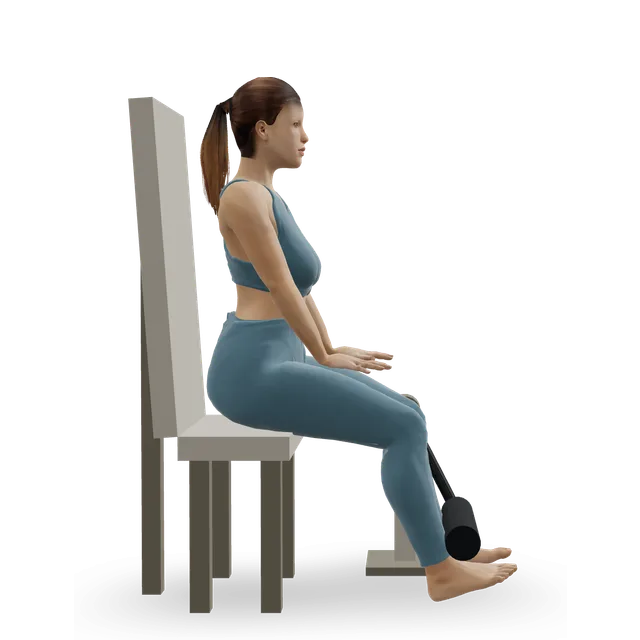
Walking, cycling, swimming, a cross-trainer or rowing: build up to 20 to 50 minutes a session at a moderate effort, after a 5-minute warm-up and ending with a cool-down. Moderate means you can talk but not sing. Our editorial starting point is 10 to 15 minutes on 3 days a week if you've been inactive, adding 5 minutes a week while you feel steady.

Sources 3, 26

Strength training

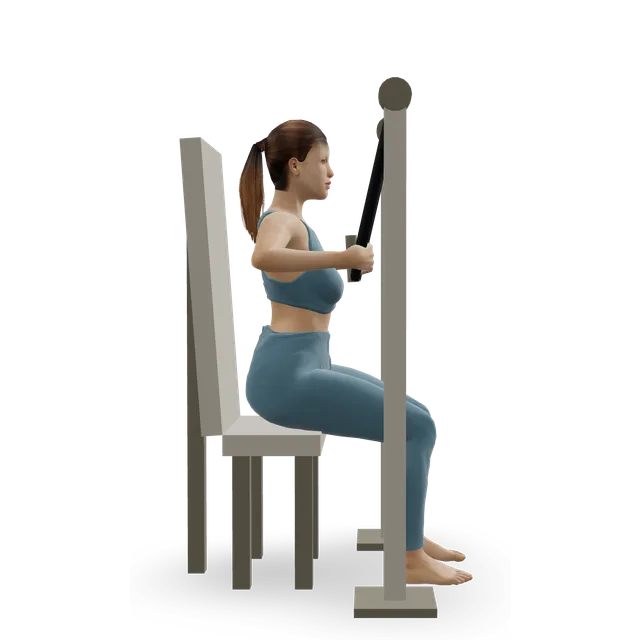
On 2 or more days a week, work all the major muscle groups: 1 to 3 sets of 8 to 12 repetitions, with 1 to 3 minutes' rest. Increase the load when you can do more than 12 repetitions on the last set two sessions in a row.

Source 3

Supervision and patience

Supervised programmes help people keep going, so a physiotherapist or exercise professional is worth it if you can get one. Most trials ran for 12 weeks, so give a new routine about that long before you judge it (our suggestion).

Sources 3, 4

What the trials used

30 to 50 minutes of walking, cycling or swimming 3 times a week at a moderate effort, with a supervised session every 2 weeks; 60 minutes of treadmill training 3 mornings a week; cycling at home for 30 minutes 3 times a week; or 40-minute walks in a park, with a warm-up and cool-down, 3 mornings a week.

Sources 24, 4, 25

Aerobic exercise

Build up to 20 to 50 minutes, 3 to 5 times a week, at a pace where you can talk but not sing (the task force's range). Indoor options avoid the midday sun.

Strength training

2 or more days a week: 1 to 3 sets of 8 to 12 with 1 to 3 minutes' rest (the task force's dose). If your wrists are sore, push the wall with open hands higher up.

Fatigue and pacing

Check for other causes

Anaemia or an underactive thyroid can be found with a blood test and treated, and some medicines, such as hydroxychloroquine, can help with fatigue.

Source 12

Pacing

The NHS says learn to pace yourself to avoid getting too tired, and Arthritis UK says find the right balance between rest and activity. LUPUS UK says pacing helps you reduce stress and use your energy more efficiently.

Sources 6, 12, 15

Exercise, built up gently

Too much rest weakens your muscles and can make you feel more tired, Arthritis UK says. Start low, keep a steady weekly amount, and do a shorter session on a bad day rather than nothing (our suggestion). The benefit for fatigue is small and uncertain, but exercise helps fitness and function.

Sources 12, 2, 4

Fibromyalgia and post-exertional malaise

About 1 in 6 people with lupus also have fibromyalgia, where a slow build-up matters most. If small efforts are followed hours or days later by a crash out of proportion to what you did, that's post-exertional malaise: see a GP, and use the pacing approach in our long COVID and ME/CFS guides rather than building up.

Source 17

Joint pain and flares

Joint pain

Tell your team about any new joint pain. If your joints are hypermobile, stop short of the end of your range (our hypermobility guide has more).

Source 12

In a joint flare

Keep the inflamed joints moving gently below the point of pain, without loading them, and exercise the rest of your body. Arthritis UK says even in a flare, a small amount of exercise helps. Build back up over several days as it settles (our suggestion).

Sources 3, 12

Hands

With hand joints changed in shape by lupus (Jaccoud's arthropathy), see a specialist before loading your hands. Our hand exercises for rheumatoid arthritis were tested in rheumatoid arthritis, not lupus, but suit stiff, sore hands (our suggestion).

Source 3

Hip or groin pain

Groin pain needs a doctor, because it can be a sign of avascular necrosis, which steroids make more likely. Leave out impact and heavy leg exercise until it's been checked.

Sources 12, 21, 3

On a flare day

Gentle range of movement with almost no load: 5 to 10 slow repetitions within a comfortable range, once or twice a day, as in our rheumatoid arthritis guide.

Sun protection for outdoor exercise

Why it matters

Ultraviolet (UV) light is a well-known trigger of lupus flares in the skin and the rest of the body, and even people with lupus who have no skin symptoms can react abnormally to it. Rashes most often appear on the parts of the body exposed to the sun, especially the face, wrists and hands.

Sources 2, 13, 12

What the guidelines say

Avoid direct sun, especially on high-UV days; wear a hat, sunglasses, long sleeves and trousers; and use a broad-spectrum sunscreen. The NHS says factor 50 or higher, which you can get on prescription. Arthritis UK warns that sunlight reflected from paving can reach you even under an umbrella.

Sources 2, 6, 13, 12

In the UK

The sun is strongest between 11am and 3pm from March to October, and you can burn even when it's cloudy. Protect your skin when the UV index is 3 or more, use enough sunscreen (6 to 8 teaspoons for your whole body), apply it twice before you go out, and reapply every 2 hours and straight after sweating, swimming or towel drying. Water, sand, snow and concrete reflect UV.

Source 7

Exercising outdoors

Walk, run or cycle early or late in the day, choose shady routes, or train indoors. Sweat washes sunscreen off, so reapply on long sessions; outdoor swimmers need water-resistant sunscreen, reapplied after getting out.

Sources 3, 7

Vitamin D

Avoiding the sun, and kidney disease, can leave your vitamin D low, so your team may check it and suggest a supplement.

Sources 13, 2

Cold and Raynaud's

Keep your hands and feet warm

Raynaud's makes fingers and toes change colour in the cold or with stress. Keep warm, wear gloves and warm socks outdoors, avoid touching cold surfaces, and dry your skin well during and after exercise. The NHS says regular exercise helps circulation, and a longer warm-up indoors before cold outdoor sessions helps too (our suggestion).

Sources 27, 3, 2

Stopping smoking

Stopping smoking improves your circulation, and lowers the risk of heart attack and stroke that lupus and smoking both raise.

Sources 27, 12

Heart, lungs, kidneys and clots

Exercise protects your heart

Heart attacks and strokes are more common with lupus, and the extra risk is greater in younger people. Regular exercise is part of protecting your heart, along with checks at least once a year of blood pressure, cholesterol, blood sugar, weight and smoking. High doses of steroids can raise blood pressure.

Sources 18, 13, 12

Chest pain and breathlessness

Inflammation around the heart (pericarditis) or the lungs (pleurisy) causes sharp chest pain and breathlessness; pericarditis pain often gets worse when you lie down and better when you lean forward. Don't exercise through new chest pain: see the warning signs.

Sources 12, 9, 8

Kidneys

Lupus nephritis is often silent, so keep up your urine and blood pressure checks. If your kidneys are affected, ask your kidney team about exercise; our kidney disease guide covers it. Avoid long-term anti-inflammatory painkillers unless they're prescribed.

Sources 13, 12, 6

Clots

With antiphospholipid syndrome, the NHS advises regular exercise, drinking plenty of water and not sitting still for long periods. On blood thinners or with very low platelets, avoid sports with a high risk of knocks or falls unless your team agrees. Know the signs of a clot in the leg or lung (see the warning signs).

Sources 19, 3, 11

Steroids, bones and osteonecrosis

Steroids and your bones

High doses or long courses of steroids can cause osteoporosis, so you may be offered calcium, vitamin D or a bone medicine, or a different medicine instead of high-dose steroids. EULAR aims to keep long-term steroid doses at 5 mg a day or less. Don't stop steroids suddenly.

Sources 12, 20, 1

Exercise for your bones

Weight-bearing exercise such as walking or jogging helps keep bones strong, and the UK osteoporosis guideline (NOGG) recommends combining weight-bearing and muscle-strengthening exercise. If your bones are thin, follow our osteoporosis guide.

Sources 12, 28

Osteonecrosis

About 9% of people with lupus have osteonecrosis with symptoms, mostly in the hip, and it's linked with high-dose steroids and active lupus. If you have it, see a specialist before you start exercising; cycling, swimming and upper-body work are the usual alternatives to impact while a hip is assessed (our suggestion). Our avascular necrosis of the hip guide explains it.

Sources 21, 3

Falls

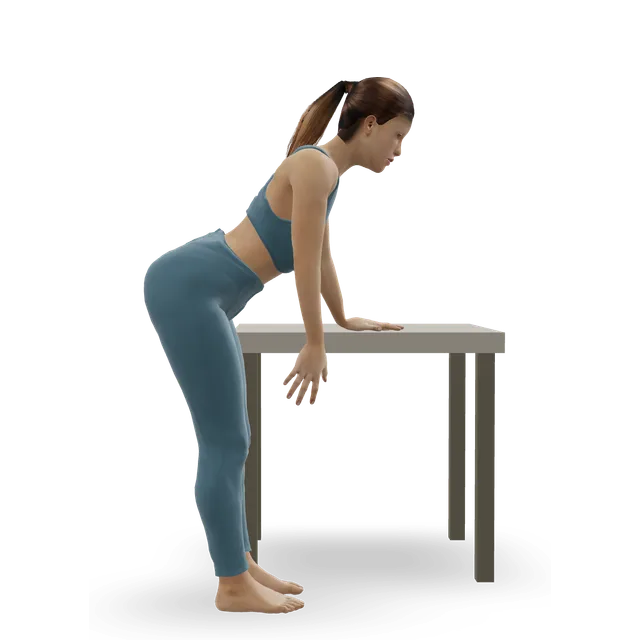
If steroids have thinned your bones, a fall is what usually breaks one. Strength and balance exercise reduces falls: do balance moves next to a worktop or wall, wear shoes that fit and grip, and clear trip hazards at home.

Sources 28, 29

Bone, balance and relaxation

Heel drops build towards about 50 on most days, as in our osteoporosis guide, but not with hip osteonecrosis until a specialist has advised. Hold a wall in the tree pose, and end with slow breathing for at least 5 minutes.

Mood

Low mood and anxiety are common

About 1 in 3 people with lupus have depression and about 1 in 4 have anxiety. EULAR recommends considering psychological and social support, such as counselling or cognitive behavioural therapy, for quality of life, anxiety and low mood, and aerobic exercise may help too.

Sources 22, 2

If you're struggling

Our anxiety and depression guides can help. If you are thinking about suicide or can't keep yourself safe, call 999 or go to A&E. For urgent help, call Samaritans free on 116 123, any time, or in England call 111 and select the mental health option. In the US, call or text 988.

Workouts to follow

Start with the joint-friendly circuit or a cardio workout 3 days a week, and add strength on 2. Use the seated workout on flare days, and leave out the bone-strengthening workout's impact with osteonecrosis.

Arthritis exercise routine: a joint-friendly circuit

A 30-minute joint-friendly circuit built like the GLA:D and ESCAPE-pain programmes: a gentle warm-up, chair, step and band strength moves, balance, then stretches.

30 minBeginner14 movesA bench or box, A step

Low-impact cardio workout (no jumping)

A 25-minute standing cardio circuit with no jumping: marching, step jacks, sit-to-stands, punches, step-ups and wall push-ups, with a seated option for most moves.

25 minBeginner9 movesA bench or box, A step

Easy cardio workout

A steady 30 to 45 minute cardio session at talk-but-not-sing pace: walk, cycle, row or cross-train, counting toward weekly activity guidelines.

40 minBeginner3 movesCardio machine, A wall

10-minute starter workout

A 10-minute session for low-energy days: marching, sit-to-stands, wall push-ups, step-ups and bridges, then a short walk. Doing a little counts.

10 minBeginner7 movesA bench or box, A wall

Chair exercises for seniors: a seated workout

A 20-minute seated workout for older adults who cannot stand for long: marching, leg and arm strength, posture, and sit-to-stands that lead back to standing.

20 minBeginner11 movesA bench or box, Something with weight

Hand exercises for rheumatoid arthritis (the SARAH programme)

The daily stretches and strengthening moves from the SARAH hand trial and NHS hand therapy leaflets: finger bends, finger walking, wrist circles, squeezes and pinches.

15 minBeginner7 movesA dumbbell, A bench or box

Beginner home workout

A gentle 20-minute beginner home workout with a chair, a wall and a band: sit-to-stands, wall push-ups, band rows, step-ups and dead bugs.

20 minBeginner11 movesA bench or box, A wall

Resistance band workout

A full-body resistance band workout: squats, presses, pull-aparts, band walks, good mornings and flyes.

25 minBeginner7 movesA band, An anchor point

Full-body gym workout A

A beginner full-body gym workout: goblet squats, dumbbell bench press, lat pulldowns, Romanian deadlifts and dead bugs, with sets, reps and rest.

45 minBeginner12 movesCardio machine, A band

Gentle yoga for beginners

A 25-minute gentle yoga class for complete beginners and over-50s: slow breathing, a warm-up, supported standing poses, floor poses and a closing rest.

25 minBeginner14 movesNo equipment

Breathing exercises to relax

A 6-minute breathing routine: slow breathing, crocodile breathing, alternate nostril breathing, box breathing and 4-7-8 breathing.

6 minBeginner5 movesNo equipment

Bone-strengthening workout

Impact, strength and balance for stronger bones, following UK osteoporosis consensus advice, with options for every level.

40 minBeginner14 movesA kettlebell, Other / check instructions

Plans to follow

Three full-body days a week fits the task force's 3 to 5 sessions combining aerobic and strength training.

Warning signs: when to get help

Call 999 or go to A&E (911 in the US)

  • Sudden chest pain that lasts 15 minutes or more, feels tight or heavy, or spreads to your arms, back, neck or jaw.
  • Sudden or severe difficulty breathing.
  • Coughing up more than a few spots or streaks of blood.
  • A very fast heartbeat, or pain in your chest or upper back.
  • Pain and swelling in a leg, with breathlessness or chest pain.
  • Someone has passed out.

Sources 8, 30, 10, 11

Ask for an urgent GP appointment or call NHS 111

  • Sharp or stabbing chest pain that's worse when you breathe in, swallow, cough or lie down.
  • Sharp chest pain that comes and goes, or hasn't got better after a few days, or feeling short of breath regularly.
  • Throbbing pain and swelling in one leg, usually in the calf or thigh.
  • You're suddenly more short of breath than usual, or have chest pain with feeling sick or a racing or skipping heartbeat.

Sources 9, 8, 11, 30

Tell your rheumatology team or GP soon

  • New joint pain, or pain in your groin.
  • Getting out of breath and tiring quickly, bruising easily, or bleeding from your gums or nose.
  • Any eye symptoms: see a doctor as soon as possible.
  • Swollen glands, especially with high temperatures and weight loss.
  • Raynaud's that's getting worse, is on one side only, or comes with joint pain, rashes or muscle weakness.

Sources 12, 27

Before you start

Ask your doctor before an exercise programme, especially with heart, lung or kidney involvement, osteonecrosis, joints changed in shape by lupus, blood thinners or very low platelets.

Source 3

Medicines

Never stop or change hydroxychloroquine, steroids or other medicines because of exercise or a flare without your team. If you've taken steroids for more than 3 weeks or at a high dose, they usually need to be reduced gradually.

Source 20

Myths

"Exercise makes lupus flare"Emerging evidence

In trials, exercise probably made no difference to disease activity, and no serious exercise-related side effects were reported. The trials mostly left out people with active disease in major organs, which is why a medical check comes first.

Sources 4, 23, 3

"Avoid jogging, weights and hard cardio"Strong evidence

Some websites, and an older LUPUS UK factsheet, say so. The 2024 international task force recommends combining aerobic and strength training, built up gradually after a medical check, and Arthritis UK suggests walking or jogging for your bones. What's right for you depends on your joints, bones, heart and lungs.

Sources 3, 12, 15

"Exercise reduces lupus inflammation"Emerging evidence

Trials haven't shown that: exercise didn't change disease activity, and a 2026 review of reviews found no proven effect on disease activity or inflammation. Exercise helps fitness and function, and possibly fatigue and mood, which is reason enough.

Sources 4, 5

"Rest is the best cure for lupus fatigue"Mixed evidence

Rest matters, but Arthritis UK says too much rest weakens your muscles and can make you feel more tired, and EULAR recommends considering aerobic exercise for fatigue. The benefit is small and uncertain, so combine gentle exercise with pacing.

Sources 12, 2, 4

"You can't exercise outdoors with lupus"Strong evidence

You can, with protection: avoid the strongest sun, cover up with a hat, long sleeves and trousers, and use a factor 50 broad-spectrum sunscreen.

Sources 2, 7, 6

"Sunscreen is enough, and cloudy days are safe"Strong evidence

The NHS says don't rely on sunscreen alone, and that you can burn in the UK even when it's cloudy. Clothing, a hat, shade and timing matter as much.

Sources 7, 2

"Lupus joint pain means my joints are being damaged"Strong evidence

In most people, lupus joint pain doesn't cause permanent damage. Keep sore joints moving gently and exercise the rest of your body, but get new joint pain, groin pain or a hot, swollen joint checked.

Sources 12, 3

Questions people ask

Is exercise safe with lupus?

Yes, for most people. In a review of 13 trials, exercise didn't change how active lupus was, and no serious side effects were reported. An international task force recommends physical activity for everyone with lupus, after a medical check where needed.

What is the best exercise for lupus?

A mix of aerobic exercise, such as walking, cycling or swimming, and strength training. European recommendations suggest considering aerobic exercise to improve fitness and reduce fatigue and low mood. Choose low-impact options if your joints are sore.

Can exercise make lupus worse?

Trials found it didn't change how active lupus was. Arthritis UK says sunlight, too little rest, infections and stress can all play a part in flares, so build up gradually, rest when you need to and protect yourself from the sun. Tell your team about any new symptoms.

Does exercise help lupus fatigue?

It may help a little, but the evidence is uncertain. Compared with relaxation or education, exercise reduced fatigue slightly, and reviews disagree on whether the benefit is real. Ask your team to check for causes such as anaemia or an underactive thyroid, and pace yourself.

How much exercise should I do with lupus?

Build up gradually towards 150 to 300 minutes of moderate activity a week, plus strength work on at least 2 days. As a programme, the task force suggests 3 to 5 sessions a week with 20 to 50 minutes of aerobic exercise and 1 to 3 sets of 8 to 12 strength repetitions. If you're starting from little, 10 to 15 minutes on 3 days is a fine beginning.

Should I exercise during a lupus flare?

Check with your team, and stop structured exercise if the flare affects your heart, lungs or muscles. In a joint flare, keep the sore joints moving gently within comfort and exercise the rest of your body. Sharp chest pain that's worse when you breathe in, or new breathlessness, needs urgent advice.

Can I lift weights or run with lupus?

Usually, yes. The task force recommends strength training alongside aerobic exercise, and Arthritis UK suggests walking or jogging to keep bones strong. See a specialist first if you have osteonecrosis or joints changed in shape by lupus, and avoid high-risk sports if you take blood thinners or have low platelets.

How do I exercise outdoors with lupus and sun sensitivity?

Avoid the strongest sun (in the UK, 11am to 3pm from March to October), wear a wide-brimmed hat, long sleeves and trousers, and use a factor 50 broad-spectrum sunscreen, which you can get on prescription. Reapply after sweating or swimming, and remember water, sand and concrete reflect UV. Early mornings, evenings, shade and indoor sessions are good alternatives.

Do I need a heart check before exercising with lupus?

A medical check is recommended before starting an exercise programme, and in studies this included a heart tracing or exercise test before hard exercise. It matters most if you've had heart, lung or kidney problems, high blood pressure or clots, because lupus roughly doubles or triples the risk of heart attack and stroke. Regular exercise is also part of protecting your heart.

Can I exercise with lupus nephritis?

Generally yes: the task force recommends activity for everyone with lupus after a medical check, so ask your kidney team first, and our kidney disease guide covers exercising with kidney problems. Kidney involvement often has no symptoms, so keep up your urine and blood pressure checks. Avoid long-term anti-inflammatory painkillers unless they're prescribed.

What helps Raynaud's when I exercise?

Keep your hands and feet warm, wear gloves outdoors, avoid touching cold surfaces and dry your skin after exercise. Regular exercise helps circulation, and a longer warm-up indoors before cold sessions helps too. See a GP if Raynaud's is getting worse or comes with joint pain or rashes.

Can exercise help low mood with lupus?

It may: European recommendations suggest considering aerobic exercise for low mood, and one trial found less depression after 12 weeks of training. About 1 in 3 people with lupus have depression, and talking therapies help too. If you're thinking about suicide or can't keep yourself safe, call 999 or go to A&E, call Samaritans free on 116 123, or in the US call or text 988.


Sources

  1. Fanouriakis 2024 · EULAR recommendations for the management of lupus (SLE): 2023 update (Annals of the Rheumatic Diseases)
  2. Parodis 2024 · EULAR recommendations for the non-drug management of lupus (SLE) and systemic sclerosis (Annals of the Rheumatic Diseases)
  3. Blaess 2024 · Recommendations for physical activity and exercise in lupus (SLE) from an international task force (consensus, RMD Open)
  4. Frade 2023 · Exercise as an add-on treatment for lupus (SLE): 13 trials (Cochrane review)
  5. Fang 2026 · Exercise for fatigue, disease activity and inflammation in lupus (SLE): 18 reviews (umbrella review, Frontiers in Immunology)
  6. NHS · Lupus
  7. NHS · Sunscreen and sun safety
  8. NHS · Pleurisy

  9. NHS · Pericarditis

  10. NHS · Pulmonary embolism
  11. NHS · DVT (deep vein thrombosis)
  12. Arthritis UK · Lupus (SLE): symptoms, causes and treatment
  13. Gordon 2018 · The British Society for Rheumatology guideline for the management of lupus (SLE) in adults (Rheumatology)
  14. Tench 2000 · Fatigue in 120 people with lupus (SLE) (cross-sectional study, Rheumatology)
  15. LUPUS UK 2015 · Lupus: fatigue and your lifestyle (factsheet, last reviewed 2017)
  16. Blaess 2023 · Benefits and risks of physical activity in lupus (SLE): 40 studies (systematic review, Seminars in Arthritis and Rheumatism)
  17. Mistry 2025 · Fibromyalgia in people with lupus (SLE): 56 studies (meta-analysis, Clinical Rheumatology)
  18. Bello 2023 · Heart and circulation events in lupus (SLE): 46 studies (meta-analysis, Lupus)
  19. NHS · Antiphospholipid syndrome (APS)
  20. NHS · Steroids
  21. Nevskaya 2017 · Avascular necrosis in lupus (SLE): how common it is and its risk factors (meta-analysis, Clinical and Experimental Rheumatology)
  22. Moustafa 2020 · Depression and anxiety in lupus (SLE) (meta-analysis, Seminars in Arthritis and Rheumatism)
  23. O'Dwyer 2017 · Exercise and physical activity in lupus (SLE): 11 studies (systematic review and meta-analysis, Seminars in Arthritis and Rheumatism)
  24. Tench 2003 · Graded aerobic exercise for fatigue in 93 people with lupus (SLE) (RCT, Rheumatology)
  25. Carvalho 2005 · Supervised cardiovascular training in 60 women with lupus (SLE) (controlled trial, Arthritis and Rheumatism)
  26. NHS · Physical activity guidelines for adults aged 19 to 64
  27. NHS · Raynaud's
  28. Gregson 2025 · The 2024 UK clinical guideline for the prevention and treatment of osteoporosis (NOGG guideline, Archives of Osteoporosis)
  29. NHS · Falls
  30. NHS · Heart attack

Exercise education, not a diagnosis or treatment plan, and clinical review of these guides is pending. Stop and get advice for chest pain, unusual breathlessness, dizziness or fainting, or new pain, and check with your doctor or midwife first if they have told you to limit activity. Health disclaimer.