Stretching & mobility
Scleroderma hand and mouth exercises: a daily stretching routine
A daily routine for scleroderma (systemic sclerosis), built from the hand and face stretches in an occupational therapist's handout for the US National Scleroderma Foundation, Scleroderma & Raynaud's UK's advice and a trial of mouth exercises. European recommendations say hand and mouth exercise should be considered in systemic sclerosis; the gains in trials are modest, and in some trials they didn't last. Warm your hands first, in warm water or with a warm, moist pack, never hot. Do the hand stretches 2 to 3 times a day and the face stretches once or twice a day. Ask your rheumatology team, hand therapist or occupational therapist to check the stretches, especially if your fingers already bend or you have finger ulcers.
Warm and loosen
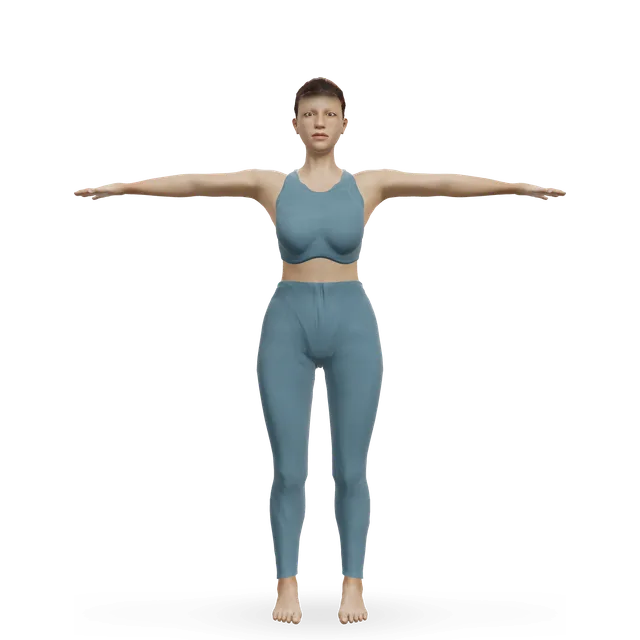
- Wrist circlesAbout 10 each wayBeginner · Forearms · 3D demoAfter warming your hands. Slow circles, with your forearm resting on the table if that's easierHarder: Wrist flexor stretch
- Tendon glides (hand tendon gliding exercises)5 of each position, holding 3 to 5 sBeginner · Forearms · 3D demoStraight hand, hook, full fist, tabletop and straight fist. In the full fist, press the knuckles down gently with your other palm to bend them furtherHarder: Ball squeeze

Hand stretches
- Wrist flexor stretch5 to 10, holding 3 to 5 sBeginner · Forearms · 3D demoThe nearest move to the flat-hand stretch: palm flat on a table or wall, fingers straight, press gently to straighten them, never through a sore fingertip. Then put your palms together in front of your chest, as if praying, and holdEasier: Wrist circlesHarder: Quadruped wrist rocks
- Thumb lifts and O-sign (thumb base exercises)5 to 10, holding 3 to 5 sBeginner · ForearmsTouch your thumb tip to the base of your little finger, then push your thumbs away from your index fingers to stretch the web between themHarder: Band finger extension
- Finger walking (SARAH hand stretch)5 with each handBeginner · ForearmsHands flat on the table: lift each finger in turn and put it down closer to your thumb. To stretch the skin between your fingers, interlace them and slide them down
- Wrist & forearm flow5 slow bends each wayBeginner · Forearms · 3D demoBend and straighten your wrist gently, never forcing itEasier: Wrist circlesHarder: Wrist flexor stretch


Face and neck, once or twice a day
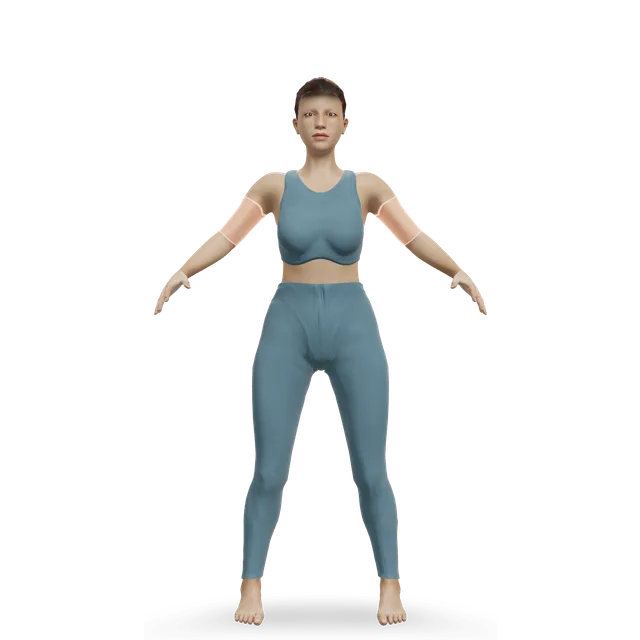
- Mouth stretches (for a tight mouth with scleroderma)5 of each, holding 3 to 5 s, building to 10 sBeginnerWarm your face first. Leave them out if you have sores at the corners of your mouth
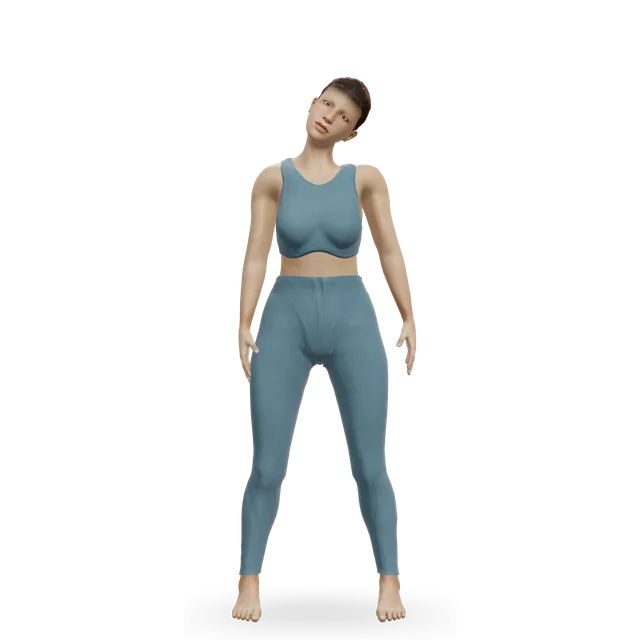
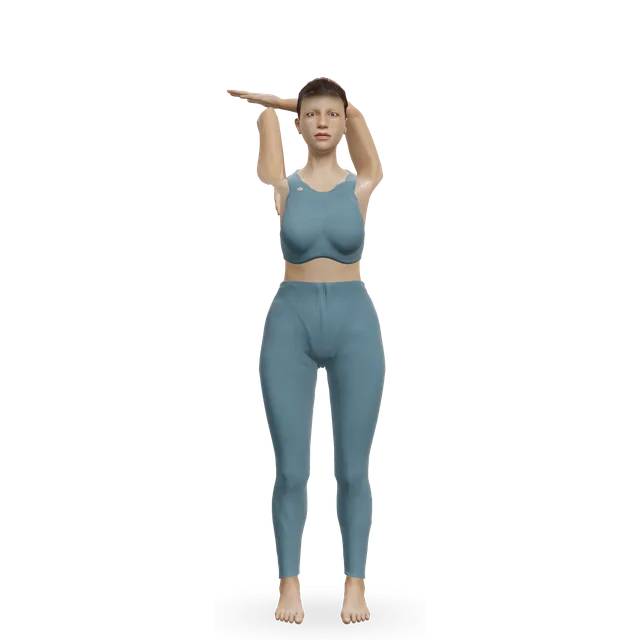
- Side neck stretchHold 5 to 10 s, 2 to 4 times each sideBeginner · Neck, Shoulders · 3D demoEar towards your shoulder, gentlyHarder: Rabbit pose (Sasangasana)
Tips
- Warm first: 15 to 20 minutes of warm, moist heat, such as a warm shower, bath or pack, never hot.
- Stretch past the first tightness until you feel the stretch, then hold and breathe. Your fingers may go pale during a stretch: let the colour come back before you stretch that finger again.
- Finger ulcers: the National Scleroderma Foundation says stretching still helps, with fewer repetitions. Our advice is not to press, grip or stretch over the ulcer itself, and to ask your team which stretches to keep doing. See a doctor or specialist nurse promptly if an ulcer is red or has pus.
- Mouth stretches may make your face ache for a few days at first, but they shouldn't hurt.
- Moisturise your hands after washing and after the routine.
- Keep going: the gains in trials were small, and in some they faded over the following months.
The doses are suggested starting points, not a prescription. Choose a range you can control and stop for sharp or increasing pain, numbness or tingling. Get individual advice after an injury or surgery, or if you are pregnant or managing a health condition.
Guides that recommend it
Find more moves like these
More stretching & mobility




10-minute morning stretch
A gentle, no-equipment stretch routine to wake up the spine, hips and shoulders in ten minutes.
10 minBeginner10 movesNo equipment


Full-body stretch routine
A 15-minute head-to-toe stretch for the neck, shoulders, back, hips, hamstrings and calves.
15 minBeginner11 movesA wall


Lower back stretch routine
Seven gentle stretches and mobility moves for a stiff lower back, done lying and kneeling.
12 minBeginner7 movesA wallQuestions people ask
How long does the scleroderma hand and mouth exercises: a daily stretching routine take?
About 12 minutes, including any warm-up and cool-down listed. Shorten it by doing fewer rounds; lengthen it by adding one.
What equipment do I need?
You need: A wall. Each move links to its guide, where you can find an alternative if you are missing something.
Is it suitable for beginners?
It is written for beginners. 2 of its 8 moves have an easier option listed beside them if you need one.
How do I make it easier or harder?
Use the easier or harder option listed under each move, change the number of rounds, or adjust the rest. Progress one change at a time.