Rabbit pose (Sasangasana)
Kneeling with your hands holding your heels, you fold forward, place the crown of your head lightly on the floor near your knees and lift your hips, so the whole spine rounds from neck to tailbone. It rounds the spine much further than child's pose, and the grip on the heels lets your arms, not your neck, take the weight: Yoga International allows no more weight on the head than you could press with your hand. In headstand, where the crown also rests on the floor, the head took up to 40 to 48% of body weight.
Movement guide
Rabbit pose (Sasangasana)
Make it easier or harder
Choose a version that fits your control and comfort.
Easier option
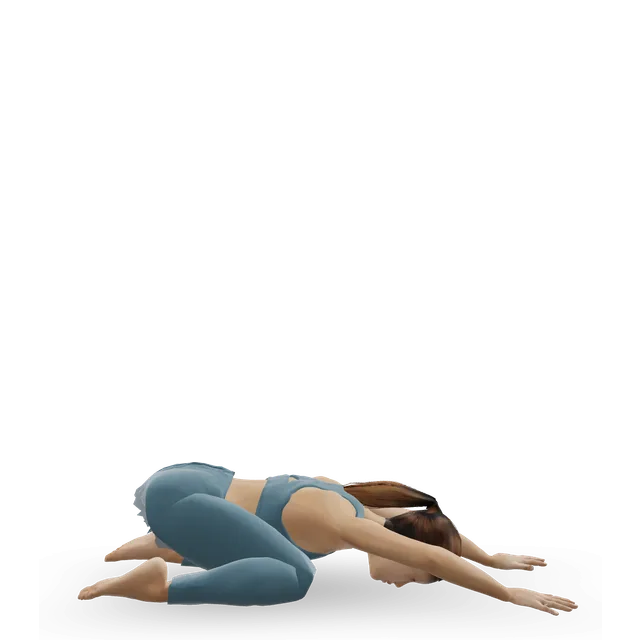 3D demoChild's Pose (Balasana)Beginner · No equipment
Suggested next step, beginner grade.
Harder option
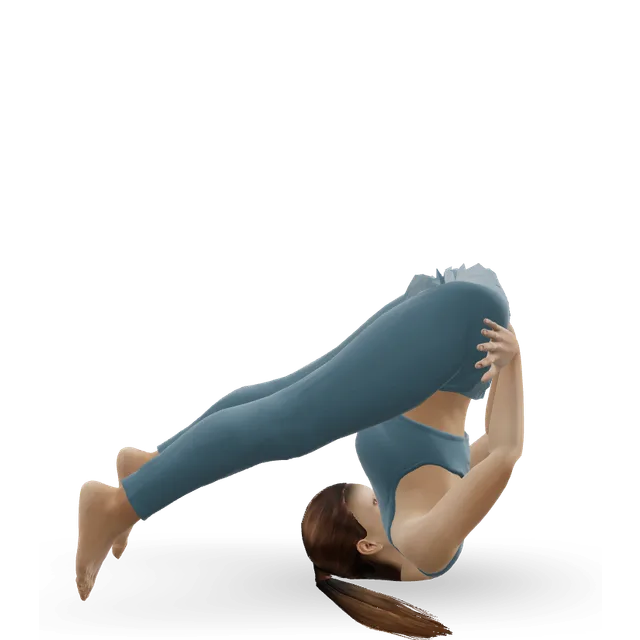 3D demoPlow pose (Halasana)Advanced · No equipment
Similar move, advanced grade.
Source-researched guide.
How to move
- Kneel on a folded blanket with your knees hip-width apart and the tops of your feet down, and sit back toward your heels.
- Reach back and hold your heels, thumbs on the outside. Tuck your chin and fold forward until the crown of your head rests on the floor just in front of your knees.
- Keeping a firm grip on your heels, lift your hips slowly until your thighs are nearly vertical and your spine rounds from neck to tailbone, the weight in your hands rather than your head.
- Breathe into your back and hold.
- To come out, lower your hips back to your heels, let go and roll up slowly, head last.
Form cues
- Pull on your heels to take weight off your head.
- If breathing feels cramped, move your hips back a little.
- Avoid: rolling forward onto your forehead or back onto the back of your head.
Practice and cautions
Hold 3 to 5 breaths, the hold Yoga International gives, 1 or 2 times, sitting back on your heels in between.
Going straight from camel pose into rabbit can be too sharp a swing for the back: Yoga International suggests a gentle twist in between. The crown of the head touches the floor, so keep that contact light; the neck should never carry real load. Avoid the pose with neck problems, glaucoma or poorly controlled high blood pressure, and pad the knees and head with a folded blanket if they complain. This is movement education, not an assessment or treatment prescription. Stop for sharp or increasing pain, dizziness, numbness or tingling; seek individual guidance for symptoms, injury or restrictions.
Sources and review status
Sources support the educational description; they do not establish that this exercise is suitable for you.
- Yoga International · Learn rabbit pose (how-to: hands on the heels, no more weight on the head than you could press with your hand, 3 to 5 breaths) ↗
- Hector 2015 · In headstand, a relative with the crown on the floor, the head took up to 40 to 48% of body weight (lab study of 45 practitioners, J Bodyw Mov Ther) ↗
No variation is labeled clinically validated.
What it works
Muscles
Main: Back, Neck. Also: Shoulders.
Anatomy: Latissimus dorsi, Teres major, Trapezius, Rhomboids, Erector spinae, Multifidus.
Equipment
None: body weight and floor space.
Level
Intermediate. See the easier and harder options above.
Similar moves
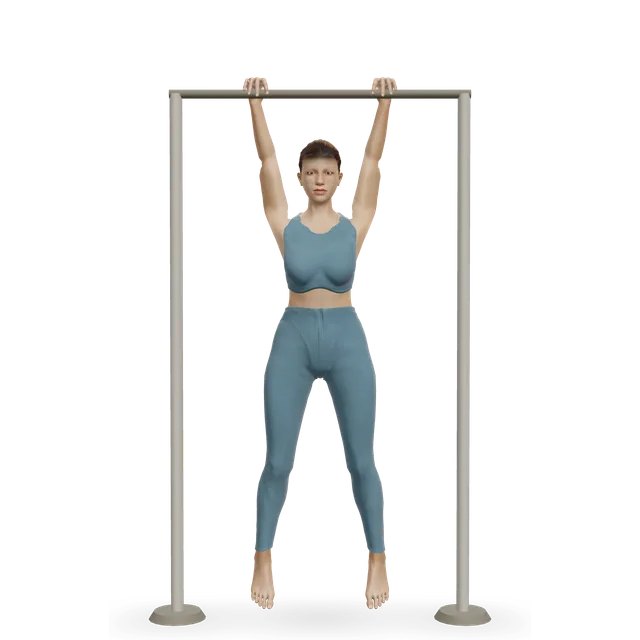 3D demoBar hangIntermediate · Pull-up bar + A step
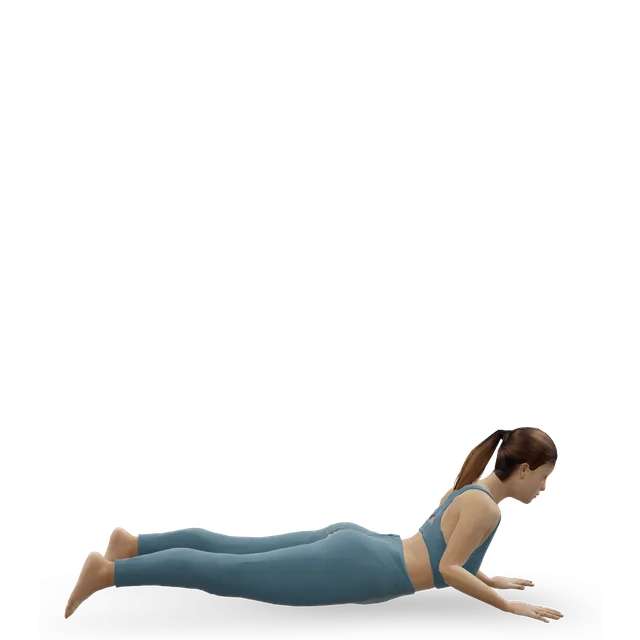 3D demoCobra pose (Bhujangasana)Intermediate · No equipment
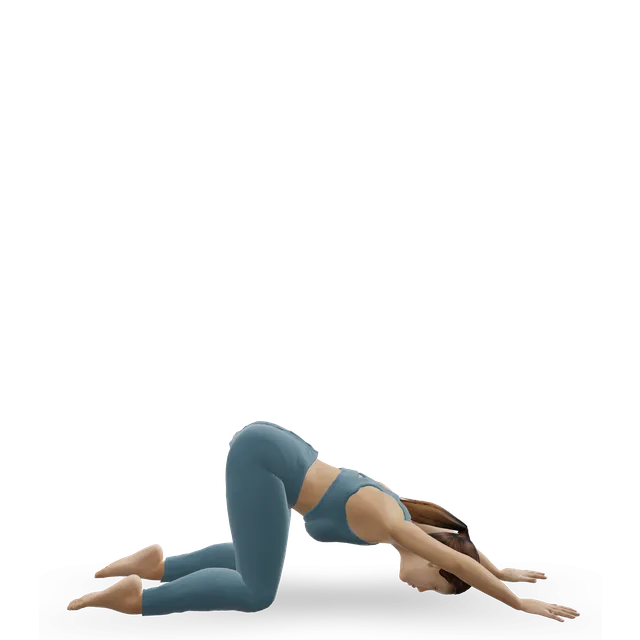 3D demoExtended puppy pose (Uttana Shishosana)Beginner · No equipment
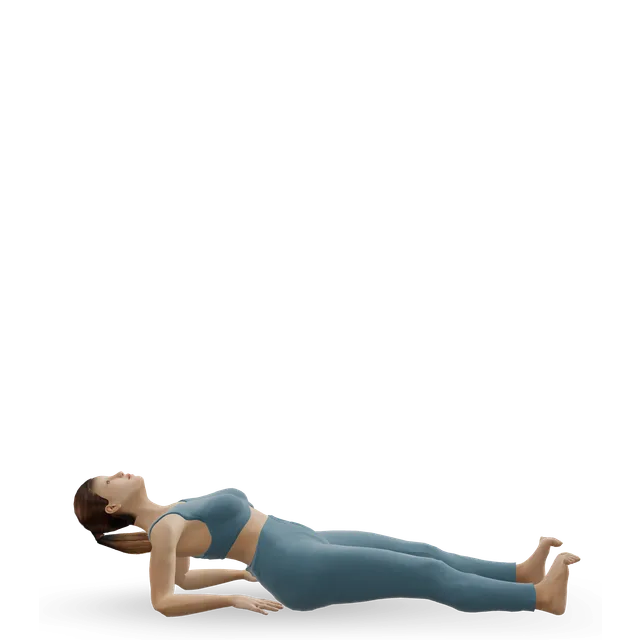 3D demoFish pose (Matsyasana)Intermediate · No equipment
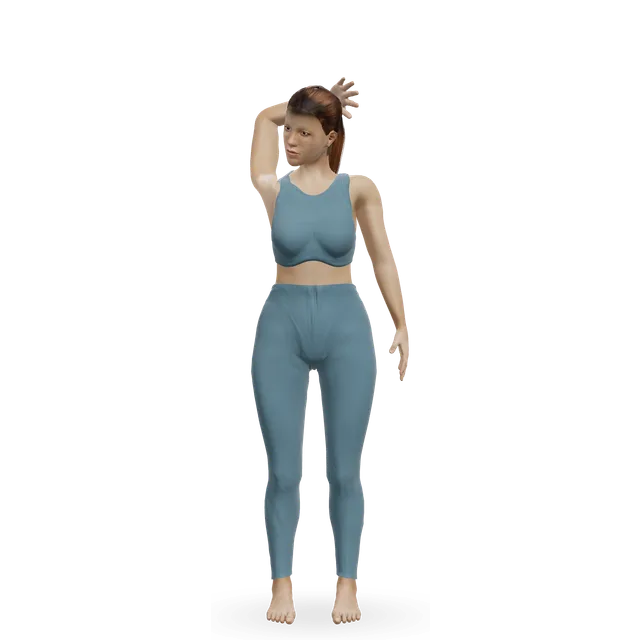 3D demoLevator scapulae stretchBeginner · No equipment
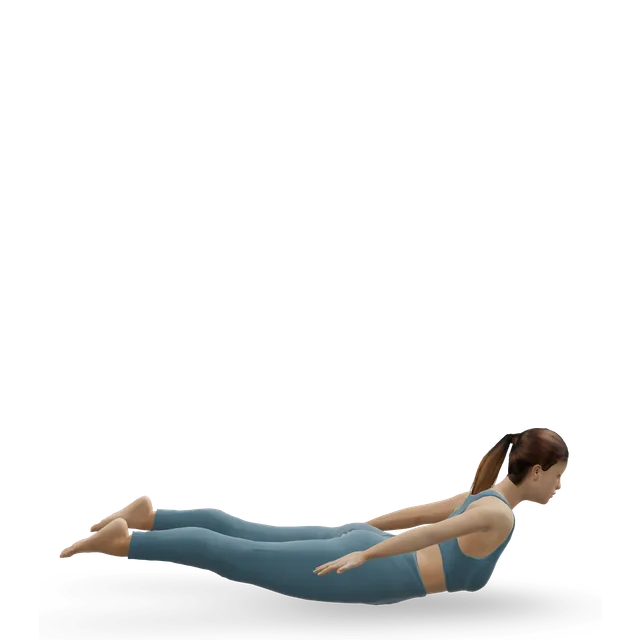 3D demoLocust pose (Salabhasana)Beginner · No equipment
Browse more
Questions people ask
What muscles does the Rabbit pose (Sasangasana) work?
Mainly the back and neck, with help from the shoulders.
What equipment do I need for the Rabbit pose (Sasangasana)?
No equipment: your body weight and a little floor space.
Is the Rabbit pose (Sasangasana) good for beginners?
It is graded intermediate. If it is too hard right now, start with the Child's Pose (Balasana).
What is an easier alternative to the Rabbit pose (Sasangasana)?
Try the Child's Pose (Balasana). It is the suggested step down from this move.
How do I make the Rabbit pose (Sasangasana) harder?
Progress to the Plow pose (Halasana) or the Prone swimmers. Follow that guide’s technique and any stated timing.