Exercise guide

Exercise with Raynaud's: keeping warm, cold-weather sport, and when to get it checked

Raynaud's makes your fingers and toes change colour and go numb when you're cold or stressed. It's common and usually harmless. The NHS advises exercising regularly because it helps your circulation, though no trial has tested exercise as a treatment for Raynaud's itself.

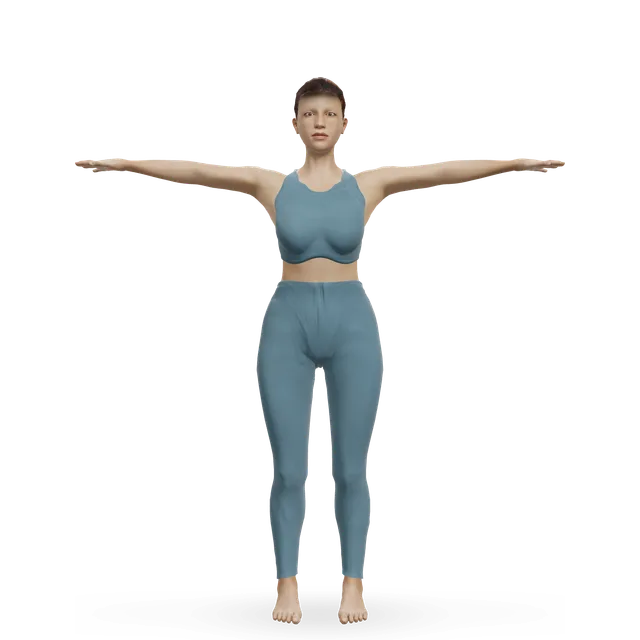
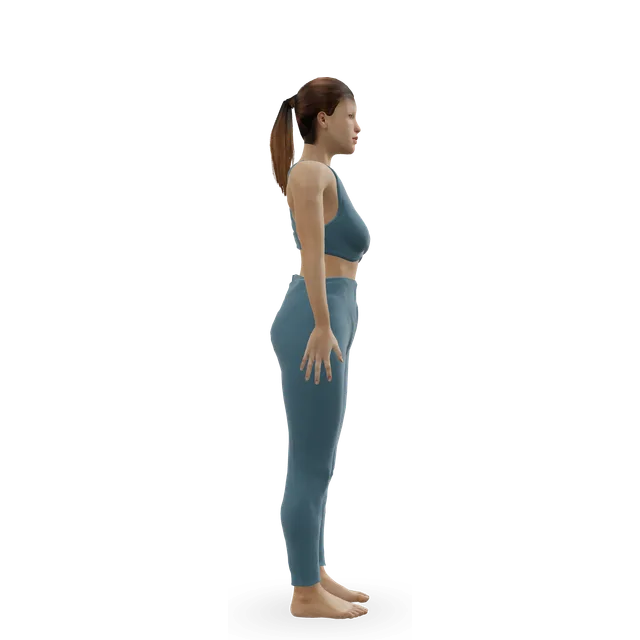
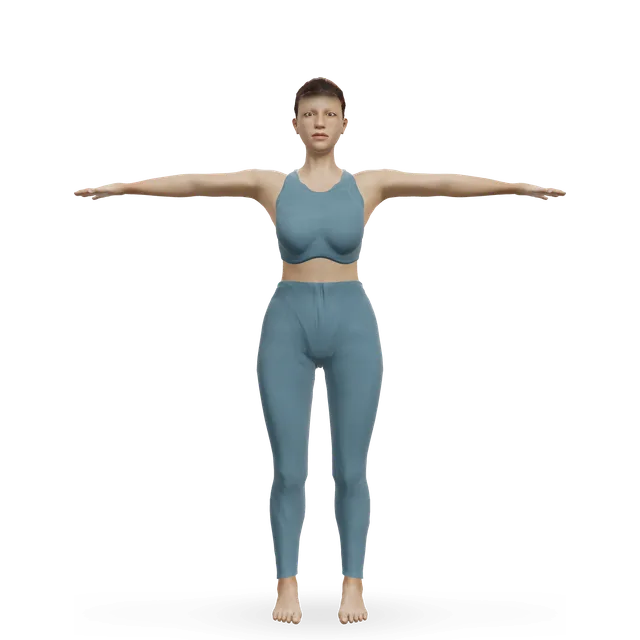
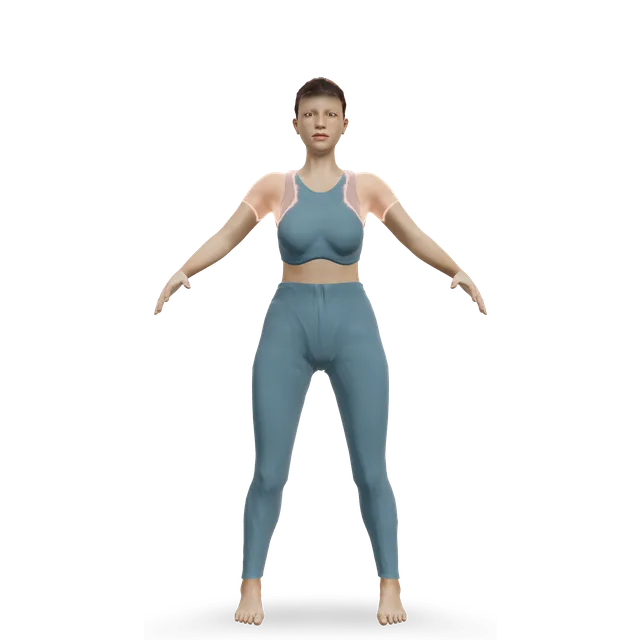
The trick is keeping your whole body warm, not just your hands, and planning for the cold before, during and after you exercise. This guide covers warming up indoors, kit and layers, running, cycling, winter sports, swimming and cold water, gyms and classes, stress, and rewarming safely, with 3D demos of warm-up and hand moves. It also covers when Raynaud's needs checking: most is harmless, but sometimes it's a sign of another condition.

The short version

Exercise helps your circulation

The NHS advises exercising regularly with Raynaud's because it helps your circulation, and keeping active on a cold day helps the blood flow to your hands and feet. No trial has tested exercise as a treatment for Raynaud's itself.

Sources 1, 2

Keep your whole body warm

When your core gets cold, your body cuts the blood flow to your hands and feet. Wear layers and a hat as well as warm gloves and socks, and warm your gloves before you put them on.

Sources 2, 3, 1

Warm up indoors first

Raise your heart rate and body temperature before you go out, for example by going up and down the stairs, and warm your kit before you put it on.

Source 4

Plan for the cold after exercise

Sweat cooling on your skin, a cold pool, air-conditioning or the relaxation at the end of a class can bring on an attack. Change out of damp clothes, dry your skin and hair, and warm up slowly: no radiator, fire or very hot shower straight away.

Sources 5, 4, 6

Cold water needs care

Cold water shock starts at 15°C or lower and can cause a heart attack even in healthy people. Swimmers with Raynaud's use wetsuits, swim gloves and shoes, keep cold swims short and check with their doctor first.

Sources 7, 4

Know when to get it checked

See a GP (general practitioner) if Raynaud's is very bad or getting worse, is on one side only, starts after 30, or comes with joint pain, skin rashes or muscle weakness. Get seen as soon as possible for ulcers or black areas on your fingers or toes.

Sources 1, 2

Raynaud's and why the cold matters

What Raynaud's is

In Raynaud's, blood stops flowing properly to your fingers and toes when you're cold, anxious or stressed, so they change colour, often with pain, numbness or pins and needles. The skin may turn white or paler, then blue, then red as the blood returns; on brown or black skin the fingertips may look paler. Your ears, nose, lips or nipples can be affected too. An attack can last from a few minutes to a few hours.

Source 1

How common it is

A review of 33 studies found primary Raynaud's in about 5% of people, though the studies defined it differently. Scleroderma & Raynaud's UK (SRUK), the UK charity, says up to 10 million people in the UK have it. It's more common in women, usually starts before 30, and is more likely with a family history, smoking, manual work or migraine.

Sources 8, 9

Primary and secondary Raynaud's

Most people have primary Raynaud's, which has no underlying cause and doesn't usually damage the fingers. About 10% have secondary Raynaud's, caused by another condition such as scleroderma or lupus, which needs more checks and can cause finger ulcers. SRUK says only about 0.1% of people with Raynaud's go on to develop scleroderma, though 95% of people with scleroderma say Raynaud's was their first symptom. A GP may arrange tests if Raynaud's could be a sign of something like rheumatoid arthritis or lupus.

Sources 2, 10, 11, 1

Other causes

Using vibrating tools for long periods can cause it, and so can some medicines, including beta blockers, some migraine medicines, medicines for ADHD (attention deficit hyperactivity disorder) and decongestants. Never stop a prescribed medicine without asking your doctor first.

Sources 1, 2, 10, 12

Why your core matters

When your core temperature starts to drop, your body cuts the blood flow to exposed parts such as your hands and feet, which makes Raynaud's worse. Stress works in a similar way: in "fight or flight", your body moves blood away from your skin and fingers towards your vital organs.

Sources 3, 5

What the evidence says

Regular exercise is advised for circulationStrong evidence

The NHS, Arthritis UK and SRUK all advise regular exercise, within your own limits, for your circulation and to reduce stress, a common trigger. This is expert advice rather than the result of trials.

Sources 1, 2, 5

No trial of exercise as a treatmentStrong evidence

The European guideline on Raynaud's notes that there are few randomised trials, and almost all are of medicines. In a Dutch study of 929 women with primary Raynaud's, they were at least as active as other women (a median of 300 against 255 minutes a week of moderate to vigorous activity) but reported more stress and a lower quality of life, and the authors say the effect of encouraging activity is largely unknown.

Sources 13, 14

Swinging your arms: no measurable effectMixed evidence

SRUK suggests swinging your arms as you walk, and its cycling page suggests windmilling your arms and swinging your legs after a ride. In a 1983 study of 10 people, a swinging arm manoeuvre didn't measurably speed up how quickly their hands warmed up after ice water. It may still help you feel warmer.

Sources 5, 3, 15

Arm cranking eased Raynaud's in sclerodermaEmerging evidence

In people with scleroderma, whose Raynaud's is secondary, 12 weeks of arm-bike training twice a week eased Raynaud's symptoms in two trials, of 34 and 170 people. Whether it helps primary Raynaud's is unknown.

Sources 16, 17

Medicines carry the evidence for severe Raynaud'sStrong evidence

For Raynaud's that's very bad or getting worse, a GP may prescribe a medicine such as nifedipine, every day or just in cold weather. In a trial of 313 people with primary Raynaud's, it cut attacks by 66% compared with a dummy pill, while training to warm the hands by thought (temperature biofeedback) did no better than its comparison.

Sources 1, 18

Keeping warm: your core, hands and feet

Your core, not just your hands

Keep your core warm as well as your hands and feet. SRUK's cycling page puts it plainly: thick gloves and socks don't make sense with a short-sleeved top. Thin layers trap warm air, and a hat, or a thin cap under a helmet, helps.

Sources 2, 3

Hands and feet

Wear warm gloves and socks in cold weather, and warm your gloves before you put them on, for example in an airing cupboard. Runners with Raynaud's use thin liner gloves under windproof gloves or mittens and carry a dry spare pair. Socks should be warm but not so thick that they squeeze your toes in your shoes.

Sources 1, 2, 4, 3

Layers that wick sweat

Sweat cooling on your skin can change its temperature enough to bring on an attack, so choose fabrics that wick sweat away, and take spare layers to put on when you finish.

Sources 5, 4

Sudden changes and cold surfaces

Try to avoid sudden changes in temperature. European advice for people with lupus or scleroderma adds: avoid touching cold surfaces, and dry your skin thoroughly.

Sources 1, 19

Warm up indoors first

Raise your temperature before you go out

On SRUK's sport page, a marathon runner with Raynaud's warms up before leaving home, running up and down the stairs or doing star jumps to raise her heart rate and body temperature. She warms her socks, shoes and kit first and has a hot drink before she goes. SRUK's top tips start with breathing and stretching before exercise.

Source 4

An indoor warm-up

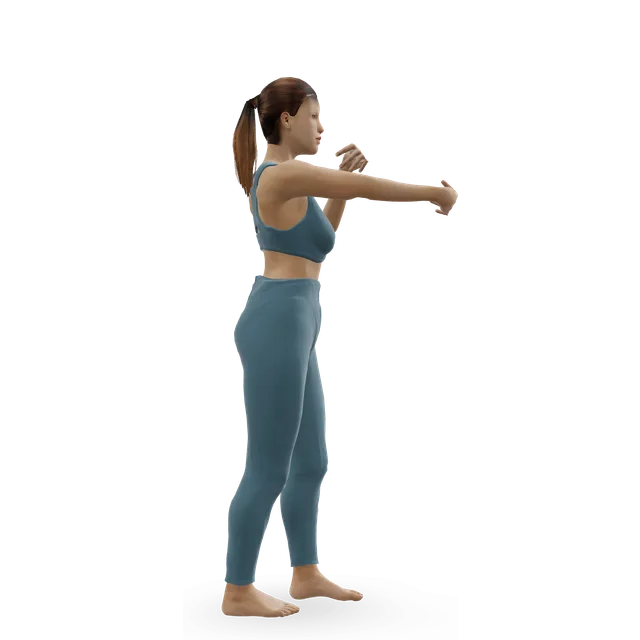
5 to 10 minutes before you go out in the cold: march, step jacks or the stairs, then arm and leg swings. Our editorial starting point is 1 to 2 minutes of marching or stairs, then 30 to 45 seconds of each of the others.

Running, cycling, winter sports and the gym

Running

Tips from the marathon runner on SRUK's page: many thin, close-fitting layers; long sleeves pulled down over your gloves; a dry spare pair of gloves in your pocket. Hand warmers can get hot enough to burn the skin. If your feet go numb, watch where you put them so you don't trip. Short, faster runs or intervals keep you warmer than long, slow ones, because you work harder and are outside for less time, and between repeats on a track you can tuck your hands into your armpits.

Source 4

Cycling

Use warmer shoes, overshoes or oversocks, and in real cold a system of inner and outer gloves. Keep your core warm with a gilet or jacket. When you stop, get inside quickly and take off wet clothing, and don't jump straight into a shower or bath: SRUK suggests swinging your arms and legs to get the blood moving instead.

Sources 4, 3

Skiing, snowboarding and winter walks

SRUK's top tips for winter sports: take wet clothes off and dry off quickly, have a hot drink and something sugary, carry spare layers and heat packs for your hands and feet, and know when to stop and get warm. To avoid frostbite, the NHS advises several loose layers with a waterproof outer layer, a hat and scarf, gloves or mittens, thick socks and boots, and eating and drinking regularly.

Sources 20, 21

Gyms and classes

Take layers to an air-conditioned gym, and to classes that end with a relaxation, which can cool you down: peel them off as you warm up and put them back on if you feel a chill. Cold metal bars and weights can trigger an attack, so wear gloves or let the equipment warm up (our suggestion, in line with the advice to avoid touching cold surfaces).

Sources 5, 19

Climbing and other outdoor sport

We found no advice written for climbing. The same principles apply: warm up indoors, keep your core warm, warm up slowly between climbs, and know when you've hit your limit and need to get warm (our suggestion, built on SRUK's tips).

Source 4

Swimming and cold water

Pools

Check the pool temperature suits you; some people wear the thermal swimwear designed for wild swimming. Dry your skin and hair well before you leave the leisure centre.

Source 5

Cold water shockStrong evidence

Getting into water at 15°C or colder can make you gasp and breathe up to 10 times faster, and the Royal Society for the Prevention of Accidents (RoSPA) says it can cause a heart attack, even if you're in good health. It advises a wetsuit and a float with a whistle. Our swimming guide covers floating to live if you fall in.

Source 7

Swimming outdoors with Raynaud'sEmerging evidence

A cold-water swimmer with Raynaud's on SRUK's page wears a wetsuit for longer swims in the colder months, plus swim gloves and shoes, keeps swims short when the water is very cold, and has a robe, gloves and a hat ready for the moment she gets out. Her advice is to talk to your doctor and ease into it. This is one person's experience, not a trial.

Source 4

Does cold-water swimming help Raynaud's?Emerging evidence

There's no good evidence that it does. A review of 104 studies of cold-water immersion found them mostly small, with no firm conclusions about its health effects, and we found no trial of it as a treatment for Raynaud's.

Source 22

After exercise, and after an attack

After exercise

Cool down with a slow jog or a fast walk. Indoors, change out of sweaty clothes and stretch in a room of moderate temperature. Don't jump straight into a very hot shower or bath, or sit next to a fire: warming up too quickly can be very painful.

Sources 4, 3

During an attack

Get out of the cold as soon as you can, but warm up slowly, especially if your fingers or toes have changed colour and hurt. Moving your fingers and toes helps, and tucking your hands into your armpits is the runner's trick. Don't put your hands or feet on a radiator or under hot water.

Sources 2, 6, 4

Why slowly

Warming cold skin too quickly can be painful and can cause chilblains: itchy, burning patches that appear a few hours later. SRUK advises against warming up over a fire or with your hands on a heater for this reason.

Sources 6, 20

Hand and foot moves

To keep your hands and feet moving and ease stiffness, not as a treatment. Tendon glides, 4 to 6 of each position with 5-second holds, and ankle circles, 10 each way, are the move pages' doses; our editorial starting point for the others is about 10 slow repetitions.

Breathing to relax

The NHS suggests breathing exercises to help you relax, because stress can trigger attacks. Slow breathing: at least 5 minutes, the move page's dose.

Indoor cardio for cold days

Indoors, where it's warm, at a pace where you can talk but not sing. Build towards the NHS guideline of 150 minutes of moderate activity a week.

Stress, caffeine, smoking and medicines

Stress

Stress and anxiety can trigger attacks. The NHS suggests breathing exercises or yoga to help you relax, and SRUK notes that exercise lowers your levels of stress hormones.

Sources 1, 5

Caffeine and smoking

The NHS advises not having too much caffeine, found in tea, coffee, cola and chocolate, because it may trigger symptoms, and not smoking, because stopping improves your circulation. SRUK says stopping smoking is one of the best things you can do for Raynaud's.

Sources 1, 5

Medicines and vibrating tools

If Raynaud's started after a new medicine, keep taking it and ask your doctor: Arthritis UK says you must ask before stopping any regular medicine. Decongestant medicines for a blocked nose can affect the blood flow to your fingers and toes. If you use vibrating tools at work, use them correctly, with protective equipment, and for no longer than necessary.

Sources 2, 6

Children and PE

Tell the school

SRUK suggests telling your child's school about their Raynaud's and how attacks can be avoided, as allowances may be needed for outdoor activities and PE (physical education) in cold weather. The NHS says a child under 12 with symptoms of Raynaud's should see a GP.

Sources 23, 1

Workouts

The first few minutes of the low-impact cardio workout make a good indoor warm-up, and the whole session suits cold days. The breathing and yoga sessions help with stress: keep a layer on for the relaxation at the end.

Low-impact cardio workout (no jumping)

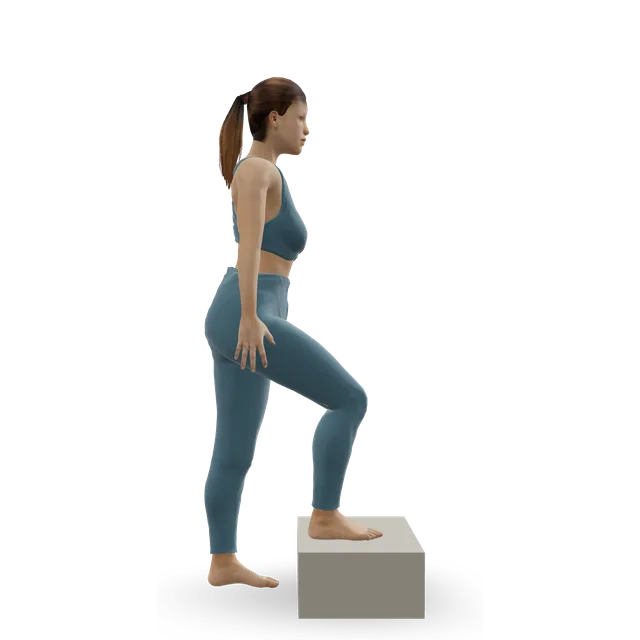
A 25-minute standing cardio circuit with no jumping: marching, step jacks, sit-to-stands, punches, step-ups and wall push-ups, with a seated option for most moves.

25 minBeginner9 movesA bench or box, A step

10-minute dynamic warm-up

A 10-minute warm-up for any workout: raise your heart rate, move each joint through its range, rehearse the main movements, then ramp up to your first lift.

10 minBeginner12 movesA wall, A band

Easy cardio workout

A steady 30 to 45 minute cardio session at talk-but-not-sing pace: walk, cycle, row or cross-train, counting toward weekly activity guidelines.

40 minBeginner3 movesCardio machine, A wall

Rowing machine workout for beginners: set-up, technique and steady rounds

A 25-minute beginner rowing machine workout: set the damper, learn the stroke one part at a time, row three easy rounds of 4 to 5 minutes, then stretch.

25 minBeginner4 movesCardio machine

Wrist and forearm routine

Wrist mobility and forearm strength for desk work, climbing, push-ups and handstands.

10 minBeginner7 movesA wall, A dumbbell

Stress relief workout: a 12-minute move, loosen and breathe reset

A 12-minute reset for stressful days: 4 minutes of brisk movement, 3 minutes to loosen your neck, shoulders and back, then 5 minutes of slow breathing.

12 minBeginner10 movesA bench or box, A wall

Breathing exercises to relax

A 6-minute breathing routine: slow breathing, crocodile breathing, alternate nostril breathing, box breathing and 4-7-8 breathing.

6 minBeginner5 movesNo equipment

Gentle yoga for beginners

A 25-minute gentle yoga class for complete beginners and over-50s: slow breathing, a warm-up, supported standing poses, floor poses and a closing rest.

25 minBeginner14 movesNo equipment

When to see a GP, and when it's urgent

This is general information, not a diagnosis. In the US, call 911 where this page says 999.

Call 999 or go to A&E

Call 999 or go to A&E (accident and emergency) if, after being in very cold temperatures:

  • You have hard, frozen skin, swelling and loss of feeling, or blisters filled with blood or a clear or milky fluid (signs of frostbite).
  • You're constantly shivering, with slurred speech, slow breathing, tiredness or confusion (signs of hypothermia). Don't use a hot bath, hot water bottle or heat lamp to warm someone with hypothermia, and don't rub their arms, legs, hands or feet.

Sources 21, 24

See a doctor or nurse specialist as soon as possible

Arthritis UK says get seen as soon as possible for:

  • Ulcers or black areas on your fingers or toes.
  • A colour change in your fingers or toes that doesn't go away as quickly as usual.
  • Symptoms, particularly numbness, on one side of your body only.
  • Joint pain, skin rashes or muscle weakness.

Source 2

See a GP

The NHS says see a GP if:

  • Your symptoms are very bad or getting worse.
  • Raynaud's is affecting your daily life.
  • Your symptoms are only on 1 side of your body.
  • You also have joint pain, skin rashes or muscle weakness.
  • You're over 30 and getting symptoms for the first time.
  • Your child is under 12 and has symptoms.

Source 1

Chilblains

See a GP if chilblains aren't getting better after 2 to 3 weeks, there's pus coming out, you have a very high temperature or feel hot, cold or shivery, you keep getting them, or you have diabetes.

Source 6

Support

SRUK's free helpline, answered by trained volunteers, is on 0800 311 2756, 9am to 7pm every day.

Source 5

Myths

"With Raynaud's, avoid exercising in the cold"Emerging evidence

Keeping active on a cold day improves the blood flow to your hands and feet. People with Raynaud's run, cycle and swim outdoors, with preparation: the key is staying warm before, during and after.

Sources 2, 4

"Good gloves are enough"Emerging evidence

When your core cools, your body cuts the blood flow to your hands and feet, so keep your whole body warm.

Sources 2, 3

"Cold-water swimming will train my Raynaud's away"Emerging evidence

No trial shows it, and the health effects of cold-water swimming are unproven. Cold water shock is a real danger at 15°C or below.

Sources 22, 7

"Warm cold hands fast, on a radiator or under hot water"Strong evidence

Warm them slowly. Rewarming too fast can be painful and can cause chilblains.

Sources 6, 2

"Windmilling your arms restores the circulation"Mixed evidence

It may help you feel warmer, and SRUK suggests it, but a small study found no measurable effect on how fast hands warmed up.

Sources 15, 3

"Raynaud's means I'll get scleroderma"Emerging evidence

Most people have primary Raynaud's, which doesn't usually damage the fingers, and SRUK says only about 0.1% of people with Raynaud's develop scleroderma. A GP can check whether yours is primary or secondary.

Sources 11, 2

Questions people ask

Does exercise help Raynaud's?

The NHS advises regular exercise because it helps improve your circulation, and keeping active on a cold day helps the blood flow to your hands and feet. No trial has tested exercise as a treatment for primary Raynaud's, but it also eases stress, a common trigger.

Why do I get Raynaud's during or after exercise?

Cold air, a cold pool, sweat cooling on your skin, an air-conditioned gym or the cooling relaxation at the end of a class can all trigger an attack. Wear fabrics that wick sweat away, take spare layers, and dry your skin and hair well afterwards.

How do I keep my hands warm when running or cycling?

Warm up indoors first, warm your kit, and keep your core warm as well as your hands. Runners use thin liner gloves under windproof gloves or mittens and keep a dry spare pair; cyclists use inner and outer gloves in real cold. Shorter, harder sessions keep you warmer than long, slow ones.

Can I swim with Raynaud's?

Yes. Check the pool temperature suits you, consider thermal swimwear, and dry your skin and hair before you go out. For cold or open water, swimmers with Raynaud's wear a wetsuit, swim gloves and shoes, keep swims short, warm up straight after and talk to their doctor first.

Does cold-water swimming help Raynaud's?

There's no good evidence that it does: studies of cold-water immersion are small and inconclusive. Water at 15°C or colder can cause cold water shock, which can trigger a heart attack even in healthy people.

How should I warm my hands after an attack?

Get somewhere warm, take off wet clothes and warm up slowly: move your fingers and toes, or tuck your hands into your armpits. Don't use a radiator, fire or hot water straight away, because warming too fast can be painful and can cause chilblains.

Are there hand exercises for Raynaud's?

Moving your fingers and toes helps as they warm up, and gentle hand and wrist moves keep them supple, but they aren't a treatment. Arm swings can help you feel warmer, though a small study found they didn't speed up rewarming.

Can I lift weights or go to the gym with Raynaud's?

Yes. Take layers for air-conditioned gyms and classes, and wear gloves or let cold metal bars and weights warm up, because touching cold surfaces can trigger attacks. Change out of sweaty clothes before you go out.

Can stress or caffeine make Raynaud's worse?

Stress can trigger attacks, and breathing exercises or yoga can help you relax. The NHS advises not having too much caffeine, found in tea, coffee, cola and chocolate, and not smoking.

Can I ski, climb or do winter sports with Raynaud's?

Yes, with preparation: layers, a hat, good gloves or mittens with spares, heat packs, a hot drink, and knowing when to stop and get warm. Hand warmers can get hot enough to burn your skin. The same advice applies to climbing outdoors, with a warm-up indoors and slow rewarming between climbs.

When should I see a GP about Raynaud's?

See a GP if it's very bad or getting worse, affects your daily life, is on one side only, comes with joint pain, skin rashes or muscle weakness, starts after 30, or affects a child under 12. Get seen as soon as possible for ulcers or black areas on your fingers or toes.

Does Raynaud's mean I have scleroderma?

Usually not: most people have primary Raynaud's, and only about 0.1% of people with Raynaud's develop scleroderma. But most people with scleroderma had Raynaud's first, so a GP may check for a cause if your symptoms suggest one.


Sources

  1. NHS · Raynaud's (reviewed July 2023; review was due July 2026)
  2. Arthritis UK · Raynaud's phenomenon
  3. Scleroderma & Raynaud's UK · Raynaud's and cycling (read as an archived copy of 5 December 2024)
  4. Scleroderma & Raynaud's UK · Raynaud's and sport: running, cycling and outdoor swimming (read as an archived copy of 17 September 2025)
  5. Scleroderma & Raynaud's UK · Managing your Raynaud's symptoms (read as an archived copy of 6 October 2026)
  6. NHS · Chilblains
  7. RoSPA · Cold water shock
  8. Garner 2015 · How common primary Raynaud's is: 33 studies, 33,733 people (meta-analysis, BMJ Open; abstract read)
  9. Scleroderma & Raynaud's UK · Raynaud's (read as an archived copy of 3 April 2024)
  10. Scleroderma & Raynaud's UK · What causes Raynaud's? (read as an archived copy of 22 April 2024)
  11. Scleroderma & Raynaud's UK · The link between Raynaud's and scleroderma (read as an archived copy of 5 February 2024)
  12. Scleroderma & Raynaud's UK 2021 · Managing Raynaud's (earlier page, updated March 2021; read as an archived copy of 22 April 2024)
  13. Belch 2017 · European Society for Vascular Medicine guidelines on Raynaud's phenomenon (guideline, Vasa; abstract read)
  14. van de Zande 2025 · Physical activity and quality of life in 929 women with primary Raynaud's (cohort study, Clinical Rheumatology)
  15. Peterson 1983 · Nitroglycerin, a swinging arm manoeuvre and biofeedback in Raynaud's: 10 people (study, Archives of Dermatology; abstract read)
  16. Mitropoulos 2018 · Arm cranking or cycling in limited systemic sclerosis: 34 people (RCT, Arthritis Research and Therapy)
  17. Mitropoulos 2025 · Arm-bike interval and resistance training in systemic sclerosis: 170 people (RCT, RMD Open)
  18. Raynaud's Treatment Study Investigators 2000 · Nifedipine and temperature biofeedback for primary Raynaud's: 313 people (RCT, Archives of Internal Medicine; abstract read)
  19. Parodis 2024 · EULAR recommendations for the non-drug management of lupus (SLE) and systemic sclerosis (Annals of the Rheumatic Diseases)
  20. Scleroderma & Raynaud's UK · Raynaud's and sport, with 10 top tips for winter sports (earlier page; read as an archived copy of 4 February 2024)
  21. NHS · Frostbite
  22. Esperland 2022 · Health effects of voluntary cold-water immersion: 104 studies (review, International Journal of Circumpolar Health; abstract read)
  23. Scleroderma & Raynaud's UK · Raynaud's in children (read as an archived copy of 4 February 2024)
  24. NHS · Hypothermia (reviewed June 2023; review was due June 2026)

Exercise education, not a diagnosis or treatment plan, and clinical review of these guides is pending. Stop and get advice for chest pain, unusual breathlessness, dizziness or fainting, or new pain, and check with your doctor or midwife first if they have told you to limit activity. Health disclaimer.