3D demo
Overhead arm swings
Stretching · Back, Shoulders
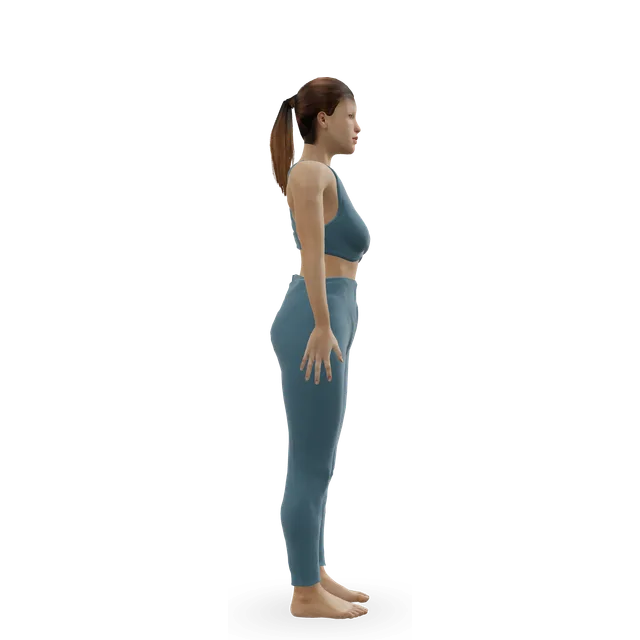
Loading the 3D figure…
The figure repeats the movement from its starting position. Drag to turn it; the arrows open the demos either side.
Standing with your feet shoulder-width apart, you swing your straight arms forward and up, letting each swing go a little higher until your hands finish above your head. It is an active stretch for the shoulders and the sides of the back, moved rather than held. A stretching commentary separates this kind of controlled swing from bouncing at the end of the range, which it says is no longer recommended.
Movement guide
Overhead arm swings
Make it easier or harder
Choose a version that fits your control and comfort.
Easier option
Use a smaller comfortable range in this same movement, with the support described in its guide. Ingram 2025 review of stretching and range of motion
Harder option
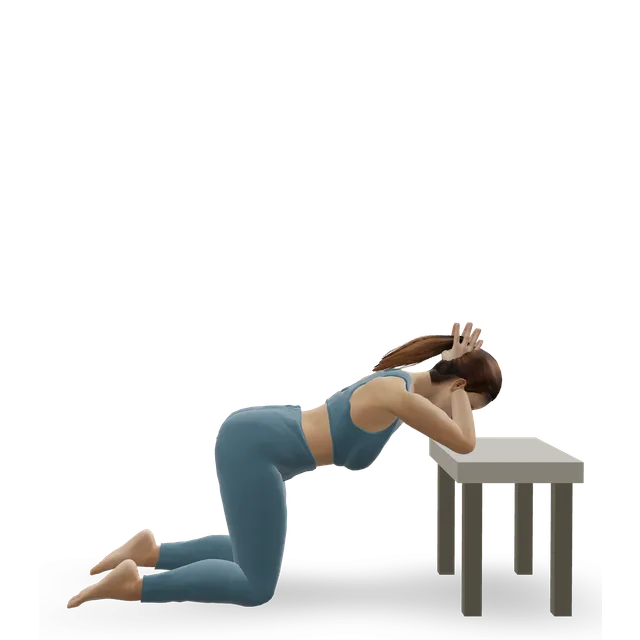 3D demoOverhead lat stretch at a bench (elbows on the bench)Intermediate · A bench or box
Similar move, intermediate grade.
Source-researched guide.
Form cues
- Let the range grow gradually.
- Breathe out as the arms rise.
- Avoid: arching your back to get the arms higher.
Practice and cautions
1 or 2 sets of 5 to 10 swings, growing the range each time, as part of a warm-up (our editorial starting point).
Keep the swings controlled, and stop if a shoulder pinches as the arms go overhead. This is movement education, not an assessment or treatment prescription. Stop for sharp or increasing pain, dizziness, numbness or tingling; seek individual guidance for symptoms, injury or restrictions.
Sources and review status
Sources support the educational description; they do not establish that this exercise is suitable for you.
- Page 2012 · Current concepts in muscle stretching: active stretching moves a limb through its range; bouncing (ballistic) stretching is no longer recommended (clinical commentary, IJSPT) ↗
- Opplert & Babault 2018 · Dynamic stretching before exercise raises range and can help performance; fast ballistic swings are less useful than controlled ones (review, Sports Medicine) ↗
- Free Exercise DB · community text ↗
Unlicense · Free Exercise DB contributors; derived from wrkout/exercises.json. Text import; no photographs or media. · Revision f00c92c7dcf1216a928a52c3706c7ce8e2f71ed5
No variation is labeled clinically validated.
What it works
Muscles
Main: Back. Also: Shoulders.
Anatomy: Latissimus dorsi, Teres major, Trapezius, Rhomboids, Erector spinae, Multifidus.
Equipment
None: body weight and floor space.
Level
Beginner. See the easier and harder options above.
Guides that use it
Similar moves
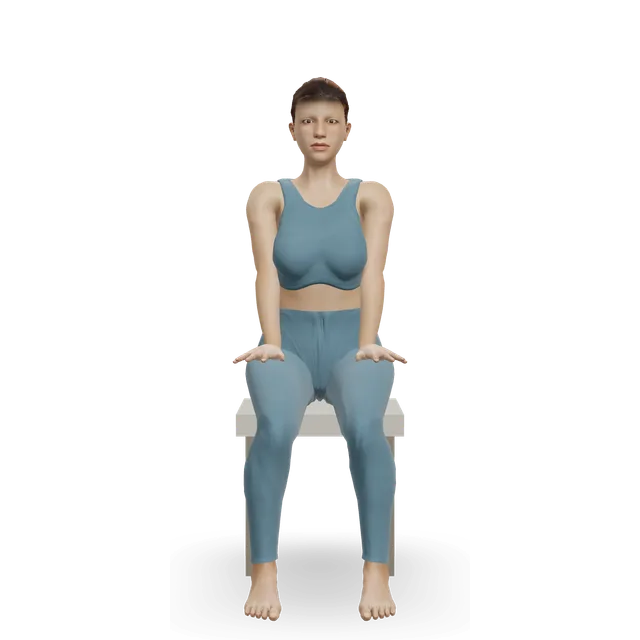 3D demoSeated overhead side bendBeginner · A bench or box
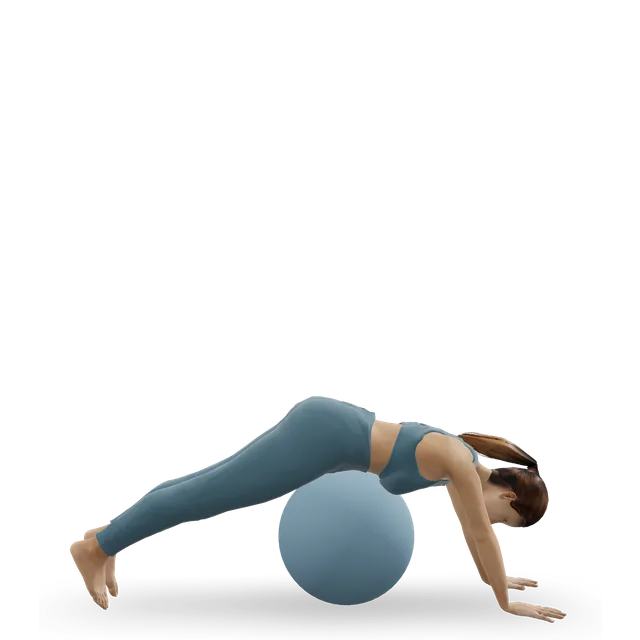 3D demoExercise ball pyramid drapeBeginner · Exercise ball
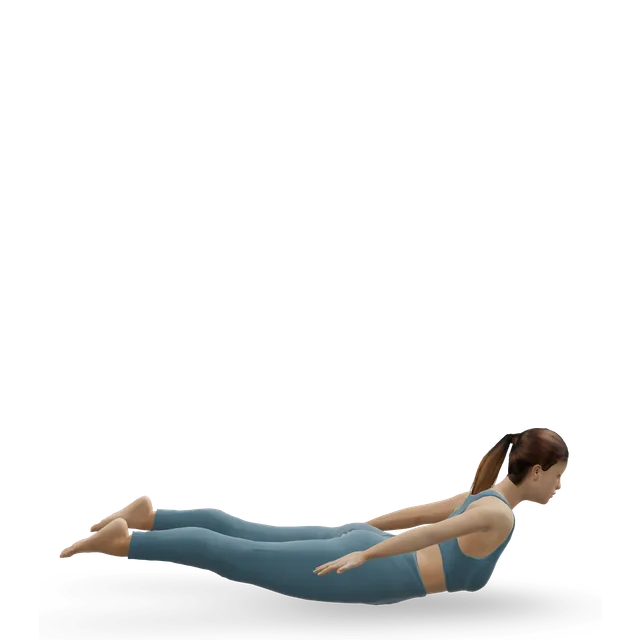 3D demoLocust pose (Salabhasana)Beginner · No equipment
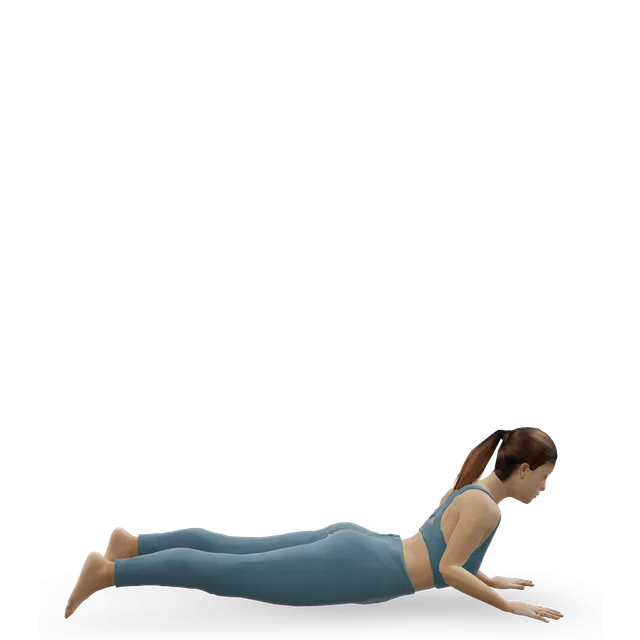 3D demoLow cobra (Bhujangasana)Beginner · No equipment
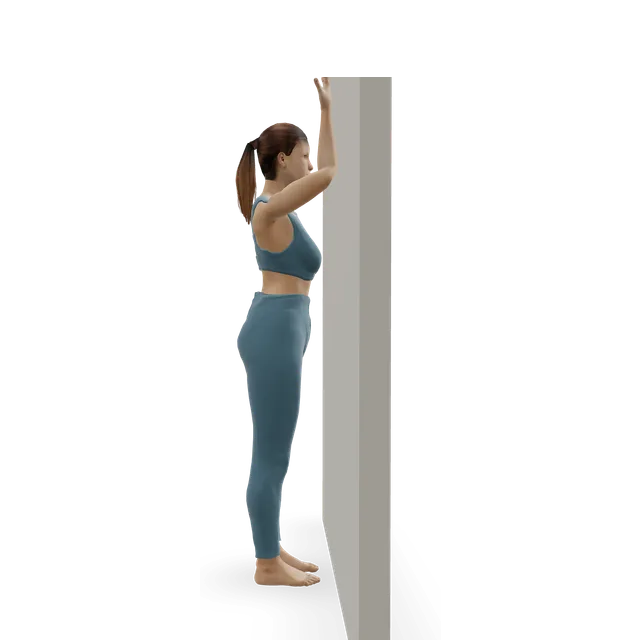 3D demoWall lat stretch (one arm)Beginner · A wall
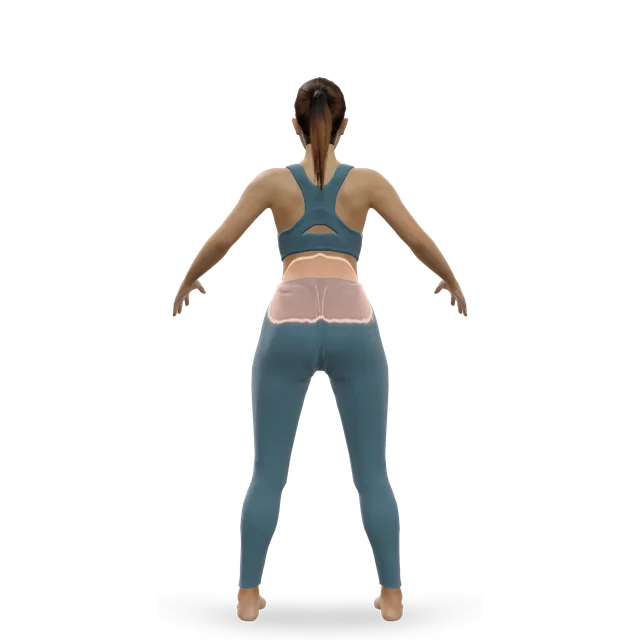 Bharadvaja's twist (Bharadvajasana I)Beginner · No equipment
Browse more
Questions people ask
What muscles does the Overhead arm swings work?
Mainly the back, with help from the shoulders.
What equipment do I need for the Overhead arm swings?
No equipment: your body weight and a little floor space.
Is the Overhead arm swings good for beginners?
It is graded beginner, so it suits most people starting out. When it feels easy, try the Overhead lat stretch at a bench (elbows on the bench).
How do I make the Overhead arm swings harder?
Progress to the Overhead lat stretch at a bench (elbows on the bench) or the Cobra pose (Bhujangasana). Follow that guide’s technique and any stated timing.