Cardio & conditioning
Breathe and move: a home workout for COPD
Getting a little out of breath is part of this, and it isn't harmful. Use the breathing you'd learn in pulmonary rehab: pursed-lip breathing, blow as you go (breathing out during the effort) and paced breathing on the move, and rest in a recovery position whenever you need to. If you use oxygen when you move, use it on your usual setting. Pulmonary rehabilitation is the best place to start: ask your GP or respiratory team, and use this at home alongside it or afterwards.
Settle (2 minutes)
- Beginner · 3D demoBreathing control: gentle and relaxed, shoulders down, at any comfortable countEasier: Breath reachHarder: Crocodile Breathing (prone diaphragmatic breathing)
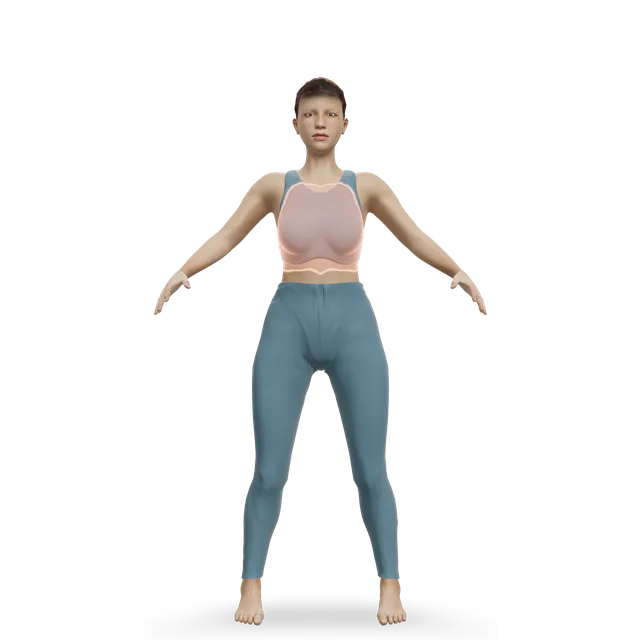

Warm-up (5 minutes)
- Seated march2 minBeginner · Hip flexors, Quads, Abs · 3D demoSwing your arms gentlyHarder: Standing march
- Standing march2 minBeginner · Hip flexors, Abs, Glutes · 3D demoEasy pace, holding a counterHarder: Standing band hip flexion
- Slow calf raise10 repsBeginner · Calves · 3D demoHolding a chair backEasier: Seated bent-knee calf raise (soleus raise)Harder: Standing dumbbell calf raise



Circuit (about 7 minutes a round)
2 rounds · Rest As long as you need between rounds
- Standing march2 minBeginner · Hip flexors, Abs, Glutes · 3D demoOr walk up and down the hall. Breathe in for 1 step and out for 2. Aim to need to stop for breath partway through a sentenceHarder: Standing band hip flexion
- Sit to stand from a chair8 to 10 repsBeginner · Quads, Glutes, Hamstrings · 3D demoBlow as you go: breathe in before you stand, and out through pursed lips as you standHarder: Bodyweight squat
- Pursed-lip breathing30 to 60 sBeginnerRecover sitting, leaning forward, until your breathing settles
- Low step-up1 minBeginner · Quads, Glutes, Hamstrings · 3D demoOn the bottom stair, with the rail in reach. In for 1 step, out for 2Harder: Step-up
- Band row10 repsBeginner · Back, Biceps, Shoulders · 3D demoA light band; breathe out as you pullHarder: Supported single-arm dumbbell row
- Seated knee extension (chair)10 each legBeginner · Quads · 3D demoBreathe out as you straighten the kneeEasier: Quad set (static quads)Harder: Leg extension
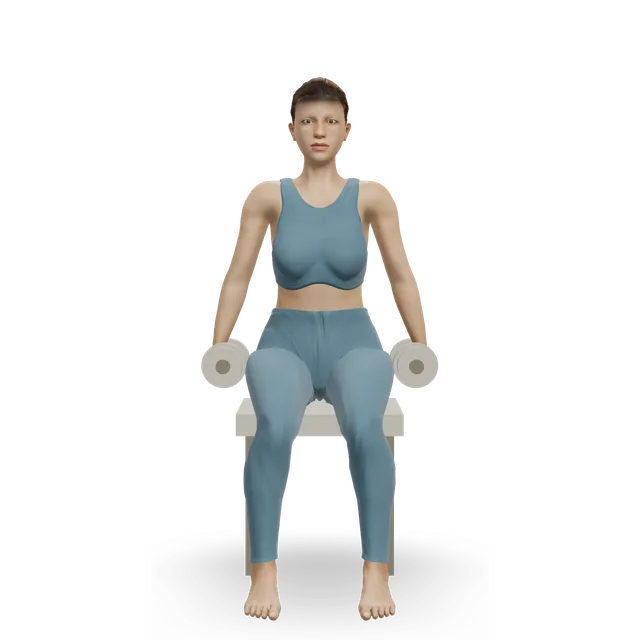
- Beginner · Shoulders · 3D demoLight weights or none; breathe out as you lift. Arm work can make you breathless, so go slowlyEasier: Band lateral raiseHarder: Smith machine upright row




Cool-down (4 minutes)
- Standing march1 minBeginner · Hip flexors, Abs, Glutes · 3D demoSlow right downHarder: Standing band hip flexion
- Wall calf stretch (gastrocnemius)30 s each sideBeginner · Calves · 3D demoEasier: Seated calf stretch with a towelHarder: Contract-relax hamstring stretch (PNF)
- Standing Quad Stretch30 s each sideBeginner · 3D demoHold the wallHarder: Face-down quad and hip flexor stretch with a strap
- Beginner · 3D demoSitting, with gentle breathing controlEasier: Breath reachHarder: Crocodile Breathing (prone diaphragmatic breathing)


Tips
- Start with one round, and add the second when you can finish the first without a long rest.
- Use the talk test: if you can say "this activity is going to do me good" without stopping for breath, you can work a little harder; if you can only say one word at a time, slow down.
- If you use oxygen when you move, use it on your usual setting and check you have enough. Speak to your oxygen team about any worries.
- Keep your reliever inhaler with you, and wait 1 to 2 hours after a meal before you start.
- Stop and get advice if you have chest pain or tightness, feel more breathless than usual, dizzy, sick, clammy or very cold, or start wheezing.
- Call 999 if you find it very hard to breathe or can't speak, your chest feels tight or heavy, or your lips or skin turn very pale, blue or grey.
- During a flare-up, skip the circuit and follow your action plan. Come back with one round when your symptoms are near your usual.
The doses are suggested starting points, not a prescription. Choose a range you can control and stop for sharp or increasing pain, numbness or tingling. Get individual advice after an injury or surgery, or if you are pregnant or managing a health condition.
Guides that recommend it
Find more moves like these
More cardio & conditioning



HIIT workout at home
A 20-minute no-equipment HIIT workout: jumping jacks, jump squats, mountain climbers, burpees, skips and bear crawls.
20 minIntermediate10 movesNo equipment

Plyometric workout
An advanced jump training session: pogo hops, box jumps, split squat jumps, broad jumps and depth jumps.
30 minAdvanced8 movesA bench or box, A step
Easy cardio workout
A steady 30 to 45 minute cardio session at talk-but-not-sing pace: walk, cycle, row or cross-train, counting toward weekly activity guidelines.
40 minBeginner3 movesCardio machine, A wallQuestions people ask
How long does the breathe and move: a home workout for copd take?
About 25 minutes, including any warm-up and cool-down listed. Shorten it by doing fewer rounds; lengthen it by adding one.
What equipment do I need?
You need: A bench or box, A wall, A step, A band, An anchor point, Something with weight, A dumbbell. Each move links to its guide, where you can find an alternative if you are missing something.
Is it suitable for beginners?
It is written for beginners. 5 of its 12 moves have an easier option listed beside them if you need one.
How do I make it easier or harder?
Use the easier or harder option listed under each move, change the number of rounds, or adjust the rest. Progress one change at a time.