Sports training
Open-water swim practice: getting in, settling your breathing, sighting and getting out
From week 7 of our sprint triathlon training plan, if your race is in open water. Only ever at a lifeguarded or accredited venue, with a buddy, wearing a bright hat and a tow float. The Royal Life Saving Society UK doesn't recommend that beginners swim in water below 12°C, and says a wetsuit is generally safer at 18°C or lower, though you can still get cold water shock and hypothermia in one.
On land (5 minutes)
- Standing march60 sBeginner · Hip flexors, Abs, Glutes · 3D demoEasier: Seated marchHarder: Standing band hip flexion
- Arm circles10 each wayBeginner · Shoulders, Back · 3D demoWetsuit on: circles help it sit right across your shouldersHarder: Shoulder CARs (controlled articular rotations)
- Shoulder CARs (controlled articular rotations)3 slow circles each way, each armBeginner · Shoulders, Back · 3D demoEasier: Arm circlesHarder: Sleeper stretch

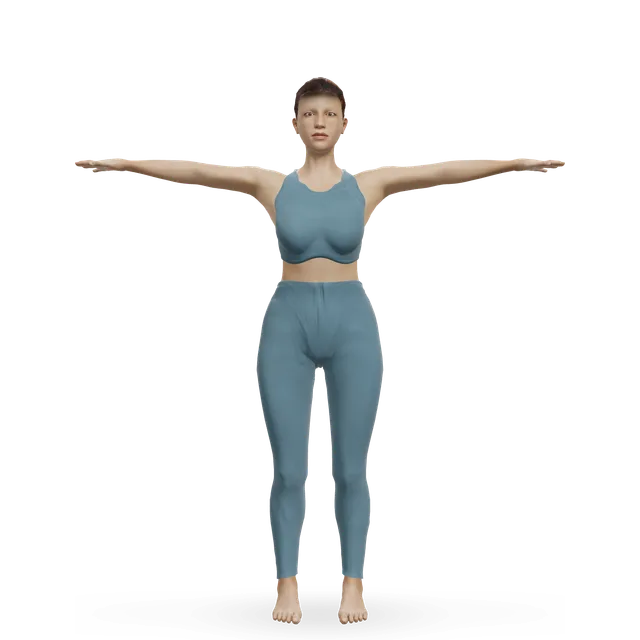

Get in and settle
- Floating on your back (Float to Live)1 to 2 minBeginnerWalk in slowly and splash your face, then float on your back with your ears in the water until your breathing settles. If you gasp, stay on your back and wait
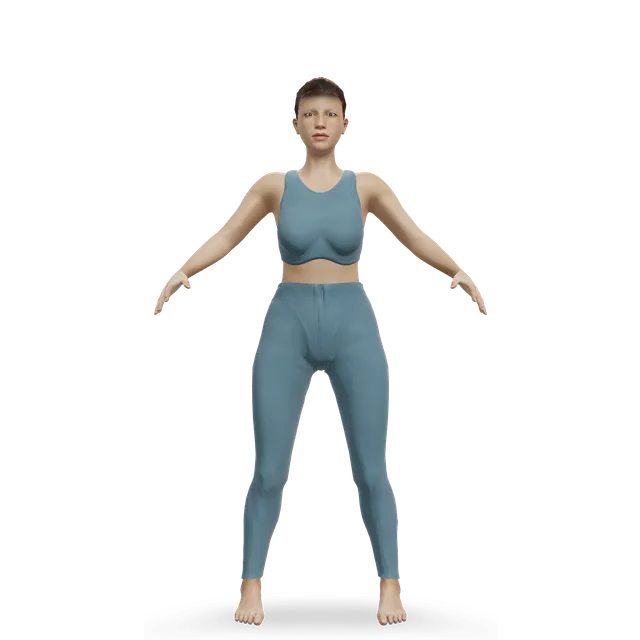
Settle your stroke
- Front crawl (freestyle swimming)4 × 20 strokes, easyIntermediate · Shoulders, Back, TricepsBreathe out slowly into the water, and stay where you can stand
Sighting
- Front crawl (freestyle swimming)4 to 6 × 100 mIntermediate · Shoulders, Back, TricepsEvery 6 to 10 strokes, lift your eyes, not your whole head, to spot a buoy or landmark. Swim parallel to the shore
Starts and turns
- Front crawl (freestyle swimming)3 × 50 mIntermediate · Shoulders, Back, TricepsStart from standing in the water and swim round a buoy; practise starting at the side or back of a group
Steady swim
- Front crawl (freestyle swimming)5 to 20 minIntermediate · Shoulders, Back, TricepsParallel to the shore, within your limits, with your buddy. Weeks 9 to 11: build towards your race distance
Out and warm
- Standing march2 to 3 minBeginner · Hip flexors, Abs, Glutes · 3D demoOut of the water: towel off, put on dry layers and have a warm drink straight awayEasier: Seated marchHarder: Standing band hip flexion
Tips
- Never swim alone, and tell someone where you're going and when you'll be back.
- In trouble: fight the urge to thrash, turn on your back, lean back, get your breathing under control, then think about getting out. In a race, raise an arm for the safety crew.
- Shivering, numbness, slowing down or confusion: get out and warm up. Go to accident and emergency (A&E) or call 999 if you think someone has hypothermia.
- Sudden breathlessness with a cough, or frothy or pink spit: stop, roll onto your back, signal and get out.
- In the sea, swim between the red-and-yellow flags at a lifeguarded beach, as our swimming page says, and read the triathlon page on rip currents.
- To help someone else in trouble, tell them to float on their back and call 999 (the Fire Service inland, the Coastguard at the coast); don't go in after them.
The doses are suggested starting points, not a prescription. Choose a range you can control and stop for sharp or increasing pain, numbness or tingling. Get individual advice after an injury or surgery, or if you are pregnant or managing a health condition.
Part of these weekly plans
Follow the whole week: which session on which day, and how to progress.
Guides that recommend it
Find more moves like these
More sports training


Injury prevention exercises for runners
Foot, calf, balance and hop exercises taken from the running trials with positive results, in a 25-minute home routine for 3 or 4 days a week.
25 minBeginner11 movesOther / check instructions, A bench or box



Plyometrics for runners
A 20-minute hop and bound session for runners: ankle bounces to pogo hops, one-leg hops and bounding, building foot contacts slowly over 10 weeks.
20 minIntermediate8 movesCardio machine



Strength workout for cyclists (gym)
A 50-minute gym session for cyclists: heavy squats, one-leg presses, hip flexion and calf raises as in the cycling trials, plus jumps for bone.
50 minIntermediate13 movesCardio machine, A barbellQuestions people ask
How long does the open-water swim practice: getting in, settling your breathing, sighting and getting out take?
About 40 minutes, including any warm-up and cool-down listed. Shorten it by doing fewer rounds; lengthen it by adding one.
What equipment do I need?
You need: Other / check instructions. Each move links to its guide, where you can find an alternative if you are missing something.
Is it suitable for beginners?
It is written for beginners. 2 of its 5 moves have an easier option listed beside them if you need one.
How do I make it easier or harder?
Use the easier or harder option listed under each move, change the number of rounds, or adjust the rest. Progress one change at a time.