Exercise guide

Exercise with hypertrophic cardiomyopathy (HCM): what's safe, sport and your cardiologist

Hypertrophic cardiomyopathy (HCM) is an inherited condition in which the heart muscle becomes thickened. For years, people with HCM were told to avoid most exercise. That has changed: European and American guidelines now recommend regular low to moderate exercise for nearly everyone with HCM. In a trial of 136 adults, 16 weeks of moderate exercise improved fitness a little, and no one had a cardiac arrest or a sustained dangerous heart rhythm.

Harder exercise and competitive sport are possible for some people, decided together with your cardiologist, and the evidence for them is still emerging. Exercise doesn't treat HCM or replace your medicines; it keeps you fit and well alongside them.

This guide covers how hard to exercise, the moves and workouts that suit HCM, what to avoid, how decisions about vigorous exercise and sport are made, children and teenagers, family testing, living with an implantable cardioverter defibrillator (ICD), and the warning signs that mean stop or call 999.

The short version

Most people with HCM should keep active

The European Society of Cardiology (ESC) now recommends regular low to moderate exercise for everyone with cardiomyopathy who is able to do it, after a check of their own risk. The American Heart Association (AHA) says mild to moderate exercise is beneficial with HCM, and that blanket bans on harder exercise aren't needed for most people.

Sources 1, 2

Moderate means you can still talk

Cardiomyopathy UK describes moderate exercise as feeling comfortably breathless but just about able to talk. Build up to 30 minutes on most days, with light strength exercises 2 or 3 days a week. Beta blockers lower your heart rate, so go by how it feels rather than a heart rate number.

Sources 3, 4

Harder exercise and sport are a shared decision

With mild HCM, no symptoms and a low risk score, vigorous exercise and even competitive sport may be possible after a full assessment by a cardiologist, repeated every year. The main evidence is one large registry of people mostly treated at expert centres, which found no more serious heart rhythm events in people who exercised vigorously. There's no trial yet.

Sources 1, 2, 5

A few things to avoid

Avoid sudden all-out efforts such as sprinting, very heavy lifting, long static holds and holding your breath. Warm up and cool down gradually, drink enough, and take care in hot, humid weather.

Sources 3, 2

Know the warning signs

Stop and get advice if you get chest pain, dizziness, palpitations or unusual breathlessness when you exercise. Call 999 if someone faints while exercising or collapses: start cardiopulmonary resuscitation (CPR) and send someone for a defibrillator.

Sources 3, 6, 7

HCM runs in families

A child of someone with HCM has a 50% chance of inheriting it, so parents, brothers, sisters and children are offered heart checks. People who carry the gene change but have no thickening can usually take part in all sports, with yearly checks.

Sources 8, 1, 2

HCM, and why the advice changed

What HCM is

In HCM, the muscle wall of the heart becomes thickened, which can make it stiff and harder for it to pump blood out. It affects about 1 in 500 people in the UK. The British Heart Foundation (BHF) says it's mostly passed on through families, and a genetic test finds the cause in about 40% to 60% of people tested.

Sources 8, 9, 1

Obstruction

In obstructive HCM, the thickened wall partly blocks the blood flowing out of the heart. The blockage can change from minute to minute: the American guideline says it varies with heart rate, blood pressure, how much fluid is in your body, activity, medicines, food and alcohol. Cardiomyopathy UK says some people have it only when they exercise, and that exercise tests show how much exercise is safe for them.

Sources 8, 2, 3

Most people live a normal life

The ESC says most people with HCM have no symptoms and a normal lifespan, though some develop symptoms many years after diagnosis. In studies of adults, about 1% to 2% a year die from heart causes, mainly sudden death, heart failure and blood clots such as stroke. When symptoms happen, they include chest pain, breathlessness, palpitations, dizziness, fainting and tiredness.

Sources 1, 8, 9

Why exercise used to be restricted

Because HCM is one of the causes of sudden death in young athletes, people with HCM were told for years to avoid most exercise. The ESC says this left many people inactive and more likely to develop other heart disease. In the LIVE-HCM registry, 39% of people with HCM had been told by a doctor to do no or only light activity.

Sources 1, 5

What the evidence says

Guidelines: regular moderate exercise for nearly everyoneStrong evidence

The 2023 ESC guideline recommends regular low to moderate exercise for everyone with cardiomyopathy who is able, at its strongest level of recommendation, based on expert agreement. The 2024 guideline from the AHA and the American College of Cardiology (ACC) says mild to moderate exercise improves fitness, everyday function and quality of life, and that most people with HCM shouldn't be barred from vigorous exercise or sport as a blanket rule.

Sources 1, 2

Moderate exercise: fitter, with no rise in dangerous rhythms in trialsEmerging evidence

In RESET-HCM (136 adults), 16 weeks of moderate exercise at home raised fitness by a small amount, and no one had a sustained dangerous rhythm, a cardiac arrest, an ICD shock or died; 3 people were taken out of the exercise group after short runs of fast rhythm with symptoms. A UK trial of 80 people found a bigger rise in fitness with supervised high-intensity training, along with lower blood pressure and less anxiety, but most of the gains had gone 6 months later.

A Danish trial of 59 people and a small trial of 15 found similar gains in fitness. A 2025 review of 4 trials (290 people) found no increase in rhythm problems, fainting or sudden death with exercise, and a 2026 review of 8 studies, mostly supervised, reported no harms. Nearly everyone in these studies had mild HCM without obstruction, at low to moderate risk.

Sources 4, 10, 11, 12, 13, 14

Vigorous exercise: one large registry, no trialEmerging evidence

LIVE-HCM followed 1,660 people aged 8 to 60 who had HCM or carried the gene change, for a median of just over 3 years. The 42% who exercised vigorously, some competitively, had no more cardiac arrests, ICD shocks, rhythm-related faints or deaths than those who didn't (about 15 to 16 events per 1,000 people a year in both groups), and most events happened during everyday activities.

It was a registry, not a trial: people chose to take part and were mostly treated at expert centres, and the authors say they can't tell whether the results apply to people treated elsewhere. The ESC adds that even having none of the main risk factors doesn't make anyone immune to sudden death.

Sources 5, 15

More active, longer life? Studies can't show causeEmerging evidence

In 7,666 Korean adults with HCM followed for about 5 years, the most active third had the fewest deaths from heart disease (2.7%, against 4.7% in the least active third). A review that pooled 3 trials and 4 observational studies found fitness rose and death rates were lower with exercise, but the authors say the lower death rate came mainly from the observational studies. Fitter, healthier people may just be more active.

Sources 16, 17

Medicines carry the evidence for symptoms from obstructionStrong evidence

Exercise training doesn't treat the obstruction itself, and the exercise trials mostly left out people with significant obstruction. In a trial of 251 people with obstruction, mavacamten, a medicine that reduces how forcefully the heart muscle contracts, met its main goal for fitness and symptoms in 37% of people against 17% on a dummy pill, and NICE (the National Institute for Health and Care Excellence) recommends it for some people with symptoms. In a trial of 175 people, aficamten, a similar medicine, improved exercise performance more than the beta blocker metoprolol. Some people have a procedure to remove or shrink part of the thickened wall.

Sources 18, 19, 20, 8

How hard and how much

Our editorial starting point

Our editorial starting point, built on Cardiomyopathy UK's advice and the RESET-HCM trial: aerobic exercise on most days, building up until you can manage 30 minutes at a time, towards the 150 minutes a week the NHS (National Health Service) recommends for adults, at a level where you're breathing harder but can still talk. Add strength exercises 2 or 3 days a week. Your cardiologist may give you different limits, and theirs come first.

Sources 3, 4, 21

The talk test and the Borg scale

Cardiomyopathy UK describes moderate exercise as comfortably breathless but just about able to talk, and high intensity as too breathless to talk easily. On the 6 to 20 Borg scale of how hard exercise feels, RESET-HCM worked at 11 to 14, and the American guideline calls 13 to 14 moderate.

Sources 3, 4, 2

Heart rate and beta blockers

Beta blockers often lower your highest and exercising heart rates by 20 to 30 beats a minute, so heart rate formulas based on age can mislead, and the ESC doesn't recommend them. Use the talk test or the Borg scale, or a heart rate range your cardiologist gives you from an exercise test. Our heart rate zones calculator explains more.

Sources 3, 15

Strength exercise

Cardiomyopathy UK recommends strength exercise 2 or 3 days a week, choosing movements rather than holds and breathing out rather than holding your breath. Our suggestion, from our heart disease guide: light to moderate weights for 8 to 10 repetitions, choosing a weight you could lift at least 15 times. SAFE-HCM's supervised programme included strength exercises.

Sources 3, 10

Starting out, warming up and cooling down

If you're new to exercise, Cardiomyopathy UK suggests little and often at first, building up the time and then the effort gradually. RESET-HCM started with 20-minute sessions 3 times a week and added 5 to 10 minutes a week. Spend the first few minutes at an easy pace, and slow down gradually at the end, keeping your feet moving until you've caught your breath. Our heart disease guide suggests warming up for at least 15 minutes and cooling down for at least 10.

Sources 3, 4

Cardiac rehabilitation

Cardiomyopathy UK says cardiac rehabilitation, a programme of exercise and support, may help people with cardiomyopathy, and that you can ask your team to refer you. It gives you expert advice on getting and staying active.

Source 3

Cardio

Most days, at a pace where you can still talk, building towards 30 minutes (our editorial starting point); the elliptical trainer page's dose is 10 to 20 minutes at a moderate effort, building towards 30. With an ICD, ask your clinic before rowing, and swim only where there's a lifeguard, as the front crawl page advises.

Strength

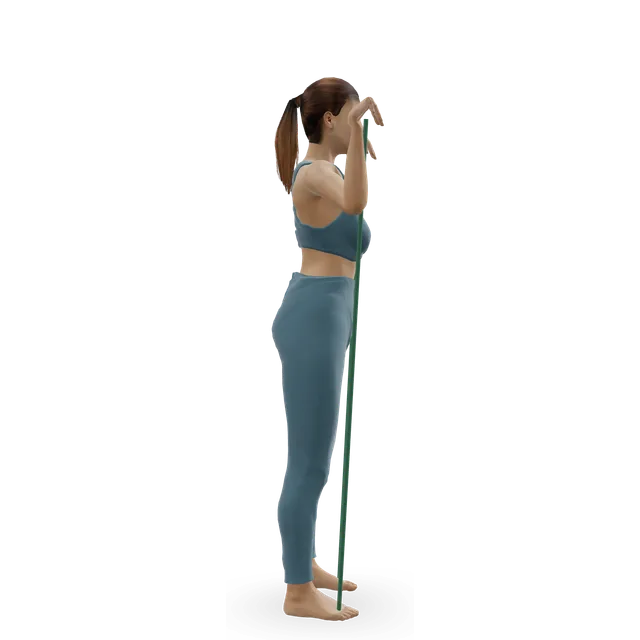
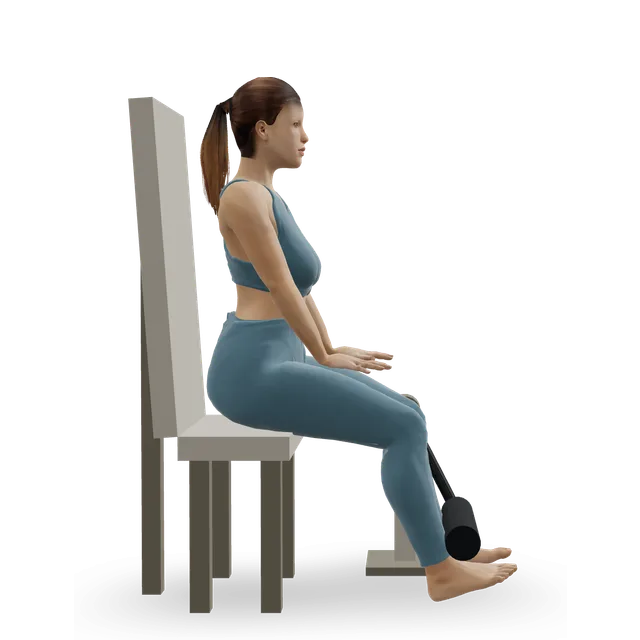
Two or three days a week, 8 to 10 steady repetitions with a weight or band you could manage at least 15 times, moving rather than holding and breathing out on each effort (our editorial starting point, from our heart disease guide).

Warm-up and cool-down

Mix these with easy marching to warm up, and finish with the stretches and slow breathing once you've caught your breath; the slow breathing page's dose is at least 5 minutes, as part of your daily routine.

What to avoid

Cardiomyopathy UK's list

Cardiomyopathy UK's advice for people with cardiomyopathy:

  • Avoid sudden bursts of exertion, such as sprinting or very heavy weightlifting.
  • Avoid static holds: choose strength exercises that move rather than hold.
  • Don't hold your breath when lifting weights or exercising.
  • Avoid moving quickly from one position to another, such as getting up suddenly from lying on the floor.
  • If you don't feel well for any reason, have a day off or take it easier until you feel well again.

Source 3

Fluids, heat, alcohol and big meals

The American guideline says avoiding dehydration and extreme heat or humidity matters, especially with obstruction, and the ESC advises people with obstruction to avoid dehydration and too much alcohol. Cardiac Risk in the Young (CRY) advises keeping well hydrated, especially when exercising or in hot weather. Because food also changes the obstruction, it's sensible not to exercise hard straight after a big meal (our suggestion).

Sources 2, 1, 22

Sports where fainting could be dangerous

Sports where fainting could cause a fatal injury or put other people in danger aren't recommended. The ESC's sports guideline gives examples such as motor sport, parachuting and diving, and, with an ICD, mountain climbing. Swimming alone in open water belongs on the same list (our suggestion).

Sources 1, 15

Moves to leave out unless your cardiologist agrees

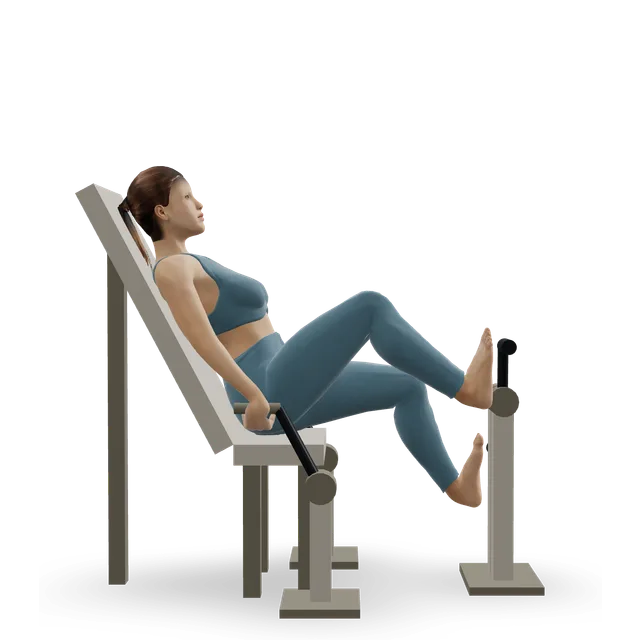
Sprints, hill sprints, air bike intervals and burpees are sudden all-out efforts. Very heavy barbell lifts and the leg press tempt you to hold your breath, and wall sits and planks are static holds. Leave them out unless your cardiologist has agreed to harder exercise after a full assessment.

Sources 3, 1, 2

Vigorous exercise and competitive sport: a shared decision

What the guidelines allowStrong evidence

Vigorous exercise and competitive sport may be considered for people with mild HCM, no symptoms and a low risk score, who have no obstruction at rest or during exercise and no rhythm problems brought on by exercise, after a full assessment by an expert, repeated every year. They aren't recommended with a high risk score, or with obstruction and complex rhythm problems during exercise.

Sources 1, 2

The signs that rule out high-intensity exerciseStrong evidence

The ESC's sports guideline says high-intensity exercise isn't recommended if you have any of these, though low or moderate exercise is still possible:

  • Symptoms, a past cardiac arrest or a faint with no clear cause.
  • An ESC risk score of 4% or more over 5 years.
  • Obstruction at rest, measured as a pressure difference of more than 30 mmHg (millimetres of mercury).
  • Blood pressure that doesn't rise normally during exercise.
  • Rhythm problems brought on by exercise.

Source 15

What the cardiologist looks at

Expect questions about symptoms and family history, a heart scan at rest and while the obstruction is provoked, an exercise test that checks your blood pressure and rhythm, a 48-hour heart rhythm monitor that includes a training session, and often a cardiac magnetic resonance imaging (MRI) scan. If you exercise regularly, the plan is reviewed every year, and every 6 months for teenagers and young adults.

Sources 15, 1, 2

Questions to bring

Our suggested questions for that conversation:

  • What is my risk score, and what does it mean for exercise?
  • Do I have obstruction at rest, or when I exercise?
  • Did my blood pressure rise normally on the exercise test, and were there rhythm problems?
  • Is there an effort or heart rate I should stay below?
  • Which sports would you be comfortable with, and which not?
  • What's the emergency plan at training and matches?
  • When will we review this?

Sources 15, 2

How often HCM causes sudden death in young peopleMixed evidence

Sources differ. The NHS calls HCM the most common cause of sudden unexpected death in childhood and in young athletes, and the ESC says cardiomyopathies as a group are the leading cause of exercise-related sudden death in young people in the Western world. The 2024 American guideline says that in registries that record deaths as they happen, HCM causes fewer than 10% of sudden cardiac deaths in young people, including athletes. In one series of 194 deaths from HCM, 23% happened during sport.

Sources 9, 1, 2, 15

UK charities are more cautious

The BHF says you should be able to enjoy most activities, but not some competitive sports and high-intensity exercise, and CRY says you'll probably be advised not to take part in competitive sport. Cardiomyopathy UK's general page on keeping active is stricter still, while its exercise information sheet says moderate exercise is safe for most people with HCM and that anyone wanting high-intensity or competitive sport should see a sports cardiologist first. Your cardiologist decides with you.

Sources 8, 22, 23, 3

Athlete's heart or HCM?

Training can thicken the heart wall too: the ESC says about 2% of white and 13% of black male athletes have walls 12 to 15 mm thick, which overlaps with mild HCM and can make the diagnosis difficult. Exercise doesn't cause HCM, which is mostly inherited.

Sources 15, 8

Children and teenagers

Physical education and play

The American guideline says children with HCM can usually take part in school PE (physical education), with the option not to be graded, timed or scored. Cardiomyopathy UK's children's nurse suggests asking the cardiologist exactly what your child can and can't do, keeping them active within their own limits, and setting up a plan with the PE teacher and sports coaches.

Sources 2, 24

Sport and teenagers

Young age doesn't rule out harder exercise on its own, but the ESC says it's part of the discussion with the young person and their parents, along with the type of sport: start-stop sports such as football and basketball carry more risk. The ESC suggests reviewing teenagers and young adults who exercise regularly every 6 months. Sudden death is very rare in children under 6.

Sources 15, 1

Know the signs, and plan ahead

A child who faints during exercise needs a 999 call. Chest pain, palpitations, dizziness or unusual breathlessness during exercise need the cardiologist. The American guideline suggests using the exercise conversation to plan for emergencies; knowing where the school's or club's defibrillator is would be part of that (our example).

Sources 6, 3, 2

Family testing

Who should be checkedStrong evidence

Parents, brothers, sisters and children of someone with HCM should be offered an electrocardiogram (ECG) and a heart scan, and a genetic test if a gene change has been found in the family. Relatives who don't carry the family's gene change can usually stop having checks. The BHF's Genetic Information Service can help on 0808 802 1234.

Sources 1, 2, 8, 25

How oftenStrong evidence

HCM can appear later in life, so relatives without signs of it have repeat checks for years. The ESC suggests every 1 to 3 years before 60, then every 3 to 5 years. The American guideline suggests every 1 to 2 years for children in families with a known gene change or early-onset HCM, every 2 to 3 years for other children, and every 3 to 5 years for adults, and CRY suggests yearly until 21, then every 5 years until 60. Your inherited heart conditions clinic sets the plan.

Sources 1, 2, 22

Carrying the gene without HCMStrong evidence

People who carry an HCM gene change but have no thickening can take part in all sports, including competition, with yearly checks.

Sources 1, 2, 15

Screening in the UK

The UK doesn't screen all young people for the heart conditions that cause sudden death; the National Screening Committee found the tests weren't accurate enough. Cardiomyopathy UK supports checking families instead. CRY says the family of a young person under 35 who died suddenly is entitled to be screened on the NHS, and it offers subsidised ECG screening to people aged 14 to 35.

Sources 26, 27, 28

Living with an ICD

Who is offered an ICDStrong evidence

Doctors estimate your 5-year risk of sudden death from features such as your age, unexplained fainting, the thickness of the heart wall, the size of the upper heart chamber, obstruction, short runs of fast rhythm and family history. The ESC says an ICD should be considered when the risk is 6% or more, may be considered at 4% to 6%, and is recommended after a cardiac arrest. Both guidelines stress a shared decision that also weighs the device's downsides.

Sources 1, 2

An ICD isn't fitted to make sport possibleStrong evidence

The American guideline says an ICD shouldn't be fitted just so someone can take part in competitive sport; the exercise advice follows your HCM, not the device. With an ICD, the ESC advises avoiding sports where a blackout could harm you or others.

Sources 2, 15

Staying below your device's limit

Ask your clinic what heart rate your ICD is set to treat, and keep your exercise below it: in the UK SAFE-HCM trial, targets were set at least 10 beats a minute below that rate. Cardiomyopathy UK explains that an ICD treats dangerous rhythms, which are different from the fast, regular heartbeat of exercise, but that it's sensible to stay below the rate it's set to treat. It also says very repetitive movements at the end of the shoulder's range may slightly increase the risk of a lead problem, so rowing may not be advised.

Sources 10, 3

The first weeks, and after a shock

For the first 6 weeks, Cardiomyopathy UK says don't lift the arm on the device side above shoulder height while the leads settle. Our pacemaker and ICD guide covers the first weeks, contact sport and what to do after a shock.

Source 3

Medicines and procedures

Medicines

Treatments include beta blockers and other medicines that control symptoms, and, for some people with obstruction, a heart muscle medicine such as mavacamten. The ESC says some medicines, including nitrates such as GTN (glyceryl trinitrate), can make obstruction worse, so tell any doctor treating you that you have HCM, and let your cardiologist guide your medicines. Don't stop or change a medicine yourself.

Sources 8, 1, 19

After a procedure

No guideline sets a timeline for returning to exercise after a septal myectomy (heart surgery to remove part of the thickened wall) or an alcohol septal ablation, so follow your surgical and cardiac team. Our heart surgery guide covers recovery after open-heart surgery.

Sources 8, 1

Workouts to follow

The cardiac rehab-style session is for after your team has agreed it suits you. In any workout, warm up and cool down gradually, use lighter weights or bands than suggested if they feel heavy, and breathe out on each effort (our suggestion); leave out high-intensity interval and tabata workouts unless your cardiologist agrees.

Cardiac rehab exercises at home: a 45-minute session

A 45-minute home session built like a UK cardiac rehab class: a 15-minute warm-up, 20 minutes of cardio mixed with light strength, and a 10-minute cool-down.

45 minBeginner14 movesA wall, A bench or box

Easy cardio workout

A steady 30 to 45 minute cardio session at talk-but-not-sing pace: walk, cycle, row or cross-train, counting toward weekly activity guidelines.

40 minBeginner3 movesCardio machine, A wall

Easy bike ride: 30 to 75 minutes at a pace you can talk at

A steady bike ride for a first triathlon or fitness: 5 to 10 minutes easy, a ride you can talk through, optional short faster bursts and an easy cool-down.

45 minBeginner4 movesCardio machine, A wall

Low-impact cardio workout (no jumping)

A 25-minute standing cardio circuit with no jumping: marching, step jacks, sit-to-stands, punches, step-ups and wall push-ups, with a seated option for most moves.

25 minBeginner9 movesA bench or box, A step

10-minute walk and move after meals

A 10-minute routine for straight after a meal: an easy walk, a few simple standing moves from blood sugar trials, then a short walk to finish.

10 minBeginner6 movesCardio machine, A bench or box

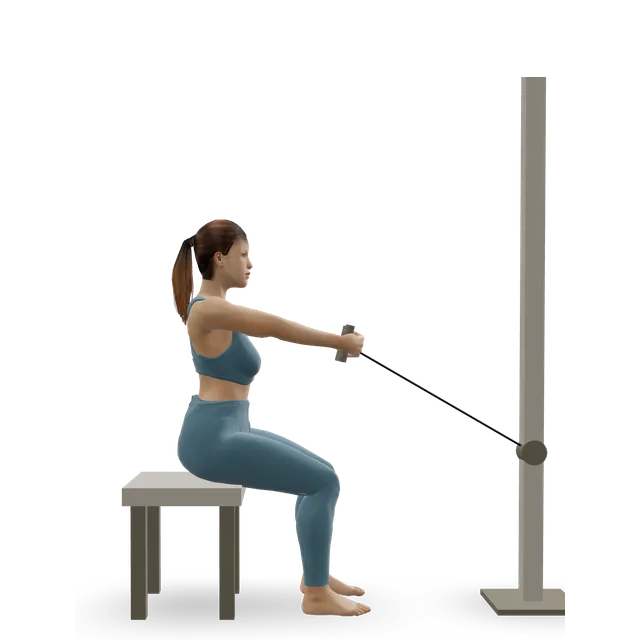
Beginner home workout

A gentle 20-minute beginner home workout with a chair, a wall and a band: sit-to-stands, wall push-ups, band rows, step-ups and dead bugs.

20 minBeginner11 movesA bench or box, A wall

Resistance band workout

A full-body resistance band workout: squats, rows, push-ups, presses, pull-aparts, band walks, good mornings and flyes.

30 minBeginner9 movesA band, An anchor point

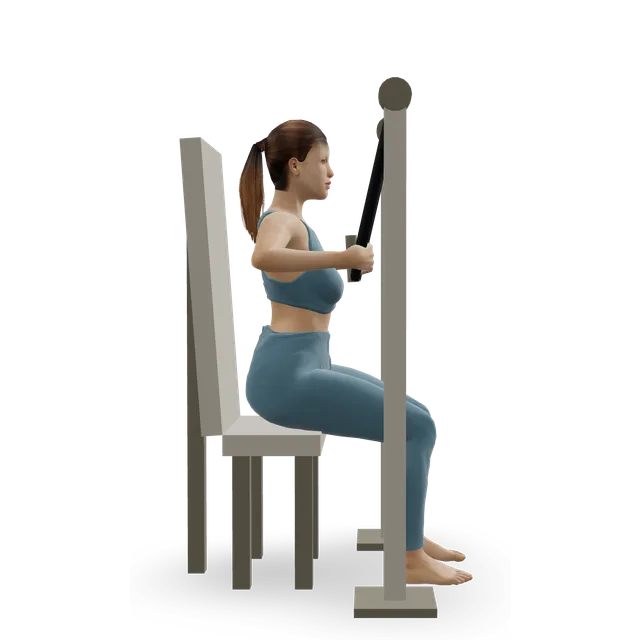
Gym workout for seniors: machine strength training for muscle loss

A 50-minute gym session for older adults and sarcopenia: 7 machines for the legs, chest and back from the UK prescription, then a short balance finish.

50 minBeginner12 movesCardio machine, A bench or box

Cool-down routine: 10 minutes after any workout

A 10-minute cool-down for after a run, a class or a gym session: a few minutes of easy movement, stretches for the muscles you used, then slow breathing.

10 minBeginner9 movesCardio machine, A wall

Follow a plan

The walking plan builds to 150 minutes a week over 8 weeks. Couch to 5K ends in continuous running: easy jogging can be moderate, but faster running is vigorous, so check with your cardiologist first.

Worry and confidence

Fear of exercise is common

The ESC says fear of sudden death can shake confidence and create anxiety around exercise, and that up to 30% of people with an ICD develop anxiety or post-traumatic stress. Cardiomyopathy UK suggests talking to your clinician about any symptoms that worry you. Cardiac rehabilitation and a clear plan from your cardiologist can help you get active with confidence (our suggestion).

Sources 1, 3

Warning signs: when to stop and when to get help

This is general information, not a diagnosis. A&E means accident and emergency, and GP means general practitioner. In the US, call 911 where this page says 999.

Call 999 now

Call 999 (911 in the US) if:

  • You have chest pain that feels tight or like squeezing on your chest.
  • You have chest pain that spreads to your arms, neck or jaw.
  • You're having severe difficulty breathing: you're gasping, choking or not able to get words out.
  • Your lips or skin are pale, blue or grey. On brown or black skin, this may be easier to see on the palms of the hands.
  • Someone has passed out and is not responding normally.
  • Someone has fainted while exercising, or while lying down.

Sources 29, 6

While you wait for help

Don't drive yourself to A&E. Sit and rest on the floor with your knees bent and your back supported. Take a 300 mg aspirin if you have one and aren't allergic to aspirin. The person you speak to at 999 will give you advice about what to do. If someone stops responding and stops breathing, start CPR.

Source 29

If someone collapses

If someone is unresponsive and not breathing normally, call 999, start CPR straight away and send a helper for the nearest defibrillator. Put the phone on loudspeaker: the call handler will help you, and can tell you where the nearest defibrillator is. Push down hard in the centre of the chest, about 5 to 6 cm deep, twice a second, and don't stop until help arrives or the person shows signs of life. A defibrillator talks you through what to do, and will only give a shock if one is needed.

Sources 30, 7, 31

A fast or irregular heartbeat

Call 999 or go to A&E if you have palpitations that don't go away, or that come with chest pain, shortness of breath, feeling faint or fainting. If they've stopped, ask your GP surgery for an urgent appointment or call NHS 111.

Source 32

Stop exercising and get advice

Cardiomyopathy UK says stop exercising and get advice from your GP or cardiologist if:

  • You feel chest pain or tightness.
  • You feel dizzy or light-headed, or you faint.
  • You're severely short of breath.
  • You have sudden palpitations: you notice a change in your heart rate or rhythm.
  • It takes you longer to recover from exercise than you think is normal.
  • You're worried about how exercise might be affecting you.
  • Symptoms you usually have get worse when you exercise.

Source 3

After any faint

Any faint needs a doctor's check, and with HCM an unexplained faint needs your cardiologist soon, even if you feel fine afterwards, because it's one of the main signs doctors use to judge sudden death risk. Don't exercise again until you've been seen (our suggestion).

Sources 6, 1, 2

Chest pain that comes and goes

See a GP if you have chest pain that comes and goes, or that goes away quickly but still worries you. Sudden chest pain that doesn't go away, spreads to your arms, neck, jaw, stomach or back, or comes with sweating, feeling sick, light-headedness or breathlessness is a 999 call.

Source 33

If you have an ICD

Follow the shock plan your ICD clinic gave you. Our pacemaker and ICD guide sets out NHS hospitals' advice on when one shock means calling your clinic and when it means calling 999.

If you're struggling

Living with HCM can affect your mood. If you feel you can't keep yourself safe, call 999 or go to A&E. For urgent mental health help, call NHS 111 and choose the mental health option, or call Samaritans free on 116 123, any time. In the US, call or text 988. The BHF's Heart Helpline is free on 0808 802 1234, weekdays 9am to 5pm, and Cardiomyopathy UK's helpline is on 0800 018 1024.

Sources 34, 35, 36, 37, 3

Myths

"With HCM, you shouldn't exercise"Strong evidence

The opposite: the ESC recommends regular low to moderate exercise for everyone with cardiomyopathy who is able, and the American guideline says mild to moderate exercise is beneficial. Blanket bans left many people inactive, which brings heart risks of its own.

Sources 1, 2, 5

"Any hard exercise will set off a cardiac arrest"Emerging evidence

In LIVE-HCM, people who exercised vigorously had a similar rate of serious rhythm events to those who didn't, and most events happened during everyday activities. No one is risk-free, though, so vigorous exercise is a decision to make with your cardiologist.

Sources 5, 15

"Exercise will thicken my heart further"Emerging evidence

In trials, exercise training didn't thicken the heart wall: pooled results even showed slightly thinner walls, by about half a millimetre.

Sources 13, 17

"With an ICD, I can do any sport"Strong evidence

An ICD shouldn't be fitted just to allow competitive sport, and with one, sports where a blackout could harm you or others are best avoided. Your HCM, not the device, sets your limits.

Sources 2, 15

"If I feel fine, I don't need check-ups"Strong evidence

HCM can change over time. The ESC reassesses risk every 1 to 2 years, people who exercise regularly are reviewed every year, and its sports guideline suggests every 6 months for teenagers and young adults.

Sources 1, 15

"Weights are always banned"Emerging evidence

Strength exercise 2 or 3 days a week is part of Cardiomyopathy UK's advice; what to avoid is very heavy lifting, static holds and holding your breath. The UK SAFE-HCM programme included strength exercises.

Sources 3, 10

"Carrying the gene means no sport"Strong evidence

People who carry an HCM gene change but have no thickening can take part in all competitive sport, with yearly checks.

Sources 1, 2

"Use 220 minus your age to set your heart rate"Strong evidence

Beta blockers lower exercising heart rates by 20 to 30 beats, and the ESC doesn't recommend age-based formulas. Use the talk test or the Borg scale, or a range your cardiologist gives you.

Sources 3, 15

Questions people ask

Can you exercise with hypertrophic cardiomyopathy?

Yes, for most people. European and American guidelines now recommend regular low to moderate exercise for nearly everyone with hypertrophic cardiomyopathy (HCM), after a check of your own risk. Your cardiologist will tell you if anything in your tests changes that.

What is the best exercise for HCM?

Steady aerobic exercise you enjoy, such as walking, cycling, swimming or an elliptical trainer, on most days, plus light to moderate strength exercises 2 or 3 days a week. Warm up and cool down gradually, and avoid sudden bursts, static holds and holding your breath.

How hard can I exercise with HCM?

Aim for moderate: comfortably breathless but just about able to talk, or about 11 to 14 on the 6 to 20 Borg scale. Anything harder is a decision to make with your cardiologist after a full assessment.

Can I run with hypertrophic cardiomyopathy?

Jogging at a pace where you can still talk can be part of moderate exercise: the RESET-HCM trial's moderate programme included walk-jog sessions. Running hard enough that you can't talk is vigorous exercise, a shared decision with your cardiologist after a full assessment, repeated every year. In the LIVE-HCM registry, people who exercised vigorously had no more serious rhythm events, but there's no trial yet, and marathons and racing are best discussed with a cardiologist who looks after athletes.

Can you lift weights with hypertrophic cardiomyopathy?

Yes, with light to moderate weights: our suggestion is a weight you could lift at least 15 times, stopping at 8 to 10, 2 or 3 days a week. Avoid very heavy lifts, long holds and holding your breath, because straining against a held breath can bring out obstruction.

Can you play sports with hypertrophic cardiomyopathy?

Possibly. With mild HCM, no symptoms, a low risk score, no obstruction and no rhythm problems brought on by exercise, competitive sport may be considered after an expert assessment, repeated every year. Start-stop sports such as football and basketball carry more risk, and the final decision may also involve your club or governing body.

Can my child do PE with HCM?

Usually, yes: the American guideline says children with HCM can typically take part in physical education, with the option not to be graded, timed or scored. Agree a plan with the cardiologist, the PE teacher and coaches, and keep your child active within their limits. Competitive sport is a separate decision that includes you as parents.

What should you avoid with hypertrophic cardiomyopathy?

Sudden all-out efforts, very heavy lifting, static holds, holding your breath and getting up quickly from lying down. Avoid exercising when you're dehydrated, in extreme heat or after alcohol. Sports where fainting could be fatal or harm others, such as diving or motor sport, aren't recommended.

What heart rate should I aim for with HCM?

There's no single number. Beta blockers lower exercising heart rates by 20 to 30 beats a minute, and age-based formulas aren't recommended, so use the talk test, the Borg scale or a range your cardiologist gives you from an exercise test. With an implantable cardioverter defibrillator (ICD), stay below the rate it's set to treat.

Can I exercise with an ICD for HCM?

Yes: the exercise advice follows your HCM, not the device, and an ICD shouldn't be fitted just to allow sport. Ask your clinic what heart rate your ICD treats and keep below it, and check with them before rowing. Our pacemaker and ICD guide covers the first weeks and what to do after a shock.

Should my family be tested for HCM?

Yes: parents, brothers, sisters and children should be offered an ECG (electrocardiogram) and a heart scan, and a genetic test if a gene change has been found in the family. Relatives who carry the gene change but have no thickening can usually do all sports, with yearly checks.

What are the warning signs to stop exercising with HCM?

Stop and get advice for chest pain or tightness, dizziness, fainting, severe breathlessness, sudden palpitations, or slower recovery than usual. Call 999 if someone faints while exercising or collapses: start CPR (cardiopulmonary resuscitation) and send someone for a defibrillator.


Sources

  1. Arbelo 2023 · Guidelines for the management of cardiomyopathies (European Society of Cardiology guideline, European Heart Journal)
  2. Ommen 2024 · Guideline for the management of hypertrophic cardiomyopathy (American Heart Association and American College of Cardiology guideline, Circulation; the online-first text of 8 May 2024 was read)
  3. Cardiomyopathy UK 2023 · Cardiomyopathy and exercise: balancing benefits and concerns around staying active (information sheet)
  4. Saberi 2017 · RESET-HCM: moderate exercise training in 136 adults with hypertrophic cardiomyopathy (randomised trial, JAMA)
  5. Lampert 2023 · LIVE-HCM: vigorous exercise in 1,660 people with hypertrophic cardiomyopathy or the gene change (prospective registry, JAMA Cardiology)
  6. NHS · Fainting
  7. Resuscitation Council UK · How to do CPR
  8. British Heart Foundation 2024 · Hypertrophic cardiomyopathy
  9. NHS · Cardiomyopathy (reviewed May 2023; review was due May 2026)
  10. Basu 2025 · SAFE-HCM: a supervised high-intensity exercise programme in 80 people with hypertrophic cardiomyopathy (randomised trial, European Heart Journal)
  11. Gudmundsdottir 2025 · Exercise training in 59 people with hypertrophic cardiomyopathy without obstruction (randomised trial, Circulation; abstract read)
  12. MacNamara 2023 · Moderate against high-intensity training in 15 people with hypertrophic cardiomyopathy (randomised trial, Journal of the American Heart Association; abstract read)
  13. Correia 2025 · Exercise training in hypertrophic cardiomyopathy: 4 trials, 290 people (meta-analysis, Heart; abstract read)
  14. Bayonas-Ruiz 2026 · Exercise training in hypertrophic cardiomyopathy: 8 studies (systematic review and meta-analysis, Sports Medicine Open; abstract read)
  15. Pelliccia 2021 · 2020 guidelines on sports cardiology and exercise in patients with cardiovascular disease (European Society of Cardiology guideline, European Heart Journal)
  16. Kwon 2021 · Physical activity and death in 7,666 adults with hypertrophic cardiomyopathy (cohort study, British Journal of Sports Medicine; abstract read)
  17. Amin 2026 · Efficacy and safety of exercise in hypertrophic cardiomyopathy: 7 studies (systematic review and meta-analysis, Proceedings of Baylor University Medical Center; abstract read)
  18. Olivotto 2020 · EXPLORER-HCM: mavacamten for obstructive hypertrophic cardiomyopathy in 251 people (randomised trial, Lancet; abstract read)
  19. NICE TA913 · Mavacamten for treating symptomatic obstructive hypertrophic cardiomyopathy (2023)
  20. Lewis 2026 · MAPLE-HCM: aficamten against metoprolol and exercise performance in 175 people (randomised trial, JAMA Cardiology; abstract read)
  21. NHS · Physical activity guidelines for adults aged 19 to 64
  22. Cardiac Risk in the Young 2024 · Hypertrophic cardiomyopathy
  23. Cardiomyopathy UK · Keeping active
  24. Cardiomyopathy UK · Exercise in children
  25. British Heart Foundation · Genetic Information Service (review was due January 2025)
  26. UK National Screening Committee · Sudden cardiac death (2019 review)
  27. Cardiomyopathy UK · Cardiac screening
  28. Cardiac Risk in the Young 2024 · Cardiac screening
  29. NHS · Heart attack
  30. St John Ambulance · How to do CPR (where the NHS's CPR page now leads)
  31. Resuscitation Council UK · Defibrillation
  32. NHS · Heart palpitations
  33. NHS · Chest pain (reviewed August 2023; review was due August 2026)
  34. NHS · Where to get urgent help for mental health (reviewed April 2023; review was due April 2026)
  35. Samaritans · Contact a Samaritan
  36. 988 Suicide and Crisis Lifeline (US)
  37. British Heart Foundation · Heart Helpline: speak with a cardiac nurse

Exercise education, not a diagnosis or treatment plan, and clinical review of these guides is pending. Stop and get advice for chest pain, unusual breathlessness, dizziness or fainting, or new pain, and check with your doctor or midwife first if they have told you to limit activity. Health disclaimer.