Exercise guide

Exercise with diabetic retinopathy: what's safe at each stage

Diabetic retinopathy is damage to the small blood vessels at the back of the eye, caused by diabetes. Exercise is still one of the best things you can do with it: it helps control blood sugar and blood pressure, which are what slow retinopathy down, and more active people have less of it in long-term studies, though no trial has yet shown that exercise protects the eyes directly. With no retinopathy or mild changes, all activities are fine.

As retinopathy advances, a few kinds of effort need to change: very heavy or breath-held lifting, hard holds, jumping and jarring, and head-down positions, because sharp rises in blood pressure and jolts could set off a bleed in the eye. These limits are expert advice rather than trial evidence. This guide explains which stage needs which changes, how to stay safe with hypos, what to do after laser treatment, injections or surgery, and the symptoms that need urgent help. Your diabetes and eye teams set the limits for your stage.

The short version

Keep exercising

The American Diabetes Association (ADA) recommends exercise for everyone with diabetes unless something specifically rules it out, and the advice of the National Health Service (NHS) diabetic eye screening programme is to exercise regularly, following medical advice.

Sources 1, 2

It helps through blood sugar and blood pressure

Tight blood pressure control cut the risk of retinopathy getting worse by about a third in a major UK trial, and good blood sugar control slows it too. More active people have less retinopathy in long-term studies, but no trial has shown that exercise itself slows it.

Sources 3, 4, 5, 6

What to change depends on your stage

With no retinopathy or mild changes, all activities are fine. With moderate changes, avoid efforts that send blood pressure very high, such as powerlifting and sprinting. With severe non-proliferative or proliferative retinopathy, avoid vigorous exercise, heavy and overhead lifting, holding your breath, hard holds, jumping, jarring and head-down positions.

Sources 7, 8, 9

Untreated or unstable retinopathy, or just after laser or surgery

The American College of Sports Medicine (ACSM) says exercise is contraindicated then, while an NHS laser leaflet says most people continue their normal activities the next day. Our reading of both: follow your unit's leaflet, and ask your eye team before more than everyday activity until your retinopathy is treated and stable.

Sources 9, 10, 11

Good choices at every stage

Walking, cycling and swimming at a steady, moderate effort, and strength work 2 to 3 times a week with moderate weights, breathing out on every effort.

Sources 8, 9, 1

Sudden changes in sight are urgent

Eyesight that suddenly gets worse needs an urgent GP (general practitioner) appointment or NHS 111, and sudden loss of sight needs A&E (accident and emergency) or 999. If your vision blurs during exercise and you take insulin or a sulfonylurea, check your blood sugar: blurred vision can be a hypo.

Sources 12, 13, 14

Diabetic retinopathy and eye screening

What it is

High blood sugar damages the small blood vessels of the retina, the light-sensitive layer at the back of the eye. It often has no symptoms at first, and finding and treating it early reduces the risk of sight loss. Diabetes UK says diabetes is one of the main causes of preventable sight loss in the UK.

Sources 12, 15, 4

Stages, in UK and US words

The NHS describes background retinopathy (some damage to blood vessels, with your vision not affected), pre-proliferative retinopathy (more damage, with a risk to your vision in future), proliferative retinopathy (new, weak blood vessels that bleed easily, which needs treatment) and maculopathy (changes that can affect your central vision). Screening letters in England grade retinopathy from R0 (none) to R3 (proliferative).

The American guidelines this page quotes use other words: mild, moderate and severe non-proliferative, and proliferative. Our reading of the two: background retinopathy covers their mild and some moderate changes, and pre-proliferative is closest to their severe non-proliferative stage. Confirm your own stage with your eye team.

Sources 12, 16, 7, 4

Screening

Everyone with diabetes aged 12 or over is invited for screening every 1 or 2 years. If your eyes need watching more closely, you may be seen every 3, 6, 9 or 12 months, and may have an OCT (optical coherence tomography) scan of the retina.

Sources 12, 17, 18

Treatment

Laser treatment (panretinal photocoagulation, or PRP, for proliferative retinopathy), injections of anti-VEGF (anti-vascular endothelial growth factor) medicine, steroid implants and vitrectomy surgery protect sight. Gloucestershire's leaflet says laser for early proliferative retinopathy prevents severe sight loss in over 90% of cases. The Royal National Institute of Blind People (RNIB) says laser doesn't make your sight better; it aims to stop it getting a lot worse.

Sources 12, 4, 10, 16

When blood sugar falls fast

A rapid fall in HbA1c (a measure of your average blood sugar) when treatment is stepped up can make retinopathy worse at first. The ADA advises checking the eyes when treatment is intensified, and Diabetes UK suggests lowering blood sugar gradually, over weeks or months, with your diabetes team. We found no source linking exercise itself to this.

Sources 4, 15

What the evidence says

What the guidelines recommendStrong evidence

The ADA recommends 150 minutes or more of moderate to vigorous activity a week over at least 3 days, with no more than 2 days off in a row; strength training 2 to 3 times a week on non-consecutive days; and, for older adults, balance and flexibility work 2 to 3 times a week. Structured exercise for 8 weeks or more lowered HbA1c by 0.66 percentage points in type 2 diabetes.

Source 1

Activity and retinopathy: consistent links, no proofEmerging evidence

Across 22 studies, more active people had a slightly lower risk of retinopathy (about 6% lower) and of sight-threatening retinopathy (about 11% lower), and people who sat more had a higher risk. Across 8 prospective studies, the most active had about a quarter fewer complications of the small blood vessels. In 9,018 Australians, the most active were about 40% less likely to need laser treatment, and in 1,814 Japanese adults with type 2 diabetes, the two most active groups developed retinopathy less often. These studies can't show cause and effect: in 1,612 Finnish adults with type 1 diabetes, the link went away after allowing for blood sugar and smoking.

Sources 5, 6, 19, 20, 21

No trial yetMixed evidence

We found no randomised trial showing that exercise prevents or slows retinopathy. In one uncontrolled study, 12 weeks of moderate aerobic exercise in 40 people with non-proliferative retinopathy lowered fasting blood sugar and swelling at the centre of the retina, but there was no comparison group.

Source 22

Does exercise set off bleeds?Mixed evidence

We found no study measuring it. The limits for severe and proliferative retinopathy are expert consensus, based on the sharp rises in blood pressure that come with breath-holding and very hard effort, and on jolts to the head. The ADA says vigorous exercise may be contraindicated because of the risk of triggering a bleed or a detachment.

Sources 7, 9, 1

Low blood pressure on standingEmerging evidence

In a 1989 rehabilitation study of 29 people with diabetes and blindness or retinopathy, blood sugar fell by about 4.2 mmol/L in each low-effort session, and people whose blood pressure dropped when they stood up coped better on an exercise bike than walking.

Source 23

Blood pressure and blood sugar: what slows retinopathy

Blood pressureStrong evidence

In the UK Prospective Diabetes Study (UKPDS), 1,148 people with type 2 diabetes and high blood pressure were followed for 8.4 years on average. Tight control (an average of 144/82 against 154/87 mmHg, millimetres of mercury) cut the risk of retinopathy getting worse by 34%, and of losing 3 lines on a sight chart by 47%. A Cochrane review of 29 trials found more intensive control lowered the chance of developing retinopathy over 5 years, but didn't clearly slow it once it was there. The ADA says very strict targets (a top number below 120 mmHg) add no extra benefit.

Sources 3, 24, 4

Blood sugarStrong evidence

Better blood sugar control reduced the development and progression of retinopathy in the major trials, with benefits lasting up to 10 years, and the ADA recommends reaching your blood sugar, blood pressure and cholesterol goals to slow it.

Sources 25, 4

Where exercise fits in

Exercise lowers blood sugar and can lower blood pressure: our high blood pressure guide has the numbers. What sends blood pressure very high is straining against a held breath with very heavy weights, which is why the limits for advanced retinopathy focus on it.

Sources 1, 7, 9

What to change at each stage

These stage names are the American guidelines'. Our reading of how they match your screening letter is above, in "Stages, in UK and US words": confirm your own stage with your eye team.

No retinopathy, or mild changesStrong evidence

All activities are fine, and keep up your screening. The ADA's position statement says people with mild or moderate changes have limited or no risk of eye damage from physical activity.

Sources 7, 12

Moderate changesStrong evidence

Avoid activities that send blood pressure very high: powerlifting is the ADA's example, and Diabetes UK names sprinting and lifting weights. Everything else, at a steady effort, is fine. This advice is expert consensus rather than trial evidence.

Sources 7, 8

Severe non-proliferative or proliferative retinopathyStrong evidence

The ADA's position statement says "Vigorous aerobic or resistance exercise; jumping, jarring, head-down activities; and breath holding should be avoided" with severe non-proliferative and unstable proliferative retinopathy. The ACSM adds heavy and overhead lifting, isometric holds, and yoga or gymnastics that lower the head, and suggests keeping your effort at 10 to 12 on the 6 to 20 effort scale, which feels light to somewhat hard. This advice is expert consensus rather than trial evidence.

Sources 7, 9, 1

Proliferative retinopathy that's treated and stable

The guidelines' strictest limits are written for unstable disease. Our reading: keep to them until your eye team says they can ease, and ask at your clinic visits.

Sources 9, 7

Untreated or unstable proliferative retinopathy, or just after laser or eye surgeryMixed evidence

The ACSM says "Exercise is contraindicated for anyone with unstable or untreated proliferative retinopathy, recent panretinal photocoagulation, or other recent surgical eye treatment". The ADA says vigorous exercise may be contraindicated, and Diabetes Canada says retinopathy should be treated and stabilised before vigorous exercise. Gloucestershire Hospitals' 2026 laser leaflet says "You can usually return to work and continue your normal activities, including driving, the next day". Our reading: follow your unit's leaflet, and ask your eye team before more than everyday activity, such as walking, until your retinopathy is treated and stable.

Sources 9, 1, 11, 10

A bleed in the eyeStrong evidence

The ADA's position statement says no exercise should be done during a vitreous haemorrhage (bleeding into the gel inside the eye).

Source 7

Maculopathy

We found no source that gives separate exercise limits for maculopathy or macular swelling. Follow the limits for your retinopathy stage, and ask your eye team.

What to avoid with severe or proliferative retinopathy

Until your eye team says otherwise.

Head-down positions

Downward dog, forward folds such as touching your toes, sun salutations, inchworms, pike push-ups, and inversions such as headstands, shoulder stands and handstands. The ACSM names yoga and gymnastics among activities that lower the head. Legs up the wall keeps your head level with your heart, so it isn't on this list (our reading).

Sources 9, 7

Heavy, overhead and breath-held lifting, and hard holds

Heavy barbell squats, deadlifts and bench presses, heavy leg presses, overhead presses, wall sits and hard squeezes. The ACSM gives weight lifting and isometric holds as examples of breath-holding activities to avoid.

Sources 9, 7, 8

Jumping and jarring

Jump squats, box jumps, burpees, skipping, jumping jacks and other jumps.

Sources 7, 9

Sprints and high-intensity intervals

Diabetes UK says avoid high-intensity activity, such as high-intensity interval training (HIIT), if you have eye complications, and the ADA's position statement says avoid vigorous exercise with severe or unstable proliferative retinopathy.

Sources 8, 7

Breathing exercises with long holds

Breath holding is on the ADA's list, so choose slow, even breathing rather than box breathing or 4-7-8 breathing, which use holds (our suggestion).

Source 7

Walking, cycling and swimming

Build towards 150 minutes a week over at least 3 days (ADA) at a steady, moderate effort; with severe or proliferative retinopathy, keep it light to somewhat hard. The recumbent bike and elliptical trainer pages' dose is 10 to 20 minutes at a moderate effort to start, building towards 30, and the indoor rowing page's is 3 rounds of 4 to 5 minutes at a pace you could hold a conversation at, resting a minute between. Get into the pool by the steps rather than diving in (our suggestion).

Strength without straining

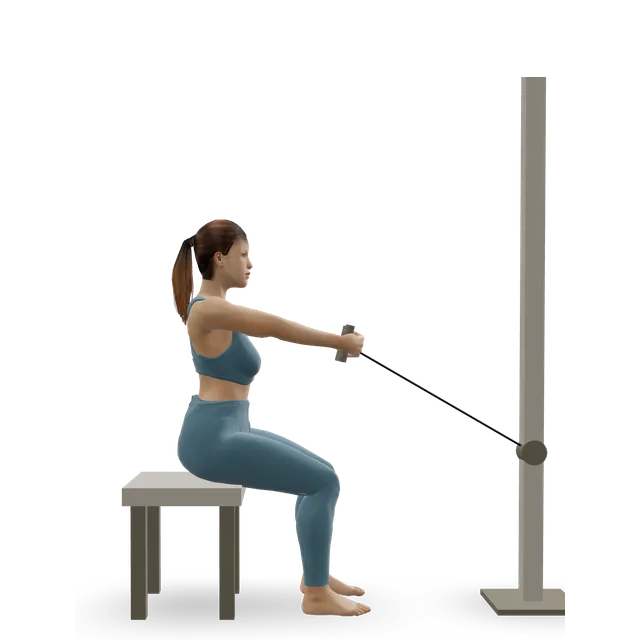
2 to 3 times a week on non-consecutive days (ADA). Use a weight you could lift at least 15 times and breathe out on every effort (our editorial starting point). The band row page's dose is 3 sets of 10 to 15, stopping 2 to 3 reps short of failure; with severe or proliferative retinopathy, use a lighter band and stop well short (our suggestion). Wall and incline push-ups keep your head above your heart.

Balance moves

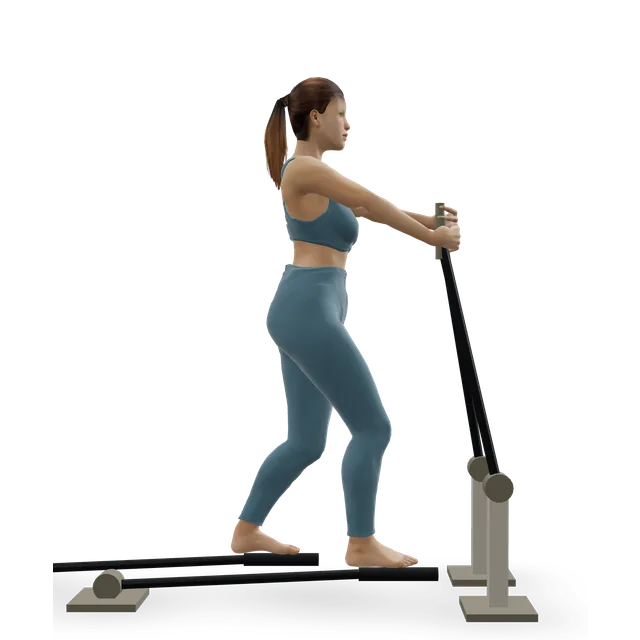
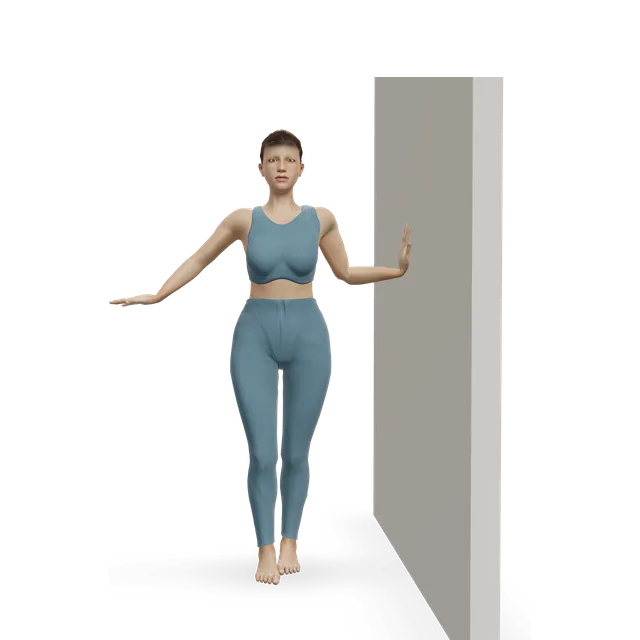
For older adults, 2 to 3 times a week (ADA), next to a counter and in good light, especially if laser has narrowed your side vision. The side-stepping page's dose is 10 steps each way, next to a counter.

Head-up yoga and breathing

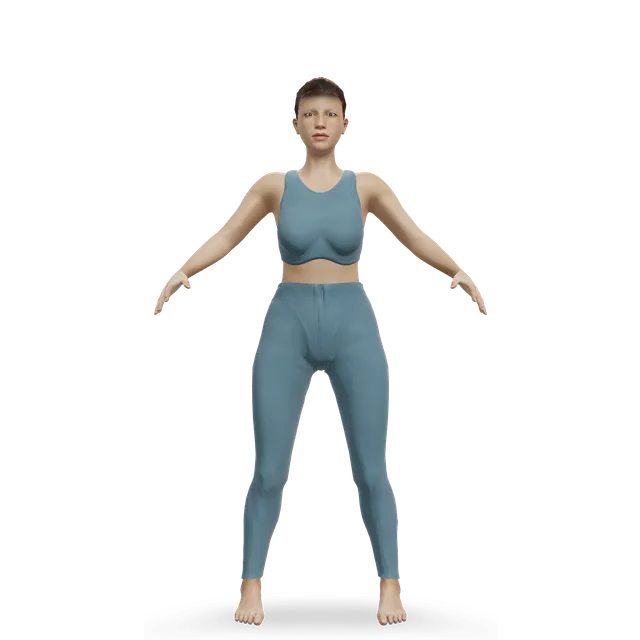
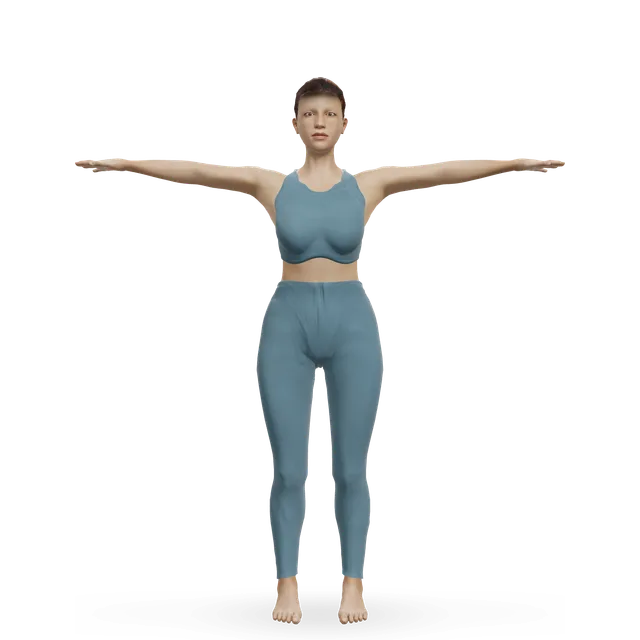
These keep your head above your heart (our selection, following the ACSM's advice to avoid poses that lower the head). The mountain pose page's dose is 5 to 10 slow breaths, 2 or 3 times, and the slow breathing page's is at least 5 minutes, done regularly as part of your daily routine.

After laser, injections or surgery

After laser treatmentMixed evidence

Gloucestershire Hospitals says "You can usually return to work and continue your normal activities, including driving, the next day". The ACSM says exercise is "contraindicated" after "recent panretinal photocoagulation". Our reading: follow your unit's leaflet, and ask your eye team before more than everyday activity until your retinopathy is treated and stable. If your vision isn't back to normal within 24 hours, contact the eye clinic.

Sources 10, 26, 9

After an eye injection

Keep water out of the eye and don't swim for 48 hours (Southampton), a couple of days (Milton Keynes) or a week (Royal Berkshire): follow your leaflet, and don't rub the eye. Moorfields says there are no special precautions after injections and you can travel. None of the NHS leaflets we read set other limits on exercise.

Sources 27, 28, 29, 30

After vitrectomy

The same rules apply as after retinal detachment surgery: posturing, no flying or altitude with gas in the eye, no lying on your back while gas or oil is in, and limits on lifting and swimming. Our retinal detachment guide explains them.

Sources 31, 32, 33, 34

Before treatment, with new blood vessels

This is when bleeds are most likely. Our suggestion: keep to everyday walking until your eye team says otherwise.

Sources 9, 1

Hypos and high blood sugar during exercise

Never change a diabetes medicine yourself because you've started exercising. If you think a dose may need to change, talk to your GP or diabetes team.

Who's at riskStrong evidence

Hypos with exercise are mainly a risk if you take insulin, a sulfonylurea or a meglitinide; otherwise they're uncommon. The ADA says people on these medicines may need some carbohydrate if their blood sugar is below 5.0 mmol/L before exercise, and that hypos can come hours after exercise. The ACSM says carry fast-acting carbohydrate, and glucagon if you're prone to severe hypos.

Sources 1, 9

Blurred vision can be a hypo

Blurred vision is one of the NHS's hypo symptoms, along with feeling hungry, dizzy, anxious or irritable, sweating, shaking, tingling lips, palpitations, feeling tired or weak, and confusion. If your vision blurs during exercise and you take one of these medicines, stop and check your blood sugar before assuming it's your eyes (our suggestion). Sudden loss of sight, a curtain or a shower of floaters is different: see the warning signs below.

Source 14

Treat it straight away (NHS)

If you have symptoms or your blood sugar is below 4 mmol/L, the NHS says:

  • Eat or drink something that will raise your blood sugar quickly, such as a small glass of fruit juice or sugary fizzy drink, 5 glucose or dextrose tablets, 4 large jelly babies or 2 tubes of glucose gel.
  • Check your blood sugar after 10 to 15 minutes.
  • If it's still below 4 mmol/L, have another sugary drink or snack and check again after 10 minutes.
  • Once your symptoms have improved and your blood sugar is above 4 mmol/L, eat something that will keep it up for longer, such as some biscuits, a sandwich or your next meal if it's due.

Source 14

Going back to exercise after a hypo

Our type 1 and type 2 diabetes guides set out when to restart, and what to change next time.

A severe hypo

If someone becomes unconscious, don't give them food or drink. Put them in the recovery position and give a glucagon injection straight away if one is available and you know how to use it. Call 999 if glucagon isn't available, if they haven't recovered within 10 minutes of it, or if they've been drinking alcohol.

Source 14

High readingsEmerging evidence

The ACSM consensus: don't start exercise with blood sugar above 13.9 mmol/L and moderate or high ketones; above 16.7 mmol/L without ketones, be cautious, drink enough, and only start if you feel well.

Source 9

Side vision, balance and driving

Retinopathy and fallsEmerging evidence

In 9,481 adults in Singapore, people with retinopathy were more likely to have fallen in the past year than people without diabetes, especially those with mild or moderate changes. It was a one-off survey, so it can't show cause and effect.

Source 35

After laser

PRP can narrow your side vision and make it harder to see at night. Gloucestershire says 1 in 5 people notice some loss of side vision and 3 in 100 have to stop driving, and Wigan says over half notice some difficulty with night vision. Moorfields says more than 90% keep enough side vision to drive. Our suggestion: practise your balance, and take care with kerbs and steps in dim light.

Sources 10, 26, 36

Driving

Tell the Driver and Vehicle Licensing Agency (DVLA) if you've had laser treatment for retinopathy in both eyes, or in your only seeing eye.

Source 37

Balance work

The ADA recommends balance training 2 to 3 times a week for older adults with diabetes.

Source 1

Sport, HIIT, running and diving

HIIT and sprints

Diabetes UK says avoid high-intensity activity such as HIIT if you have eye complications. With no retinopathy or mild changes and no other complications, the ADA says shorter vigorous or interval sessions may be enough for fitter people.

Sources 8, 1

Running

With no retinopathy or mild changes, running is fine. The guidelines don't name running for the later stages: the ADA's position statement says avoid "vigorous" exercise and "jarring", and the ACSM says avoid activities that "jar the head", without defining either. Our suggestion: with severe or proliferative retinopathy, choose walking, cycling or swimming instead of running, and ask your eye team before you run.

Sources 7, 9

Contact sport

With severe or proliferative retinopathy, avoid sports that jar the head. Boxing and other combat sports also risk blows to the eye, so our suggestion is to leave them out.

Sources 7, 9

Swimming

Diabetes UK lists swimming among the gentler, low-impact exercises that suit people with eye complications. After an eye injection, wait as your leaflet says.

Sources 8, 27

Scuba diving

The UK Diving Medical Committee doesn't allow diving with any retinopathy beyond background changes.

Source 38

Kidneys, nerves and feet

Kidney disease

The ADA says there's no evidence that vigorous exercise speeds up kidney disease, though exercise raises the protein in your urine for a while afterwards. Its position statement says avoid vigorous exercise the day before a urine protein test. Our kidney disease guide has more.

Sources 1, 7

Numb feet

The ADA says wear proper footwear and check your feet every day, and with a foot injury or open sore, keep to activities that don't put weight on your feet. Our peripheral neuropathy guide has more.

Source 1

Nerves that control your heart rate

If diabetes has affected the nerves that control your heart rate and blood pressure (autonomic neuropathy), the ADA says you should have heart checks before starting exercise that's harder than you're used to. Our suggestion: judge your effort by how it feels.

Source 1

Workouts to follow

All suit every stage at a steady effort. With severe or proliferative retinopathy, swap the child's pose in the beginner home workout for a seated rest, and keep the leg press in the gym workout light (our suggestions). Leave out interval, jumping, head-down and heavy lifting workouts until your eye team says otherwise.

10-minute walk and move after meals

A 10-minute routine for straight after a meal: an easy walk, a few simple standing moves from blood sugar trials, then a short walk to finish.

10 minBeginner6 movesCardio machine, A bench or box

Easy cardio workout

A steady 30 to 45 minute cardio session at talk-but-not-sing pace: walk, cycle, row or cross-train, counting toward weekly activity guidelines.

40 minBeginner3 movesCardio machine, A wall

Easy bike ride: 30 to 75 minutes at a pace you can talk at

A steady bike ride for a first triathlon or fitness: 5 to 10 minutes easy, a ride you can talk through, optional short faster bursts and an easy cool-down.

45 minBeginner4 movesCardio machine, A wall

Low-impact cardio workout (no jumping)

A 25-minute standing cardio circuit with no jumping: marching, step jacks, sit-to-stands, punches, step-ups and wall push-ups, with a seated option for most moves.

25 minBeginner9 movesA bench or box, A step

Chair exercises for seniors: a seated workout

A 20-minute seated workout for older adults who cannot stand for long: marching, leg and arm strength, posture, and sit-to-stands that lead back to standing.

20 minBeginner11 movesA bench or box, Something with weight

Chair yoga for seniors

A free 20-minute chair yoga class for older adults: slow breathing, gentle seated stretches and twists, standing poses holding the chair, and a calm finish.

20 minBeginner18 movesA bench or box, Something with weight

Beginner home workout

A gentle 20-minute beginner home workout with a chair, a wall and a band: sit-to-stands, wall push-ups, band rows, step-ups and dead bugs.

20 minBeginner11 movesA bench or box, A wall

Strength and balance exercises for seniors

A 40-minute strength and balance session for over-65s, built from the Otago home programme and NHS exercises, using a chair, a counter and a step.

40 minBeginner18 movesA bench or box, Something with weight

Gym workout for seniors: machine strength training for muscle loss

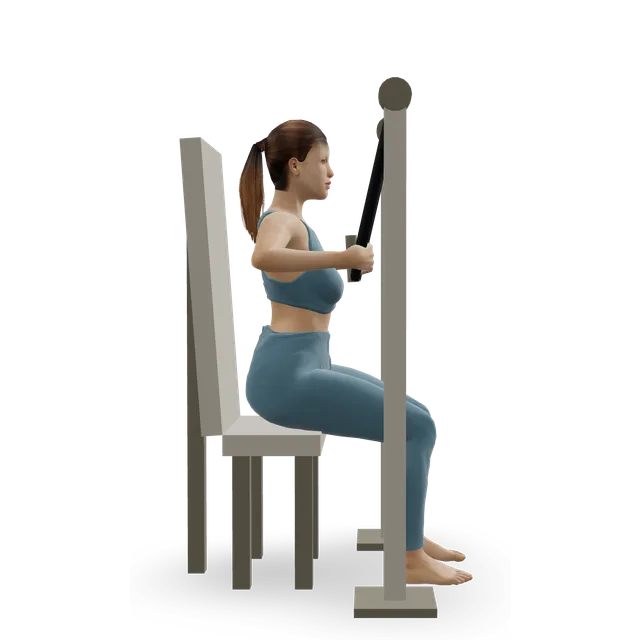
A 50-minute gym session for older adults and sarcopenia: 7 machines for the legs, chest and back from the UK prescription, then a short balance finish.

50 minBeginner12 movesCardio machine, A bench or box

Swim workout for beginners: lengths, rests and a steady continuous swim

A 30 to 45-minute beginner pool swim: a shoulder warm-up on the side, easy lengths, a main set of repeats with rests, and an easy swim down, any stroke.

35 minBeginner5 movesOther / check instructions

Follow a plan

The walking plan builds to 150 minutes a week, and the plan for seniors adds strength and balance.

Warning signs: when to get help

This is general information, not a diagnosis. In the US, call 911 where this page says 999.

Changes in your eyesight

The NHS says ask for an urgent GP appointment or get help from NHS 111 if your eyesight suddenly gets worse or you get blurred vision. Contact a GP, your diabetes care team or an optician if your eyesight is getting worse over time, you have floaters, or you find it hard to see in low light. Diabetes UK says don't wait until your next screening appointment.

Sources 12, 15

Sudden loss of sight, a curtain or a shower of floaters

Go to A&E or call 999 if you suddenly can't see from one or both eyes, or suddenly have severe eye pain. Floaters that suddenly appear or increase, flashes of light, or a dark curtain or shadow across your vision can mean a bleed or a detached retina: get help from NHS 111 straight away.

Sources 13, 39, 16

During exercise

Stop if you notice sudden new floaters, a dark shadow, a sudden drop in vision or eye pain, and get help as above. If your vision blurs and you take insulin or a sulfonylurea, check your blood sugar first (our suggestion). Don't exercise during a bleed in the eye.

Sources 13, 14, 7

A severe hypo: call 999

Call 999 if someone with a hypo is unconscious or not responding normally and glucagon isn't available, they haven't recovered within 10 minutes of it, or they've been drinking alcohol.

Source 14

Chest pain, a stroke or ketoacidosis

Call 999 for chest pain that feels tight or spreads, signs of a stroke, or signs of diabetic ketoacidosis: our type 2 diabetes guide lists them.

After laser

If your vision isn't back to normal within 24 hours, contact the eye clinic. If the pain is severe or your eyesight gets worse, contact your eye clinic straight away, or go to A&E if you can't.

Sources 10, 16

After an injection

Go to eye casualty or A&E without delay if the eye becomes increasingly red, painful, sensitive to light or swollen, you get a discharge, floaters increase, or your sight gets worse. Southampton says infections usually show between 2 and 7 days after the injection.

Sources 29, 28, 27

Who can help

Your diabetes team, GP or practice nurse, your eye clinic or screening service, or NHS 111. Diabetes UK's helpline is on 0345 123 2399, and RNIB's on 0303 123 9999.

Source 12

Myths

"Exercise is dangerous with retinopathy"Strong evidence

The ADA recommends exercise for everyone with diabetes unless something rules it out, and the NHS screening programme says exercise regularly, following medical advice. The limits apply to some kinds of effort at the moderate, severe and proliferative stages.

Sources 1, 2, 7, 9

"Exercise can reverse retinopathy"Mixed evidence

No trial has shown it. More active people have less retinopathy in observational studies, and exercise helps through blood sugar and blood pressure. Laser and injections are what protect sight once retinopathy threatens it.

Sources 22, 5, 6, 3, 4

"All weights are off-limits"Strong evidence

Strength training 2 to 3 times a week is recommended. What to avoid is powerlifting-type effort with moderate changes, and heavy, overhead or breath-held lifting with severe or unstable proliferative retinopathy.

Sources 1, 7, 9, 8

"Yoga is always gentle, so it's safe"Strong evidence

The ACSM names yoga and gymnastics among activities that lower the head, to avoid with severe or unstable proliferative retinopathy. Head-up yoga is fine.

Sources 9, 7

"If my sight is fine, my eyes are fine"Strong evidence

The NHS says retinopathy does not usually have any symptoms at first, and is usually found at diabetic eye screening. Keep going to your appointments.

Source 12

"Blurry vision after exercise means my eyes are worse"Strong evidence

It can be a hypo: blurred vision is one of the NHS's hypo symptoms. Sudden loss of sight, a curtain or a shower of floaters is different and needs urgent help.

Sources 14, 15, 13

"Bringing my blood sugar down as fast as possible is best for my eyes"Strong evidence

A fast fall in HbA1c when treatment is stepped up can make retinopathy worse at first. The ADA advises checking the eyes when treatment is intensified, and Diabetes UK advises lowering blood sugar gradually with your team. Never change a medicine yourself.

Sources 4, 15

"After laser I can't exercise for weeks"Mixed evidence

Gloucestershire's leaflet says you can usually continue your normal activities, including driving, the next day. The ACSM limits exercise after recent laser, so ask your eye team before anything vigorous.

Sources 10, 9

"Swimming is bad for eyes with retinopathy"Strong evidence

Diabetes UK lists swimming among the gentler exercises that suit people with eye complications. After an eye injection, wait as your leaflet says, from 2 days to a week.

Sources 8, 27, 28, 29

Questions people ask

Can I exercise with diabetic retinopathy?

Yes. Exercise is recommended for everyone with diabetes unless something specifically rules it out, and the NHS screening programme advises regular exercise, following medical advice. What changes is the kind of effort, as retinopathy advances.

Does exercise help diabetic retinopathy?

It helps indirectly, by lowering blood sugar and blood pressure, the two things that slow retinopathy. More active people have less retinopathy in long-term studies, but no trial has yet shown that exercise protects the eyes directly.

Which exercises should I avoid with diabetic retinopathy?

With moderate changes, efforts that send blood pressure very high, such as powerlifting and sprinting. With severe or proliferative retinopathy, also vigorous exercise, heavy or overhead lifting, holding your breath, hard holds, jumping, jarring and head-down positions.

Can I lift weights with diabetic retinopathy?

Yes, with moderate weights you could lift at least 15 times, breathing out on every effort, 2 to 3 times a week; that weight rule is our editorial starting point. With severe or proliferative retinopathy, avoid heavy, maximal and overhead lifts.

Is yoga safe with diabetic retinopathy?

Head-up yoga is fine, such as standing poses, chair yoga and slow breathing. With severe or proliferative retinopathy, leave out head-down poses such as downward dog, forward folds and inversions.

Can I run with diabetic retinopathy?

With no retinopathy or mild changes, yes. With severe or proliferative retinopathy, the guidelines say avoid jarring and vigorous exercise without defining them, so our suggestion is walking, cycling or swimming instead, and asking your eye team before you run.

Is HIIT safe with diabetic retinopathy?

Diabetes UK advises avoiding high-intensity interval training if you have eye complications. With no retinopathy or mild changes and no other complications, the American Diabetes Association recognises interval training as an option.

Can I exercise after laser treatment for diabetic retinopathy?

Most people go back to their normal activities, including driving, the next day, but one guideline says exercise is contraindicated straight after laser. Follow your unit's leaflet, ask your eye team before more than everyday activity until your retinopathy is treated and stable, and contact the clinic if your vision isn't back to normal within 24 hours.

Can I exercise after an eye injection?

Yes, everyday activity is fine. Keep water out of the eye and don't swim for 2 days to a week, as your leaflet says, and get help at once if the eye becomes increasingly red or painful or your sight gets worse.

Does high blood pressure make diabetic retinopathy worse?

It makes it more likely to get worse: tight blood pressure control cut progression by about a third in a major UK trial. Regular exercise can lower blood pressure, but straining against a held breath with heavy weights sends it very high.

Do I need to worry about hypos when I exercise?

Mainly if you take insulin, or a medicine such as a sulfonylurea that can cause them. Blurred vision during exercise can be a hypo, so check your blood sugar and treat it as our diabetes guides explain.

Can I go scuba diving with diabetic retinopathy?

The UK Diving Medical Committee doesn't allow diving with any retinopathy beyond background changes. Swimming is fine at every stage.


Sources

  1. American Diabetes Association 2026 · Standards of Care in Diabetes, section 5: health behaviours and well-being (guideline, Diabetes Care)
  2. NHS England (GOV.UK) 2025 · Your guide to diabetic eye screening
  3. UK Prospective Diabetes Study Group 1998 · Tight blood pressure control in 1,148 people with type 2 diabetes: UKPDS 38 (randomised trial, BMJ; abstract read)
  4. American Diabetes Association 2026 · Standards of Care in Diabetes, section 12: retinopathy, neuropathy and foot care (guideline, Diabetes Care)
  5. Ren 2019 · Physical activity and diabetic retinopathy: 22 studies (systematic review and meta-analysis, Acta Diabetologica; abstract read)
  6. Rietz 2022 · Physical activity and diabetes complications: 31 prospective studies (systematic review and meta-analysis, Diabetes Care; abstract read)
  7. Colberg 2016 · Physical activity and exercise and diabetes (American Diabetes Association position statement, Diabetes Care)
  8. Diabetes UK 2024 · Exercise for diabetes
  9. Kanaley 2022 · Exercise and physical activity in type 2 diabetes (American College of Sports Medicine consensus statement, Medicine and Science in Sports and Exercise)
  10. Gloucestershire Hospitals NHS Foundation Trust 2026 · Laser treatment for diabetic retinopathy and maculopathy (leaflet)
  11. Sigal 2018 · Physical activity and diabetes (Diabetes Canada clinical practice guideline, Canadian Journal of Diabetes)
  12. NHS · Diabetic retinopathy
  13. NHS · Vision loss
  14. NHS · Low blood sugar (hypoglycaemia) (reviewed August 2023; review was due August 2026)
  15. Diabetes UK 2025 · Diabetic retinopathy: diabetes and eye problems
  16. RNIB and the Royal College of Ophthalmologists 2023 · Understanding eye conditions related to diabetes (booklet; review was due June 2026)
  17. NHS · Diabetic eye screening
  18. NHS England (GOV.UK) 2025 · Closer monitoring and treatment of diabetic retinopathy
  19. Yan 2021 · Physical activity and retinopathy needing laser in 9,018 Australians with diabetes (cohort study, PLoS One; abstract read)
  20. Kuwata 2017 · Physical activity and new retinopathy in 1,814 Japanese adults with type 2 diabetes (cohort study, PLoS One; abstract read)
  21. Tikkanen-Dolenc 2020 · Physical activity and severe retinopathy in 1,612 adults with type 1 diabetes (cohort study, Acta Diabetologica; abstract read)
  22. Soleimani 2023 · 12 weeks of moderate aerobic exercise in 40 people with non-proliferative retinopathy (uncontrolled study, Microvascular Research; abstract read)
  23. Bernbaum 1989 · Exercise training in 29 people with diabetic retinopathy and blindness (rehabilitation study, Archives of Physical Medicine and Rehabilitation; abstract read)
  24. Do 2023 · Blood pressure control for diabetic retinopathy: 29 trials (Cochrane review; abstract read)
  25. Altomare 2018 · Retinopathy (Diabetes Canada clinical practice guideline, Canadian Journal of Diabetes)
  26. Wrightington, Wigan and Leigh Teaching Hospitals NHS Foundation Trust 2023 · Laser treatment for diabetic retinopathy and maculopathy (leaflet; review was due January 2025)
  27. University Hospital Southampton NHS Foundation Trust 2024 · Anti-VEGF injection treatment (leaflet)
  28. Milton Keynes University Hospital NHS Foundation Trust · After care: intravitreal injection
  29. Royal Berkshire NHS Foundation Trust 2025 · Advice following an eye injection (leaflet)
  30. Moorfields Eye Hospital NHS Foundation Trust 2018 · Anti-VEGF intravitreal injection treatment (leaflet; review was due November 2021)
  31. Sandwell and West Birmingham NHS Trust 2025 · Vitrectomy (Birmingham and Midland Eye Centre leaflet)
  32. Hull University Teaching Hospitals NHS Trust 2024 · Vitrectomy surgery (leaflet)
  33. Mersey and West Lancashire Teaching Hospitals NHS Trust · Vitrectomy surgery (St Helens Hospital leaflet)
  34. Norfolk and Norwich University Hospitals NHS Foundation Trust 2024 · Vitrectomy surgery (leaflet)
  35. Gupta 2017 · Diabetic retinopathy and falls in 9,481 adults in Singapore (cross-sectional study, JAMA Ophthalmology; abstract read)
  36. Moorfields Eye Hospital NHS Foundation Trust 2018 · Proliferative diabetic retinopathy (leaflet; review was due November 2021)
  37. GOV.UK (Driver and Vehicle Licensing Agency) · Eye conditions and driving
  38. UK Diving Medical Committee 2023 · Diabetes mellitus
  39. NHS · Detached retina (retinal detachment) (reviewed August 2023; review was due August 2026)

Exercise education, not a diagnosis or treatment plan, and clinical review of these guides is pending. Stop and get advice for chest pain, unusual breathlessness, dizziness or fainting, or new pain, and check with your doctor or midwife first if they have told you to limit activity. Health disclaimer.