Exercise guide

Exercise after cataract surgery: walking, lifting, swimming and the gym

Cataract surgery replaces the cloudy lens in your eye with a clear artificial one. It usually takes 20 to 45 minutes under local anaesthetic, and most people go home the same day. Walking is fine from the start: the Royal College of Surgeons of England calls it the best way to get back to fitness. The early rules are about keeping germs and knocks away from a healing eye: don't rub it, keep water out of it, don't swim, and avoid heavy lifting and sport for a while.

How long those rules last depends on your eye unit. We compared 16 sources: 12 UK eye unit leaflets and web pages, the National Health Service (NHS) website, a booklet from the Royal National Institute of Blind People (RNIB) and the Royal College of Ophthalmologists, the Royal College of Surgeons and the American Academy of Ophthalmology (AAO). Of those that give a time, most say about 2 weeks before heavy lifting and hard exercise and about 4 weeks before swimming, but the full range runs from 2 days to 6 weeks, and no trial has tested any of these timings. Your own unit's leaflet comes first.

This guide sets out what the NHS and eye units say, side by side, the moves and workouts that suit each stage, how to look after your balance between and after the two operations, and the warning signs that need your eye unit straight away.

The short version

Walking is fine from the start

The Royal College of Surgeons says walking is the best way to get back to fitness, and Moorfields Eye Hospital says you'll be able to do light exercise and return to everyday activities within 2 or 3 days. On the day of surgery, the NHS says you should be able to walk safely, but take care on stairs.

Sources 1, 2, 3

The early rules protect a healing eye

Don't rub your eye, keep water out of it, don't swim ("even with goggles", the NHS says), and avoid heavy lifting and sport at first. The reasons are germs from water and dust, and knocks to the small wound. The AAO adds that big spikes in heart rate can raise eye pressure while the eye heals.

Sources 3, 4, 5, 6

How long depends on your eye unit

Of the 16 sources we compared, most of those that give a time say about 2 weeks before heavy lifting and hard exercise, and about 4 weeks before swimming. The full range runs from 2 days to 6 weeks. No trial has tested any of these timings, so your own unit's leaflet comes first.

Sources 7, 8, 9, 10, 11, 12, 13, 14, 15

Balance matters as much as the lifting rules

People with cataract in England had 36% more falls recorded than people of the same age and sex without it. Surgery on the first eye cut falls by about a third in a trial of 306 older women, but the weeks between the two operations, and new glasses, can feel unsteady. Balance exercise cuts falls in older people by about a quarter.

Sources 16, 17, 18, 19

Flying is usually fine; driving waits for the eyesight standard

The AAO says flying after cataract surgery is safe for most people. You can drive once you can read a number plate from 20 metres, with glasses if you need them, and meet the rest of the legal eyesight standard.

Sources 20, 1, 21

Know the warning signs

Pain, redness or blurred vision that gets worse instead of better needs your eye unit straight away. New floaters, flashes or a dark shadow need urgent help from NHS 111: a detached retina is more likely after cataract surgery, though still uncommon (about 1 in 100 people or fewer over 4 to 10 years, in two large studies).

Sources 22, 8, 23, 24, 25

Cataract surgery and recovery

What a cataract is

A cataract is when the lens inside your eye becomes cloudy, which blurs your sight. It mostly affects older adults. Surgery is the only way to remove it: RNIB and the Royal College of Ophthalmologists say no medicine or drops can. NICE (the National Institute for Health and Care Excellence) says it is the most common operation in the NHS.

Sources 26, 3, 4, 27

The operation

It's usually done under local anaesthetic and takes 20 to 45 minutes. The cloudy lens is usually broken up with ultrasound and removed through a tiny cut, and a clear plastic lens goes in its place; stitches usually aren't needed. You go home the same day, but not driving yourself. The two eyes are usually done on separate days, and some units offer both on the same day.

Sources 3, 2, 4

Recovery

Your vision may be blurry at first and the eye may hurt for a few days, and you'll use eye drops for about 4 weeks. Many people feel back to normal the day after, but full recovery of the eye takes 4 to 6 weeks: Moorfields says it should feel normal after 2 weeks and fully heals by 6. Your glasses are checked at about 4 to 6 weeks.

Sources 3, 4, 5, 2, 22, 7, 13

Between the two operations

If the prescriptions of your two eyes end up very different, your vision can feel unbalanced until the second eye is done. Units suggest going without glasses for a while, or asking an optician to take the lens out of your glasses on the operated side.

Sources 22, 13, 4

Complications

Serious complications that put sight at risk affect about 1 in 1,000 people. Clouding of the thin capsule behind the new lens is common: about 1 in 3 people within 5 years, RNIB says, though estimates vary. A quick YAG (yttrium aluminium garnet) laser treatment clears it, and you can usually go straight back to your daily activities.

Sources 4, 2, 28, 6

A detached retina afterwards

Having had cataract surgery makes a detached retina more likely, but it's still uncommon. In Western Australia, one followed 0.68% of 65,055 operations within 10 years; in France, 0.99% of 1.8 million patients had one within 4 years. The risk was higher in younger people, men, very short-sighted people and after a tear in the lens capsule during surgery.

Sources 23, 24, 25

What the evidence says

When to restart: no trialsMixed evidence

No trial has tested when to restart walking, lifting, swimming or sport after modern cataract surgery. In a 2026 survey of 142 eye health workers in Tanzania, advice for the same activity ranged from day 1 to 6 weeks, which the authors put down to the lack of evidence-based guidelines. UK leaflets vary just as widely.

Sources 15, 7, 14, 1

The modern wound is strongEmerging evidence

At one British eye hospital, 1 of 4,200 operations done by the modern ultrasound method (phacoemulsification) burst open after an injury, against 21 of 5,600 older-style operations. In a US series of 63 wounds that burst open, 89% were older-style wounds, and most followed falls (65%) or blows (23%). Falls and knocks, not effort, look like the real risk to the wound.

Sources 29, 30

Cataract raises the risk of fallsStrong evidence

In England, 410,476 people with cataract had 36% more falls and 28% more fractures recorded than people of the same age and sex without it.

Source 16

Does surgery cut falls? The studies disagreeMixed evidence

In a trial of 306 women over 70, surgery on the first eye cut the rate of falls by 34%, but in a trial of 239 women, second-eye surgery made no clear difference. A review of 8 studies found fewer falls after the first eye, not the second. Other studies disagree: falls dropped after each eye in 409 Australians, but in 28,396 West Australians, falls needing hospital care doubled between the two operations, falls didn't change after surgery in 940,233 US Medicare patients or in 287 people in the UK, and in 214 Americans, falls were no different between people who had surgery and people who didn't.

Sources 17, 31, 32, 33, 18, 34, 35, 36

Exercise prevents falls in older peopleStrong evidence

Across 108 trials in older people living at home, exercise cut the rate of falls by 23%. The World Falls Guidelines recommend balance and functional exercise 3 or more times a week, made harder over at least 12 weeks, and include cataract surgery in improving vision to prevent falls. NICE's falls guideline asks clinicians to refer people whose sight is affected by cataracts to an eye specialist.

Sources 19, 37, 38

Activity, balance and driving after surgeryEmerging evidence

In small studies, balance and walking tests improved 4 weeks after surgery (36 people), and moderate leisure activity rose by about 20 minutes a week after the first eye and by 32 more after the second (55 people). In 277 older drivers with cataract, those who had surgery had about half the crash rate of those who didn't.

Sources 39, 40, 41

Being active and getting cataractsEmerging evidence

Across 10 cohort studies of 1.9 million people, the most active were about 10% less likely to develop a cataract than the least active. That's an observational link, not proof, and exercise doesn't treat a cataract.

Source 42

When can I exercise? Stage by stage

This is our editorial plan, built from the Royal College of Surgeons' recovery tracker, Moorfields, the RNIB booklet, the AAO and the NHS activity guidelines. Your own unit's leaflet comes first.

Day of surgery to day 2

Rest, but get up and walk around the house, and take short, easy walks outside if you feel like it: the Royal College of Surgeons' recovery tracker says walk and do gentle exercise as normal on days 1 and 2. Wear sunglasses or your eye shield if it's windy, and take care on stairs.

Sources 3, 1

Days 3 to 14

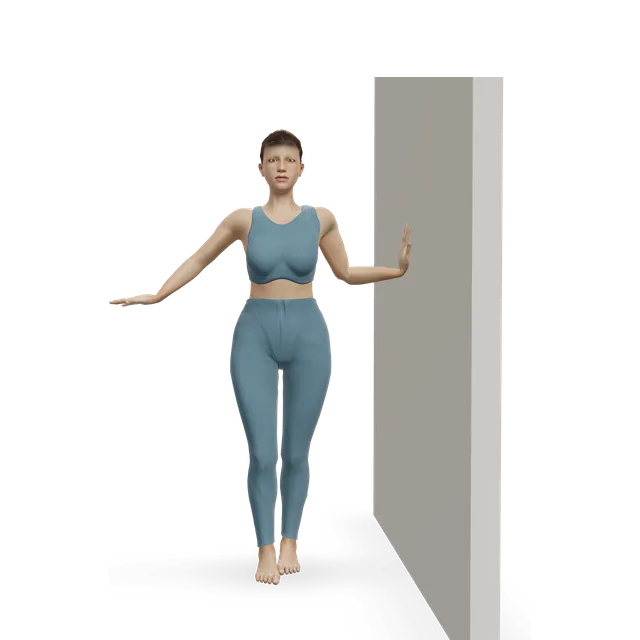
Our editorial starting point: build up walking and indoor cycling towards 30 minutes on most days, at a pace where you can talk but not sing, and add light, head-up strength work such as sit-to-stands and wall push-ups, breathing out on each effort. Leave out swimming, contact sport, heavy lifting, long or deep bending and head-down yoga, unless your unit says otherwise.

Sources 43, 4, 2, 6, 10

From about 2 weeks, if your unit agrees

Our suggestion: back to the gym with moderate weights, running, golf, tennis and gardening (with eye protection in dust), breathing out on every lift. Some units ask you to wait longer for sport, so check yours.

Sources 1, 10, 14, 11

From about 4 weeks

Swimming, saunas and hot tubs: 4 weeks is the most common answer among the leaflets, and the range is 2 to 6 weeks.

Sources 12, 11, 10, 13, 1

From about 4 to 6 weeks

Contact sport and martial arts, ideally with eye protection. The Royal College of Surgeons says follow your surgeon's advice before going back to rugby and martial arts.

Sources 1, 10, 13

After that

The usual guidelines: at least 150 minutes of moderate activity a week and strength exercises on at least 2 days. Over 65, the NHS adds activities that improve strength, balance and flexibility on at least 2 days, and the World Falls Guidelines suggest balance work 3 or more times a week if falls are a worry.

Sources 43, 44, 37

What NHS eye units say, and why they differ

Every leaflet was read in full in October 2026. Your own unit's leaflet comes first.

Heavy lifting and hard exerciseMixed evidence

Of the 16 sources we compared:

  • Princess Alexandra Hospital, Harlow: strenuous activity after 2 to 3 days, heavy lifting after 2 weeks.
  • Birmingham and Midland Eye Centre, Bath, Queen Victoria Hospital (East Grinstead) and Sherwood Forest: heavy lifting or strenuous exercise after about 2 weeks.
  • Moorfields Eye Hospital: light exercise within 2 or 3 days, and no bending down to pick up heavy things for 2 weeks.
  • Moorfields Private and the RNIB booklet: when your follow-up appointment says your eye has healed.
  • Harrogate (a leaflet marked as a draft): no physical activities for 6 weeks.
  • The Royal College of Surgeons: normal exercise by days 7 to 10, and bending and lifting are safe.
  • The NHS website, St Helens, Western Isles, Torbay, Lothian and the AAO: no time given.

Sources 7, 8, 9, 10, 11, 2, 45, 4, 14, 1, 3, 46, 47, 12, 13, 6

SwimmingMixed evidence

When the 16 sources say you can swim again:

  • 2 weeks: Moorfields Eye Hospital and Princess Alexandra.
  • 2 to 4 weeks: the Royal College of Surgeons; up to 4 weeks: the AAO.
  • 3 to 4 weeks: Bath.
  • 4 weeks: Torbay, Sherwood Forest, Queen Victoria and Lothian.
  • 4 to 6 weeks: St Helens and Moorfields Private.
  • 6 weeks: Birmingham and Harrogate.
  • No time given: the NHS website ("do not go swimming, even with goggles"), RNIB and Western Isles.

Sources 2, 7, 1, 6, 9, 12, 11, 10, 13, 46, 48, 8, 14, 3, 4, 47

Why they differ

No trial has compared timings, so each leaflet gives its unit's expert opinion. Follow your own unit's leaflet, and ask at your check-up if you'd like to do more.

Source 15

Why the rules: germs, knocks and pressure

Germs

Pools, the sea, hot tubs and dust can carry germs into a healing eye. That's why the NHS says don't swim, even with goggles, RNIB says swimming may cause an infection, and the Royal College of Surgeons suggests keeping sunglasses on when cycling in the first few weeks.

Sources 3, 4, 1

Knocks and rubbing

The tiny cut heals over weeks. Rubbing or a blow to the eye is the main risk to it: in one series, most wounds that burst open did so after falls or blows. That's why contact sport waits, and why looking after your balance matters.

Sources 30, 29, 4

Eye pressure

The AAO says large spikes in heart rate can raise eye pressure and disturb healing, so it advises no strenuous exercise, no heavy lifting and no head-down yoga at first. Light aerobic exercise such as walking may be fine soon after surgery.

Source 6

Walking and cardio

Build towards 30 minutes on most days at a pace where you can talk but not sing, indoors or out (our editorial starting point); the recumbent bike and elliptical trainer pages' dose is 10 to 20 minutes at a moderate effort to start, building towards 30. Leave swimming until your unit's wait is over.

Light strength, head up

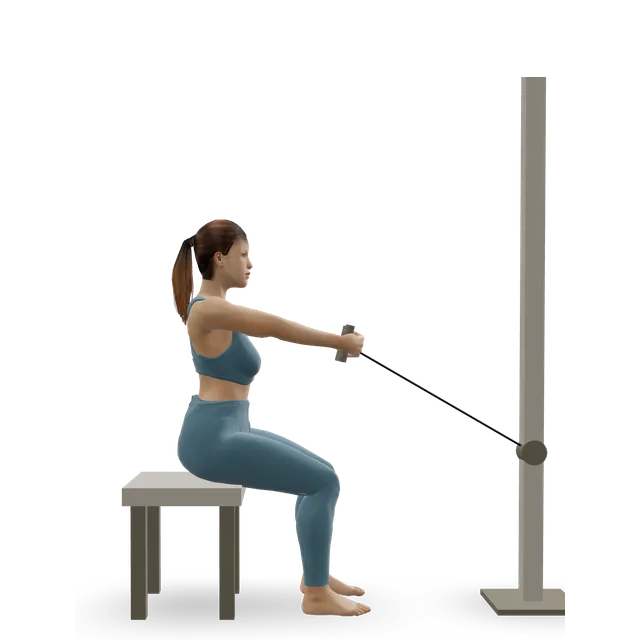
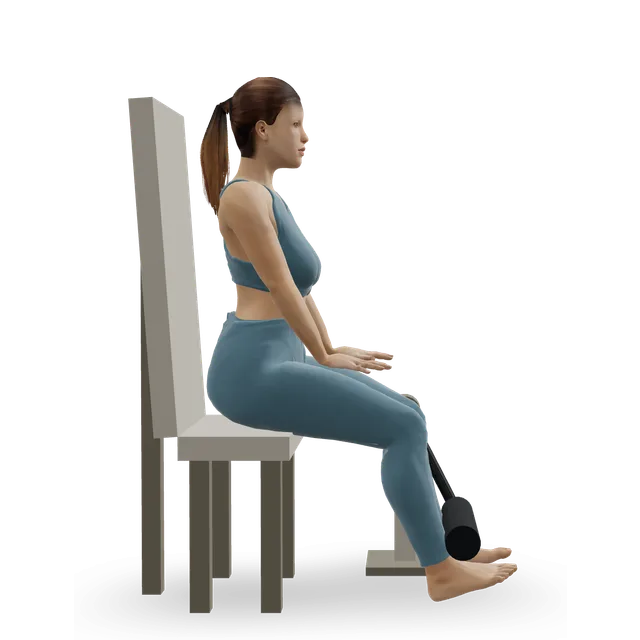
For the first 2 weeks or so, keep it light: 1 to 3 sets of 8 to 12, breathing out on each effort and never holding your breath (our editorial starting point). The seated knee extension page's dose is 3 sets of 10 to 15 each leg, 2 to 3 days a week, and the band row page's is 3 sets of 10 to 15, stopping 2 to 3 reps short of failure. Save the step-up and the machines for once your unit lifts its limits, with moderate weights.

Head-up stretches and breathing

All of these keep your head up. The shoulder rolls page's dose is 10 to 15 slow circles each way, once or twice through, as part of a warm-up, and the standing quad stretch page's is 20 to 30 seconds, 2 to 4 times each side.

Lifting and bending

LiftingMixed evidence

The NHS says no heavy lifting until your eye is back to normal or your doctor says so, and most leaflets that give a time say 2 weeks. RNIB says lifting light shopping is fine, but avoid things like moving heavy furniture. The Royal College of Surgeons says modern small-incision surgery means "it is perfectly safe to bend and lift". No UK source we read gives a weight limit.

Sources 3, 7, 8, 11, 10, 4, 1

BendingMixed evidence

Most units allow everyday bending, such as putting on socks and shoes, but some are stricter:

  • Queen Victoria Hospital: don't bend excessively for 2 weeks; bending down for light activities is fine.
  • Western Isles: avoid bending down for long periods for 2 weeks; bending to put socks and shoes on is fine.
  • Torbay: avoid bending forwards and lifting for more than 5 minutes.
  • Moorfields Eye Hospital: avoid bending down to pick up heavy things for 2 weeks.
  • Princess Alexandra: don't bend over, such as when tying your shoes (no time given).
  • The AAO: don't put your head below your waist, such as in yoga positions.

Sources 1, 10, 47, 12, 2, 7, 6

Our reading

Our suggestion, from these leaflets: everyday bending and light lifting are fine. For about 2 weeks, or as your leaflet says, avoid heavy lifting, long or deep bending and head-down yoga, and breathe out whenever you lift something.

Swimming, saunas and hot tubs

Wait as your leaflet says

The NHS says don't go swimming, even with goggles, and RNIB says this is because swimming may cause an infection; its web page says wait until your eye is fully healed. Leaflets say 2 to 6 weeks, most often 4, and some add saunas and hot tubs to the list (Torbay, Moorfields Private).

Sources 3, 4, 5, 12, 11, 10, 13, 48

Scuba diving

The UK Diving Medical Committee says modern cataract surgery needs a month off diving, to let the cut heal.

Source 49

If you also have glaucoma

Our glaucoma guide explains why larger goggles matter, especially after glaucoma surgery.

Gym, running, golf, racket and contact sport

The gym

Many units allow the gym from about 2 weeks; Moorfields Private waits until your follow-up appointment. Our suggestion: start with moderate weights, breathe out on each lift, and leave head-down moves and heavy maximal lifts until your unit says they're fine.

Sources 1, 10, 45, 6

Running and cycling

An indoor exercise bike is fine early on. The Royal College of Surgeons has normal exercise back by days 7 to 10, and suggests keeping sunglasses on when cycling in the first few weeks to keep dust out. Some units wait 4 weeks for sport.

Sources 1, 10, 11

Golf, tennis and racket sports

Queen Victoria Hospital allows all sport after 2 weeks, Sherwood Forest after 4 and Harrogate after 6. For squash, badminton and other racket sports, wear protective eyewear made for them (our suggestion; our racket sports guides explain).

Sources 10, 11, 14

Contact sport and martial arts

RNIB says no contact sports, such as boxing, martial arts or rugby, while your eye is recovering. The Royal College of Surgeons suggests 2 to 4 weeks and then eye protection, and following your surgeon's advice before rugby and martial arts. Queen Victoria Hospital advises protective eyewear, and Lothian says wait until your optician review.

Sources 4, 1, 10, 13

Balance moves

Three or more times a week if falls are a worry (World Falls Guidelines), next to a counter, in good light, on a clear floor. The side-stepping page's dose is 10 steps each way, next to a counter. The get up and down from the floor page's is 5 to 8 slow cycles down and up, changing the leading leg; it involves kneeling and bending, so leave it for about 2 weeks (our suggestion).

Balance, falls and new glasses

Why balance mattersStrong evidence

Cataract raises the risk of falls, and NICE's falls guideline asks clinicians to refer people whose sight is affected by cataracts to an eye specialist. The World Falls Guidelines include cataract surgery in improving vision to prevent falls.

Sources 16, 38, 37

Between the two operationsEmerging evidence

In 28,396 West Australians, falls needing hospital care doubled between the first and second operations. Vision can feel unbalanced in that time, so ask your unit or optician how to manage it, and take extra care on stairs and kerbs.

Sources 18, 22, 13

New glassesEmerging evidence

In a UK study of 287 people, those who switched to multifocal glasses after surgery had more falls. In a Cochrane review, giving single-lens glasses to regular multifocal wearers cut falls outdoors in those who often went out. Our suggestion: if multifocals make steps hard to judge, ask your optician about single-vision glasses for walking outdoors.

Sources 35, 50

What helpsStrong evidence

Balance and functional exercises, such as standing on one leg, heel-to-toe walking and getting up from a chair, cut falls in older people. Do them 3 or more times a week, made harder over at least 12 weeks. The NHS suggests strength and balance activities at least twice a week, regular eye tests, and a GP (general practitioner) check if you're worried about your balance.

Sources 19, 37, 51

Moves to leave out for now

For about 2 weeks, or as your unit says.

Head-down moves

Downward dog, forward folds such as touching your toes, sun salutations, child's pose, inchworms, and inversions such as headstands and shoulder stands. The AAO says don't put your head below your waist, such as in yoga positions, and units advise no long or deep bending for 2 weeks.

Sources 6, 10, 47, 45

Heavy lifts

Barbell squats and deadlifts, the bench press, heavy leg presses, overhead presses and kettlebell swings wait until your unit lifts its heavy lifting limit, usually after about 2 weeks. Then use moderate weights and breathe out on every lift.

Sources 3, 7, 8, 11, 10

Jumping and hard intervals

Burpees, jump squats, box jumps, skipping and hard interval sessions count as strenuous exercise, which most units that give a time ask you to leave for about 2 weeks; the Royal College of Surgeons has normal exercise back by days 7 to 10. Our suggestion: start them again from about 2 weeks.

Sources 8, 9, 10, 1

Swimming and contact sport

Swimming after your unit's wait, most often 4 weeks. Contact sport after 2 to 6 weeks, with eye protection.

Sources 3, 1

Flying, driving and holidays

Flying

The AAO says flying after cataract surgery is safe for most people, and the Royal College of Surgeons says there are no issues around flying. Only a gas bubble, used in some other eye operations, rules flying out. Some units ask you to wait for your check-up (Bath) or to stay in the country for 2 weeks (Queen Victoria Hospital), so ask if you're travelling far.

Sources 20, 1, 48, 9, 10

Driving

You can drive once you meet the eyesight standard of the Driver and Vehicle Licensing Agency (DVLA): reading a number plate from 20 metres, with glasses if you need them, plus enough sharpness and field of vision. Moorfields says this normally takes 3 to 4 days, and the Royal College of Surgeons says it can be the next day or after new glasses at 4 weeks. Some units say wait 2 weeks.

Sources 21, 2, 1, 7, 11

Glaucoma, diabetes, both eyes and laser

With glaucoma

Keep using your glaucoma drops unless your eye team tells you otherwise. Our glaucoma guide covers head-down yoga, lifting and swimming goggles.

Sources 46, 12

With diabetes

RNIB says cataract surgery may be done earlier in people with diabetes, to help doctors see the back of the eye. If you have diabetic retinopathy, its exercise limits may be stricter than the ones here: see our diabetic retinopathy guide.

Source 4

Both eyes on the same day

Some units offer this. The same rules apply, but both eyes are blurred at first, so plan for help at home and take stairs slowly (our suggestion).

Sources 2, 4

After laser for capsule clouding

Moorfields says you can normally go straight back to your daily activities after a YAG laser, and the AAO says there are typically no activity restrictions.

Sources 28, 6

Before surgery

The AAO says exercise won't make a cataract worse, but poor vision can make some exercise unsafe. An American Diabetes Association position statement suggests avoiding activities that are more dangerous with limited vision, such as cycling outdoors.

Sources 6, 52

Workouts to follow

Our suggested timings. From the first days: the walking workouts, the desk break and the chair workouts, which keep your head up; use light weights in the chair workout for the first 2 weeks. The bike ride from about day 3, indoors, and the low-impact cardio from about a week. From about 2 weeks: the strength and balance and balance routines, which include getting down to the floor, and the gym workout if your unit agrees, with a moderate leg press. The swim workout after your unit's swimming wait.

Easy cardio workout

A steady 30 to 45 minute cardio session at talk-but-not-sing pace: walk, cycle, row or cross-train, counting toward weekly activity guidelines.

40 minBeginner3 movesCardio machine, A wall

10-minute walk and move after meals

A 10-minute routine for straight after a meal: an easy walk, a few simple standing moves from blood sugar trials, then a short walk to finish.

10 minBeginner6 movesCardio machine, A bench or box

3-minute desk movement break

A 3-minute standing break to repeat every 30 to 60 minutes at your desk: sit-to-stands, calf raises, marching, an upper-back turn and chin tucks.

3 minBeginner5 movesA bench or box, A wall

Chair exercises for seniors: a seated workout

A 20-minute seated workout for older adults who cannot stand for long: marching, leg and arm strength, posture, and sit-to-stands that lead back to standing.

20 minBeginner11 movesA bench or box, Something with weight

Chair yoga for seniors

A free 20-minute chair yoga class for older adults: slow breathing, gentle seated stretches and twists, standing poses holding the chair, and a calm finish.

20 minBeginner18 movesA bench or box, Something with weight

Easy bike ride: 30 to 75 minutes at a pace you can talk at

A steady bike ride for a first triathlon or fitness: 5 to 10 minutes easy, a ride you can talk through, optional short faster bursts and an easy cool-down.

45 minBeginner4 movesCardio machine, A wall

Low-impact cardio workout (no jumping)

A 25-minute standing cardio circuit with no jumping: marching, step jacks, sit-to-stands, punches, step-ups and wall push-ups, with a seated option for most moves.

25 minBeginner9 movesA bench or box, A step

Strength and balance exercises for seniors

A 40-minute strength and balance session for over-65s, built from the Otago home programme and NHS exercises, using a chair, a counter and a step.

40 minBeginner18 movesA bench or box, Something with weight

Balance exercises routine

Balance practice in 10 minutes: tandem stance, single-leg stands, marches, heel walks, tree pose and floor transfers.

10 minBeginner7 movesA wall, A bench or box

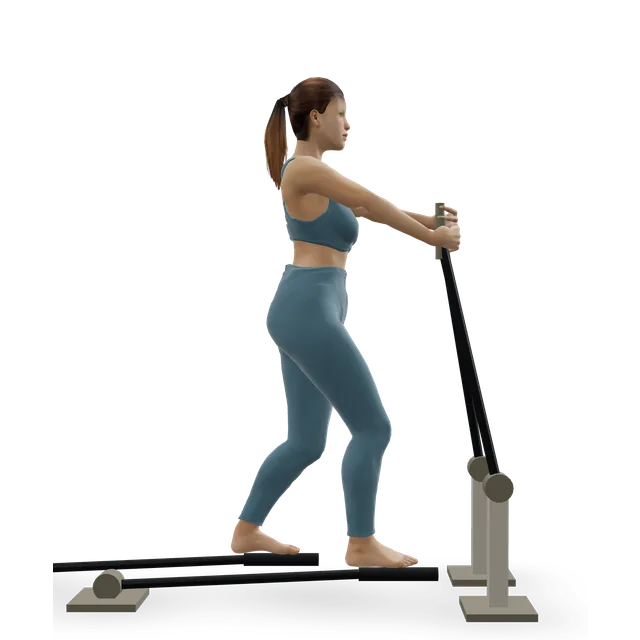
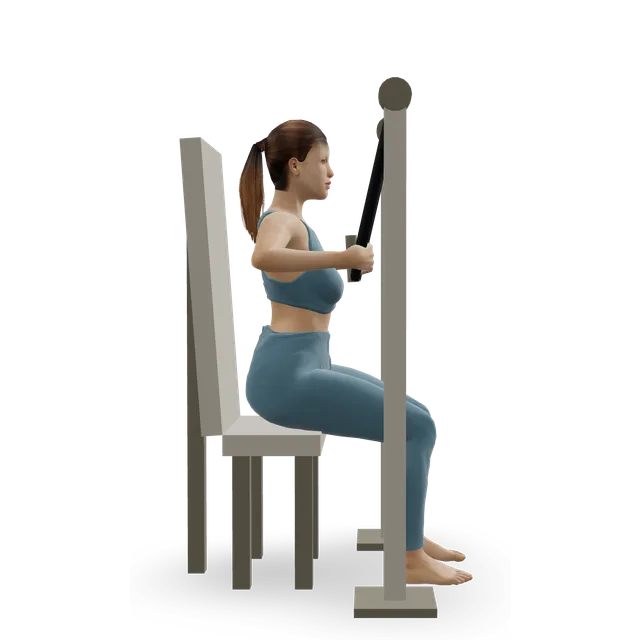
Gym workout for seniors: machine strength training for muscle loss

A 50-minute gym session for older adults and sarcopenia: 7 machines for the legs, chest and back from the UK prescription, then a short balance finish.

50 minBeginner12 movesCardio machine, A bench or box

Swim workout for beginners: lengths, rests and a steady continuous swim

A 30 to 45-minute beginner pool swim: a shoulder warm-up on the side, easy lengths, a main set of repeats with rests, and an easy swim down, any stroke.

35 minBeginner5 movesOther / check instructions

Follow a plan

Once you're back to normal activity: the walking plan builds to 150 minutes a week, and the plan for seniors adds strength and balance.

Warning signs: when to get help

This is general information, not a diagnosis. In the US, call 911 where this page says 999, and see an eye doctor urgently where it says NHS 111.

Contact your eye unit straight away

Use the number on your leaflet, or eye casualty out of hours, if:

  • Pain, redness or blurred vision gets worse instead of better.
  • Your eye becomes sticky, with yellow or green discharge.
  • You notice new floaters, flashes of light or a shadow.
  • Pain isn't eased by painkillers, or you have a headache over the eye and feel sick.

Sources 22, 8, 7, 11, 13

What's normal in the first days

Leaflets differ: Torbay says vision may get worse after 24 to 48 hours as the eye swells a little, while the Royal College of Surgeons says your vision should never get worse after surgery. If you're unsure, ring your unit.

Sources 12, 1

A possible detached retina

Get help from NHS 111 if floaters suddenly appear or increase, you see flashes of light, a dark curtain or shadow moves across your vision, or your sight suddenly blurs. These can be signs of a detached retina. It needs treating quickly. If a dark shadow or curtain spreads across your vision, or you suddenly lose vision, go to A&E (accident and emergency) without delay.

Sources 23, 53, 54, 55

Changes in your vision

Ask for an urgent GP appointment or get help from NHS 111 if you have blurred or double vision, flashing lights or shapes, a dark shadow moving across your vision, pain in one or both eyes, or an eye that's red and painful. Go to A&E or call 999 if you suddenly can't see from one or both eyes, or suddenly have severe eye pain.

Source 56

During or after exercise

Eye pain, a new shadow, flashes or a sudden change in vision aren't normal effects of exercise: stop, and use the advice above (our suggestion).

Sources 56, 23

Chest pain or collapse

Call 999 (911 in the US) for chest pain, severe difficulty breathing or someone who collapses during or after exercise. Our heart disease guide lists the signs.

After a fall

Call 999 if you or someone else has fallen and may have hurt their head, back, neck or hip, or can't get up. Get help from NHS 111 if they may be in pain, injured or unwell, and see a GP after a fall, or if you're worried about your balance.

Source 51

Who can help

Your eye unit or cataract clinic first, or eye casualty out of hours. After the first 2 weeks, Western Isles suggests your optician or GP, and some areas have a minor eye conditions service at local opticians. NHS 111 can tell you where to go, and RNIB's helpline is on 0303 123 9999.

Sources 7, 47, 4

Myths

"You mustn't bend or lift anything for weeks"Mixed evidence

The Royal College of Surgeons says modern small-incision surgery means it is perfectly safe to bend and lift, and RNIB says lifting light shopping is fine. Most units still ask you to avoid heavy lifting and long or deep bending for about 2 weeks. Modern wounds rarely burst open, and when they do it's usually after a fall or a blow.

Sources 1, 4, 7, 8, 11, 10, 29, 30

"Exercise will damage the new lens"Emerging evidence

The early limits are about germs and knocks to a healing eye, and the AAO adds spikes in effort in the first weeks. Walking is encouraged from the start, and normal exercise comes back within weeks.

Sources 6, 1, 3

"Goggles make swimming safe straight away"Strong evidence

The NHS says don't go swimming, even with goggles, and RNIB says swimming may cause an infection. Wait as your leaflet says: 2 to 6 weeks, most often 4.

Sources 3, 4

"You can't fly after cataract surgery"Strong evidence

The AAO says flying is safe for most people after cataract surgery, and the Royal College of Surgeons says there are no issues around flying. Only a gas bubble, used in some other eye operations, rules flying out.

Sources 20, 1, 48

"Reading, TV and screens will strain the eye"Strong evidence

NHS Lothian says read, watch TV and use a computer with no restrictions, and St Helens says you will not strain your eye doing this.

Sources 13, 46

"Once the cataract is out, I won't fall"Mixed evidence

First-eye surgery cut falls by about a third in one trial, but falls needing hospital care rose between operations in a large study, a big US study found no change, and switching to multifocal glasses went with more falls. Balance exercise is what reliably cuts falls in older people.

Sources 17, 18, 34, 35, 19

"Cataracts can grow back"Strong evidence

RNIB and the Royal College of Ophthalmologists say it's not possible for cataracts to grow back after surgery. Clouding of the capsule behind the new lens is common, and a quick laser clears it.

Sources 4, 28

"Eye exercises or drops can clear a cataract"Strong evidence

RNIB says there isn't any medicine or drops that can remove cataracts, and surgery is the only way to treat them. More active people develop cataracts less often, but that's an observational link, not a treatment.

Sources 4, 42

"I should stop exercising until the operation"Strong evidence

The AAO says exercise won't make a cataract worse. The issue is safety with poor vision, so choose safer settings, such as an indoor bike instead of cycling on the road.

Sources 6, 52

Questions people ask

When can I exercise after cataract surgery?

You can walk from the first day or two, and Moorfields Eye Hospital says most people are back to light exercise and everyday activities within 2 or 3 days. For heavy lifting and hard exercise, most UK leaflets that give a time say about 2 weeks, and for swimming about 4, but the range runs from 2 days to 6 weeks and no trial has tested the timings. Follow your own eye unit's leaflet.

Can I go for a walk after cataract surgery?

Yes. The Royal College of Surgeons calls walking the best way to get back to fitness. Take care on stairs on the day, and wear sunglasses or your eye shield if it's windy or dusty.

When can I go back to the gym after cataract surgery?

Light, head-up exercise such as an exercise bike is fine early on, and many units allow the gym from about 2 weeks, with moderate weights and breathing out on each lift. Some, such as Moorfields Private, wait until your follow-up appointment, so check your leaflet.

What counts as heavy lifting after cataract surgery?

No UK source we read gives a weight limit. RNIB says lifting light shopping is fine but moving heavy furniture isn't, and most leaflets say avoid heavy lifting for about 2 weeks. The Royal College of Surgeons says bending and lifting are safe for the small modern cut.

Can I bend over after cataract surgery?

Most units are happy with everyday bending, such as putting on shoes and socks. Avoid long, deep or heavy bending and head-down yoga for about 2 weeks, as the American Academy of Ophthalmology and most units advise. One unit says not to bend over at all, so check your leaflet.

When can I go swimming after cataract surgery?

Most leaflets say 4 weeks, with a range of 2 to 6 weeks, because pool and sea water can carry germs into a healing eye. Goggles don't shorten the wait, and some units say the same for saunas and hot tubs.

Can I run or cycle after cataract surgery?

An indoor exercise bike is fine early on. Many units allow running and outdoor cycling once normal exercise is back, from about 1 to 2 weeks, while some wait 4 to 6 weeks for sport. Wear sunglasses outdoors to keep dust out.

When can I play golf or tennis after cataract surgery?

From about 2 weeks in some units, and 4 to 6 weeks in others, so check your leaflet. For squash and other racket sports, wear eyewear made for them.

Can I do yoga or Pilates after cataract surgery?

Yes, with head-up poses and seated or standing work from early on. Leave out head-down poses such as downward dog, forward folds and inversions for about 2 weeks, or until your eye team says, as the American Academy of Ophthalmology advises.

Can I fly after cataract surgery?

Usually yes: the American Academy of Ophthalmology and the Royal College of Surgeons say flying is fine after routine cataract surgery. Some units like you to stay near home until your check-up, so ask if you're travelling far.

When can I drive after cataract surgery?

When you can read a number plate from 20 metres and meet the rest of the legal eyesight standard, which can be the next day or after new glasses at about 4 weeks. Some units say wait 2 weeks.

Will cataract surgery help my balance?

Usually: in a trial of 306 women, surgery on the first eye cut falls by about a third. The weeks between operations and new or multifocal glasses can feel unsteady, so take care with steps and do balance exercises 3 or more times a week.


Sources

  1. Royal College of Surgeons of England · Get well soon: helping you to make a speedy recovery after cataract surgery (leaflet, undated)
  2. Moorfields Eye Hospital NHS Foundation Trust · Cataract: diagnosis and treatment
  3. NHS · Cataract surgery
  4. RNIB and the Royal College of Ophthalmologists 2025 · Understanding cataracts (booklet)
  5. RNIB · After cataract surgery
  6. American Academy of Ophthalmology 2026 · When to resume exercise after an eye surgery or injury
  7. Princess Alexandra Hospital NHS Trust 2026 · After cataract surgery (leaflet)
  8. Sandwell and West Birmingham NHS Trust 2025 · Discharge advice following eye surgery (Birmingham and Midland Eye Centre leaflet)
  9. Royal United Hospitals Bath NHS Foundation Trust 2025 · Post cataract information (leaflet)
  10. Queen Victoria Hospital NHS Foundation Trust 2023 · Discharge care plan: cataract surgery (leaflet; review due October 2026)
  11. Sherwood Forest Hospitals NHS Foundation Trust 2026 · Cataract surgery aftercare (leaflet)
  12. Torbay and South Devon NHS Foundation Trust 2025 · Post cataract surgery (leaflet)
  13. NHS Lothian 2025 · Advice following cataract surgery (leaflet)
  14. Harrogate and District NHS Foundation Trust 2025 · Cataract discharge information (leaflet marked as a draft)
  15. Dhalla 2026 · How instructions after cataract surgery vary among 142 eye health workers in Tanzania (survey, BMC Ophthalmology; abstract read)
  16. Tsang 2024 · Falls and fractures in people with cataract, macular degeneration or glaucoma in England (cohort study, JAMA Ophthalmology; abstract read)
  17. Harwood 2005 · Falls after first-eye cataract surgery in 306 older women (randomised trial, British Journal of Ophthalmology; abstract read)
  18. Meuleners 2014 · Falls needing hospital care before, between and after cataract operations in 28,396 people (whole-population study, Age and Ageing; abstract read)
  19. Sherrington 2019 · Exercise for preventing falls in older people living at home: 108 trials (Cochrane review; abstract read)
  20. American Academy of Ophthalmology 2026 · Flying after eye surgery or with an eye condition
  21. GOV.UK (Driver and Vehicle Licensing Agency) · Driving eyesight rules
  22. Moorfields Eye Hospital NHS Foundation Trust 2020 · Cataract service (leaflet; review was due June 2023)
  23. NHS · Detached retina (retinal detachment) (reviewed August 2023; review was due August 2026)
  24. Clark 2012 · Retinal detachment after 65,055 cataract operations in Western Australia (whole-population study, Archives of Ophthalmology; abstract read)
  25. Daien 2015 · Retinal detachment after cataract surgery in 1.8 million patients in France (national cohort study, Ophthalmology; abstract read)
  26. NHS · Cataracts in adults
  27. NICE NG77 · Cataracts in adults: management (2017)
  28. Moorfields Eye Hospital NHS Foundation Trust 2019 · YAG laser treatment for posterior capsule opacification (leaflet; review was due March 2022)
  29. Ball 2001 · Wounds bursting open after cataract surgery at one British eye hospital (case series, Eye; abstract read)
  30. Kloek 2011 · 63 cataract wounds that burst open after an injury (case series, American Journal of Ophthalmology; abstract read)
  31. Foss 2006 · Falls after second-eye cataract surgery in 239 older women (randomised trial, Age and Ageing; abstract read)
  32. Gutiérrez-Robledo 2021 · Cataract surgery and falls: 8 studies (systematic review and meta-analysis, Journal of Ophthalmology; abstract read)
  33. Keay 2022 · Falls after first and second eye cataract surgery in 409 people (cohort study, Medical Journal of Australia; abstract read)
  34. Thompson 2026 · Cataract surgery and falls and fractures in 940,233 Medicare enrollees (cohort study, Journals of Gerontology; abstract read)
  35. Supuk 2016 · Dizziness and falls after routine cataract surgery in 287 people (cohort study, Ophthalmic and Physiological Optics; abstract read)
  36. McGwin 2006 · Cataract surgery, falls and mobility in 214 older adults (cohort study, Journal of the American Geriatrics Society; abstract read)
  37. Montero-Odasso 2022 · World guidelines for falls prevention and management for older adults (guideline, Age and Ageing)
  38. NICE NG249 · Falls: assessment and prevention in older people and in people 50 and over at higher risk (2025)
  39. Durmus 2011 · Balance and mobility after cataract surgery in 36 people (before and after study, Bratislava Medical Journal; abstract read)
  40. Meuleners 2019 · Physical activity after first and second eye cataract surgery in 55 people (cohort study, BMJ Open; abstract read)
  41. Owsley 2002 · Cataract surgery and car crashes in 277 older drivers (cohort study, JAMA; abstract read)
  42. Aune 2026 · Physical activity and the risk of cataract and macular degeneration (systematic review and meta-analysis, BMC Ophthalmology; abstract read)
  43. NHS · Physical activity guidelines for adults aged 19 to 64
  44. NHS · Physical activity guidelines for older adults
  45. Moorfields Private · Getting back to your routine after cataract surgery
  46. Mersey and West Lancashire Teaching Hospitals NHS Trust · Cataract surgery post operative information (St Helens Hospital leaflet)
  47. NHS Western Isles · Cataract surgery (leaflet; review was due September 2026)
  48. Moorfields Private · Dos and don'ts after cataract surgery
  49. UK Diving Medical Committee · Ophthalmological problems
  50. Gillespie 2012 · Interventions for preventing falls in older people living at home: 159 trials (Cochrane review; abstract read)
  51. NHS · Falls
  52. Colberg 2016 · Physical activity and exercise and diabetes (American Diabetes Association position statement, Diabetes Care)
  53. NHS · Floaters and flashes in the eyes (reviewed June 2023; review was due June 2026)
  54. RNIB · Retinal detachment (reviewed July 2023; review was due July 2026)
  55. Moorfields Eye Hospital NHS Foundation Trust · Information for patients with flashes and floaters (A&E leaflet)
  56. NHS · Vision loss

Exercise education, not a diagnosis or treatment plan, and clinical review of these guides is pending. Stop and get advice for chest pain, unusual breathlessness, dizziness or fainting, or new pain, and check with your doctor or midwife first if they have told you to limit activity. Health disclaimer.