Exercise guide

Exercise with glaucoma: eye pressure, yoga, lifting, swimming and falls

Glaucoma is damage to the nerve that connects the eye to the brain, usually caused by raised pressure inside the eye. Having glaucoma shouldn't stop you exercising. Aerobic exercise such as walking, cycling and swimming lowers eye pressure for a while afterwards, and in studies that followed people with glaucoma, the more active lost side vision more slowly, though that doesn't prove exercise caused it. Exercise doesn't replace your eye drops, laser or surgery, which are what protect your sight.

A few things raise eye pressure while you do them: head-down yoga poses, heavy lifting with a held breath, long leg holds and tight swimming goggles. Nobody knows whether these short rises harm glaucoma over time, because the studies measured eye pressure for minutes, mostly in healthy young adults. Limiting them is a precaution that eye charities and eye doctors advise.

This guide explains what helps, what to change, how to look after your balance if your side vision is affected, exercise after glaucoma laser or surgery, and the eye symptoms that need help straight away. Your eye team knows your type and stage of glaucoma, so check anything you're unsure about with them.

The short version

Keep exercising, and keep up your treatment

Glaucoma UK says having glaucoma should not stop you from getting daily exercise. Exercise doesn't replace treatment: lowering eye pressure with drops, laser or surgery is what protects your sight, so keep using your drops as prescribed.

Sources 1, 2

Aerobic exercise lowers eye pressure, for a while

One session of aerobic exercise lowers eye pressure afterwards, about twice as much in people who weren't active before. In a small study, 3 months of training lowered it by 20%, but it was back up within 3 weeks of stopping. In one study, people with glaucoma who walked more lost side vision more slowly, though that doesn't prove walking caused it.

Sources 3, 4, 5

Head-down positions raise eye pressure within a minute

Downward dog raised eye pressure by about three-quarters and a standing forward bend by about half, and it fell back within 2 minutes of sitting up; a headstand doubled it. Skip headstands, shoulder stands and other full inversions, and keep other head-down poses brief or use a supported version.

Sources 6, 7, 1, 8

Breathe out when you lift, and choose larger goggles

Eye pressure rises during heavy lifts, most with big lifts, heavy loads, long sets and a held breath, and settles within about a minute. Use moderate weights and breathe out through each effort. If you swim, Glaucoma UK advises larger goggles, because small ones press on the eye socket.

Sources 9, 10, 1

Look after your balance

People with glaucoma in England were about 38% more likely to have a fall recorded than people of the same age and sex without it. Strength and balance exercise cuts falls in older people by about a quarter; do balance work 3 or more times a week.

Sources 11, 12, 13

Sudden eye pain is an emergency

Intense eye pain with a red eye, blurred vision, rainbow-coloured circles around lights, a headache or feeling sick can mean glaucoma has come on suddenly. The NHS (National Health Service) says call 999 or go to A&E (accident and emergency).

Source 14

Glaucoma and eye pressure

What glaucoma is

In glaucoma, the optic nerve, which connects the eye to the brain, is damaged, usually because fluid can't drain from the eye as it should and the pressure builds up. Some people have damage with eye pressure in the normal range. Higher than normal pressure without nerve damage is called ocular hypertension, and is monitored in case glaucoma develops.

Sources 14, 15

Types

Primary open-angle glaucoma is the commonest type in the UK: it develops slowly and has no symptoms at first. In angle-closure glaucoma, the drainage angle is blocked, either gradually or suddenly in an attack. Secondary glaucomas follow another condition, such as pigment dispersion syndrome, which is more common in young, short-sighted men.

Sources 14, 16, 17

Who gets it

About 2% of people over 40 have open-angle glaucoma, rising to almost 10% over 75. The risk is higher if you're over 50, if a parent, brother or sister has it, if you're from a Black African, Caribbean or Asian background, or if you're short-sighted, long-sighted or have diabetes. Glaucoma UK says brothers, sisters and children of someone with glaucoma may be up to 10 times more likely to develop it, and the NHS advises an eye test at least every 2 years.

Sources 14, 16, 15

What it does to sight

Glaucoma usually affects your side (peripheral) vision first, often without you noticing. Glaucoma UK says that out of 20 people with glaucoma, about 17 barely notice any vision loss, about 2 have loss that affects daily life such as driving, and about 1 has severe loss. NICE (the National Institute for Health and Care Excellence) says most people having treatment will have a good quality of life and won't go blind.

Sources 15, 18, 2

Treatment

There's no cure, but eye drops, laser treatment and surgery slow the damage and help stop your sight getting worse. NICE recommends laser treatment first for many people newly diagnosed with open-angle glaucoma. Sight that glaucoma has already damaged can't be brought back.

Sources 14, 2, 15

Eye pressure changes all the time

Eye pressure goes up and down with posture and effort. Head-down positions, heavy lifting, tight goggles and even a tight necktie raise it while they last, and aerobic exercise lowers it for a while afterwards. Glaucoma UK says there is no proof that any of these worsen glaucoma.

Sources 1, 6, 9, 19, 3

What the evidence says

Aerobic exercise lowers eye pressure, for a whileEmerging evidence

Across 10 studies, one session of aerobic exercise lowered eye pressure, almost twice as much in people who weren't active as in people who were. In 9 inactive people suspected of having glaucoma, 3 months of aerobic training lowered eye pressure by 20%, but it went back up within 3 weeks of stopping; the study was small and had no comparison group. A review of 15 studies in people with glaucoma found the longer-term effects varied. Walking at a slow or fast pace didn't raise eye pressure in 21 people with glaucoma.

Sources 3, 4, 20, 21

Does being active protect your sight? The studies disagreeMixed evidence

In 141 people with glaucoma wearing activity trackers, about 5,000 more steps a day went with roughly 10% slower loss of side vision, and in 80 people followed for about 5 years, more activity predicted slower loss. In 9,519 US adults, people who met the activity guidelines were about half as likely to develop glaucoma. But in about 94,000 people in UK Biobank, and in a US study of 266 people with glaucoma, activity wasn't linked with glaucoma. These studies can't show cause and effect, and a 2026 review calls the link likely but unproven.

Sources 5, 22, 23, 24, 25, 26

Head-down positions raise eye pressureEmerging evidence

In 10 people with glaucoma and 10 without, held for 2 minutes, eye pressure rose within a minute in all four poses tested: by about 75% in downward dog, 50% to 60% in a standing forward bend, and about 25% to 33% in plough and legs up the wall, and it fell back within 2 minutes of sitting up. Glaucoma and healthy eyes rose alike. A headstand doubled eye pressure in 75 yoga practitioners for as long as it was held, and hanging upside down raised it from 14 to 36 mmHg (millimetres of mercury) in 16 volunteers.

Sources 6, 7, 27

Whether short rises harm glaucoma isn't knownMixed evidence

The studies measured eye pressure for minutes, mostly in healthy young adults, not glaucoma getting worse over years. A pilot study of 28 people suspected of having glaucoma found that responses to lying head-down helped predict later nerve loss, and the American Academy of Ophthalmology (AAO) describes one woman whose glaucoma stopped getting worse when she gave up 20-minute daily headstands. The Sight Advice service says it's not known whether these short rises cause problems in the long term, so the advice to limit them is a precaution.

Sources 28, 1, 29, 8, 9

Lifting and holds raise eye pressure during the effortEmerging evidence

A review of 34 studies in healthy adults aged 55 or under found eye pressure rose during resistance exercise, by up to about 29 mmHg, more with big movements such as squats and leg presses, heavier loads, longer sets and a held breath, and it settled within about a minute. Holding the breath in the bench press roughly doubled the rise (4.3 against 2.2 mmHg), and heavy leg presses raised it by 26 mmHg on average in 24 young adults. Leg holds raised it too, and in 25 people with glaucoma, holds raised it less than in people without, and it settled quickly.

Sources 9, 10, 30, 31, 32

Swimming gogglesEmerging evidence

In four lab studies, wearing goggles raised eye pressure by about 3 to 10 mmHg for as long as they were worn, more with smaller goggles and tighter straps, and it fell back once they came off. None measured people while swimming. Glaucoma UK advises larger goggles, especially after a trabeculectomy.

Sources 19, 33, 34, 35, 1

Glaucoma and fallsStrong evidence

In England, 90,177 people with glaucoma had about 38% more falls and 31% more fractures than people of the same age and sex without it. In a US study of 230 people with glaucoma or suspected glaucoma, 45% fell within a year, and more side vision loss meant more falls per step walked. Most falls happened in or around the home, from tripping or slipping, and balance is poorer with side vision loss.

Sources 11, 36, 37, 38, 39

Exercise prevents falls in older peopleStrong evidence

Across 108 trials in older people living at home, exercise cut the rate of falls by 23%, and balance and functional exercises by 24%. The World Falls Guidelines recommend balance and functional exercise 3 or more times a week, made harder over at least 12 weeks. No falls prevention trial has been done in glaucoma itself; the trials so far are small pilots.

Sources 12, 13, 40, 41

Treatment protects sight; exercise isn't a substituteStrong evidence

Eye drops, laser and surgery lower eye pressure and are what slow glaucoma down, and Glaucoma UK says there is no substitute for them. In a trial of 90 people with glaucoma, 21 days of mindfulness meditation lowered eye pressure (from about 19 to 13 mmHg), and slow yogic breathing lowered it in small trials, but these are early findings and never a reason to stop your drops.

Sources 2, 14, 1, 42, 43

Aerobic exercise

How much

Our editorial starting point: 150 minutes a week of moderate aerobic exercise, such as brisk walking, cycling or swimming, as the NHS recommends for adults. In the AAO's EyeNet update, a New York glaucoma specialist advises 45 minutes of aerobic exercise 3 or 4 times a week.

Sources 44, 8, 5

Walking counts

Walking at a slow or fast pace, with or without a load, didn't raise eye pressure in people with glaucoma, and a programme asking 35 people with glaucoma to add 500 steps a week raised their activity by at least half and kept it up for 6 months.

Sources 21, 41

If you're not active now

The drop in eye pressure after exercise was biggest in people who weren't active before, so starting gently still helps.

Source 3

Aerobic moves

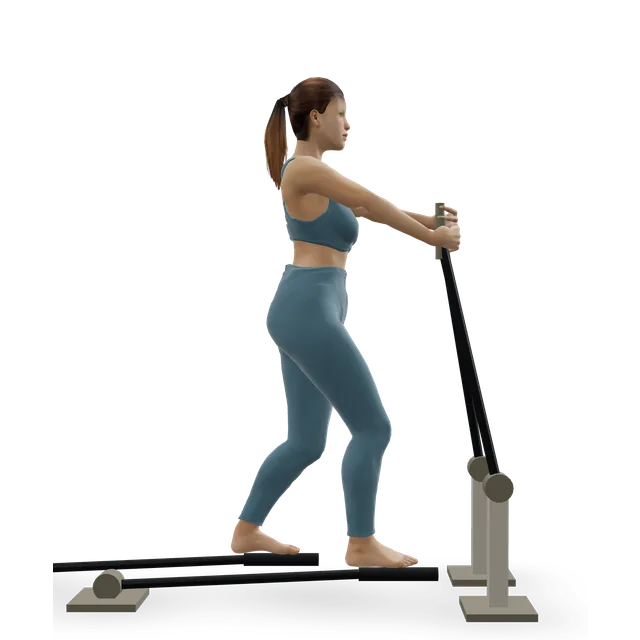
Build towards 150 minutes a week at a pace where you can talk but not sing (our editorial starting point); the elliptical trainer page's dose is 10 to 20 minutes at a moderate effort, building towards 30, and choose larger goggles for swimming.

Yoga and head-down positions

Skip full inversions

An AAO glaucoma specialist calls headstands and shoulder stands "a real no-no" for people with glaucoma, Glaucoma UK says avoid headstands, and the Canadian Ophthalmological Society advises avoiding handstands and head-down positions. The Glaucoma Research Foundation adds plough to the poses to be careful with, and inversion tables and upside-down aerial yoga belong on the same list: hanging upside down more than doubled eye pressure in volunteers.

Sources 8, 1, 45, 46, 7, 27

Keep other head-down poses brief, or support your head

Downward dog and standing forward bends raised eye pressure most of the poses tested, and Glaucoma UK says head-down positions held for a long time should be avoided. The AAO's answer for patients counts any position with your head below your body as an inversion, including bridge pose. The AAO's EyeNet update suggests ways to keep your head higher:

  • Downward dog: rest your hands on a chair, or your forehead on a yoga block or folded blankets.
  • Standing forward bend: rest your forehead on a high stack of blankets on a chair.
  • Seated forward bend: rest your forehead on a padded chair seat, which keeps your eyes above your heart.
  • Legs up the wall: put a folded blanket under your head.

Sources 6, 8, 1, 47

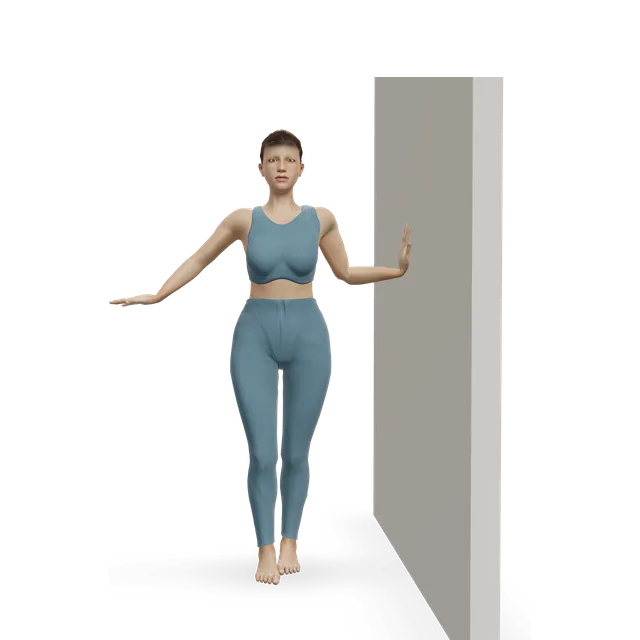
Downward dog at the wall

The AAO's EyeNet update describes a version at the wall, often called half dog: put your hands on the wall, step back and bend forward at the hips, keeping your head in line with your arms rather than letting it drop towards the floor. No study has measured eye pressure in this or the other supported versions, so they are expert advice, not tested.

Source 8

Breathe gently

The AAO's yoga advice for glaucoma: breathe out gently and slowly, and don't hold your breath or restrict the out-breath. That includes the out-breath of ujjayi breathing, made through a narrowed throat; breathe out normally instead. Choose a slow style that uses props and adapts poses to you.

Source 8

Ask your eye team

The Sight Advice service suggests asking your hospital eye doctor about yoga, and the AAO suggests getting their agreement before any pose that puts your head below your heart, especially with advanced glaucoma.

Sources 28, 8

Head-up yoga and breathing

These keep your head above your heart (our selection, following the AAO's principle); the mountain pose page's dose is 5 to 10 slow breaths, 2 or 3 times, and keep tree pose near a wall.

Weights, holds and breathing

Breathe out, and keep the weight moderate

The AAO says it's crucial to keep breathing out through the hardest part of a lift, to avoid straining against a closed throat (the Valsalva manoeuvre), which can raise eye pressure a lot. The rises are biggest with big lifts, heavy weights and long sets, so moderate weights and shorter sets keep them smaller.

Sources 8, 9, 10

Advice on heavy lifting differsMixed evidence

The Canadian Ophthalmological Society suggests limiting resistance training to low or moderate intensity, breathing out, and avoiding weightlifting altogether in moderate to advanced glaucoma. The Glaucoma Research Foundation says heavy lifting isn't advised but light weights of 5 to 10 pounds (about 2 to 4.5 kg) don't seem to affect eye pressure, and a UK specialist optometrist says the evidence isn't strong enough to tell people to give up activities. Ask your eye team, especially if your glaucoma is advanced.

Sources 45, 48, 49

Holds

Holding a position, such as a wall sit, raises eye pressure while you hold it, more at a harder effort. Keep holds short and keep breathing; the researchers who tested holds in people with glaucoma suggest they can be part of training if the effort is managed.

Sources 31, 32

Our editorial starting point

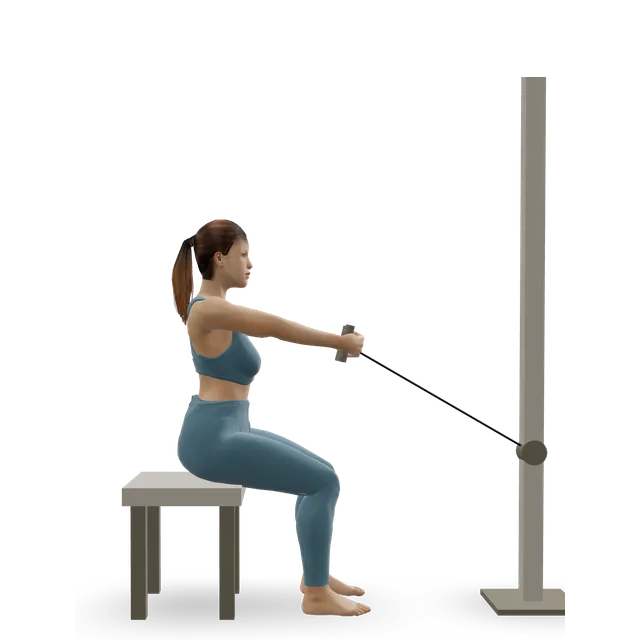
Strength exercises on 2 days a week, as the NHS recommends: 1 to 3 sets of 10 to 15 repetitions with a weight you could lift a few more times, breathing out on every effort and stopping well short of your limit (our editorial starting point).

Sources 44, 9

Strength moves

Two days a week, 10 to 15 steady repetitions, breathing out on each effort (our editorial starting point); the band row page's dose is 3 sets of 10 to 15, stopping 2 to 3 repetitions short of failure.

Swimming and goggles

Choose larger goggles

Glaucoma UK says it's best to wear larger goggles, because smaller ones press on the eye socket, which raises eye pressure. In lab studies, smaller goggles and tighter straps raised it more. Our suggestion: choose goggles that sit on the bone around your eye rather than pressing into it, loosen the strap as far as you can while keeping water out, and take them off between sessions.

Sources 1, 19, 33

After eye surgery

Glaucoma UK says larger goggles matter even more after eye surgery, especially a trabeculectomy, because small ones may press on the bleb, the small blister the operation creates. Ask your eye team when you can swim: one NHS leaflet says no swimming or hot tubs for at least a month after a trabeculectomy, and an older one says 6 weeks.

Sources 1, 50, 51

Balance and falls

Why falls matterStrong evidence

People with glaucoma have more falls and broken bones than other people their age, and the risk rises as more side vision is lost. In one study, people with advanced glaucoma were the most likely to have fallen, while fear of falling and avoiding activities peaked at the moderate stage.

Sources 11, 36, 38

What helpsStrong evidence

Balance and functional exercises, such as standing on one leg, heel-to-toe walking and getting up from a chair, cut falls in older people. The World Falls Guidelines recommend them 3 or more times a week, made harder over at least 12 weeks, and the NHS suggests strength and balance activities at least twice a week, regular eye tests and a GP (general practitioner) check if you're worried about your balance.

Sources 12, 13, 52

Walking isn't enough on its own

In the Cochrane review, programmes of walking alone had uncertain effects on falls; the programmes that worked mainly used balance and functional exercises.

Source 12

At home

Most falls in people with glaucoma happen in or around the home. RNIB (the Royal National Institute of Blind People) suggests:

  • Better lighting, especially at the top and bottom of the stairs, and blinds to control glare.
  • Contrasting handrails and edging on steps and stairs.
  • Keeping things in set places and the floor clear of clutter.
  • Clearing up spills straight away, because water on the floor can be hard to see.
  • Sunglasses for glare from bright sun, including low winter sun on ice and snow.

Sources 37, 53

Balance moves

Three or more times a week, next to a counter, in good light, on a clear floor; the side-stepping page's dose is 10 steps each way, next to a counter, and the get up and down from the floor page's is 5 to 8 slow cycles down and up, changing the leading leg.

How to get up after a fall

From the NHS falls page. If you can't get up, or may have hurt your head, back, neck or hip, call for help instead.

  1. Stay calm, and take a couple of minutes to check for pain or injuries before you move.
  2. Roll onto your side, then use your arms to push yourself onto your hands and knees.
  3. Crawl to something stable, such as a heavy chair or the side of a bath.
  4. Put one foot flat on the floor, and stand up slowly, holding on to it.
  5. Sit down and rest while you recover.

See the movement on the 3D figure: Get up and down from the floor

Your type and stage of glaucoma

Ocular hypertension or early glaucoma

Exercise as normal, with the precautions on this page: skip full inversions, keep other head-down poses brief or supported, breathe out when you lift, and choose larger goggles.

Sources 1, 8, 45

Moderate or advanced glaucoma

Ask your eye team before heavy lifting, long holds and any head-down pose; one professional body suggests avoiding weightlifting altogether. Balance work and making your home safer matter more as side vision is lost.

Sources 45, 8, 38

Narrow angles or angle-closure glaucoma

We found no exercise limits specific to angle closure. Know the signs of a sudden attack, below, and ask your eye team whether any advice applies to you.

Sources 14, 16, 54

Pigment dispersion syndrome or pigmentary glaucoma

In a study of 24 people with these conditions, 45 minutes of jogging released pigment inside the eye more often than in people without them. The authors don't think everyone needs to avoid exercise, but suggest a check before and after jogging, or harder or more jarring exercise, if you do it regularly: ask your eye team.

Sources 55, 17

With diabetes

If you also have diabetic retinopathy, follow the extra cautions in our diabetic retinopathy guide, which cover head-down positions, jumping and heavy lifting.

After laser or surgery

After laser treatment

Selective laser trabeculoplasty (SLT) is done in an eye clinic in about 20 minutes, and Glaucoma UK says you can usually go back to your normal activities the day after; don't drive yourself home. After laser iridotomy, used for narrow angles or angle closure, you can usually go back to normal activities after a few days.

Sources 56, 57, 58

After minimally invasive surgery

Glaucoma UK says it usually takes about 1 to 2 weeks to recover from minimally invasive glaucoma surgery (MIGS).

Source 59

After a trabeculectomy or a drainage tubeMixed evidence

Glaucoma UK says the eye takes several weeks to recover, and you'll need to avoid some types of physical activity. Hospital leaflets differ, so follow your own eye unit's:

  • The Dudley Group: don't put pressure on the eye, bend or lift heavy items for the first 2 weeks.
  • NHS Lothian: avoid bending over at the waist, straining and heavy lifting, and don't swim or use hot tubs for at least a month.
  • Gloucestershire Hospitals: don't do strenuous activities, with no time given.
  • East and North Hertfordshire (an older leaflet): no strenuous exercise or swimming for 6 weeks.

Sources 60, 61, 62, 50, 63, 51

Eye drops and your heart rate

Timolol and other beta blocker drops

Timolol eye drops are a beta blocker, and some of the medicine passes into your blood. A slow or irregular heartbeat is one of their rare serious side effects, and they may not suit people with asthma, chronic obstructive pulmonary disease (COPD) or a slow heartbeat. Go by how hard exercise feels rather than your heart rate, and never stop or change your drops yourself.

Source 64

Putting your drops in

The NHS says close your eye after the drops and gently press on the inside corner, by your nose, for 2 minutes, to help keep the drops in your eye. If the drops blur your vision, don't drive, ride a bike or use machinery until it clears.

Source 64

Workouts to follow

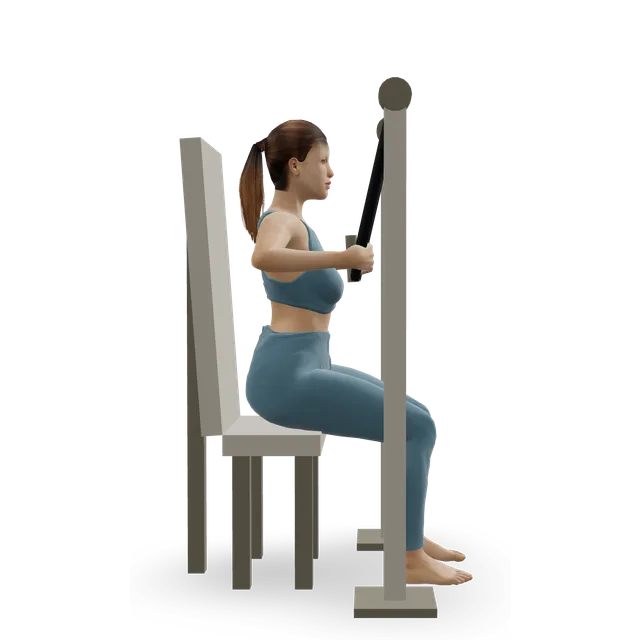
The cardio, chair yoga, swim and balance workouts keep your head up. In the gym workout, keep the leg press moderate and breathe out on every push, because heavy leg presses raised eye pressure the most (our suggestion).

Easy cardio workout

A steady 30 to 45 minute cardio session at talk-but-not-sing pace: walk, cycle, row or cross-train, counting toward weekly activity guidelines.

40 minBeginner3 movesCardio machine, A wall

Easy bike ride: 30 to 75 minutes at a pace you can talk at

A steady bike ride for a first triathlon or fitness: 5 to 10 minutes easy, a ride you can talk through, optional short faster bursts and an easy cool-down.

45 minBeginner4 movesCardio machine, A wall

10-minute walk and move after meals

A 10-minute routine for straight after a meal: an easy walk, a few simple standing moves from blood sugar trials, then a short walk to finish.

10 minBeginner6 movesCardio machine, A bench or box

Swim workout for beginners: lengths, rests and a steady continuous swim

A 30 to 45-minute beginner pool swim: a shoulder warm-up on the side, easy lengths, a main set of repeats with rests, and an easy swim down, any stroke.

35 minBeginner5 movesOther / check instructions

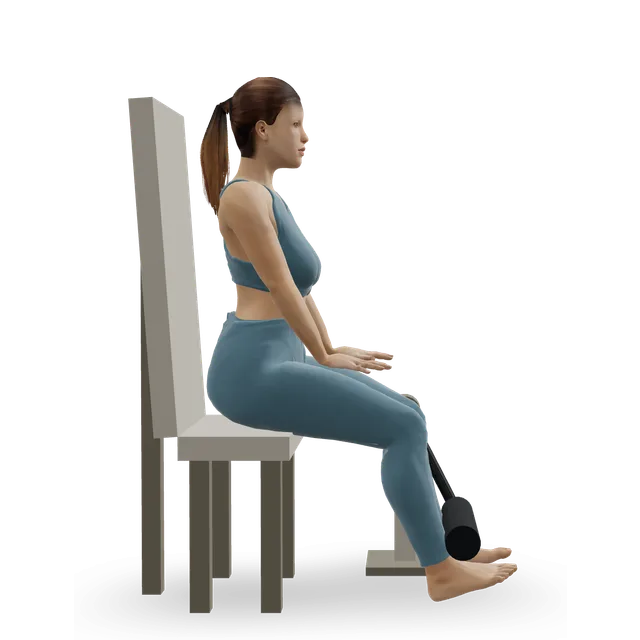
Chair yoga for seniors

A free 20-minute chair yoga class for older adults: slow breathing, gentle seated stretches and twists, standing poses holding the chair, and a calm finish.

20 minBeginner18 movesA bench or box, Something with weight

Strength and balance exercises for seniors

A 40-minute strength and balance session for over-65s, built from the Otago home programme and NHS exercises, using a chair, a counter and a step.

40 minBeginner18 movesA bench or box, Something with weight

Balance exercises routine

Balance practice in 10 minutes: tandem stance, single-leg stands, marches, heel walks, tree pose and floor transfers.

10 minBeginner7 movesA wall, A bench or box

Gym workout for seniors: machine strength training for muscle loss

A 50-minute gym session for older adults and sarcopenia: 7 machines for the legs, chest and back from the UK prescription, then a short balance finish.

50 minBeginner12 movesCardio machine, A bench or box

Follow a plan

The walking plan builds to 150 minutes a week, and the plan for seniors adds strength and balance.

Warning signs: when to get help

This is general information, not a diagnosis. In the US, call 911 where this page says 999.

Call 999 or go to A&E: glaucoma that comes on suddenly

The NHS says this is a medical emergency that may need immediate treatment. Don't drive yourself: ask someone to drive you, or call 999. Signs include:

  • Intense eye pain.
  • A red eye, and tenderness around the eyes.
  • Seeing rainbow-coloured circles around bright lights.
  • Blurred vision.
  • Feeling sick or being sick, and a headache.

Source 14

Milder attacks: get medical advice straight away

Glaucoma UK says milder attacks happen more often in the evening, with misty vision, coloured rings around white lights, discomfort in the eye or a red eye. They may come and go, but get medical advice straight away, because they can be a warning of a more serious attack.

Sources 54, 16

Changes in your vision

Ask for an urgent GP appointment or get help from NHS 111 if you have blurred or double vision, flashing lights or shapes, a dark shadow moving across your vision, pain in one or both eyes, or an eye that's red and painful. Go to A&E or call 999 if you suddenly can't see from one or both eyes, or suddenly have severe eye pain.

Source 65

During or after exercise

Eye pain, sudden blurring, rainbow rings around lights, or a headache with feeling sick aren't normal effects of exercise: stop, and use the NHS advice above (our suggestion).

Sources 14, 54

After glaucoma surgery: contact your eye unit urgently

Hospital leaflets list increasing pain or redness, a watery or sticky discharge, eyelid swelling, and reduced or lost vision. Infection can, very rarely, start months or years after glaucoma surgery: Gloucestershire Hospitals says increasing pain, redness and worsening vision mean contact the eye department immediately. Keep your eye unit's phone number with you (our suggestion).

Sources 63, 50, 62

After a fall

Call 999 if you or someone else has fallen and may have hurt their head, back, neck or hip, or can't get up. Get help from NHS 111 if they may be in pain, injured or unwell, and see a GP after a fall, or if you're worried about your balance.

Source 52

On timolol eye drops

The NHS says call 999 if you think you're having a severe allergic reaction, a serious heart problem, such as chest pain or a slow, fast or irregular heartbeat, or a stroke. For any other serious side effect, call NHS 111. Keep using your drops unless you're told to stop.

Source 64

Who can help

Your hospital eye team or glaucoma clinic first, then your optometrist, GP or NHS 111. Glaucoma UK's helpline is on 01233 64 81 70, and RNIB's on 0303 123 9999.

Sources 14, 53

Myths

"Exercise is bad for glaucoma"Strong evidence

Glaucoma UK says having glaucoma should not stop you from getting daily exercise, and the AAO's answer on aerobic exercise is "Definitely".

Sources 1, 8

"Exercise or yoga can replace my eye drops"Strong evidence

Glaucoma UK says there is no substitute for conventional treatment: keep up with your drops. In a small study, training lowered eye pressure, but it was back up within 3 weeks of stopping.

Sources 1, 4

"Eye exercises can cure glaucoma"Strong evidence

There's no cure, and sight lost to glaucoma can't be brought back. Small trials of yogic gazing and slow breathing lowered eye pressure a little in the short term; they aren't a treatment.

Sources 14, 15, 43

"All yoga raises eye pressure"Emerging evidence

The rises were measured in head-down poses. Head-up poses keep the eyes above the heart, the principle the AAO uses to adapt poses, and meditation and slow breathing lowered eye pressure in small trials.

Sources 6, 8, 42, 43

"Every head-down position doubles eye pressure"Emerging evidence

A headstand doubled it, but the rise was smaller in other poses: about 75% in downward dog, 50% to 60% in a standing forward bend, and about 25% to 33% in plough and legs up the wall. Glaucoma UK's "double" is true of headstands, not of every pose.

Sources 7, 6, 1

"Lifting weights causes glaucoma"Emerging evidence

Eye pressure rises during heavy lifts and settles within about a minute, but there's no proof that lifting causes glaucoma or makes it worse. Breathe out and keep the weights moderate.

Sources 9, 1

"You can't swim with glaucoma"Emerging evidence

You can. Goggles raise eye pressure while you wear them, more if they're small and tight, so choose larger ones, especially after a trabeculectomy.

Sources 19, 33, 1

"Walking is enough to prevent falls"Strong evidence

Balance and functional exercises cut falls in older people, while walking programmes on their own had uncertain effects. Add balance work 3 or more times a week.

Sources 12, 13

"Glaucoma always leads to blindness"Strong evidence

Glaucoma UK says the vast majority of people with glaucoma in the UK keep useful sight for life, and that of 20 people with glaucoma, about 17 barely notice any vision loss.

Sources 15, 18, 2

Questions people ask

Is exercise good for glaucoma?

Yes: it's good for your general health, and Glaucoma UK says glaucoma should not stop you from getting daily exercise. More active people with glaucoma lost side vision more slowly in some studies, though that doesn't prove exercise caused it. Keep using your eye drops.

Does exercise lower eye pressure?

For a while. Aerobic exercise lowers eye pressure after a session, about twice as much in people who weren't active before. In a small study, 3 months of training lowered it by 20%, but it went back up within 3 weeks of stopping.

Can I do yoga with glaucoma?

Yes, with changes: skip headstands, shoulder stands and other full inversions, and keep poses such as downward dog brief or use a supported version that keeps your head higher. Breathe gently without holding your breath, and ask your eye team, especially if your glaucoma is advanced.

Which yoga poses should I avoid with glaucoma?

Full inversions such as headstand, shoulder stand, plough and handstands. Of the poses tested, downward dog and a standing forward bend raised eye pressure most, and legs up the wall least. The American Academy of Ophthalmology suggests resting your hands on a chair or a wall, or your head on a support, to keep your head higher, though no study has measured these versions.

Can glaucoma patients lift weights?

Usually, with moderate weights. Eye pressure rises during heavy lifts, most with big lifts, long sets and a held breath, and settles within about a minute. Breathe out through every effort, and with moderate to advanced glaucoma, ask your eye team whether to lift heavy at all.

Can you swim with glaucoma?

Yes. Small, tight goggles raise eye pressure while you wear them, so choose larger ones, and Glaucoma UK says this matters even more after a trabeculectomy. After eye surgery, ask your eye team when you can swim.

Is running bad for glaucoma?

For most people, no: running and other aerobic exercise lower eye pressure afterwards. With pigment dispersion syndrome or pigmentary glaucoma, jogging can release pigment inside the eye, so ask your eye team about a check before and after running.

Can you do Pilates with glaucoma?

Mostly. The moves that need care roll your legs over your head, such as the roll-over, jack knife, boomerang and control balance, or hang your head down, such as long roll-downs. Choose upright, seated and lying moves and breathe out on each effort.

Are push-ups, planks and wall sits OK with glaucoma?

Wall and incline push-ups keep your head higher than floor push-ups. Long leg holds such as wall sits raise eye pressure while you hold them, so keep holds short and keep breathing. An eye specialist in the American Academy of Ophthalmology's update notes eye pressure can rise during push-ups too, and advises common sense.

How long after glaucoma surgery can I exercise?

Usually the day after laser trabeculoplasty, a few days after laser iridotomy, and 1 to 2 weeks after most minimally invasive surgery. After a trabeculectomy or a drainage tube, it takes several weeks, with no bending, straining or heavy lifting at first. Follow your own eye unit's advice, because hospital leaflets differ.

Can glaucoma cause balance problems?

It can: balance is poorer with side vision loss, and people with glaucoma in England were about 38% more likely to have a fall recorded. Strength and balance exercise cuts falls in older people, so do balance work 3 or more times a week, in good light and on a clear floor.

Can glaucoma eye drops affect my heart rate?

Timolol drops are a beta blocker, and some of the medicine passes into your blood, so your heart rate may be lower than expected: go by how hard exercise feels. Never stop or change your drops yourself, and call 999 for chest pain or a slow, fast or irregular heartbeat.

Sources

  1. Glaucoma UK 2026 · Living with glaucoma
  2. NICE NG81 · Glaucoma: diagnosis and management (last updated January 2022)
  3. Roddy 2014 · Eye pressure after one session of aerobic exercise: 10 studies (meta-analysis, Clinical Journal of Sport Medicine; abstract read)
  4. Passo 1991 · Aerobic training and eye pressure in 9 people suspected of having glaucoma (uncontrolled study, Archives of Ophthalmology; abstract read)
  5. Lee 2019 · Physical activity and visual field loss in 141 people with glaucoma (cohort study, Ophthalmology; abstract read)
  6. Jasien 2015 · Eye pressure in four yoga positions in 20 people with and without glaucoma (lab study, PLoS One)
  7. Baskaran 2006 · Eye pressure during headstand in 75 yoga practitioners (case series, Ophthalmology; abstract read)
  8. Weiner 2019 · Glaucoma and exercise: what to tell your patients (American Academy of Ophthalmology, EyeNet clinical update)
  9. Hackett 2024 · Resistance exercise and eye pressure in healthy adults: 34 studies (systematic review, Journal of Strength and Conditioning Research; abstract read)
  10. Vieira 2006 · Eye pressure during the bench press, with and without a held breath (lab study, Archives of Ophthalmology; abstract read)
  11. Tsang 2024 · Falls and fractures in 90,177 people with glaucoma in England (cohort study, JAMA Ophthalmology; abstract read)
  12. Sherrington 2019 · Exercise for preventing falls in older people living at home: 108 trials (Cochrane review; abstract read)
  13. Montero-Odasso 2022 · World guidelines for falls prevention and management for older adults (guideline, Age and Ageing)
  14. NHS · Glaucoma
  15. Glaucoma UK 2026 · What is glaucoma?
  16. Glaucoma UK 2026 · Primary glaucoma
  17. Glaucoma UK 2026 · Secondary glaucomas
  18. Glaucoma UK 2025 · All about glaucoma (booklet)
  19. Morgan 2008 · Swimming goggles and eye pressure: 13 goggles, 35 people (lab study, British Journal of Ophthalmology; abstract read)
  20. González-Devesa 2024 · Exercise and eye pressure in people with glaucoma: 15 studies (systematic review, International Ophthalmology; abstract read)
  21. Morenas-Aguilar 2025 · Eye pressure while walking in 21 people with glaucoma (lab study, Ophthalmic and Physiological Optics; abstract read)
  22. Seo 2025 · Physical activity and visual field loss in 80 people with glaucoma (cohort study, Journal of Glaucoma; abstract read)
  23. Meier 2018 · Activity, fitness and new glaucoma in 9,519 adults (cohort study, Medicine and Science in Sports and Exercise; abstract read)
  24. Madjedi 2023 · Physical activity and glaucoma in the UK Biobank (cross-sectional study, Ophthalmology; abstract read)
  25. Akarapimand 2026 · Physical activity and glaucoma in the All of Us programme (case-control analysis, Journal of Glaucoma; abstract read)
  26. Schuhmann 2026 · Physical activity and exercise in open-angle glaucoma: 18 studies (scoping review, Frontiers in Physiology; abstract read)
  27. Friberg 1985 · The eyes upside down: gravity inversion in 16 volunteers (lab study, JAMA; abstract read)
  28. Sight Advice FAQ (RNIB, Guide Dogs and partners) · Yoga and glaucoma
  29. Porciatti 2017 · Head-down tilt responses and later optic nerve loss in 28 glaucoma suspects (pilot study, Journal of Glaucoma; abstract read)
  30. Vaghefi 2021 · Eye pressure during heavy leg presses in 24 young adults (lab study, BMJ Open Ophthalmology; abstract read)
  31. Li 2021 · Leg holds and eye pressure in healthy adults: 13 studies (meta-analysis, Journal Français d'Ophtalmologie; abstract read)
  32. Morenas-Aguilar 2026 · Eye pressure during holds in 25 people with glaucoma (lab study, Graefe's Archive for Clinical and Experimental Ophthalmology; abstract read)
  33. Paula 2016 · Swimming goggles and eye pressure in 35 people (lab study, Journal of Glaucoma; abstract read)
  34. Jiménez 2020 · Swimming goggles and the front of the eye in 20 young adults (lab study, Current Eye Research; abstract read)
  35. Zhang 2022 · Two types of goggles and eye pressure in 40 adults (lab study, BMC Ophthalmology; abstract read)
  36. Ramulu 2019 · Falls in 230 people with glaucoma or suspected glaucoma (cohort study, Journal of the American Geriatrics Society; abstract read)
  37. Sotimehin 2018 · Where and how 330 falls happened in people with glaucoma (cohort study, American Journal of Ophthalmology; abstract read)
  38. Bhorade 2021 · Falls and fear of falling in 138 older people with glaucoma (cross-sectional study, American Journal of Ophthalmology; abstract read)
  39. Yi Hong 2026 · Balance with side vision loss: 17 studies, 2,456 people (systematic review and meta-analysis, Translational Vision Science and Technology; abstract read)
  40. Freitag 2026 · Exercise and walking in 15 people with glaucoma (pilot trial, Geriatrics; abstract read)
  41. Banerjee 2025 · A step-count programme for 35 people with glaucoma (feasibility study, Translational Vision Science and Technology; abstract read)
  42. Dada 2018 · Mindfulness meditation and eye pressure in 90 people with glaucoma (randomised trial, Journal of Glaucoma; abstract read)
  43. Chetry 2023 · Yoga and eye pressure in glaucoma: 6 studies (systematic review and meta-analysis, Indian Journal of Ophthalmology; abstract read)
  44. NHS · Physical activity guidelines for adults aged 19 to 64
  45. Canadian Ophthalmological Society 2025 · Lifestyle habits in glaucoma: practical advice for patients and ophthalmologists (Practice Resource Centre)
  46. Glaucoma Research Foundation 2024 · Sports, exercise and glaucoma: safe practices and recommendations
  47. American Academy of Ophthalmology 2015 · Is it alright to do inverted yoga positions if you have glaucoma? (Ask an Ophthalmologist)
  48. Glaucoma Research Foundation 2025 · Exercise, diet and other lifestyle changes for people living with glaucoma
  49. College of Optometrists 2021 · Glaucoma: the evidence on lifestyle choices (Acuity; the open first section was read)
  50. NHS Lothian 2025 · Trabeculectomy surgery: information for patients (leaflet)
  51. East and North Hertfordshire NHS Trust 2014 · Trabeculectomy (leaflet; review was due October 2017)
  52. NHS · Falls
  53. RNIB · Reduce your risk of falls
  54. Glaucoma UK 2025 · Glaucoma signs and symptoms
  55. Haynes 1992 · Jogging in 24 people with pigment dispersion syndrome or pigmentary glaucoma (lab study, Ophthalmology; abstract read)
  56. Glaucoma UK 2026 · Laser treatment for glaucoma
  57. Glaucoma UK 2025 · Selective laser trabeculoplasty (booklet)
  58. Glaucoma UK 2026 · Laser iridotomy (booklet)
  59. Glaucoma UK 2026 · Minimally invasive glaucoma surgery (MIGS)
  60. Glaucoma UK 2026 · Trabeculectomy surgery
  61. Glaucoma UK 2025 · Aqueous shunt implantation
  62. The Dudley Group NHS Foundation Trust · Glaucoma drainage surgery (trabeculectomy) (leaflet)
  63. Gloucestershire Hospitals NHS Foundation Trust 2025 · Trabeculectomy for the treatment of glaucoma (leaflet)
  64. NHS · Timolol eye drops
  65. NHS · Vision loss

Exercise education, not a diagnosis or treatment plan, and clinical review of these guides is pending. Stop and get advice for chest pain, unusual breathlessness, dizziness or fainting, or new pain, and check with your doctor or midwife first if they have told you to limit activity. Health disclaimer.