What are the best exercises for vertigo?
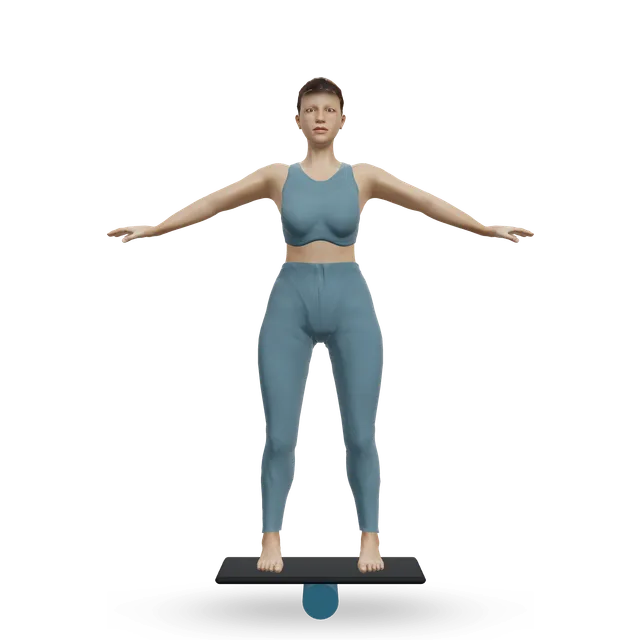
It depends on the cause. For BPPV, the brief spins when you lie down, roll over or look up, the Epley manoeuvre done by a trained clinician works best, and Brandt-Daroff exercises are the home option. For dizziness that lingers after an inner-ear illness, vestibular rehabilitation works: head and eye exercises, balance practice and walking.
Can exercise help vertigo?
Often, yes. Across 39 trials, vestibular rehabilitation made dizziness less frequent and less disabling, with no harms reported, and free self-help versions helped in UK GP trials, though the effects were modest. BPPV is the exception: it needs a repositioning manoeuvre.
How do I do vertigo exercises at home?
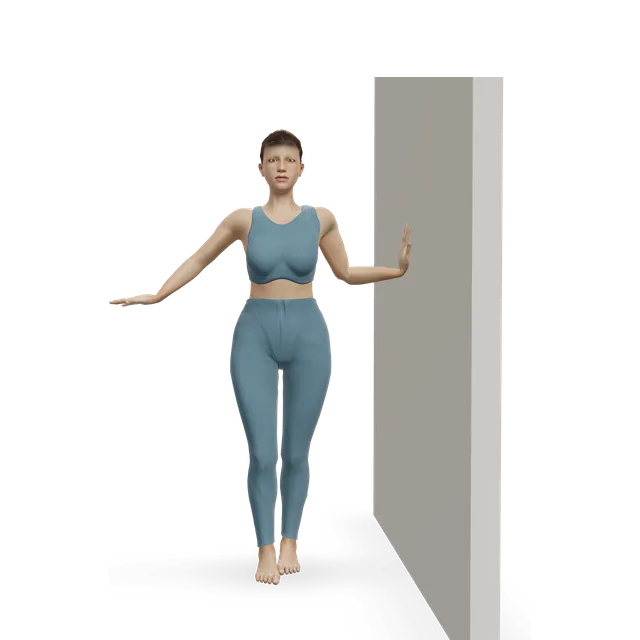
Once a GP has checked your dizziness, sit on a firm chair with a bed or sofa beside you. Turn your head side to side 10 times in 10 seconds, rest and repeat, then nod, then do both with your eyes closed and while looking at your finger. Keep it under 10 minutes, every day and ideally twice, and move on to standing and then walking as each gets easier.
What is the Epley manoeuvre?
A set of head and body positions, done by a trained clinician, that moves loose crystals out of the inner-ear canal causing BPPV. A positional test first shows which ear is affected; then you're rolled in stages onto your other side, pausing about half a minute in each position, before sitting up. In trials it cleared vertigo in 56% of people, against 21% with a sham.
Can I do the Epley maneuver myself at home?
Only once a doctor, physiotherapist or audiologist has confirmed which side is affected and shown you how: that's our reading of the UK and US guidelines together. In small trials of people taught a home version after a diagnosis, most were clear within a week. Doing it from a video without a diagnosis risks treating the wrong side or missing a different cause.
How do I do the Brandt-Daroff exercises?
Sit on the edge of your bed, turn your head 45 degrees to the left and lie down on your right side for 30 seconds or until the dizziness passes, sit up for 30 seconds, then repeat to the other side. NHS clinics usually suggest 5 repetitions in the morning, afternoon and evening for 2 weeks, with someone nearby. If you're still dizzy after 2 weeks, go back to your clinician.
How long do vestibular exercises take to work?
Most people find the exercises make them less dizzy after a few weeks of daily practice, and recovery takes about 6 weeks. Physiotherapy programmes often run for 4 to 6 weeks, and in UK trials the benefit was still there 6 months to a year later.
Are vertigo exercises supposed to make me dizzy?
Yes, mildly: if they don't bring on any dizziness, they won't work, and you may feel a bit worse at first. Stop and see a doctor if they cause severe or lasting neck, head or ear pain, deafness or noises in the ear, double vision, fainting, or numbness or weakness.
Can I exercise when I have vertigo?
During a bad attack, lie still in a quiet, dark room. As it settles, start walking as soon as you can, with someone at first. Between attacks, general exercise is fine with something to hold nearby: sit down straight away if you feel dizzy, and don't drive or cycle while you're dizzy.
When is vertigo an emergency?
Call 999 if vertigo comes with double vision or loss of vision, hearing loss, trouble speaking, or weakness, numbness or tingling in an arm or leg. Ask for an urgent GP appointment or call 111 for vertigo with a severe headache, being very sick or a high temperature. Most dizziness isn't a stroke, but a stroke can cause it.
Can exercise help vestibular migraine?
Vestibular rehabilitation may help some people, but only one small trial has tested it, so the effect is uncertain. If your migraine is very active, the exercises can make symptoms worse for a while, so medicines and lifestyle changes may come first. Our migraine guide covers exercise for preventing migraine.
Why do I feel dizzy when I stand up?
Feeling light-headed or faint as you stand is usually a drop in blood pressure, not vertigo. Stand up slowly and see a GP if it keeps happening; if your heart races when you stand, read our PoTS guide.