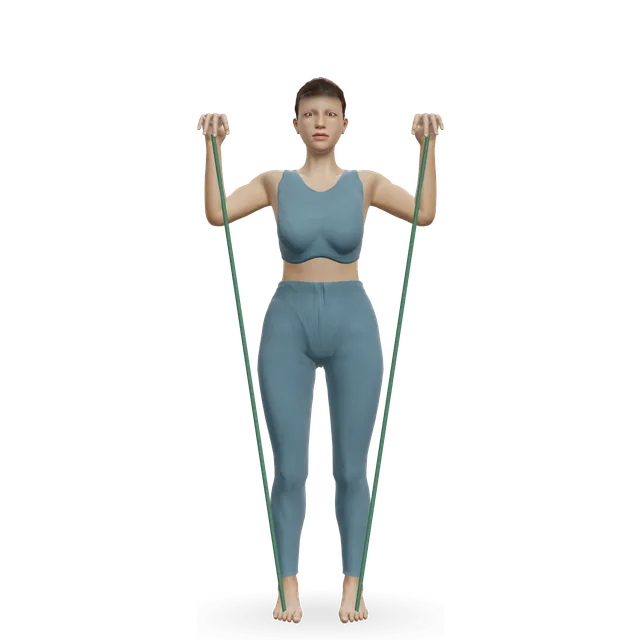
Exercise guide

Exercise with type 1 diabetes: keeping blood sugar steady before, during and after

Exercise is as good for people with type 1 diabetes as for anyone, and you can do any sport you like. What's different is blood sugar. Steady exercise such as walking or cycling usually lowers it, hard bursts such as sprints and heavy lifting can raise it, and the chance of a low stays higher for at least 24 hours afterwards, especially overnight.

This guide gives the numbers from the international exercise consensus and UK guidance: the glucose to aim for before you start, carbohydrate during and after, when ketones mean don't exercise, how to treat a low, and how to use a CGM (continuous glucose monitor) or closed loop around exercise. Insulin changes are part of exercising with type 1, but you make them with your diabetes team, never on your own.

The short version

You can do any exercise, at any level

Adults with type 1 are advised the same amounts as everyone: at least 150 minutes a week of moderate to vigorous activity, spread over at least 3 days, and strength exercise 2 to 3 times a week. Children and teenagers need 60 minutes or more a day. NICE says children and young people can take part in all forms of exercise with the right insulin and food plan, and the international children's diabetes guideline (ISPAD) says type 1 shouldn't stop anyone taking part in PE or sport.

Sources 1, 2, 3

Different exercise moves blood sugar differently

Steady aerobic exercise usually lowers glucose, because injected insulin can't be switched off. Sprints, heavy lifting, HIIT (high-intensity interval training) and competition can make it rise. In 497 adults exercising at home, glucose fell on average by about 1.0 mmol/L (18 mg/dL) in aerobic sessions, 0.8 in interval sessions and 0.5 in strength sessions, but single sessions varied a lot.

Sources 4, 3, 5

Before you start

The international consensus suggests starting aerobic exercise at 7 to 10 mmol/L (126 to 180 mg/dL). Below 5 mmol/L (90 mg/dL), it advises 10 to 20 g of glucose and waiting until you're above 5. Below 4 mmol/L is a hypo: treat it first, and Diabetes UK says don't exercise at 4 mmol/L or lower. Above 15 mmol/L (270 mg/dL) for no clear reason, check ketones before you start.

Sources 4, 6, 7

The risk of a low lasts after you stop

Hypo risk stays raised for at least 24 hours after exercise. Night-time lows are commonest after afternoon or evening exercise, often 6 to 15 hours later. In 496 adults, 15.6% of nights after an exercise day had a low, against 13.1% after a rest day.

Sources 4, 8, 9

Insulin: plan it with your diabetes team

The guidelines describe lowering mealtime insulin before exercise, lowering pump insulin, changing overnight insulin after evening exercise and setting a closed-loop exercise target 1 to 2 hours beforehand. How much depends on the person, so your diabetes team works out the amounts with you. Never change your insulin doses on your own.

Sources 4, 3, 10

A CGM helps, but it lags

During exercise the sensor can run 12 to 24 minutes behind your blood. Set the low alert higher, at 5.6 mmol/L (100 mg/dL), as you start, look every 15 to 30 minutes, and check with a finger-prick if a reading doesn't match how you feel.

Sources 8, 3

What exercise does to your blood sugar

Without diabetes

In almost any exercise, blood glucose stays in a tight range of about 4 to 6 mmol/L. Insulin falls and the liver releases glucose to match what the working muscles take up, and working muscle can take up glucose without needing insulin.

Source 4

With type 1

Injected insulin can't fall when you start exercising, so the liver releases too little glucose while the muscles take up a lot. Without extra carbohydrate or a planned change to insulin, most people have a hypo within about 45 minutes of aerobic exercise. With too little insulin on board, for example after a missed dose, the opposite can happen: glucose climbs and ketones build.

Sources 4, 3

Hard efforts work the other way

In sprints, heavy lifting, HIIT and competition, stress hormones such as adrenaline make the liver release glucose faster than the muscles use it, so glucose holds steady or rises, sometimes for hours. The usual patterns, from ISPAD's guideline:

  • Steady aerobic exercise (walking, running, cycling, rowing, swimming): usually falls.
  • Sports with short bursts (football, basketball, cricket, handball, martial arts): falls less, or stays steady.
  • Activities with longer bursts (strength training, circuits, gymnastics, sprint training): steady or rises.
  • All-out efforts lasting seconds to minutes (short races, powerlifting): rises.
  • Competition: often rises with nerves and stress.
  • Yoga, tai chi and Pilates: little effect, says Breakthrough T1D.

Sources 4, 3, 11

After exercise

Muscles refill their sugar stores and can stay more sensitive to insulin for up to 24 to 48 hours, so lows can come late. In teenagers, the glucose needed to stay steady rose during and soon after afternoon exercise, then again 7 to 11 hours later. A hypo in the day or two before exercise blunts the body's warning signs and rescue hormones, which makes another one more likely.

Sources 4, 12, 3

Why many people with type 1 hold back

Fear of hypos is the strongest barrier to exercise in adults with type 1. The consensus notes that in a large German and Austrian registry, about 60% of adults with type 1 did no structured exercise at all. Knowing how to prevent and treat lows is linked with feeling fewer barriers.

Sources 13, 4

Differences between people

Responses vary more between people, and from day to day in the same person, than between groups, and much of what's known comes from studies of relatively young, fit men. In 91 women and 91 men, women's glucose fell a little less in their own sessions, and glucose ran slightly higher late in the menstrual cycle in 179 women: small differences. Older people with type 1 have a higher risk of severe hypos around exercise, so higher targets can be used.

Sources 4, 3, 14, 15, 16, 8

What the evidence says

Most of the safety numbers on this page come from expert consensus built on small studies. The trials of exercise itself are small and short.

HbA1c in adults: a small, uncertain fallMixed evidence

HbA1c is a measure of average blood sugar over the past 2 to 3 months. In a review of 6 trials with 323 adults, HbA1c fell by 0.78 percentage points in the 4 trials that measured it, and the authors judged the trials too few and too weak to be sure. A review of 68 studies found a fall of 0.29 points, and a review of 14 trials (452 people) found 0.52, more when programmes matched sports medicine guidance. The American Diabetes Association calls the adult data "somewhat unclear".

Sources 17, 18, 19, 1

HbA1c in young peopleEmerging evidence

In 14 trials with 509 children and teenagers, exercise programmes lowered HbA1c by 0.62 percentage points, with larger falls in programmes of 24 weeks or more, sessions of 60 minutes or more, and combined or high-intensity training. ISPAD expects a fall of about 0.3 to 0.5 percentage points with regular activity.

Sources 20, 3

Health and long life: encouraging linksEmerging evidence

In 18,028 adults with type 1, those active more than twice a week had lower HbA1c, less ketoacidosis, lower blood pressure and healthier blood fats, and less damage to the eyes and kidneys, without more severe hypos. In 2,639 adults followed for about 11 years, more leisure-time activity was linked with a lower risk of dying early, including in people with kidney disease. These are links in observational studies, not proof that exercise caused them.

Sources 21, 22

How each kind of exercise moves glucoseEmerging evidence

In 497 adults assigned to aerobic, interval or strength sessions at home, glucose fell on average by about 1.0 mmol/L (18 mg/dL), 0.8 (14) and 0.5 (9) respectively, with similar results on closed loop, pumps and injections. Time in range was higher over the 24 hours after exercise (76% against 70%), and the American Diabetes Association notes that all three types improved it.

Sources 5, 1

Weights before cardio: one small trialEmerging evidence

In 12 active adults, 45 minutes of weights before 45 minutes of running kept glucose higher and steadier during the session than running first (9.2 against 5.5 mmol/L after the first 45 minutes). Lows afterwards were shorter on average (48 against 105 minutes), but that difference could have been chance.

Source 23

Strength sessions on their ownEmerging evidence

In 12 adults, a strength session lowered glucose less during the session than a run did, but glucose was lower 4.5 to 6 hours afterwards. Keep checking after weights too.

Source 24

A 10-second sprintEmerging evidence

In 7 young men, one 10-second all-out sprint after 20 minutes of moderate cycling stopped glucose falling for 2 hours, while resting didn't. The consensus lists a short sprint as an option that may lower hypo risk, but the evidence is very small.

Sources 25, 4

Night-time lows after exerciseStrong evidence

In 50 children aged 11 to 17, overnight hypos happened on the exercise night only in 26% and on the rest night only in 6%. In teenagers, glucose needs rose again 7 to 11 hours after afternoon exercise. The CGM statement says lows typically come 6 to 15 hours after exercise.

Sources 26, 12, 8

Night-time lows in adults, and closed loopEmerging evidence

In 496 adults over 12,340 nights, 15.6% of nights after an exercise day had a low, against 13.1% after a rest day. The risk was higher after a lot of time below range in the previous 24 hours. Closed-loop users had about half the rate of night-time lows of people on standard pumps or injections, a comparison between groups rather than a trial.

Source 9

How much exercise

The amounts are the same as for people without diabetes. The difference is the planning around them.

Adults

The American Diabetes Association advises 150 minutes or more a week of moderate to vigorous aerobic activity, spread over at least 3 days with no more than 2 days in a row without activity, plus strength exercise on 2 to 3 non-consecutive days a week. Its evidence grade for these is lower for type 1 than for type 2, because fewer studies have looked at type 1. NICE asks clinicians to tell adults with type 1 that activity can lower their raised risk of heart disease.

Sources 1, 27

Fitter people, older people and sitting

For fitter people, at least 75 minutes a week of vigorous or interval training may be enough. Older adults are advised flexibility and balance training 2 to 3 times a week, and everyone is advised to break up long spells of sitting at least every 30 minutes.

Source 1

Children and teenagers

60 minutes or more a day of moderate or vigorous activity, with muscle- and bone-strengthening activities on at least 3 days a week, and less time sitting and on recreational screens. NICE asks teams to encourage regular exercise and to explain how it affects blood glucose and how to avoid lows and highs.

Sources 1, 3, 2

HIIT

The American Diabetes Association notes that weeks of HIIT lowered HbA1c and insulin needs and improved heart risk markers in type 1. A hard session can push glucose up for a while, and lows can still follow later, so plan hard sessions with your team.

Sources 1, 4

Our editorial starting point

If you're inactive, start with 10 to 20 minutes of walking or cycling at a pace where you can talk but not sing, at the same time of day for a couple of weeks. Check your glucose before, every 15 to 30 minutes during and after, so you learn your own pattern, and keep a log for your diabetes team. Then add two short strength sessions a week and lengthen the walks.

Sources 11, 6, 8

Before you start

These are the published starting points. Your diabetes team will set your own targets and carbohydrate amounts with you.

The consensus starting ranges (adults)

The 2017 international consensus (Riddell and colleagues) gives these starting points for blood glucose at the start of exercise. A reasonable range for aerobic exercise is 7 to 10 mmol/L; anaerobic exercise and HIIT can start from 5 mmol/L.

  • Below 5.0 mmol/L (90 mg/dL): take 10 to 20 g of glucose before starting, and delay exercise until your glucose is above 5 mmol/L, watching closely for a hypo.
  • 5.0 to 6.9 mmol/L (90 to 125 mg/dL): take 10 g of glucose before starting aerobic exercise. Anaerobic exercise and HIIT can start.
  • 7.0 to 10.0 mmol/L (126 to 180 mg/dL): aerobic exercise can start. Anaerobic exercise and HIIT can start, but glucose may rise.
  • 10.1 to 15.0 mmol/L (181 to 270 mg/dL): aerobic exercise can start. Anaerobic exercise can start, but glucose may rise.
  • Above 15.0 mmol/L (270 mg/dL): if it isn't explained by a recent meal, check blood ketones. Under 0.6 mmol/L (or urine ketones under 2+): mild to moderate aerobic exercise can start, checking glucose during it; start intense exercise only with caution, as it may push glucose higher. Up to 1.4 mmol/L: light exercise only, for under 30 minutes, after dealing with the ketones as your team's plan says. 1.5 mmol/L or more: don't exercise, and follow your team's ketone plan straight away.

Source 4

What the ranges don't cover

The consensus says these carbohydrate amounts are only for a stable start. Aerobic sessions longer than 30 minutes will need more (see during exercise below), and more is needed if there's a lot of insulin on board when you start. Which way your glucose is heading matters too, so look at the trend as well as the number.

Source 4

Diabetes UK's simpler guide

Diabetes UK suggests blood sugar should ideally be between about 5.6 and 12 mmol/L before exercise. It says don't exercise at 4 mmol/L or lower, or 3.5 mmol/L or lower if you use any kind of insulin pump. With a hybrid closed loop, it suggests using the activity or temporary target setting for about 90 minutes before and during exercise. If you're high and don't know why, and you've been taught to test ketones, test them.

Source 6

Children and teenagers

The CGM statement suggests children start exercise from 5.0 mmol/L, ideally at 7.0 to 10.0, or higher for a child with more hypo risk or less exercise experience. NICE says children should have extra carbohydrate if their glucose is below 7 mmol/L before exercise. ISPAD gives carbohydrate amounts by body weight (for example 0.2 to 0.5 g per kg at 7.0 to 10.0 mmol/L before exercise that usually lowers glucose); your child's diabetes team will turn these into grams for your child.

Sources 8, 3, 2

Checks before you start

  • No exercise within 24 hours of a severe hypo (one where you needed help from someone else). After a milder hypo in the last day, take extra care and try not to exercise alone.
  • Carry your meter or CGM reader, fast-acting sugar and diabetes ID, and take a blood ketone meter to long or hard sessions.
  • Set your CGM low alert to 5.6 mmol/L (100 mg/dL) as you start, and switch on the rate-of-change and predicted-low alerts.
  • Hypo risk is lower with little mealtime insulin on board, for example when your last meal was 3 or more hours ago. Exercise before breakfast tends not to drop glucose much and may raise it.
  • Inject away from the muscles you're about to work, because exercise speeds up absorption from working muscle.
  • Avoid alcohol before and during exercise: it raises the risk of lows, including overnight.

Sources 4, 3, 6, 28, 8, 10

During and after exercise

Plan your carbohydrate amounts with your diabetes team. The figures below are the published starting points.

Targets and checks

During exercise, aim for 5.0 to 10.0 mmol/L (90 to 180 mg/dL), ideally 7.0 to 10.0 for long aerobic sessions. Look at your CGM every 15 to 30 minutes; Breakthrough T1D suggests checking every 20 to 30 minutes if you can. For children, the CGM statement suggests checks every 15 minutes, with parents watching remotely.

Sources 8, 11

Carbohydrate by session length (adults)

The consensus amounts for preventing hypos when there's little insulin on board, with the amounts for a lot of insulin on board in brackets:

  • Up to 30 minutes: 10 to 20 g only if you're below 5 mmol/L (15 to 30 g may be needed).
  • 30 to 60 minutes at low to moderate intensity: small amounts, 10 to 15 g an hour (up to 15 to 30 g every 30 minutes). Short, hard sessions usually need none unless you're below 5 mmol/L.
  • 60 to 150 minutes: 30 to 60 g an hour (up to 75 g an hour).
  • Over 150 minutes: 60 to 90 g an hour spread across the activity, for example 20 to 30 g every 20 minutes, mixing glucose and fructose.
  • If insulin was lowered for the session, as little as 15 to 20 g an hour may prevent a hypo, though that may be too little to perform well.

Source 4

Using your CGM arrows

For adults at low hypo risk, the CGM statement suggests having carbohydrate when glucose reaches 7.0 mmol/L (126 mg/dL): 10 to 15 g with a flat arrow, 15 to 25 g with a slightly falling arrow and 20 to 35 g with a falling arrow. Repeat about every 15 to 20 minutes as needed, and have more if glucose isn't rising after 30 minutes. The statement suggests fast-acting carbohydrate that is mainly glucose, such as glucose drinks, tablets or gels.

Source 8

On a closed loop

Set the exercise or activity target 1 to 2 hours before activity that usually lowers your glucose: this is the best-supported step (grade A). If glucose still drops below 7.0 mmol/L, the 2025 statement suggests small amounts of fast carbohydrate without telling the system: 3 to 6 g with a flat arrow, 6 to 9 g slightly falling, 9 to 12 g falling and 12 to 20 g falling fast. Too much causes a rebound high. Carbohydrate eaten well before exercise can trigger extra automatic insulin, so ISPAD suggests taking it within 5 to 10 minutes of starting.

Sources 10, 3

Stop and treat

Adults should stop if glucose drops below 3.9 mmol/L (70 mg/dL), treat it, and restart once it's back near 4.4 mmol/L (80 mg/dL) with a flat or rising arrow. If it went below 3.0 mmol/L (54 mg/dL), don't restart that session. For children, the statement stops exercise below 5.0 mmol/L and restarts at 5.0 with a flat or rising arrow.

Source 8

Drinks

Water is enough for short, easy sessions of up to about 45 minutes if your glucose is 7 mmol/L or above. Sports drinks with 6 to 8% carbohydrate suit longer, harder sessions, but too much can push glucose up.

Source 4

The 90 minutes after

Aim for 4.4 to 10.0 mmol/L (80 to 180 mg/dL), with a higher floor of 5.0 or 5.6 if you're at higher risk of hypos. If you reach about 4.4 with a flat arrow, the statement suggests about 10 g of carbohydrate; with a slightly falling arrow, 15 g.

Source 8

Highs after hard sessions

A rise after hard exercise is common and usually settles. An easy 10 to 15 minute cool-down is often suggested, though it hasn't been tested. Over-correcting a high after exercise with insulin can cause a severe low later, often at night, so agree with your team how to handle highs after exercise.

Sources 3, 4, 1

Night-time lows

When the risk is highest

After afternoon or evening exercise, and after long or hard sessions. Lows typically come 6 to 15 hours after exercise, and Breakthrough T1D says often around 2 to 3am. ISPAD notes that 45 minutes of exercise at midday doesn't carry the same overnight risk, so exercising earlier in the day is one way to lower it.

Sources 8, 4, 11, 3

What helps

Set your CGM low alert at 4.4 mmol/L (80 mg/dL) overnight, or higher if your team suggests it, and treat at that point. With a flash sensor, scan at least once between midnight and 3am. Diabetes UK suggests keeping hypo treatment by your bed. The guidelines also describe overnight insulin changes and a bedtime snack, but a snack alone doesn't remove the risk: these are decisions to make with your team.

Sources 8, 29, 4

Signs you went low in the night

Waking very tired or with a headache, or a higher reading than expected in the morning, can mean a night-time hypo. Tell your team if this happens after exercise days. Drinking alcohol makes night-time lows more likely too.

Sources 29, 4

Ketones: when not to exercise

Ketones build when there isn't enough insulin. Exercise then pushes glucose and ketones higher, which can lead to DKA (diabetic ketoacidosis), an emergency.

Blood ketones: what the levels mean

The NHS meanings, with the exercise rules from the consensus and ISPAD:

  • Under 0.6 mmol/L: normal. Exercise is fine if you feel well.
  • 0.6 to 1.5 mmol/L: slightly high; the NHS says test again in 2 hours, and call your diabetes care team or NHS 111 if you feel unwell. Sort it out before exercising, following your team's plan: the consensus allows light exercise only, for under 30 minutes, up to 1.4 mmol/L, and ISPAD says young people should wait until ketones are back to normal.
  • 1.5 mmol/L or more: don't exercise. The NHS says 1.6 to 3 mmol/L means you're at risk of DKA: call your diabetes care team now or get help from NHS 111, even if you feel well.
  • Over 3 mmol/L: the NHS says this is high and you may have DKA: call 999 or go to A&E.
  • Urine strips: ISPAD says don't exercise at 2+ or more, and the NHS says over 2+ is high: call 999 or go to A&E.

Sources 30, 4, 3

When to check

Check blood ketones before exercise if your glucose is above 15 mmol/L (270 mg/dL) and there's no obvious reason such as a recent meal. The NHS also says to check your glucose if you have any symptoms of DKA and, if it's high, test for ketones if you can.

Sources 4, 30

Symptoms of DKA (NHS)

Symptoms usually develop over 24 hours, but can come faster:

  • Feeling thirsty and needing to pee more often.
  • Stomach pain, feeling sick or being sick, or diarrhoea.
  • Breathing more deeply than usual, or breath that smells fruity (like pear drop sweets or nail polish remover).
  • Feeling tired, sleepy or confused, or blurred vision.

Source 30

Other times not to exercise

Within 24 hours of a severe hypo; with an infection or a new injury, which push glucose up; and no vigorous exercise when you're ill. If you take a pump off for sport, agree with your team how long it can stay off and what to do if it's off longer, because ketones can build without insulin.

Sources 4, 3, 6

Insulin: plan it with your diabetes team

Never change your insulin doses on your own. If you think a dose may need to change for exercise, talk to your diabetes team.

What the guidelines describe

These are the kinds of change the exercise guidelines describe. The amounts differ from person to person, so they're worked out with your team and written into your plan:

  • A planned reduction in mealtime insulin for a meal eaten within about 2 hours before aerobic exercise, sized to the type, length and intensity of the session.
  • On a pump, a temporary lower rate started before exercise. On injections, the consensus says background insulin isn't usually reduced, except for unusually active days such as camps or tournaments.
  • After exercise, a smaller dose with the next meal, and an overnight change after afternoon or evening sessions.
  • Short, hard exercise that pushes glucose up may need no reduction at all.
  • On a closed loop, keeping it in automatic mode and setting the exercise target 1 to 2 hours before.

Sources 4, 3, 10

Why never on your own

Responses vary widely between people and from day to day. Mistakes are dangerous both ways: over-correcting a high after exercise can cause a severe low at night, and too little insulin lets ketones build. ISPAD describes every published plan as a starting point, adapted by trial and error with your team.

Sources 4, 3

What to ask your team for

Ask for an exercise plan for the activities you actually do, covering insulin and food before, during and after, and for the 24 hours afterwards: NICE asks teams to give adults this information. Bring a short log of sessions, or your CGM and pump data. The NHS mentions structured education courses such as DAFNE (Dose Adjustment for Normal Eating).

Sources 27, 28, 11

CGM and closed loop

Getting a CGM in the UK

NICE recommends offering adults with type 1 a choice of real-time CGM or flash monitoring (intermittently scanned CGM), and offering real-time CGM to all children and young people with type 1. The NHS says you should be given a continuous glucose monitor.

Sources 27, 2, 28

Its limits in exercise

At rest the sensor lags about 5 minutes behind your blood; when glucose changes fast during exercise the lag can reach 12 to 24 minutes or more, and readings are less accurate in a hypo. Trend arrows show the direction. Confirm with a finger-prick near a threshold, or when a reading doesn't match how you feel.

Sources 8, 3

Closed loop around exercise

Systems call the higher target "exercise", "activity", "temp target" or "ease-off". Setting it 1 to 2 hours before activity is the best-supported step. In a large study of 496 adults (T1DEXI), closed-loop users had about half the rate of night-time lows of people on standard pumps or injections.

Sources 10, 3, 9

Sharing your readings

You can share live readings with a partner, parent or coach. Parents and carers who follow a child's readings remotely report less worry and stress.

Source 8

If you go low

Treat it straight away (NHS)

Symptoms include feeling hungry, dizzy, anxious or irritable, sweating, shaking, tingling lips, palpitations, feeling tired or weak, blurred vision and confusion. If you have symptoms or your blood sugar is below 4 mmol/L (72 mg/dL), the NHS says:

  • Eat or drink something that will raise your blood sugar quickly, such as a small glass of fruit juice or sugary fizzy drink, 5 glucose or dextrose tablets, 4 large jelly babies or 2 tubes of glucose gel.
  • Check your blood sugar after 10 to 15 minutes.
  • If it's still below 4 mmol/L, have another sugary drink or snack and check again after 10 minutes.
  • Once your symptoms have improved and your blood sugar is above 4 mmol/L, eat something that will keep it up for longer, such as some biscuits, a sandwich or your next meal if it's due.

Source 7

Diabetes UK's version

Diabetes UK puts it as 15 to 20 g of fast-acting carbohydrate, such as five glucose tablets or a small carton of fruit juice (200 ml), then rest for 10 to 15 minutes and recheck. Then have 15 to 20 g of slower-acting carbohydrate, or your next meal if it's due. Some people on pumps or a hybrid closed loop don't usually need the slower snack, so ask your team.

Source 29

Children

Children need less. NICE suggests 10 to 20 g of fast-acting glucose (a drink may be easier to swallow), given in small amounts if your child is being sick, and rechecking within 15 minutes. Your child's diabetes team will tell you the right amount.

Sources 2, 29

During exercise

Stop, treat it, and restart only once glucose is back near 4.4 mmol/L for adults or 5.0 for children, and steady or rising. Don't restart that session if it went below 3.0. On a closed loop, the 2025 statement suggests around 12 to 20 g, because more can cause a rebound high.

Sources 8, 10

A severe hypo

If someone becomes unconscious, don't give them food or drink. Put them in the recovery position and give a glucagon injection straight away if one is available and you know how to use it. Call 999 if glucagon isn't available, if they haven't recovered within 10 minutes of it, or if they've been drinking alcohol.

Source 7

Steady cardio

Glucose usually falls with these, so start with 10 to 20 minutes at a talk-but-not-sing pace, check every 15 to 30 minutes and carry fast-acting sugar (our editorial starting point).

Strength

2 to 3 sessions a week on non-consecutive days (American Diabetes Association), starting with 2 sets of 8 to 12 and stopping 2 to 3 reps short of failure, as in our 20-minute strength workout; breathe out on each effort, and keep the weights moderate with no breath-holding if you have proliferative retinopathy.

Hard and fast

For people already used to hard training: glucose may rise during these and still fall later, often overnight, so plan them with your diabetes team.

Workouts to follow

The weights-then-cardio workout puts strength first, which kept glucose steadier in one small trial, and builds in glucose checks; the easy cardio workout is the simplest way to learn your own pattern.

Weights then cardio: a steadier-glucose workout

Strength moves first, then 20 to 30 minutes of steady cardio, with glucose checks built in. In one small type 1 diabetes trial, weights first kept glucose steadier.

45 minBeginner11 movesA dumbbell, A bench or box

Easy cardio workout

A steady 30 to 45 minute cardio session at talk-but-not-sing pace: walk, cycle, row or cross-train, counting toward weekly activity guidelines.

40 minBeginner3 movesCardio machine, A wall

20-minute full-body strength workout

A 20-minute full-body dumbbell workout: two supersets of squats, rows, Romanian deadlifts and push-ups. Twice a week covers the minimum dose.

20 minBeginner8 movesA dumbbell, A bench or box

Beginner home workout

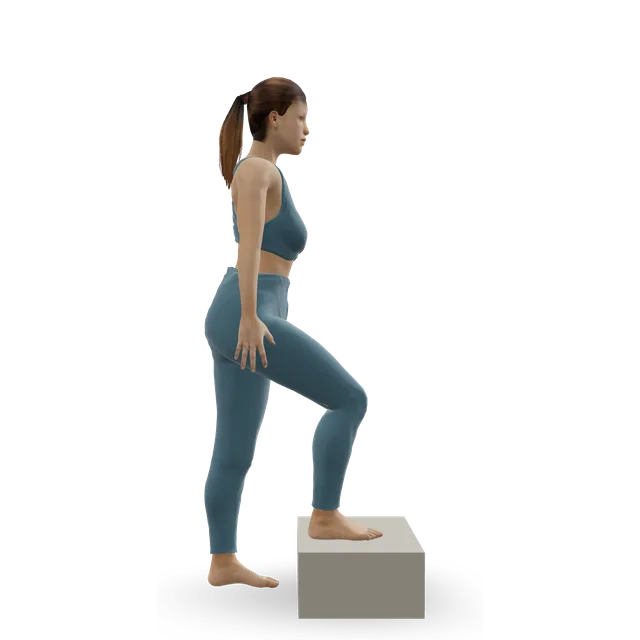
A gentle 20-minute beginner home workout with a chair, a wall and a band: sit-to-stands, wall push-ups, band rows, step-ups and dead bugs.

20 minBeginner11 movesA bench or box, A wall

Resistance band workout

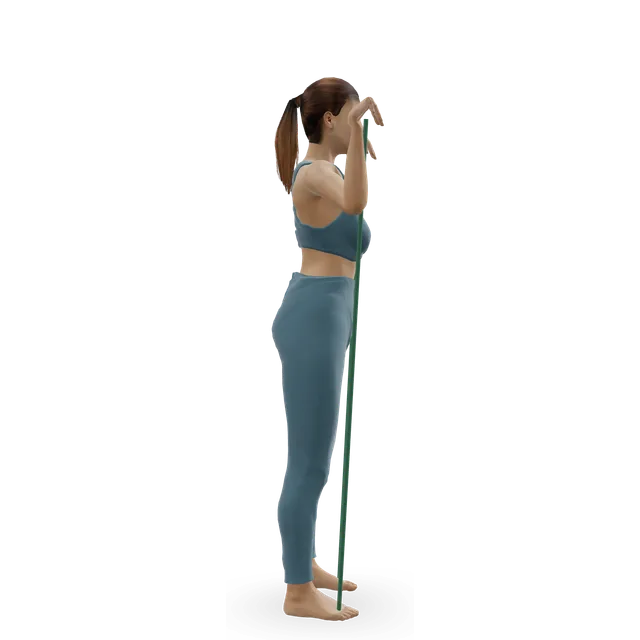
A full-body resistance band workout: squats, presses, pull-aparts, band walks, good mornings and flyes.

25 minBeginner7 movesA band, An anchor point

Strength and balance workout

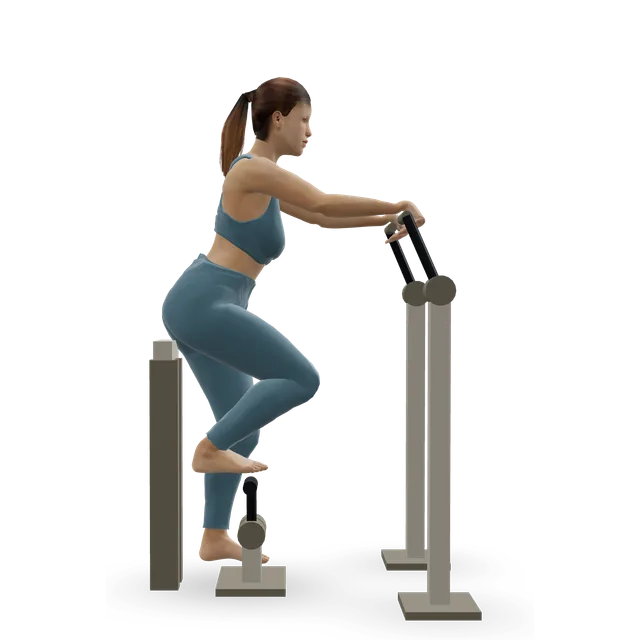
Strength and balance in one session: squats, Romanian deadlifts, push-ups, rows, step-ups, back extensions, carries and single-leg balance.

45 minBeginner14 movesA wall, A dumbbell

Build-up interval walk

A 25-minute walk with short faster bouts: notice your heart and breathing speed up, then settle. A gentle way to get used to the feelings of effort.

25 minBeginner5 movesCardio machine, A wall

Cardio intervals workout

A 25-minute interval session on a bike or rower: one-minute hard efforts with two minutes easy, building from 4 to 8 rounds.

25 minIntermediate1 movesCardio machine

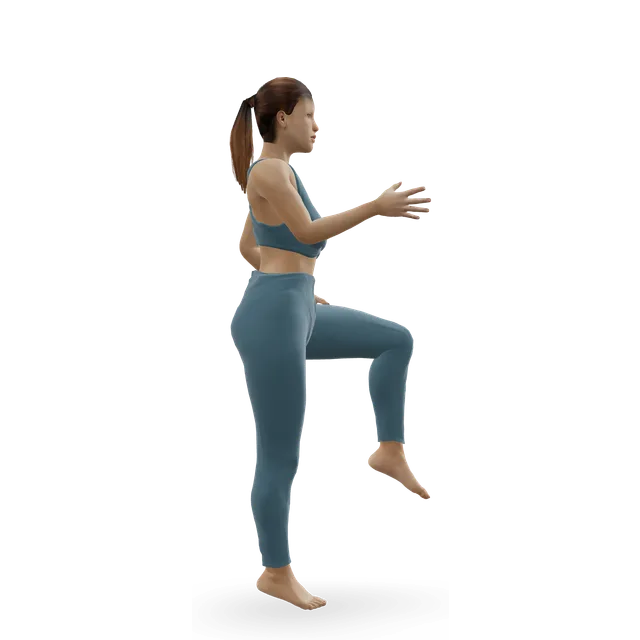
10-minute dynamic warm-up

A 10-minute warm-up for any workout: raise your heart rate, move each joint through its range, rehearse the main movements, then ramp up to your first lift.

10 minBeginner12 movesA wall, A band

Follow a plan

New to exercise? Start with the beginner plan. Plan your insulin and food for each kind of day with your diabetes team.

Sport, long events, water and weather

Long events

For events longer than 2.5 hours, the consensus suggests 60 to 90 g of carbohydrate an hour, mixing glucose and fructose. Up to 75 g an hour has been used in races without upsetting glucose when insulin was adjusted, which is a plan to make with your team. Take a blood ketone meter to long or hard events.

Sources 4, 10

Competition

Nerves and stress hormones often push glucose up before and during an event, with lows later. Practise your routine in training, and agree with your team how to handle a high before a race rather than correcting it hard on the day.

Sources 3, 10

Water

In water, the sensor and a closed-loop system can lose contact, some pumps need taking off, and a hypo in the water must be avoided. Keep fast-acting sugar at the side. Scuba diving needs a specialist plan.

Sources 10, 3

Heat, cold and altitude

Heat speeds up insulin absorption and raises hypo risk. Cold can stop meters and sensors working, so keep them and your gels warm. Altitude can affect meter readings and how you feel.

Sources 3, 10

Driving afterwards

Check your blood sugar before driving, including after exercise. After a hypo, the NHS says don't drive for at least 45 minutes after your blood sugar is back to normal.

Source 7

Children with type 1

Our guide to exercise for children has the activity guidelines by age.

Join in like any other child

Children with type 1 need the same 60 minutes a day as other children, and ISPAD says they should take full part in PE. NICE says they can take part in all forms of exercise with attention to insulin and food, and asks families to check glucose before and after exercise to learn the patterns and spot lows that come hours later.

Sources 3, 2, 1

School

A care plan for PE and sport, shared with teachers and coaches, makes it work. In England, schools must have arrangements to support pupils with medical conditions, and statutory guidance says schools should actively support them to take part in sport and not prevent them.

Sources 3, 31

Monitoring

ISPAD strongly recommends a CGM during exercise for children and teenagers (grade A), because the signs of a low can be hard to spot. Parents can follow the readings remotely, and the CGM statement suggests checks every 15 minutes during exercise.

Sources 3, 8

Play and after-school sport

Bursts of play under 15 minutes, such as a trampoline or playtime, rarely cause lows. Longer play is different: in a study of 50 young people walking on a treadmill, half dropped by more than 2 mmol/L between 15 and 30 minutes, so plan fast-acting carbohydrate for longer play. Sport after 4pm lasting 30 minutes or more raises the overnight risk, while 45 minutes at midday doesn't carry the same risk.

Source 3

Warning signs, and when to get help

Call 999 or go to A&E

  • Someone with a hypo is unconscious or not responding normally, and glucagon isn't available or hasn't worked within 10 minutes, or they've been drinking alcohol.
  • Blood ketones over 3 mmol/L or urine ketones over 2+, or symptoms of DKA when you don't know your ketones (thirst, peeing more, sleepiness or confusion, fruity-smelling breath). Don't drive yourself.
  • Chest pain that feels tight or squeezing or spreads to your arms, neck or jaw, severe difficulty breathing, or someone collapsing and not responding normally.
  • Fainting while exercising.

Sources 7, 30, 32, 33

Call your diabetes team now, or NHS 111

  • Blood ketones of 1.6 to 3 mmol/L, even if you feel well, or 0.6 to 1.5 and you feel unwell.
  • High blood sugar that isn't coming down with your usual insulin treatment.
  • Chest pain with feeling sick, or a racing, skipping or fluttering heartbeat, or suddenly being more short of breath than usual.

Sources 30, 32

See your GP or diabetes team

  • Frequent hypos, a severe hypo, hypos at night, or not always noticing when you're going low.
  • Regular lows or highs around exercise despite your plan, or before taking up a new sport or a much harder level: ask for an exercise plan.
  • Before vigorous or heavy exercise if you have unstable eye damage (proliferative retinopathy), kidney failure, or nerve damage that affects your heart rate or blood pressure. Our type 2 diabetes guide covers feet and eyes.
  • Any faint, even if you feel fine afterwards.
  • Planning a pregnancy: speak to your diabetes team first.

Sources 7, 4, 3, 33

Myths

"People with type 1 shouldn't do hard exercise or competitive sport"Strong evidence

NICE says children and young people with type 1 can take part in all forms of exercise with the right insulin and food planning, and ISPAD says type 1 shouldn't stop anyone taking part. The limits are temporary, such as a severe hypo in the last day, high ketones or illness, or come from complications.

Sources 2, 3, 4

"Exercise always lowers blood sugar"Strong evidence

Steady aerobic exercise usually does, but sprints, heavy lifting, HIIT and competition can raise it. In 497 adults, strength sessions lowered glucose about half as much as aerobic ones.

Sources 4, 3, 5

"Once the session's over, the hypo risk is over"Strong evidence

Hypo risk stays raised for at least 24 hours. In teenagers, glucose needs rose again 7 to 11 hours after afternoon exercise, and most late lows come overnight.

Sources 4, 12, 8

"A bedtime snack is enough to prevent a night-time low"Emerging evidence

The consensus says a snack alone doesn't appear to remove the risk. Night-time alerts, the timing of exercise and the overnight plan you make with your team matter too.

Sources 4, 8

"My CGM reading during exercise is the same as my blood sugar"Strong evidence

When glucose is changing fast, the sensor can lag 12 to 24 minutes behind your blood. Confirm a low with a finger-prick if it doesn't match how you feel.

Sources 8, 3

"Exercise will bring my HbA1c down a lot"Mixed evidence

In adult trials the effect is small and uncertain. Exercise is worth doing for fitness, heart health, strength and mood, and insulin, carbohydrate counting and technology do the main work on HbA1c.

Sources 17, 18, 1

"High? Go for a run to bring it down"Strong evidence

Not if ketones are raised: above 15 mmol/L without a clear reason, check ketones first, and don't exercise at 1.5 mmol/L or more. When ketones aren't raised, ISPAD says 15 to 45 minutes of moderate walking or cycling between meals safely lowers glucose above 10.5 mmol/L in young people.

Sources 4, 3

"With a closed loop, I don't need to plan"Emerging evidence

Setting the exercise target 1 to 2 hours beforehand is the best-supported step (grade A), and small top-ups of carbohydrate may still be needed. In a large study, closed-loop users had fewer night-time lows after exercise, but they still had some.

Sources 10, 9

Questions people ask

Can you exercise with type 1 diabetes?

Yes, at every level, from walking to competitive sport. The amounts are the same as for anyone: about 150 minutes a week of moderate to vigorous activity plus strength work 2 to 3 times a week for adults, and an hour a day for children. What's different is planning your glucose, food and insulin around it with your diabetes team.

What should my blood sugar be before exercise with type 1 diabetes?

The international consensus suggests 7 to 10 mmol/L (126 to 180 mg/dL) for aerobic exercise such as walking or cycling, and strength or interval sessions can start from 5. Below 5, it advises 10 to 20 g of glucose and waiting until you're above 5; below 4 is a hypo to treat first, and Diabetes UK says don't exercise at 4 or lower. Above 15 for no clear reason, check ketones before you start. Diabetes UK's simpler guide is about 5.6 to 12 mmol/L, and your team will set your own targets.

Why does my blood sugar go up after exercise?

Short, hard efforts such as sprints, heavy lifting, HIIT and matches release stress hormones that make the liver release glucose faster than your muscles use it. It's a normal response and often settles, but glucose can still drop later, including overnight. Ask your team how to handle highs after exercise, because over-correcting them can cause a bad low.

Why do I go low hours after exercise, or in the night?

Your muscles refill their sugar stores and can stay more sensitive to insulin for up to 24 to 48 hours. The risk is highest overnight after afternoon or evening exercise, often 6 to 15 hours later. Set your CGM low alert at night (for example at 4.4 mmol/L), keep hypo treatment by the bed, and agree any overnight insulin or snack plan with your team.

How many carbs do I need for exercise?

It depends on how long and hard you go and how much insulin is on board. The consensus suggests 10 to 15 g an hour for 30 to 60 minutes of easy to moderate exercise, 30 to 60 g an hour for 1 to 2.5 hours, and 60 to 90 g an hour for longer events, with more if you have a lot of insulin on board. With a CGM, small top-ups as glucose drifts down towards 7 mmol/L work well, and your team can help you tailor the amounts.

Should I reduce my insulin before exercise?

Often, yes, but only as part of a plan worked out with your diabetes team. The guidelines describe lowering mealtime insulin before exercise, lowering pump insulin or adjusting overnight insulin after evening exercise, and the right amount differs from person to person. Never change your doses on your own: ask your team for an exercise plan and bring a log of your sessions or your CGM data.

When shouldn't I exercise with type 1 diabetes?

Not within 24 hours of a severe hypo, not with blood ketones of 1.5 mmol/L or more, and not with an infection or a new injury; avoid vigorous exercise when you're ill. Ketones of 0.6 to 1.4 need sorting out first, following your team's plan. Ketones over 3 mmol/L mean call 999 or go to A&E.

What is the best exercise for type 1 diabetes?

The one you enjoy and will keep doing. Steady cardio usually lowers glucose, strength training changes it less during the session, and interval training sits in between. Doing weights before cardio kept glucose steadier in one small trial, which is worth trying with your team's agreement.

Is weight training good for type 1 diabetes?

Yes. Adults are advised strength training 2 to 3 times a week, and glucose usually falls less during a weights session than during cardio. It can still be lower several hours later (4.5 to 6 hours afterwards in one small study), so keep checking. Breathe out on each effort, and avoid heavy straining if you have proliferative retinopathy.

How do I use my CGM when I exercise?

Set the low alert higher, at 5.6 mmol/L (100 mg/dL), as you start, and look at it every 15 to 30 minutes. The sensor can lag 12 to 24 minutes behind your blood when glucose is moving fast, so confirm a low with a finger-prick if it doesn't match how you feel. On a closed loop, set the exercise target 1 to 2 hours before you start.

What should I do if I go low during exercise?

Stop and treat it straight away: the NHS suggests something sugary such as a small glass of fruit juice or 5 glucose tablets, then a check after 10 to 15 minutes. Restart only when you're back near 4.4 mmol/L and steady, and not that session if you went below 3.0. Expect a higher risk of another low for the rest of the day and night.

Can children with type 1 diabetes do PE and sport?

Yes. NICE says they can take part in all forms of exercise, and in England schools should support them to join in. A care plan for school, a CGM with alerts that parents can follow, and carbohydrate based on body weight make it work. Long play or after-school sport raises the overnight risk, so plan for the evening and night.


Sources

  1. ADA Professional Practice Committee 2026 · Facilitating positive health behaviors and well-being: Standards of Care in Diabetes 2026, section 5 (Diabetes Care)
  2. NICE NG18 · Diabetes (type 1 and type 2) in children and young people: diagnosis and management (last updated May 2023)
  3. Adolfsson 2022 · Exercise in children and adolescents with diabetes (ISPAD clinical practice consensus guidelines, Pediatric Diabetes)
  4. Riddell 2017 · Exercise management in type 1 diabetes: an international consensus statement (Lancet Diabetes and Endocrinology; read as the accepted manuscript)
  5. Riddell 2023 · Glucose changes in aerobic, interval and resistance sessions in 497 adults: the T1DEXI study (Diabetes Care)
  6. Diabetes UK · Does exercise lower blood sugar levels? (reviewed November 2024)
  7. NHS · Low blood sugar (hypoglycaemia)
  8. Moser 2020 · Glucose management for exercise using continuous glucose monitoring in type 1 diabetes (EASD and ISPAD position statement, Pediatric Diabetes)
  9. Bisno 2026 · Night-time hypoglycaemia after exercise in 496 adults: the T1DEXI study (cohort, Diabetes Care)
  10. Moser 2025 · Automated insulin delivery around physical activity and exercise in type 1 diabetes (EASD and ISPAD position statement, Diabetologia)
  11. Breakthrough T1D UK · Exercise and type 1 diabetes
  12. McMahon 2007 · Glucose needs after afternoon exercise rise twice in teenagers with type 1 diabetes (Journal of Clinical Endocrinology and Metabolism)
  13. Brazeau 2008 · Barriers to physical activity in 100 adults with type 1 diabetes (Diabetes Care)
  14. Yardley 2018 · Could age, sex and physical fitness affect glucose responses to exercise in type 1 diabetes? (review, Frontiers in Endocrinology)
  15. Yardley 2025 · Sex differences in glucose and exercise self-management in active adults with type 1 diabetes (T1DEXI, Journal of Clinical Endocrinology and Metabolism)
  16. Li 2024 · Glucose across the menstrual cycle in 179 women with type 1 diabetes (T1DEXI, Canadian Journal of Diabetes)
  17. Yardley 2014 · Exercise training in adults with type 1 diabetes: 6 trials (systematic review and meta-analysis, Diabetes Research and Clinical Practice)
  18. De Cock 2024 · Physical activity and glucose control in type 1 diabetes: 68 studies (systematic review and meta-analysis, Diabetic Medicine)
  19. Cheng 2026 · Exercise following ACSM recommendations and glucose control in type 1 diabetes: 14 trials (meta-analysis, Diabetes, Metabolic Syndrome and Obesity)
  20. García-Hermoso 2023 · Exercise training and glucose control in young people with type 1 diabetes: 14 trials (meta-analysis, European Journal of Sport Science)
  21. Bohn 2015 · Physical activity, glucose control and heart risk factors in 18,028 adults with type 1 diabetes (cross-sectional study, Diabetes Care)
  22. Tikkanen-Dolenc 2017 · Physical activity and premature death in 2,639 people with type 1 diabetes, with and without kidney disease (cohort study, Diabetes Care)
  23. Yardley 2012 · Resistance exercise before or after aerobic exercise and glucose in type 1 diabetes (crossover trial of 12 adults, Diabetes Care)
  24. Yardley 2013 · Resistance versus aerobic exercise: effects on glucose in type 1 diabetes (crossover trial of 12 adults, Diabetes Care)
  25. Bussau 2006 · A 10-second maximal sprint to stop glucose falling after moderate exercise (trial of 7 men, Diabetes Care)
  26. Tsalikian 2005 · Exercise and overnight glucose in 50 children with type 1 diabetes (Journal of Pediatrics)
  27. NICE NG17 · Type 1 diabetes in adults: diagnosis and management (last updated August 2022)
  28. NHS · Living with type 1 diabetes
  29. Diabetes UK · Hypos (hypoglycaemia) (reviewed November 2024)
  30. NHS · Diabetic ketoacidosis
  31. Department for Education · Supporting pupils at school with medical conditions (statutory guidance for schools in England)
  32. NHS · Heart attack: symptoms and when to call 999
  33. NHS · Fainting

Exercise education, not a diagnosis or treatment plan, and clinical review of these guides is pending. Stop and get advice for chest pain, unusual breathlessness, dizziness or fainting, or new pain, and check with your doctor or midwife first if they have told you to limit activity. Health disclaimer.