Strength at home
Strength workout with a prolapse: pelvic floor first, no impact, no crunches
Built on UK pelvic health physiotherapy advice for exercising with a pelvic organ prolapse; it hasn't been tested as a programme. Squeeze your pelvic floor just before each effort and breathe out as you work (the knack), use light weights, and keep everything low impact: there's no running, jumping, crunching, deep squatting or heavy lifting. Do it 2 or 3 times a week, not on consecutive days. If a move brings on heaviness, dragging, a bulge or leaking, stop that move, carry on with the rest, and tell your pelvic health physiotherapist.
Pelvic floor first
- Pelvic floor exercise (Kegel)8 slow holds of up to 10 s, then 8 quick squeezesBeginner · Pelvic floor · 3D demoLying down or sitting. If your prolapse bulges outside your vagina, do them lying down. Relax fully after each squeeze
- Standing march1 to 2 minBeginner · Hip flexors, Abs, Glutes · 3D demoTo warm upEasier: Seated marchHarder: Standing band hip flexion


Strength circuit
2 rounds · Rest 60 to 90 s between rounds
- Beginner · Quads, Glutes, Hamstrings · 3D demoSqueeze your pelvic floor just before you stand, and breathe out as you riseEasier: Sit to stand, pushing on the thighsHarder: Bodyweight squat
- Beginner · Chest, Triceps, Shoulders · 3D demoMove on to the incline push-up when 10 are easyHarder: Push-up
- Band row10 to 15Beginner · Back, Biceps, Shoulders · 3D demoStop with 2 or 3 reps to spare. Anchor the band round a sturdy post or in a closed door on the hinge sideHarder: Supported single-arm dumbbell row
- Beginner · Glutes, Hamstrings, Abs · 3D demoSqueeze your pelvic floor first, then lift, breathing outEasier: Pelvic tilt into bridgeHarder: Single-leg glute bridge
- Clamshell10 to 15 each sideBeginner · Hip abductors, Glutes · 3D demoEasier: Supine isometric hip abduction (belt press)Harder: Lateral band walk





Deep tummy and back
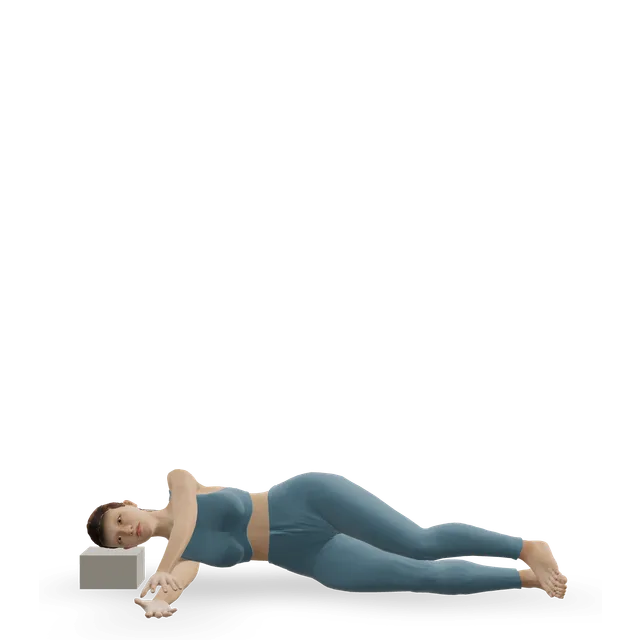
- Side-lying tummy draw-inUp to 10 holds of up to 10 sBeginner · Abs · 3D demoDraw your lower tummy in gently as you breathe out, and keep breathing as you hold. No crunching or bearing downHarder: Bird dog, one limb at a time
- Bird dog, one limb at a time5 to 8 each side, holding 3 to 5 sBeginner · Abs, Back, Glutes · 3D demoEasier: Side-lying tummy draw-inHarder: Bird dog

Carry and finish
- Farmer's carry2 short carriesBeginner · Forearms, Abs, Shoulders · 3D demoLight weights, one in each hand to split the load. Squeeze your pelvic floor before you pick them up and before you put them downHarder: Suitcase carry
- Slow calf raise2 sets of 10Beginner · Calves · 3D demoA hand on a wall for balanceEasier: Seated bent-knee calf raise (soleus raise)Harder: Standing dumbbell calf raise
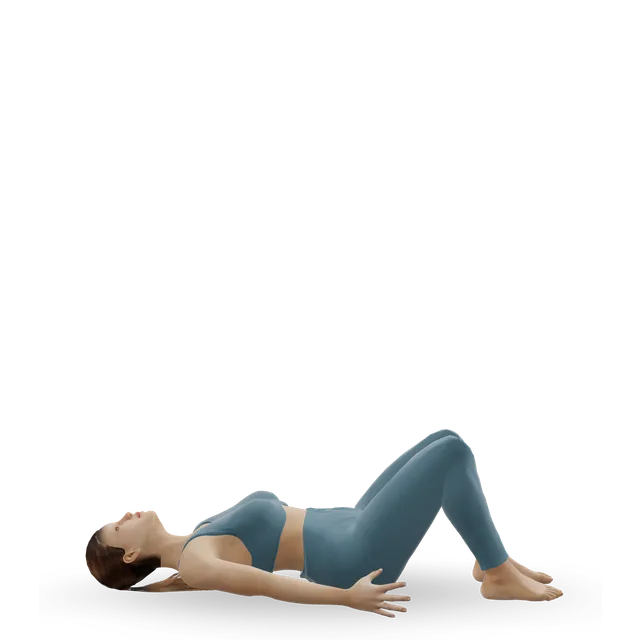
- Pelvic floor relaxation (reverse Kegel)5 slow breathsBeginner · Pelvic floor · 3D demoLying on your back or side: let your pelvic floor go completely


Tips
- Twice or three times a week, not on consecutive days, with walking, swimming or cycling on the other days.
- Breathe out on every effort, and never hold your breath or bear down.
- Lighter weights, more often: POGP says it's not only the weight you lift that can bring symptoms on, but repeated bending and lifting too, so split loads and squeeze before each lift.
- If you feel heaviness, dragging or a bulge, or you leak, stop that move and do the rest. If it keeps happening, see a pelvic health physiotherapist: in many areas you can refer yourself.
- If you see or feel a bulge when you squeeze, stop the pelvic floor exercises and get help from a pelvic health physiotherapist.
- Ready for more? Add reps, then a third round, then a little more weight, one change at a time. Heavier lifting, deep squats, running and jumping are a later step to plan with a pelvic health physiotherapist.
- After prolapse surgery, follow your surgical team's timings: the exercises after a hysterectomy routine suits the first 6 weeks.
The doses are suggested starting points, not a prescription. Choose a range you can control and stop for sharp or increasing pain, numbness or tingling. Get individual advice after an injury or surgery, or if you are pregnant or managing a health condition.
Guides that recommend it
Find more moves like these
More strength at home




Beginner bodyweight workout
A 20-minute full-body workout with no equipment: squats, knee push-ups, bridges, lunges and planks.
20 minBeginner10 movesNo equipment


Full-body bodyweight workout
An intermediate no-equipment workout: push-ups, split squats, single-leg bridges, pike push-ups and core work.
30 minIntermediate11 movesNo equipment


Full-body dumbbell workout
A 35-minute full-body strength workout with dumbbells: goblet squats, presses, rows, Romanian deadlifts and carries.
35 minIntermediate9 movesA band, A dumbbellQuestions people ask
How long does the strength workout with a prolapse: pelvic floor first, no impact, no crunches take?
About 25 minutes, including any warm-up and cool-down listed. Shorten it by doing fewer rounds; lengthen it by adding one.
What equipment do I need?
You need: A bench or box, A wall, A band, An anchor point, A dumbbell, A kettlebell. Each move links to its guide, where you can find an alternative if you are missing something.
Is it suitable for beginners?
It is written for beginners. 6 of its 12 moves have an easier option listed beside them if you need one.
How do I make it easier or harder?
Use the easier or harder option listed under each move, change the number of rounds, or adjust the rest. Progress one change at a time.