How to do Russian twists: form, your lower back, weighted versions and other oblique exercises
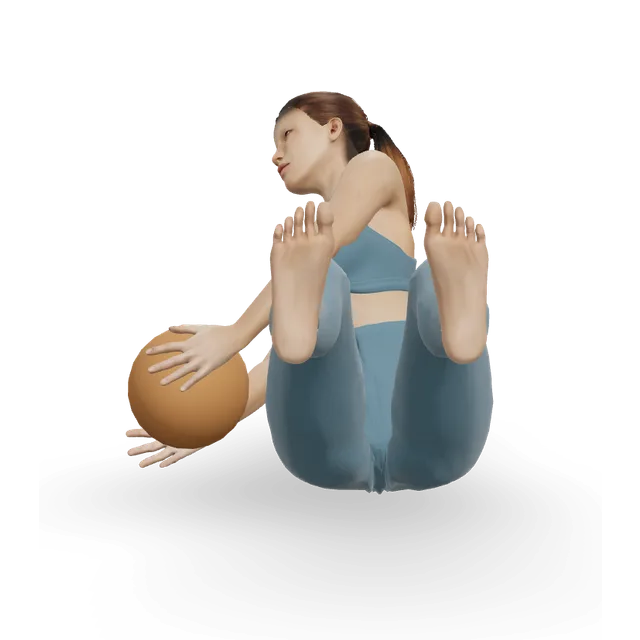
A Russian twist is sitting on the floor, leaning back with a long spine and your knees bent, and turning your ribs and shoulders from side to side. Start with your feet on the floor and no weight, turn slowly, and lift your feet or add a light weight only when that's easy.
It works the obliques at your sides, but no study has measured the Russian twist itself. Related studies show the lower back turns only a little in a twist, and point to fast, heavy twisting with a rounded back as the version to be careful with, especially with osteoporosis. Slow and smooth is the way to do it.
This guide covers the steps on the 3D figure, sets and reps, your lower back, weighted versions, and side planks, Pallof presses and other ways to train your obliques.
Sit with your knees bent and feet on the floor, lean back to about halfway with a long spine, and turn your ribs and shoulders slowly from side to side. The National Academy of Sports Medicine (NASM) starts it without a weight; lift your feet or add a light weight only when that's easy.
In seated twisting, the outer oblique on one side and the inner oblique on the other start the turn. The rest of your abdominal wall holds the lean-back position.
Nobody has tested it, and what related studies show
We found no study of the Russian twist itself. Related studies show the lower back turns only a few degrees in a twist, and twisting at work wasn't clearly linked to back pain. But twisting plus repeated bending damaged discs in pig spines, and researchers who measured twisting advise keeping speed and load low. So: slow, smooth and light.
NASM suggests 3 sets of 12 to 20 twists in all without a weight, or 3 sets of 8 to 12 each side with one. Two or three days a week is plenty (our suggestion).
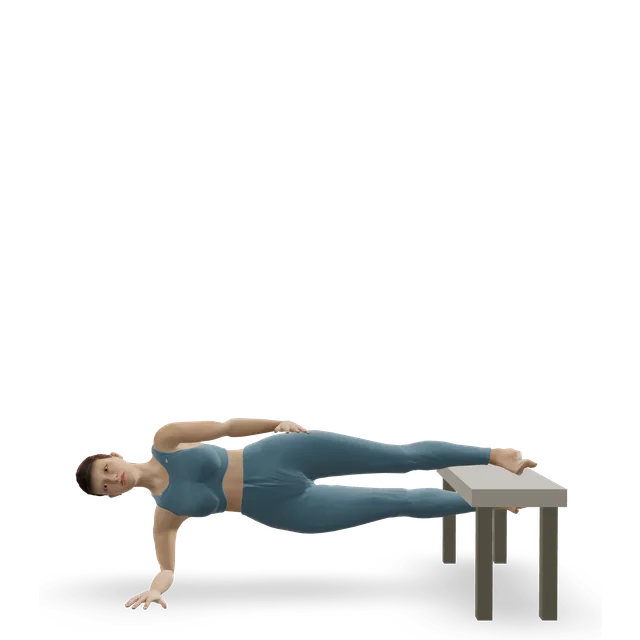
Side planks, Pallof presses and side-lying moves have better muscle activity data for the obliques, and they train your trunk to hold still, which the twist doesn't. No ab exercise burns belly fat or love handles: trials found no spot reduction.
With osteoporosis, keep any twisting smooth and comfortable and leave out the weight. In pregnancy and after a birth, use the swaps in our pregnancy and diastasis recti guides, and with a prolapse skip crunch-like moves.
Sitting on the floor with your knees bent, you lean back to about halfway with a long spine, hold your hands or a weight in front of your chest, and turn your ribs and shoulders to one side, then the other. The easier version keeps your feet on the floor with no weight; harder versions lift the feet and add a plate, medicine ball, dumbbell or kettlebell.
In 50 young adults twisting on a seated machine, turning to one side was started by the outer (external) oblique on the opposite side with the inner (internal) oblique and the latissimus dorsi on the same side, while the back muscles steadied the spine. NASM names the external oblique as the main mover.
The abdominal wall moves the spine and raises the pressure inside the abdomen, which is how it holds the lean-back position. With your feet lifted, the hip flexors hold your legs up too, as in the boat pose (our reading).
In an MRI (magnetic resonance imaging) study of 10 volunteers turning 45 degrees, each lower back joint rotated only 1.2 to 1.7 degrees, about 6 to 9 degrees across the five (our sum). Most of a twist comes from above and below the lower back (our reading). The study was done lying down, without a weight.
Leaning back with your knees bent puts your trunk in a partly bent, sit-up-like position. Our move page and NASM both ask for a long spine rather than a slumped, rounded one.
What the evidence says, and what nobody has tested
No study of the Russian twist itself
We searched two large research databases in October 2026 and found no study that measured the Russian twist's muscle activity, effects or safety. What follows comes from studies of trunk rotation and other core exercises.
Which muscles turn the trunkEmerging evidence
In 50 young adults (27 men and 23 women) twisting on a seated machine at three speeds, the obliques and latissimus dorsi started the turn. Muscle activity for the same turning force rose by up to 28% at faster speeds, and the authors advised keeping load and speed low for safety.
The lower back turns only a littleEmerging evidence
Each lower back joint rotated 1.2 to 1.7 degrees in a 45-degree trunk turn, in 10 volunteers lying in an MRI scanner. It's one small study, lying down and unloaded.
Twisting plus repeated bending, in pig spinesEmerging evidence
In pig spines in a lab, twisting combined with repeated bending caused tears between the layers of the disc in 67.5% of specimens; twisting alone didn't start a herniation. It's an animal lab study, not people doing exercise.
In 861 workers followed for 3 years, twisting the trunk at least 30 degrees for over 10% of the working day carried a risk ratio for back pain of 1.3, a range of 0.9 to 1.9 that includes no effect. Bending (1.5) and frequent heavy lifting (1.6) were clearer.
Your back: what this does and doesn't showMixed evidence
None of these studies tested the Russian twist. Together they suggest the lower back's joints turn only a little in a twist, and they flag fast, heavy, repeated twisting while bent as the version to be careful with. They can't tell you whether Russian twists help or harm a back. Our sit-up guide covers the wider debate about bending the spine.
In 8 adults with fine-wire electrodes, the side bridge gave the most abdominal wall activity for the least hip flexor (psoas) activity of the tasks tested. In 10 people, side-lying moves worked the external oblique hardest. Small muscle activity studies, which measure effort rather than growth.
Six weeks of ab exercises, 5 days a week, didn't change belly fat or waist size in 24 adults, and across 13 studies of 1,158 people, exercising a body part didn't reduce the fat over it.
Across 22 studies, core training improved balance and throwing distance, but throwing and hitting speed not clearly. In a trial of 24 young handball players, 6 weeks of core training raised throwing speed by 4.9%, against no change in the control group. Neither tested the Russian twist on its own.
A UK expert consensus says twisting should be safe if it's smooth and comfortable, and that sustained, repeated or end-range bending, especially with a weight, should be modified or avoided. Canada's guideline says fast, repetitive, held, weighted or end-range twisting or bending may need changing, especially at a high risk of fracture. Both are expert advice rather than trial results.
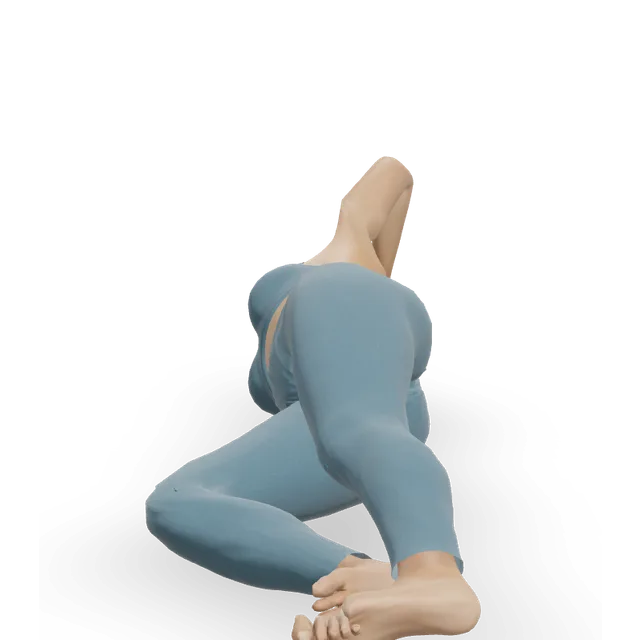
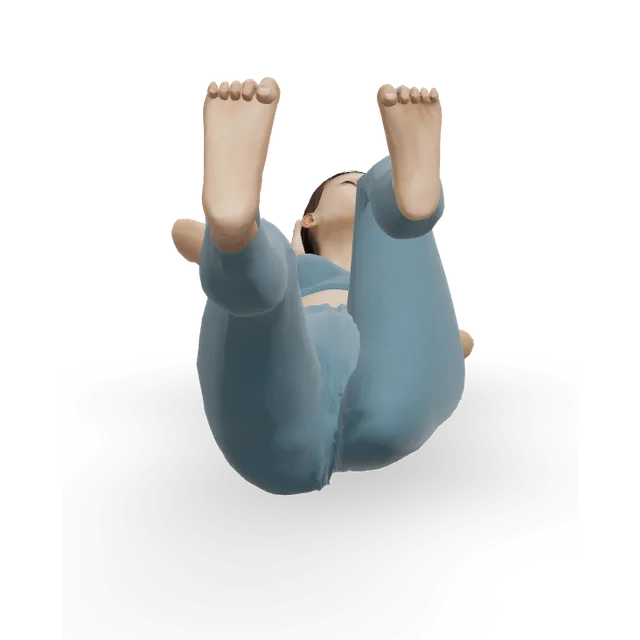
The 3D figure shows the harder version, feet lifted and holding a weight; start with your feet down and no weight, as our move page's cue says. Steps from our move page and NASM. With osteoporosis or a past spinal fracture, leave out the weight and twist only as far as is comfortable.
Sit on a mat with your knees bent and your feet flat, hip-width apart. Hold your hands together in front of your chest, or a light weight close to it.
Sit tall, then lean back to about halfway, keeping your spine long rather than slumped.
Breathe out and turn your ribs and shoulders to one side, your hands moving with your chest rather than on their own.
Come back through the middle under control and turn to the other side. One turn each side is one rep.
Keep the turn slow and smooth. End the set when you can't turn without rounding your back or letting the weight swing.
To make it harder, lift your feet a little off the floor, then hold a light weight, then hold it further from your chest.
Loading the 3D figure…
Drag to turn
Gets into position, then repeats the movement. Technical checks passed; qualified exercise review is pending.
Feet on the floor is the easier version, as our move page says. Lift your feet once you can do 2 or 3 controlled sets with them down (our suggestion).
Feet up
Lifting your feet makes balancing harder and adds work for your hip flexors (our reading). Our move page asks for a steady boat pose or V-sit hold first.
Adding a weight
NASM adds weight for intermediate exercisers once the bodyweight version is mastered. Hold a light plate, medicine ball or dumbbell close to your chest, and keep the turn as slow as before.
No study has tested the Russian twist. The lower back turns only a few degrees in a twist, and twisting at work wasn't clearly linked to back pain. Twisting combined with repeated bending damaged pig discs in a lab, and researchers who measured twisting advise keeping speed and load low.
Or sends pain down a leg: stop the twist and follow our back pain, herniated disc or facet joint guide, where the Pallof press is the usual swap. See the warning signs below for when to get help.
Smooth, comfortable twisting should be safe, the UK consensus says, but leave out the weight and any fast or end-range twisting. After a spinal fracture, ask a physiotherapist first, as our osteoporosis guide advises.
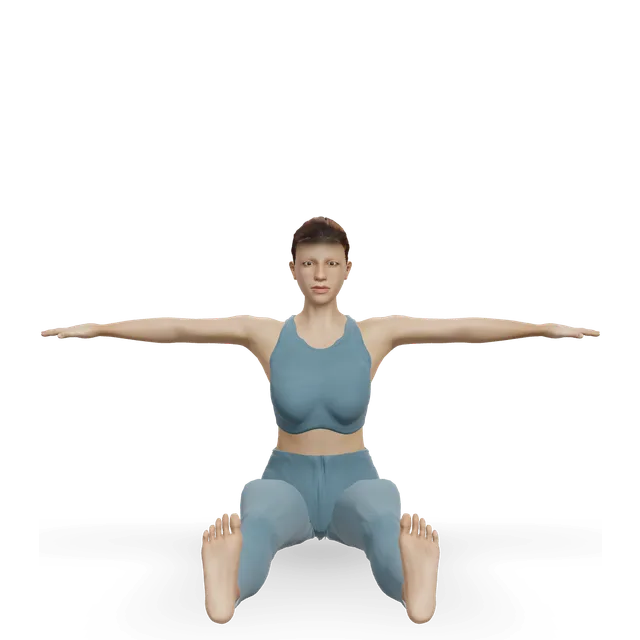
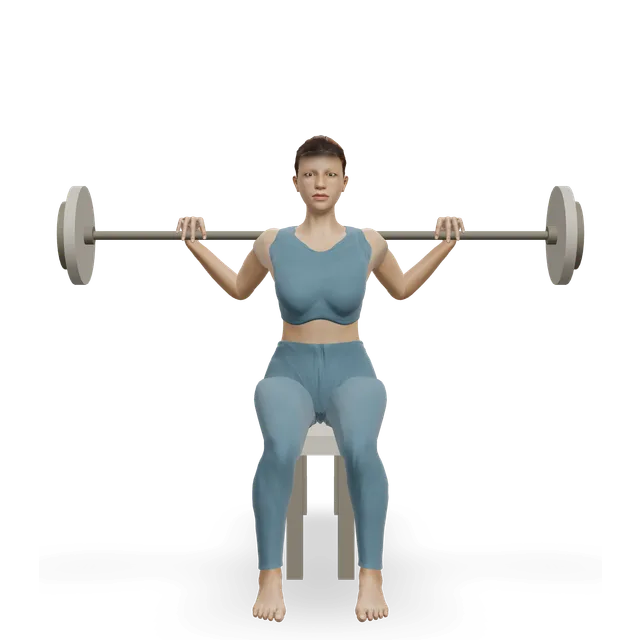
Easiest first: the seated spine twist takes 3 to 4 turns each side (its move page's dose); the Russian twist 2 or 3 sets of 12 to 20 in all without a weight, or 8 to 12 each side with one (NASM); the seated barbell twist 2 to 3 sets of 10 to 15 slow reps each side with a broomstick or empty bar, and the landmine 180 2 to 3 sets of 8 to 12 each side (their move pages' editorial doses).
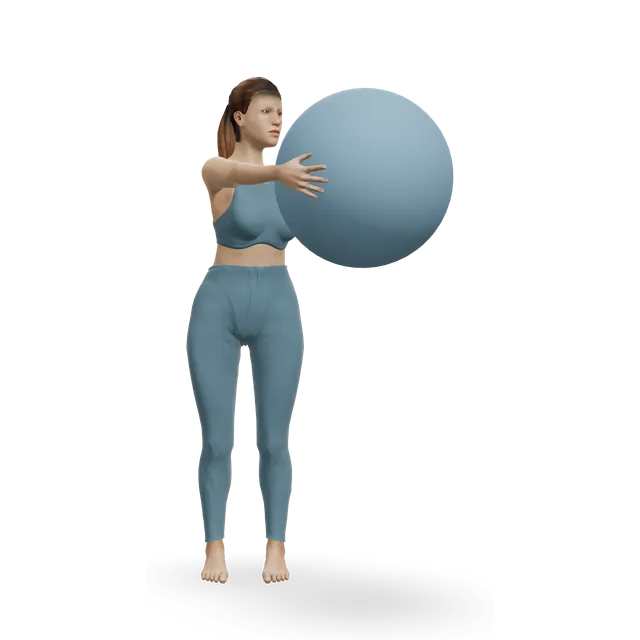
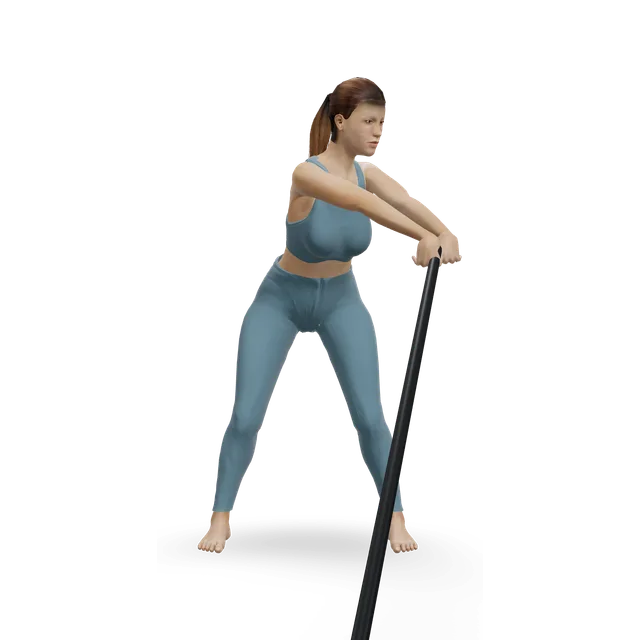
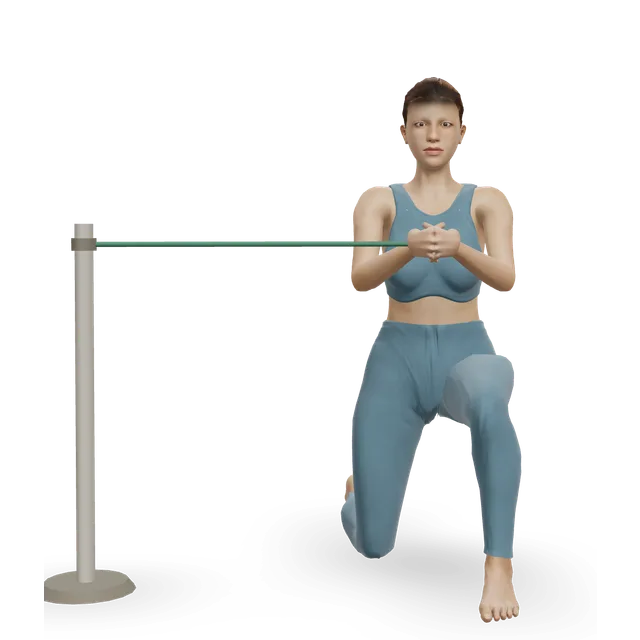
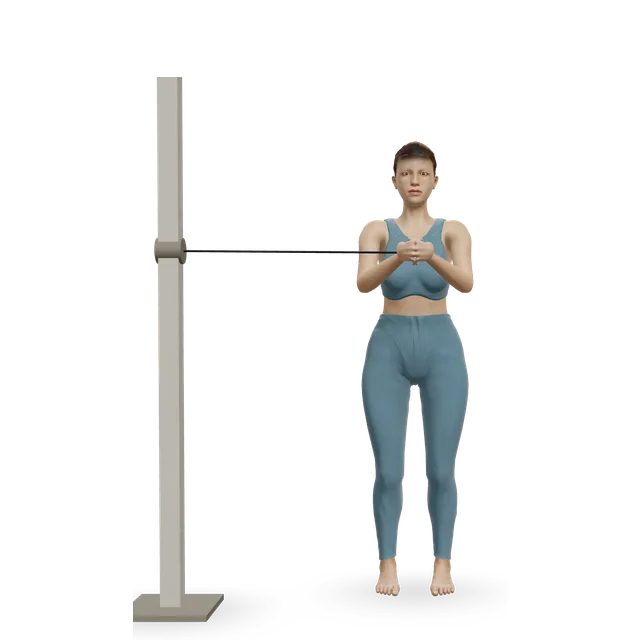
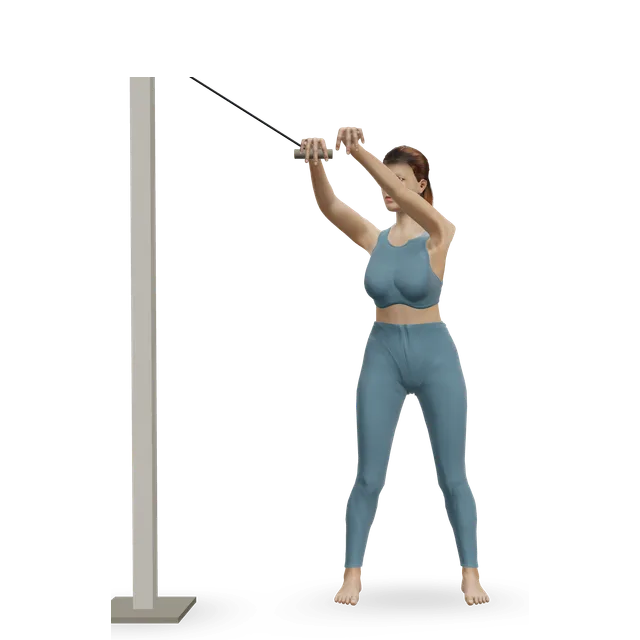
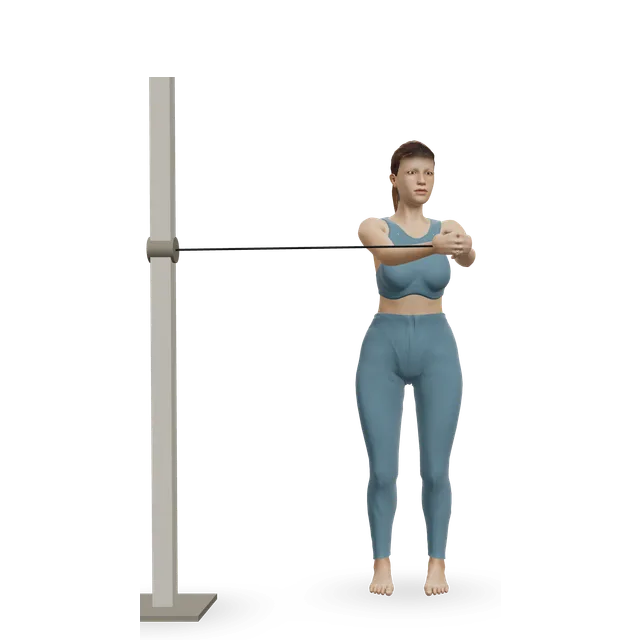
Side planks for 3 holds of 15 to 40 seconds a side (our side plank guide), Pallof presses for 2 sets of 10 each side and suitcase carries for 2 lengths of 20 m each hand (our golf workout), cable wood chops for 8 each side (our paddlers' workout), and side-lying oblique crunches for 2 to 3 sets of 10 to 15 slow reps each side (its move page's dose).
2 or 3 sets of 12 to 20 slow turns in all (6 to 10 each side) without a weight, or 8 to 12 each side with one, as NASM suggests. Stop each set when your form slips.
Two or three days a week, on days apart (our suggestion). No study has tested a daily number.
A balanced week
Combine a turning move (the twist, or a cable or band chop), a move that resists turning or bending (the Pallof press, side plank or suitcase carry) and, if you like, a side-bending move (the side-lying oblique crunch), as our oblique workout does.
No norms exist for the twist. Track the version you can do with control and the reps each side. For oblique endurance, side plank holds work as a test: our side plank guide notes that hold times vary 15 to 17% from day to day.
Calories
A rough estimate from the Compendium of Physical Activities' general values for light to moderate floor exercise (2.8 to 3.8 METs, multiples of your resting energy use), in our arithmetic: about 3 to 4.5 calories a minute for a 70 kg adult, about 1 of which you'd burn sitting still. The Russian twist itself hasn't been measured.
Breathe out as you turn and keep breathing, as our plans advise.
Doing hundreds
There's no tested daily number, and hundreds of fast twists add repeated bending and twisting without extra benefit (our view).
Who should change it
Osteoporosis or a past spinal fracture
No weight, slow, a comfortable range, feet down; or swap to the Pallof press or a carry, as our osteoporosis guide suggests. After a spinal fracture, ask a physiotherapist first.
The NHS says exercise is safe and to stop if anything feels uncomfortable. Our pregnancy guide keeps twists gentle, without pressure on your bump, and the half-kneeling Pallof press in our pregnancy strength workout is a good swap.
The NHS advises avoiding sit-ups and planks to start with, and seeing a GP if a gap is still obvious at 8 weeks. Our diastasis recti guide builds up in stages; add Russian twists after those, feet down (our suggestion).
The NHS advises avoiding activities that strain the pelvic floor, and a Royal Berkshire NHS leaflet advises against abdominal crunches. The twist's leaning-back position is crunch-like, so use side planks on your knees and the Pallof press instead (our view).
A hernia, after abdominal surgery, or with a stoma
The weighted twist is an advanced core move: work up through easier levels first and stop if you notice doming or bulging around a scar or stoma, as our move page and hernia guide say.
Workouts to follow
Our oblique workout puts side planks, Pallof presses, carries and slow Russian twists together. The golf, paddlers' and throwers' workouts train turning and resisting a turn, and the beginner core, ab and McGill big 3 workouts build side planks.
If you have back pain with pain, tingling, weakness or numbness in both legs; loss of feeling around your genitals or bottom; changes in your bladder or bowels; or changes in how your genitals feel or work during sex; or if back pain comes with chest pain or started after a serious accident. Don't drive yourself to A&E.
Ask for an urgent GP appointment or get help from NHS 111
If you have back pain and feel hot, cold, shivery or generally unwell, or the pain is severe, started suddenly or is getting worse quickly. In the US, contact your doctor or urgent care.
If back pain hasn't improved after a few weeks, stops your daily activities, is worse at night, or comes with weight loss you can't explain; or if sciatica isn't improving after a few weeks.
A sharp pain in one spot of the tummy wall during a twist, sore to tense, cough or sit up, is usually a strained muscle, as our abdominal strain guide explains. Tummy pain that came on by itself, with feeling sick, a fever or a lump in the groin, isn't a strain: get it checked.
Myths
"Russian twists burn love handles"Strong evidence
Six weeks of ab exercises didn't change belly fat in 24 adults, and exercising a body part didn't reduce the fat over it across 13 studies.
"Russian twists are bad for everyone's back"Mixed evidence
No study has tested them. The lower back turns only a few degrees in a twist, twisting at work wasn't clearly linked to back pain, and a UK consensus calls smooth twisting safe even with osteoporosis. The cautions are about fast, heavy, repeated twisting while bent, from a pig-spine study and a twisting study, and about people whose backs or bones need care.
"Rotational core work makes you hit and throw harder"Mixed evidence
Across 22 studies, core training improved balance but not throwing or hitting speed clearly; one small trial in handball players found 4.9% faster throws.
The UK consensus says smooth, comfortable twisting should be safe; it's fast, loaded and end-range twisting to change, as our osteoporosis guide explains.
Sit with your knees bent and feet on the floor, lean back to about halfway with a long spine, and turn your ribs and shoulders slowly from side to side. Your hands go with your chest, not on their own. Lift your feet or add a light weight only when this is easy.
Should my feet be up or down in a Russian twist?
Down to start: it's the easier version. Lifting your feet makes balancing harder and adds work for your hip flexors, so move on once the feet-down version feels controlled.
How many Russian twists should I do?
NASM suggests 3 sets of 12 to 20 twists in all without a weight, or 3 sets of 8 to 12 each side with one. Two or three days a week is plenty.
Are Russian twists bad for your back?
No study has tested the Russian twist itself. Related studies show your lower back turns only a few degrees in a twist and that twisting at work wasn't clearly linked to back pain, but twisting plus repeated bending damaged discs in pig spines. So keep it slow and smooth, leave out the weight if you're unsure, and stop if twisting brings on back pain or pain down a leg.
Do Russian twists burn belly fat or love handles?
No. Six weeks of ab exercises didn't change belly fat in a trial, and across 13 studies, exercising a body part didn't reduce the fat over it. Fat comes off with overall activity and eating habits.
What muscles do Russian twists work?
Mainly the obliques at your sides: the outer oblique on one side and the inner oblique on the other turn your trunk. The rest of your abdominal wall holds the lean-back position, and your hip flexors join in when your feet are up.
Should I use a weight for Russian twists?
Only once you can do the bodyweight version with your feet up and full control. Hold a light plate, medicine ball or dumbbell close to your chest and keep the turn slow. Leave the weight out if you have osteoporosis.
Can I do Russian twists every day?
No study has tested a daily number. Two or three days a week is enough, and hundreds a day add repeated bending and twisting without extra benefit.
What can I do instead of Russian twists?
Side planks, the Pallof press, a suitcase carry and cable or band wood chops all train your obliques, and they suit people whose backs dislike twisting. The Pallof press and wood chop are done standing, if you'd rather stay off the floor.
Can I do Russian twists when pregnant or with a tummy gap?
In pregnancy, swap them for a half-kneeling Pallof press and keep any twisting gentle, without pressure on your bump. After a birth, the NHS advises avoiding sit-ups and planks to start with, and our diastasis recti guide builds up in stages before twists.
Can I do Russian twists with osteoporosis?
Smooth, comfortable twisting should be safe, a UK expert consensus says, but leave out the weight and any fast or end-range twisting. A seated spine twist or the Pallof press are good choices, and after a spinal fracture, ask a physiotherapist first.
How many calories do Russian twists burn?
The Russian twist itself hasn't been measured. As a rough estimate from the Compendium of Physical Activities' general values for floor exercise, in our arithmetic, a 70 kg adult uses about 3 to 4.5 calories a minute. Our calories burned calculator works it out for your weight and time.
Exercise education, not a personal prescription, and clinical review of these guides is pending. Check with a GP before starting hard training if you have a heart condition, chest pain, dizziness or breathlessness when active, and stop for sharp or increasing pain. Health disclaimer.