3D demo
Side-lying oblique crunch
Strength · Abs
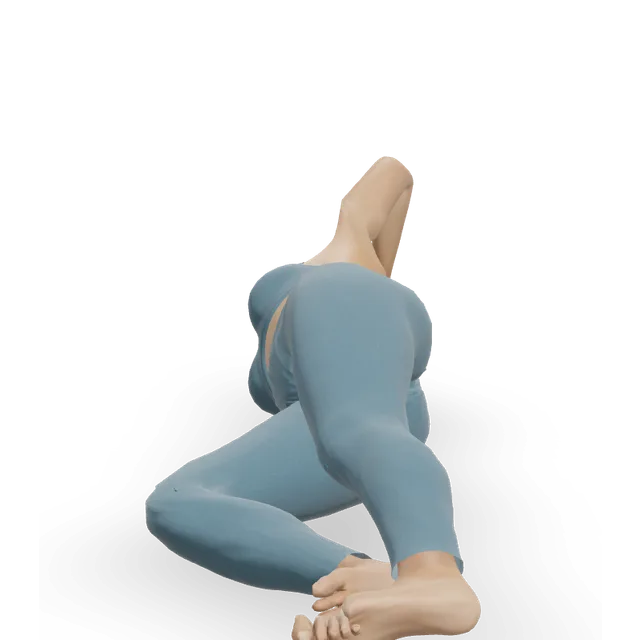
Loading the 3D figure…
The figure repeats the movement from its starting position. Drag to turn it; the arrows open the demos either side.
Lying on one side with your knees slightly bent and your top hand behind your head, you crunch sideways so your head and shoulders lift off the floor towards the hip, then lower. It is a side bend against body weight, short in range and about as hard as the basic crunch. Side-lying side bends with the feet held took the external oblique close to its maximum in one EMG study of 10 people, and side positions worked the obliques harder than the crunch in another.
Movement guide
Side-lying oblique crunch
Make it easier or harder
Choose a version that fits your control and comfort.
Easier option
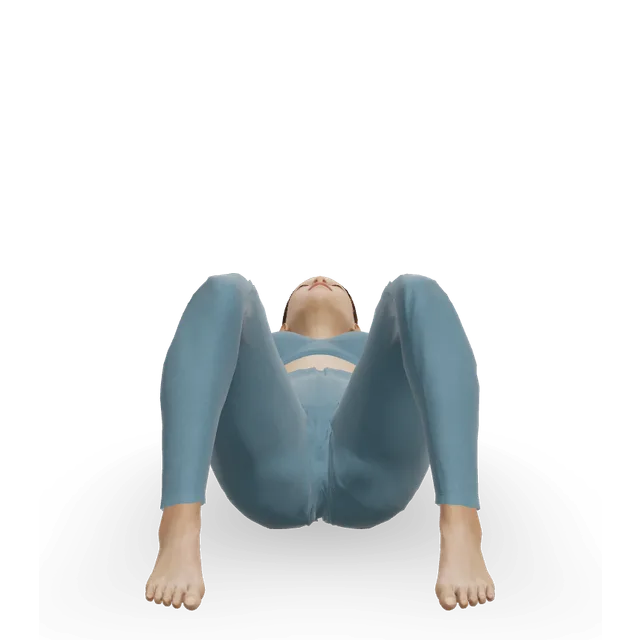 3D demoAlternating heel touchBeginner · No equipment
Suggested next step, beginner grade.
Harder option
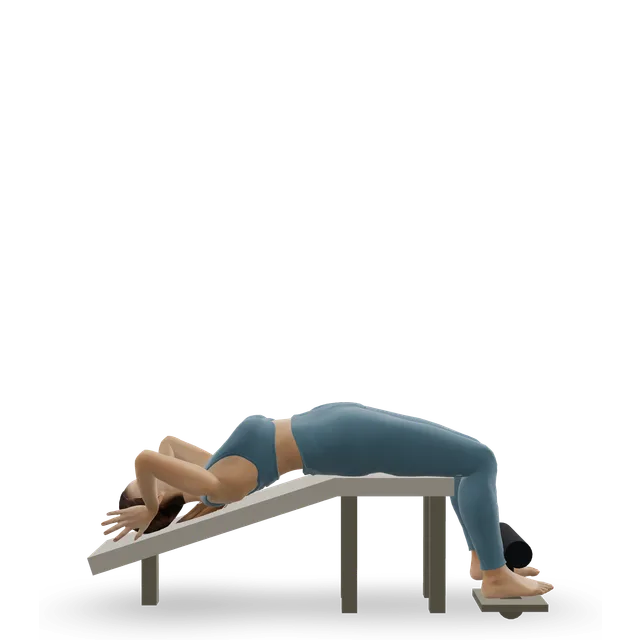 3D demoDecline oblique crunchIntermediate · A bench or box
Similar move, intermediate grade.
Source-researched guide.
Form cues
- Lift straight sideways, not forwards.
- Keep the movement small and slow.
- Avoid: pulling the head up with the hand.
Practice and cautions
2 to 3 sets of 10 to 15 slow reps each side, stopping with 2 or 3 reps in reserve (our editorial starting point).
With osteoporosis, a UK consensus advises modifying or avoiding repeated or end-range rounding of the spine: choose a dead bug, bird dog or plank instead. This is movement education, not an assessment or treatment prescription. Stop for sharp or increasing pain, dizziness, numbness or tingling; seek individual guidance for symptoms, injury or restrictions.
Sources and review status
Sources support the educational description; they do not establish that this exercise is suitable for you.
- Konrad 2001 · Trunk muscle activity in 12 floor exercises (side-lying side bends near-maximal for the external oblique; lifting the pelvis the most demanding flexion task; EMG, J Athl Train) ↗
- Escamilla 2016 · Supine, prone and side exercises with and without a Swiss ball (the side crunch on a ball worked the external oblique more than the crunch or sit-up; EMG, Sports Health) ↗
- Free Exercise DB · community text ↗
Unlicense · Free Exercise DB contributors; derived from wrkout/exercises.json. Text import; no photographs or media. · Revision f00c92c7dcf1216a928a52c3706c7ce8e2f71ed5
No variation is labeled clinically validated.
What it works
Equipment
None: body weight and floor space.
Level
Beginner. See the easier and harder options above.
Workouts that use it
Guides that use it
Similar moves
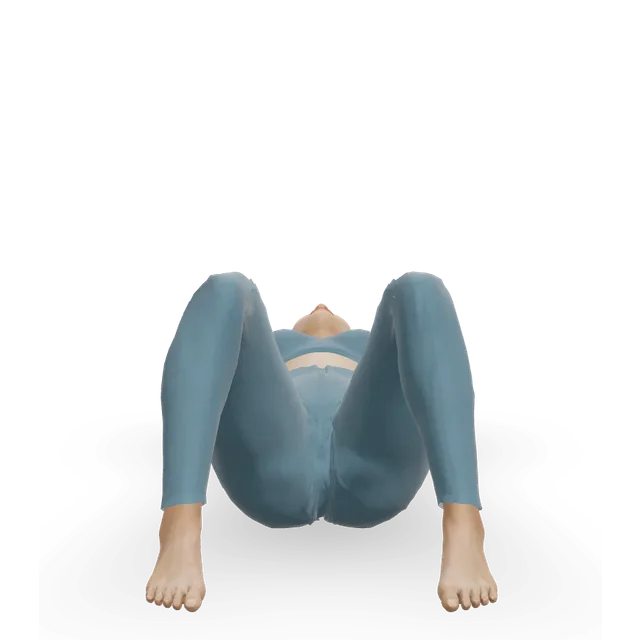 3D demoOblique crunch with the feet on a benchBeginner · A bench or box
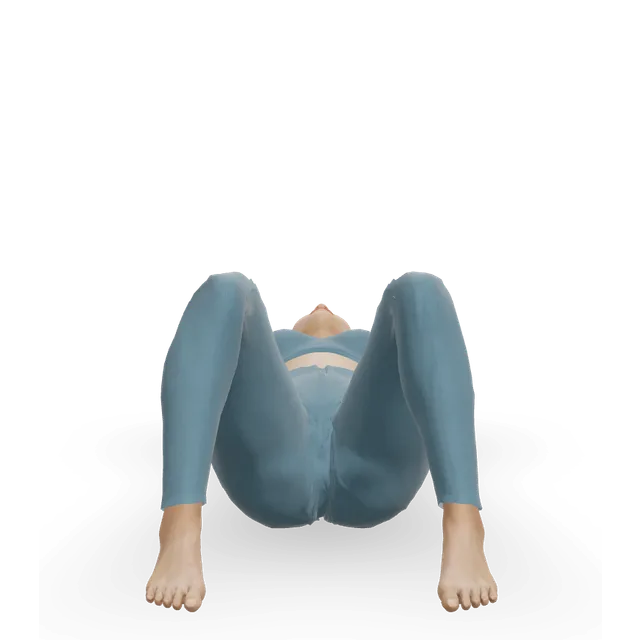 3D demoCross-body crunchBeginner · No equipment
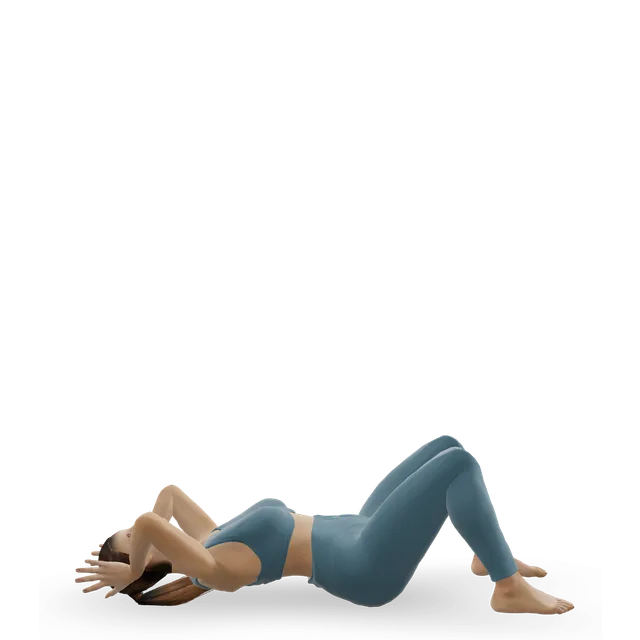 3D demoCrunchBeginner · No equipment
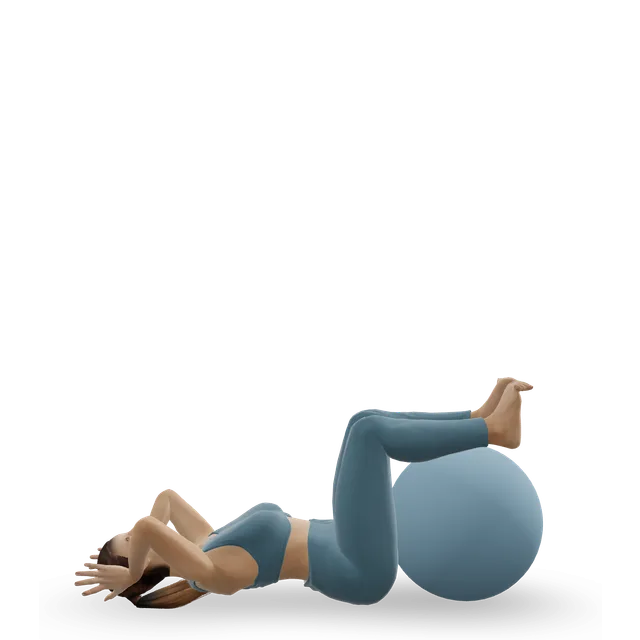 3D demoCrunch with the legs on a ballBeginner · Exercise ball
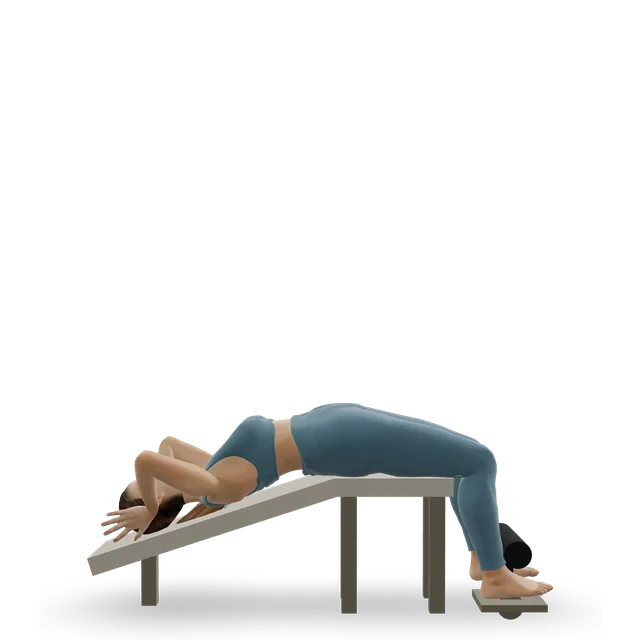 3D demoDecline crunchIntermediate · A bench or box
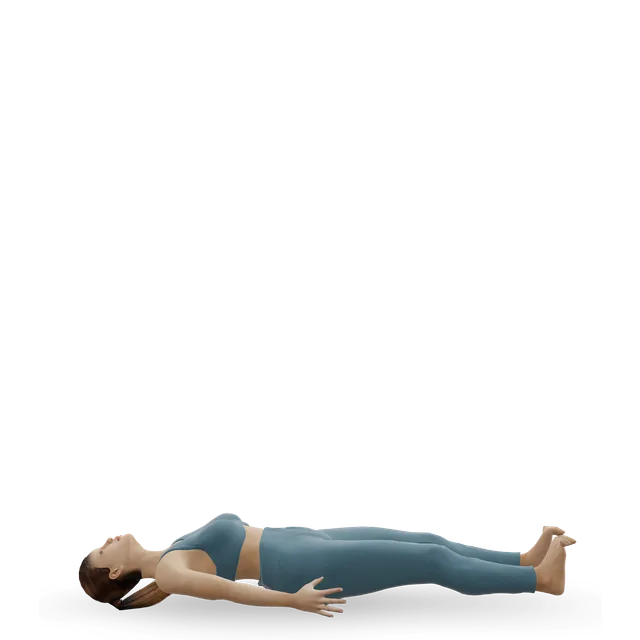 3D demoDecline reverse crunchIntermediate · A bench or box
Browse more
Questions people ask
What muscles does the Side-lying oblique crunch work?
Mainly the abs.
What equipment do I need for the Side-lying oblique crunch?
No equipment: your body weight and a little floor space.
Is the Side-lying oblique crunch good for beginners?
It is graded beginner, so it suits most people starting out. When it feels easy, try the Decline oblique crunch.
What is an easier alternative to the Side-lying oblique crunch?
Try the Alternating heel touch. It is the suggested step down from this move.
How do I make the Side-lying oblique crunch harder?
Progress to the Decline oblique crunch or the Bicycle crunch. Follow that guide’s technique and any stated timing.