Training guide

How to do oblique crunches: lying, side-lying and standing versions, the obliques, your neck and back, and how many

An oblique crunch works the muscles at the sides of your waist, and the name covers two moves: a lying twist, where you curl up and turn so one elbow travels towards the opposite knee, and a side-lying crunch, where you lift your head and shoulders sideways towards your hip. People call both side crunches. In muscle activity studies, the side-lying version worked the outer oblique far harder; adding a twist to a curl-up added only a little.

Oblique crunches strengthen the obliques, but they won't widen or slim your waist, and the case that twisting crunches harm healthy backs rests on pig spines in a lab.

This guide shows both moves step by step on the 3D figure, the standing version, how to spare your neck, what to change with osteoporosis, in pregnancy or after a birth, and how many to do.

The short version

Two moves share the name

The lying twist: on your back, curl up and turn so one elbow travels towards the opposite knee. The side-lying crunch: on your side, lift your head and shoulders straight sideways towards your hip. Both are on the 3D figure below. The standing knee-to-elbow crunch has no demo and no study.

Side-lying works the side of the waist hardest

Side-lying side bends with the feet held took the outer (external) oblique to about 98% of its maximum in 10 adults, though the authors warn the figures may overshoot. A side crunch on a ball averaged 50% against 28% for an ordinary crunch in 18 adults.

Sources 1, 2

The twist adds less than people think

Turning a curl-up into a cross-body curl-up raised outer oblique activity from about 29% to 36% of maximum, not a significant change. The direction of the turn decides which oblique works more, and the six-pack muscle doesn't change. Turn your ribs, not your elbow.

Sources 1, 3

Spare your neck

Rest your fingertips rather than pulling, tuck your chin a little and breathe out as you curl. In small lab studies these lowered the neck muscles' work, as our crunch guide explains.

Sources 4, 5, 6

Your back, and osteoporosis

The case against twisting crunches rests on pig spines bent and twisted thousands of times in a lab, and the lower back turns only a degree or two at each joint in a trunk twist. Keep bending reps to about 60 a session (one expert review's untested suggestion). With osteoporosis, leave out twisting crunches, and keep side bends small if your fracture risk is high.

Sources 7, 8, 9, 10, 11, 12

They won't widen or slim your waist

We found no study of waist size after oblique training. In one trial the side ab muscles thickened a little while waists shrank with diet, and ab exercise didn't shift belly fat in others. One small trial of about an hour of machine ab work a session found a little extra trunk fat loss; it's an outlier.

Sources 13, 14, 15, 16

Side or twisting: what oblique crunches are, and what they work

The lying twist

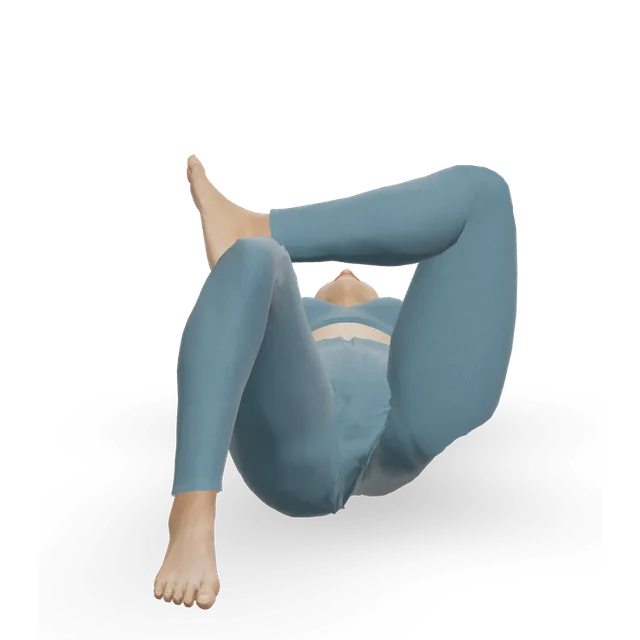
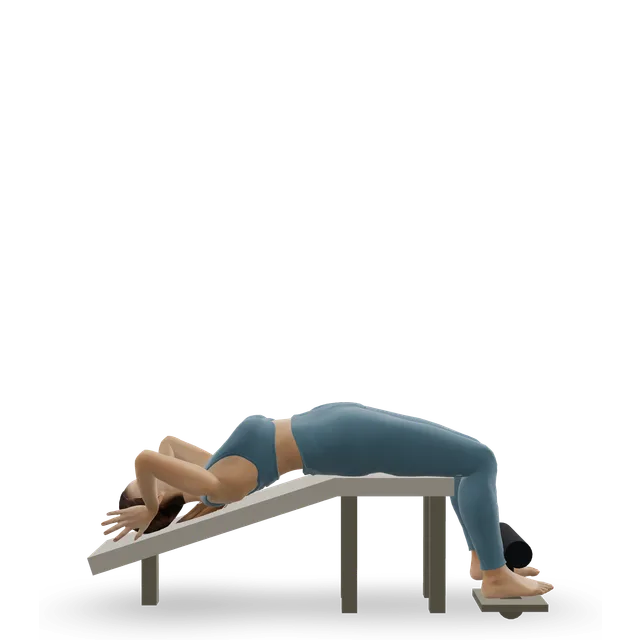
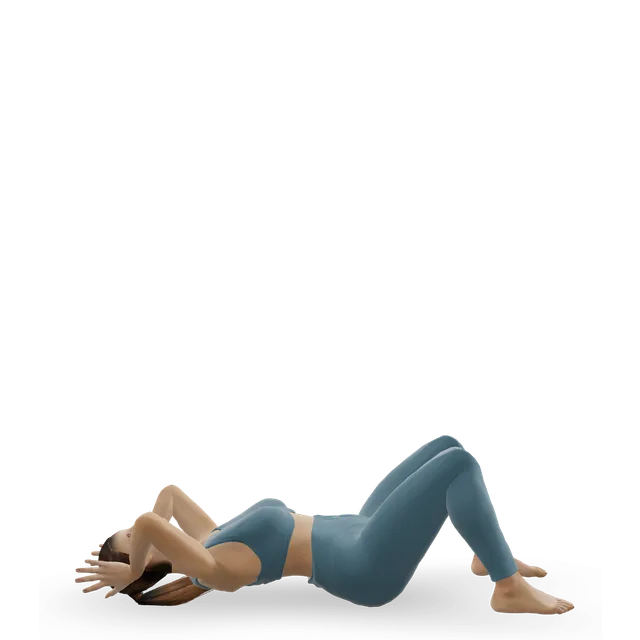
On your back with your knees bent, you curl your head and shoulders up and turn your ribs so one elbow travels towards the opposite knee: the cross-body crunch on our 3D figure, also done with your calves on a bench, with one ankle on the other knee, or on a decline bench. Studies call it a cross curl-up or twisted curl-up.

Sources 1, 3

The side-lying crunch

On your side with your legs stacked, you lift your head and shoulders straight sideways towards your hip: a short side bend against your body weight. The harder versions in studies held the feet down or lifted the trunk from the end of a bench.

Sources 1, 17

The standing oblique crunch

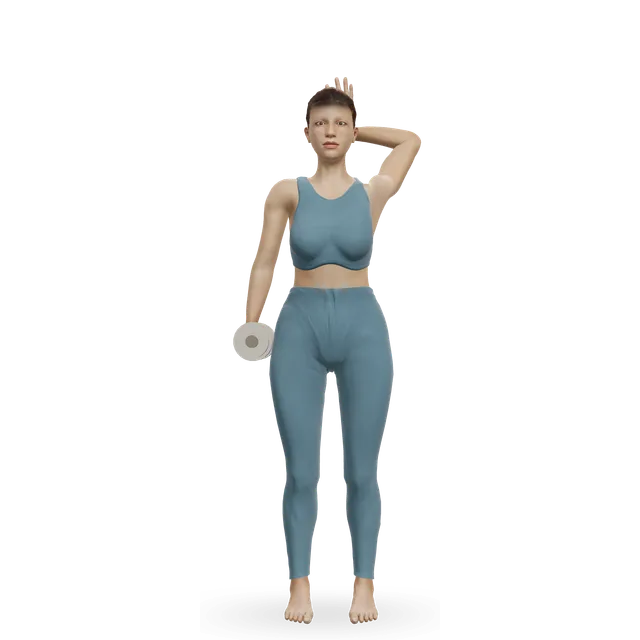
Standing tall with one hand behind your head, you lift one knee out and up and bend sideways to bring your elbow towards it. We found no study of it; standing twists of the lower body worked the outer oblique only lightly (12 to 24% of maximum) in 19 adults, so treat it as a gentle option.

Source 18

The muscles

The external and internal obliques at the sides of your waist turn and side-bend your trunk; the six-pack muscle (rectus abdominis) curls it. Turning to one side uses the outer oblique on the other side and the inner oblique on the same side, so work both sides. In side-lying work, the deep back muscles on the upper side work too.

Sources 3, 2

What you need first

Controlled crunches, as the move pages say, and a neck and back that are comfortable with them. Our crunch guide teaches the basic curl.

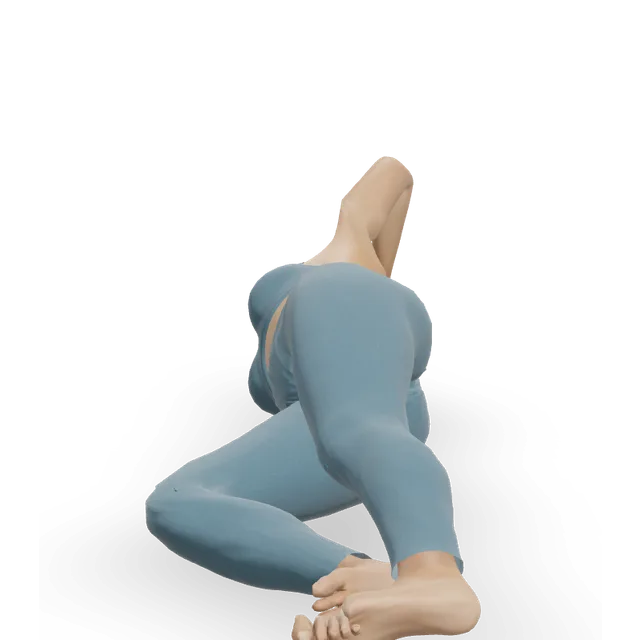
How to do a side-lying oblique crunch, step by step

From our move page (lift straight sideways, not forwards; don't pull the head up with the hand) and our crunch guide's hand and breathing cues.

  1. Lie on your right side on a mat, legs stacked with the knees slightly bent, your head resting on your outstretched right arm.
  2. Rest your left fingertips lightly behind or at the side of your head; your hand only supports it.
  3. Breathe out and crunch straight sideways, lifting your left elbow towards your hip so your head and shoulders rise a little off the floor.
  4. Hold for a second; keep the lift small and don't roll forwards.
  5. Breathe in and lower slowly.
  6. Finish the set, then turn over and work the other side.

Loading the 3D figure…

Gets into position, then repeats the movement. Technical checks passed; qualified exercise review is pending.

The movement on the figure: Side-lying oblique crunch

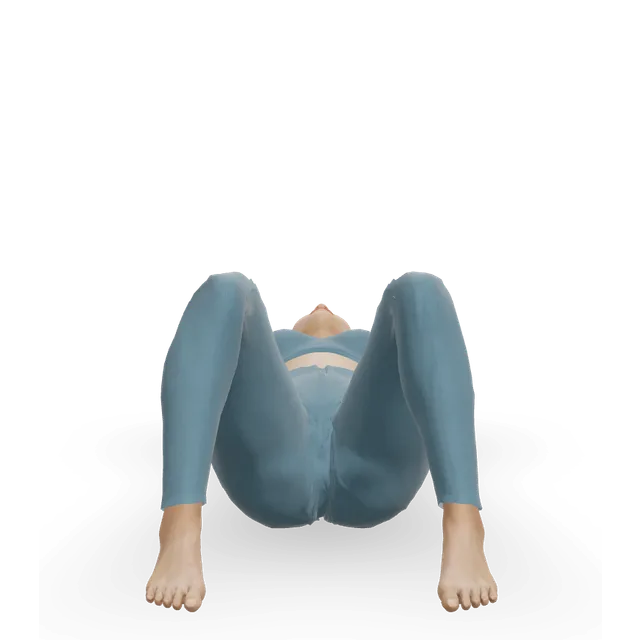
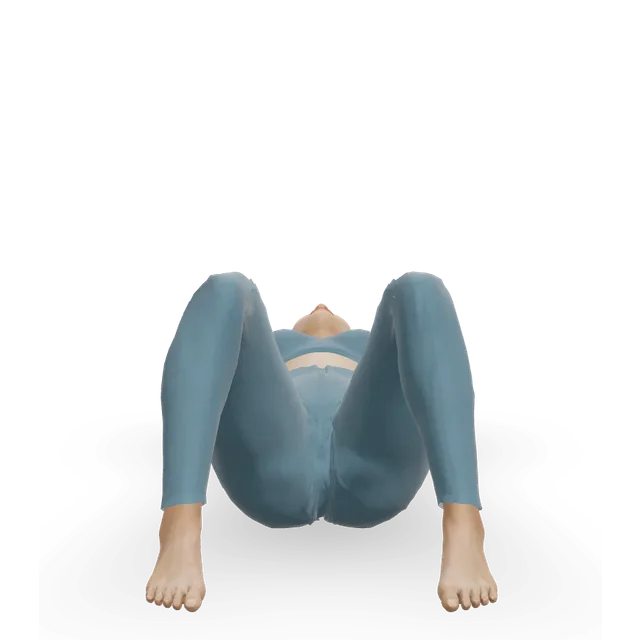
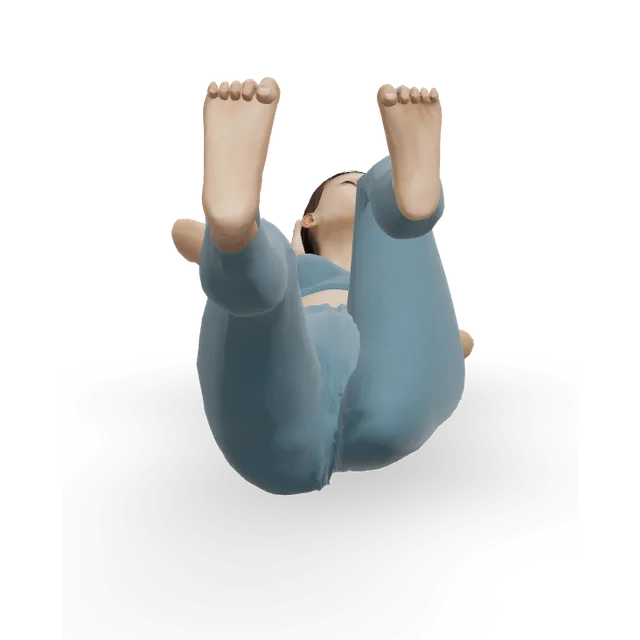
How to do a twisting (cross-body) crunch, step by step

From our cross-body crunch move page (turn from the ribs, not the elbow; don't pull on the head), our crunch guide's steps and our bicycle crunch guide's cue.

  1. Lie on your back with your knees bent and your feet flat and free, about hip-width apart.
  2. Rest your fingertips lightly at the sides of your head; never pull.
  3. Tuck your chin a little.
  4. Breathe out and curl your head and shoulders up, then turn your ribs so your right elbow points towards your left knee; the elbow follows the turn, it doesn't lead it.
  5. Pause, then lower slowly to the floor.
  6. Curl and turn the other way, counting each turn as one rep.

Loading the 3D figure…

Gets into position, then repeats the movement. Technical checks passed; qualified exercise review is pending.

The movement on the figure: Cross-body crunch

Easier and harder oblique crunches

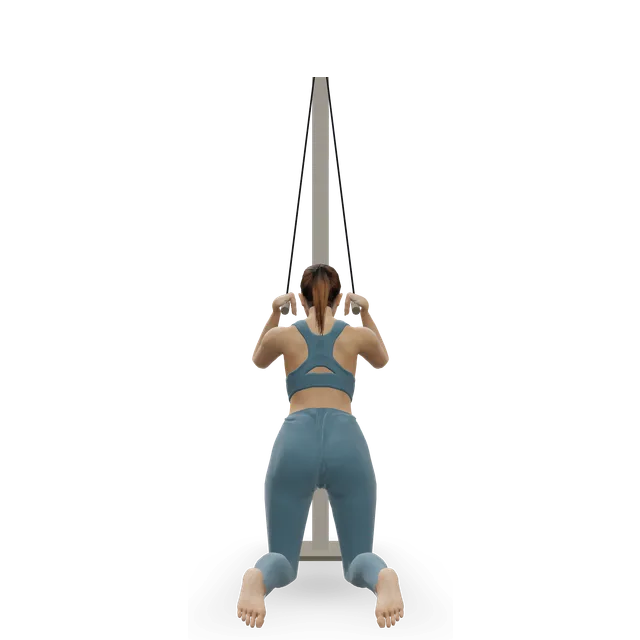
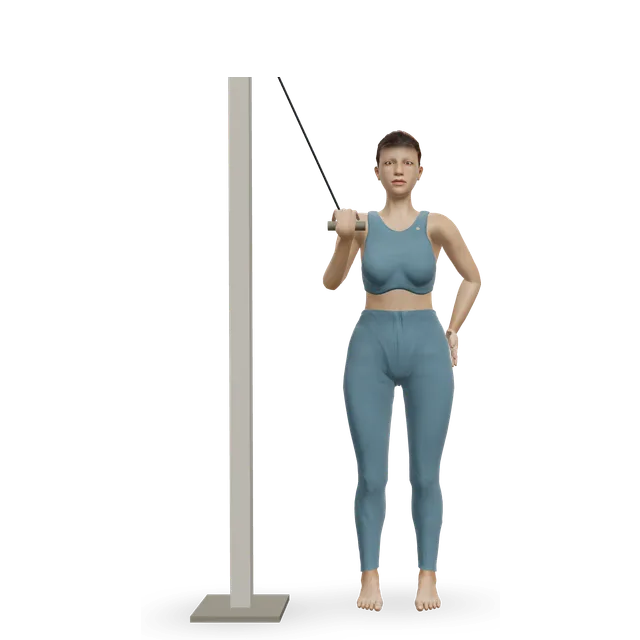
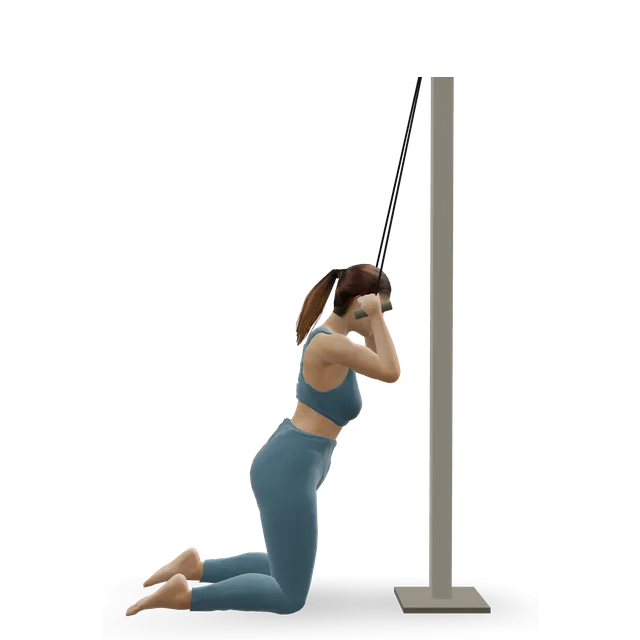
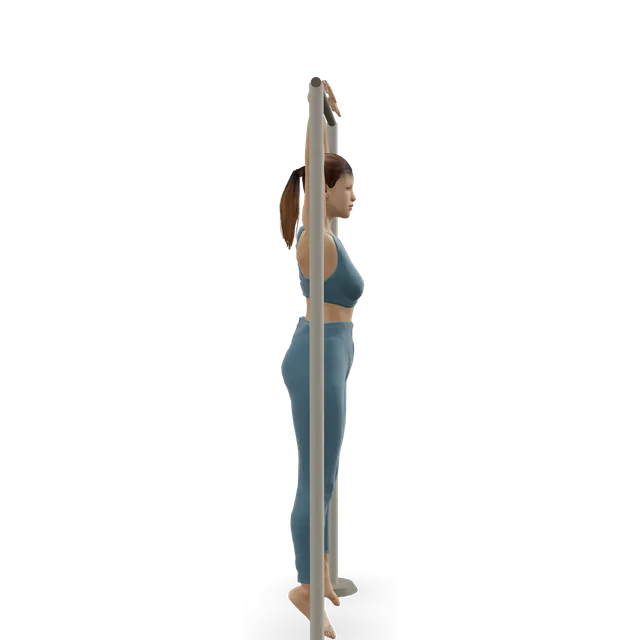
Side-lying oblique crunches, 2 to 3 sets of 10 to 15 slow reps each side, stopping 2 or 3 reps short (the move page's dose). The cross-body crunch, 1 to 2 sets of 8 to 10 each side (our crunch and sit-up workout uses 1); with your calves on a bench, 2 to 3 sets of 10 to 15 slow reps, stopping 2 or 3 reps short (the move page's dose); the elbow-to-knee crunch, 2 sets of 8 to 10 each side, and the bicycle crunch, 2 to 3 sets of 10 to 16 slow reps (our bicycle crunch guide's editorial starting points). Harder: the decline oblique crunch, 2 sets of 8 to 10 each side, and the kneeling cable crunch with a twist, 2 sets of 8 to 12 each side, lighter (our editorial starting points). The standing cable side bend takes its move page's 2 to 3 sets of 8 to 12 each side, stopping 2 or 3 reps short; the dumbbell side bend, 2 sets of 10 to 12 each side, light (editorial). The standing knee-to-elbow crunch has no 3D demo.

What the evidence says

The side-lying crunch works the outer oblique hardEmerging evidence

In 10 adults, side-lying side bends with the top foot held and the trunk raised 30 degrees drove the external oblique to 97.77% of its maximum, though the authors note it gave readings above its maximum even with light loads, so treat the exact figure with care. In 18 adults aged 23 to 45, a side crunch on a ball averaged 50% of maximum in the external oblique against 28% for a crunch; the internal oblique was lower in the side crunch (20% against 33%).

Sources 1, 2

Side holds work both obliques tooEmerging evidence

In 63 young adults, a side-lying trunk lift held from the end of a bench drew 199% of maximum in the internal oblique and 103% in the external, and the side plank 107% and 72%. The side plank on the toes drew 62% external oblique activity and on the knees 37% in 18 adults, and a fine-wire study in 8 adults found the side bridge the best exercise for the abdominal wall.

Sources 17, 2, 19

The twist adds a littleEmerging evidence

Changing a curl-up into a cross curl-up raised external oblique activity from 28.71% to 36.2% of maximum, not significantly, in 10 adults. In 10 women measured with fine-wire electrodes, the direction of the twist changed which oblique worked harder, while the six-pack muscle didn't change. In an ACE-commissioned study of 30 adults that wasn't peer reviewed, the bicycle crunch scored 290% of a basic crunch's oblique activity, second to the captain's chair.

Sources 1, 3, 20

Legs up on a benchEmerging evidence

In 20 young men doing straight (non-twisting) curl-ups, raising the legs so the hips bent to 90 degrees lifted external oblique activity from about 49 to 57% to about 64 to 71% of maximum, with the six-pack muscle unchanged and more hip flexor work. That's the set-up of the oblique crunch with your calves on a bench, though the study didn't test a twist.

Source 21

No exercise does everythingEmerging evidence

Of 12 ab exercises in 9 volunteers, none trained every ab muscle hard with a low load on the spine, and the researchers advised a mix. The National Strength and Conditioning Association's sample core progression runs from side planks to dumbbell and ball side bends to carries.

Sources 22, 23

Muscle activity isn't growthStrong evidence

All these figures come from EMG (electromyography: electrodes measuring how hard a muscle works) over a few reps, which doesn't predict what a muscle builds. No trial has tested an oblique crunch for growth, strength or back pain.

Source 24

Protecting your neck

Tuck your chin and rest your handEmerging evidence

In 13 men, a curl-up with a small chin tuck and one hand resting lightly on the jaw lowered the main neck muscle's activity from 32% to 22% of maximum and raised ab activity. In 12 adults, breathing out slowly as they curled lowered neck muscle work too. These were small studies of healthy young adults, with no pain measured.

Sources 4, 5

Head support works in side curls tooEmerging evidence

In 22 students doing straight and side trunk curls, supporting the head with a device lowered neck muscle activity while the outer oblique worked just as hard.

Source 6

What to do

Rest your fingertips at the sides of your head, keep a small chin tuck, breathe out as you curl and rest your head between reps; the side-lying version lets your head rest on your arm. If your neck still aches, swap to side planks and dead bugs for now, and see our neck pain when doing sit-ups guide. See a GP if neck pain or stiffness hasn't gone after a few weeks, or comes with pins and needles or a cold arm.

Source 25

We found no study of neck pain from crunches

The advice not to pull on your head is a safety rule from a review, not a measured effect, as our crunch guide says.

Oblique crunches, your back and osteoporosis

Twisting and bending in pig spinesEmerging evidence

In pig spines in a lab, twisting combined with repeated bending caused tears between the layers of the disc in 67.5% of specimens, while twisting alone didn't start a herniation. Adding a twisting force to thousands of bending cycles raised herniations from 29% to 71% of segments. These were dead animal tissues bent far more times than any workout.

Sources 7, 8, 26

What that means for peopleMixed evidence

An expert review points out that the lab studies removed the muscles and used thousands of non-stop cycles, and that no study has shown flexion exercise harms healthy human spines. In 10 volunteers, each lower back joint turned only 1.2 to 1.7 degrees in a 45-degree trunk turn. Twisting at work wasn't clearly linked to back pain in 861 workers. The same review suggests about 60 bending reps a session at most, untested.

Sources 10, 9, 27

With back pain

We found no trial of oblique crunches for back pain. If bending or twisting flares your back or sends pain down a leg, swap to side planks on your knees, Pallof presses and dead bugs, as our back pain when twisting guide suggests; in 13 people with chronic low back pain, the full side plank was poorly tolerated, so start on your knees. Keep pain to about 5 out of 10, settling within an hour and no worse the next morning.

Source 28

OsteoporosisMixed evidence

A UK consensus says twisting "should be safe if performed smoothly and comfortably", and that sustained, repeated or end-range flexion (rounding) should be modified or avoided. Canada's guideline says rapid, repetitive, sustained, weighted or end-range twisting or flexion may need changing, especially at a high risk of fracture. The Royal Osteoporosis Society names sit-ups among exercises that can put pressure on the spine. In a small, old, non-randomised study, new spinal fractures followed in 8 of 9 women given bending exercises.

With osteoporosis, a UK consensus advises modifying or avoiding repeated or end-range rounding of the spine: choose a dead bug, bird dog or plank instead.

Sources 11, 29, 30, 31

Side-lying crunches with osteoporosis (our extrapolation)

Twisting crunches repeat rounding with a turn, so they are out. Osteoporosis Canada's booklet advises avoiding or changing side bending in Pilates at a high fracture risk. Our extrapolation from that: a small, slow side-lying crunch is fine for most people with low bone density, but keep it small or leave it out if your fracture risk is high or you've had a spinal fracture, and ask a physiotherapist.

Source 12

Your waist, love handles and sport

They won't widen your waistEmerging evidence

We found no study of waist size after oblique training. In 19 women on a diet with ab training, the side ab muscles got a little thicker while waists shrank no more than with diet alone. Nine months of Pilates raised oblique volume by 8% on one side and 2% on the other in 9 women. Bigger obliques take years of heavy rotation, as in elite tennis players.

Sources 13, 14, 32, 33

They won't burn love handlesMixed evidence

Six weeks of ab exercise changed no fat measure in 24 adults, and ab training added to a diet took off no more belly fat than the diet alone in 40 women. Across 13 studies of 1,158 people, and by MRI in 104 adults, training a body part didn't reduce the fat over it. One trial in 16 men, with about an hour of machine ab work four times a week, found a little extra trunk fat loss, so the evidence leans against spot reduction rather than ruling it out.

Sources 15, 14, 34, 35, 16

Sport and rotationMixed evidence

Trunk strength played only a minor role in athletic performance across studies of trained people, and core training didn't clearly raise throwing or hitting speed across 22 trials. No trial has tested oblique crunches for sport.

Sources 36, 37

How many, how often and how hard

Start side-lying

2 to 3 sets of 10 to 15 slow reps each side, lifting straight sideways and holding a second at the top, stopping 2 or 3 reps short (the move page's dose).

Add the twist

The cross-body crunch, 1 to 2 sets of 8 to 10 each side (our crunch and sit-up workout uses 1), turning your ribs, not your elbow.

A ceiling on bending reps

About 60 bending reps a session at most, crunches and reverse crunches included: one expert review's untested suggestion, which our crunch and sit-up workout keeps to. Make the move harder rather than doing more.

Source 10

How often

2 or 3 days a week, with a day between, as our crunch guide suggests.

Balance it

Side planks (15 to 40 seconds each side), Pallof presses (10 each side) and suitcase carries (20 metres each hand) train the obliques' job of stopping you bending and twisting, as our oblique workout does.

Your first two weeks

Stop each set with 3 or 4 reps to spare, as our plans advise: people misjudge how many reps they have left by about one, and you are still learning the move.

Common mistakes and how to fix them

Pulling on your head

Your neck does the work. Rest your fingertips, or cross your arms.

Reaching with your elbow

Your neck turns, your trunk doesn't. Turn your ribs towards the knee and let the elbow follow.

Rolling forwards in the side-lying crunch

Lift straight sideways, as the move page says.

Hooking your feet under the sofa

Your hip flexors take over, as our crunch guide explains. Leave your feet free on the floor versions.

Going fast

Momentum does the work. Curl and lower slowly.

Hundreds of reps for love handles

They don't burn the fat over your waist. Make the move harder instead.

Holding your breath

Breathe out as you curl and in as you lower.

Pushing through back pain

Stop if twisting or bending makes your back worse or sends pain down a leg.

Pregnancy, after a birth, leaking and a prolapse

In pregnancy

In later pregnancy, the NHS advises avoiding lying flat on your back for more than a few minutes. Our rule starts after the first trimester: swap lying crunches for side-lying, all-fours or standing core work, as our pregnancy guide sets out. Side-lying crunches still push against tummy pressure, so we'd choose knee side planks and Pallof presses (our view).

Source 38

After a birthEmerging evidence

The NHS advises avoiding sit-ups, planks and high-impact exercise to start with. Later, in 70 women with a gap between the tummy muscles 6 to 12 months after a birth, 12 weeks of head lifts, curl-ups and twisted curl-ups didn't widen the gap and made the six-pack muscle thicker and stronger; in the moment, a twisted curl-up narrowed the gap. Our diastasis recti guide brings twisted curl-ups in at its third stage.

Sources 39, 40, 41

Leaking or a prolapse

The NHS says high-impact exercise and sit-ups put pressure on the pelvic floor and can increase leaks, and an NHS pelvic health leaflet says most low-impact exercise is safe with a prolapse "with the exception of deadweight lifting and abdominal crunches". Leave crunches out and use Pallof presses and side-lying work, as our oblique workout suggests.

Sources 42, 43, 44

The obliques' other jobs

Side planks, 15 to 40 seconds each side, half-kneeling Pallof presses, 10 each side, and suitcase carries, 20 metres each hand (our oblique workout); knee side planks, 2 to 3 holds of 15 to 30 seconds each side (our core session B). Dead bugs, 1 set of 6 each side as a warm-up (our crunch and sit-up workout). The side-lying open book, 8 to 10 slow openings each side, is its move page's dose.

Workouts to follow

The oblique workout puts the side-lying crunch after side planks, Pallof presses and carries. The crunch and sit-up workout uses the cross-body crunch within about 60 bending reps. Core session B, the gym ab workout and the chop and lift workout train the obliques without bending; the beginner core workout suits anyone who should leave crunches out.

Who should change it, and warning signs

Stop and get medical help

If you get chest pain or pressure, feel faint or dizzy, are unusually breathless, or your heart races or beats irregularly during exercise, as our plans advise. The American Heart Association says these need immediate medical evaluation.

Source 45

Call 999 (911 in the US)

For chest pain that feels tight, heavy or squeezing, or spreads to your arms, neck, jaw or back; a sudden, extremely painful headache, especially while straining; someone who faints while exercising; or palpitations that don't go away, or come with chest pain, breathlessness or feeling faint. Don't drive yourself to A&E.

Sources 46, 47, 48, 49, 50, 51

A headache with effort

Ask for an urgent GP appointment or get help from NHS 111 for a headache that's triggered or made worse by coughing, sneezing, bending down or exercising.

Source 48

Your back

Call 999 or go to A&E: loss of feeling or numbness around the genitals or bottom, new trouble peeing or controlling your bladder or bowels, changes in genital sensation during sex or problems with erections or orgasm, or pain, tingling, weakness or numbness in both legs. These are signs of cauda equina syndrome, which needs treating in hospital urgently. Don't drive yourself.

See a GP if pain spreading down a leg hasn't improved after a few weeks of home treatment, is getting worse or stops your normal activities. Sciatica on both sides, or weakness or numbness in both legs that's severe or getting worse, is a 999 call or a trip to A&E.

Sources 52, 53

Your neck

See a GP if neck pain or stiffness hasn't gone after a few weeks, or comes with pins and needles or a cold arm.

Source 25

A pulled muscle

A sudden sharp pain in the side of your tummy during a set may be a strained muscle. Get help from NHS 111 or an urgent treatment centre if it's very painful or getting worse, badly swollen or bruised, or not getting better with self-care. Our abdominal strain guide covers recovery.

Source 54

A new lump or bulge

See a GP if you think you have a hernia, a bulge or lump that may get bigger when you strain and smaller when you lie down. Get help from NHS 111 if you have a hernia and pain in or around it, a bloated tummy, you feel or are sick, you're vomiting blood or your vomit looks like coffee grounds, you're constipated, you have a high temperature or feel hot, cold or shivery, or you've suddenly become confused. Call 999 or go to A&E for a femoral hernia (a small lump at the top of your thigh, in your groin) with very bad tummy pain, sickness, being unable to fart or poo, a high temperature or sudden confusion.

Sources 55, 56

Leaking or heaviness

See a GP about any leaking, which is common and treatable, or a lump in or around your vagina, or a feeling of heaviness or a bulge, as our pelvic floor guide says.

Sources 42, 43

After tummy surgery, or with a stoma

Leave crunches out while you heal and build up through gentler core work, stopping if you notice bulging around a scar or stoma, as the move pages say.

Muscles far sorer than the session explains

After a big or unusual session, such as hundreds of crunches or a challenge, muscle pain, swelling or weakness far worse than the session explains, with dark pee, needs the same-day check through NHS 111, or A&E if you feel very unwell: it can be rhabdomyolysis, a breakdown of muscle, as our neck pain when doing sit-ups guide explains.

Before you start

Speak to your GP first if you haven't exercised for some time or have medical conditions or concerns, as the NHS advises. Get advice before hard or straining work if your blood pressure is uncontrolled (140/90 or higher at a clinic, or 135/85 at home), or you have heart disease or chest pain when you're active, a pacemaker or defibrillator, diabetic eye disease, glaucoma, a hernia, recent eye or tummy surgery, or you're pregnant, as our breathing guide lists.

Source 57

Sore, or hurt?

Muscle soreness for a day or two after a new or harder session is common and fades. Sharp pain, or pain that builds during a set or lingers into the next day, isn't: swap to an easier version, and see a clinician if it persists, as our plans advise. The NHS says to stop exercising straight away if you feel any pain or become unwell, and to get help from 111 if symptoms worry you or don't go away.

Source 58
Myths

"Oblique crunches make your waist wider"Emerging evidence

No study has measured it; ab training thickened the side muscles a little while waists shrank with diet, and nine months of Pilates raised oblique volume by 2 to 8%.

Sources 13, 14, 32

"Oblique crunches burn love handles"Mixed evidence

Ab exercise didn't change belly fat in trials, and training a body part didn't remove the fat over it across 13 studies; one small trial of an hour of machine ab work a session is the exception.

Sources 15, 34, 16

"Touch your elbow to your knee"Emerging evidence

The turn of your ribs does the work, and adding a twist raised oblique activity only slightly. Reaching with your elbow mostly turns your neck, as our bicycle crunch guide says.

Source 1

"Side-lying crunches don't do much"Emerging evidence

Side-lying side bends drove the outer oblique far harder than a twisting curl-up (about 98% against 36% of maximum).

Sources 1, 2

"Twisting crunches will slip a disc"Mixed evidence

The evidence is pig spines twisted and bent thousands of times in a lab, and no study shows harm to healthy human spines from sensible sets. With osteoporosis, though, leave them out.

Sources 7, 10

"Never twist with osteoporosis"

A UK consensus says smooth, comfortable twisting should be safe; it's repeated or end-range rounding to avoid, which is why twisting crunches are out but gentle twists aren't.

Sources 11, 30

Questions people ask

How do you do an oblique crunch?

There are two kinds. Lying on your back, curl up and turn your ribs so one elbow travels towards the opposite knee; or lie on your side and lift your head and shoulders straight sideways towards your hip. Go slowly, rest your hands lightly and breathe out as you curl.

Are oblique crunches and side crunches the same?

People use both names for both moves. "Side crunch" usually means the side-lying version, and "oblique crunch" the lying twist, elbow towards the opposite knee. This guide shows both.

Which oblique crunch works the obliques most?

The side-lying version: side-lying side bends with the feet held took the outer oblique close to its maximum in one small study, while adding a twist to a curl-up raised it only slightly. Side planks work the obliques hard too.

Do oblique crunches make your waist wider?

No study has shown that. Ab training made the side muscles a little thicker while waists shrank with diet in one trial, and building big obliques takes years of heavy rotational sport.

Do oblique crunches get rid of love handles?

Not on their own. Ab exercises didn't reduce belly fat or waist size in trials, and training a body part doesn't burn the fat over it. Fat comes off your whole body with overall activity and eating habits.

Are oblique crunches bad for your back?

Not for most healthy backs in sensible doses: the evidence of harm comes from pig spines twisted and bent thousands of times in a lab. If twisting or bending flares your back or sends pain down a leg, use side planks and Pallof presses instead.

Why does my neck hurt doing oblique crunches?

Usually from pulling on your head or poking your chin. Rest your fingertips, tuck your chin a little, breathe out as you curl and rest your head between reps; in small studies these lowered the neck muscles' work.

How many oblique crunches should I do?

For the side-lying version, 2 to 3 sets of 10 to 15 slow reps each side; for the twist, 1 to 2 sets of 8 to 10 each side. Keep all your bending reps to about 60 a session, 2 or 3 days a week, and make the move harder rather than doing more.

How do I do a standing oblique crunch?

Stand tall with one hand behind your head, lift that side's knee out and up, and bend sideways to bring your elbow towards it. It's a gentle option: no study has measured it, and standing twists worked the obliques only lightly.

Can I do oblique crunches with osteoporosis?

Smooth, comfortable twisting is fine, but repeated rounding of the spine isn't, so leave out twisting crunches and train with dead bugs, bird dogs, planks and side planks. If your fracture risk is high, keep side bends small and ask a physiotherapist.

Are oblique crunches safe in pregnancy or after having a baby?

In later pregnancy, avoid lying on your back for more than a few minutes, and swap crunches for side-lying, all-fours or standing core work. After a birth, the NHS advises avoiding sit-ups to start with; later, twisted curl-ups didn't widen a gap between the tummy muscles in a trial.

Oblique crunches, side planks or Russian twists?

They do different jobs: crunches bend or turn your trunk, side planks hold it still, and Russian twists turn it while you sit leaning back. A mix trains all of them, as our oblique workout does.

Sources

  1. Konrad 2001 · Trunk muscle activity in 12 floor exercises in 10 adults (muscle activity study, J Athl Train)
  2. Escamilla 2016 · Planks, side planks, side crunches, crunches and sit-ups with and without a ball, in 18 adults (muscle activity study, Sports Health)
  3. Crommert 2021 · Arm position and twisting in the curl-up in 10 women (fine-wire muscle activity study, J Strength Cond Res)
  4. Lee 2016 · Restricting neck bending during curl-ups in 13 men (muscle activity study, J Phys Ther Sci)
  5. Yoon 2014 · Breathing out slowly during curl-ups in 12 adults (muscle activity study, J Electromyogr Kinesiol)
  6. Warden 1999 · Head support in straight and side trunk curls in 22 students (muscle activity study, Med Sci Sports Exerc)
  7. Marshall 2010 · Twisting, repeated bending and disc damage in pig spines (animal lab study, Clin Biomech)
  8. Drake 2005 · Twisting torque added to repeated bending in pig spine segments (animal lab study, Clin Biomech)
  9. Fujii 2007 · How much each lower back joint turns as the trunk rotates, in 10 volunteers (MRI study, Eur Spine J)
  10. Contreras 2011 · To crunch or not to crunch: the risks and uses of spinal flexion exercises (expert review, Strength Cond J)
  11. Brooke-Wavell 2022 · Strong, steady and straight: exercise for osteoporosis (UK consensus statement, Br J Sports Med)
  12. Osteoporosis Canada 2016 · Too Fit to Fracture booklet: twisting, bending and side bending at a high risk of a spine fracture
  13. Noormohammadpour 2012 · Ab training, diet and the thickness of the side ab muscles in 19 women (trial, J Bodyw Mov Ther)
  14. Kordi 2015 · Ab training added to a diet, and belly fat, in 40 women (randomised trial, J Manipulative Physiol Ther)
  15. Vispute 2011 · Six weeks of ab exercises and belly fat in 24 adults (randomised trial, J Strength Cond Res)
  16. Brobakken 2023 · Machine ab exercise added to running, and trunk fat, in 16 men (randomised trial, Physiol Rep)
  17. Kinney 2020 · Oblique activity in side-lying and side plank holds in 63 young adults (muscle activity study, J Sport Rehabil)
  18. Tsuruike 2020 · Trunk muscle activity in standing lower-body twists in 19 adults (muscle activity study, Int J Sports Phys Ther)
  19. Juker 1998 · Fine-wire activity of the psoas and abdominal wall in many tasks in 8 adults (muscle activity study, Med Sci Sports Exerc)
  20. ACE 2001 · 13 ab exercises scored against the crunch in 30 adults (ACE-commissioned muscle activity study, not peer reviewed, ACE FitnessMatters)
  21. Kim and Park 2018 · Hip angle and breathing in straight curl-ups in 20 men (muscle activity study, J Exerc Rehabil)
  22. Axler 1997 · Ab muscle work against spine load in 12 ab exercises, in 9 volunteers (lab study, Med Sci Sports Exerc)
  23. NSCA 2015 · Foundations of Fitness Programming: a sample core progression (National Strength and Conditioning Association)
  24. Vigotsky 2022 · Muscle activity measured in one session is not a validated predictor of muscle growth (review, Sports Med)
  25. NHS · Neck pain and stiff neck (past its review date: reviewed April 2023, review due April 2026)
  26. Callaghan 2001 · Disc herniation in pig spine segments bent up to 86,400 times (animal lab study, Clin Biomech)
  27. Hoogendoorn 2000 · Bending, twisting and lifting at work and back pain in 861 workers over 3 years (cohort study, Spine)
  28. Calatayud 2019 · How well 13 people with chronic low back pain tolerated core exercises (muscle activity study, Int J Environ Res Public Health)
  29. Morin 2023 · Osteoporosis Canada's guideline on exercise, nutrition and treatment to prevent fractures (clinical practice guideline, CMAJ)
  30. Royal Osteoporosis Society · How to exercise safely for your bones
  31. Sinaki 1984 · Flexion against extension exercises in 59 women with spinal osteoporosis (non-randomised study, Arch Phys Med Rehabil)
  32. Dorado 2012 · Nine months of Pilates and the ab muscles in 9 women, measured by MRI (trial, Med Sci Sports Exerc)
  33. Sanchis-Moysi 2013 · Side ab muscle size in professional tennis and football players (MRI study, Sports Biomech)
  34. Ramirez-Campillo 2022 · Does exercising a body part reduce the fat over it? 13 studies, 1,158 people (meta-analysis, Hum Mov)
  35. Kostek 2007 · Fat over a trained arm against the untrained arm in 104 adults, measured by MRI (trial, Med Sci Sports Exerc)
  36. Prieske 2016 · Trunk muscle strength and athletic performance in trained people (systematic review and meta-analysis, Sports Med)
  37. Rodríguez-Perea 2023 · Core training and sports performance: 22 studies (meta-analysis, Biol Sport)
  38. NHS · Exercise in pregnancy
  39. NHS · Your post-pregnancy body
  40. Gluppe 2023 · Curl-ups for a gap between the tummy muscles after birth in 70 women (randomised trial, J Physiother)
  41. Gluppe 2020 · Ab exercises and the gap between the tummy muscles in the moment, in 38 women (lab study, Phys Ther)
  42. NHS · 10 ways to stop leaks (past its review date: reviewed June 2023, review due June 2026)
  43. NHS · Pelvic organ prolapse
  44. Royal Berkshire NHS Foundation Trust 2024 · Exercising with a pelvic organ prolapse (pelvic health physiotherapy leaflet)
  45. Paluch 2024 · Resistance training with and without heart disease: 2023 update (American Heart Association scientific statement, Circulation)
  46. NHS · Chest pain (past its review date: reviewed August 2023, review due August 2026)
  47. NHS · Heart attack
  48. NHS · Headaches
  49. NHS · Subarachnoid haemorrhage
  50. NHS · Fainting
  51. NHS · Heart palpitations
  52. NHS · Back pain
  53. NHS · Sciatica
  54. NHS · Sprains and strains
  55. NHS · Hernia
  56. NHS · Femoral hernia
  57. NHS · Physical activity guidelines for adults aged 19 to 64
  58. NHS · How to warm up before exercising

Exercise education, not a personal prescription, and clinical review of these guides is pending. Check with a GP before starting hard training if you have a heart condition, chest pain, dizziness or breathlessness when active, and stop for sharp or increasing pain. Health disclaimer.