Training guide

How to do a suitcase carry: carrying on one side, the trunk and hips, suitcase or farmer's carry, weight and distance, and how to build up

A suitcase carry, also called a single-arm farmer's carry, is walking with one weight in one hand, like carrying a suitcase. Pick up a dumbbell or kettlebell with a flat back, stand tall with your shoulders level, and walk 20 to 30 metres without leaning towards the weight or away from it, then change hands. Start around 15 to 20% of your body weight.

The weight tries to tip you sideways, so the side of your trunk away from the weight and the hip muscles on that side do most of the work, more than in a farmer's carry. One hand loads your lower back more than two, so learn the farmer's carry first. No trial has tested suitcase carries on their own, so the weights and distances here are our starting points, and we say where they come from.

This guide shows the carry on the 3D figure, which muscles work and why, suitcase against farmer's carries, how heavy and how far, the suitcase deadlift, your back, hips and grip, and who should change it.

The short version

The move

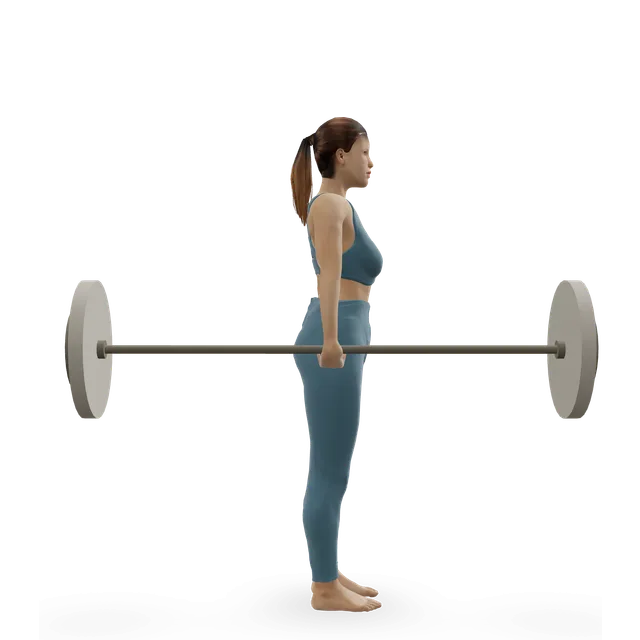
Pick up one dumbbell or kettlebell from beside your foot with a flat back, stand tall with your shoulders level and the other arm free, and walk a set distance with slow, even steps, without leaning towards the weight or away from it. Turn, walk back, put it down the way you picked it up, and change hands. It's also called a single-arm farmer's carry or a suitcase walk.

Source 1

The side away from the weight does the work

With 30 kg in the right hand, the lower back muscles on the left worked at about 25% of their maximum against 8% on the right, in 6 young men. In 3 strongmen, the outer stomach muscle (external oblique) away from the weight peaked at 62 to 65% of maximum. With 15 to 20% of body weight in one hand, the hip muscle on the other side (gluteus medius) worked 58% harder than in ordinary walking, in 26 adults. Your grip holds the weight.

Sources 2, 3, 4

Suitcase or farmer's carry: two hands first

With half the total weight in one hand, a suitcase carry worked the trunk muscles away from the weight harder than a farmer's carry, which worked the back muscles on both sides more, in 18 young adults. They do different jobs. Coaches start with the two-hand farmer's carry, and so do we.

Sources 5, 6

Your back and your hips

For the same total weight, one hand loaded the lower back 23 to 82% more than two, but the loads were moderate, and our back pain guides use suitcase carries to rebuild. The hip away from the weight takes more of the load. While a hip is sore, the NHS says not to carry anything heavy.

Sources 2, 7, 8, 9

How heavy and how far

A weight you can carry without leaning. About 15 to 20% of your body weight is a fair start (10 to 14 kg for a 70 kg adult), the level one lab study suggested for hip endurance and control. Do 2 walks of 20 to 30 metres each side, 60 to 90 seconds apart, 2 or 3 times a week (our workouts' dose). The most people could carry for 20 seconds before their form broke was about 53% of body weight in women and 64% in men: a ceiling, not a training weight.

Sources 4, 10

Not just for strongmen, and it needn't be heavy

The NHS counts carrying heavy shopping bags as muscle-strengthening activity, and suitcase carries sit in supervised programmes after breast cancer and in back pain rehabilitation. The side muscles switch on with light loads too. We found no trial of suitcase carries on their own, so the doses here are starting points.

Sources 11, 12, 2

What a suitcase carry is

Walking with one weight

You hold one dumbbell or kettlebell at your side, the other hand free, and walk while keeping your trunk upright and your shoulders level, so your trunk and hips have to stop the weight tipping you over. The American Council on Exercise (ACE) rates it intermediate and gives no dose: grip the weight firmly, keep your back straight, walk a set distance, then switch arms.

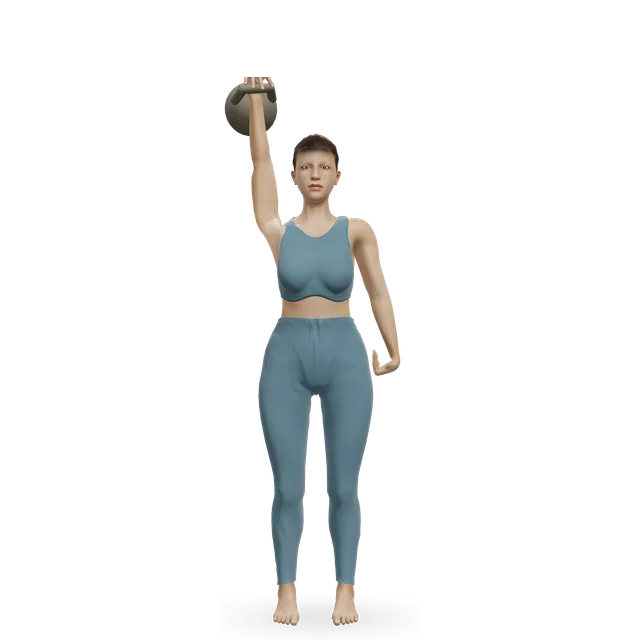
Other names: the single-arm (or one-arm) farmer's carry or walk, and the suitcase walk. An offset carry puts a heavier weight in one hand and a lighter one in the other; a rack carry holds the weight at your shoulder. Neither has a 3D demo.

Source 1

The muscles and joints

Your hand and forearm grip the weight; your shoulder and upper back hold the arm down and the shoulder level; the trunk muscles on the side away from the weight (the obliques, the quadratus lumborum deep in the lower back and the back extensors) stop you bending sideways towards it; and the hip muscles of the other leg (gluteus medius and minimus) hold your pelvis level each time that foot is on the ground. Walking adds work for the back muscles compared with standing still holding the same weight.

Stuart McGill's group wrote that a one-sided carry "uniquely challenges" the side of the trunk, including the quadratus lumborum. Nobody has measured that muscle directly in a carry: the strongman study inferred it from surface recordings.

Sources 2, 3, 4, 5, 13

Before you start

A steady farmer's carry, as our move page asks, and the ability to pick a weight up from the floor and put it down with a flat back. Our farmer's carry guide covers both.

How people differ

In 51 active adults, the heaviest one-hand carry before form broke averaged 64% of body weight in men and 53% in women, and how much muscle and bone (fat-free mass) people had predicted it well. Older adults kept their walking balance with light one-hand loads (2 to 10% of body weight) by tilting the head and chest away and lifting the free arm, but standing still with 20% of body weight in one hand raised their sway a lot.

Sources 10, 14, 15

What the evidence says: the side away from the weight

The trunk away from the weight works hardestEmerging evidence

With 30 kg in the right hand, the left lower back muscles averaged 24.8% of their maximum against 8.4% on the right, and the left external oblique 47.3% (6 young men). Even 10 kg in one hand roughly tripled the left back muscles' activity compared with 5 kg in each hand (7.8% against 2.7%).

In 3 strongmen carrying about 37 kg in the right hand, the left external oblique peaked at 61.5% of maximum against 29.0% on the right, and the left-hand carry mirrored it (65.1% against 12.6%). The carry used 87.6% of their maximum hip abduction strength, and one-handed carries twisted the spine more than two-handed ones (about 11 degrees against 8). All three studies are small.

Sources 2, 3, 16

Walking adds workEmerging evidence

In 18 young adults, walking with the weight drew more back muscle activity than holding the same weight still, and more stomach muscle activity on the loaded side.

Source 5

The hip away from the weight: muscle activityStrong evidence

In a series of lab studies of 24 to 30 people each, the hip abductors (the muscles on the side of the hip) on the side opposite a hand-held load worked harder than in ordinary walking for every load above 3% of body weight, and the same 20% of body weight split between two hands gave less overall.

Walking for 4 minutes with 15 to 20% of body weight in one hand, 26 adults used their opposite gluteus medius 58% more (22% against 14% of maximum) and their opposite lower back muscles 90% more, the hip abductor turning force rose 43%, and the pelvis dropped 2 degrees less. People leaned about 2 degrees away from the weight. The loaded side was unchanged or lower. The studies agree, though most were read as abstracts.

Sources 17, 18, 19, 4

The hip away from the weight: joint forceStrong evidence

Measured through instrumented hip replacements, 25% of body weight in one hand gave the opposite hip about two-thirds more force than the hip on the loaded side; split evenly, both hip forces rose by about a quarter. In 20 healthy adults, one-handed carrying gave up to 2.9 times higher turning forces in the opposite hip, while one-handed lifting loaded the same-side hip more.

Sources 8, 20

Muscle activity isn't muscle growthStrong evidence

These studies measure effort over a few steps, not what a muscle will build over weeks. Muscle activity measured in one session isn't a validated predictor of growth.

Source 21

No trial of the carry itself

We found no training trial of suitcase carries on their own, for strength, back pain, grip or anything else, and none comparing light and heavy carries. Its use rests on these lab studies and on coaching practice.

How to do a suitcase carry, step by step

From our move page, ACE and NSCA Coach, in our editorial wording. A tiny lean away from the weight is normal: people leaned about 2 degrees in one lab study.

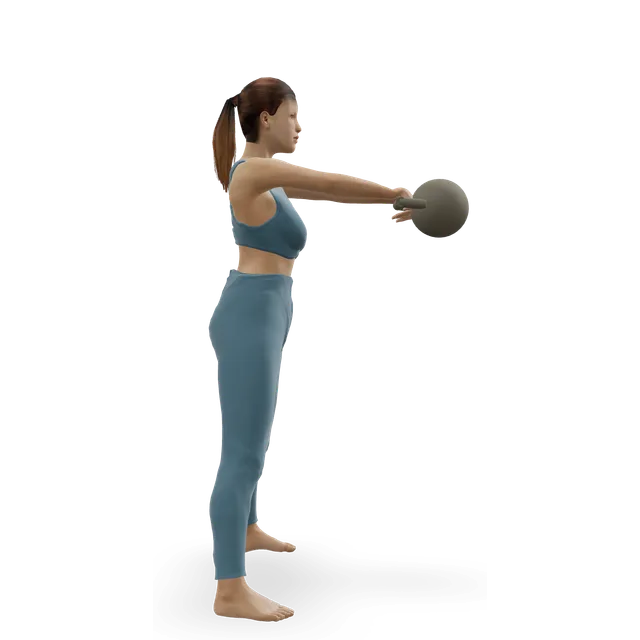
  1. Stand beside a dumbbell or kettlebell, feet hip-width apart, with a clear path ahead.
  2. Bend your knees and hinge at your hips with a flat back, grip the handle firmly in one hand, and stand up tall, the weight by your side and the other arm free.
  3. Keep your shoulders level and down, your ribs down and your trunk upright: don't lean towards the weight or away from it.
  4. Walk with slow, even steps, looking ahead, and keep the weight from swinging or bumping your leg.
  5. Turn and walk back, then put the weight down the way you picked it up, before your grip or posture goes.
  6. Change hands and walk the same distance on the other side.

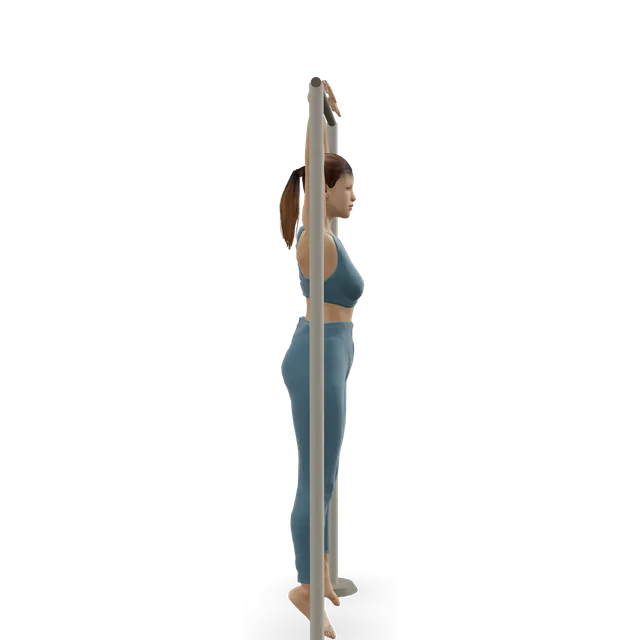
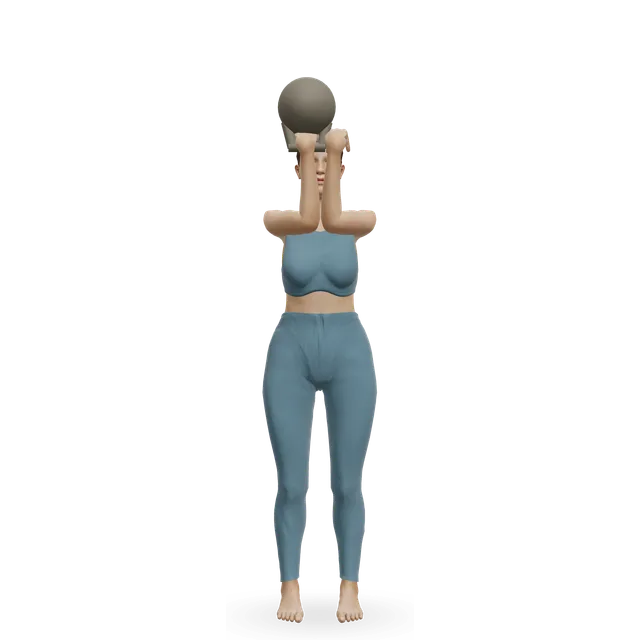
Loading the 3D figure…

Gets into position, then repeats the movement. Technical checks passed; qualified exercise review is pending.

The movement on the figure: Suitcase carry

Suitcase carry or farmer's carry?

Different jobsEmerging evidence

In 18 young adults, a suitcase carry with 25 kg in one hand worked the muscles away from the weight harder than a farmer's carry with 51 kg split between both hands: the external oblique by 21.9 percentage points, the long back muscle (longissimus) by 15.4, the six-pack muscle (rectus abdominis) by 10.6 and the deep back muscle (multifidus) by 6.1. The farmer's carry worked the back muscles on both sides more. The suitcase carry's opposite external oblique worked about as hard as in a plank (33.0% against 34.5% of maximum).

Source 5

The cost: more load on your lower backEmerging evidence

For the same total weight, one hand loaded the lower back 23%, 57% and 82% more than two at 10, 20 and 30 kg. 30 kg in one hand pressed on the lower back with more than 2,800 newtons; 15 kg in each hand with 1,570. Even 30 kg in each hand loaded the spine less than 30 kg in one. One small modelling study, read in full.

Source 2

Which comes first

Two hands first. A coaching article for the National Strength and Conditioning Association (NSCA) starts people coming back from injury with the farmer's walk and adds the suitcase carry next, and ACE's carry ladder puts the farmer's walk before the suitcase carry. Our farmer's carry guide teaches the two-handed version; come back here when it's steady.

Sources 6, 22

How heavy, how far and how often

How heavy

A weight you can carry without leaning, as our move page says. About 15 to 20% of your body weight is a fair start: the authors of the 26-person lab study suggested that level "may be an appropriate intensity to improve hip abductor endurance and motor control". Or start lighter than one of your farmer's carry weights (our editorial starting point).

In 51 active adults, the heaviest one-hand carry held for 20 seconds before the trunk bent sideways more than 8 degrees averaged 53% of body weight in women and 64% in men. That's a maximum, not a training weight, and the authors note there's no guideline for safe carrying loads.

Sources 4, 10

How far

2 walks of 20 to 30 metres each side, as most of our workouts do it, or 20 to 40 seconds each side if you have no space (our editorial starting point, in line with our farmer's carry guide). Our back pain plans use 3 walks of 20 to 30 metres each side.

Rest and effort

60 to 90 seconds between walks, as our farmer's carry guide rests, or carry with one hand while the other side rests. Put the weight down while you still control it, before your grip or posture goes.

How often

2 or 3 times a week, as part of your strength training. The NHS asks adults for strengthening activities on at least 2 days a week.

Source 11

Moving up

Add weight or distance, not both at once, as ACE advises. When 2 walks of 30 metres each side feel steady and level, go up one dumbbell or kettlebell size (our editorial starting point).

Source 22

Everyday carrying limits aren't exercise dosesEmerging evidence

Work studies suggest limits for carrying in one hand for long periods (about 6 kg for women and 10 kg for men in one study; 6 to 7 kg and 9 to 10 kg in a review), and a balance study advised older adults to avoid more than 5% of body weight in one hand while standing. They are for hours of carrying or for fall prevention, not for a short set.

Sources 23, 24, 15

Build up: from the farmer's carry to the suitcase deadlift

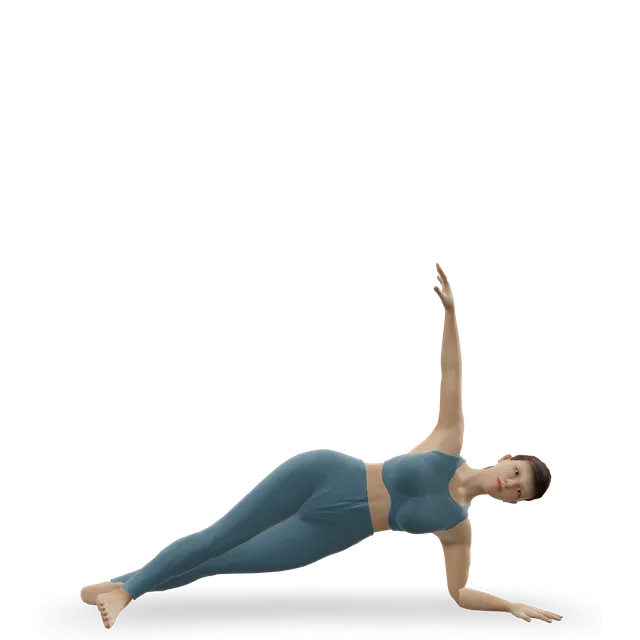
Side planks, 2 holds of 20 to 30 seconds each side, from your knees to start (our loaded carry workout). Then a suitcase march, one weight in one hand while you march slowly on the spot for 20 to 30 seconds each side (no demo; ACE's carry ladder names it; the dose is our editorial starting point). Farmer's carries, 2 or 3 carries of 30 metres (our workouts); suitcase carries, 2 walks of 20 to 30 metres each side (our workouts). Then the barbell suitcase deadlift, 2 to 3 sets of 5 to 8 each side, stopping with 2 or 3 reps in reserve (the move page's dose), or overhead carries, 2 walks of 15 to 20 metres each arm, only with pain-free shoulders (our loaded carry workout).

The suitcase deadlift

Our move page's steps. It's a one-sided lift from the floor, learned after a steady suitcase carry and a kettlebell deadlift; a heavy dumbbell works too. Start at the move page's dose: 2 to 3 sets of 5 to 8 each side, stopping with 2 or 3 reps in reserve. We found no study of it as an exercise.

  1. Stand beside the centre of a barbell, the bar running alongside your foot, feet about hip-width apart.
  2. Bend your knees and hips to squat down and grip the middle of the bar with one hand, palm facing your leg, so it balances.
  3. Breathe out and drive through both feet to stand tall, the arm straight and the shoulders level.
  4. Bend your knees to lower the bar back to the floor under control. Finish the set, then switch sides.

Loading the 3D figure…

Gets into position, then repeats the movement. Technical checks passed; qualified exercise review is pending.

The movement on the figure: Barbell suitcase deadlift

Common mistakes

Leaning towards the weight, or hitching away from it

Go lighter until you can walk level. As our move page puts it: "If you cannot stay level, the weight is too heavy."

The loaded shoulder dropping or shrugging up

Keep both shoulders level and down.

The weight swinging or banging your leg

Slow down, grip harder and keep it by your side, just clear of your thigh. Coaching pages disagree on whether it may brush your leg; we keep it clear.

Rushing or shuffling

Slow, even steps. A shuffle means the weight is too heavy.

Picking up or putting down with a rounded back

Hinge with a flat back and bend your knees, as for a deadlift.

Holding your breath

Keep breathing as you walk, as our farmer's carry guide says.

Only carrying on your strong side

Same weight and distance each side.

Your back and your hips

More back load than two hands, but moderateEmerging evidence

One hand loads the lower back more than the same weight split between two. In a model of 12 adults carrying 7.5 to 15% of body weight in one or two hands, even with a simulated limp, lower back forces stayed below the levels that injure spinal tissue. Stay tall and level, and start light.

Sources 2, 7

"Carrying on one side is bad for your back"Mixed evidence

As a blanket claim, no. One hand loads the back more than two, but the loads are moderate, and our back pain guides use the suitcase carry at their strengthening stage (3 walks of 20 to 30 metres each side). In 213 strongman athletes, the farmer's walk caused 5% of injuries and the suitcase carry wasn't listed; we found no study linking suitcase carry training to back injury.

Sources 2, 7, 25, 26

Lifting with one handEmerging evidence

In lab studies, lifting with one hand added some sideways bending (about 6 degrees) and sideways shear to the lower back, but not more compression than lifting with two. That's why the suitcase deadlift keeps the trunk upright and starts light.

Sources 27, 28

The back rule

Aim for discomfort you'd call mild to moderate, no more than about 5 out of 10. It should settle within an hour or so, and your back should be no worse the next morning, as our back pain guides say. Pain, pins and needles or numbness spreading down a leg are the exception: stop, and see our sciatica guide.

Which hand, with a sore hip?Mixed evidence

The lab studies agree that carrying in one hand loads the opposite hip more, which suggests carrying on the same side as a sore hip. Arthritis UK advises the opposite, as our hip pain on stairs guide reports, and nobody has tested what happens to symptoms. While your hip is sore, the NHS says "do not carry anything heavy". So skip heavy suitcase carries for now; if you must carry, split the load between two bags or use a backpack.

Sources 17, 29, 8, 9

After a hip replacement

In people with a hip replacement, carrying a load on the same side as the new hip lowered the work of its abductor muscles, and the author advised caution with loads in the opposite hand. Follow your surgical team's limits before loaded carries.

Sources 29, 30

The outer hip rule

No extra pain over the bony point on the side of your hip during or after, and the hip no worse that night or the next morning, as our outer hip pain guide says.

In a suitcase carry, the hip away from the weight is the one working.

Grip and sore hands

Your grip may run out firstEmerging evidence

One of the 26 people recruited to the carry muscle study couldn't hold the dumbbells, and forearm fatigue set one-hand carrying limits in a work study. We found no study that measured grip as the limit of a suitcase carry. If your hand gives out before your trunk, end the walk, and train your grip on its own (our grip strength guide).

Sources 5, 23

Sore hands and wrists

Some discomfort during these exercises is fine and doesn't mean you are doing damage. Keep it to about 5 out of 10 or less. It should settle within half an hour or so, and your hand should be no worse the next morning. If it is, do fewer, smaller or lighter next time, not nothing. That's our wrist pain guides' rule.

Stop if your fingers tingle or go numb: that's a nerve, not a tired muscle, as our grip strength guide says.

With carpal tunnel symptoms, thumb-base arthritis or trigger finger, use a thick or padded handle and a lighter weight, as our farmer's carry guide says.

Moves that go with it

Kettlebell deadlifts practise the pick-up, 2 sets of 5 (our loaded carry workout's warm-up). Side planks with a leg lift work the side of the hip, 2 sets of 10 each side (our Pilates for runners workout). Half-kneeling Pallof presses resist a twist, 2 to 3 sets of 8 to 10 each side with a 2-second hold (our Pallof press guide). Single-leg Romanian deadlifts, 2 to 3 sets of 6 to 10 each leg (our single-leg deadlift guide). Wrist curls for grip, 2 sets of 12 to 15, light and slow (our first pull-up workout).

Workouts

Suitcase carries finish these sessions, mostly at 2 walks of 20 to 30 metres each side. The loaded carry workout teaches two hands first; the oblique workout pairs the carry with side planks and Pallof presses.

Loaded carry workout: farmer's, suitcase and overhead carries

A 25-minute carry workout with dumbbells or kettlebells: farmer's carries, suitcase carries on each side and an overhead carry, with a safe pick-up first.

25 minBeginner7 movesA kettlebell, A dumbbell

Oblique workout: side planks, Pallof presses, carries and Russian twists

A 25-minute oblique workout at home: side planks, a band Pallof press and a suitcase carry to hold your trunk steady, then slow Russian twists and side-lying crunches.

25 minIntermediate8 movesA band, An anchor point

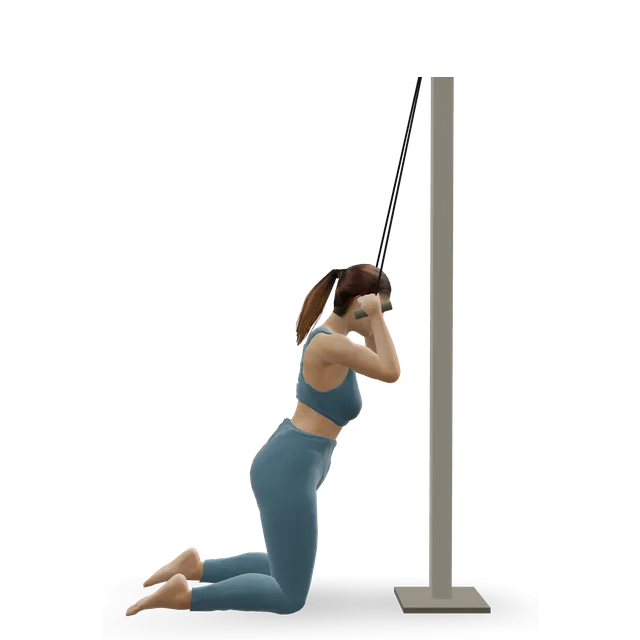
Gym ab workout: cable crunches, hanging knee raises, rollouts and carries

A 25-minute gym ab workout you can add weight to: cable crunches, hanging knee raises, ab wheel rollouts, Pallof presses and suitcase carries.

25 minIntermediate7 movesA cable machine, Pull-up bar

Core session B: side planks, bird dogs and a carry

A 12-minute core session for the sides and back: side planks, bird dogs, a band press that resists twisting and an optional one-sided carry.

12 minBeginner10 movesA band, An anchor point

Strongman workout for beginners: deadlifts, carries, sled pushes and presses

A 60-minute strongman starter session for an ordinary gym: trap bar deadlifts, goblet squats, clean and presses, farmer's and suitcase carries and sled pushes.

60 minBeginner13 movesCardio machine, A wall

Kettlebell workout

A 30-minute full-body kettlebell workout: deadlifts, swings, cleans, presses, rows, halos and carries.

30 minIntermediate9 movesA kettlebell, A dumbbell

Lateral pelvic tilt routine: side-hip strength and control

A 25-minute routine for uneven hips: side-hip holds, leg raises, single-leg bridges, step-ups, side planks and balance, for hip strength and pelvic control.

25 minBeginner10 movesA wall, A step

Chop and lift workout: from resisting a twist to cable wood chops

Resist a twist, then make one under control: Pallof presses, the press and turn, cable lifts and wood chops, with side planks and a carry.

30 minIntermediate9 movesA band, An anchor point

Plans

Who should change it

Back pain

Two hands first, a light weight and shorter walks, within the back rule above. Our back pain guides bring suitcase carries in once the earlier stages are comfortable.

A sore or replaced hip

Skip heavy carries while the hip is sore, as the NHS advises, and split any load you must carry. After a hip replacement, follow your team's limits.

Source 9

Pregnancy

The NHS suggests balancing the weight between 2 bags when carrying shopping in pregnancy, and says pelvic girdle pain can be worse with lifting heavy objects such as shopping bags. Use two hands (a farmer's carry) or a light weight, and see our pregnancy guide.

Sources 31, 32

After a birth

The NHS says to avoid heavy lifting to start with. Our diastasis recti guide brings carries back gradually; after a caesarean, lift nothing heavier than your baby for about 6 weeks, as our farmer's carry move page says.

Source 33

Osteoporosis

The UK consensus encourages carrying shopping as strengthening. Keep your back upright and avoid rounding to pick the weight up; after a spinal fracture, ask a physiotherapist before loaded carries (our osteoporosis guide).

Source 34

Heart surgery or a transplant

After heart surgery through the breastbone, or a heart or lung transplant, follow your surgeon's advice before lifting with your arms, as our move page says.

A prolapse

Keep weights light and split between both hands, as our loaded carry workout says.

Poor balance or numb feet

Walk beside a wall or rail with a light weight. Older adults balanced well with light one-hand loads, but heavy ones raised their sway.

Sources 14, 15

Warning signs

Stop and get medical help

If you get chest pain or pressure, feel faint or dizzy, are unusually breathless, or your heart races or beats irregularly during exercise, as our plans advise. The American Heart Association says these need immediate medical evaluation.

Source 35

Call 999 (911 in the US)

For chest pain that comes on suddenly and doesn't go away, feels tight or like squeezing, spreads to your arms, neck, jaw, stomach or back, or comes with sweating, feeling sick, light-headedness or breathlessness; arm pain that comes on suddenly with pressure, heaviness or squeezing across your chest; severe difficulty breathing, or a chest that feels tight or heavy; someone who faints while exercising; palpitations that don't go away, or come with chest pain, shortness of breath or feeling faint; or a headache that starts suddenly and is extremely painful, especially while lifting or straining. The NHS says a bleed on the brain may be more likely when lifting something heavy. Don't drive yourself to A&E.

Sources 36, 37, 38, 39, 40, 41, 42, 43

A headache with effort

Ask for an urgent GP appointment or get help from NHS 111 for a headache that's triggered or made worse by coughing, sneezing, bending down or exercising.

Source 42

Back pain

Call 999 or go to A&E: loss of feeling or numbness around the genitals or bottom, new trouble peeing or controlling your bladder or bowels, changes in genital sensation during sex or problems with erections or orgasm, or pain, tingling, weakness or numbness in both legs. These are signs of cauda equina syndrome, which needs treating in hospital urgently. Don't drive yourself.

See a GP if pain spreading down a leg hasn't improved after a few weeks of home treatment, is getting worse or stops your normal activities. Sciatica on both sides, or weakness or numbness in both legs that's severe or getting worse, is a 999 call or a trip to A&E.

Sources 44, 45

Your hip

Call 999 or go to A&E for severe hip pain after a fall or injury, if you can't walk or put weight on the leg, or for tingling or loss of feeling in your hip or leg after an injury. Ask for an urgent GP appointment or get help from NHS 111 for severe hip pain that started suddenly without an injury, or a hip that's swollen and hot. See a GP if hip pain hasn't improved after 2 weeks of looking after it yourself.

Source 9

A weight dropped on your foot

Call 999 or go to A&E if you heard a crack, the joint or limb has changed shape or points at an odd angle, it's numb or tingling, or the skin looks blue or grey or feels cold. Get help from NHS 111 (in the US, urgent care) if it's very painful, very swollen or bruised, very stiff, or you can't put weight on it or walk more than a few steps.

Source 46

Your wrist

Get help from NHS 111 for a wrist injury with a snap, grinding or popping noise, lost feeling in the hand, or a wrist you think is broken.

Source 47

A new lump or bulge in your groin or tummy

See a GP if you think you have a hernia, a bulge or lump that may get bigger when you strain and smaller when you lie down. Get help from NHS 111 if you have a hernia and pain in or around it, a bloated tummy, you feel or are sick, you're vomiting blood or your vomit looks like coffee grounds, you're constipated, you have a high temperature or feel hot, cold or shivery, or you've suddenly become confused. Call 999 or go to A&E for a femoral hernia (a small lump at the top of your thigh, in your groin) with very bad tummy pain, sickness, being unable to fart or poo, a high temperature or sudden confusion.

The NHS lists lifting heavy weights among the causes of a femoral hernia. After an inguinal hernia repair, avoid heavy lifting or strenuous activity for at least 4 to 6 weeks.

Sources 48, 49, 50

Before you start

Speak to your GP first if you haven't exercised for some time or have medical conditions or concerns, as the NHS advises. Get advice before hard or straining work if your blood pressure is uncontrolled (140/90 or higher at a clinic, or 135/85 at home), or you have heart disease or chest pain when you're active, a pacemaker or defibrillator, diabetic eye disease, glaucoma, a hernia, recent eye or tummy surgery, or you're pregnant, as our breathing guide lists.

With controlled high blood pressure, the American Heart Association considers low- to moderate-intensity strength training with proper breathing safe. Breathe out as you lift, as our breathing guide advises.

Sources 11, 51, 35

Myths

"Suitcase carries are just for strongmen"Emerging evidence

The NHS counts carrying heavy shopping as strengthening for adults and older adults. Coaches use carries in rehabilitation, 115 women did suitcase carries in a supervised programme after breast cancer without their lymphoedema worsening, and they appear in back pain rehabilitation reports. In strongman athletes the suitcase carry wasn't even listed among injury causes. We found no trial of suitcase carries alone.

Sources 11, 52, 6, 12, 53, 54, 26

"Carries only work if they're heavy"Emerging evidence

The side muscles switch on with light loads: the opposite hip's abductors from loads above 3% of body weight, and 10 kg in one hand roughly tripled the opposite back muscles' activity. Heavier loads build more maximal strength in general, so heavier carries are a fair goal, but no carry trial has compared the two.

Sources 17, 2, 4, 55

"A suitcase carry is just a farmer's carry with one hand"Emerging evidence

One hand changes the job: for the same total weight it loaded the lower back 23 to 82% more, and with half the total weight the trunk muscles away from the weight worked harder than in a farmer's carry, with the opposite hip doing the work.

Sources 2, 5, 4

"It's the best oblique exercise"

The opposite external oblique worked about as hard as in a plank, and we found no study comparing it with side planks or side bends. It's a good side-trunk exercise among several.

Source 5

"It fixes muscle imbalances and prevents injuries"

Pages that promise this cite no study, and we found none. Doing both sides evenly is sensible, which is all we'd claim.

"Lean away from the weight to balance it"

Stay level. People naturally lean about 2 degrees away, and a sideways bend of more than 8 degrees was where form was judged to break in the one load study. If you can't walk level, the weight is too heavy.

Sources 4, 10

Questions people ask

What is a suitcase carry?

Walking with one weight in one hand, like carrying a suitcase, while you stay tall and level. It's also called a single-arm farmer's carry or suitcase walk. The weight tries to tip you sideways, so the side of your trunk and the hip on the other side work to stop it.

How do you do a suitcase carry?

Pick up a dumbbell or kettlebell beside you with a flat back, stand tall with your shoulders level, and walk slowly for 20 to 30 metres without leaning towards or away from the weight. Turn, walk back, put it down the way you picked it up, and change hands.

What muscles does a suitcase carry work?

Mainly the trunk on the side away from the weight (the obliques and lower back muscles) and the hip muscles on that side, plus your grip. With 15 to 20% of body weight in one hand, the opposite gluteus medius worked 58% harder than in normal walking in one lab study of 26 adults.

Suitcase carry or farmer's carry: which is better?

They do different jobs. With half the total weight, the suitcase carry worked the trunk muscles away from the weight harder, while the farmer's carry worked the back muscles on both sides more. Start with the farmer's carry, as our guides and coaches do, then add suitcase carries.

How heavy should a suitcase carry be?

Heavy enough to challenge you while you still walk level: about 15 to 20% of your body weight is a fair start (10 to 14 kg for a 70 kg adult), the level one study suggested for hip endurance. The most people could manage for 20 seconds before their form broke was about 53% of body weight in women and 64% in men, a ceiling rather than a training weight.

How far should I carry, and how many times?

2 walks of 20 to 30 metres each side, 60 to 90 seconds apart, 2 or 3 times a week, as our workouts do it. Add weight or distance from week to week, not both at once.

Is the suitcase carry bad for your back?

Not when you walk tall with a sensible weight. One hand loads your lower back more than the same weight split between two, but our back pain guides use suitcase carries to rebuild. Keep back discomfort to about 5 out of 10, settling within an hour, and stop if pain spreads down a leg.

Should I lean away from the weight?

No: stay level. A slight lean of a degree or two is normal, but if you can't walk without leaning, the weight is too heavy.

Can I do suitcase carries with hip pain?

The NHS says don't carry anything heavy while your hip hurts. Lab studies find the hip on the side away from the weight works harder, but which hand to use with a sore hip is unsettled, so keep it light, split the load, or wait.

Are suitcase carries just for strongmen?

No. The NHS counts carrying heavy shopping as strength training, and suitcase carries are used in back pain rehabilitation and in supervised programmes after breast cancer.

What is a suitcase deadlift?

Lifting a barbell or heavy dumbbell from the floor beside you with one hand, keeping your trunk upright, then putting it down. Its move page starts at 2 to 3 sets of 5 to 8 each side; learn it after a steady suitcase carry. We found no study of it as an exercise.

Can I do suitcase carries when pregnant?

If you already lift and feel well, light carries can be fine, but the NHS suggests balancing the weight between two bags in pregnancy, and pelvic girdle pain can be worse with lifting heavy bags. Two hands (a farmer's carry) or a light weight is the safer choice.

Sources

  1. ACE · Suitcase carry (exercise library, rated intermediate, American Council on Exercise)
  2. McGill 2013 · Low back loads when walking with a load in one hand or both, in 6 young men (lab and modelling study, Ergonomics)
  3. McGill 2009 · Strongman events compared: trunk muscle activity, spine motion and load in 3 strongmen (lab study, J Strength Cond Res)
  4. Graber 2021 · Hip and trunk muscle activity when walking with a weight in one hand, in 26 adults (lab study, J Appl Biomech)
  5. Ellestad 2024 · Trunk muscle activity in suitcase and farmer's carries, holds and the plank, in 18 young adults (EMG study, Int J Exerc Sci)
  6. Taylor and Reed · Increase hip and trunk stability with loaded carries for injury prevention, rehabilitation, and performance (coaching article, NSCA Coach 7.3)
  7. Banks 2026 · Low back forces when carrying a load with an uneven walk, in 12 adults (modelling study, J Appl Biomech)
  8. Bergmann 1997 · Hip joint forces during load carrying, measured through instrumented hip replacements (measurement study, Clin Orthop Relat Res)
  9. NHS · Hip pain in adults
  10. Holmstrup 2018 · The heaviest one-hand farmer's walk before form broke, in 25 men and 26 women (lab study, Sports)
  11. NHS · Physical activity guidelines for adults aged 19 to 64
  12. Shamsesfandabadi 2025 · Supervised resistance training and lymphoedema in 115 women after breast cancer (cohort study, JAMA Netw Open)
  13. McGill 2010 · Core training: evidence translating to better performance and injury prevention (review, Strength Cond J)
  14. Serafim 2026 · Balance while walking with a load in one hand, in 31 older adults with and without falls (lab study, Hum Mov Sci)
  15. Hill 2018 · Heavy one-sided loads and sway when standing still, in 18 older adults (lab study, Aging Clin Exp Res)
  16. Hindle 2019 · The biomechanics of strongman exercises (systematic review, Sports Med Open)
  17. Neumann 1994 · Hip abductor activity during load carrying: implications for protecting the hip joint (EMG study, JOSPT)
  18. Neumann 1985 · Gluteus medius activity when walking with loads carried in different positions (EMG study, Phys Ther)
  19. Neumann 1992 · Hip abductor activity when carrying loads in one or both hands (EMG study, Phys Ther)
  20. Sikeler 2026 · Hip joint moments in one- and two-handed lifting and carrying, in 20 healthy adults (lab study, J Biomech)
  21. Vigotsky 2022 · Muscle activity measured in one session isn't a validated predictor of muscle growth (review, Sports Med)
  22. ACE 2018 · Progressions and regressions: the loaded carry ladder (coaching article, American Council on Exercise)
  23. Kilbom 1992 · One-handed load carrying: endurance and fatigue in 16 adults (lab study, Eur J Appl Physiol)
  24. Badawy 2018 · One-handed carrying among older and obese people (systematic review, Ergonomics)
  25. Winwood 2014 · Injuries in 213 strongman athletes (retrospective survey, J Strength Cond Res)
  26. Winwood 2015 · Strongman implement training: applications for strength and conditioning practice (PhD thesis, Auckland University of Technology)
  27. Kingma 2004 · One-handed lifting and hand support: trunk movement and low back load (lab study, J Biomech)
  28. Weston 2020 · One- against two-handed lifting and lowering: lumbar spine loads (lab study, Ergonomics)
  29. Neumann 1996 · Hip abductor activity in people with a hip replacement carrying loads in one hand (EMG study, Phys Ther)
  30. Neumann 1999 · Hip abductor activity with a hip replacement when using a cane and carrying a load (EMG study, Phys Ther)
  31. NHS · Back pain in pregnancy
  32. NHS · Pelvic pain in pregnancy (past its review date: reviewed December 2022, review due December 2025)
  33. NHS · Your post-pregnancy body
  34. Brooke-Wavell 2022 · Strong, steady and straight: UK consensus on physical activity and exercise for osteoporosis (consensus statement, Br J Sports Med)
  35. Paluch 2024 · Resistance exercise training with and without cardiovascular disease: 2023 update (American Heart Association scientific statement, Circulation)
  36. NHS · Chest pain (past its review date: reviewed August 2023, review due August 2026)
  37. NHS · Heart attack
  38. NHS · Elbow and arm pain
  39. NHS · Shortness of breath
  40. NHS · Fainting
  41. NHS · Heart palpitations
  42. NHS · Headaches
  43. NHS · Subarachnoid haemorrhage
  44. NHS · Back pain
  45. NHS · Sciatica
  46. NHS · Sprains and strains
  47. NHS · Wrist pain
  48. NHS · Hernia
  49. NHS · Femoral hernia
  50. NHS · Inguinal hernia repair
  51. NHS · High blood pressure
  52. NHS · Physical activity guidelines for older adults
  53. Swift 2026 · Rehabilitation for chronic low back pain in a young athlete (case report, Int J Sports Phys Ther)
  54. Brearley 2021 · Non-surgical care of stress fractures in the lower back of a junior elite golfer (case report, Int J Sports Phys Ther)
  55. Currier 2026 · Resistance training for muscle function, size and performance in healthy adults: an overview of 137 reviews (ACSM position stand, MSSE)

Exercise education, not a personal prescription, and clinical review of these guides is pending. Check with a GP before starting hard training if you have a heart condition, chest pain, dizziness or breathlessness when active, and stop for sharp or increasing pain. Health disclaimer.