Core & abs
Oblique workout: side planks, Pallof presses, carries and Russian twists
Your obliques turn and bend your trunk and, just as often, stop it turning and bending. This workout trains both: first holding still against a sideways or twisting pull, then slow turning and side bending. No study has tested the Russian twist itself, so it comes last, slow, with your feet down and no weight to start. Do it two or three times a week. The doses are our starting point, from our side plank guide and sports workouts.
Warm-up
- Cat-cow6 slow wavesBeginner · Back, Abs · 3D demoHarder: Half lord of the fishes (Ardha Matsyendrasana)
- Side-lying open book6 each sideBeginner · Back, Chest, Shoulders · 3D demoFollow your hand with your eyesHarder: Thoracic rotation


Hold steady
3 rounds · Rest 45 to 60 s after each round
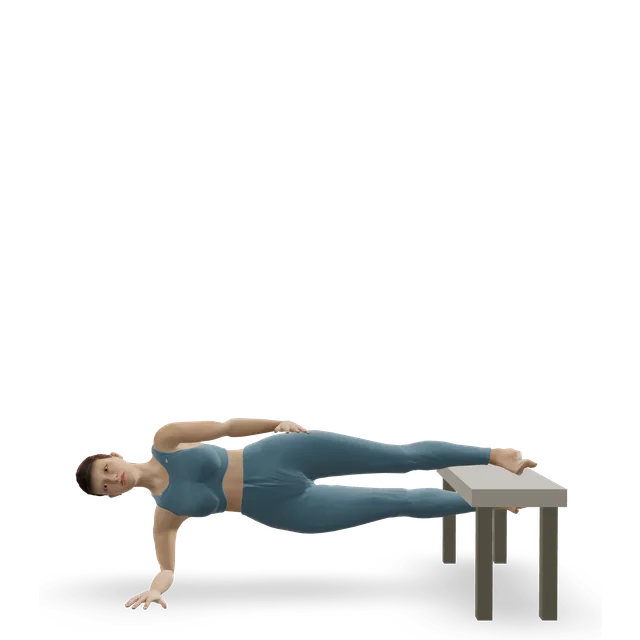
- Side plank15 to 40 s each sideIntermediate · Abs, Hip abductors, Shoulders · 3D demoHips high; end the hold when they sag. Easier: on your kneesEasier: Knee side plankHarder: Side plank with leg lift
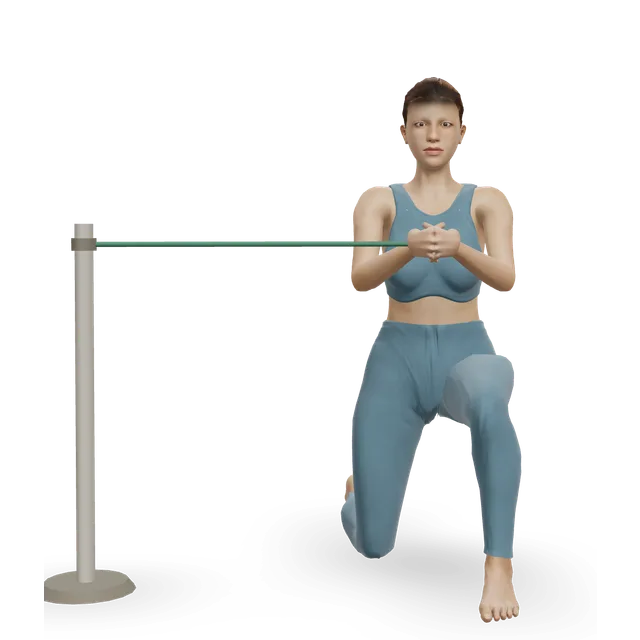
- Half-kneeling Pallof press10 each sideBeginner · Abs, Glutes, Shoulders · 3D demoA band anchored at chest height in a closed door or round a post; press out and don't let it turn youHarder: Pallof press
- Suitcase carry20 m each handIntermediate · Abs, Forearms, Back · 3D demoOne dumbbell, kettlebell or heavy bag; walk tall without leaningEasier: Farmer's carryHarder: Overhead carry (waiter's walk)


Turn and bend
2 rounds · Rest 60 s after each round
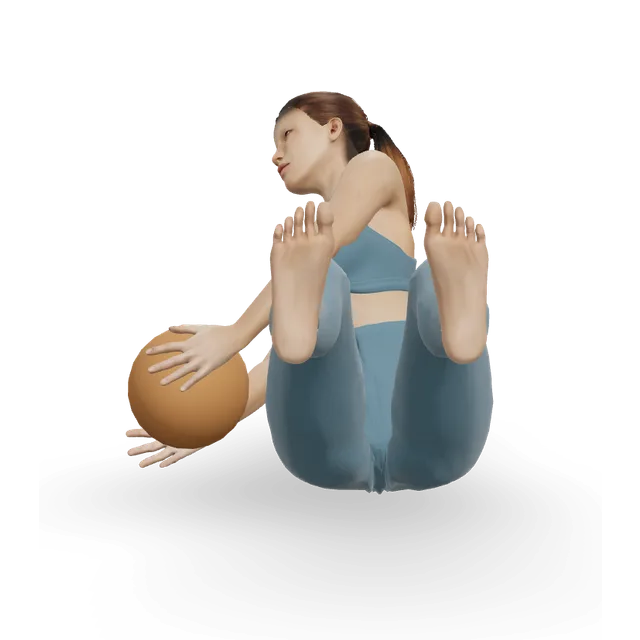
- Russian twist with a weight6 to 12 each sideIntermediate · Abs, Hip flexors · 3D demoSlow. Start with 6 to 10 each side, feet down and no weight; turn your ribs, not just your arms. Lift your feet, then add a light weight (8 to 12 each side), only when that's easyEasier: Seated barbell twistHarder: Cable wood chop
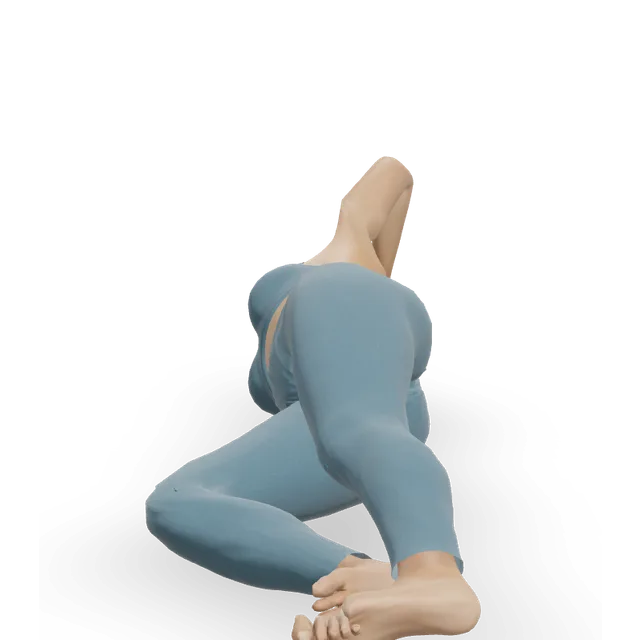
- Side-lying oblique crunch10 to 15 each sideBeginner · Abs · 3D demoLying on your side, lift your shoulders sideways a little, slowlyHarder: Decline oblique crunch
Cool-down
- Thoracic rotation6 each sideBeginner · 3D demoSlowEasier: Side-lying open bookHarder: World's greatest stretch

Tips
- Two or three times a week, on days apart. Stop each set when your form slips: hips sagging, the band turning you, or your back rounding in the twist.
- Keep the twists slow, as the researchers who measured trunk rotation advise.
- With osteoporosis, leave out the weight in the Russian twist and twist only as far as is comfortable; after a spinal fracture, ask a physiotherapist first.
- If twisting brings on back pain or pain down a leg, do the first block only and see our back pain guide.
- Pregnant, or in the first months after a birth: do the first block only, with knee side planks, and follow our pregnancy or diastasis recti guide. With a prolapse, swap the twist and the crunch for more Pallof presses.
- This trains your obliques; it won't trim your waist. In trials, ab exercises didn't shift belly fat.
The doses are suggested starting points, not a prescription. Choose a range you can control and stop for sharp or increasing pain, numbness or tingling. Get individual advice after an injury or surgery, or if you are pregnant or managing a health condition.
Guides that recommend it
Find more moves like these
More core & abs




Beginner core workout
A 15-minute beginner core workout on the floor: dead bugs, bird dogs, knee planks, side planks and curl-ups.
15 minBeginner6 movesNo equipment
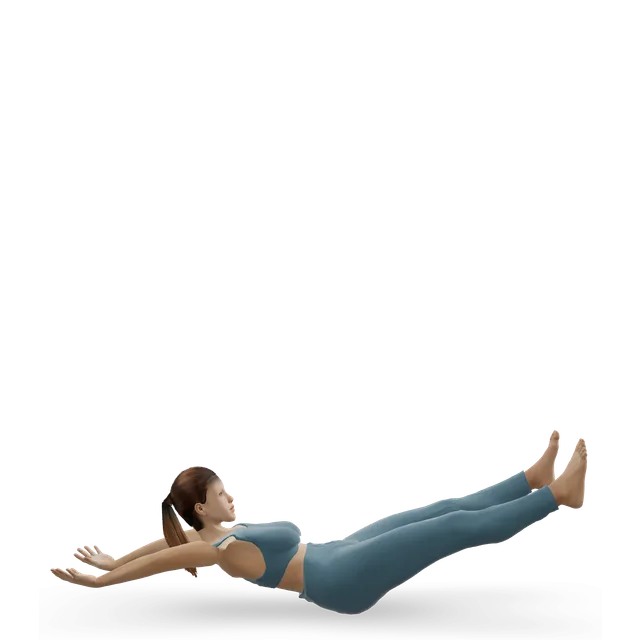
Ab workout (no equipment)
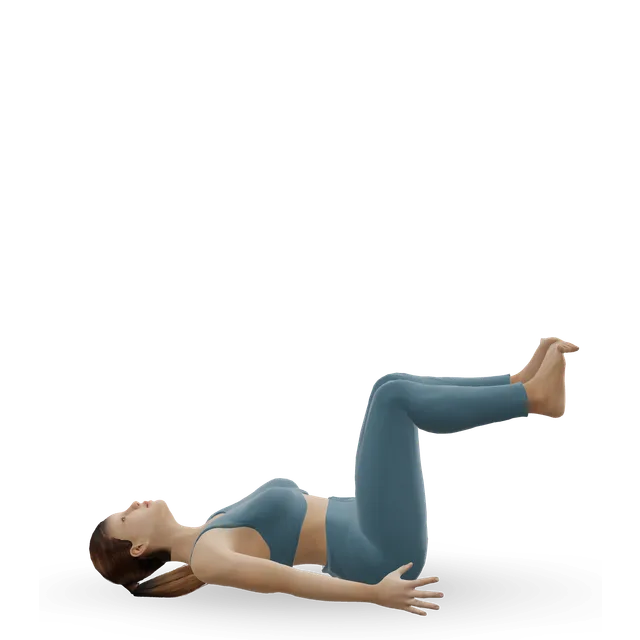
An intermediate ab workout with no equipment: planks, side planks, reverse crunches, hollow holds and mountain climbers.
20 minIntermediate7 movesNo equipment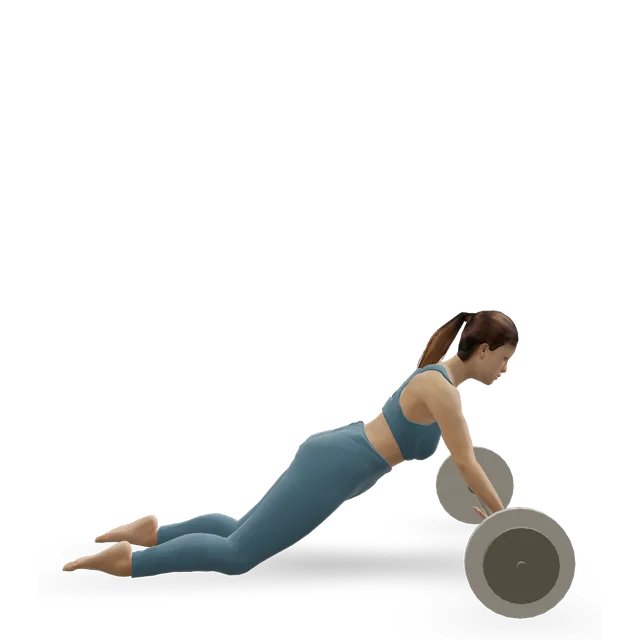
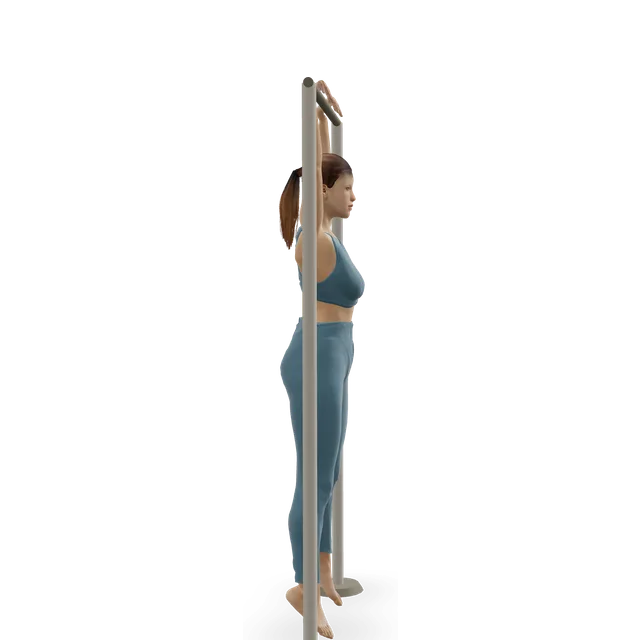
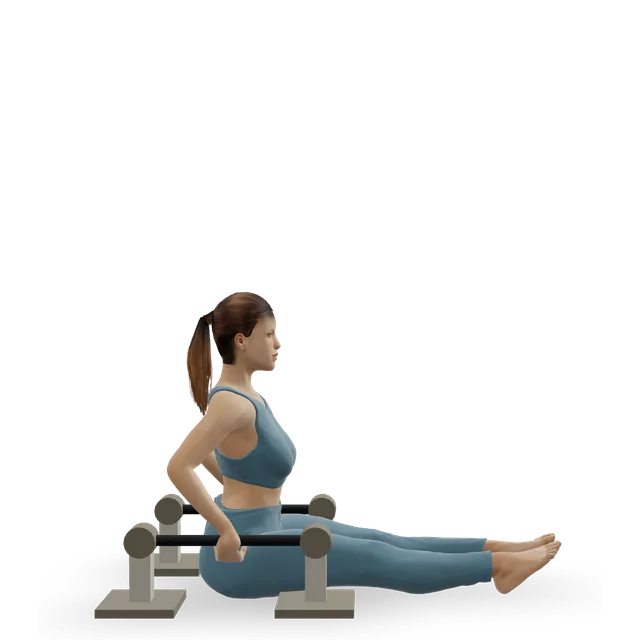
Advanced core workout
Hard core training: ab wheel rollouts, hanging leg raises, L-sits, Copenhagen planks, plank walk-ups and dragon flags.
30 minAdvanced6 movesAn ab wheel, Pull-up barQuestions people ask
How long does the oblique workout: side planks, pallof presses, carries and russian twists take?
About 25 minutes, including any warm-up and cool-down listed. Shorten it by doing fewer rounds; lengthen it by adding one.
What equipment do I need?
You need: A band, An anchor point, A dumbbell, A kettlebell, Medicine ball. Each move links to its guide, where you can find an alternative if you are missing something.
Is it suitable for me?
It is written at intermediate level. 4 of its 8 moves have an easier option listed beside them; use them freely.
How do I make it easier or harder?
Use the easier or harder option listed under each move, change the number of rounds, or adjust the rest. Progress one change at a time.