Training guide

How to do cable woodchoppers (wood chops): high to low and low to high, the trunk and hips, the lower back, band and dumbbell versions, and how many

A cable woodchopper, or wood chop, is a diagonal pull across your body: side-on to a cable with the pulley high, you pull the handle down and across to the outside of your far hip, turning your chest, stomach and hips together, then return slowly. The low-to-high version is the cable lift. Learn the Pallof press first, start light, and do 2 sets of 8 each side.

Chops train your trunk to turn under control. Nobody has measured exactly which muscles they work hardest, and they aren't a back pain cure or a love-handle burner, but twisting isn't bad for your back as a rule: the care is with fast, heavy, repeated twisting while you're bent over.

This guide shows the chop and the lift on the 3D figure, the order to learn them, kneeling, band and dumbbell versions, your lower back, sport, and how many to do.

The short version

The move

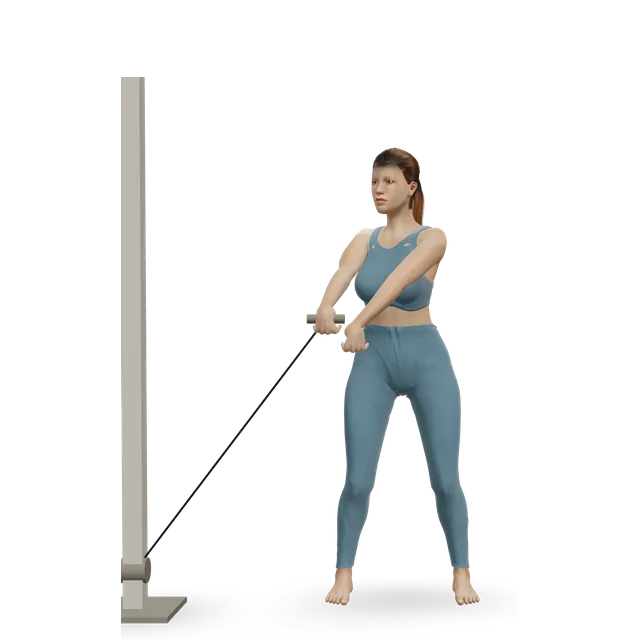
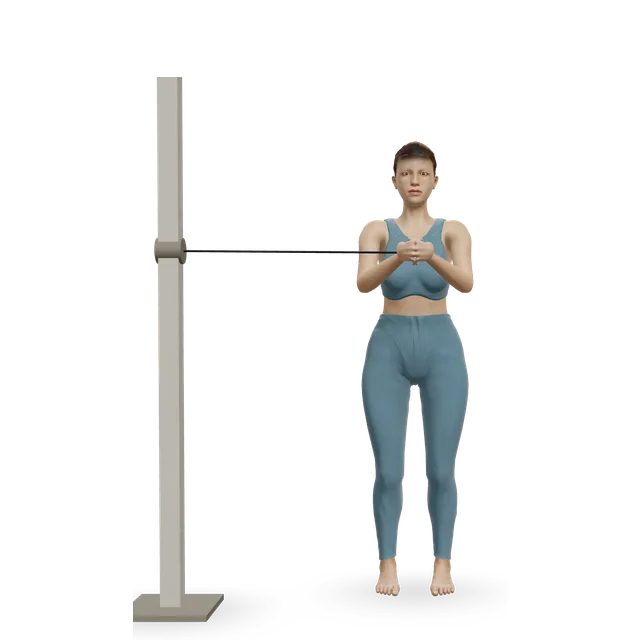
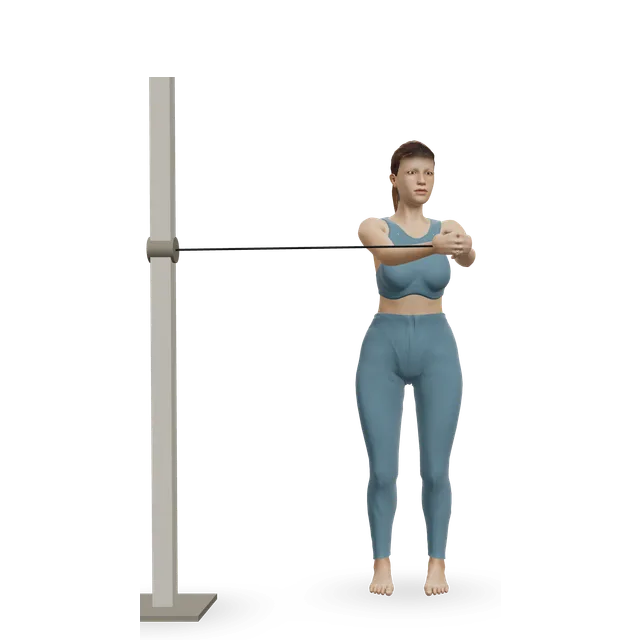
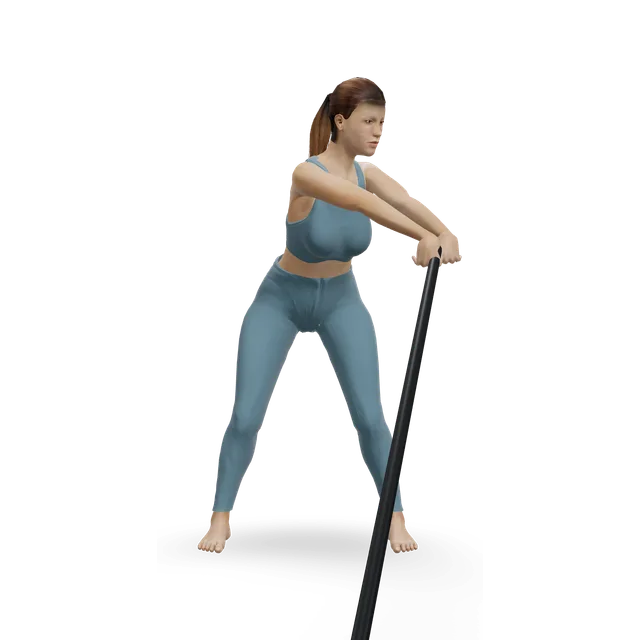
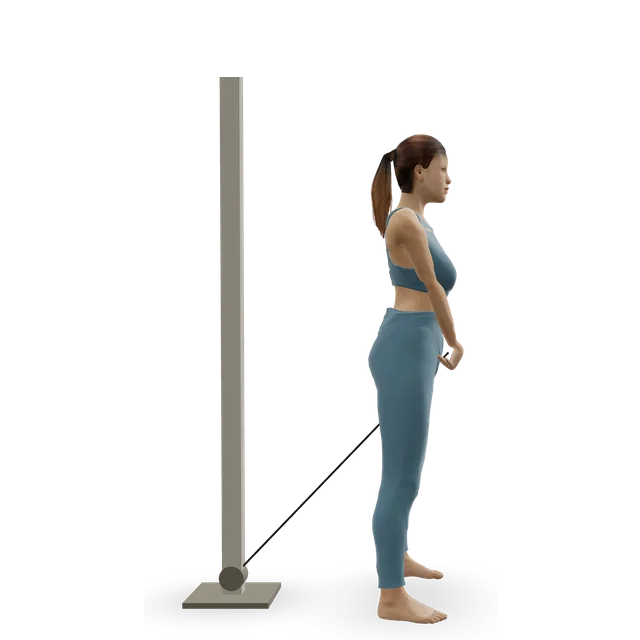
Stand side-on to a cable with the pulley high, feet wider than your shoulders, both hands on one handle and your arms long towards it. Pull the handle down and across your body to the outside of your far hip, turning your chest, stomach and hips together and pivoting your back foot, then return slowly along the same path. The low-to-high version is the cable lift.

Sources 1, 2

What it works: nobody has measured it

We found no study of how hard a wood chop works any muscle; the only chop study with muscle recordings looked at the order muscles switch on. From twisting studies, the outer stomach muscle (external oblique) on one side works with the inner one (internal oblique) and the lat on the other to turn you, and the whole trunk braces as you twist. Your hips and legs turn and shift your weight.

Sources 3, 4, 5

The turn comes from your hips and upper back

Each joint of the lower back turned only 1.2 to 1.7 degrees in a 45-degree trunk turn, in 10 people scanned by MRI, so most of the turn comes from your hips and upper back. ACE's cue is to "move the chest and stomach together".

Sources 6, 1

Is it bad for your back? Not as a rule

Twisting at work was a weak, inconsistent risk factor for back pain in 861 workers, reviews judge it unlikely to cause back pain on its own, and the Chartered Society of Physiotherapy says "Don't fear twisting and bending". The care is with twisting combined with repeated bending under load. Turn tall, smooth and light, and add range, then speed, then load.

Sources 7, 8, 9, 10

Learn it in order

Resist a twist first (the Pallof press), then press and turn, then the cable lift and the chop: the order coaching bodies use. Kneeling or half-kneeling before standing takes your legs out of it while you learn.

Sources 11, 12, 13

How many

Start at 2 sets of 8 each side (our workouts) and build to 2 to 3 sets of 8 to 12 each side, light and controlled, 2 or 3 times a week: our editorial starting point, within the 8 to 15 controlled reps the National Academy of Sports Medicine (NASM) suggests. Fast power chops come only once controlled chops are easy.

Source 12

What a woodchopper is, and what it works

A diagonal pull across the body

The chop pulls from high beside one shoulder down to the outside of the opposite hip; the lift pulls from low beside one knee up to above the opposite shoulder. ACE rates both standing versions advanced, and teaches the medicine ball wood chop in three stages: arms only, with the head, chest and hips facing forwards; then adding the hips and a slight squat; then the full chop with the back foot pivoting.

Sources 2, 1, 14

Where it comes from

The chop and lift are the upper-body diagonal patterns of proprioceptive neuromuscular facilitation (PNF), a physiotherapy method. Physiotherapists use them kneeling and half-kneeling to assess and train trunk control.

Source 15

The muscles and joints

Your arms stay long and mostly steer. The turn comes from your hips (the back foot pivots) and your upper back, with the lower back turning only a degree or two at each joint. The external oblique on one side works with the internal oblique and latissimus dorsi on the other to turn the trunk, and the whole trunk co-contracts to brace; your legs shift your weight from one foot to the other.

Sources 4, 5, 6, 3

What the one chop study foundEmerging evidence

In 18 young male golfers and tennis players, the order muscles switched on in a cable chop matched the golf swing's order only weakly (a correlation of 0.16), no better than a medicine ball throw or a rotation machine. The authors found "no demonstrable advantage to any one exercise". Nobody has measured how hard a chop works the obliques, abdominals, back or glutes.

Source 3

Turning and bracingEmerging evidence

In 50 young adults twisting on a seated machine, the external oblique on the far side with the internal oblique and lat on the near side started and kept the turn going. In 25 adults twisting as hard as they could, the obliques reached about half their maximum with heavy bracing from the whole trunk: the researchers concluded that holding the joints steady matters more than producing turning force. Turning within about 10 to 15 degrees either side took little muscle effort.

Sources 4, 5, 16

Before you start

Our move pages ask for standing trunk rotations and the Pallof press first. NASM puts chops and lifts after at least four weeks of holding-still work such as planks, side planks and Pallof presses.

Source 12

How people differ

Women produced about two-thirds of men's twisting force in one lab study, and turning range and strength vary a lot. If your back dislikes twisting, the Pallof press may suit you better for a while.

Source 17

How to do a cable wood chop, step by step

From our move page, ACE and our cable machine guide, in our editorial wording. ACE's rotational chop sets the pulley at shoulder height; either works. In a gym, any cable tower with an adjustable pulley will do.

  1. Set the pulley high, above your shoulder, clip on a single handle or a rope, and choose a light weight.
  2. Stand side-on to the machine, feet wider than your shoulders, and step away until the cable is tight with your arms long towards the pulley, both hands on the handle.
  3. Brace lightly, chest up, knees soft.
  4. Pull the handle down and across your body towards the outside of your far hip, turning your chest, stomach and hips together and letting your back foot pivot. Your arms stay long and steer.
  5. Pause briefly at the bottom, then return slowly along the same path, letting the cable turn you back.
  6. Do all your reps, then turn round and do the other side.

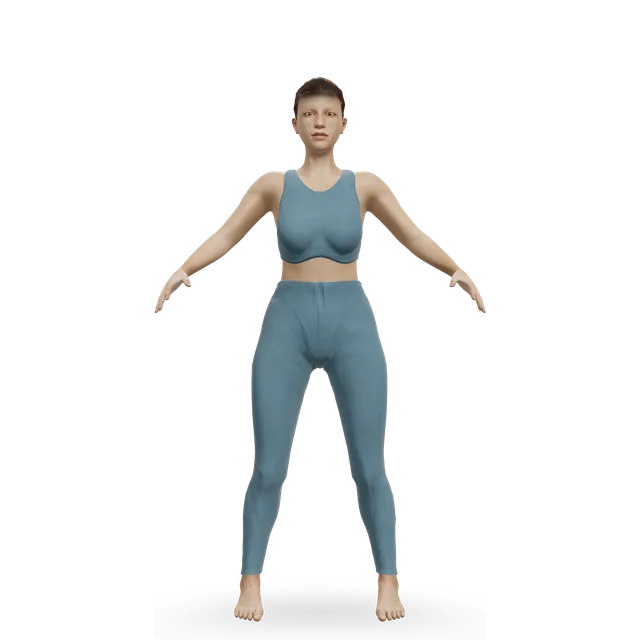
Loading the 3D figure…

Gets into position, then repeats the movement. Technical checks passed; qualified exercise review is pending.

The movement on the figure: Cable wood chop

High to low or low to high: the cable lift

Our move page's steps. The chop and the lift train the same turn in opposite diagonals. Our cable machine guide learns the lift first, then the chop, and so do we (editorial).

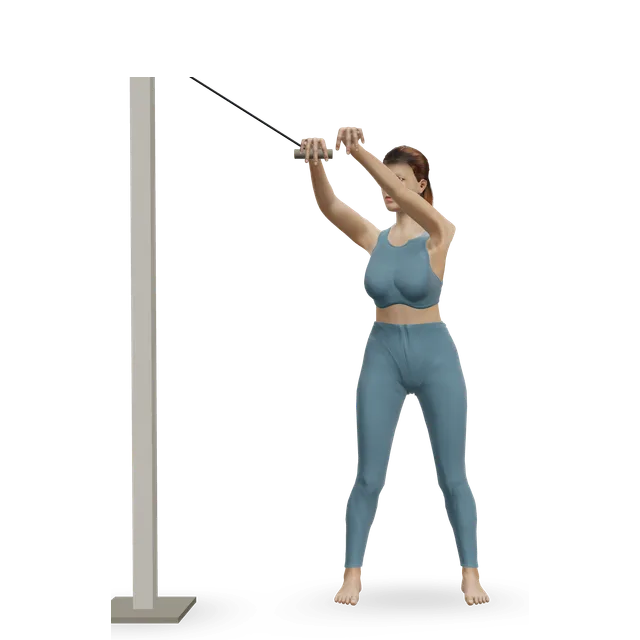
  1. Set the pulley low and stand side-on to it, crouched a little, both hands on the handle beside the near knee.
  2. In one motion, pull it up and across your body to above the far shoulder, turning your trunk and straightening your legs.
  3. Lower it back slowly along the same path. Finish the set, then do the other side.

Loading the 3D figure…

Gets into position, then repeats the movement. Technical checks passed; qualified exercise review is pending.

The movement on the figure: Standing cable lift

Learn it in order: from the Pallof press to the chop

Half-kneeling Pallof presses, 2 to 3 sets of 8 to 10 each side with a 2-second hold (our Pallof press guide); standing Pallof presses, 2 sets of 10 each side (our gym ab workout); the press and turn, 2 to 3 sets of 8 to 10 each side, light and slow (our back pain when twisting guide); cable lifts, 2 sets of 8 each side (our cable machine guide); cable wood chops, 2 sets of 8 each side (our boxers' and snowboarders' workouts); then faster turns with a longer lever, landmine 180s, 2 to 3 sets of 8 to 12 each side, stopping with 2 or 3 reps in reserve (the move page's dose).

Kneeling, half-kneeling or standing

Coaching bodies start lower

The NSCA's sample progression goes from the Pallof press series to kneeling chops and lifts, then split-stance chops and lifts, then medicine ball diagonal throws. ACE rates the half-kneeling medicine ball lift (its hay baler) beginner, the kneeling cable version intermediate and the standing chop and lift advanced. Physiotherapists call half-kneeling and tall-kneeling "transitional postures".

Kneel on the inside knee for the lift and the outside knee for the chop, as coaching sources do. There's no 3D demo of the kneeling versions: the standing demos show the pattern.

Sources 11, 12, 13, 18, 14, 15

Lower isn't always steadierEmerging evidence

In an unreviewed 2026 study of 22 active men, half-kneeling made the upper trunk wobble more than seated, kneeling or standing chops at the same relative load. So kneeling makes the chop lower and slower, not necessarily easier: start light whichever position you use.

Source 19

High to low or low to high

We found no study comparing the chop and the lift for muscle work or results. Studies have only compared them as tests: the horizontal cable woodchop was a more reliable strength test than the low-to-high one in 51 students, and chop and lift power were both reliable in 18 adults.

Sources 20, 21

Three stages in each step

ACE's three stages fit inside each step of the ladder: arms only, then add the hips, then the full turn with the back foot pivoting.

Source 2

Band, dumbbell and medicine ball chops

Band chopsEmerging evidence

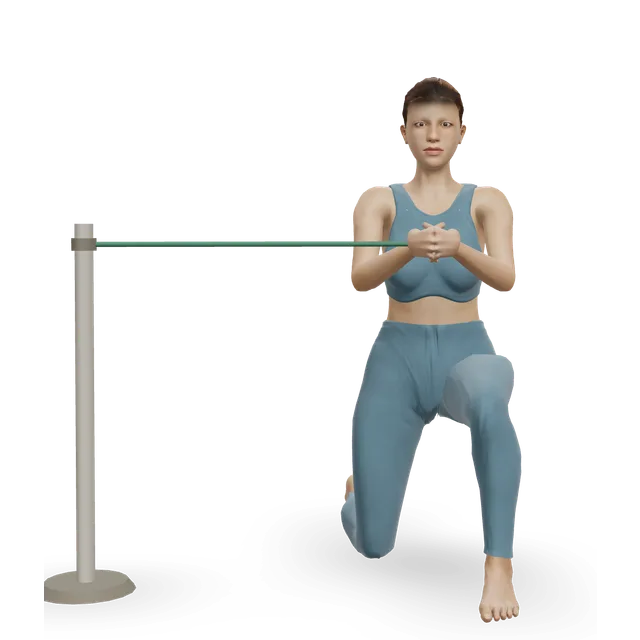
Anchor a band high in a door or round a post for the chop, and low for the lift; stepping further away makes it harder. Bands built strength like weights and machines in 7 small trials (arms and legs, not the trunk). A standing band twist worked the trunk as hard as a seated twist machine for the same effort, with more back muscle work (50% against 32% of maximum) and less external oblique (54% against 77%), and 76% of 17 untrained men preferred it.

Sources 22, 23

Dumbbell or medicine ball chops

Hold one dumbbell or a medicine ball in both hands and chop from above one shoulder to outside the opposite knee, with a slight squat, as ACE's standing wood chop does. Gravity loads it, so it's hardest when the weight is furthest from you, not across the whole diagonal as with a cable (our reading).

Source 2

No demo for these

Band, dumbbell, medicine ball and kneeling chops have no 3D demo: follow the cable steps above. The standing spiral reach in the moves below shows the same diagonal with no weight at all.

Woodchoppers and your lower back

Twisting at work and back painEmerging evidence

In 861 workers followed for 3 years, turning the trunk 30 degrees or more for over 10% of the working day carried a risk ratio of 1.3 (0.9 to 1.9) for back pain: a weak link that might be chance. Reviews judge occupational bending or twisting "unlikely to be independently causative" of back pain, find no consensus on what causes it across 41 reviews, and found strong evidence that sport and exercise in leisure time aren't linked with it.

Sources 7, 8, 24, 25, 26

What to be careful withEmerging evidence

In pig spines, twisting combined with repeated bending under load damaged the discs (67.5% of specimens), and adding a small static twist to repeated bending raised herniations from 29% to 71%; twisting alone didn't start one. A bent and twisted spine resisted twisting less well in 11 men. These are lab and animal studies; the practical reading is to turn tall, not rounded, and to keep heavy, fast, repeated twisting while bent for later or never.

Sources 10, 27, 28, 29

SpeedEmerging evidence

Muscle activity for the same turning force rose by up to 28% at faster speeds, and the researchers advise that "for safety, load and velocity of rotation should be kept low". Start slow.

Source 4

When your back is already soreEmerging evidence

In 416 people with long-lasting back pain, doing things while twisting raised the odds of a flare by about half (odds ratio 1.48). That's a reason to turn gently and in a comfortable range, not to stop turning.

Source 30

Exercise helps back pain; chops haven't been testedStrong evidence

Exercise eases chronic back pain by about 15 points out of 100 against no treatment, usual care or placebo (249 trials). Exercise of many kinds helps; in one large analysis some types did a little better, but the one you'll keep doing matters most. In that network analysis of 217 trials, Pilates, McKenzie therapy and functional restoration did better than other types, and the authors advised doing the exercise you enjoy.

We found no trial of wood chops for back pain. Four weeks of rotation classes didn't help 35 women with chronic back pain, and trials of PNF training, where chops come from, are small and low quality.

Sources 31, 32, 33, 34

What the guidelines say

NICE advises people with low back pain to keep up normal activities and to consider a group exercise programme that suits their needs and preferences. The Chartered Society of Physiotherapy: "Don't fear twisting and bending - it's essential to keep moving." With osteoporosis, the UK consensus says twisting movements "should be safe if performed smoothly and comfortably".

Sources 35, 9, 36

Our twisting rule

Aim for discomfort you'd call mild to moderate, no more than about 5 out of 10. It should settle within an hour or so, and your back should be no worse the next morning, as our back pain guides say. Pain, pins and needles or numbness spreading down a leg are the exception: stop, and see our sciatica guide.

For turning, as our back pain when twisting guide suggests: turn first in the direction that is easier, then the other way, within a range that stays at about 5 out of 10 or less; add range before speed, and speed before load. A dull ache or stiffness at the end of a turn that eases when you come back to the middle is fine; a sharp catch that stops you means a smaller, slower turn for now.

Sets, reps, speed and how often

Sets and reps

Start at 2 sets of 8 each side, as our boxers' and snowboarders' workouts and our cable machine guide do. Build to 2 to 3 sets of 8 to 12 each side, light and controlled: our editorial starting point, within NASM's "8 to 15 controlled reps" and the 3 sets of 8 to 15 used in trials that included chops.

Sources 12, 37

Effort

Stop 2 or 3 reps short of failure, while every rep is still smooth, as our Pallof press guide does. In your first two weeks, leave 3 or 4 in reserve: people misjudge the reps they have left by about one.

Source 38

Rest

45 to 90 seconds, or alternate sides and pair the chop with a carry or a leg move (our editorial starting point; our Pallof press guide rests 30 to 45 seconds).

How often

2 or 3 times a week. NASM suggests 2 to 4 core-focused blocks a week, and the trials used 2 or 3 sessions.

Sources 12, 37

Moving up

Range, then speed, then load, as our back pain when twisting guide says. Then move from kneeling to standing, and only then add the next plate or a stronger band.

Power chops, for sport

Only when controlled chops are easy: 3 to 5 sets of 3 to 6 fast reps each side, fully rested, early in a session (NASM; a handball trial used 4 sets of 4 to 6 at full effort). Chop power peaked at about 75% of the heaviest weight people could chop once, in 23 fit men. We found no trial of slow against fast chop training.

Sources 12, 39, 40

Common mistakes

Pulling with the arms and keeping the trunk square

Let your chest, stomach and hips turn together, as ACE cues it. ACE's first learning stage keeps the trunk still on purpose; that's a step, not the finished chop.

Sources 1, 2

Twisting from the lower back with the hips locked

Let your back foot pivot and your hips turn.

Rounding forward at the bottom of the chop

Stay tall: a bent, twisted spine resists twisting less well.

Source 29

Going fast and heavy too soon

Slow first; add speed only when every rep is smooth.

Source 4

Bending the elbows into a row

Keep your arms long: the trunk does the turning, as our move page says.

Letting the cable snap you back

Return slowly along the same path.

Holding your breath

Breathe out as you turn, as our breathing guide advises.

Woodchoppers for golf and other sports

Rotational training in small trialsEmerging evidence

Adding rotational medicine ball work to baseball training raised trunk rotation strength (17% against 10%) and bat-end speed (6.4% against 3.6%) in 49 teenage players. Six weeks of medicine ball training raised throwing speed 14% against 3.7% in 28 female handball players, and sling training with rotational exercises raised ball speed 3.2% in 25 others. None tested chops alone.

Sources 41, 42, 43, 39

"Wood chops make you hit, throw or swing harder"Mixed evidence

Core training built trunk strength a lot but performance only a little. Across 22 studies, throwing and hitting speed didn't clearly improve; elastic bands, medicine balls and core training showed no clear benefit for handball throwing across 30 studies. Golf clubhead speed rose a little, with low certainty (9 trials, 220 golfers), and golf-specific training with standing diagonal chops did no better than ordinary gym training in 29 women golfers.

Sources 44, 45, 46, 47, 37, 48

Stronger chops go with faster swingsEmerging evidence

Low-handicap golfers had 28% stronger cable woodchops than high-handicap golfers, and chop strength went with longer rotational throws. These are links, not proof that training chops makes you faster. Our golf guide has a full plan.

Sources 49, 50, 20

Wood chops vs the Pallof press and Russian twists

Vs the Pallof press

The Pallof press trains your trunk to resist a twist; the wood chop makes one. Learn the Pallof press first, as our Pallof press guide and the coaching bodies do, and keep it in your week once you add chops.

Vs Russian twists

Both turn the trunk. The chop is done standing, with the hips turning too and the load from a cable; the Russian twist is seated and leaning back. If your back dislikes the seated twist, the standing chop or the Pallof press may suit you better, as our Russian twist guide says.

Vs side planks and side bends

Side planks and side bends work the side of your trunk holding still or bending; chops work it turning. They fit together in a week rather than replacing each other.

Moves that go with it

Thoracic rotations, 6 rotations per side, moving with the breath (the move page's dose); side-lying open books, 8 to 10 slow openings each side, pausing 2 seconds at the end (the move page's dose); standing spiral reaches, the chop's diagonal with no weight, 5 to 8 slow reps per side (the move page's dose). Side planks, 3 holds of 15 to 40 seconds each side (our oblique workout); suitcase carries, 2 walks of 20 to 30 metres each side (our workouts); goblet squats, 3 sets of 8 to 10 (our back pain guide's strengthening stage).

Workouts

The chop and lift workout takes you from resisting a twist to cable wood chops. The sports sessions use the chop at 2 sets of 8 each side; the golf and landmine sessions use the press and turn and landmine 180s.

Chop and lift workout: from resisting a twist to cable wood chops

Resist a twist, then make one under control: Pallof presses, the press and turn, cable lifts and wood chops, with side planks and a carry.

30 minIntermediate9 movesA band, An anchor point

Strength workout for boxers: legs, power, shoulders and grip

A 45-minute strength and power workout for boxers: jumps and chest throws, squats and single-leg hinges, push-ups, rows, rotator cuff, carries and grip.

45 minIntermediate18 movesA band, Medicine ball

Strength and landing workout for snowboarders: legs, trunk rotation, landings and wrists

A 45-minute pre-season session for snowboarders: squats and single-leg work, box drops and landings, Pallof presses and wood chops, wrists, neck and balance.

45 minIntermediate19 movesA wall, A dumbbell

Strength workout for paddlers: heavy pulling, trunk rotation and shoulder care for kayaking, canoeing and SUP

A 50-minute gym session for kayakers, canoeists and paddleboarders: heavy rows and pulldowns, push-ups, wood chops, Pallof presses and shoulder care.

50 minIntermediate15 movesCardio machine, A band

Golf strength and power workout

A 45-minute golf gym session: jumps, a medicine-ball throw and kettlebell swings for power, then squats, hinges, rows, push-ups, fast rotation and carries.

45 minIntermediate14 movesMedicine ball, A kettlebell

Landmine workout: presses, rows and rotations with one barbell

A 40-minute landmine session with one barbell anchored in a landmine or a corner: kneeling and standing presses, rows, rotations and shoulder care.

40 minIntermediate13 movesA band, A barbell

Oblique workout: side planks, Pallof presses, carries and Russian twists

A 25-minute oblique workout at home: side planks, a band Pallof press and a suitcase carry to hold your trunk steady, then slow Russian twists and side-lying crunches.

25 minIntermediate8 movesA band, An anchor point

Cable machine workout: a full-body session on one cable station

A 40-minute full-body workout on a dual cable station in four pairs: pull-through and row, press and Pallof press, pushdown and crunch, raise and curl.

40 minBeginner14 movesCardio machine, A band

Who should change it

Back pain that twisting brings on, or pain down a leg

Swap to the Pallof press for now and follow our back pain when twisting guide, which brings chops back after it.

Osteoporosis

Smooth, comfortable, light turns; avoid repeated bending at the same time. After a spinal fracture, ask a physiotherapist first, as our osteoporosis guide says.

Source 36

After tummy surgery, or with a stoma

As our move pages say, this is an advanced core exercise: work up through easier core levels first, and stop if you notice doming or bulging around your stoma or scar.

A hernia

Check with your GP first, and start with the gentle core work and Pallof presses in our hernia guide.

Pregnancy

The NHS says it's not recommended to start a new vigorous activity in pregnancy, and suggests moving your feet when you turn rather than twisting your spine. Keep turns gentle, or swap to the Pallof press, which our Pallof press guide calls a good choice in pregnancy.

Sources 51, 52

After a birth

The NHS advises avoiding heavy lifting and exercises like planks at first. Our diastasis recti guide brings in a band press that resists twisting from about 6 to 8 weeks after a straightforward birth; turning moves come later.

Source 53

A recent shoulder injury or surgery

After a recent shoulder dislocation, or shoulder or elbow surgery, follow your surgical team's limits first.

Warning signs

Stop and get medical help

If you get chest pain or pressure, feel faint or dizzy, are unusually breathless, or your heart races or beats irregularly during exercise, as our plans advise. The American Heart Association says these need immediate medical evaluation.

Source 54

Call 999 (911 in the US)

For chest pain that comes on suddenly and doesn't go away, feels tight or like squeezing, spreads to your arms, neck, jaw, stomach or back, or comes with sweating, feeling sick, light-headedness or breathlessness; arm pain that comes on suddenly with pressure, heaviness or squeezing across your chest; severe difficulty breathing, or a chest that feels tight or heavy; someone who faints while exercising; palpitations that don't go away, or come with chest pain, shortness of breath or feeling faint; or a headache that starts suddenly and is extremely painful, especially while lifting or straining. The NHS says a bleed on the brain may be more likely when lifting something heavy. Don't drive yourself to A&E.

Sources 55, 56, 57, 58, 59, 60, 61, 62

A headache with effort

Ask for an urgent GP appointment or get help from NHS 111 for a headache that's triggered or made worse by coughing, sneezing, bending down or exercising.

Source 61

Back pain

Call 999 or go to A&E: loss of feeling or numbness around the genitals or bottom, new trouble peeing or controlling your bladder or bowels, changes in genital sensation during sex or problems with erections or orgasm, or pain, tingling, weakness or numbness in both legs. These are signs of cauda equina syndrome, which needs treating in hospital urgently. Don't drive yourself.

See a GP if pain spreading down a leg hasn't improved after a few weeks of home treatment, is getting worse or stops your normal activities. Sciatica on both sides, or weakness or numbness in both legs that's severe or getting worse, is a 999 call or a trip to A&E.

Sources 63, 64

A sudden pain in the tummy wall

A sharp pain in one spot of the tummy wall during a twist, sore to tense, cough or sit up, is usually a strained muscle, as our abdominal strain guide explains. Tummy pain that came on by itself, with feeling sick, a fever or a lump in the groin, isn't a strain: get it checked.

Your shoulder

Keep shoulder pain to about 5 out of 10 or less during the exercise, back to its usual level by your next session, as our shoulder guides advise. A sharp pinch means lower, lighter or stop.

Ask for an urgent GP appointment or get help from NHS 111 for sudden or very bad shoulder pain; not being able to move your arm; a shoulder or arm that has changed shape or is badly swollen; pins and needles that don't go away; or pain that started after an injury or accident, like a fall. In the US, contact your doctor or urgent care. See a GP if shoulder pain is getting worse or hasn't improved after 2 weeks. While your shoulder is sore, the NHS says not to make up your own strenuous exercises or use heavy gym equipment.

A long-armed chop pulls hard across the shoulder at the top: start light.

Source 65

A new lump or bulge in your groin or tummy

See a GP if you think you have a hernia, a bulge or lump that may get bigger when you strain and smaller when you lie down. Get help from NHS 111 if you have a hernia and pain in or around it, a bloated tummy, you feel or are sick, you're vomiting blood or your vomit looks like coffee grounds, you're constipated, you have a high temperature or feel hot, cold or shivery, or you've suddenly become confused. Call 999 or go to A&E for a femoral hernia (a small lump at the top of your thigh, in your groin) with very bad tummy pain, sickness, being unable to fart or poo, a high temperature or sudden confusion.

The NHS lists lifting heavy weights among the causes of a femoral hernia. After an inguinal hernia repair, avoid heavy lifting or strenuous activity for at least 4 to 6 weeks.

Sources 66, 67, 68

Before you start

Speak to your GP first if you haven't exercised for some time or have medical conditions or concerns, as the NHS advises. Get advice before hard or straining work if your blood pressure is uncontrolled (140/90 or higher at a clinic, or 135/85 at home), or you have heart disease or chest pain when you're active, a pacemaker or defibrillator, diabetic eye disease, glaucoma, a hernia, recent eye or tummy surgery, or you're pregnant, as our breathing guide lists.

With controlled high blood pressure, the American Heart Association considers low- to moderate-intensity strength training with proper breathing safe. Breathe out as you lift, as our breathing guide advises.

With a pacemaker or defibrillator, the American Heart Association asks you to check with your doctor before upper-body strength training, because repeated arm movements can damage or dislodge the leads.

Sources 69, 70, 54
Myths

"Twisting exercises are bad for your back"Emerging evidence

Twisting at work was a weak, inconsistent risk factor, reviews judge it unlikely to cause back pain on its own, leisure exercise isn't linked with back pain, and the lower back turns only 1.2 to 1.7 degrees per joint. The Chartered Society of Physiotherapy says "Don't fear twisting and bending". What's worth care is heavy, fast, repeated twisting while bent, and twisting while your back is already sore.

Sources 7, 8, 25, 26, 6, 9, 36

"Wood chops fix back pain"

We found no trial of chops for back pain, and rotation classes didn't help 35 women with chronic back pain. Exercise in general helps.

Sources 33, 31

"Chops work your obliques more than anything else"

Nobody has measured how hard a chop works the obliques.

Source 3

"Keep your hips square and twist from your waist"

The lower back barely turns; your hips and upper back do the turning, your back foot pivots, and ACE's cue is to move the chest and stomach together. Keeping the trunk still is only ACE's first learning stage.

Sources 6, 1, 2

"Go as fast as you can for power"Emerging evidence

Muscle activity for the same force rises with speed, and the researchers advise keeping load and speed low. NASM saves explosive chops for after controlled ones.

Sources 4, 12

"Half-kneeling is the easy version"Emerging evidence

Coaching bodies teach kneeling first, but in one unreviewed 2026 study half-kneeling made the upper trunk wobble more at the same relative load: lower and slower, not necessarily steadier.

Sources 11, 13, 19

"Wood chops burn love handles"Strong evidence

Exercising a body part doesn't remove the fat over it: across 13 studies of 1,158 people, and in 24 adults who did 6 weeks of ab exercises, local fat didn't change. Fat comes off with your overall activity and eating, as our belly fat guide explains.

Sources 71, 72

Questions people ask

How do you do a cable woodchopper?

Stand side-on to a cable with the pulley high, arms long towards it, and pull the handle down and across your body to the outside of your far hip, turning your chest, stomach and hips together and pivoting your back foot. Return slowly and do the other side.

What muscles do woodchoppers work?

Nobody has measured it in a chop. Turning the trunk uses the obliques on both sides and the lats, with the whole trunk bracing, and your hips and legs turn and shift your weight.

High to low or low to high?

Both: the high-to-low chop and the low-to-high lift train the same turn in opposite diagonals, and no study has compared them. Our cable machine guide learns the lift first, then the chop.

Are woodchoppers a good exercise?

They're a good way to train turning under control once you can resist a twist with the Pallof press. They aren't proven to work your obliques harder than other exercises or to fix back pain.

Are woodchoppers bad for your back?

Not as a rule: twisting hasn't been shown to cause back pain on its own, and the Chartered Society of Physiotherapy says "Don't fear twisting and bending". Turn tall and smooth with a light weight, and swap to the Pallof press if twisting brings on pain.

How many sets and reps of woodchoppers?

Start at 2 sets of 8 each side and build to 2 to 3 sets of 8 to 12, light and controlled, 2 or 3 times a week. That's our starting point, in line with the 8 to 15 controlled reps NASM suggests.

Wood chop or Pallof press?

The Pallof press trains your trunk to resist a twist; the wood chop makes one. Learn the Pallof press first, as our guides and the coaching bodies do, then add chops.

Wood chop or Russian twist?

Both turn the trunk; the chop is done standing, with the hips turning too, while the Russian twist is seated and leaning back. If your back dislikes the seated twist, the standing chop or the Pallof press may suit you better.

Can I do woodchoppers with a band or dumbbell?

Yes: anchor a band high in a door or round a post, or hold one dumbbell in both hands and chop from above one shoulder to outside the opposite knee. Bands built strength like weights in small trials. There's no 3D demo of these versions, so follow the cable steps.

Kneeling or standing?

Coaches start kneeling or half-kneeling, which takes your legs out of it. In one unreviewed 2026 study, half-kneeling actually made the upper trunk wobble more at the same relative load, so start light either way.

Do woodchoppers help golf or other sports?

A little, perhaps: rotational training helped bat speed and throwing in small trials. But across many studies core training didn't clearly raise throwing or hitting speed, and golf-specific chops did no better than ordinary gym training.

Will woodchoppers get rid of love handles?

No: exercising a body part doesn't remove the fat over it. Fat comes off with your overall activity and eating, as our belly fat guide explains.

Sources

  1. ACE · Standing rotational chop (exercise library, rated advanced, American Council on Exercise)
  2. ACE · Standing wood chop, learned in three stages (exercise library, rated advanced, American Council on Exercise)
  3. Vasudevan 2016 · Muscle switch-on order in golf and tennis swings and training exercises, in 18 athletes (EMG pilot study, J Sports Med)
  4. Kumar 2003 · Trunk muscle activity in seated twisting at three speeds, in 50 young adults (EMG study, Spine J)
  5. McGill 1991 · Abdominal and back muscle activity while twisting, in 25 adults (EMG study, J Orthop Res)
  6. Fujii 2007 · How much each lower back joint turns in a trunk twist, in 10 volunteers (MRI study, Eur Spine J)
  7. Hoogendoorn 2000 · Bending, twisting and lifting at work and back pain in 861 workers over 3 years (cohort study, Spine)
  8. Wai 2010 · Does bending or twisting at work cause low back pain? (systematic review, Spine J)
  9. Chartered Society of Physiotherapy 2016 · Back pain myth busters (patient leaflet)
  10. Marshall 2010 · Twisting, repeated bending and disc damage in pig spines (lab study, Clin Biomech)
  11. NSCA 2015 · Foundations of Fitness Programming: sample core progressions (coaching guide, National Strength and Conditioning Association)
  12. Richey (NASM) · Progressive core training: programming the core beyond crunches (coaching article, National Academy of Sports Medicine)
  13. ACE · Half-kneeling hay baler (exercise library, rated beginner, American Council on Exercise)
  14. ACE · Standing hay baler (exercise library, rated advanced, American Council on Exercise)
  15. Voight 2008 · The chop and lift reconsidered (clinical commentary, N Am J Sports Phys Ther)
  16. Kumar 1996 · Trunk muscle activity in unresisted trunk turns (EMG study, Spine)
  17. McGill 1990 · Twisting force of the trunk in men and women (lab study, J Biomed Eng)
  18. ACE · Kneeling hay baler (exercise library, rated intermediate, American Council on Exercise)
  19. Juan-Recio 2026 · Body position and upper-trunk wobble in the cable wood chop, in 22 active men (preprint, not peer reviewed, Preprints.org)
  20. Rodríguez-Perea 2023 · Reliability of trunk rotation strength tests, including cable woodchops (multicentre reliability study, Healthcare)
  21. Palmer 2011 · Day-to-day reliability of power in the chop and lift tests (reliability study, J Athl Train)
  22. Lopes 2019 · Elastic bands against conventional resistance for strength: 7 studies, as corrected (systematic review and meta-analysis, SAGE Open Med)
  23. Vinstrup 2015 · Trunk muscle activity and preference: an elastic band twist against a machine, in 17 men (EMG study, Scientifica)
  24. Kwon 2011 · Physical work and low back pain (systematic review, Occup Med)
  25. Swain 2020 · No consensus that spine posture or physical exposure causes low back pain: 41 systematic reviews (review of reviews, J Biomech)
  26. Bakker 2009 · Spinal load as a risk factor for low back pain: 18 cohort studies (systematic review, Spine)
  27. Drake 2005 · A small static twist added to repeated bending, and disc failure in pig spines (lab study, Clin Biomech)
  28. Aultman 2004 · Twisting and the compressive strength of pig spines (lab study, Spine)
  29. McGill 1992 · Spine posture, twisting force and trunk muscle activity, in 11 men (lab study, Spine)
  30. Silver 2026 · What strengthens the link between activities and low back pain flares, in 416 people (case-crossover study, Spine)
  31. Hayden 2021 · Exercise therapy for chronic low back pain: 249 trials (Cochrane review)
  32. Hayden 2021 · Some types of exercise are more effective than others for chronic low back pain: 217 trials (network meta-analysis, J Physiother)
  33. Segal-Snir 2016 · Rotation exercise classes for 35 women with chronic low back pain (randomised trial, J Back Musculoskelet Rehabil)
  34. Pourahmadi 2020 · Proprioceptive neuromuscular facilitation for low back pain: 20 trials (systematic review and meta-analysis, Arch Bone Jt Surg)
  35. NICE NG59 · Low back pain and sciatica in over 16s: assessment and management (guideline, last updated July 2026)
  36. Brooke-Wavell 2022 · Strong, steady and straight: UK consensus on physical activity and exercise for osteoporosis (consensus statement, Br J Sports Med)
  37. Liu 2026 · Core-inclusive training and clubhead speed in golfers: 9 trials, 220 golfers (systematic review and meta-analysis, Life)
  38. Halperin 2022 · How accurately people predict the reps they have left: 12 studies (scoping review and meta-analysis, Sports Med)
  39. Dahl 2021 · Eight weeks of sling training with rotational core exercises and throwing speed in 25 female handball players (randomised trial, J Hum Kinet)
  40. Zemková 2017 · Measuring power in the standing cable wood chop, in 23 fit men (lab study, J Strength Cond Res)
  41. Szymanski 2007 · Twelve weeks of medicine ball training in 49 high school baseball players (randomised trial, J Strength Cond Res)
  42. Szymanski 2007 · Trunk rotation strength and bat speed in high school baseball players (randomised trial, J Strength Cond Res)
  43. Raeder 2015 · Six weeks of medicine ball training and throwing speed in 28 female handball players (randomised trial, J Strength Cond Res)
  44. Prieske 2016 · Trunk muscle strength, fitness and athletic performance in trained people (systematic review and meta-analysis, Sports Med)
  45. Saeterbakken 2022 · Trunk muscle training and performance in athletes: 31 studies, 693 athletes (systematic review and meta-analysis, Sports Med)
  46. Rodríguez-Perea 2023 · Core training and sports performance: 22 studies (systematic review and meta-analysis, Biol Sport)
  47. Hadjisavvas 2024 · Resistance training and throwing in handball players: 30 studies (systematic review and meta-analysis, BMC Sports Sci Med Rehabil)
  48. Hegedus 2016 · Traditional against golf-specific resistance training in 29 female amateur golfers (randomised trial, Phys Ther Sport)
  49. Keogh 2009 · Strength and clubhead speed in low- and high-handicap golfers (cross-sectional study, J Strength Cond Res)
  50. Rodríguez-Perea 2024 · Trunk rotation strength and rotational medicine ball throws (cross-sectional study, J Sports Med Phys Fitness)
  51. NHS · Exercise in pregnancy
  52. NHS · Back pain in pregnancy
  53. NHS · Your post-pregnancy body
  54. Paluch 2024 · Resistance exercise training with and without cardiovascular disease: 2023 update (American Heart Association scientific statement, Circulation)
  55. NHS · Chest pain (past its review date: reviewed August 2023, review due August 2026)
  56. NHS · Heart attack
  57. NHS · Elbow and arm pain
  58. NHS · Shortness of breath
  59. NHS · Fainting
  60. NHS · Heart palpitations
  61. NHS · Headaches
  62. NHS · Subarachnoid haemorrhage
  63. NHS · Back pain
  64. NHS · Sciatica
  65. NHS · Shoulder pain (past its review date: reviewed May 2023, review due May 2026)
  66. NHS · Hernia
  67. NHS · Femoral hernia
  68. NHS · Inguinal hernia repair
  69. NHS · Physical activity guidelines for adults aged 19 to 64
  70. NHS · High blood pressure
  71. Ramirez-Campillo 2022 · Does exercising a body part reduce the fat over it? 13 studies, 1,158 people (systematic review and meta-analysis, Hum Mov)
  72. Vispute 2011 · Six weeks of ab exercise and belly fat in 24 adults (randomised trial, J Strength Cond Res)

Exercise education, not a personal prescription, and clinical review of these guides is pending. Check with a GP before starting hard training if you have a heart condition, chest pain, dizziness or breathlessness when active, and stop for sharp or increasing pain. Health disclaimer.